Form of Anubias barteri
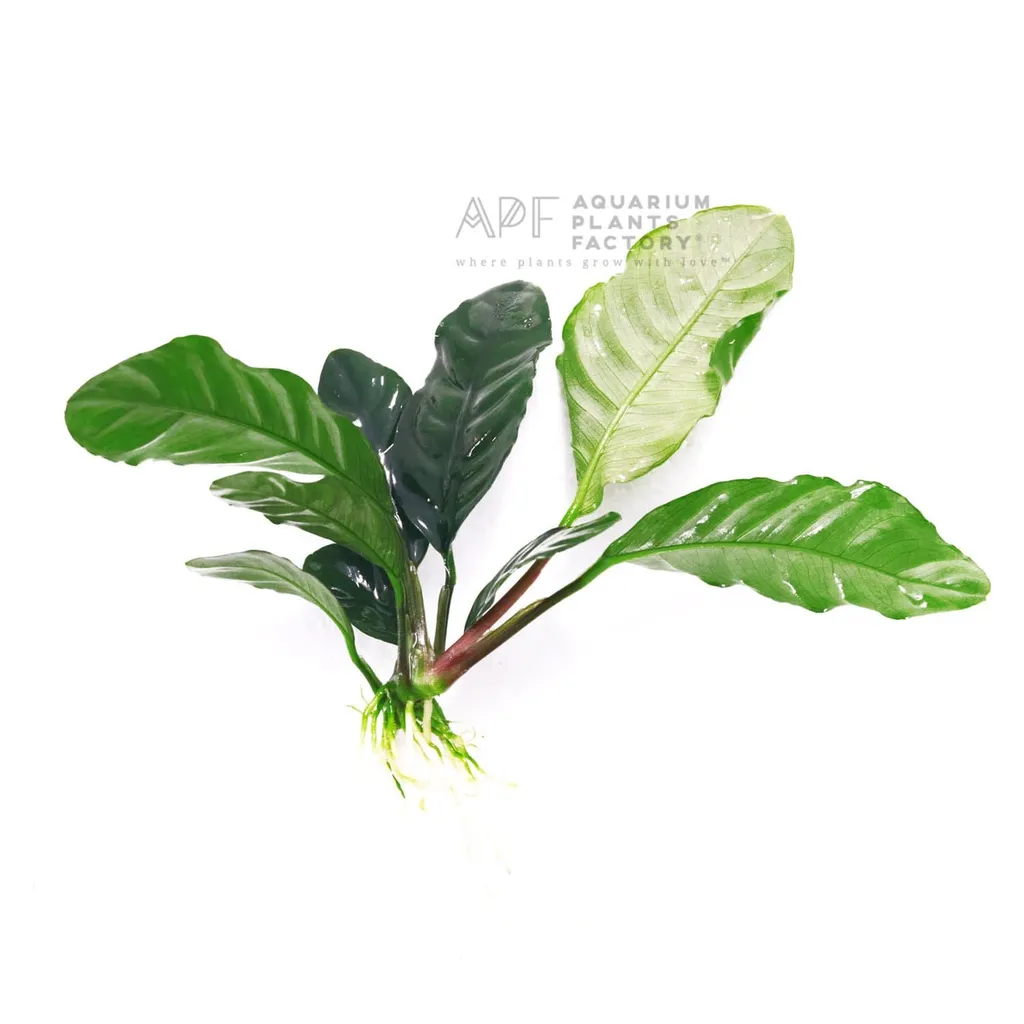
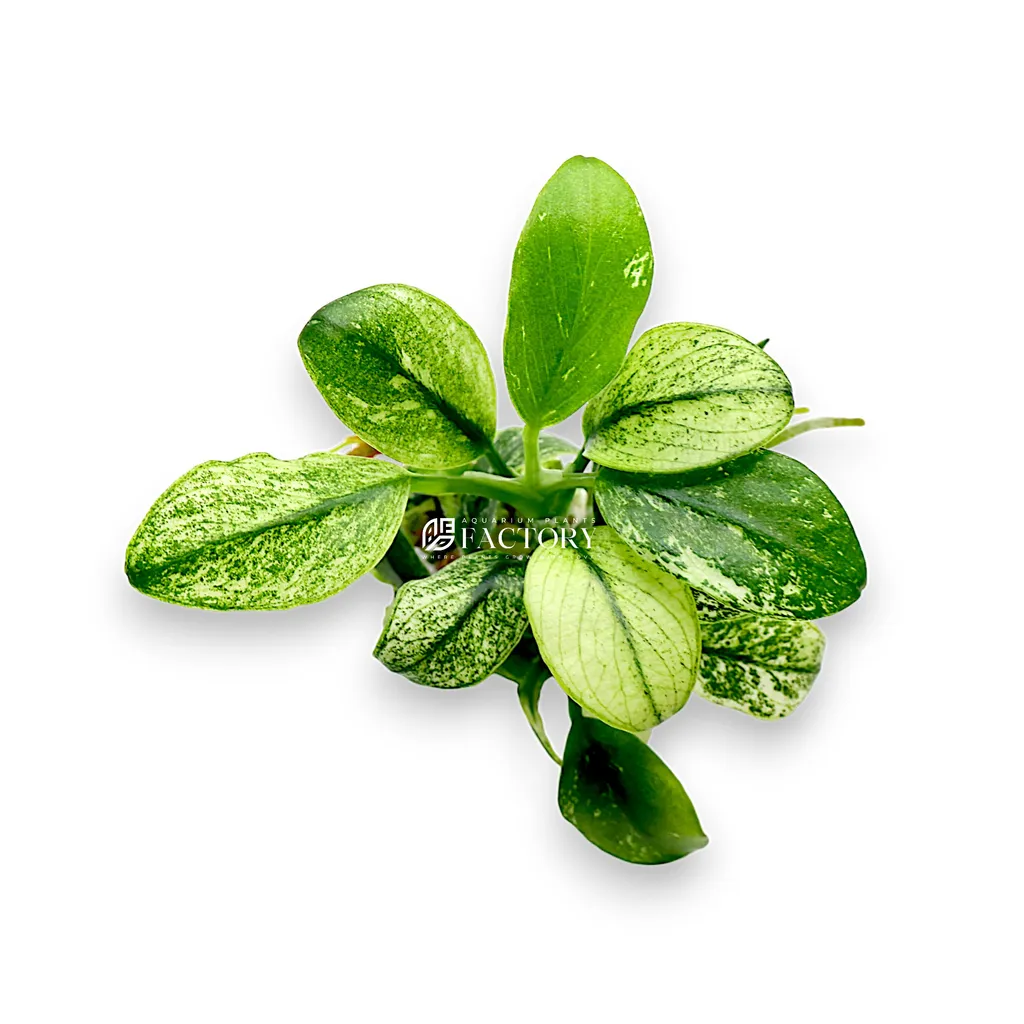
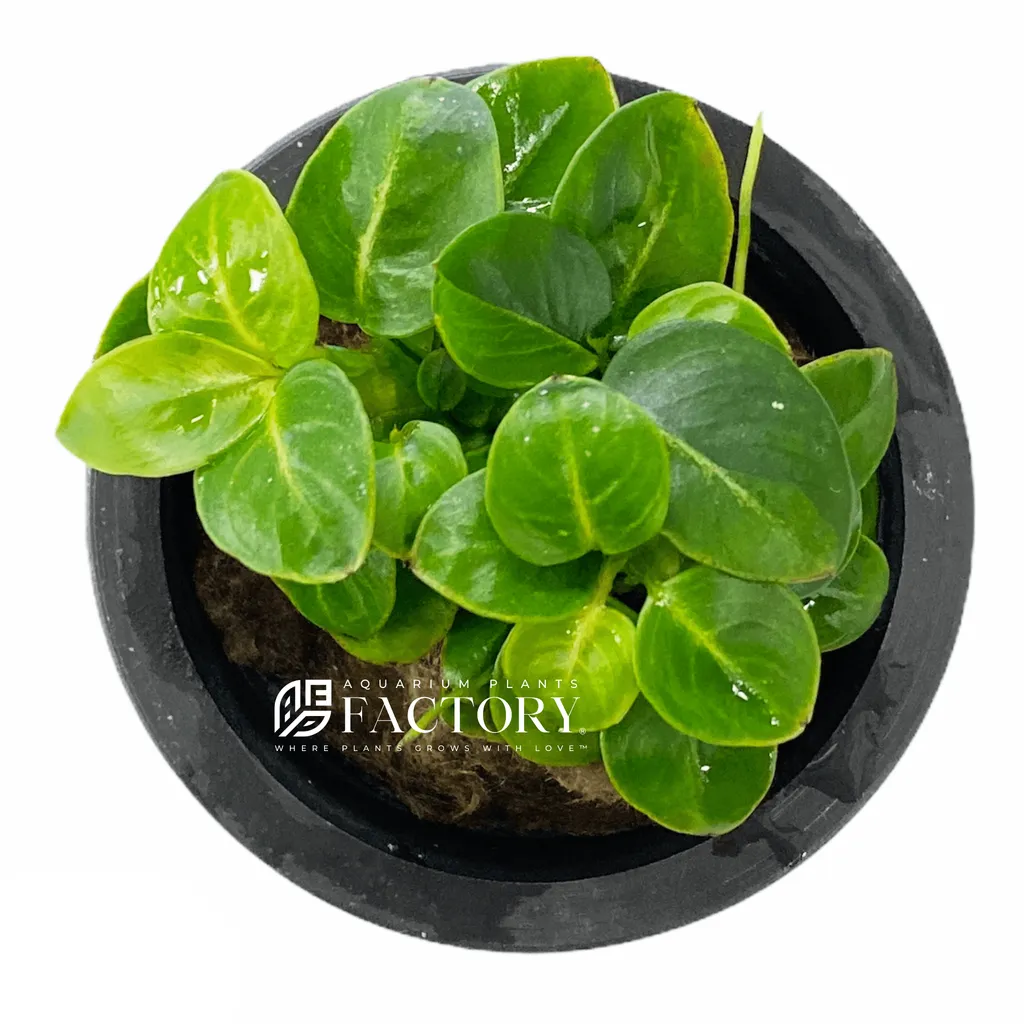
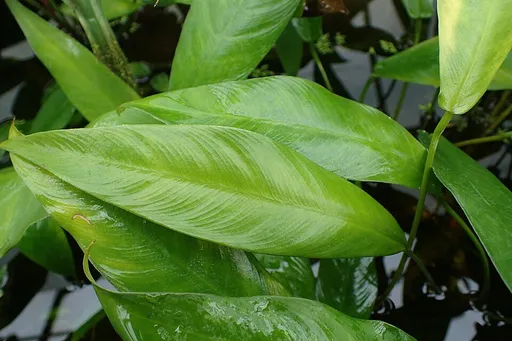
Anubias Snow White
Anubias barteri var. nana 'Snow White'
One of 24 forms of Anubias barteri · See all forms →
Also known as Anubias Nana Snow White, Variegated Anubias Nana, Anubias nana 'White'
FreshwaterBrackishRhizomeRhizome division
Forms · Anubias barteri
See all 24 →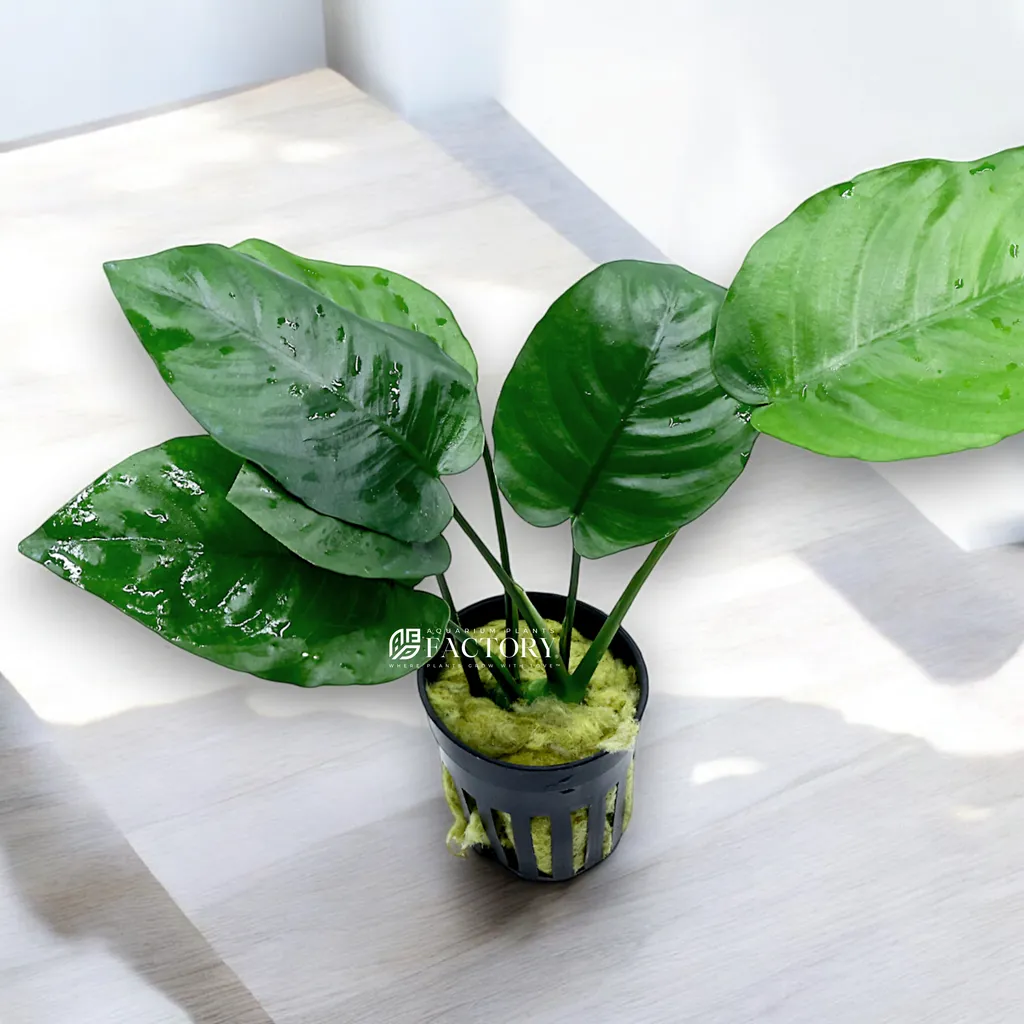
Care at a glance
- Light
- Medium light
- CO2
- CO₂ beneficial
- Temperature
- 72–82°F
- 22–28°C
- Max height
- 3.9 in
- 10 cm
- Growth rate
- Slow
- Placement
- Epiphyte
- Type
- Rhizome
- pH
- 6.0–7.5
- Hardness
- 2–18 dGH
- Spread
- 4.7 in (12 cm)
- Nutrient uptake
- Root + water column
- Growth region
- Submersed or emersed
- Difficulty
- Medium
- Family
- Araceae
- Origin
- West Africa (cultivated selection)
Overview
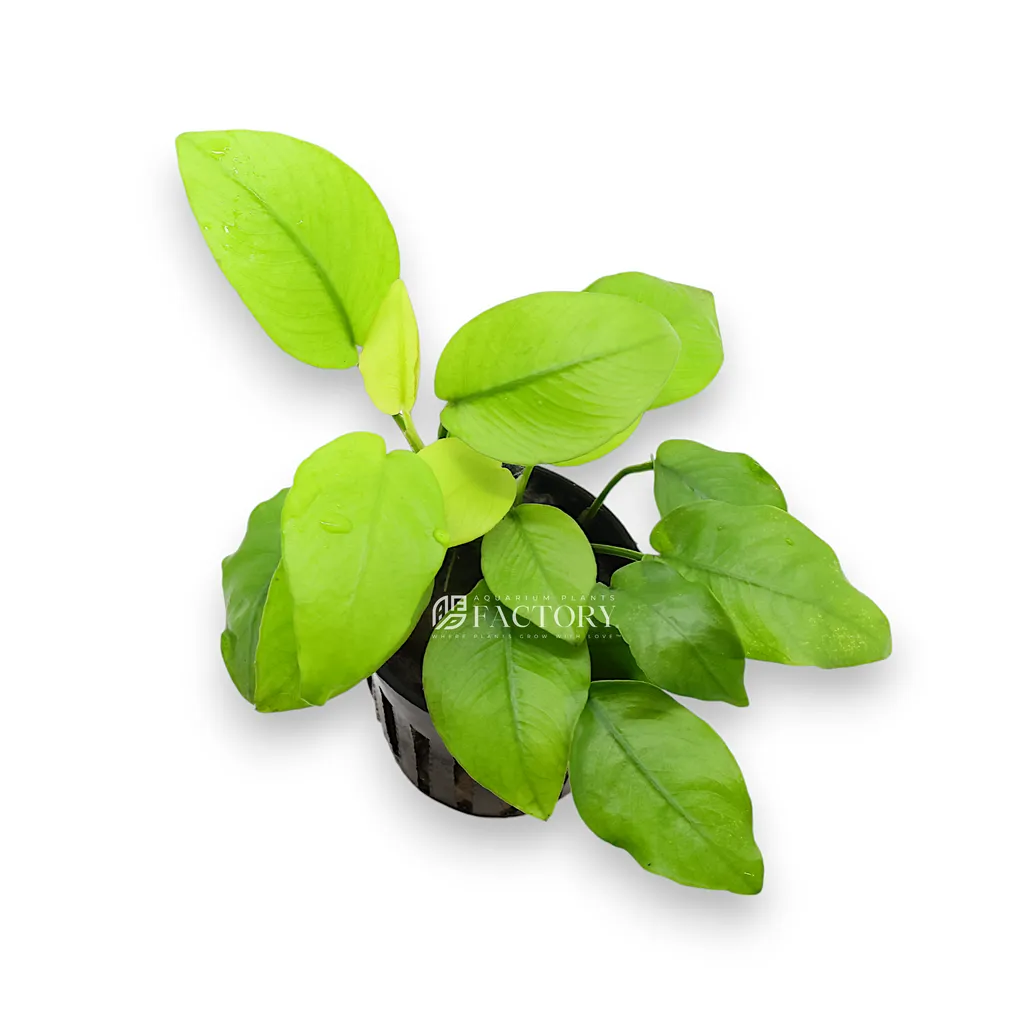
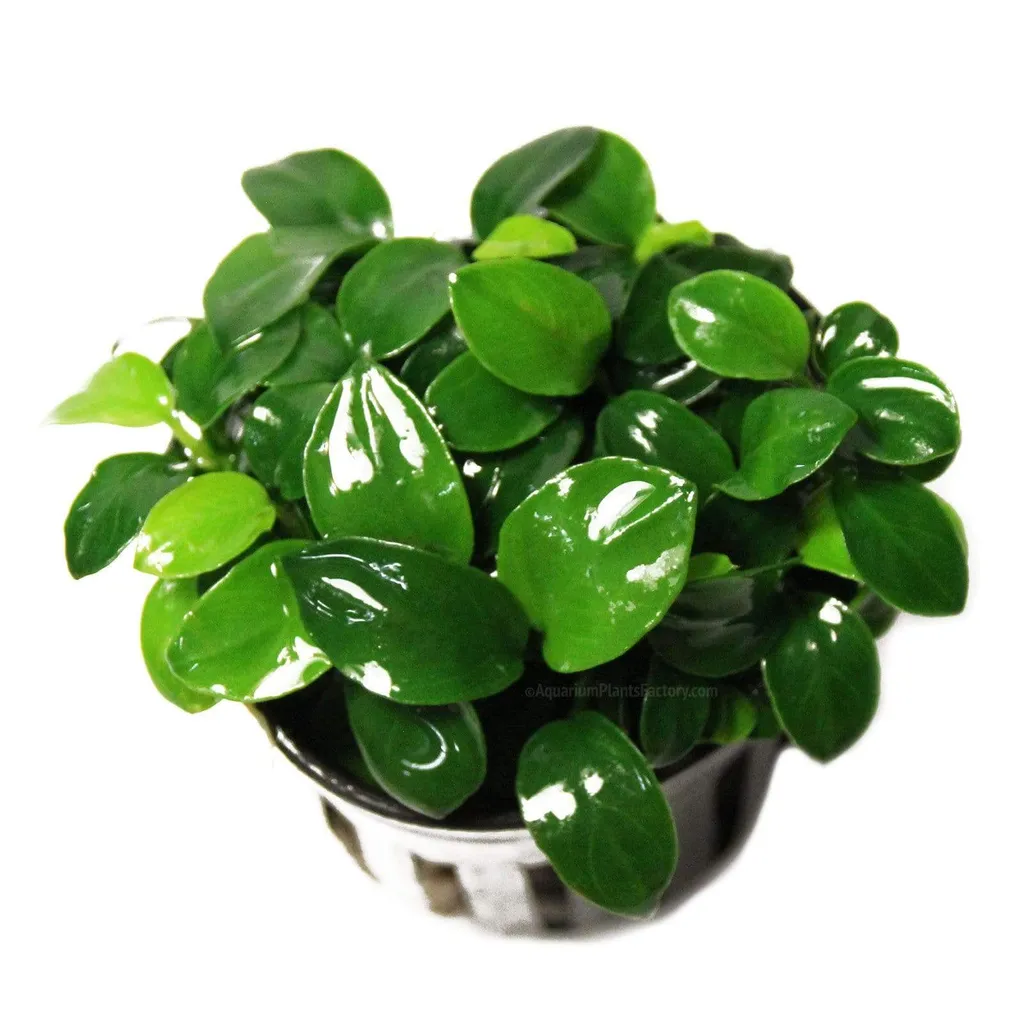
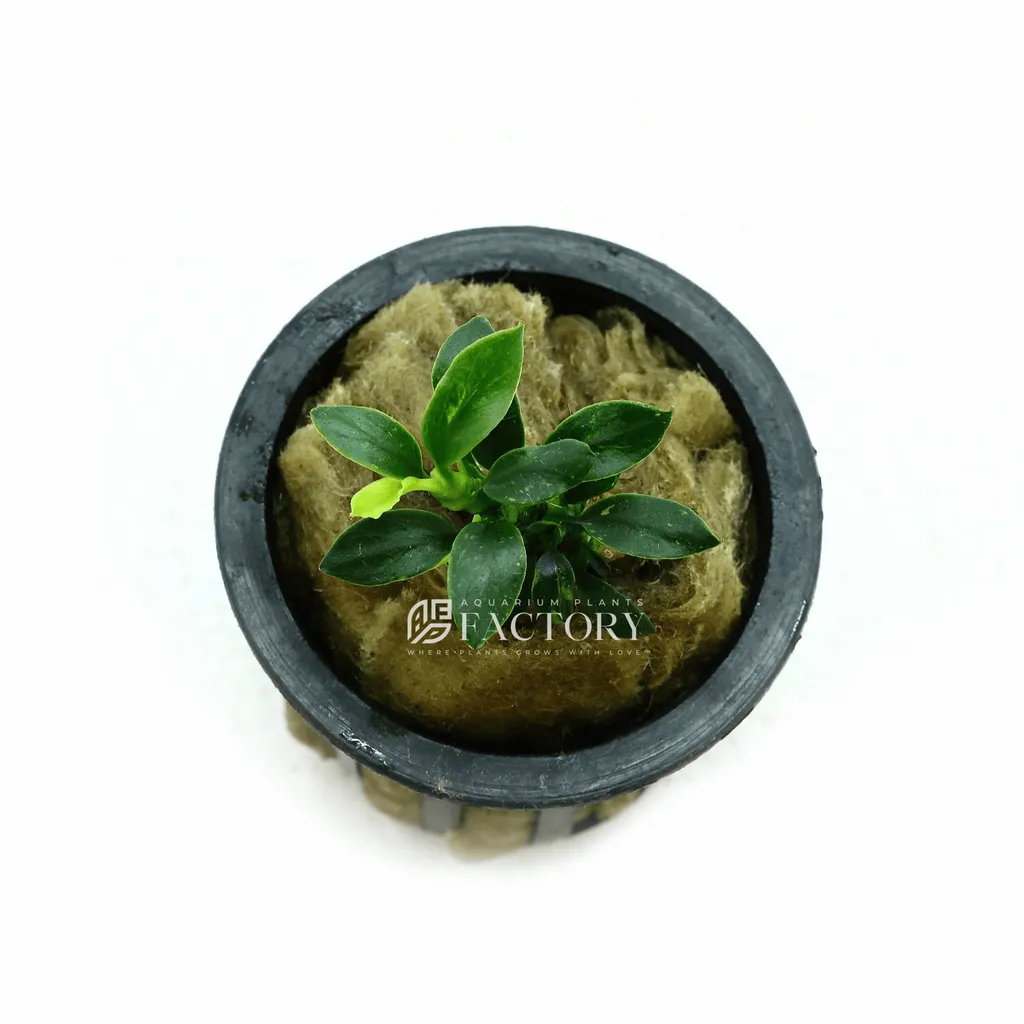
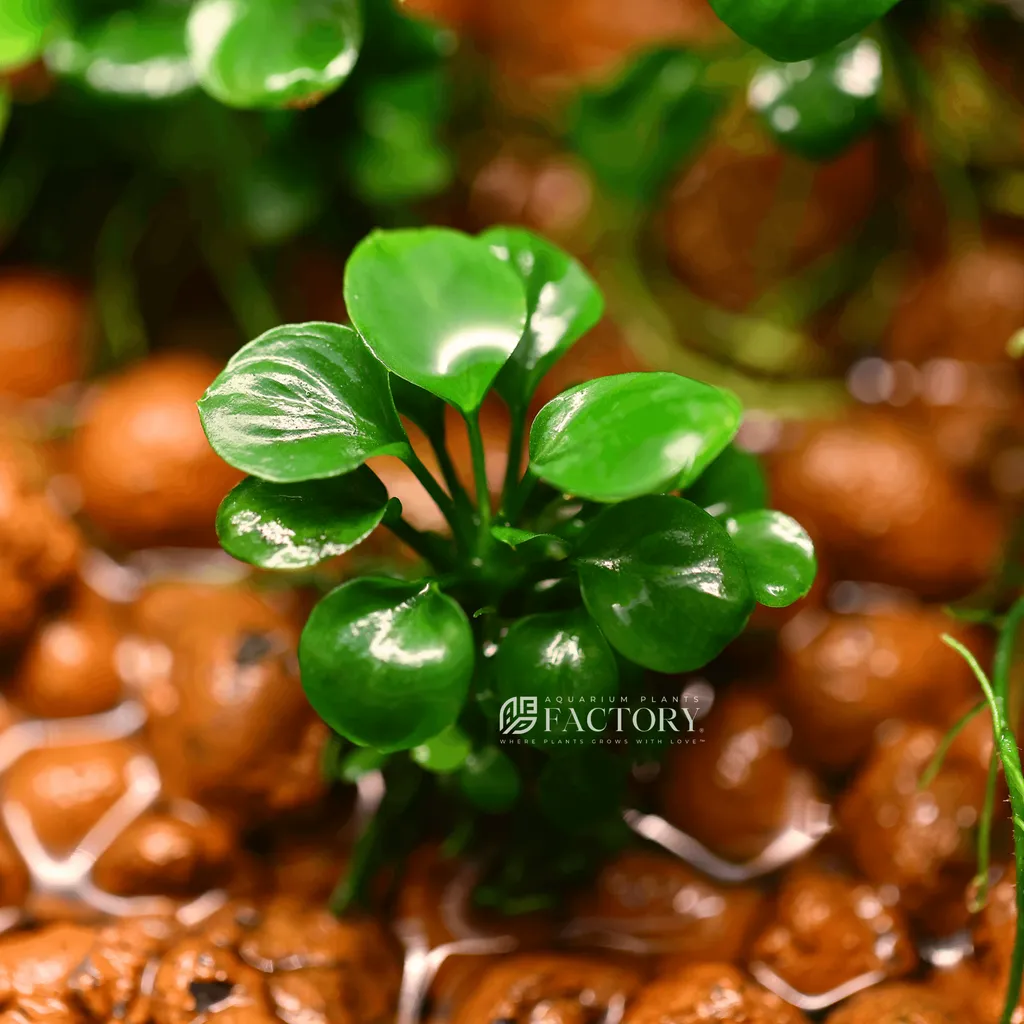
Treat it like any Anubias, rhizome glued or tied to hardscape and never buried, but expect it to be fussier than the green forms. The white leaves have little chlorophyll, so it needs a bit more light than a standard nana just to feed itself, yet strong light plus its glacial growth invites algae, and it is prone to melting if unhappy. Gentle stable conditions and patience are the whole game. CO2 and mild ferts help it hold and push new pale leaves.
In the wild
The parent plant, Anubias barteri var. nana, is a dwarf form from streams and riverbanks in West Africa, growing emersed or submersed in shade. 'Snow White' is not a wild plant but a variegated tissue-cultured selection of that dwarf, prized for creamy white foliage with only faint green marbling. It keeps the compact habit of nana but carries far less chlorophyll.
Good to know
This is a variegated cultivar of Anubias barteri var. nana, an aroid in the family Araceae. The white coloring comes from a lack of chlorophyll in the affected tissue, which is why the plant photosynthesizes poorly and grows even slower than a normal Anubias. Because the variegation is a somatic mutation rather than a stable trait from seed, it is propagated only by division or tissue culture to keep the pale color.
Did you know
Because its leaves carry so little chlorophyll, Snow White can actually starve under the same low light that a normal Anubias thrives in, making one of the hobby's hardiest genera into a genuinely temperamental plant.
Related plants
- Low lightEpiphyte3.9 in (10 cm)
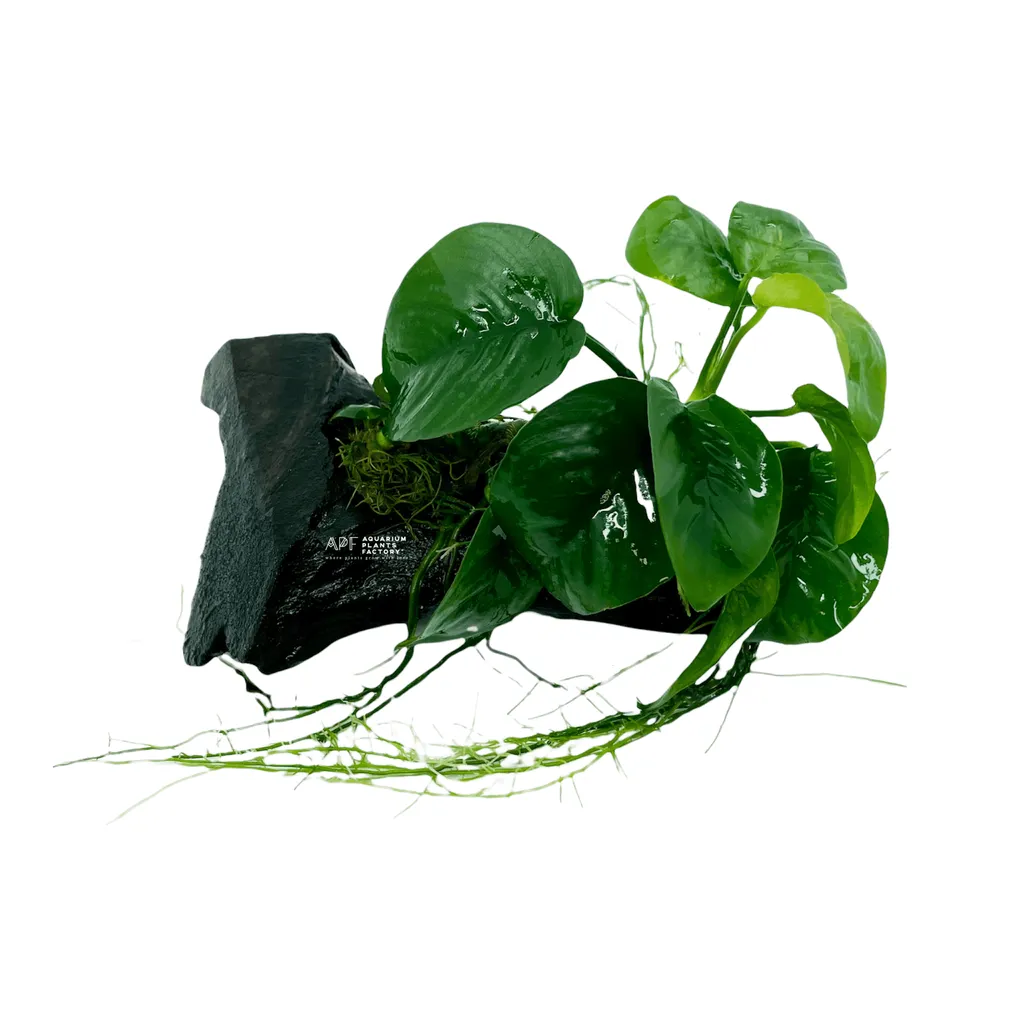
Anubias Chili Jalapeno
Anubias 'Chili Jalapeno'
Low light · Epiphyte
 Low lightEpiphyte5.9 in (15 cm)
Anubias Butterfly
Anubias 'Butterfly'
Low light · Epiphyte
- Low lightEpiphyte7.9 in (20 cm)
Anubias Nangi
Anubias 'Nangi'
Low light · Epiphyte
- Low lightEpiphyte9.8 in (25 cm)
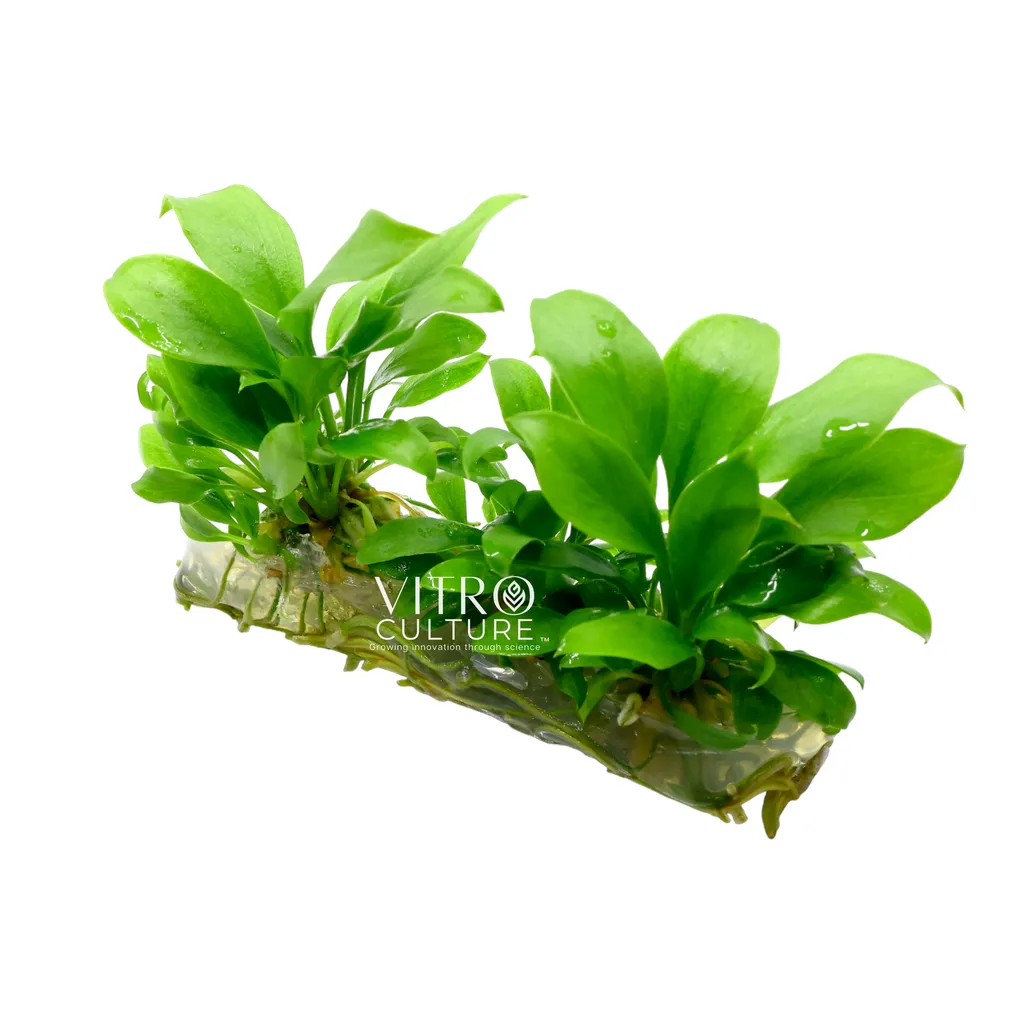
Anubias Frazeri
Anubias 'Frazeri'
Low light · Epiphyte
 Low lightEpiphyte11.8 in (30 cm)
Anubias gilletii
Low light · Epiphyte
 Low lightEpiphyte15.7 in (40 cm)
Anubias gracilis
Low light · Epiphyte