Form of Anubias barteri
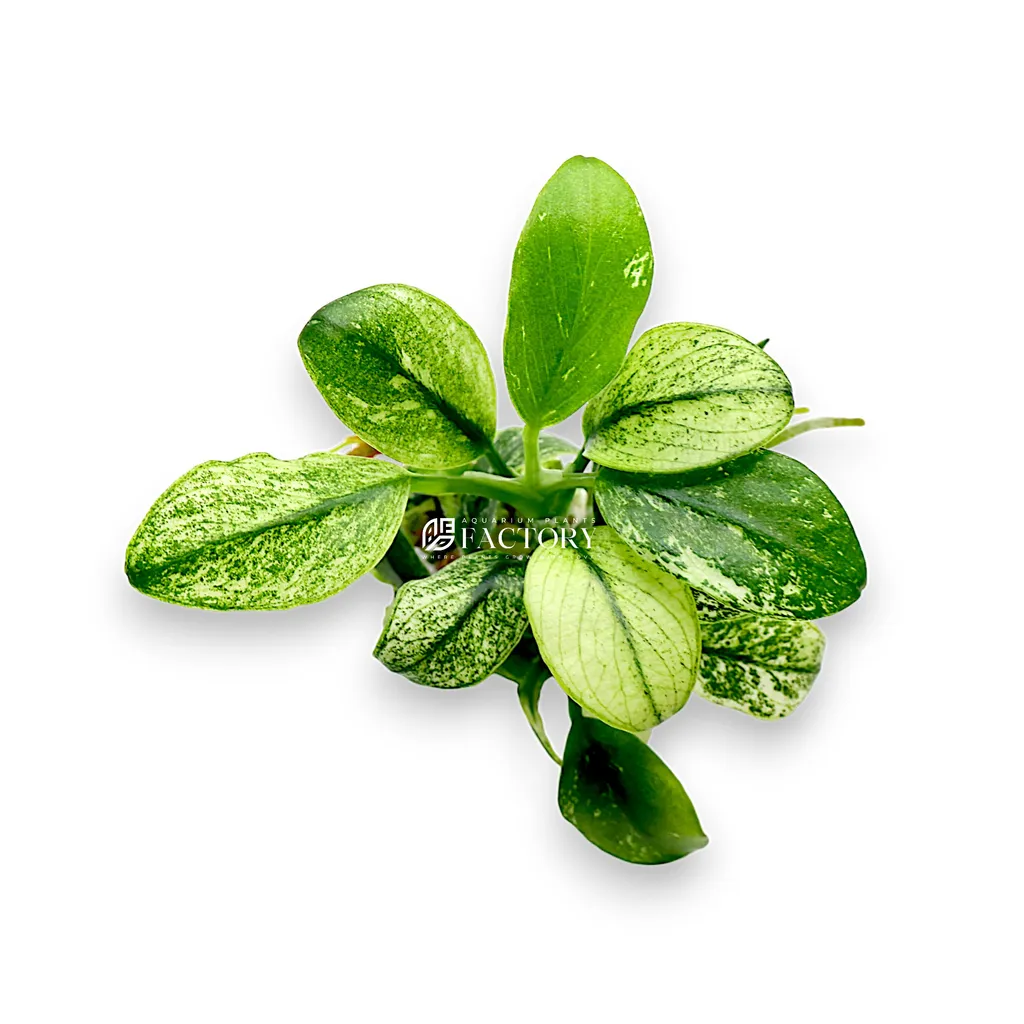
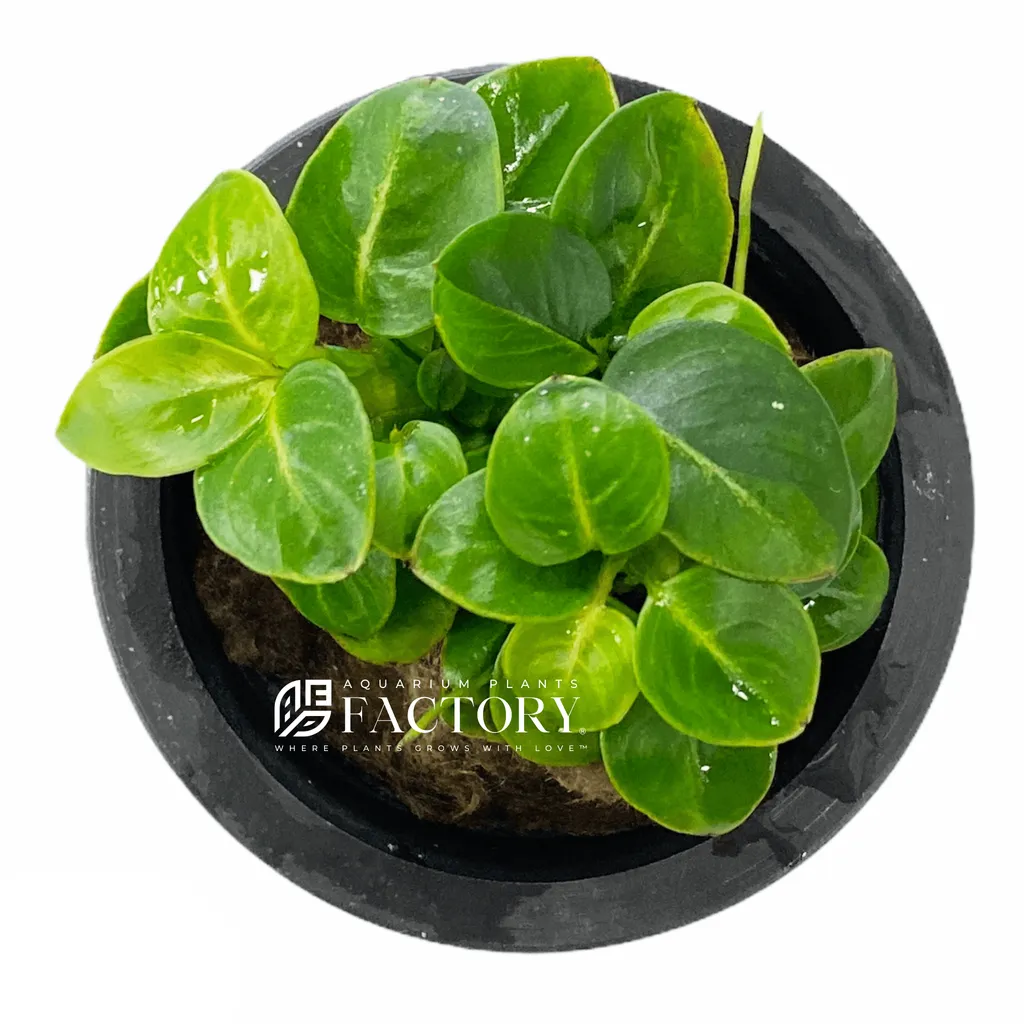
Anubias minima
Anubias barteri var. glabra
One of 24 forms of Anubias barteri · See all forms →
Also known as Anubias barteri var. glabra 'Minima', Anubias 'Kruising', Anubias glabra, Anubias lanceolata, Anubias angustifolia, Anubias angustapoglia, Anubias apheli, Anubias barteri var. angustifolia, Anubias lanceolata f. angustifolia, Anubias heterophylla 'Lanceolata'
FreshwaterBrackishRhizomeRhizome division
Forms · Anubias barteri
See all 24 →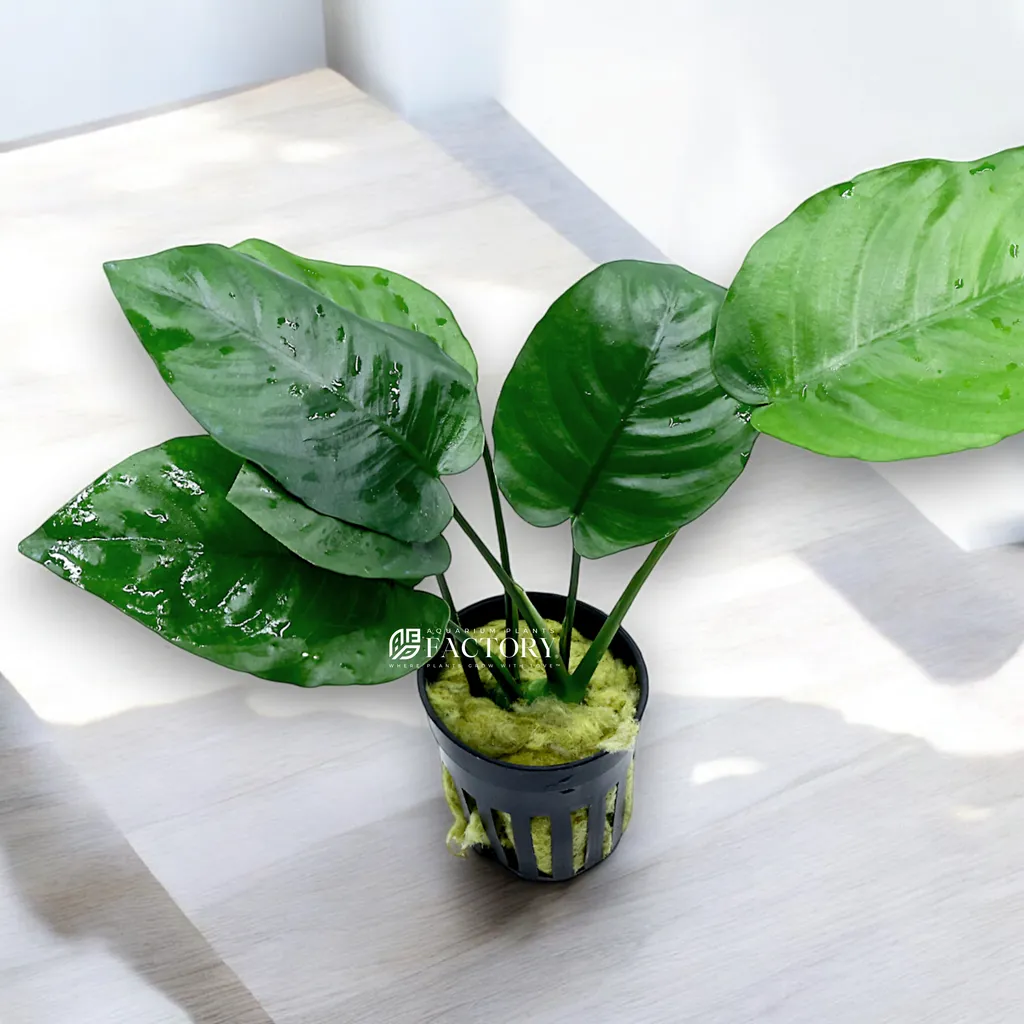
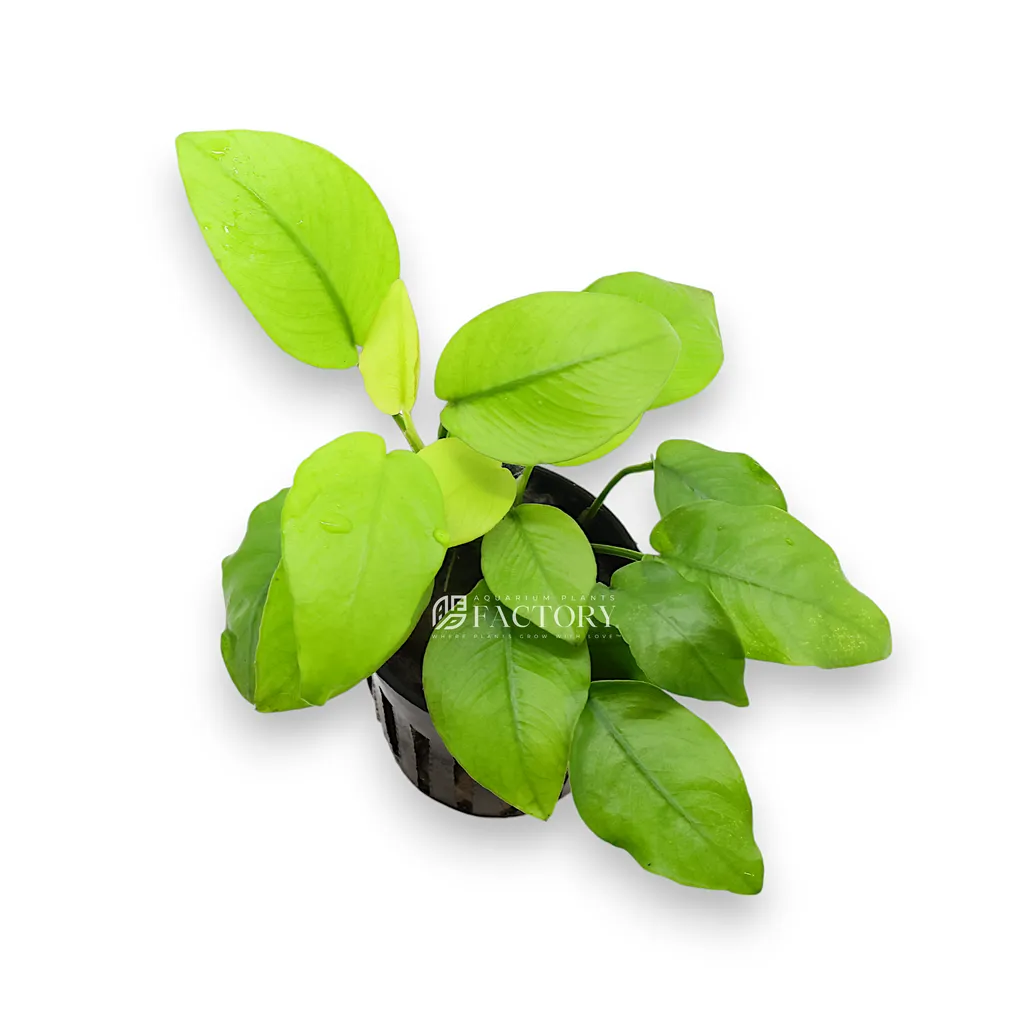
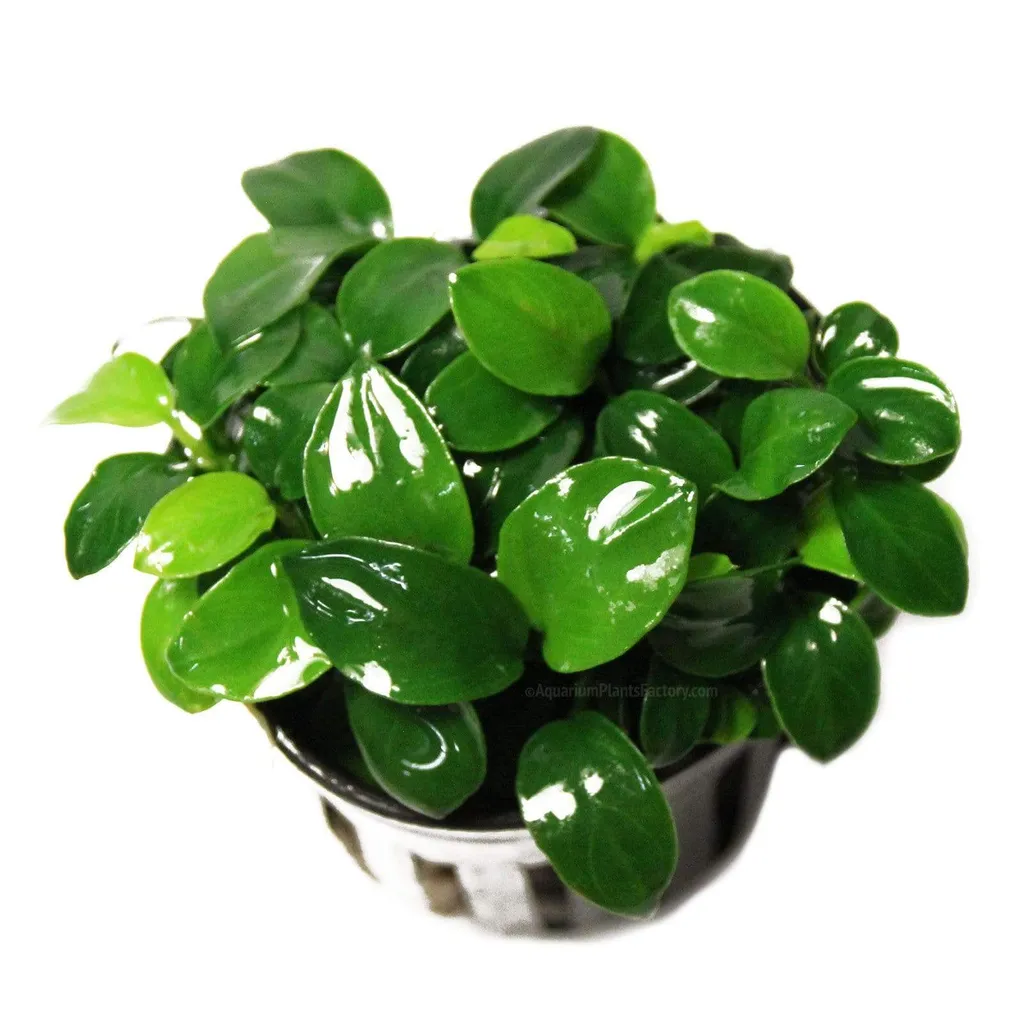
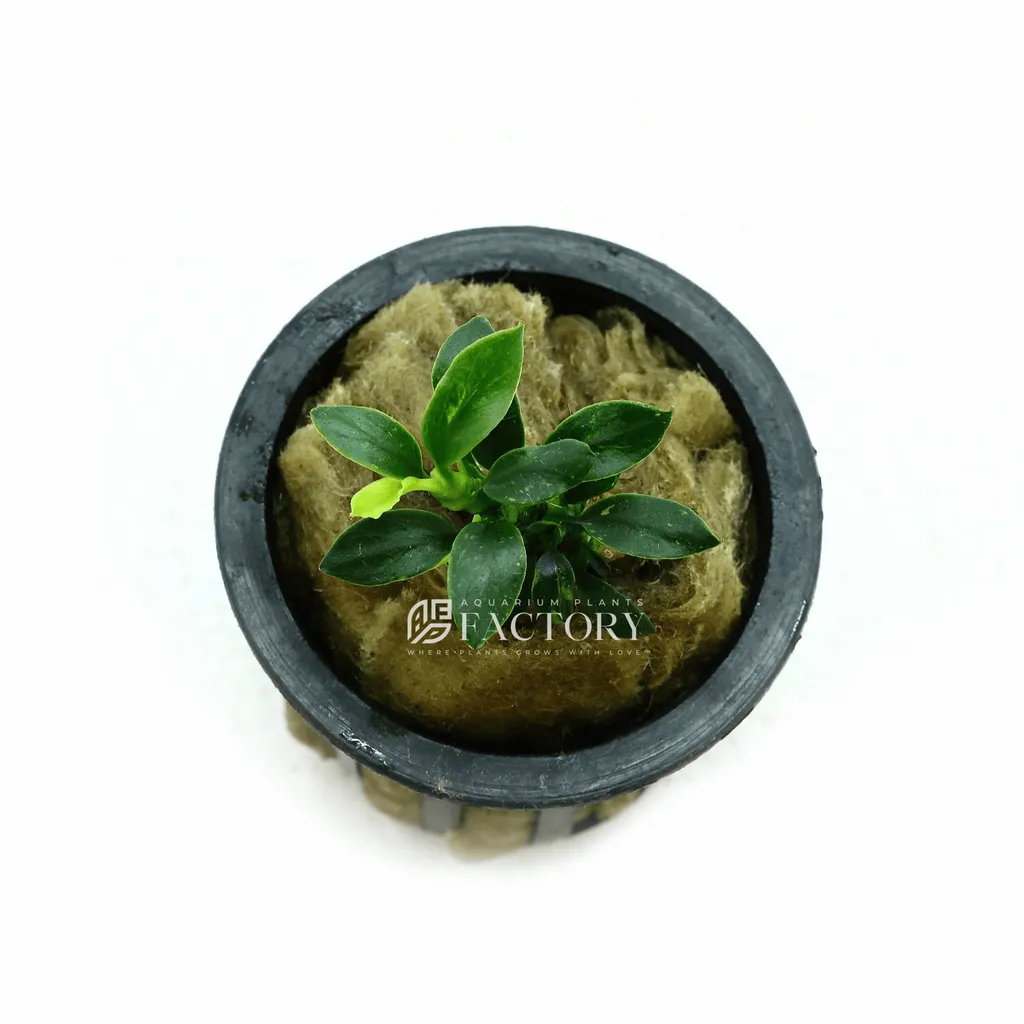
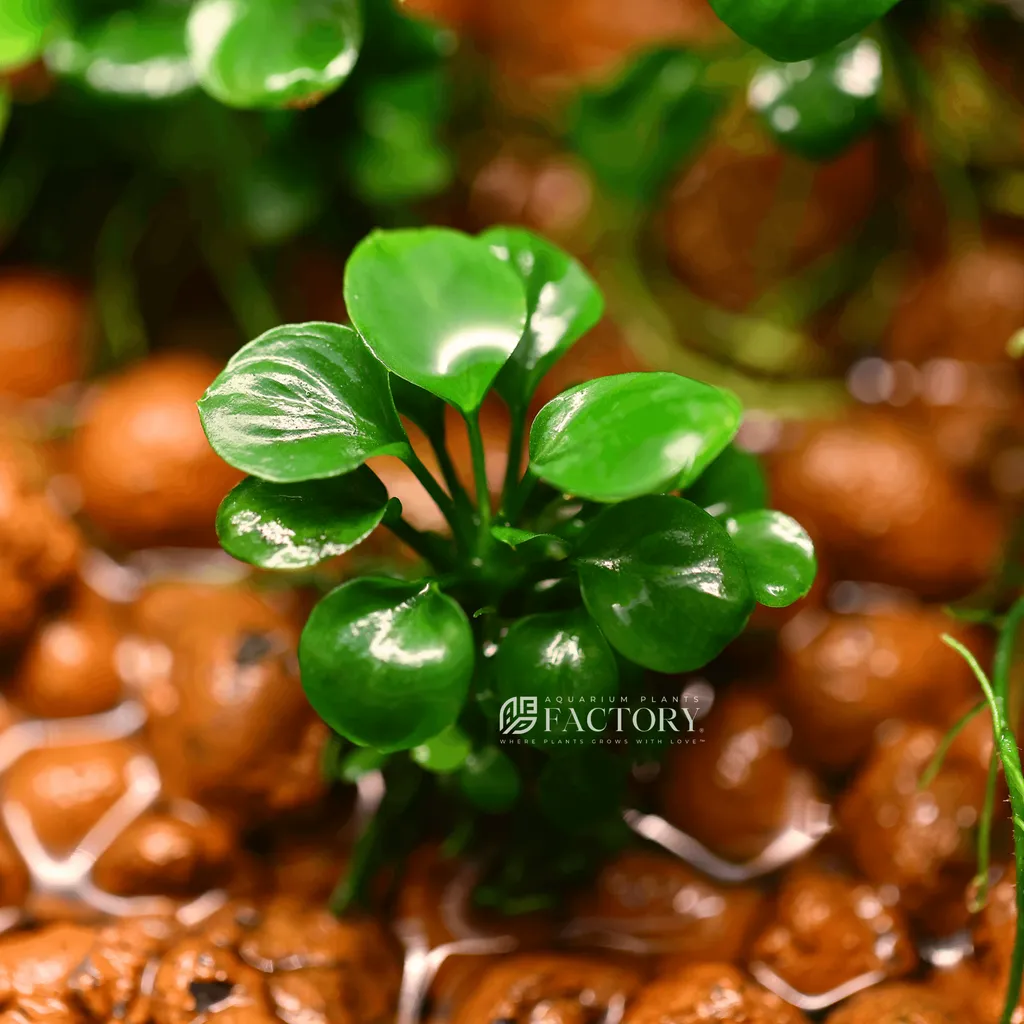
Care at a glance
- Light
- Low light
- CO2
- No CO₂ needed
- Temperature
- 72–82°F
- 22–28°C
- Max height
- 7.9 in
- 20 cm
- Growth rate
- Slow
- Placement
- Epiphyte
- Type
- Rhizome
- pH
- 5.0–8.0
- Hardness
- 2–15 dGH
- Spread
- 5.9 in (15 cm)
- Nutrient uptake
- Root + water column
- Growth region
- Submersed or emersed
- Difficulty
- Easy
- Family
- Araceae
- Origin
- West Africa (Guinea to Gabon)
Overview
Tie or glue the rhizome to wood or rock and keep it above the substrate to avoid rot. It grows to around 10 to 20 cm with a spreading habit, making a useful narrow-leaf accent for the midground or larger hardscape. It is very easy, slow growing, tolerant of low light and hard or soft water, and needs no CO2, though moderate light fills it out a bit more.
In the wild
The plant sold as Anubias minima grows wild in West Africa from Guinea to Gabon, sitting on rocks in the flood zones of rainforest streams where water level rises and falls. It is an epiphyte that anchors to hardscape rather than rooting in soil, and it tolerates both submersed and emersed conditions.
Good to know
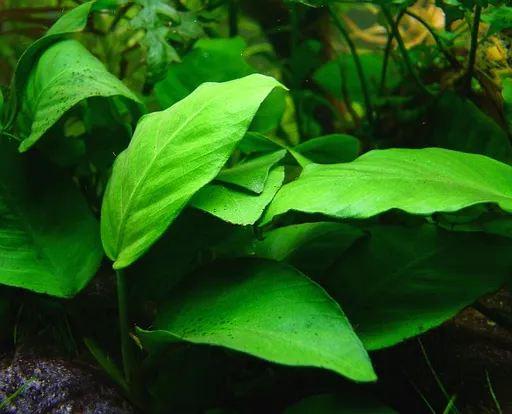
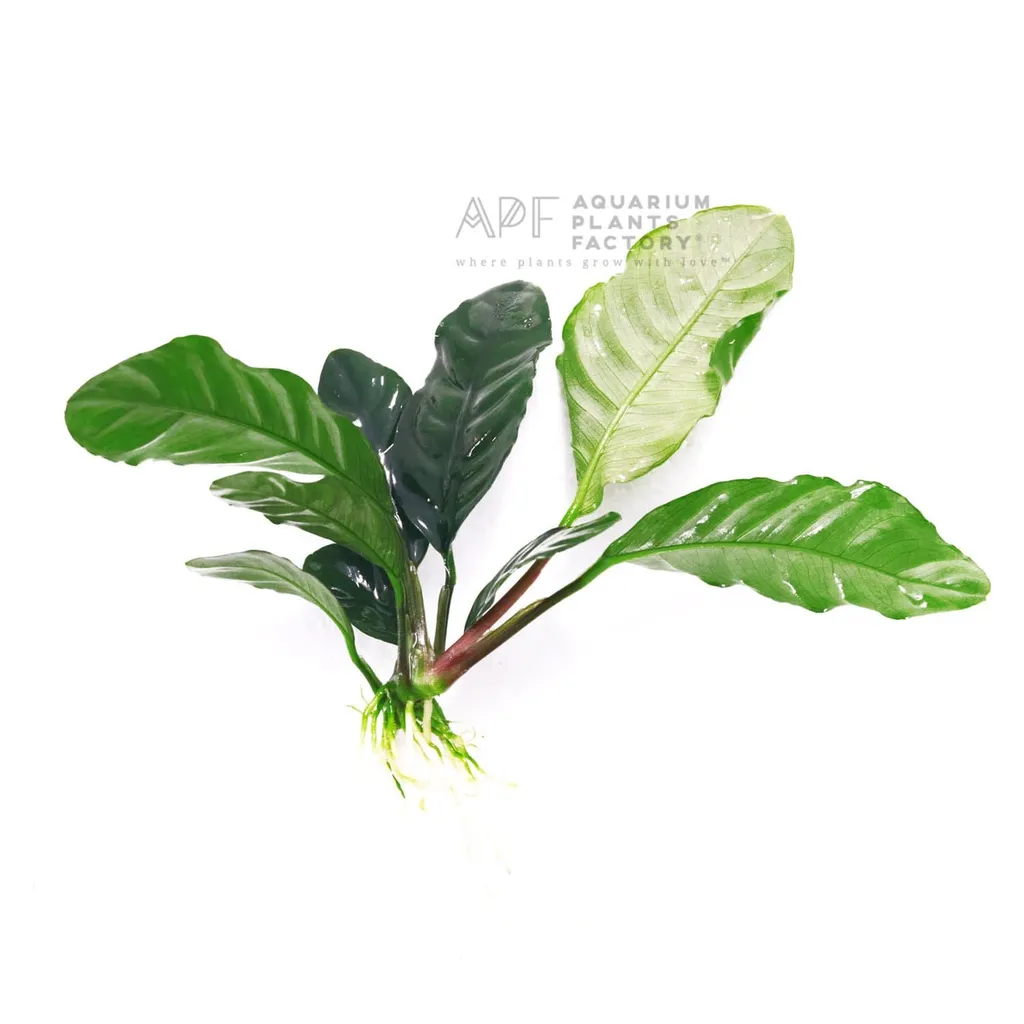
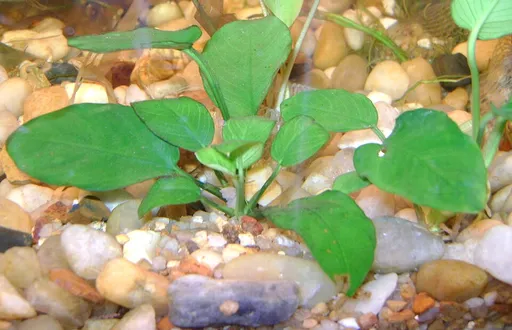
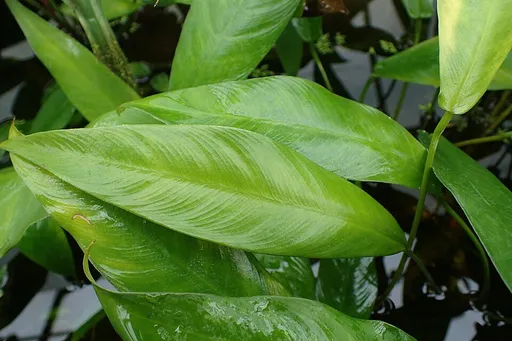
The trade name Anubias minima refers to small plants imported from Cameroon that are botanically Anubias barteri var. glabra, since Chevalier's original name Anubias minima is a synonym of that variety. It carries narrow-lanceolate, rather horizontal dark green leaves with wavy edges, blades reaching roughly 12 cm long, and it is frequently confused with the similar narrow-leaf var. angustifolia (Anubias lanceolata).
Did you know
The name is a bit of a botanical mix-up: what most shops label Anubias minima is really the glabra variety, not a distinct species, and it is also sold under names like 'Kruising', so two plants with different labels on the shelf can be the exact same variety.
Related plants
- Low lightEpiphyte7.9 in (20 cm)
Anubias Nangi
Anubias 'Nangi'
Low light · Epiphyte
- Low lightEpiphyte9.8 in (25 cm)
Anubias Frazeri
Anubias 'Frazeri'
Low light · Epiphyte
 Low lightEpiphyte5.9 in (15 cm)
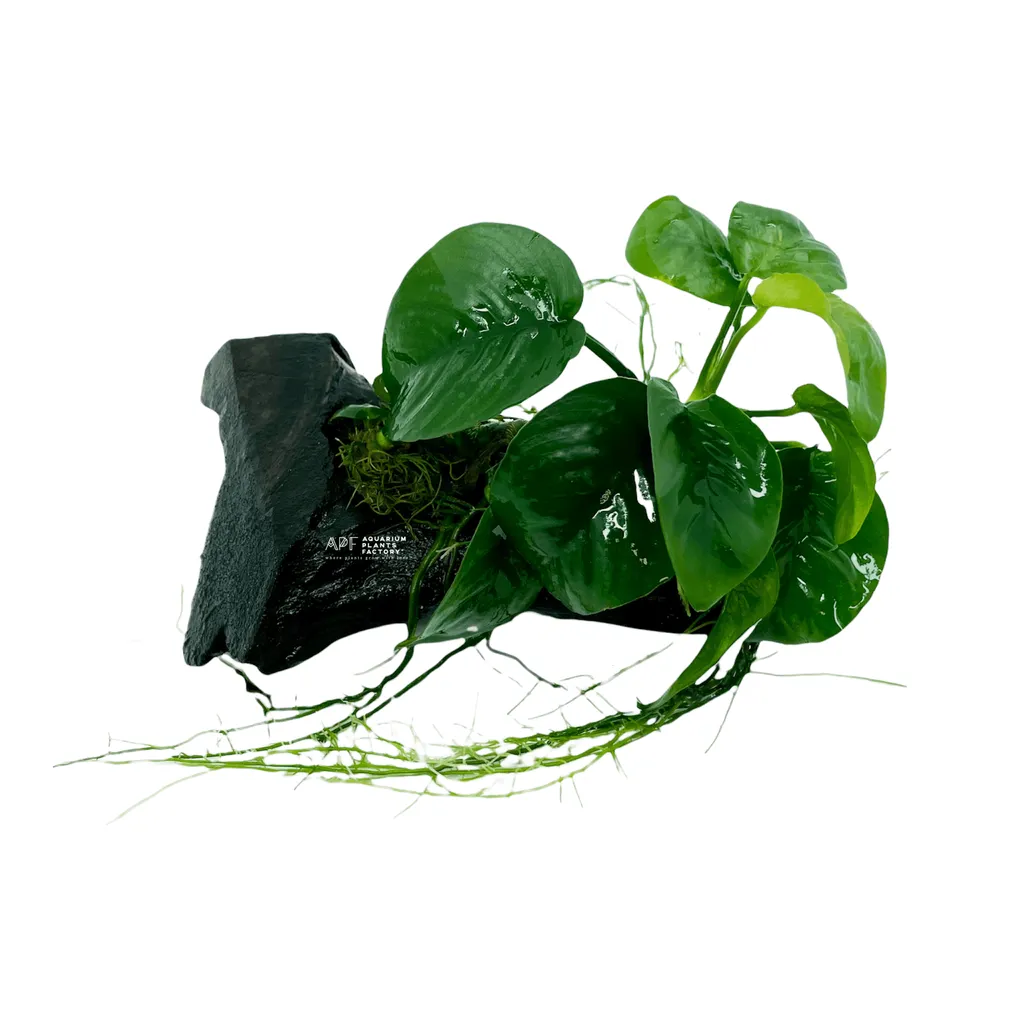
Anubias Butterfly
Anubias 'Butterfly'
Low light · Epiphyte
 Low lightEpiphyte11.8 in (30 cm)
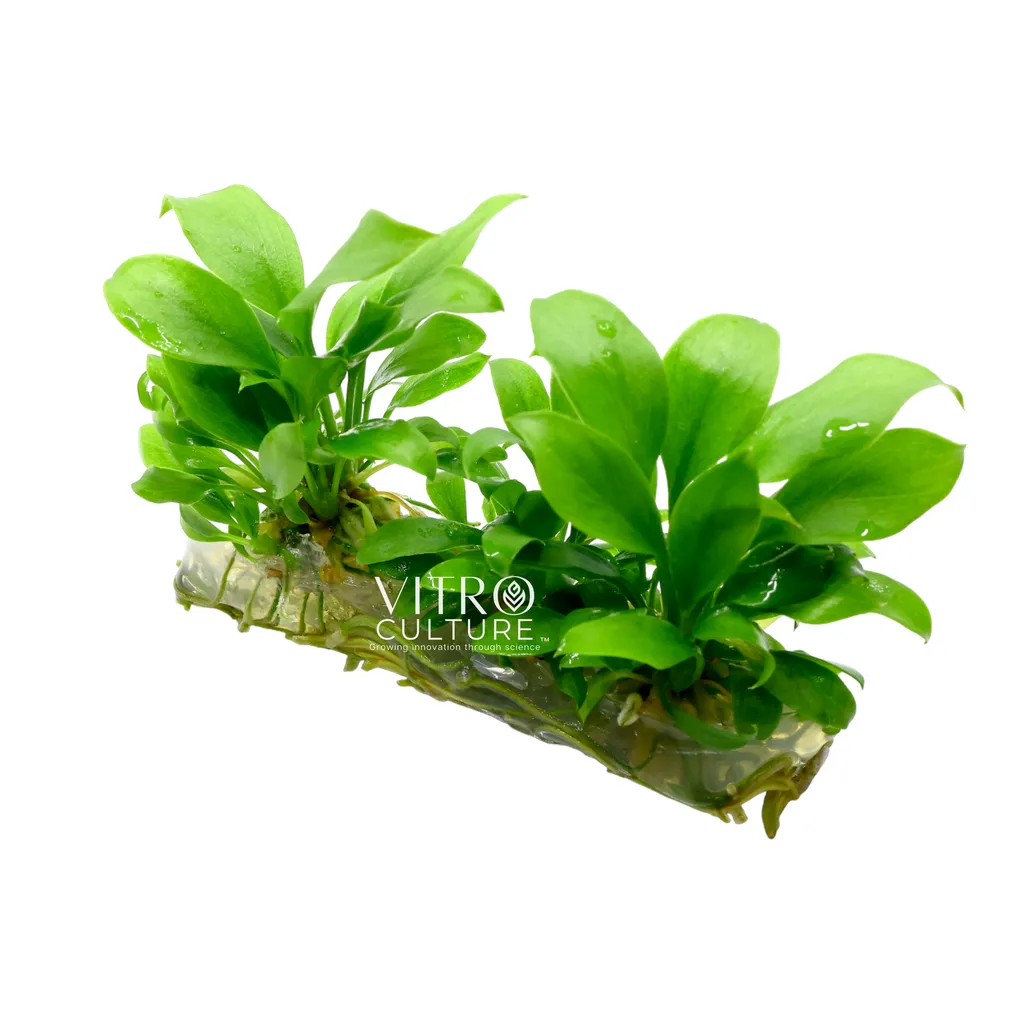
Anubias gilletii
Low light · Epiphyte
 Low lightEpiphyte15.7 in (40 cm)
Anubias gracilis
Low light · Epiphyte
- Low lightEpiphyte3.9 in (10 cm)
Anubias Chili Jalapeno
Anubias 'Chili Jalapeno'
Low light · Epiphyte