Form of Anubias barteri
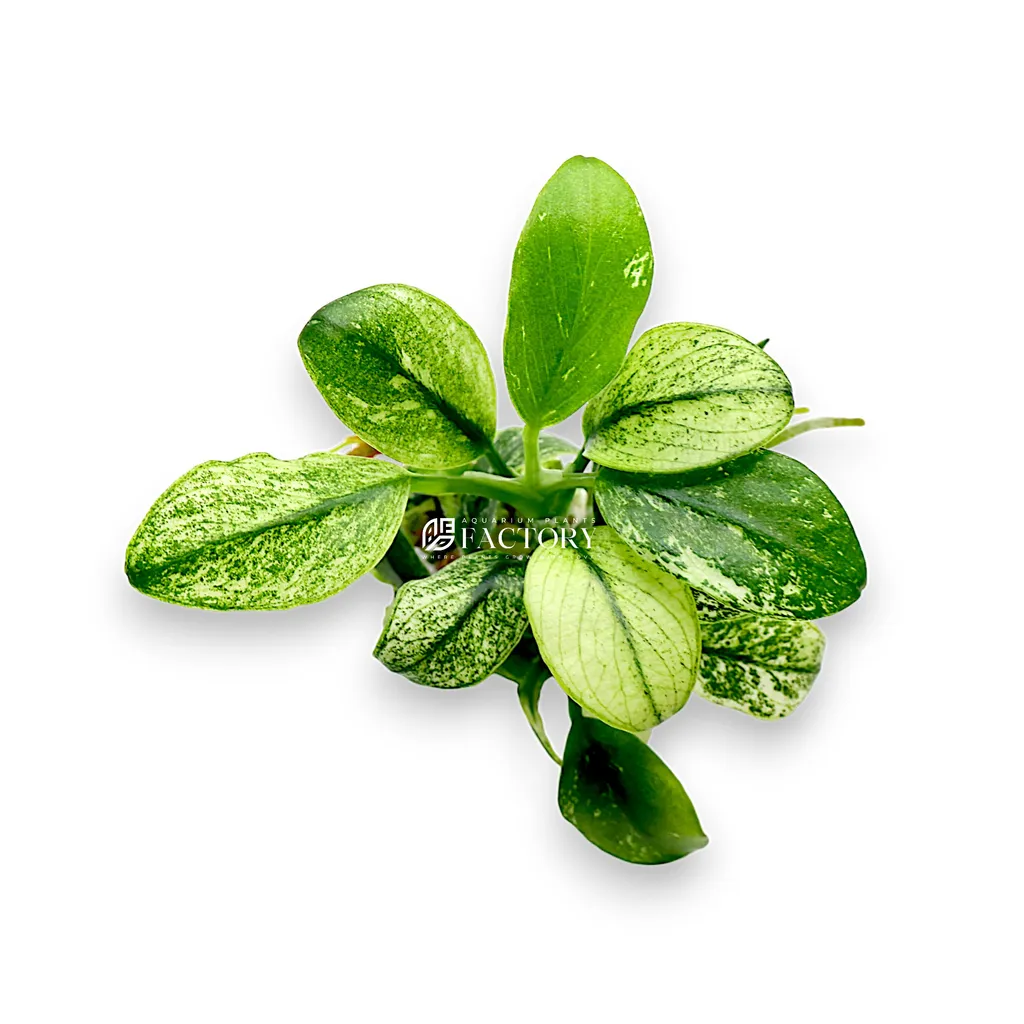
Anubias stardust
Anubias barteri var. nana 'Stardust'
One of 24 forms of Anubias barteri · See all forms →
Also known as Anubias nana Stardust, Anubias barteri nana 'Stardust', Anubias 'Stardust Mini'
FreshwaterBrackishRhizomeRhizome division
Forms · Anubias barteri
See all 24 →
Care at a glance
- Light
- Medium light
- CO2
- CO₂ beneficial
- Temperature
- 72–82°F
- 22–28°C
- Max height
- 2.8 in
- 7 cm
- Growth rate
- Slow
- Placement
- Midground
- Type
- Rhizome
- pH
- 6.0–7.5
- Hardness
- 2–15 dGH
- Spread
- 3.1 in (8 cm)
- Nutrient uptake
- Root + water column
- Growth region
- Submersed or emersed
- Difficulty
- Easy
- Family
- Araceae
- Origin
- Cultivar (parent species native to West Africa)
Overview
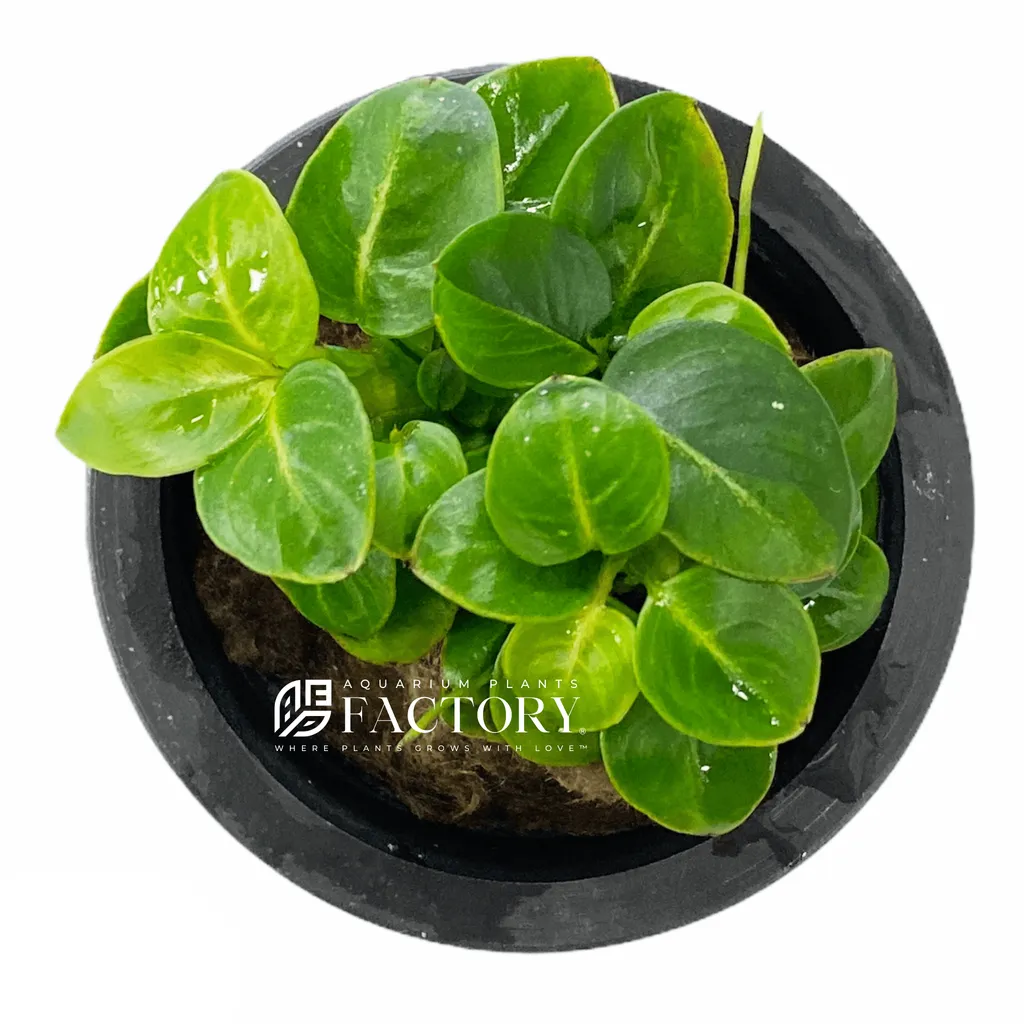
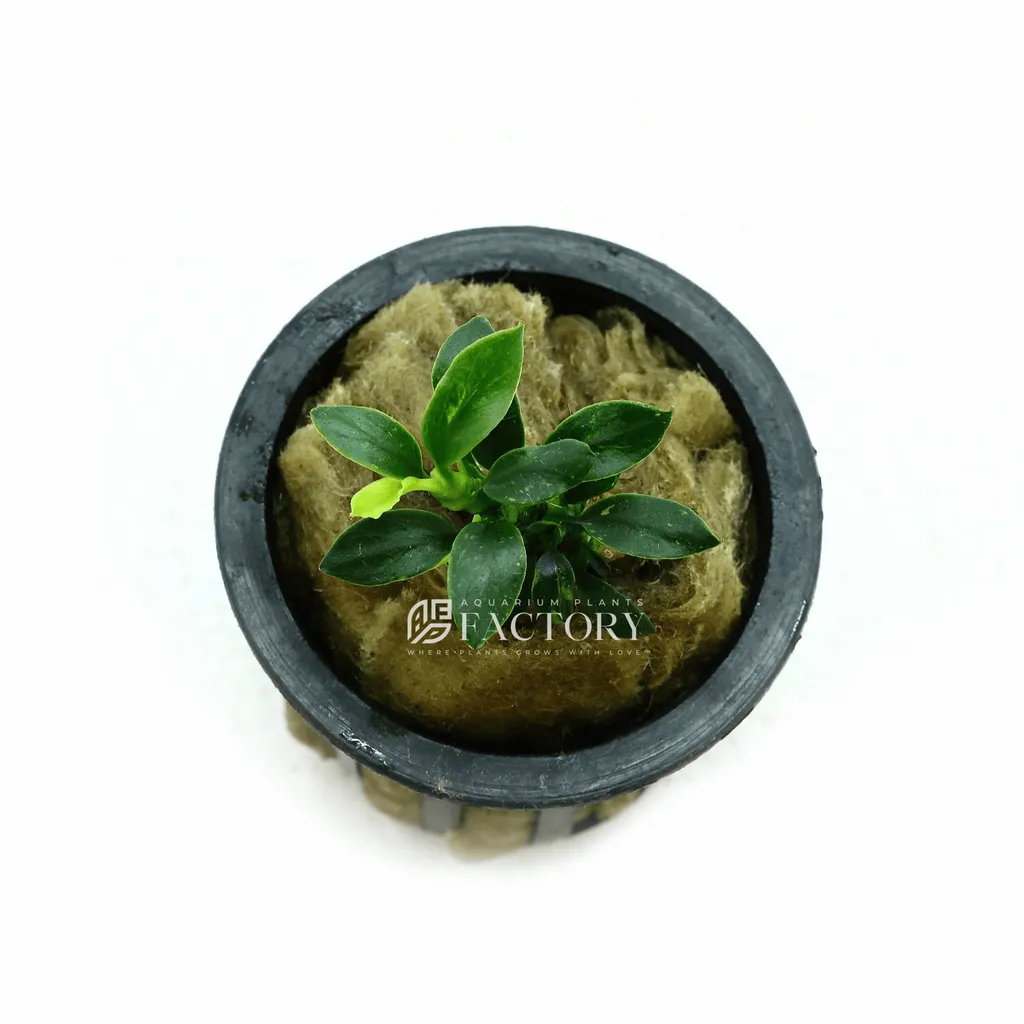
A tiny, delicate variegated nana, best mounted on wood or rock in the midground or foreground with the rhizome left clear of substrate. Leaves are only about 1.5 to 2 cm long, so it suits nano tanks; give it moderate light to bring out the speckling without triggering algae on its very slow leaves. It needs no CO2 but responds well to a little, plus gentle water column ferts. Being small and variegated it is more fragile than plain nana, so keep flow gentle and remove any melting or fully white leaves promptly.
In the wild
A recent variegated cultivar with no wild form. The parent dwarf Anubias barteri var. nana is native to West Africa, growing epiphytically on wood and stone along shaded, gently flowing streams.
Good to know
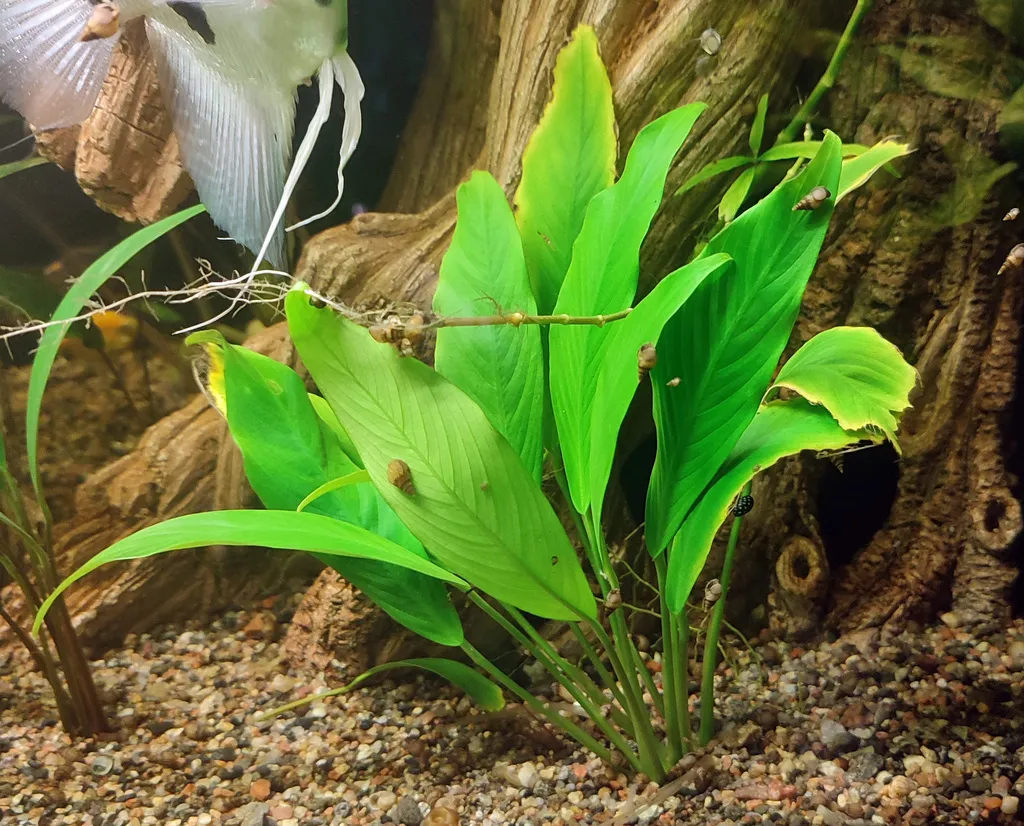
One of the newest variegated selections of Anubias barteri var. nana, family Araceae. Its small leaves show white veins and a pale petiole with star-like white speckles scattered over a green base, hence 'Stardust.' The white marking comes from chlorophyll-free tissue, so as with other variegated Anubias the amount of white shifts with lighting and overall plant vigor.
Did you know
It is one of the smallest Anubias in the trade, with leaves around the size of a thumbnail, and the proportion of white starry speckles can wax and wane depending on how much light the plant receives.
Related plants
- Low lightEpiphyte3.9 in (10 cm)
Anubias Chili Jalapeno
Anubias 'Chili Jalapeno'
Low light · Epiphyte
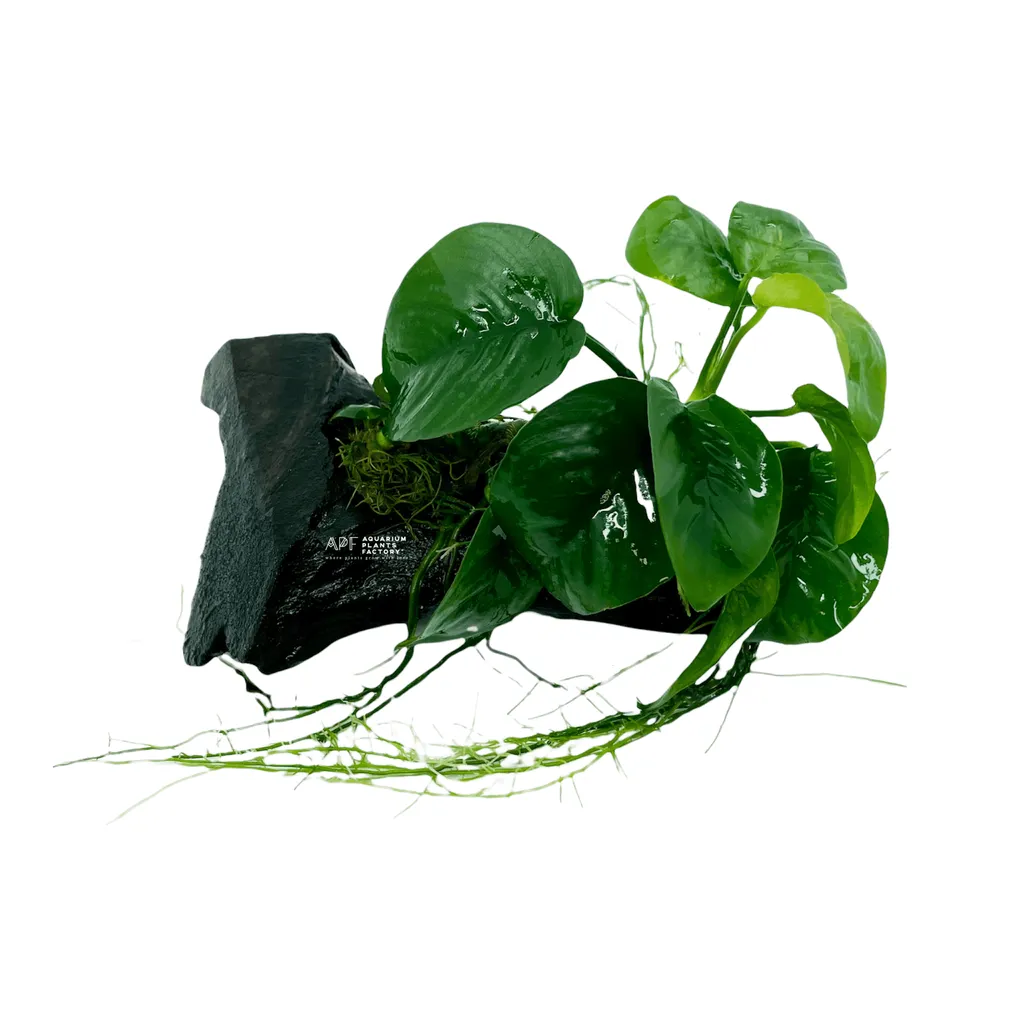 Low lightEpiphyte5.9 in (15 cm)
Anubias Butterfly
Anubias 'Butterfly'
Low light · Epiphyte
- Low lightEpiphyte7.9 in (20 cm)
Anubias Nangi
Anubias 'Nangi'
Low light · Epiphyte
- Low lightEpiphyte9.8 in (25 cm)
Anubias Frazeri
Anubias 'Frazeri'
Low light · Epiphyte
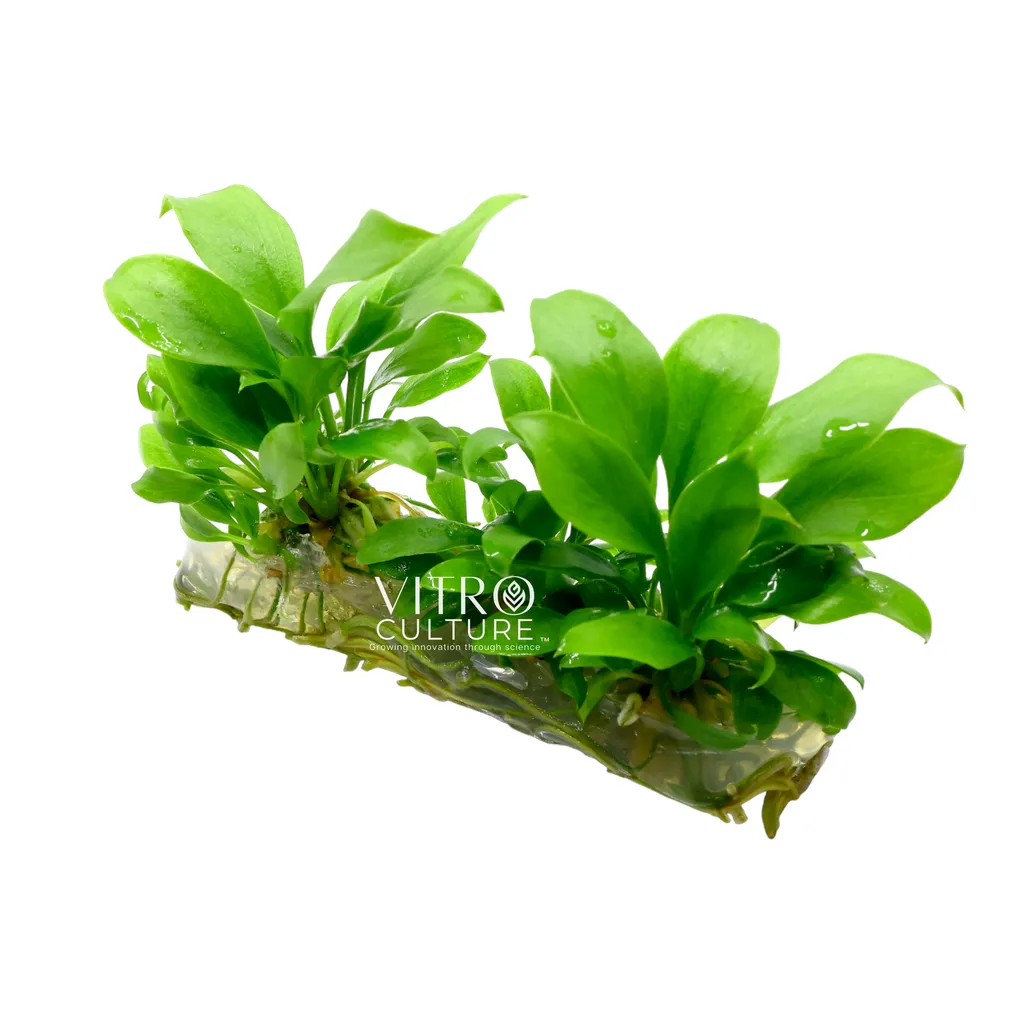 Low lightEpiphyte11.8 in (30 cm)
Anubias gilletii
Low light · Epiphyte
 Medium lightBackground15.7 in (40 cm)
Anubias afzelii
Medium light · Background