Borneo (trade clone, species and collection site unknown)
Overview
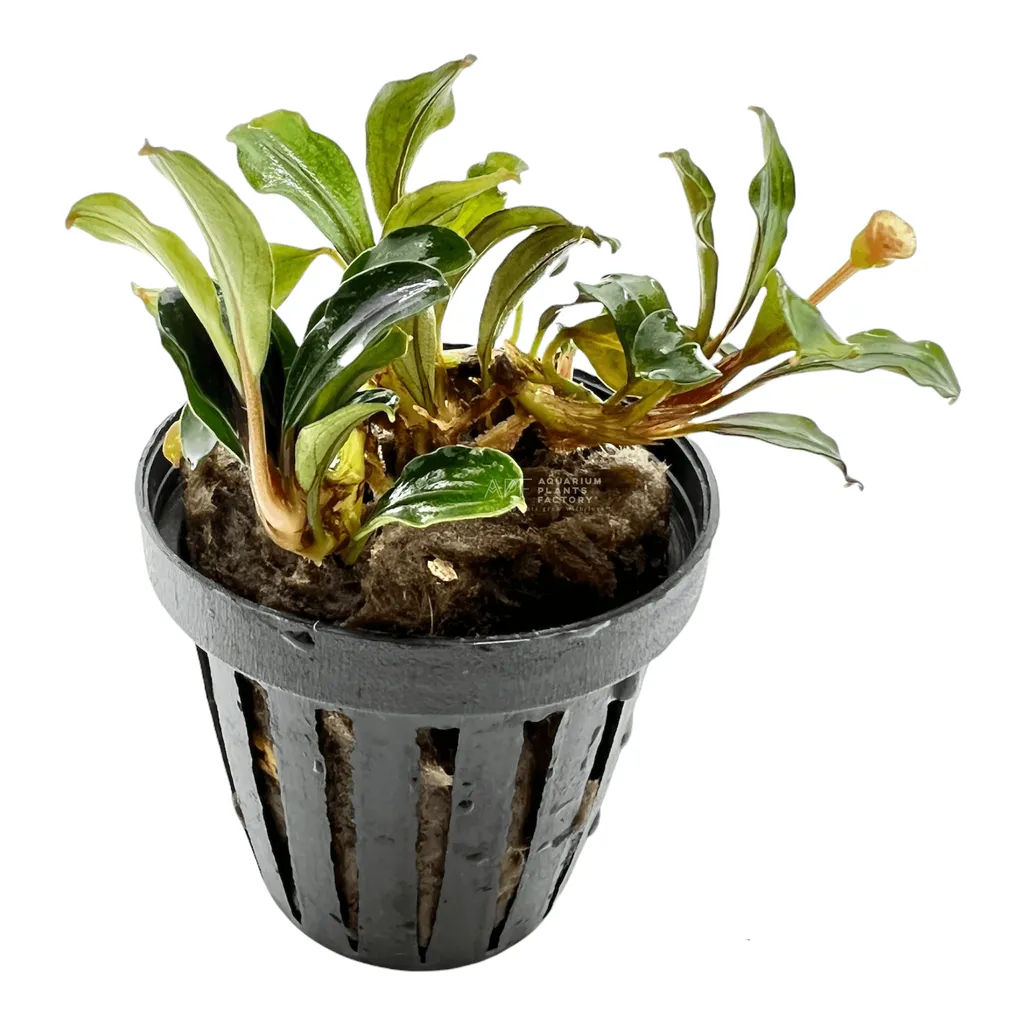
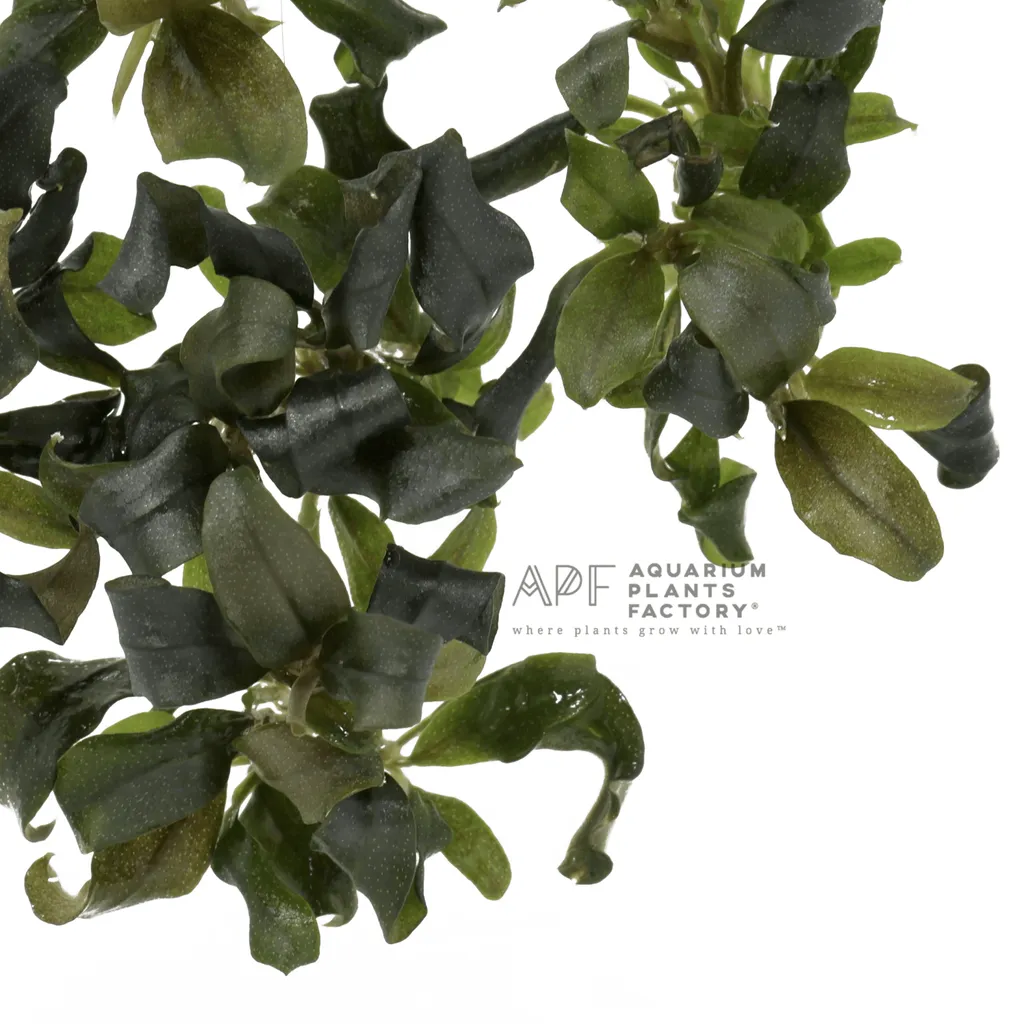
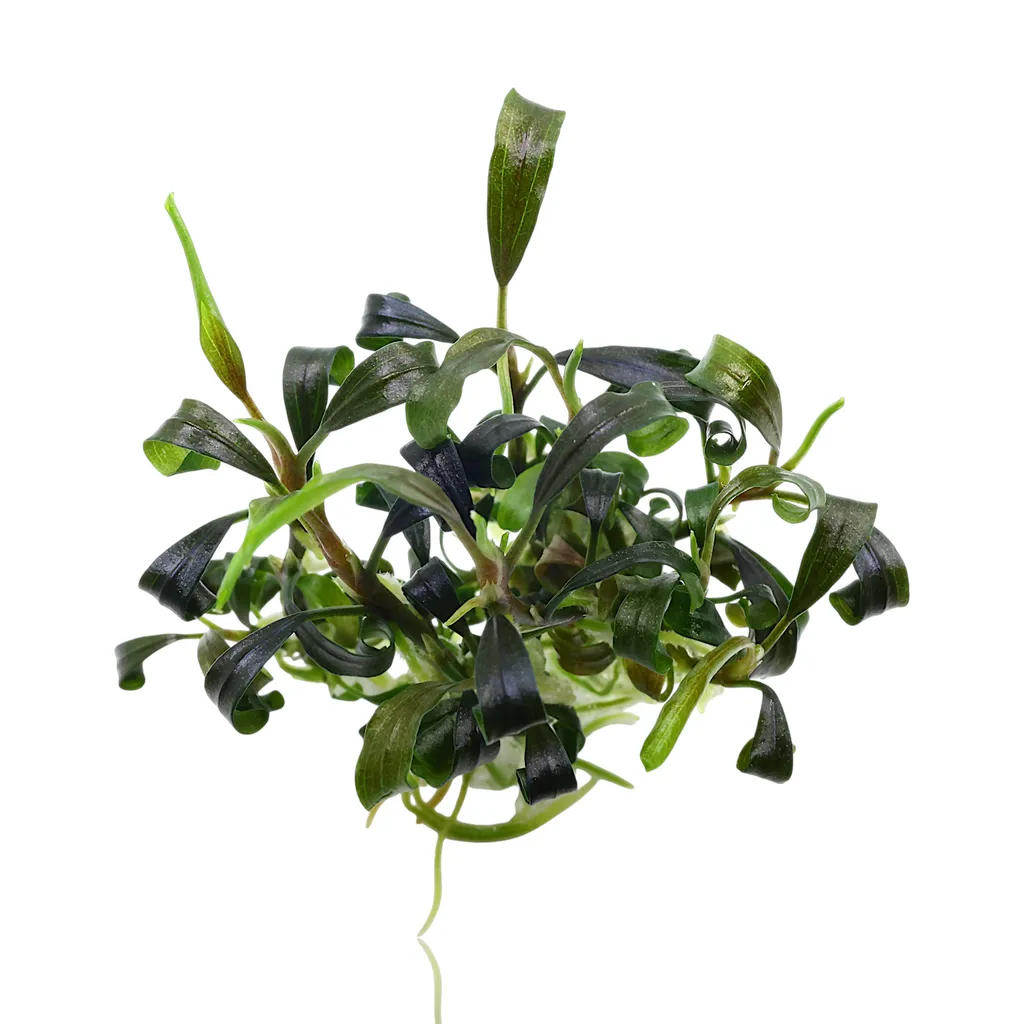
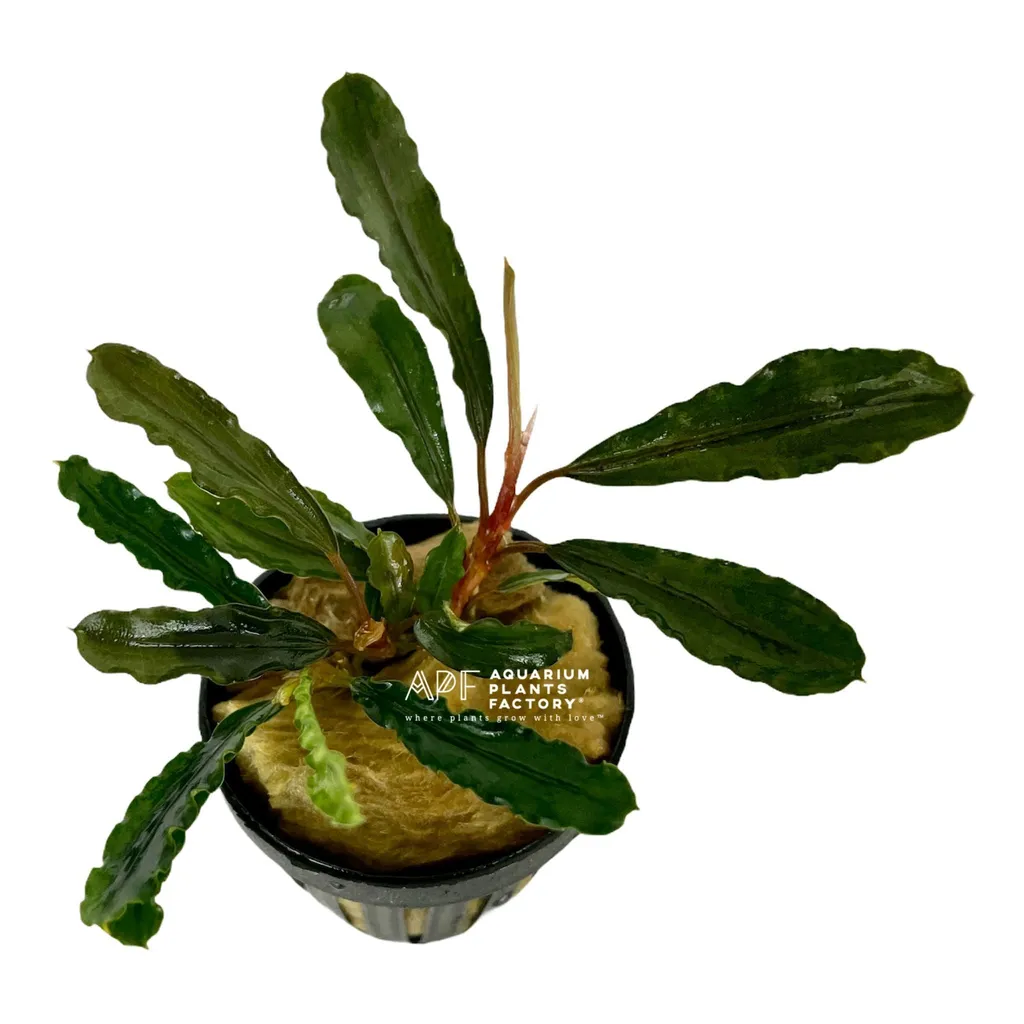
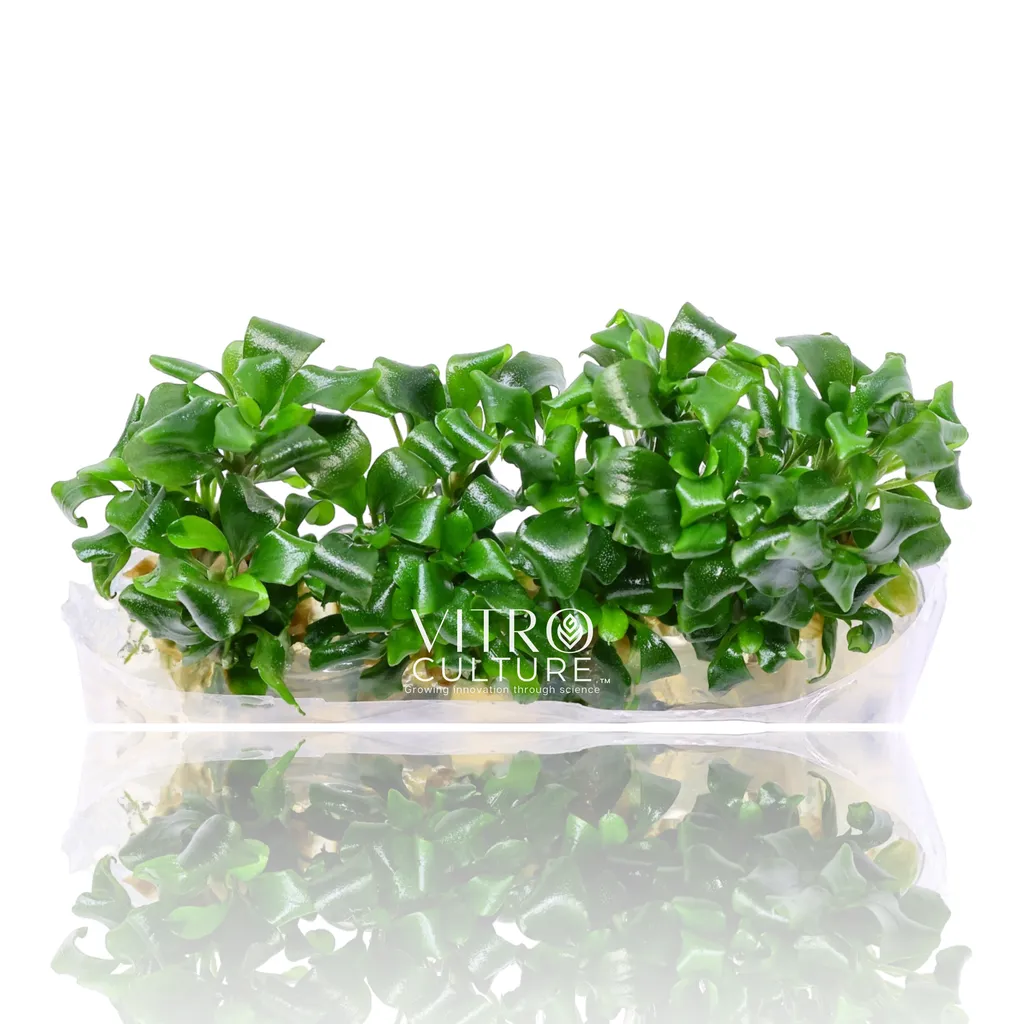
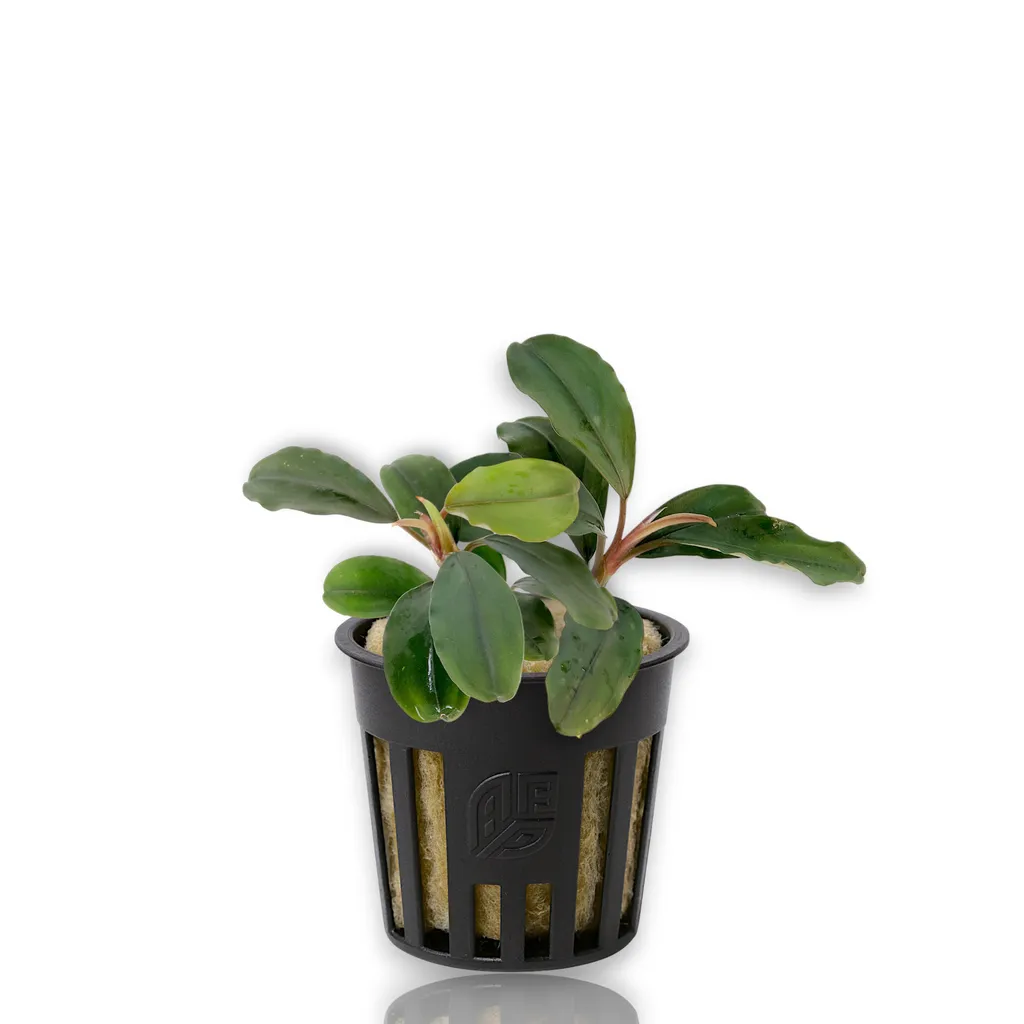
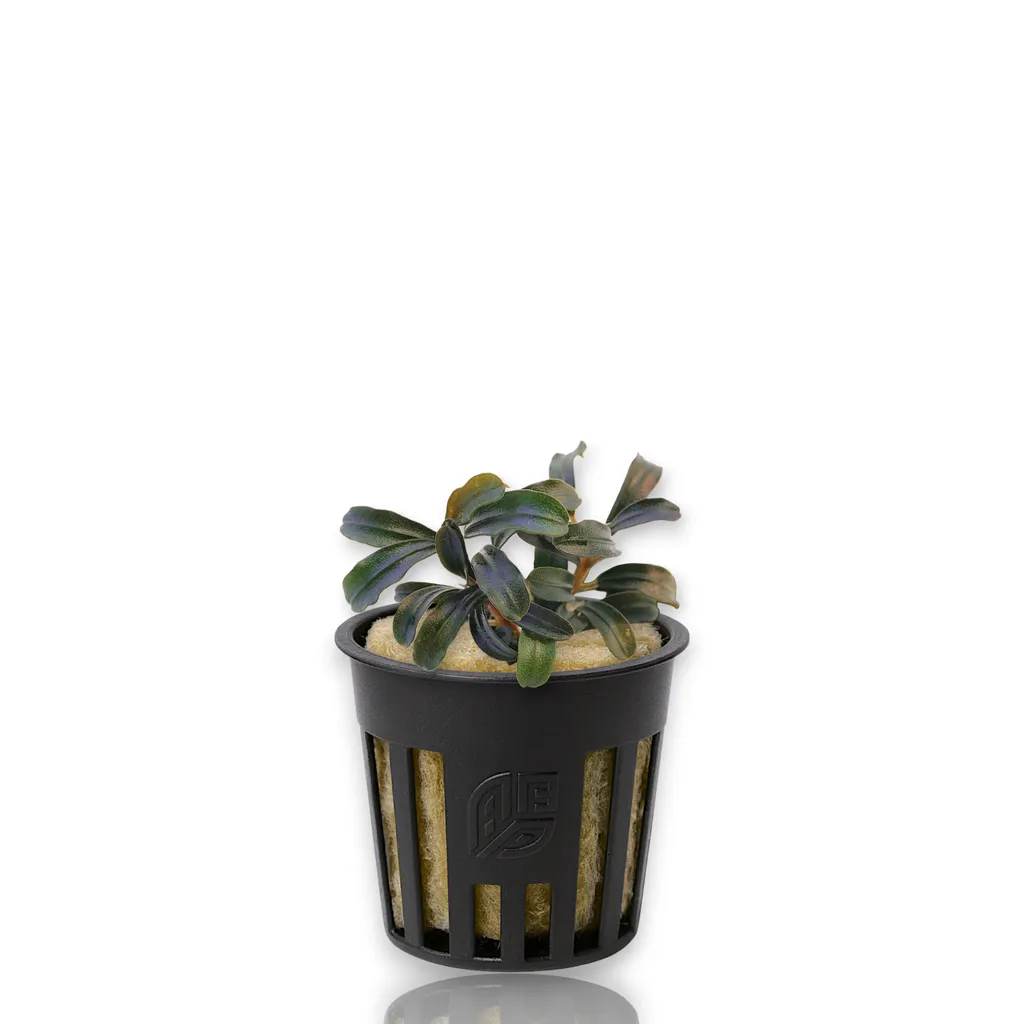
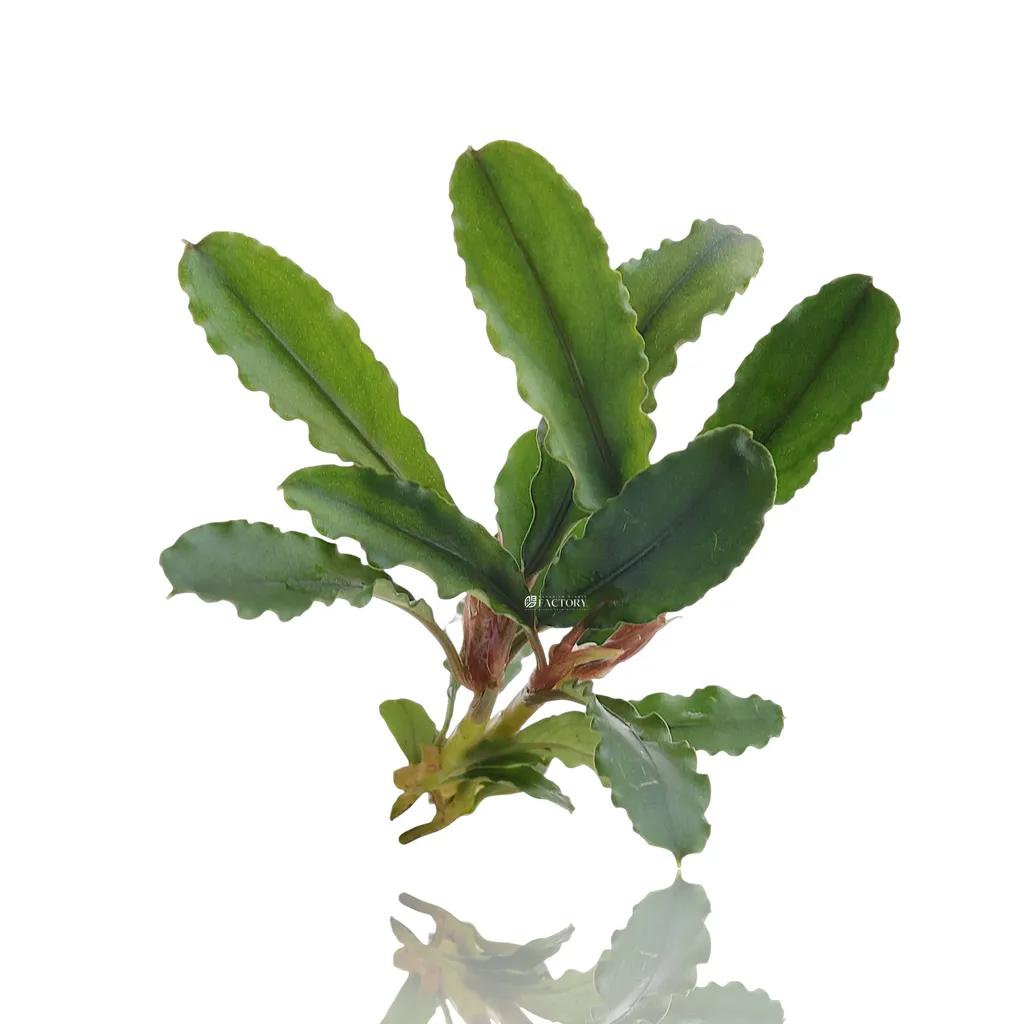
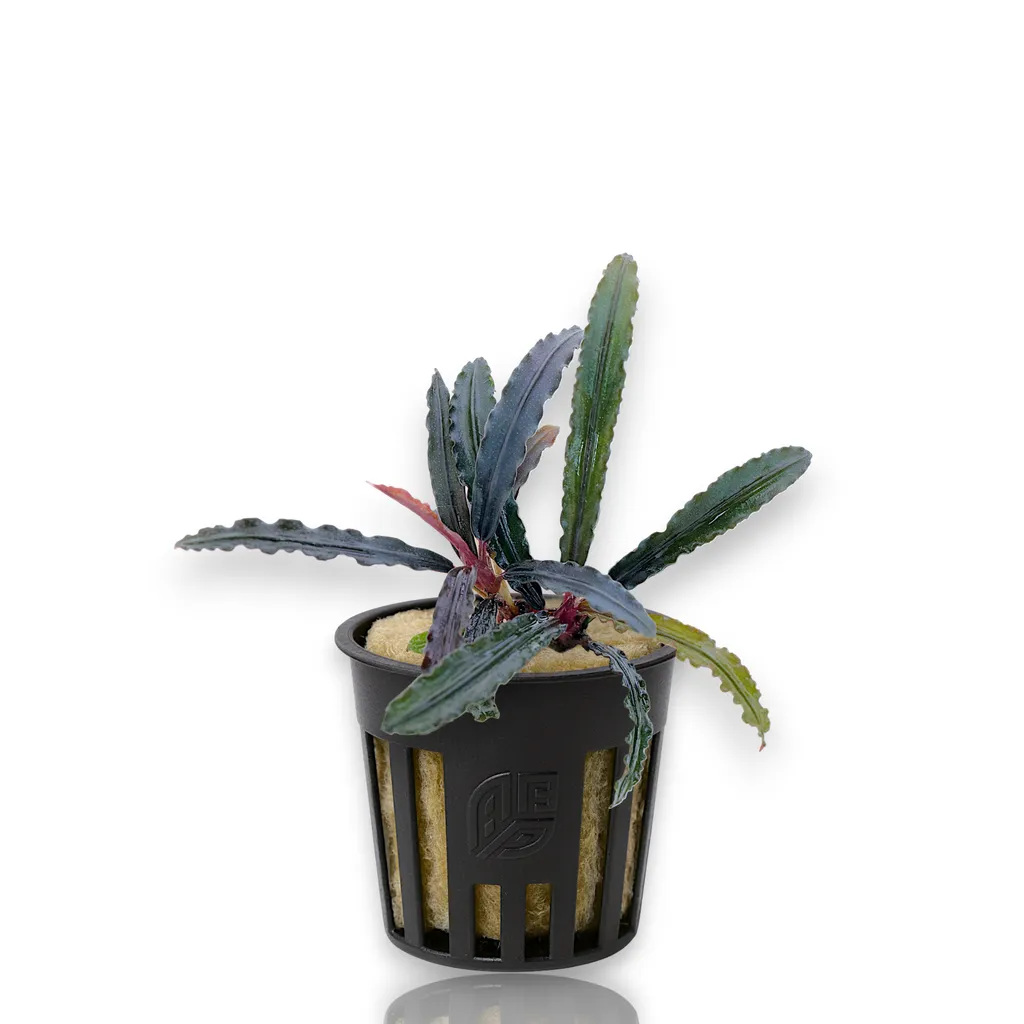
Boyan Mini Narrow stays about 2.5 to 5 cm tall and tucks into crevices and gaps between stones. Slow growth makes it prone to algae under bright light, so a partly shaded spot is easier to keep clean. Good LED light and steady nutrients can give the green leaves a metallic sheen. Injected CO2 is not required, though it deepens the color. Prune old, holed or decaying leaves to make room for new ones. Anchor it to hardscape with glue or thread so the rhizome stays out of the substrate.
In the wild
Boyan Mini Narrow is a trade clone of unknown species. Its name matches Boyan Tanjung, a district of Kapuas Hulu Regency in West Kalimantan, but no seller says it was collected there. Bucephalandra are rheophytes, plants adapted to fast water, rooting on rocks in the rivers of Borneo's lowland rainforest. Many spend dry months above the waterline and return to submersed growth when the rivers rise.
Good to know
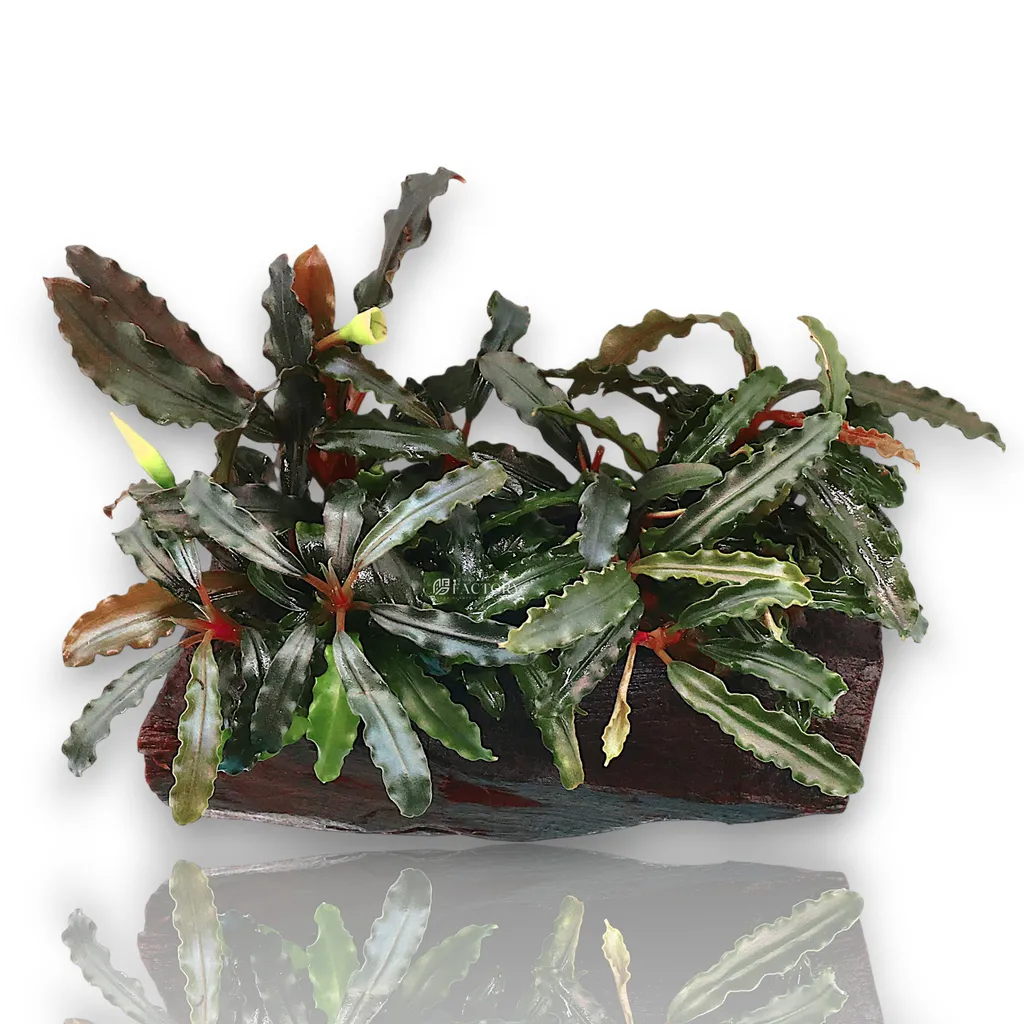
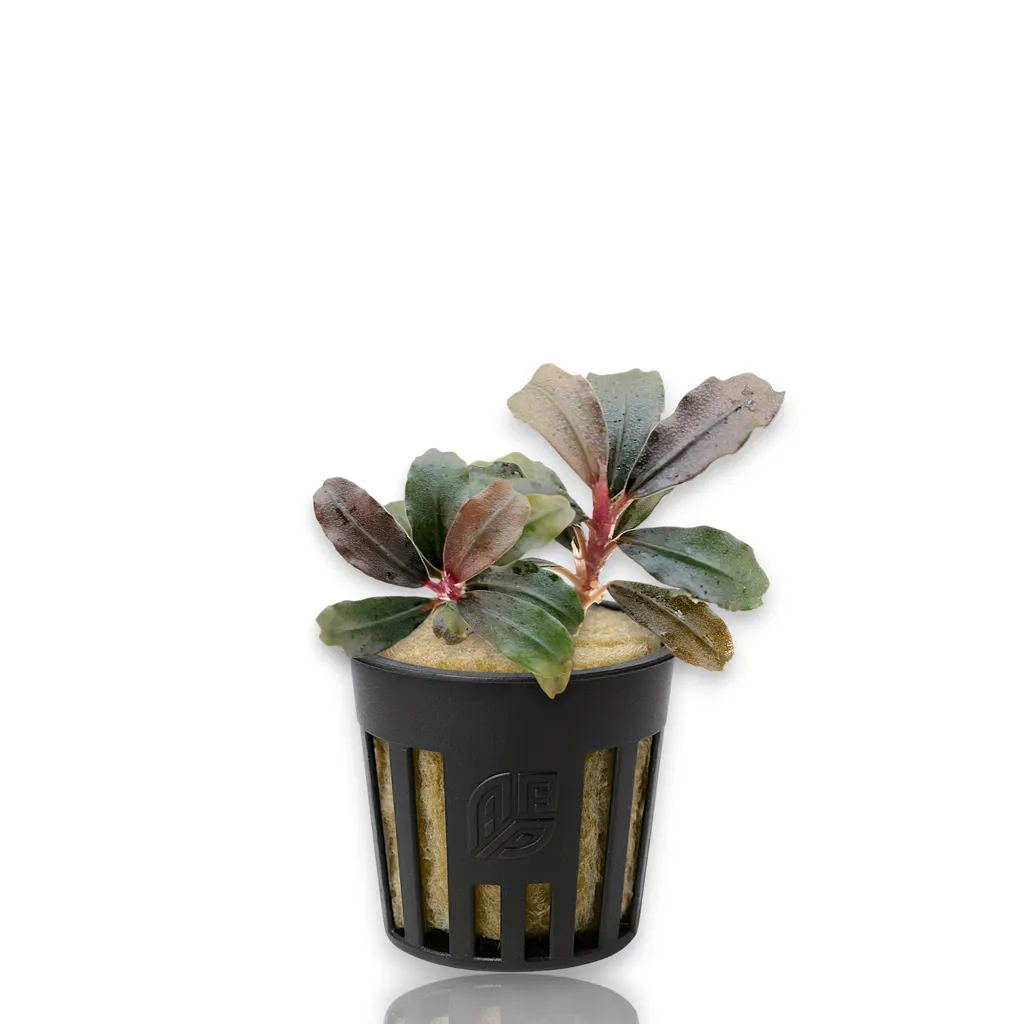
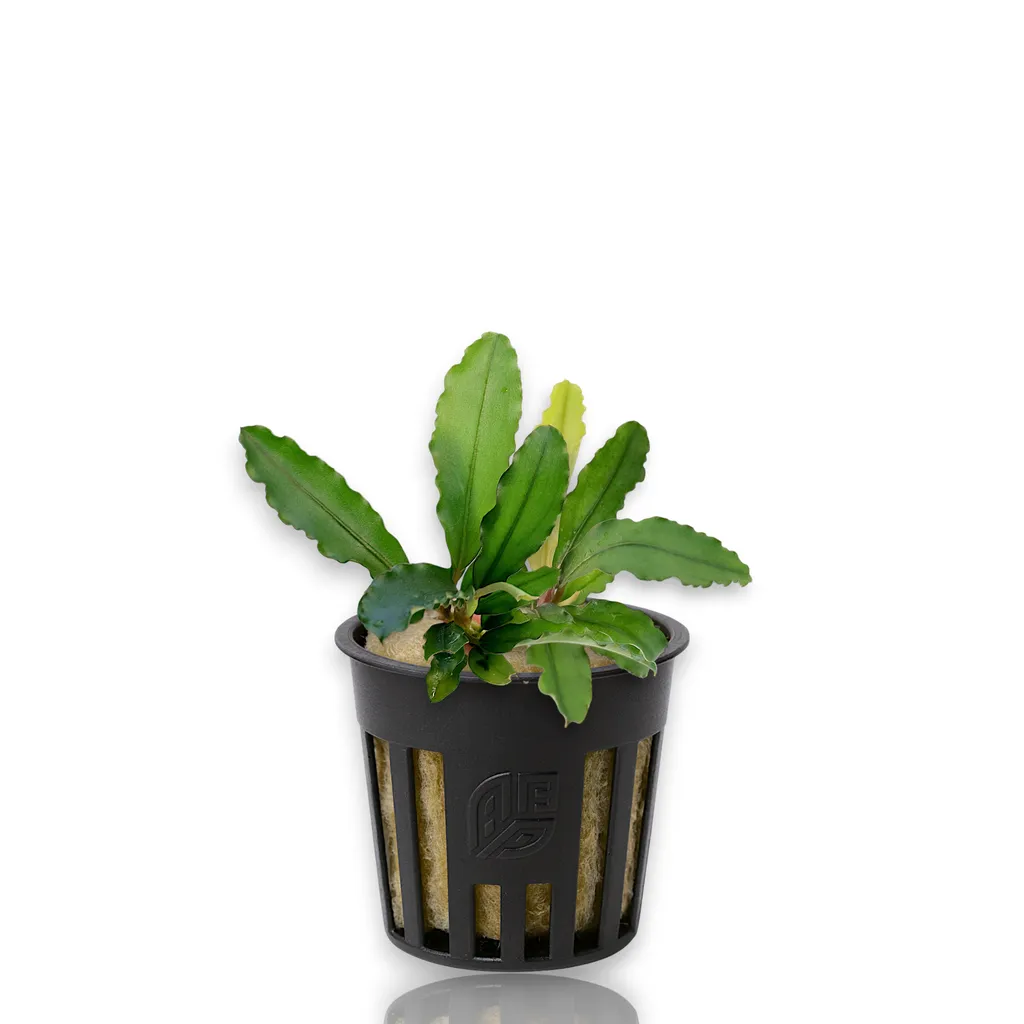
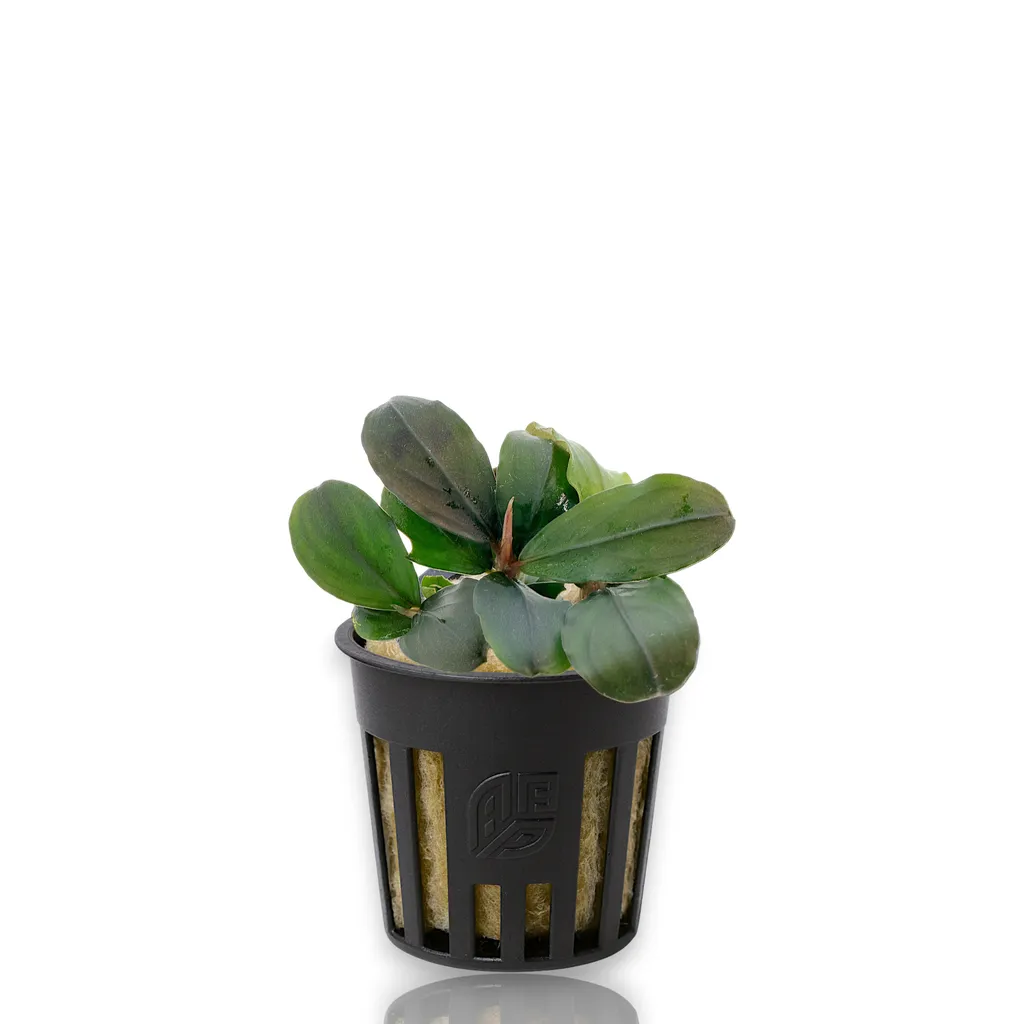
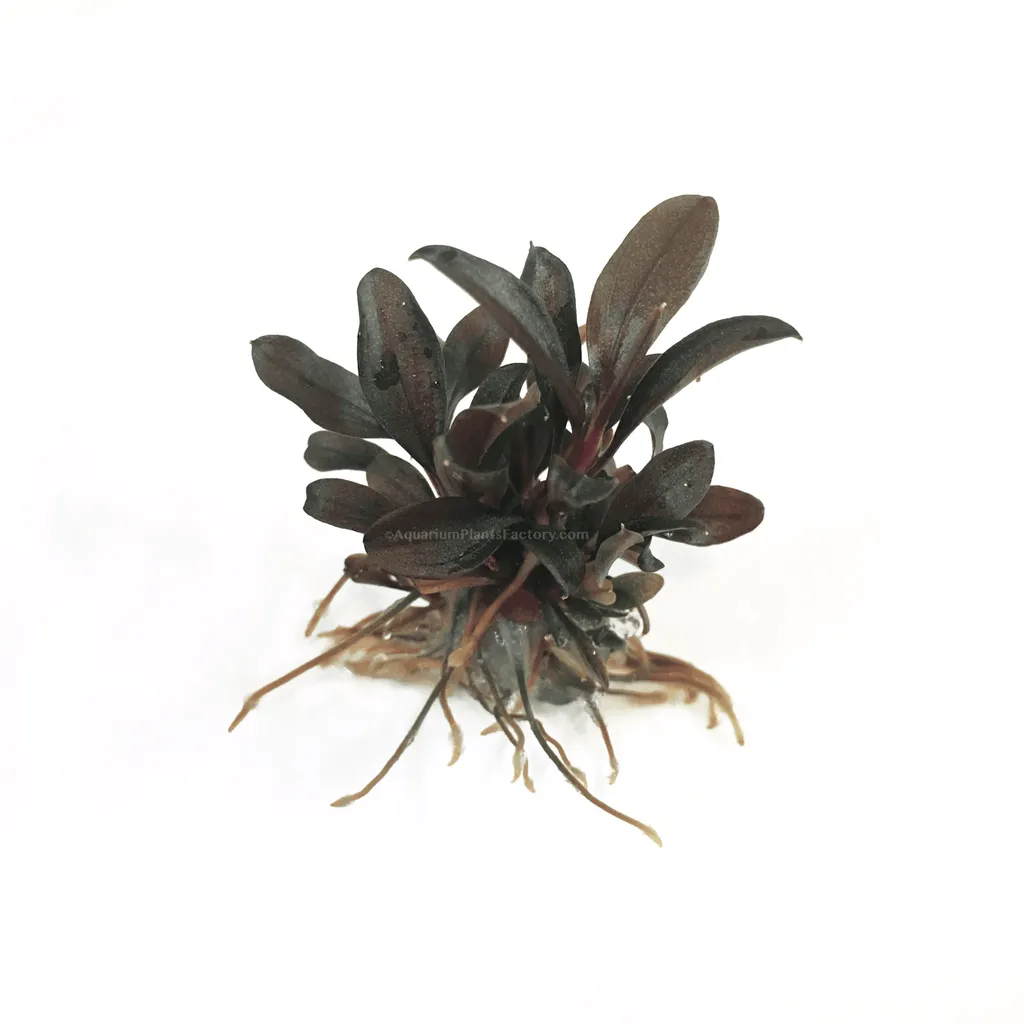
Bucephalandra shares the family Araceae with Anubias and Cryptocoryne. The 'Mini Narrow' in this clone's name refers to its petite size and thin leaves, Buce Plant says. The slender leaves are deep green, with a prominent pale midrib and hints of purple. Mini Coin, the other tiny Buce, has round leaves. A plant sold as plain 'Boyan' at Aquatic Motiv is a different clone, with broad, glossy leaves.
Did you know
Boyan Mini Narrow is small enough to work as a carpet. A row of these 5 cm plants across the immediate foreground forms a low cover, as Buce Plant suggests.

 Low lightEpiphyte2.4 in (6 cm)
 Low lightEpiphyte3.9 in (10 cm)