One Bornean genus · 38 forms
Bucephalandra varieties
Bucephalandra sp.
Bucephalandra grows on rainforest stream rocks in Borneo, and nearly every plant in the trade is a farmed cutting of a wild locality form. The names describe where a form was collected or who sold it first, not separate species, and every one of them wants the same easy epiphyte care.
Pick a form
all one genus from Borneo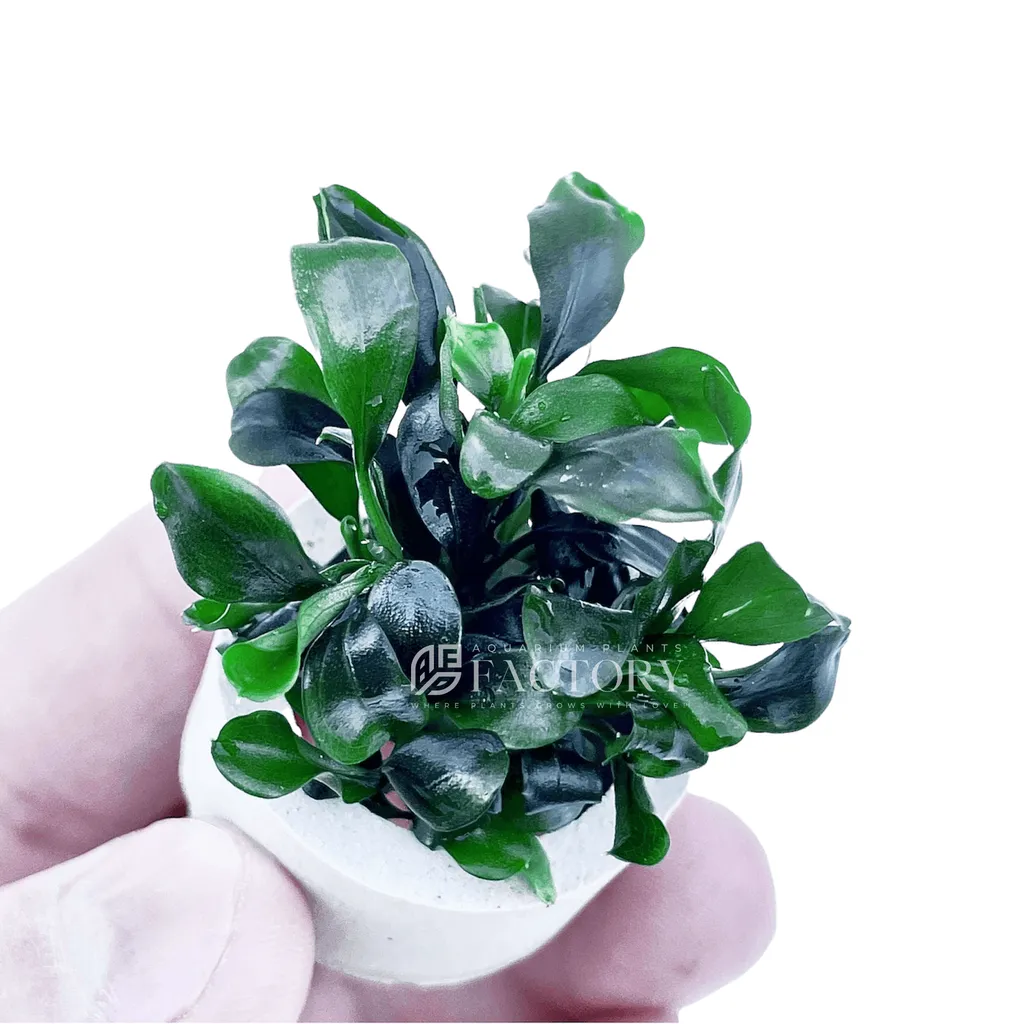
Bucephalandra Wavy Green
rippled green leaves; the starter buceBucephalandra Red
red-brown leaves and stems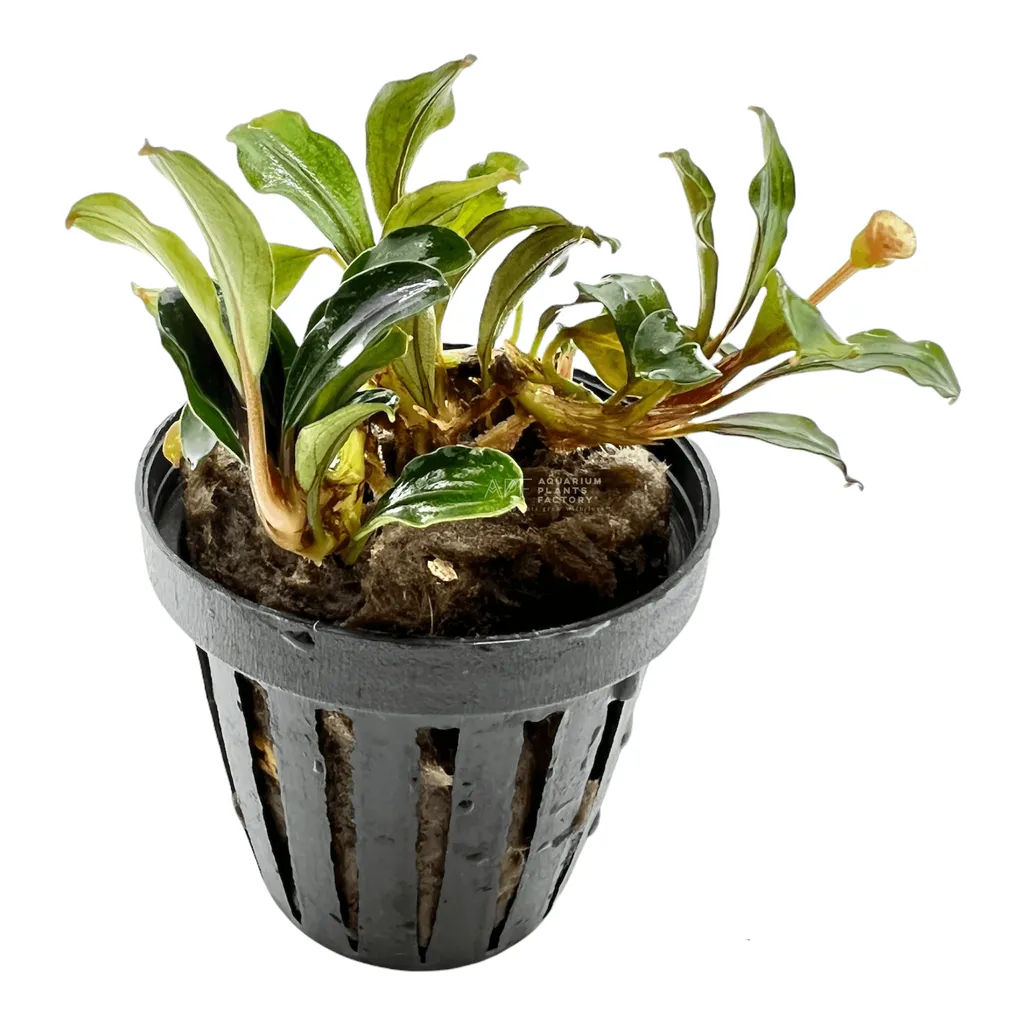
Bucephalandra Kedagang
slim dark leaves on red stems; the classic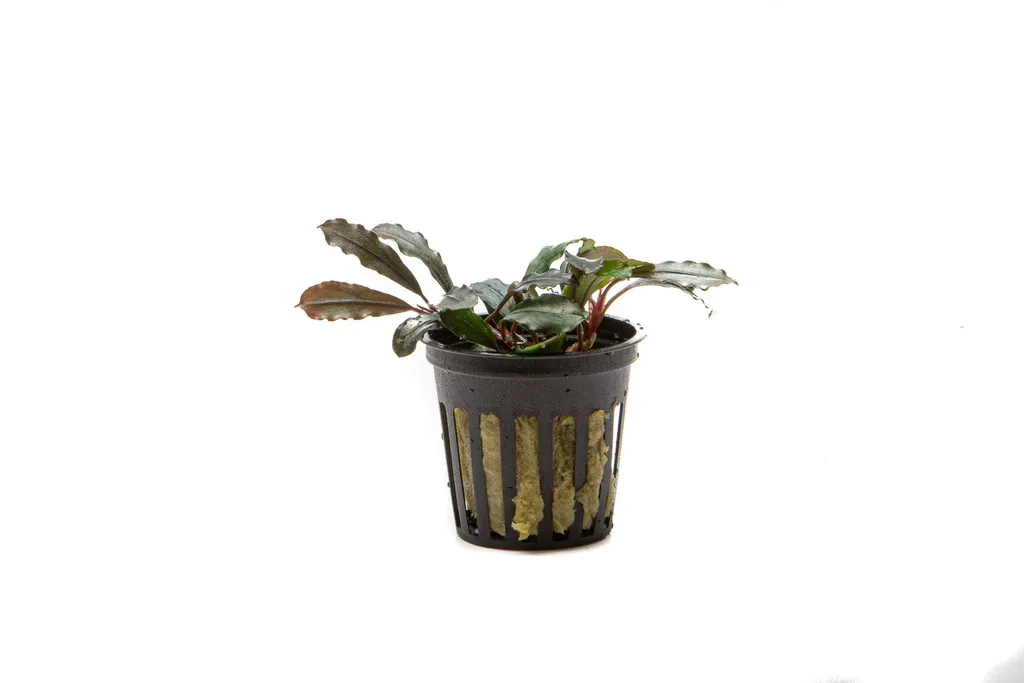
Bucephalandra Kedagang Round
rounder take on kedagang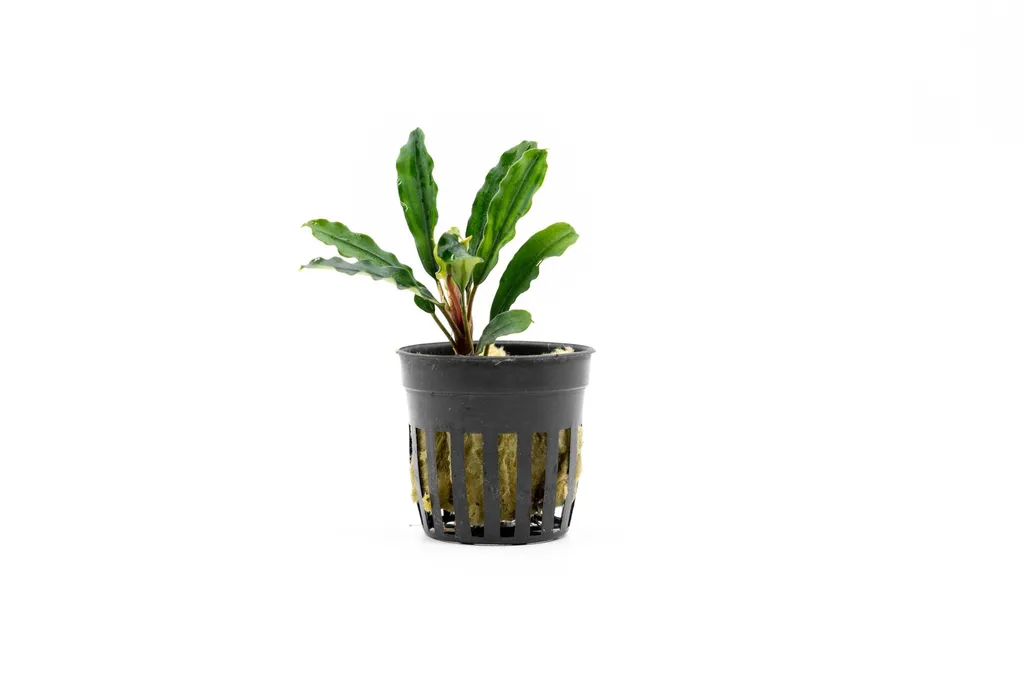
Bucephalandra Kedagang Long
stretched, narrow kedagangBucephalandra Brownie Blue
blue sheen on dark rounded leaves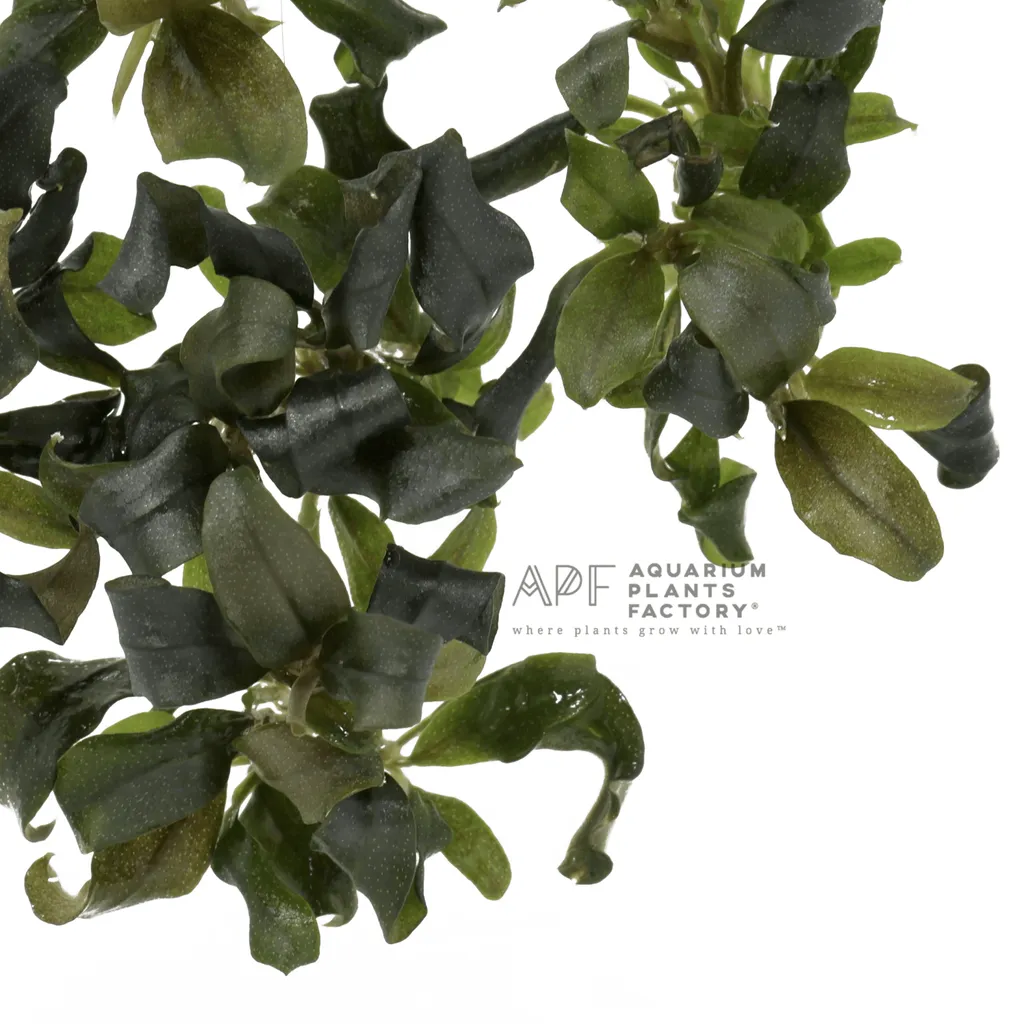
Bucephalandra Brownie Ghost
purple-blue shimmer; a collector favorite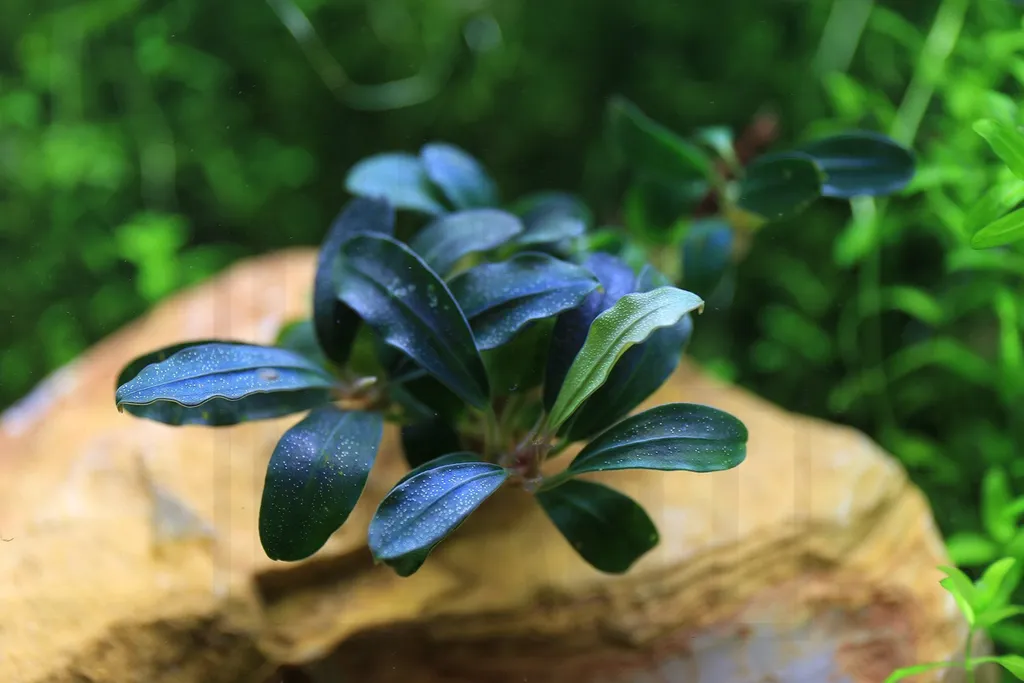
Bucephalandra Deep Purple
saturated purple under good light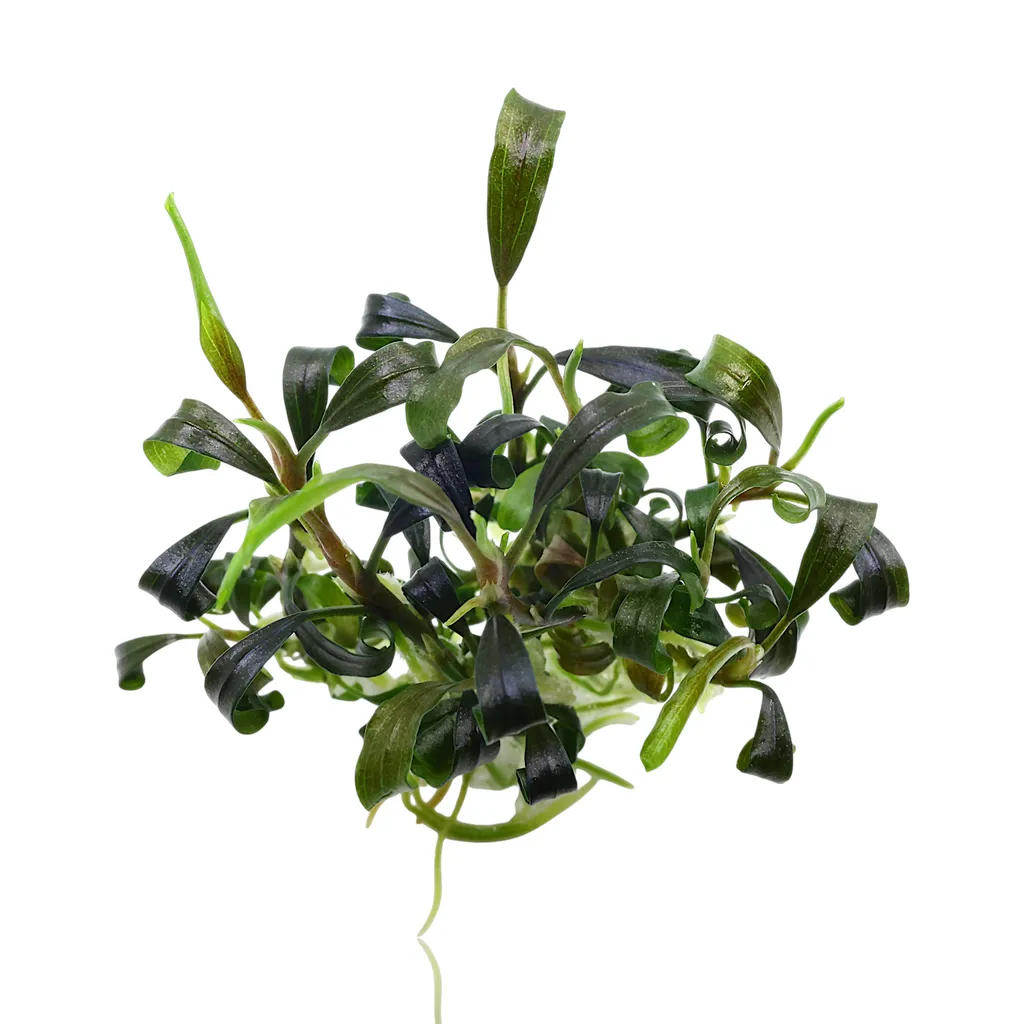
Bucephalandra Dark Velvet
small velvet-dark leaves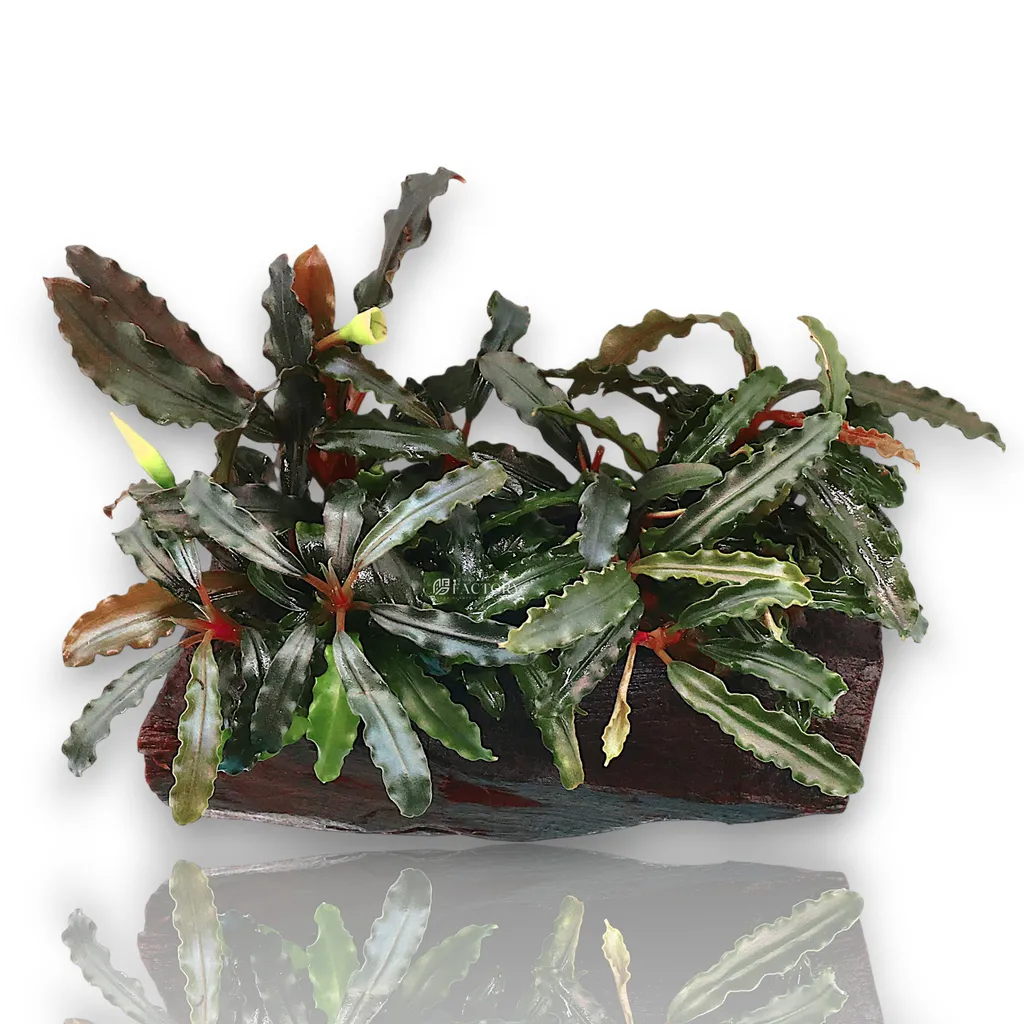
Bucephalandra Velvet
velvet-sheen leaves flecked silverBucephalandra Apple Leaf
broad apple-green leavesBucephalandra Mini Coin
tiny round leaves at nano scale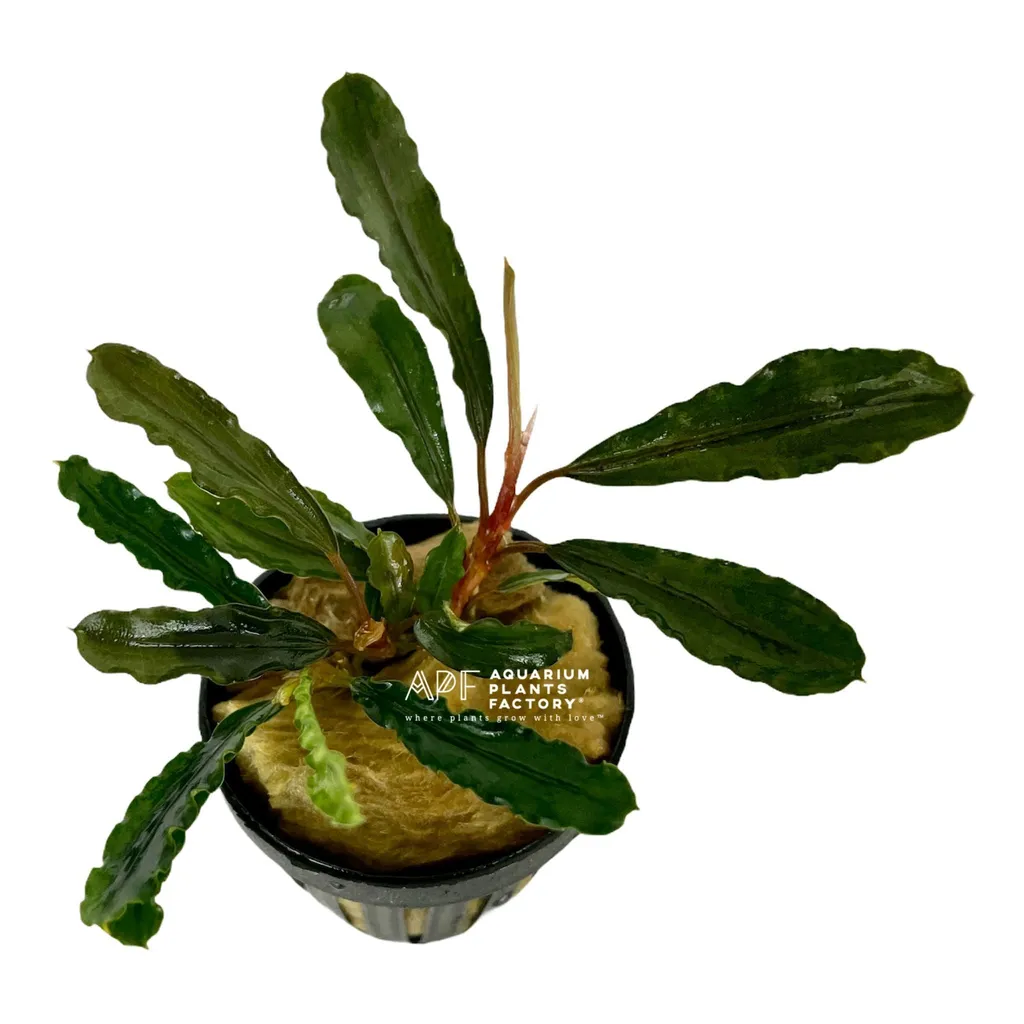
Bucephalandra Godzilla
the big one; long crinkled leaves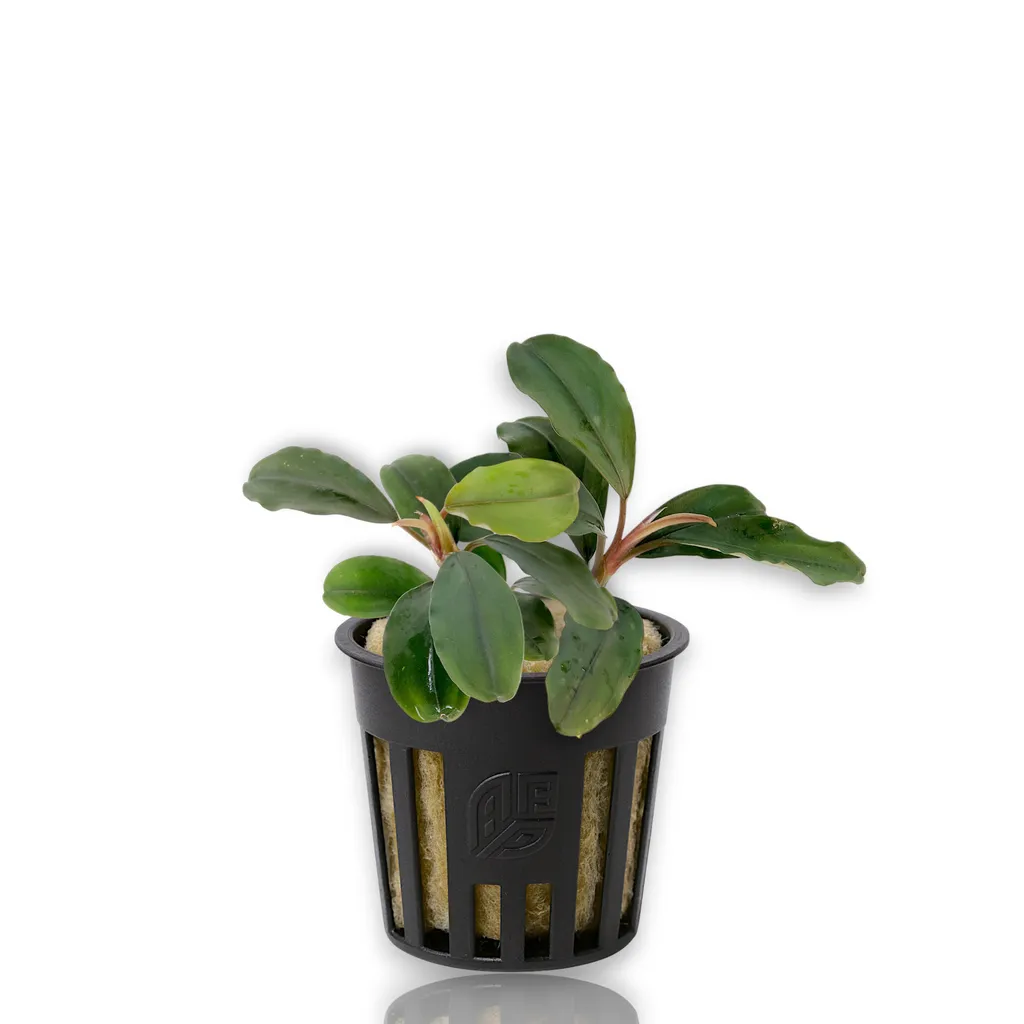
Bucephalandra Theia
dark leaves, strong silver speckling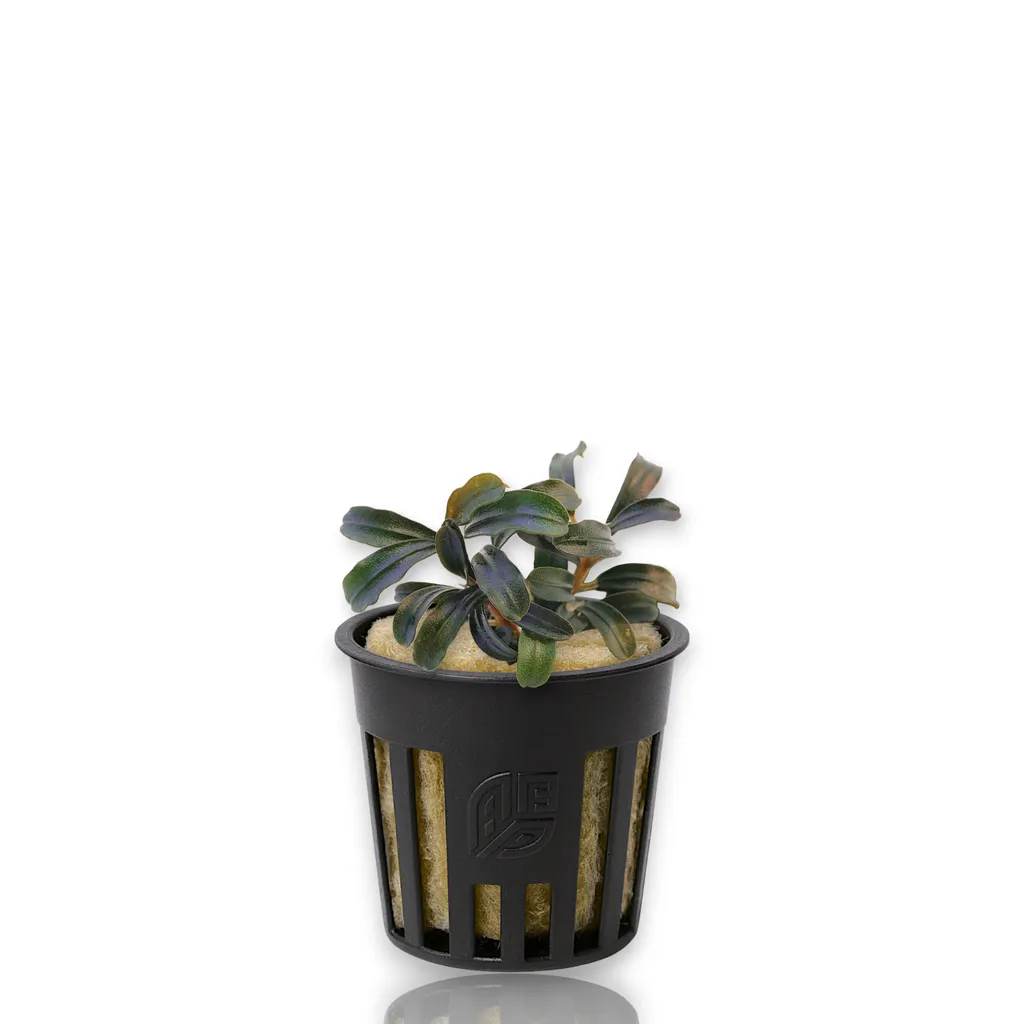
Bucephalandra Grappa Red
wine-red compact formBucephalandra Red Blade
narrow red bladesBucephalandra Arrogant Blue
ruffled olive leaves that turn metallic blue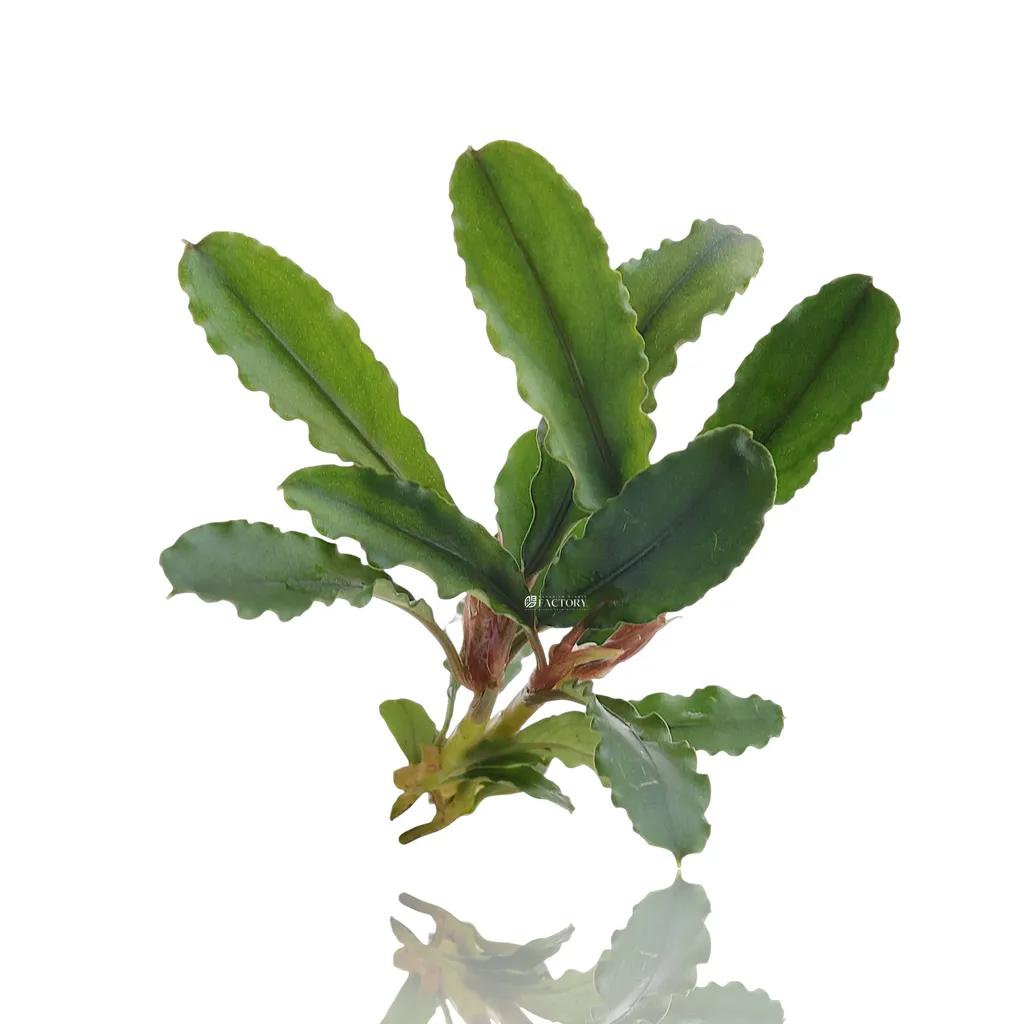
Bucephalandra Artemis
palm-like crown of dark, wavy leaves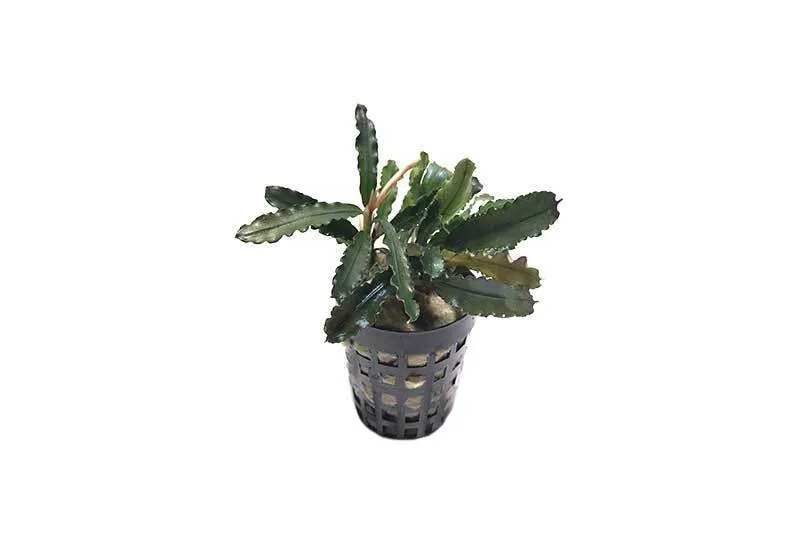
Bucephalandra Biblis
narrow, frilly leaves with orange new growthBucephalandra Black Pearl
near-black ovals with a raised midrib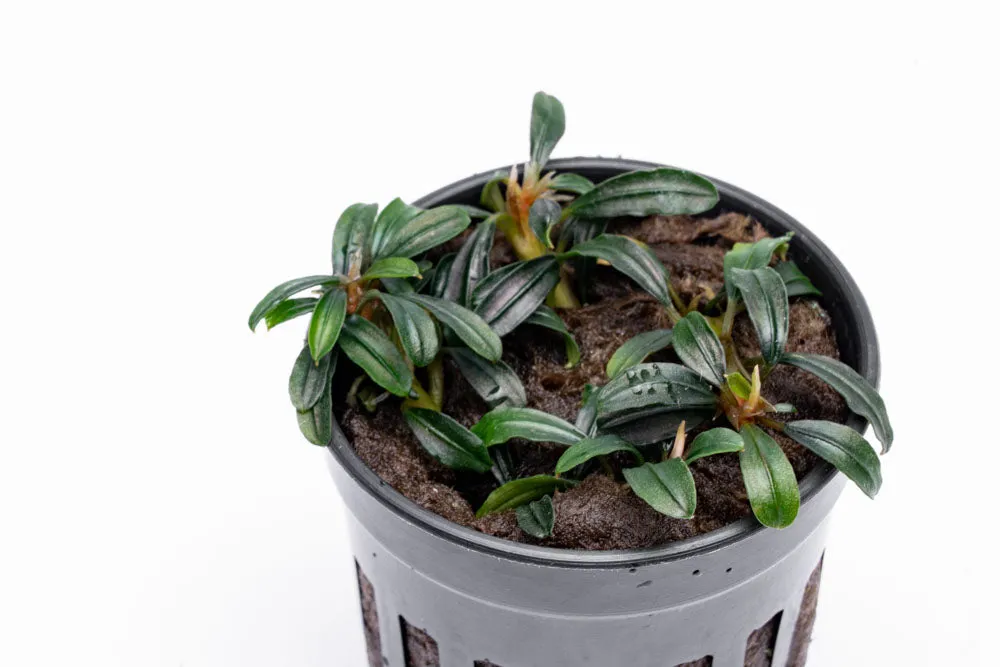
Bucephalandra Boyan Mini Narrow
nano buce with slim leaves and a pale midrib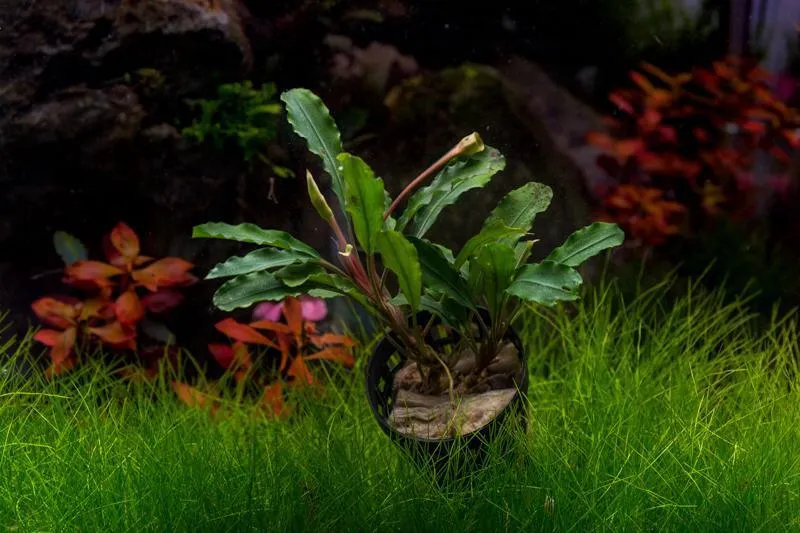
Bucephalandra Broad Wavy
bigger-leaved take on Wavy Green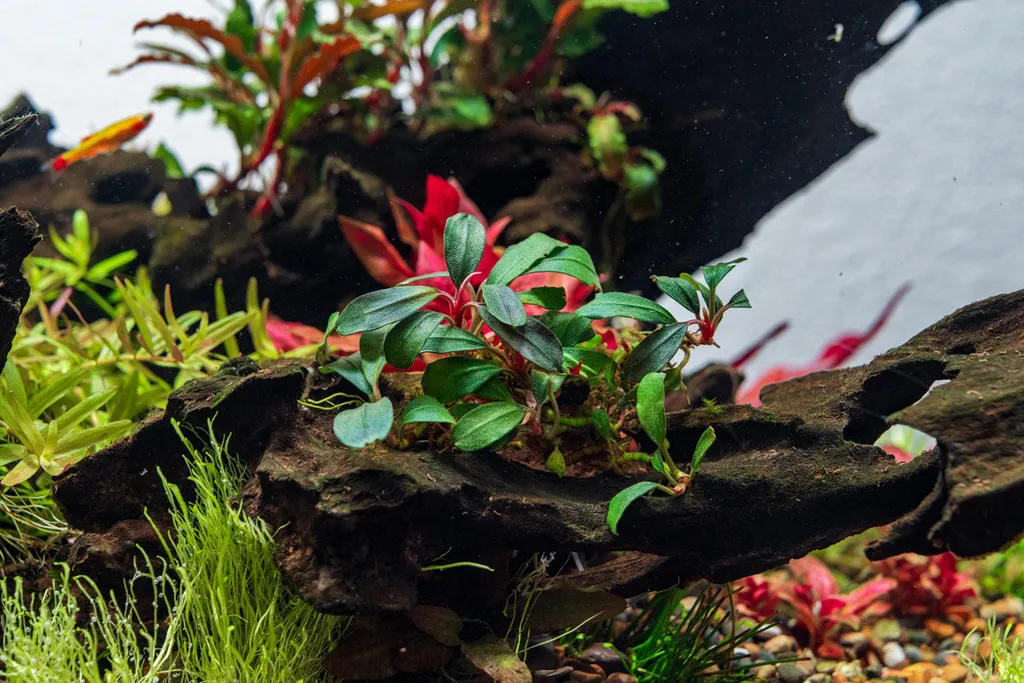
Bucephalandra Brownie Jade
glossy jade-green leaves with a bold midrib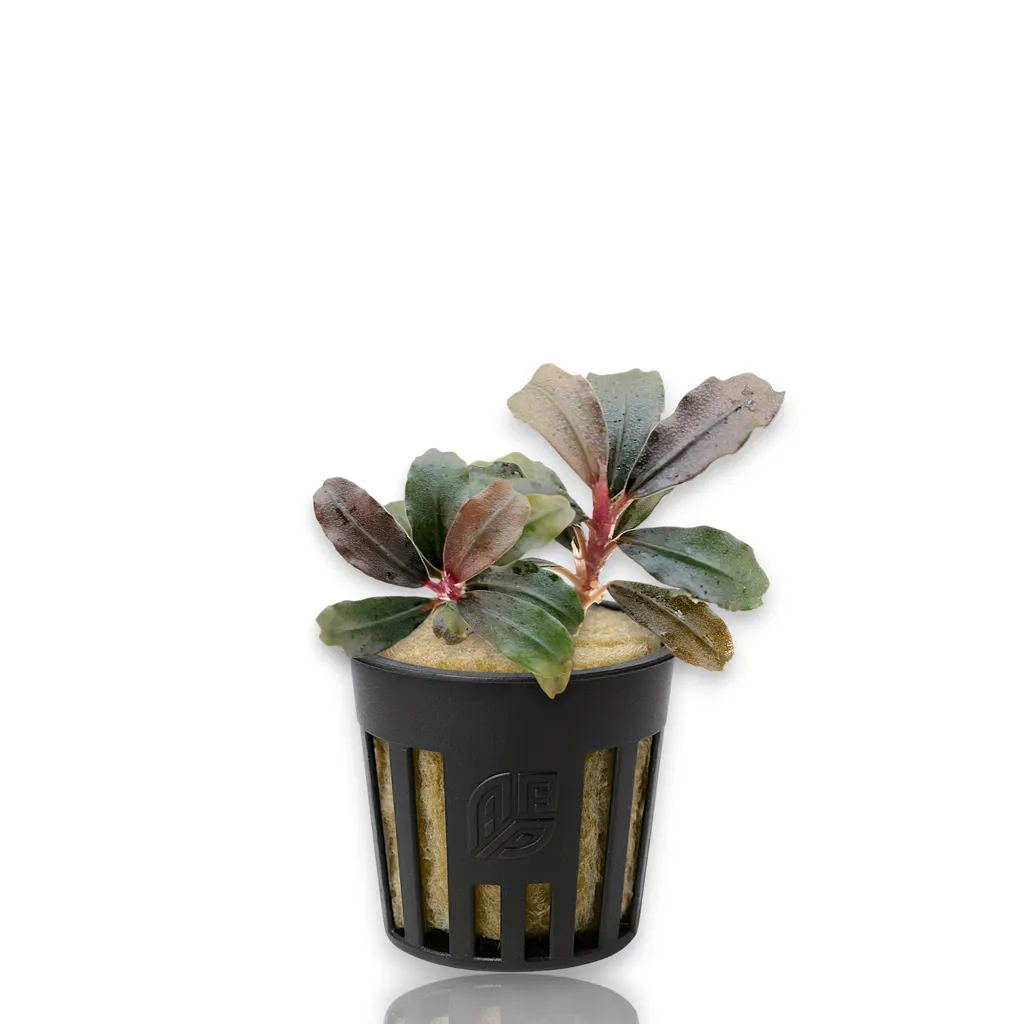
Bucephalandra Brownie Kapuas
small chocolate-brown leaves with bronze glintsBucephalandra Brownie Phoenix
feather-ruffled edges, brown-green to violetBucephalandra Brownie Purple
bushy tufts of crinkled teardrop leavesBucephalandra Dark Green Wavy
blackish-green sport of wavy green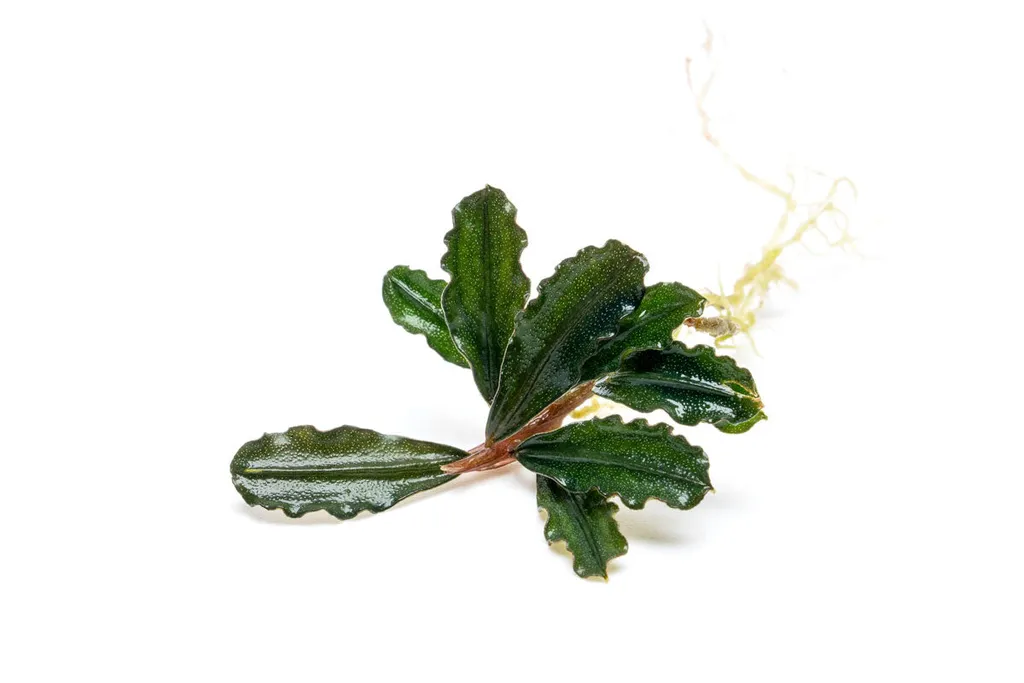
Bucephalandra Dark Phantom
short, glossy leaves with tight crinkles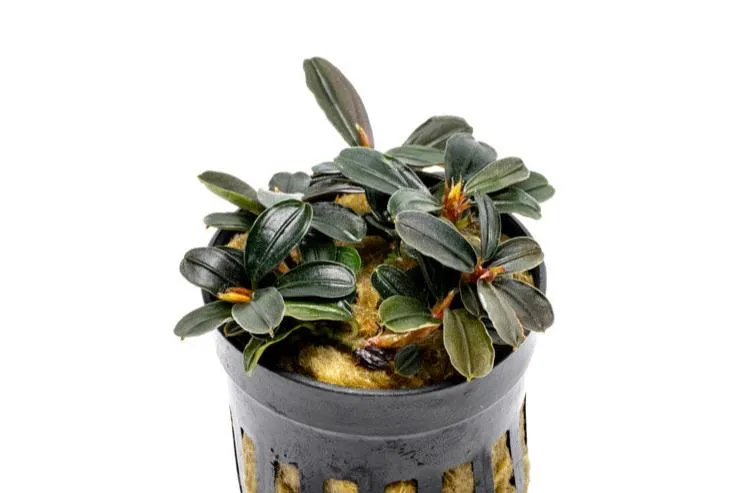
Bucephalandra Kedagang Round Mini
nano-sized kedagang round with narrower leavesBucephalandra Lamandau Mini Purple
fingernail-sized leaves in pink and purple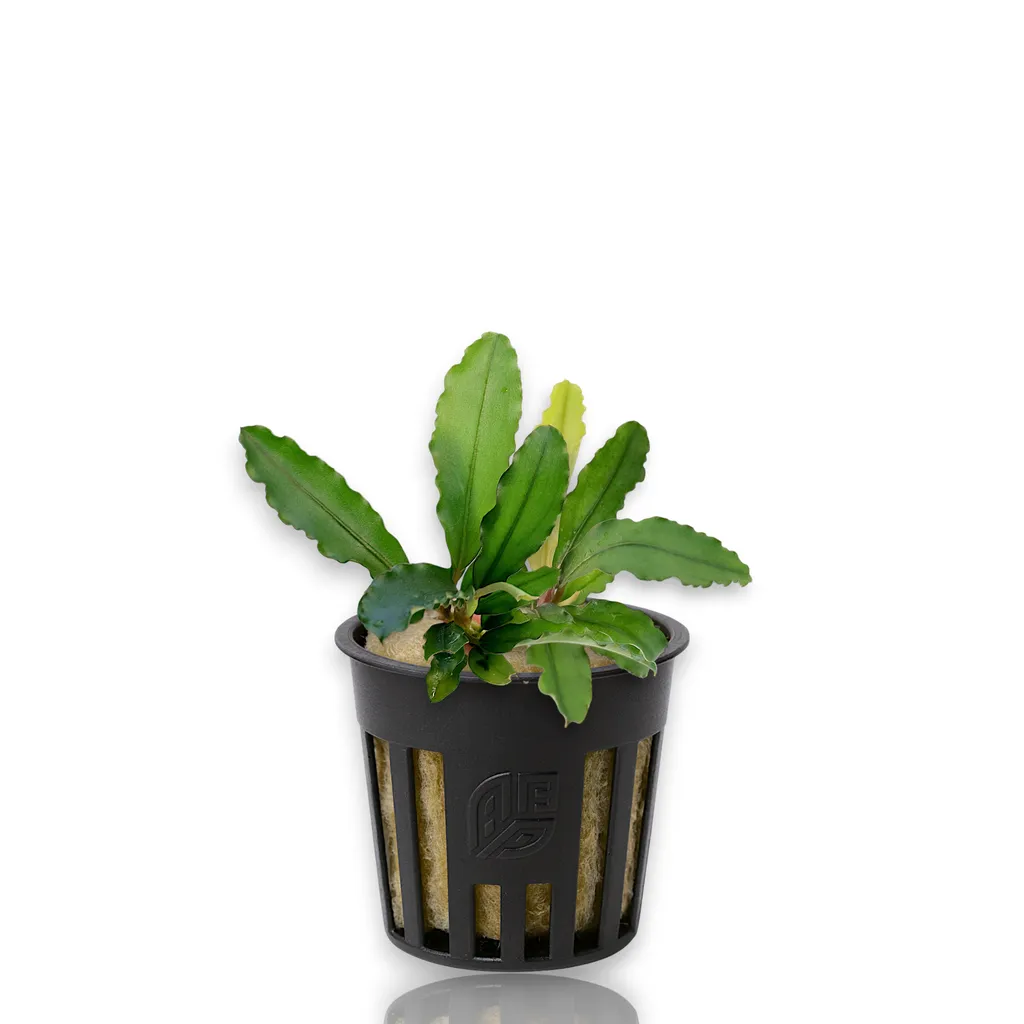
Bucephalandra Maestro Blue
slender wavy leaves with a metallic blue cast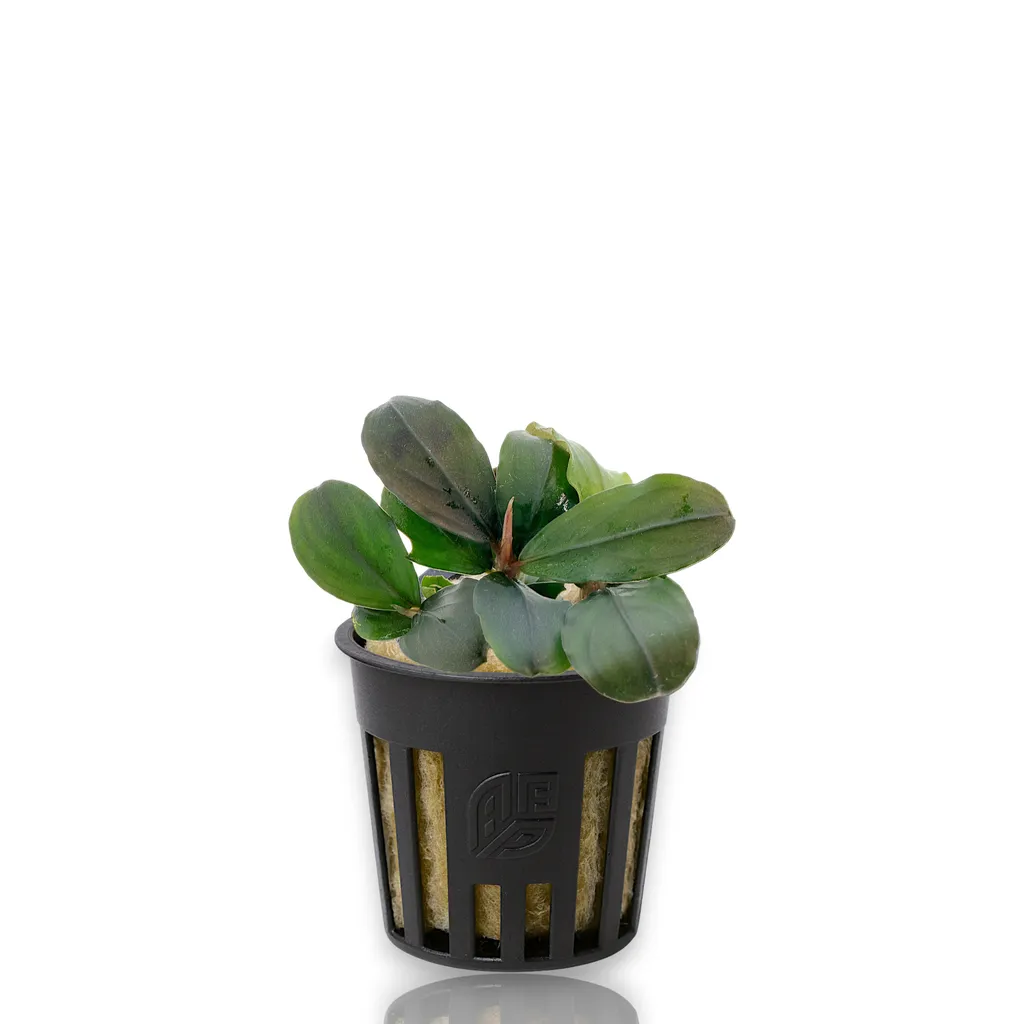
Bucephalandra Pandora Queen
short, round, glossy dark leaves; bronze new growth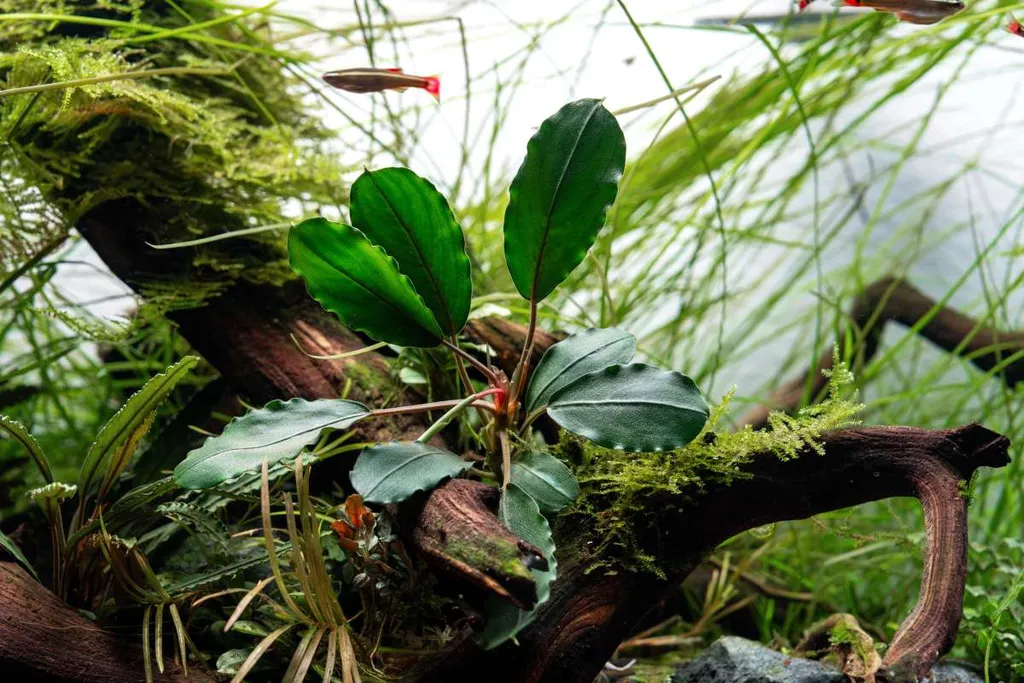
Bucephalandra Pearl Grey
big, broad, smooth leaves with a pearly sheenBucephalandra Pink Lady
pink stalks under large olive leavesBucephalandra Rainbow Marble
bronze and pink mottling that varies by leaf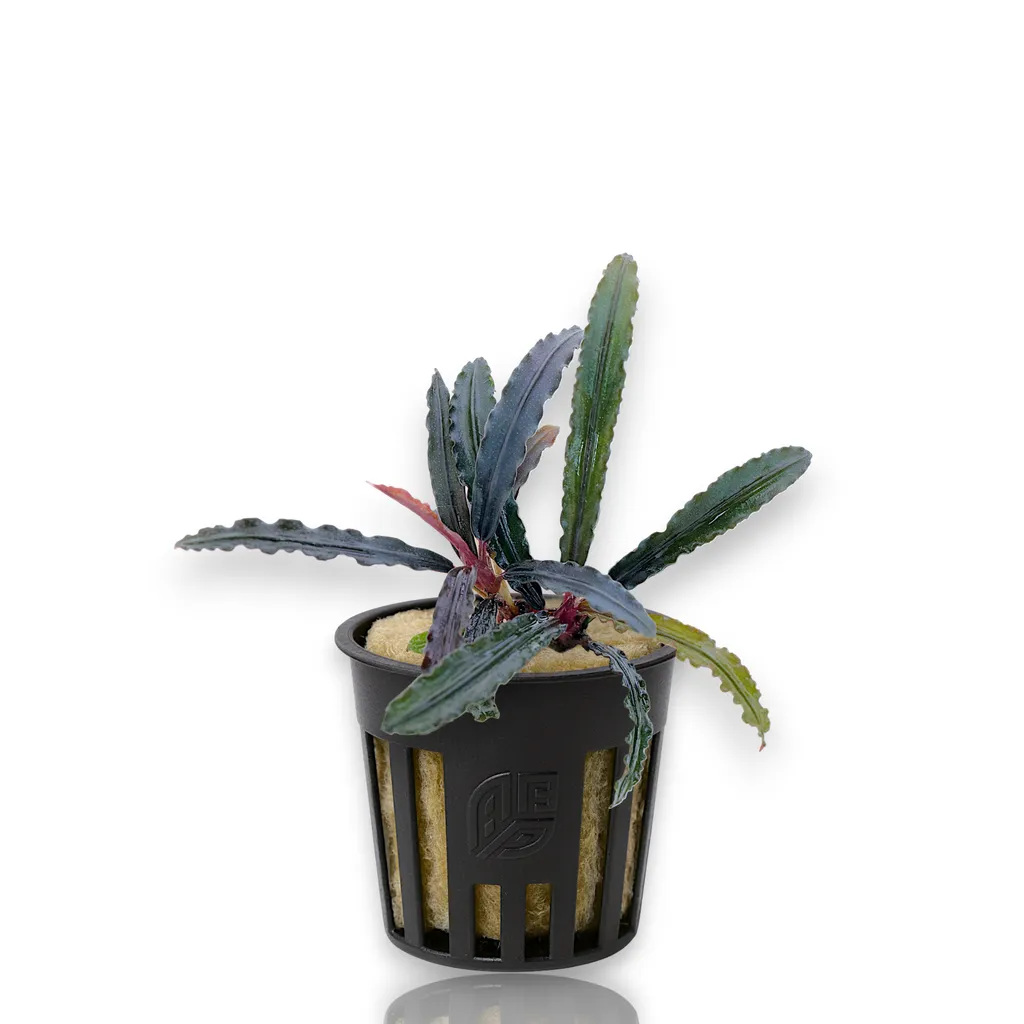
Bucephalandra Red Catherine
crinkled red-bronze leaves on short stalks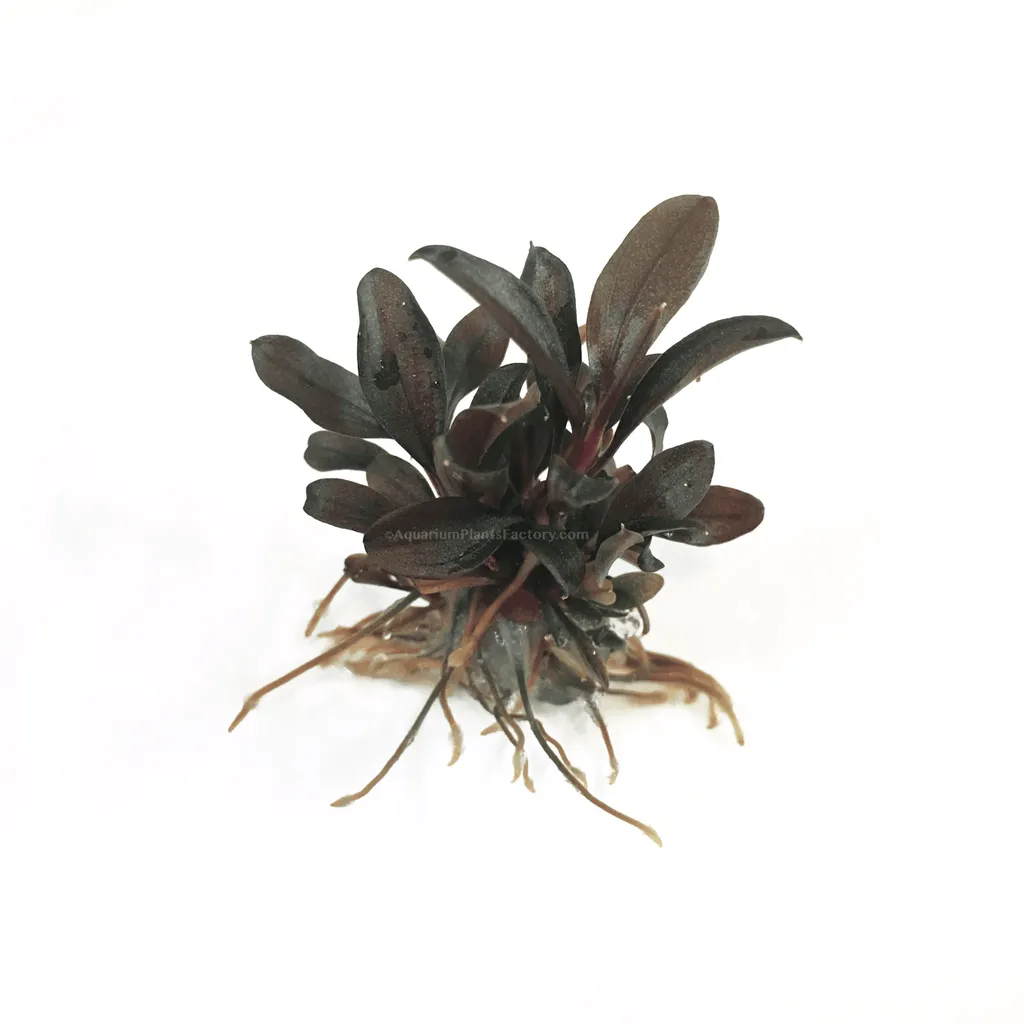
Bucephalandra Red Mini
small ruffled leaves that darken to near blackBucephalandra Variegated Marble
cream marbling on Green Wavy leaves
Care, the same for every form
One setup covers every form on this page: tie it down, keep the water clean, and let it creep.
- CO2
- CO₂ beneficial
- Temperature
- 68–82°F
- 20–28°C
- Growth rate
- Slow
- Placement
- Epiphyte
- Type
- Rhizome
- pH
- 5.5–8.0
Locality names, not species
Botanists are still sorting out how many Bucephalandra species there really are, so the hobby never waited: forms are named for collection sites like Kedagang and Sintang, or for the nursery line that made them famous, like Brownie Ghost. Whatever the label says, the care does not change, and most forms even shift color with light and age.
Epiphyte care
Like anubias, bucephalandra grows from a creeping rhizome that must never be buried. Glue or tie it to rock or wood, give it low to moderate light and gentle flow, and expect a new leaf every few weeks. CO2 is optional but deepens the blues and purples, and healthy leaves show the genus trademark: tiny silver flecks scattered over the surface.
Buy farmed, not wild
Wild collection stripped whole streams in Borneo before farmed stock caught up, and some collection sites are gone for good. Farm-raised and tissue-culture plants are now easy to find, settle into aquariums faster, and leave the wild colonies alone; there is no longer any reason to buy wild-collected buce.
Common questions
Why did my bucephalandra melt after planting?
Most buce is grown emersed, and the old leaves often dissolve as the plant switches to underwater growth. The rhizome is what matters: leave it attached and it regrows with proper submerged leaves.
Does bucephalandra really flower underwater?
Yes. A settled plant sends up small white spadix flowers, even fully submerged. The flowers do not last long, but they are a reliable sign the plant is happy.
How fast does it grow?
Slowly; a leaf or so a month is normal. That patience is the price for a plant that otherwise asks almost nothing.
Related plants
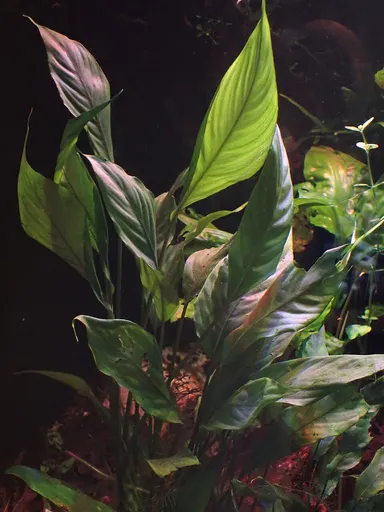 Low lightEpiphyte3.9 in (10 cm)
Bucephalandra motleyana
Low light · Epiphyte
- Low lightEpiphyte3.9 in (10 cm)
Bucephalandra sordidula
Low light · Epiphyte
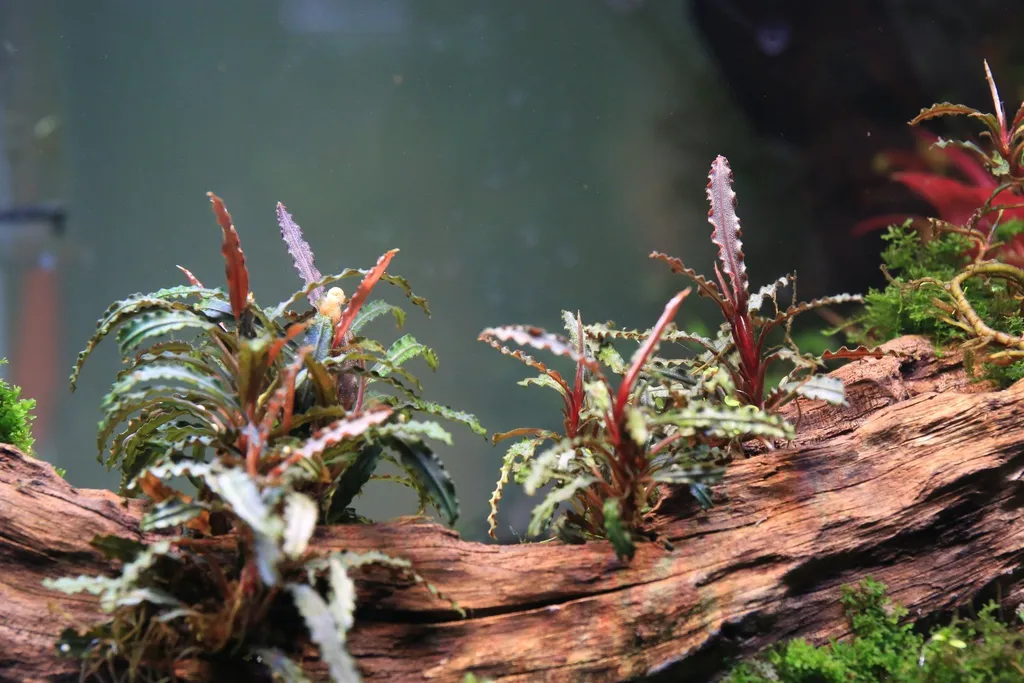 Low lightEpiphyte2.4 in (6 cm)
Bucephalandra belindae
Low light · Epiphyte
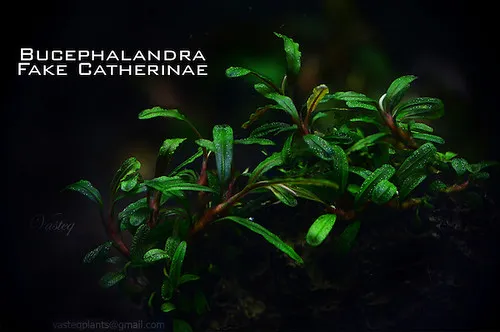 Low lightEpiphyte2.4 in (6 cm)
Bucephalandra catherineae
Low light · Epiphyte
- Low lightEpiphyte6.7 in (17 cm)
Bucephalandra chimaera
Low light · Epiphyte
- Low lightEpiphyte11.8 in (30 cm)
Bucephalandra goliath
Low light · Epiphyte
Planning a tank?
TankBud checks stocking and water fit as you build a tank, then tracks water tests, reminders and photos once it is running.
Track your tanksMaintain tanks for clients? See TankBud Pro