Bucephalandra Brownie Phoenix is a small Buce, about 5 to 6 cm tall, for foreground stones or a nano tank. It is easy to keep in low light.
Did you know
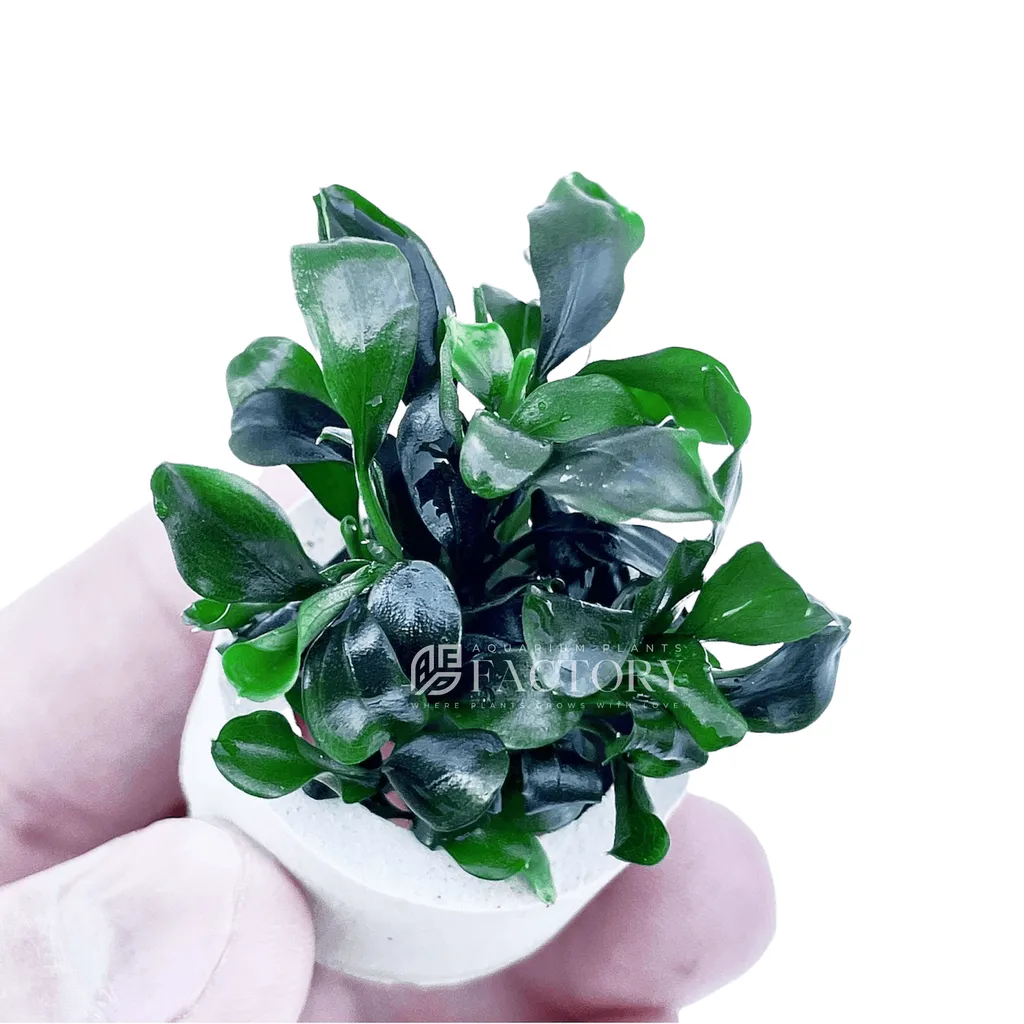
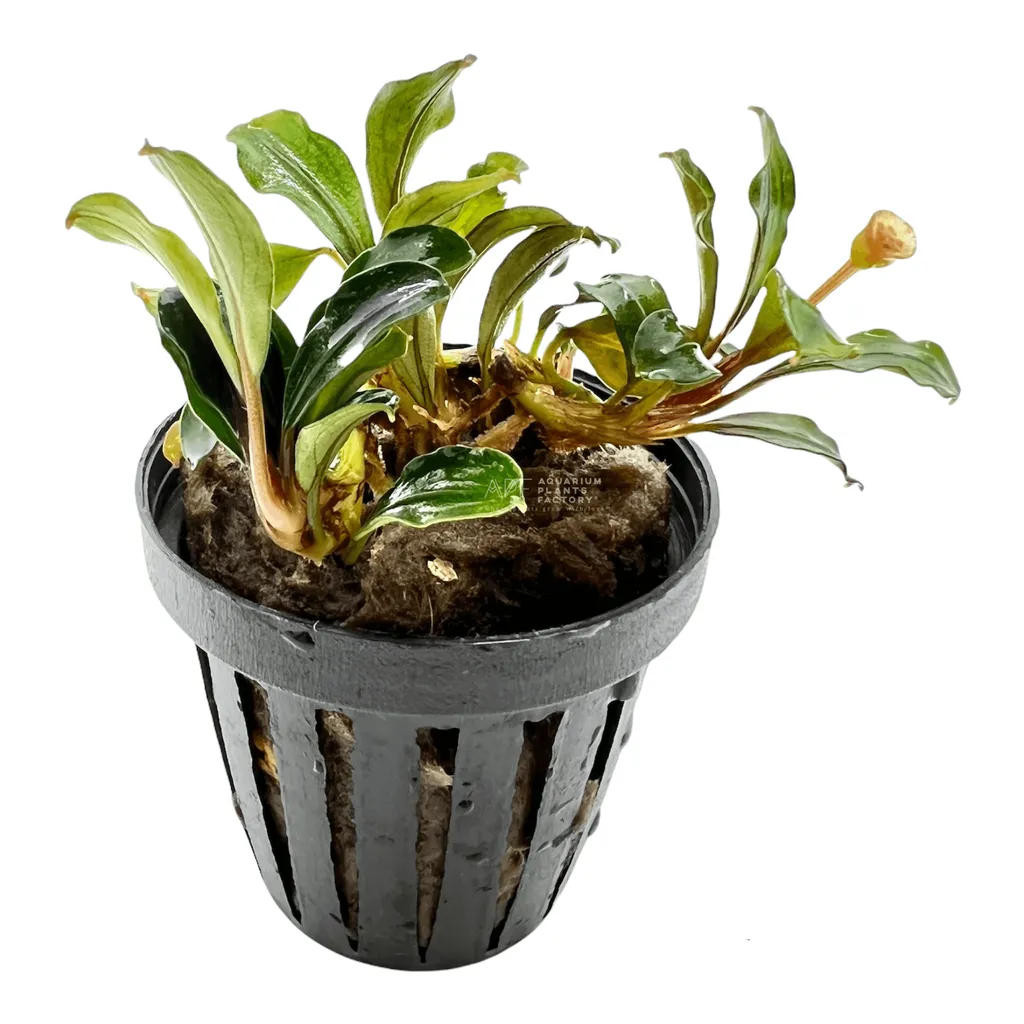
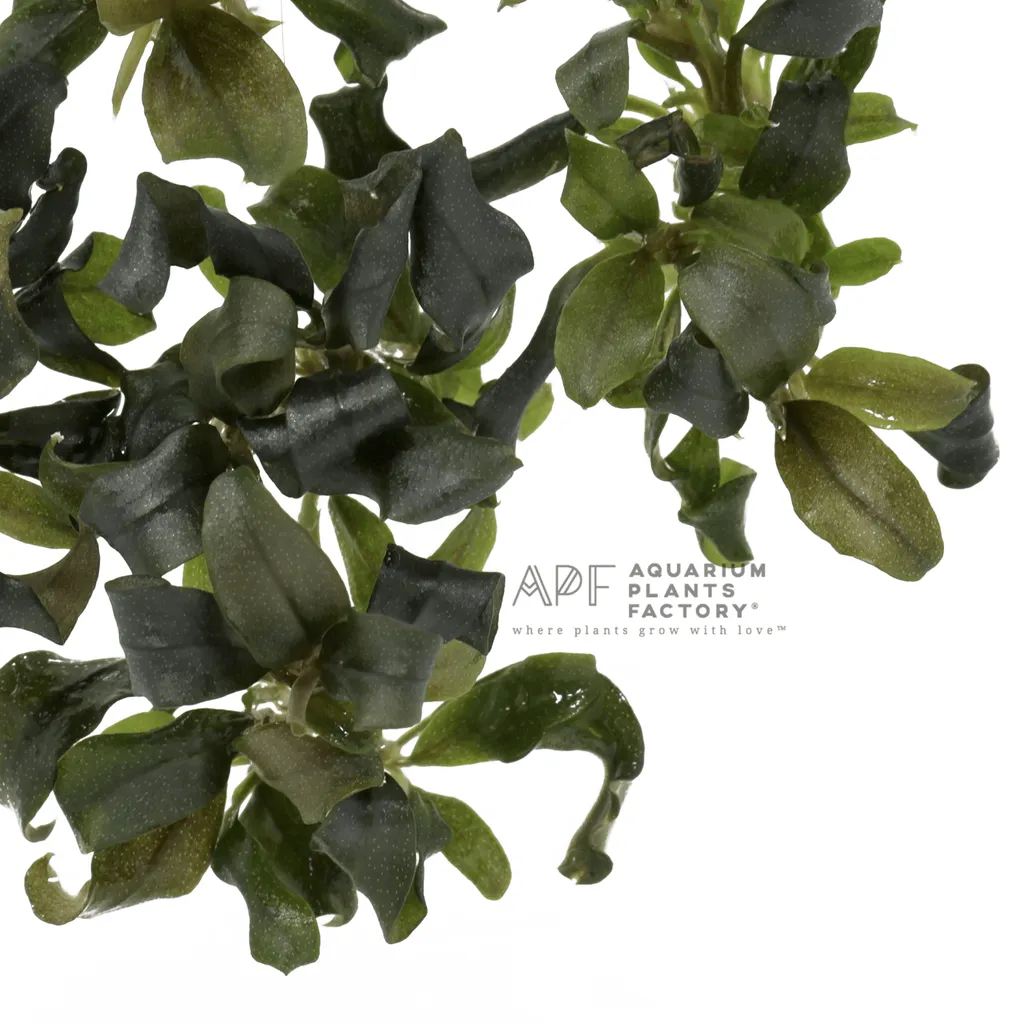
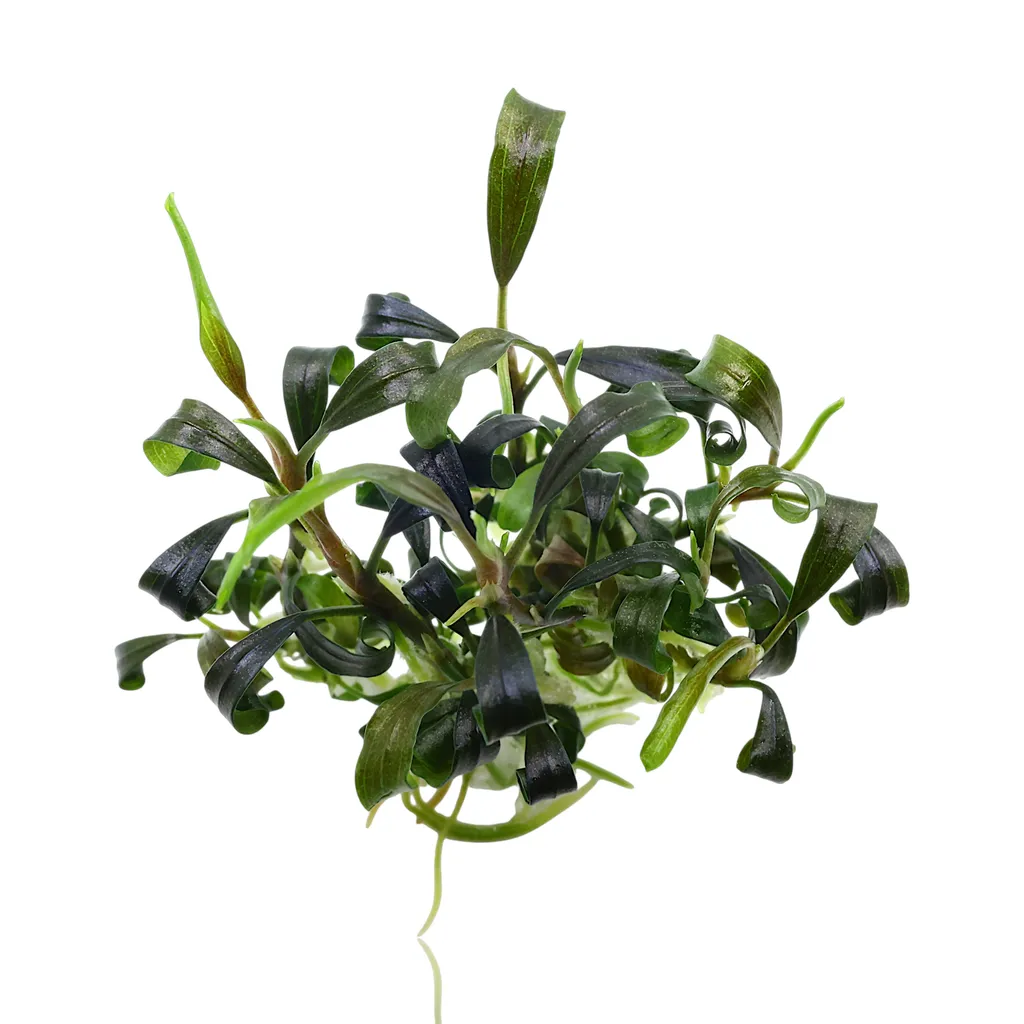
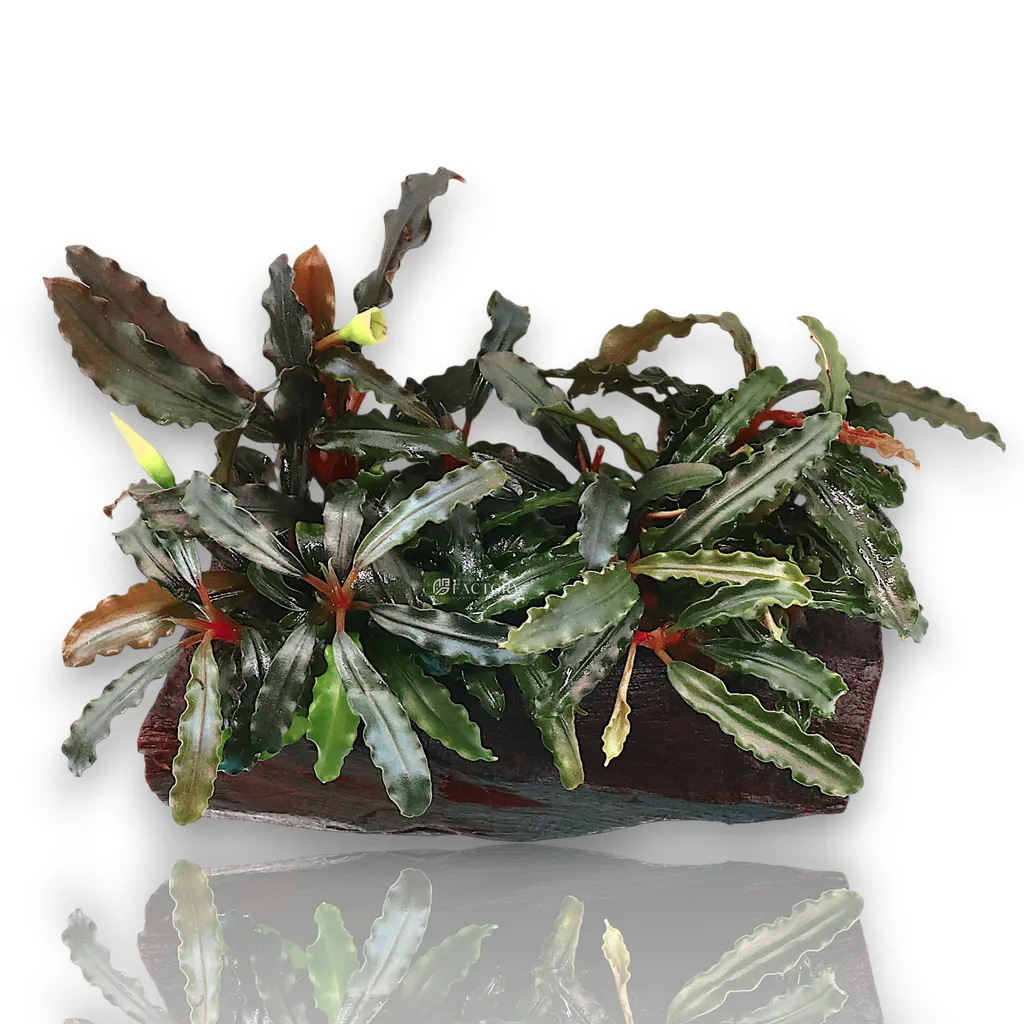
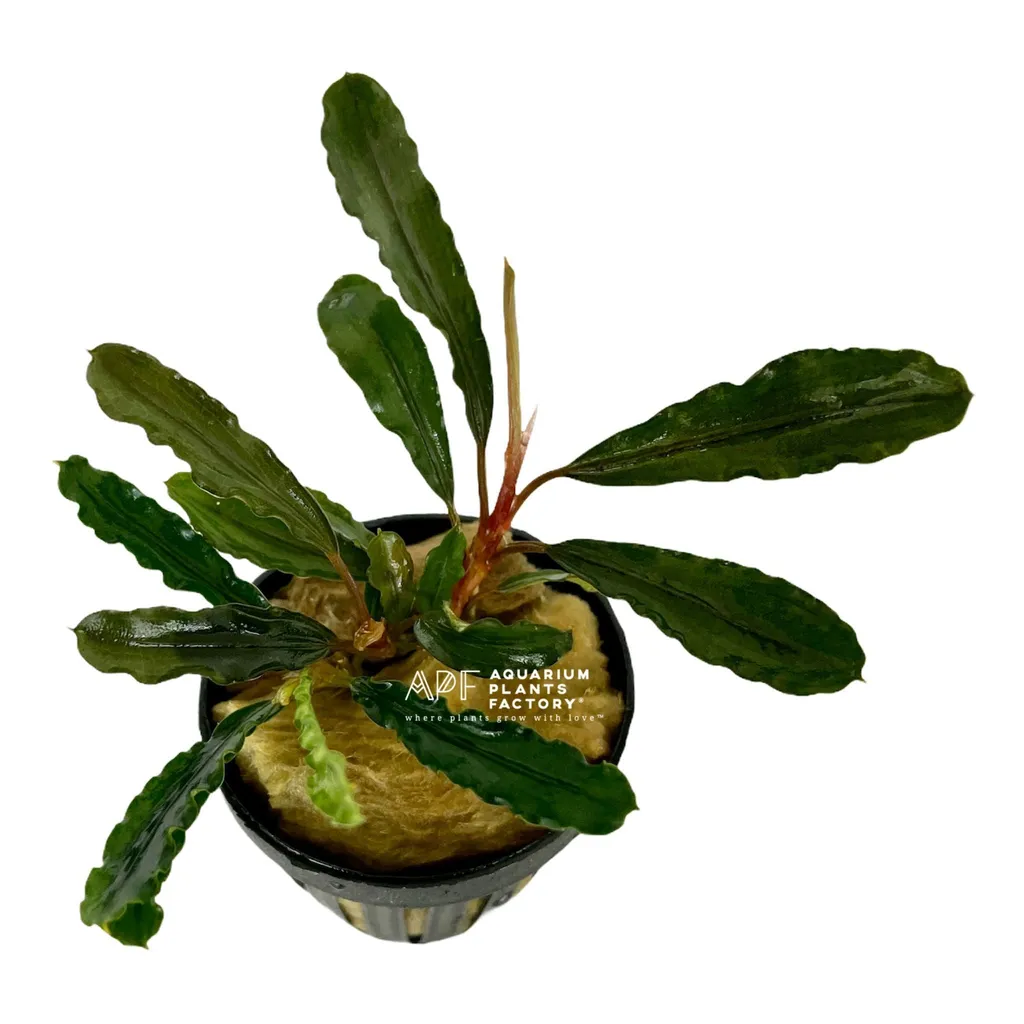
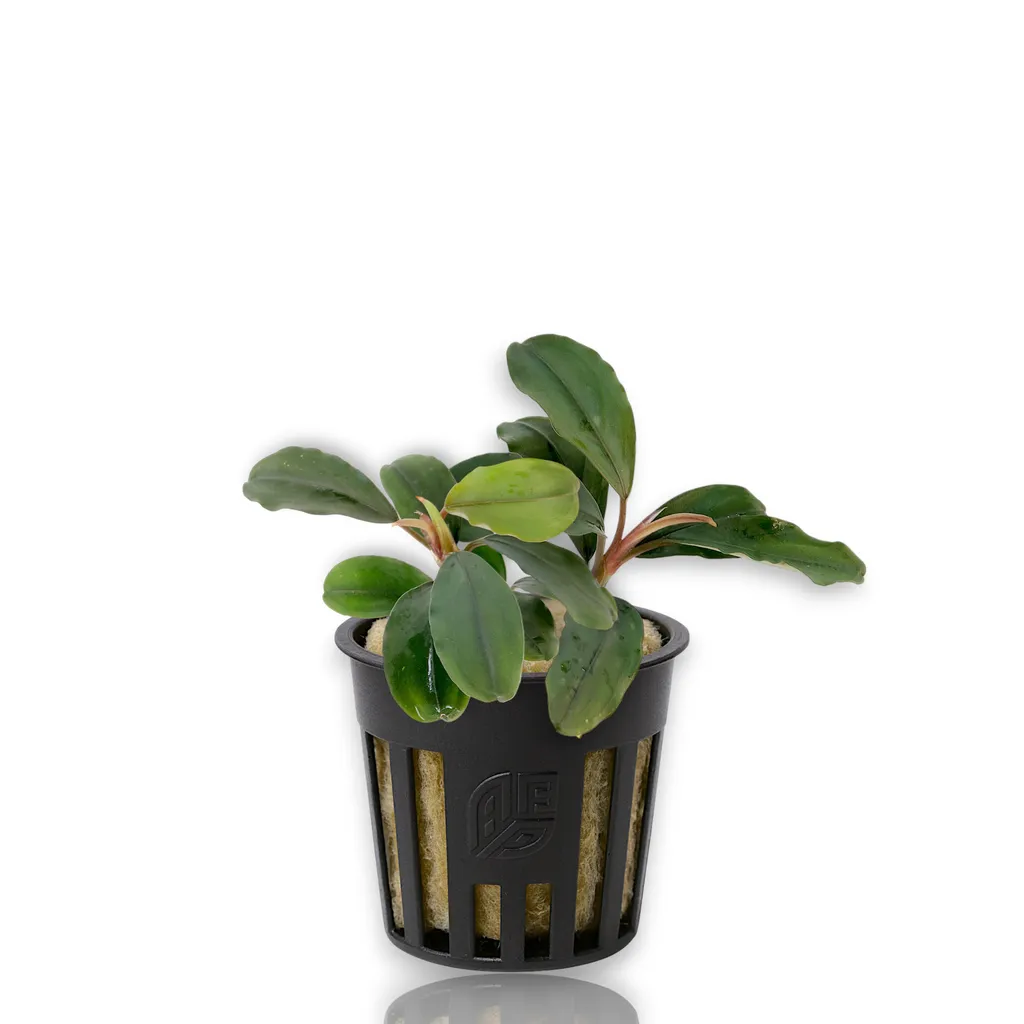
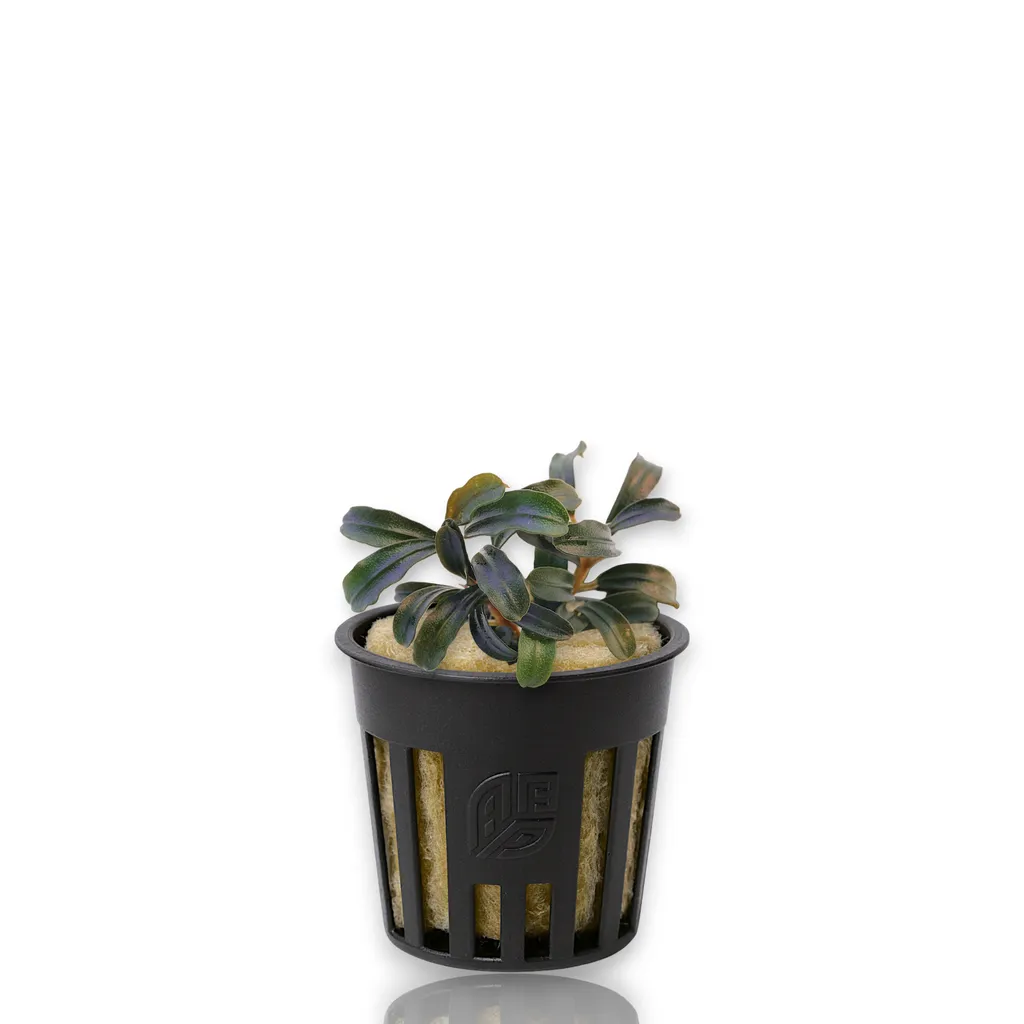
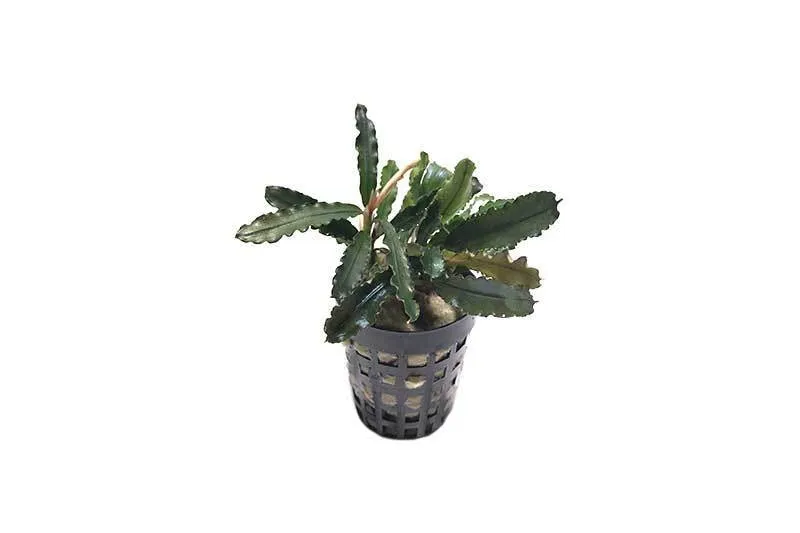
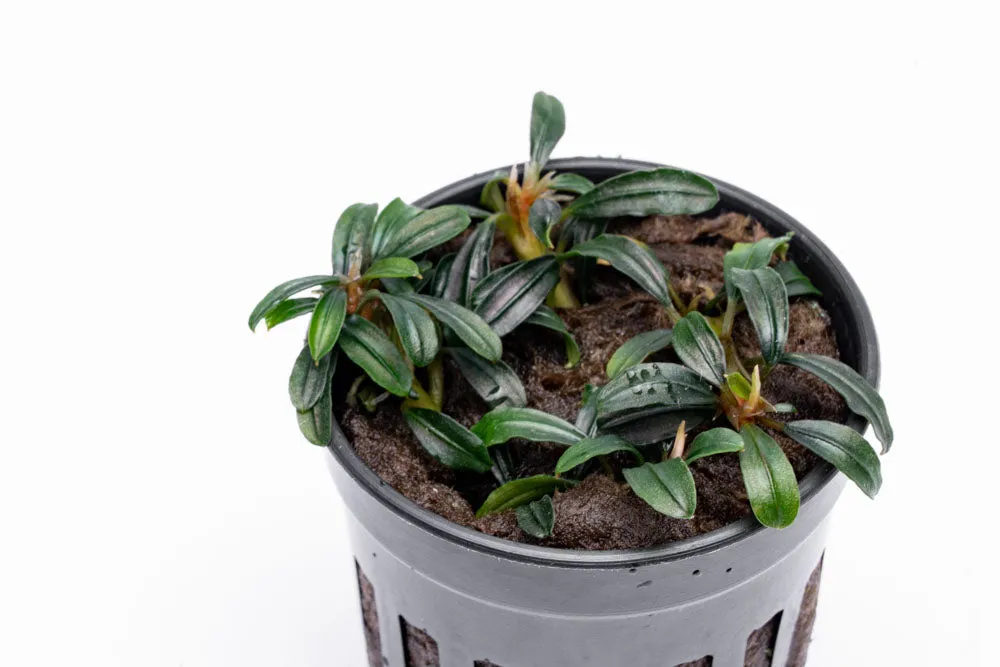
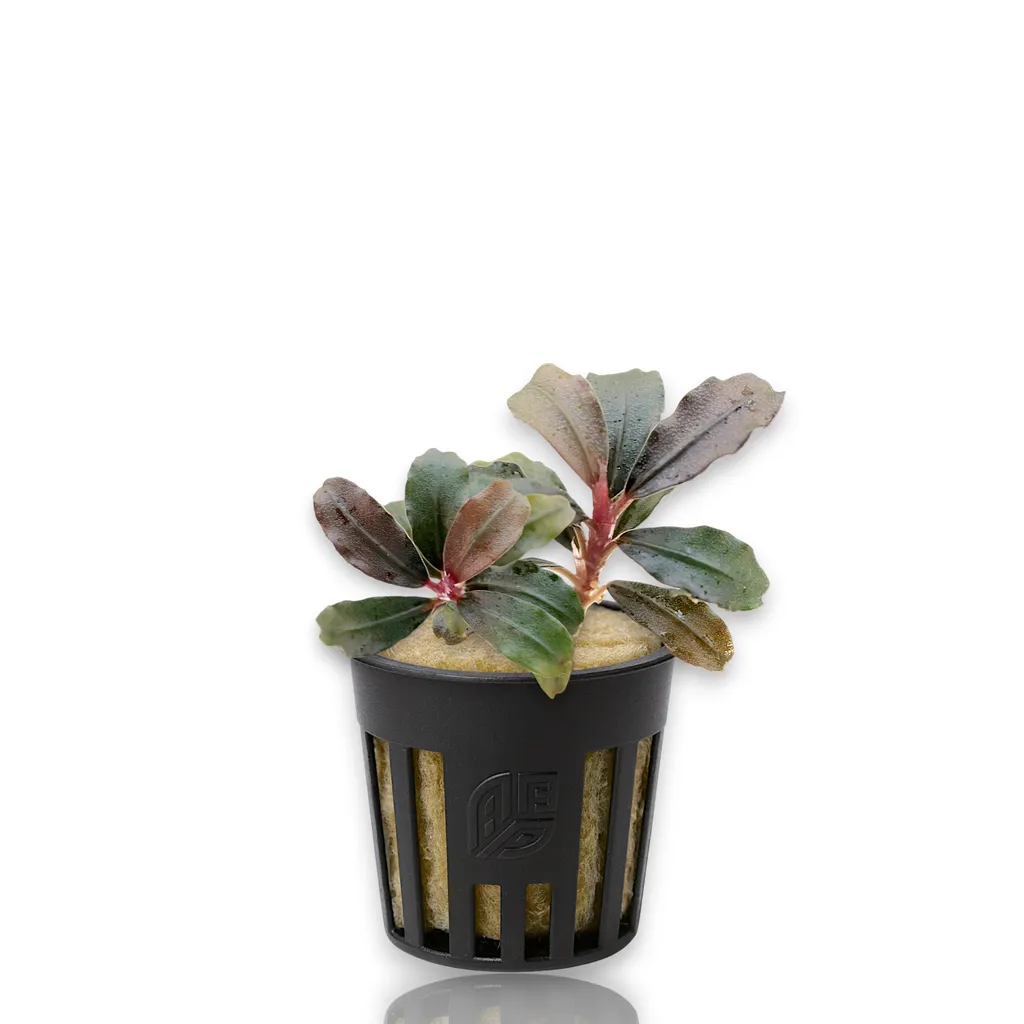
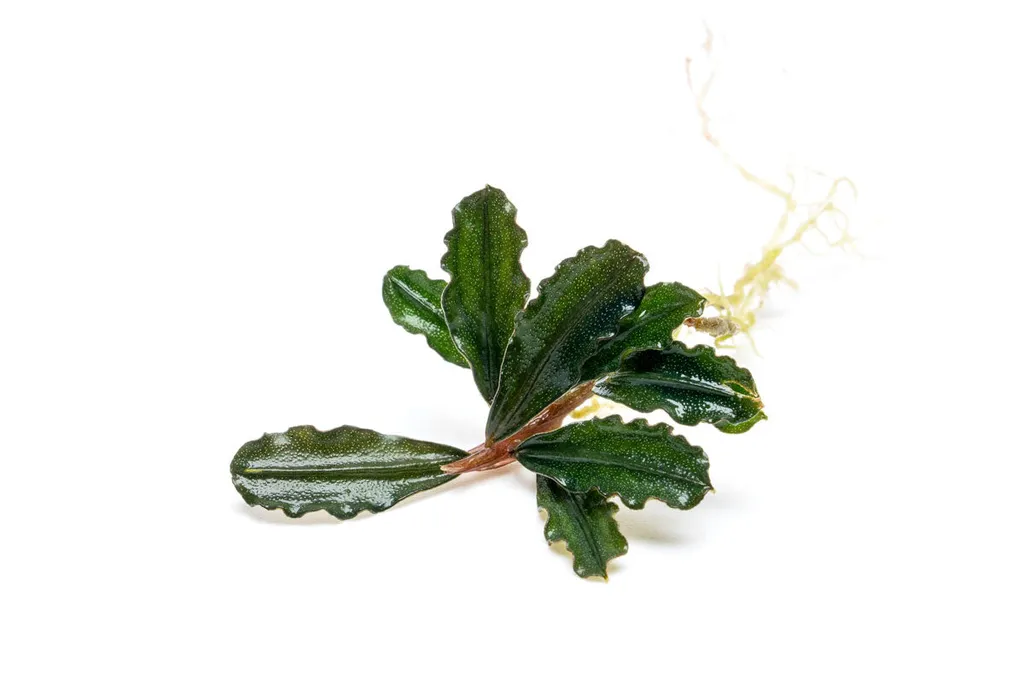
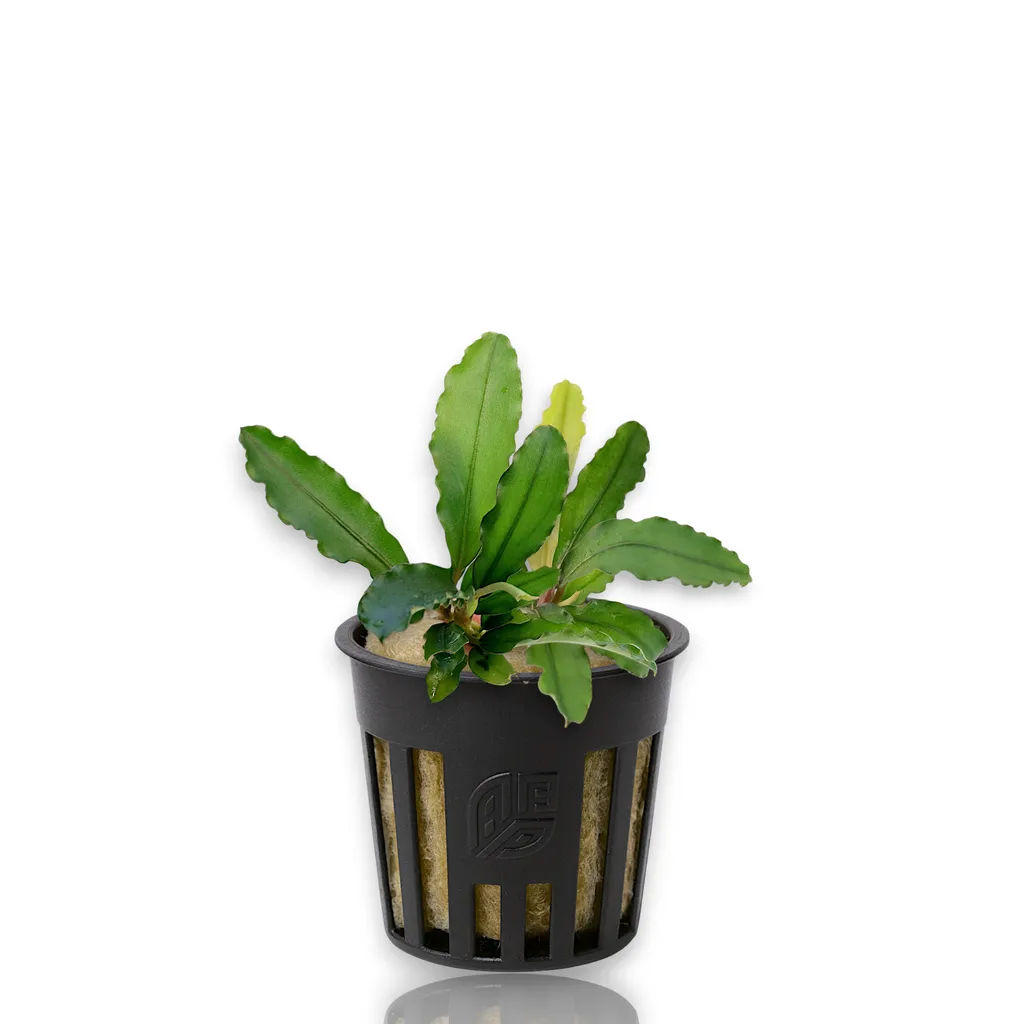
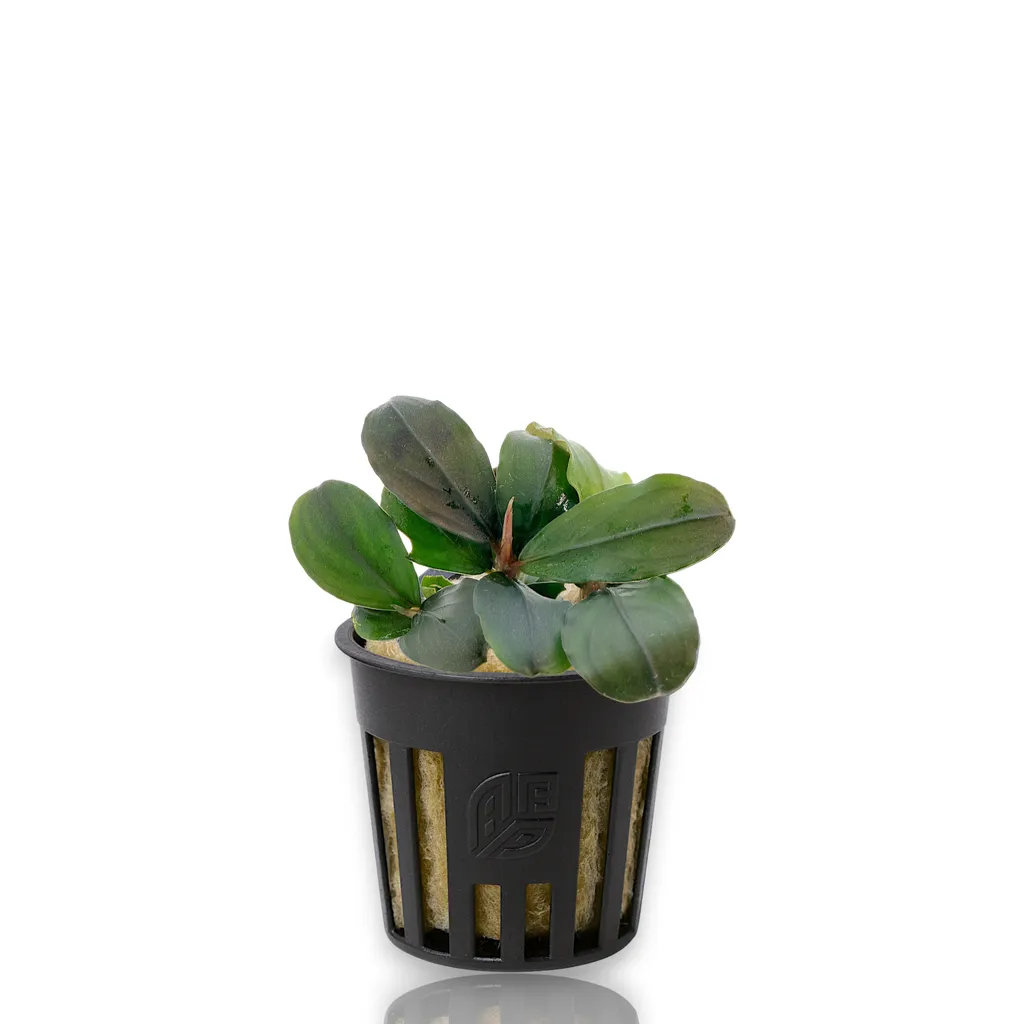
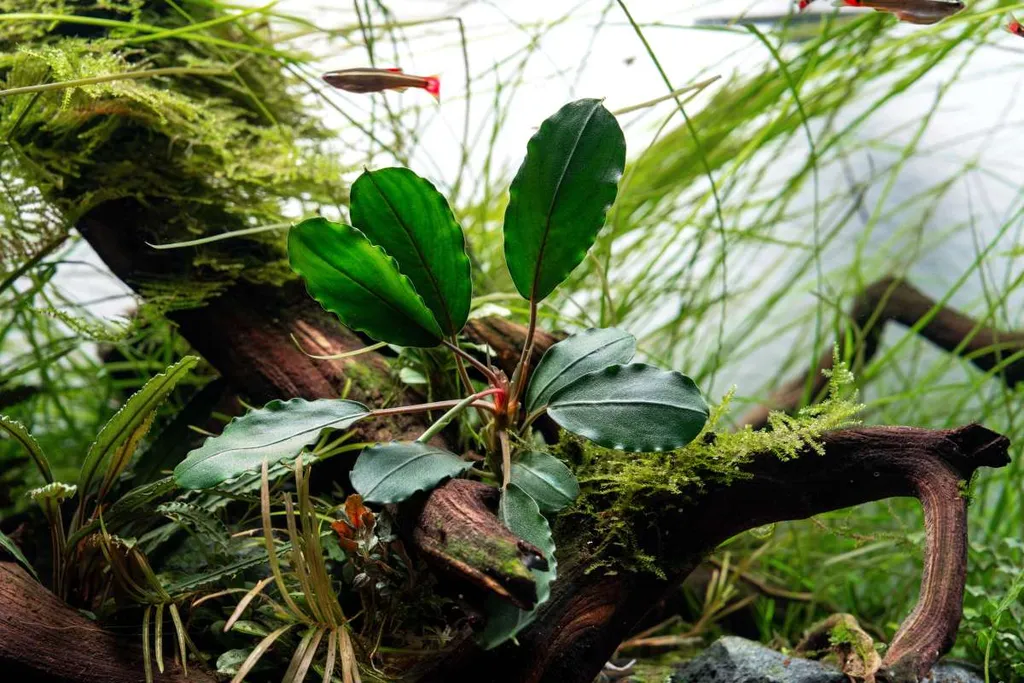
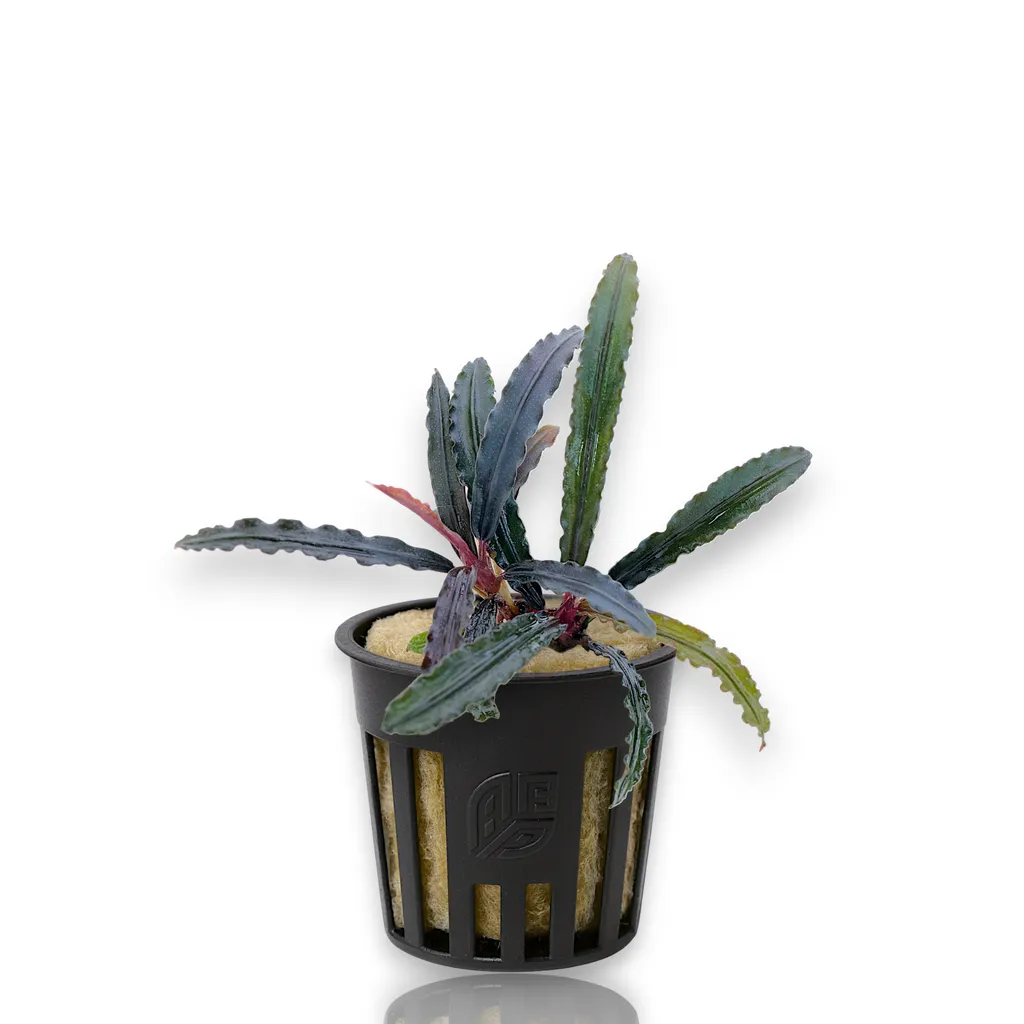
Tissue-culture cups of Brownie Phoenix hold juvenile plants with plain, rounded leaves. The narrow, ruffled leaves in farm photos belong to older plants, so a new cup may look like a different clone at first.
Caring for Bucephalandra Brownie Phoenix
Rinse the gel off tissue-culture plantlets before you glue them to hardscape, and keep the rhizome exposed. Stable water and a little CO2 help new plants convert with less melt.
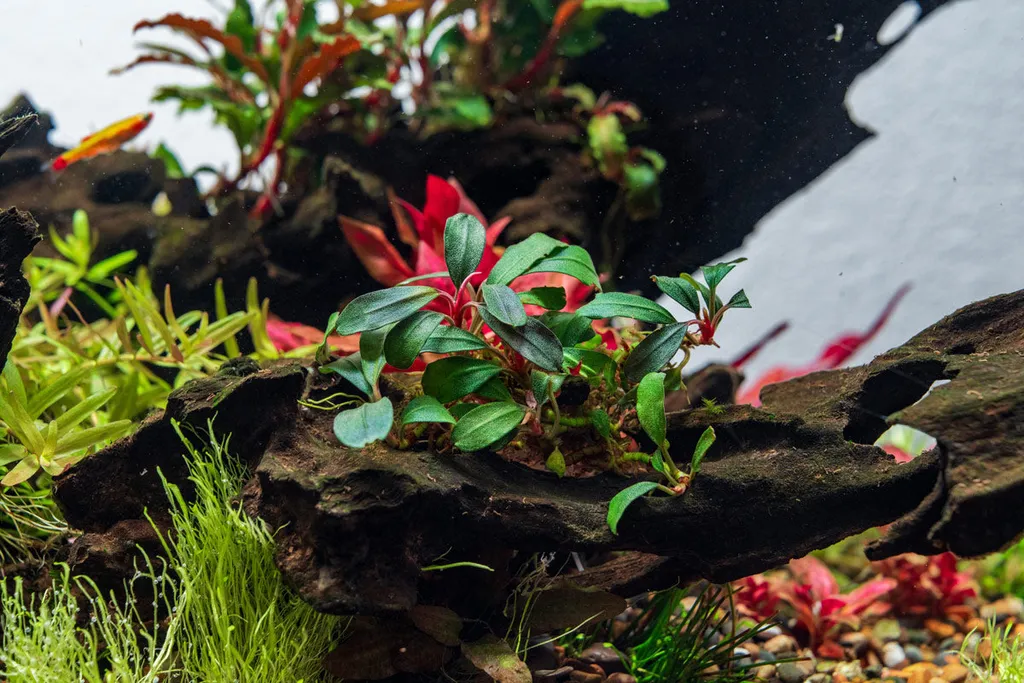
Brownie Phoenix grows in low light, and medium light brings out its red and violet tones. Stay at or below medium, since stronger light feeds algae on the slow leaves. It takes nutrients through its roots and from the water, so dose a liquid fertilizer. Keep it at 72 to 82°F (22 to 28°C).
It grows slowly and rarely needs trimming. Divide the rhizome once a clump fills its spot, keeping several leaves on each piece.
Good to know
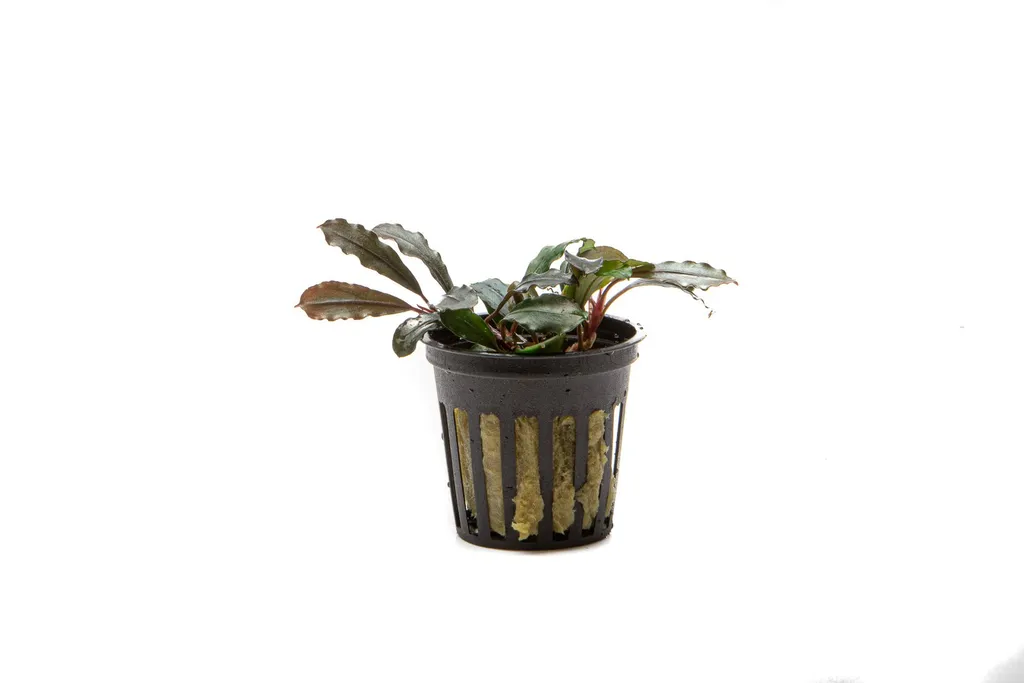
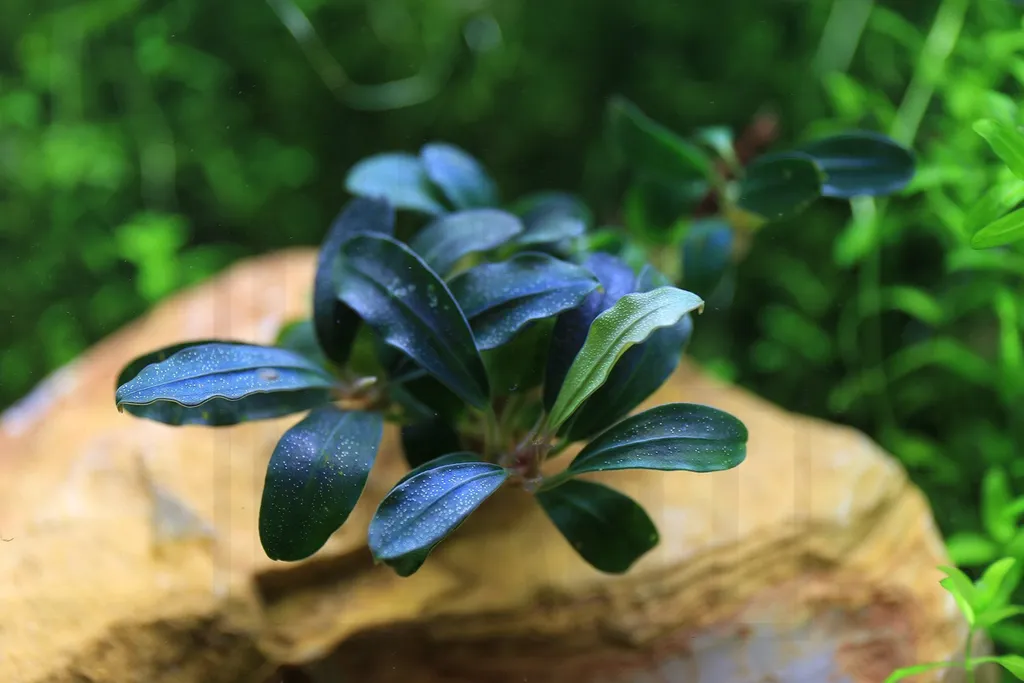
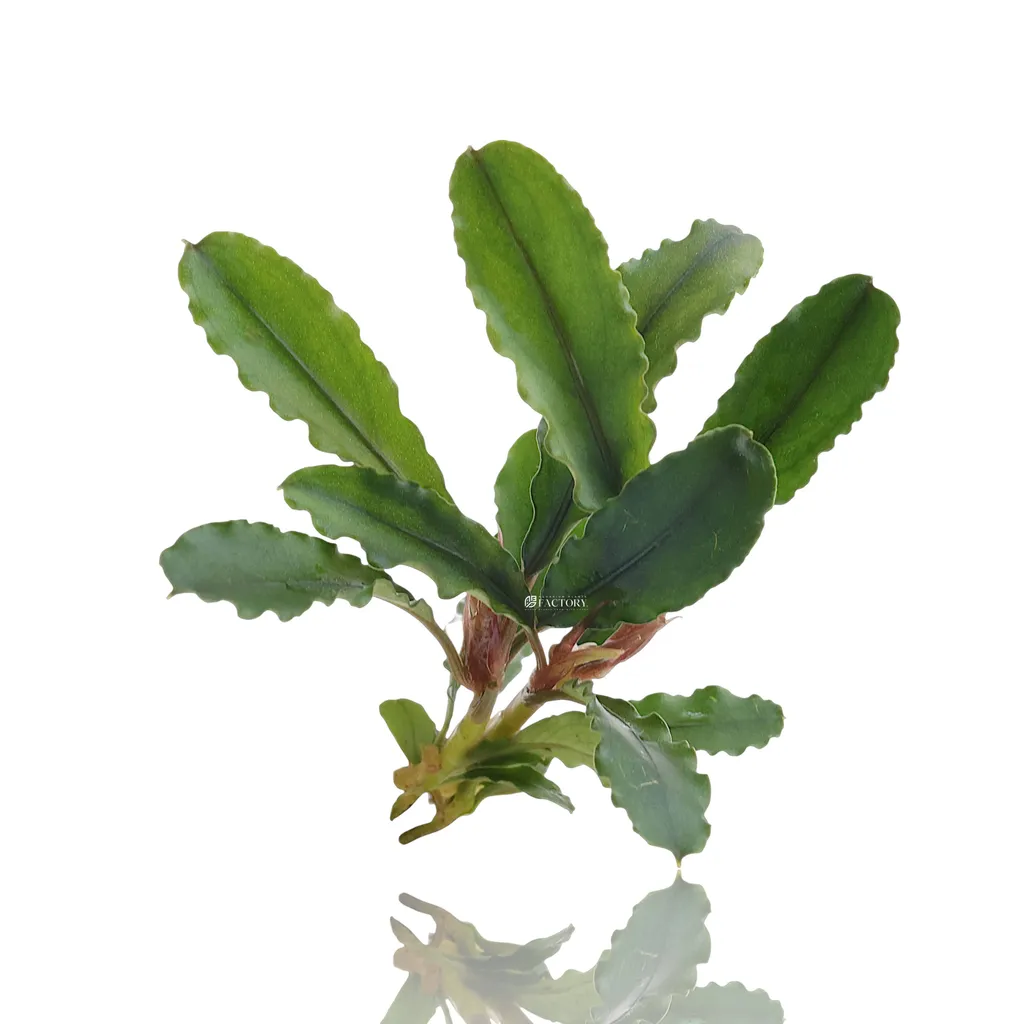
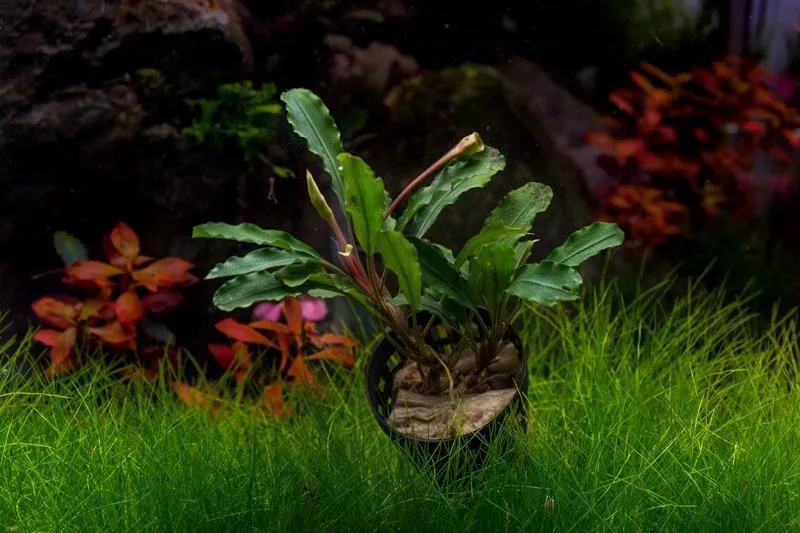
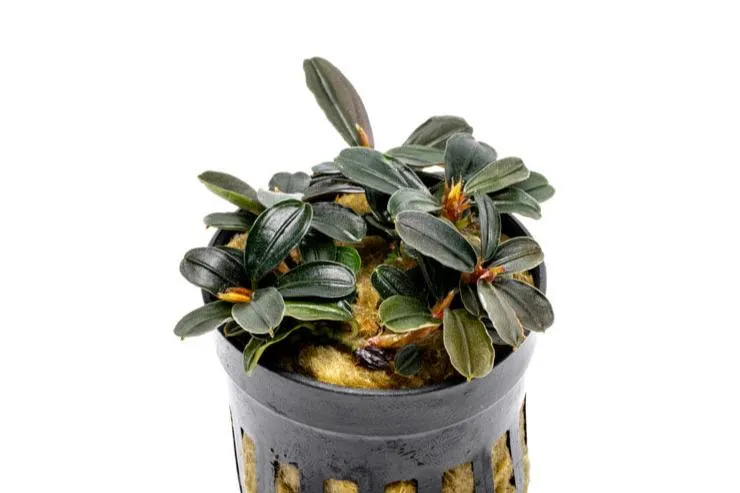
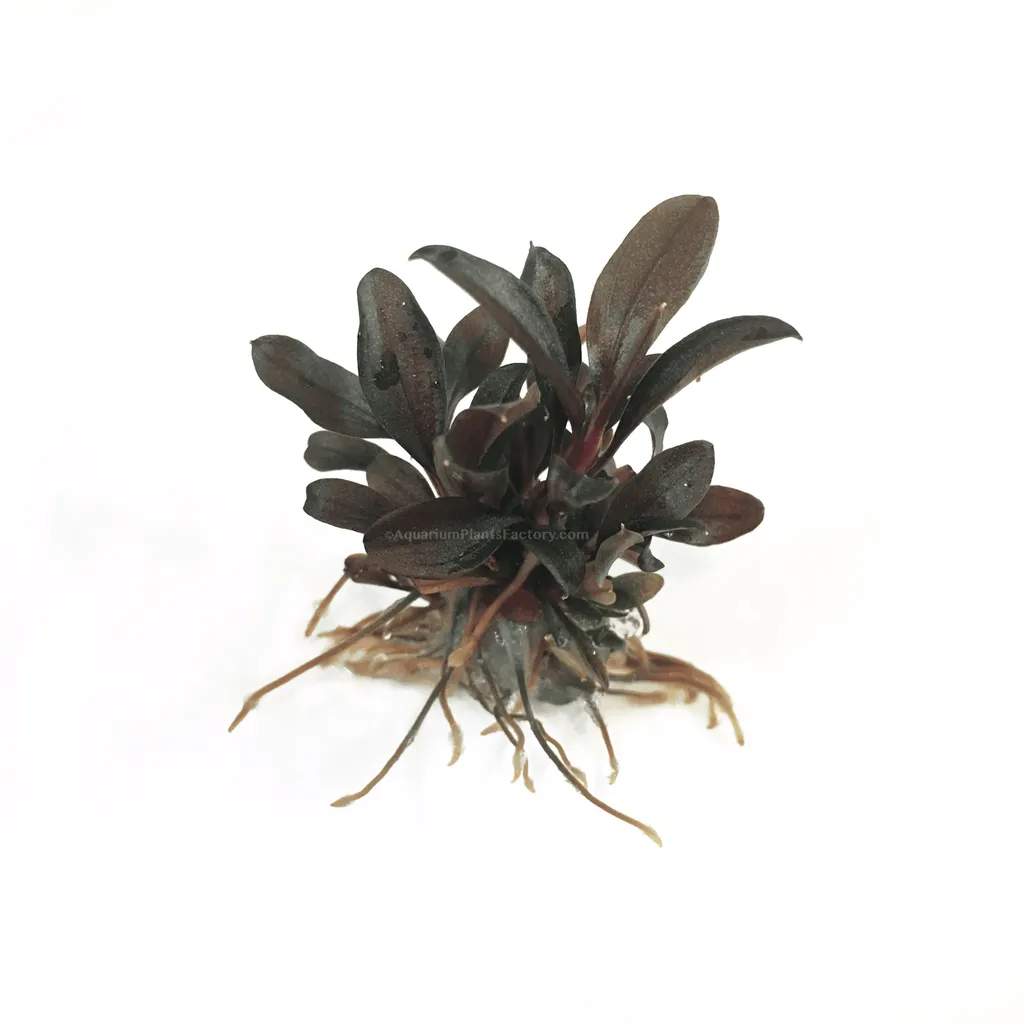
Brownie Phoenix sits in the arum family, Araceae, alongside Anubias and Cryptocoryne. Like the rest of the Brownie series, it is placed in the B. motleyana complex without a species name (Wong and Boyce 2014). Buce Plant likens its ruffled leaf edges to phoenix feathers. The leaves are small and elongated, 1 to 2 cm long, brown-green with red to violet tones and a blue sheen. Some shops also sell a darker "Brownie Phoenix Brown" as a separate product.
In the wild
Brownie Phoenix reaches shops from farms and from tissue-culture labs, and no seller says where the parent stock was collected. The genus is found wild only on Borneo, where plants hold onto rock in fast rainforest streams. They stay underwater for much of the year and grow emersed on wet banks through dry spells.
Common questions
Does Bucephalandra Brownie Phoenix need to be planted in the substrate?
No. Bucephalandra Brownie Phoenix grows attached to rock or wood, so tie or glue the rhizome in place. If you plant its roots, keep the rhizome above the substrate, since a buried rhizome rots.
Does Bucephalandra Brownie Phoenix need CO2?
No, but it helps. Bucephalandra Brownie Phoenix can grow without injected CO2, and added CO2 makes it grow faster.
How much light does Bucephalandra Brownie Phoenix need?
Bucephalandra Brownie Phoenix is a low-light plant, and the light that comes with a standard tank kit is enough for it.
Does Bucephalandra Brownie Phoenix need root tabs?
No. Bucephalandra Brownie Phoenix feeds from the water, so a liquid fertilizer suits it better. Root tabs only help if its roots reach into the substrate.
How do you propagate Bucephalandra Brownie Phoenix?
Bucephalandra Brownie Phoenix propagates by rhizome division. Cut the rhizome into pieces with several leaves each, then tie or plant each piece.
How tall does Bucephalandra Brownie Phoenix grow?
Bucephalandra Brownie Phoenix grows to about 2.4 in (6 cm) tall. It grows slowly and rarely needs trimming.
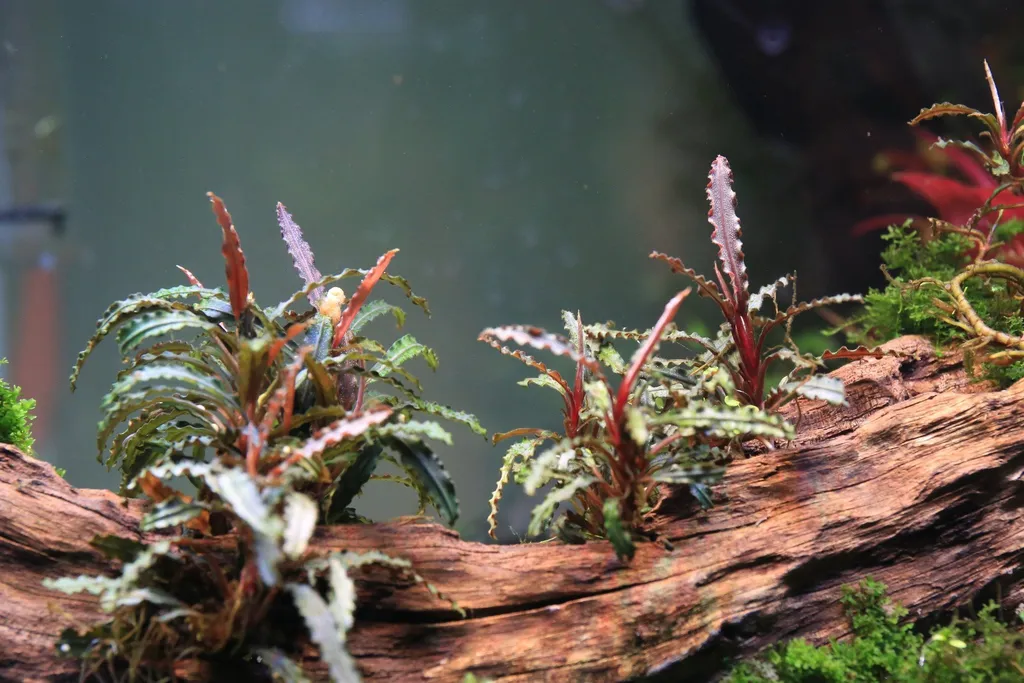 Low lightEpiphyte2.4 in (6 cm)
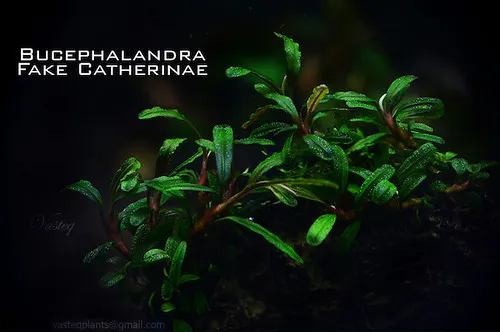 Low lightEpiphyte2.4 in (6 cm)
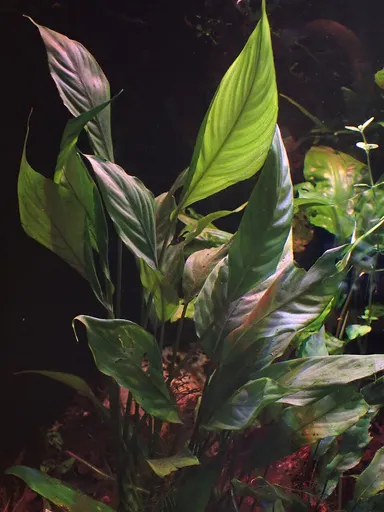 Low lightEpiphyte3.9 in (10 cm)