Form of Bucephalandra sp.
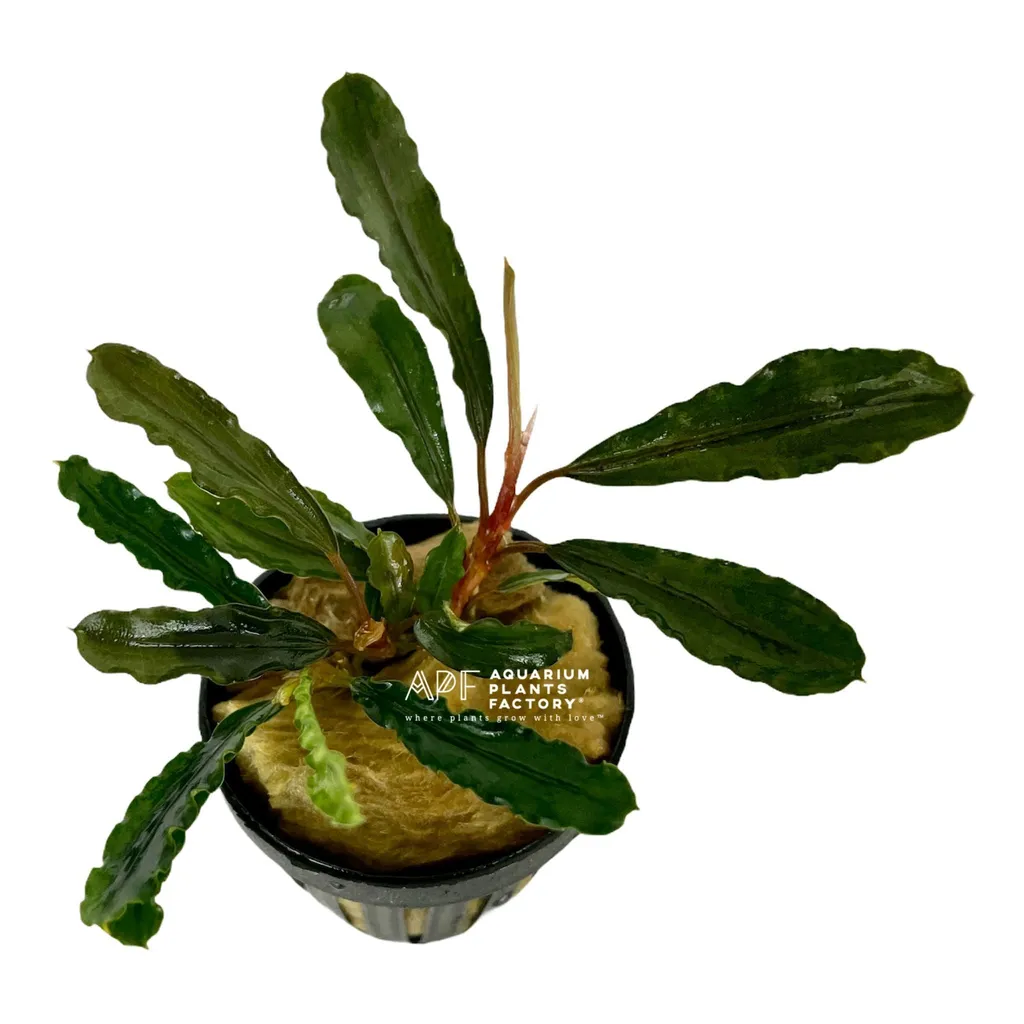
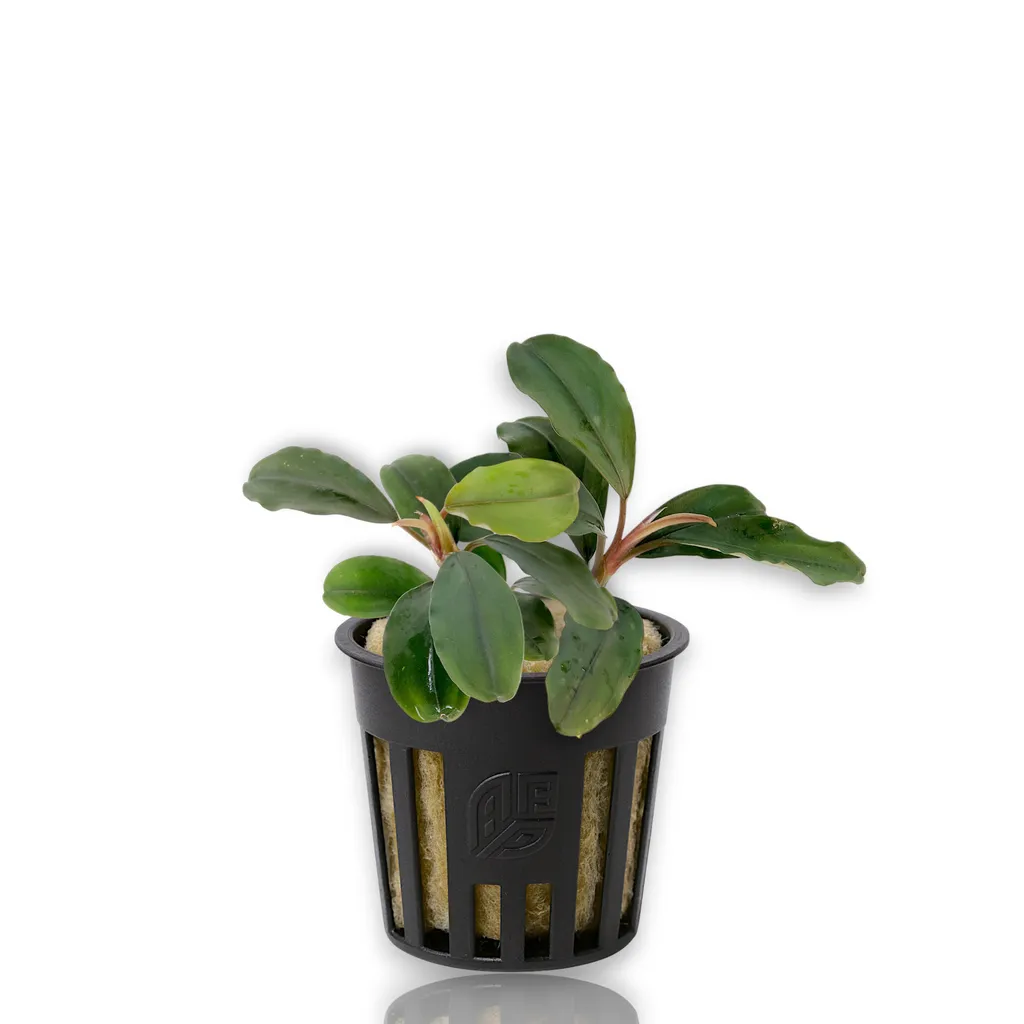
Bucephalandra Velvet
Bucephalandra sp. 'Velvet'
One of 17 forms of Bucephalandra sp. · See all forms →
Also known as Buce Velvet, Bucephalandra Velvet 3 Color
FreshwaterRhizomeRhizome division
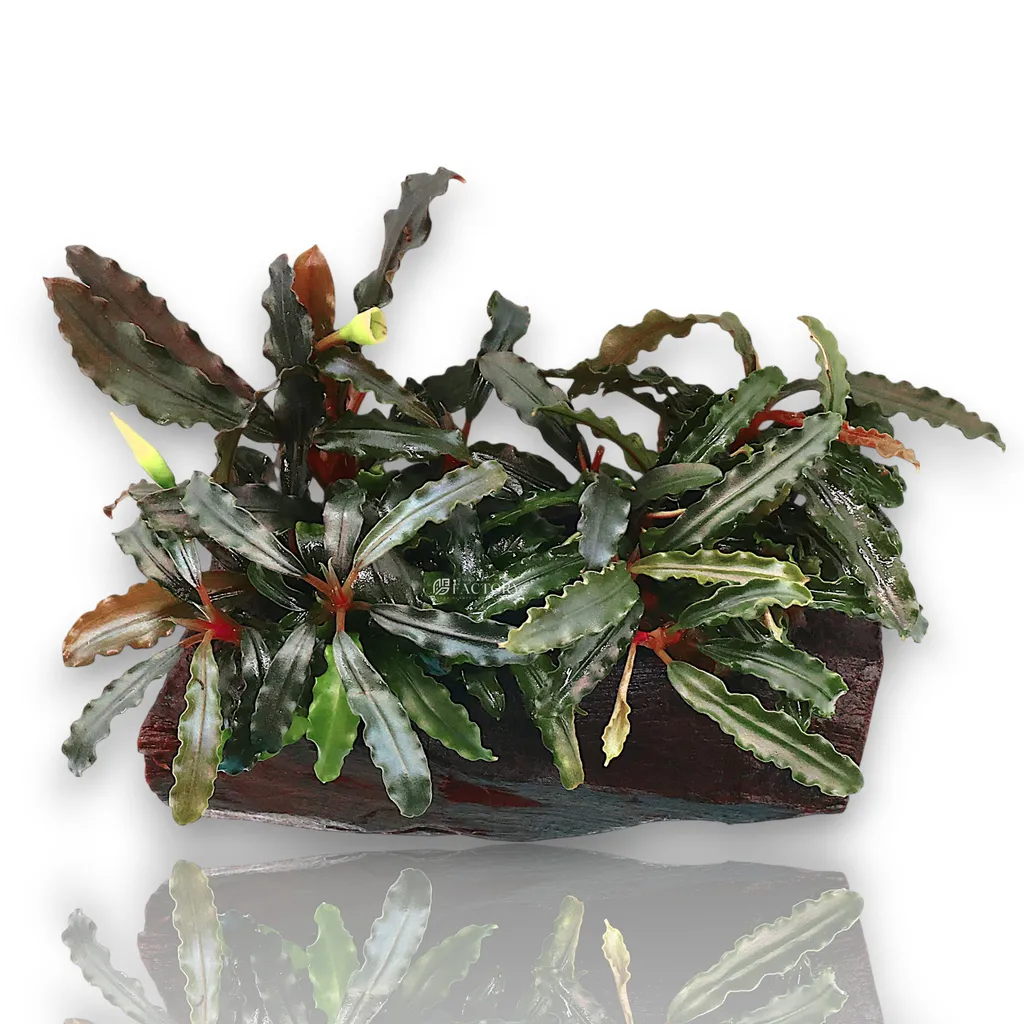
Forms · Bucephalandra sp.
See all 17 →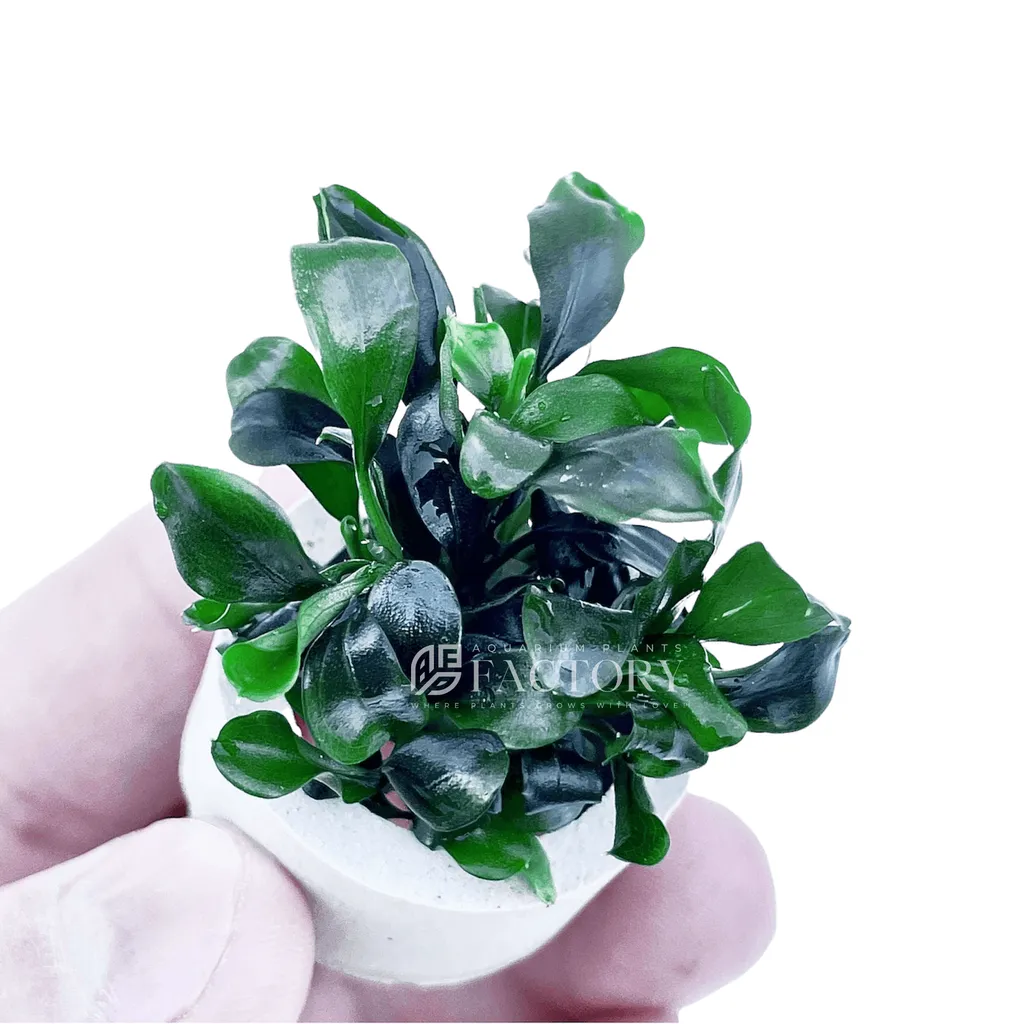
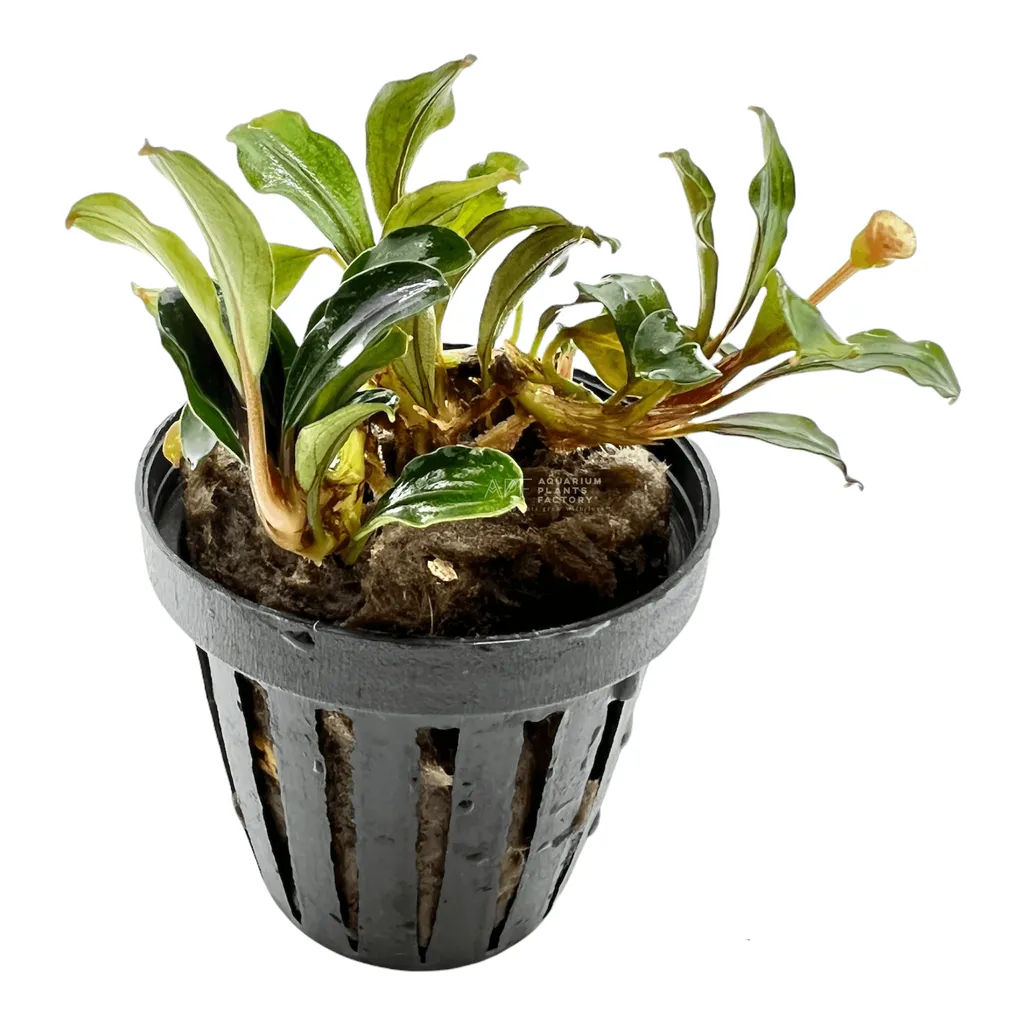
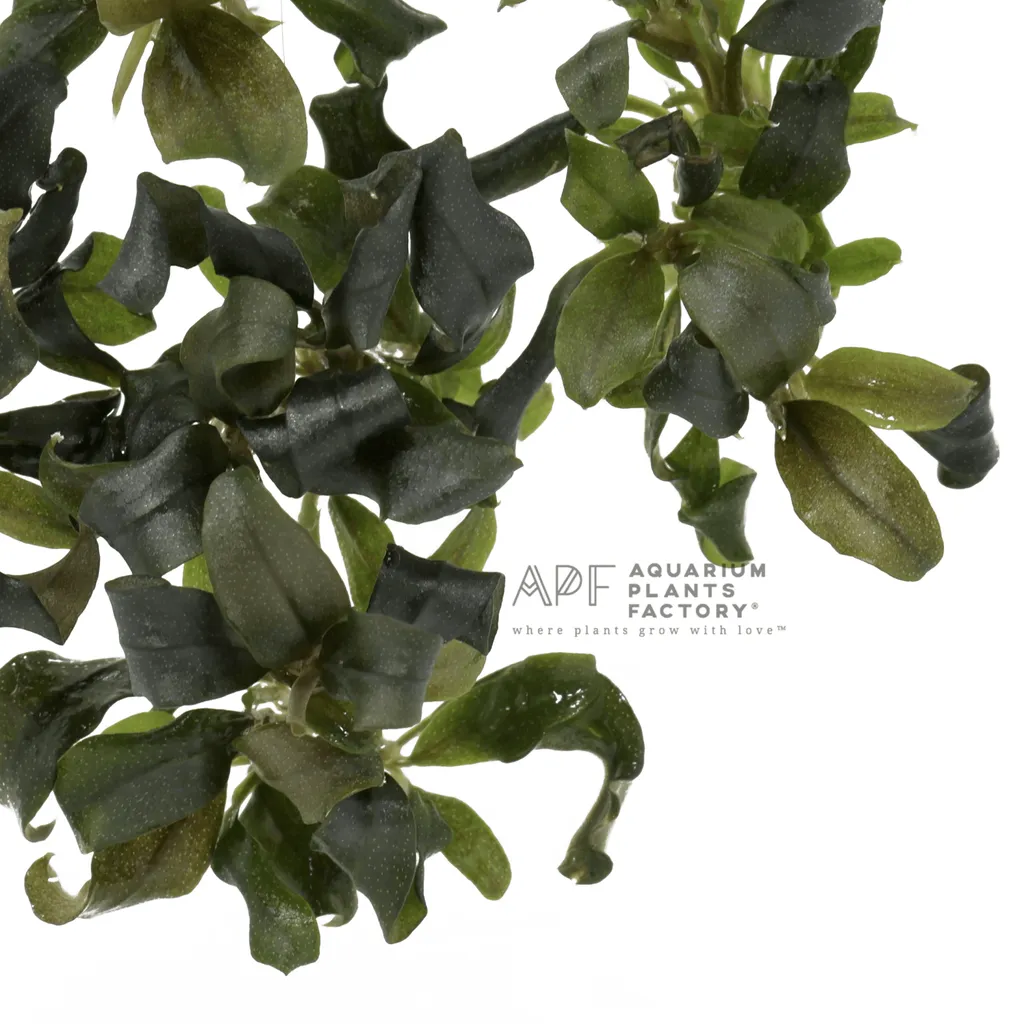
Care at a glance
- Light
- Low light
- CO2
- CO₂ beneficial
- Temperature
- 70–82°F
- 21–28°C
- Max height
- 3.9 in
- 10 cm
- Growth rate
- Slow
- Placement
- Epiphyte
- Type
- Rhizome
- pH
- 6.0–7.5
- Hardness
- 4–12 dGH
- Spread
- 4.7 in (12 cm)
- Nutrient uptake
- Root + water column
- Growth region
- Submersed or emersed
- Difficulty
- Easy
- Family
- Araceae
- Origin
- Borneo (Indonesia)
Overview
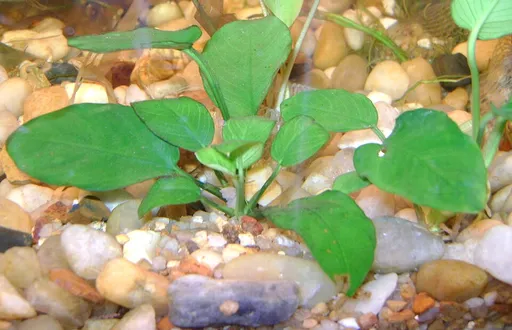
Attach the rhizome to hardscape and leave it exposed, as burying it causes melt. Velvet is named for its soft velvety-textured leaves, which start light brown-red and mature to a deep brownish-green. It is undemanding in low light without CO2, but strong flow, added CO2, and steady parameters bring out the richest color and reduce leaf melt after planting.
In the wild
'Velvet' is a Bucephalandra trade form from the shaded, fast-flowing streams of Borneo, where the genus grows attached to rock as a rheophyte. In nature these plants form dense mats over stones kept wet by splashing current.
Good to know
Velvet is a horticultural selection rather than a described species, so it carries a trade name instead of a scientific epithet. Bucephalandra belongs to the arum family (Araceae), and every described member of the genus is endemic to Borneo.
Did you know
Bucephalandra reproduces so slowly and stays so localized in Borneo's streams that many trade forms like Velvet are named after a single collection site, and much of the plant in the hobby now comes from tissue culture rather than wild harvest.
Related plants
 Low lightEpiphyte3.9 in (10 cm)
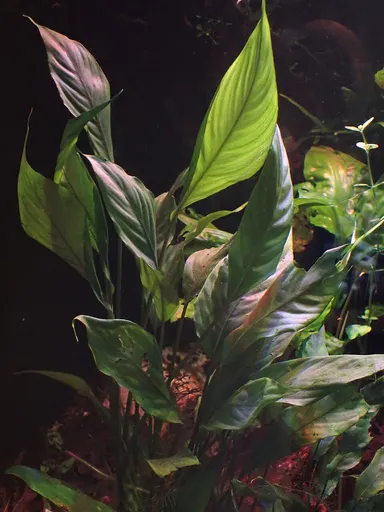
Bucephalandra motleyana
Low light · Epiphyte
- Low lightEpiphyte3.9 in (10 cm)
Bucephalandra sordidula
Low light · Epiphyte
 Low lightEpiphyte2.4 in (6 cm)
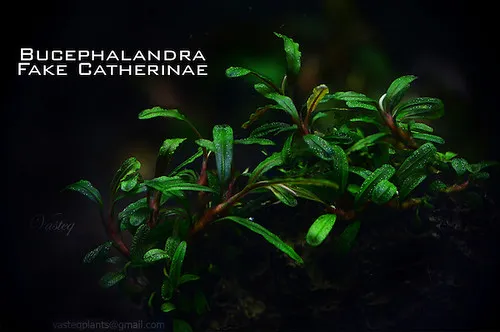
Bucephalandra catherinae
Low light · Epiphyte
- Low lightEpiphyte3.9 in (10 cm)
Anubias Chili Jalapeno
Anubias 'Chili Jalapeno'
Low light · Epiphyte
- Medium lightEpiphyte3.9 in (10 cm)
Anubias Snow White
Anubias barteri var. nana 'Snow White'
Medium light · Epiphyte
 Low lightEpiphyte4.7 in (12 cm)
Anubias nana
Anubias barteri var. nana
Low light · Epiphyte