Bucephalandra sordidula
Also known as Bucephalandra sp. 'Titan'
FreshwaterRhizomeRhizome division
Care at a glance
- Light
- Low light
- CO2
- CO₂ beneficial
- Temperature
- 68–79°F
- 20–26°C
- Max height
- 3.9 in
- 10 cm
- Growth rate
- Slow
- Placement
- Epiphyte
- Type
- Rhizome
- pH
- 5.0–7.0
- Hardness
- 0–10 dGH
- Spread
- 3.9 in (10 cm)
- Nutrient uptake
- Root + water column
- Growth region
- Submersed or emersed
- Difficulty
- Easy
- Family
- Araceae
- Origin
- Borneo (near Nanga Pinoh, Melawi regency, West Kalimantan, Indonesia)
Overview
Bucephalandra sordidula is an easy, slow-growing epiphyte whose dark leaves shade into wine red.
Did you know
Bucephalandra sordidula is one of the few Buce known to flower while fully submerged. Its flower stalks, 5.5 to 7 cm long, lift the spathe above the water.
Caring for Bucephalandra sordidula
Glue or tie the rhizome to rock or wood and never bury it, or it rots. The roots may reach into the substrate, but the rhizome must stay above it.
Bucephalandra sordidula is unfussy about light and does fine in shade, where the dark colors hold and algae stays off the slow leaves. CO2 and gentle fertilization bring slightly faster growth and richer color. Liquid feeding suits it, since it draws nutrients from the water column as well as its roots.
Keep the water stable at 68 to 79°F (20 to 26°C), since sudden swings in temperature or chemistry can trigger leaf melt. Growth is slow and trimming is rare. Propagate by cutting the rhizome into pieces with several leaves each.
Good to know
Bucephalandra sordidula is a formally described species, published by S.Y. Wong and P.C. Boyce in 2014. Most Bucephalandra in shops carry invented trade names instead, so a real published name is itself a distinction. The epithet is botanical Latin for the little dirty one, after the brownish pink staining on the outside of its spathe. Wong and Boyce tie one trade name to it, 'Titan'.
In the wild
Bucephalandra sordidula is a rheophyte from a small area of West Kalimantan on Borneo, known from near Nanga Pinoh in the Melawi regency. It grows anchored to rock in fast forest streams. It sits emersed on the banks in the dry season and fully submersed when the rivers rise. Like the rest of the genus, it comes from soft, slightly acidic water with steady flow.
Common questions
Does Bucephalandra sordidula need to be planted in the substrate?
No. Bucephalandra sordidula grows attached to rock or wood, so tie or glue the rhizome in place. If you plant its roots, keep the rhizome above the substrate, since a buried rhizome rots.
Does Bucephalandra sordidula need CO2?
No, but it helps. Bucephalandra sordidula can grow without injected CO2, and added CO2 makes it grow faster.
How much light does Bucephalandra sordidula need?
Bucephalandra sordidula is a low-light plant, and the light that comes with a standard tank kit is enough for it.
Does Bucephalandra sordidula need root tabs?
No. Bucephalandra sordidula feeds from the water, so a liquid fertilizer suits it better. Root tabs only help if its roots reach into the substrate.
How do you propagate Bucephalandra sordidula?
Bucephalandra sordidula propagates by rhizome division. Cut the rhizome into pieces with several leaves each, then tie or plant each piece.
How tall does Bucephalandra sordidula grow?
Bucephalandra sordidula grows to about 3.9 in (10 cm) tall. It grows slowly and rarely needs trimming.
Related plants
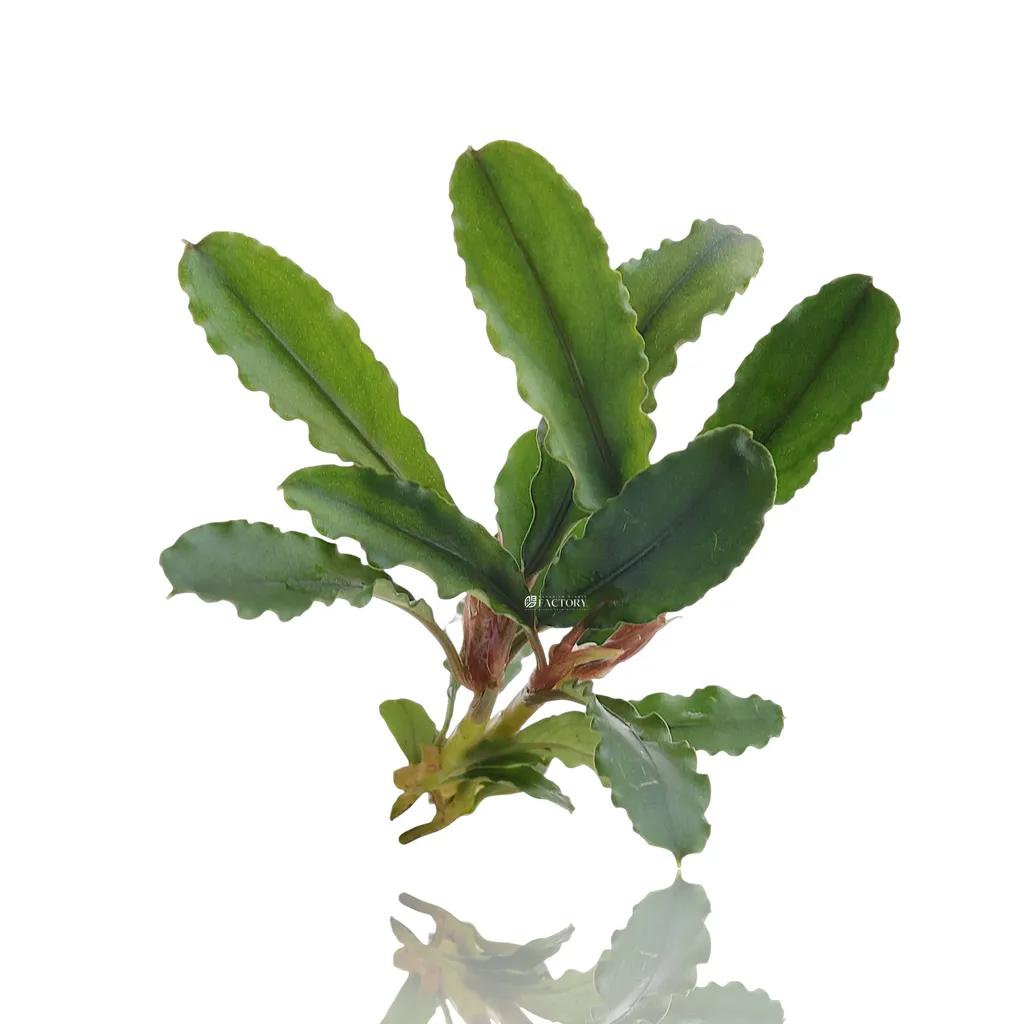 Low lightEpiphyte3.9 in (10 cm)
Bucephalandra Artemis
Bucephalandra sp. 'Artemis'
Low light · Epiphyte
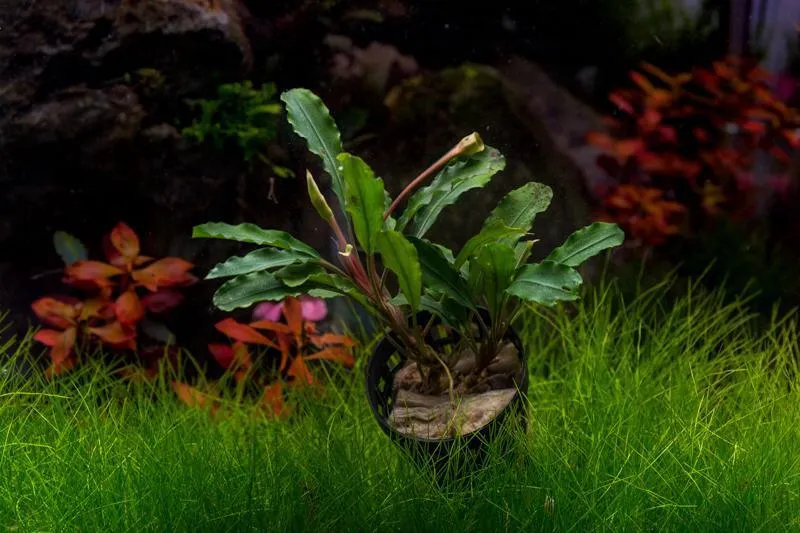 Low lightEpiphyte3.9 in (10 cm)
Bucephalandra Broad Wavy
Bucephalandra sp. 'Broad Wavy'
Low light · Epiphyte
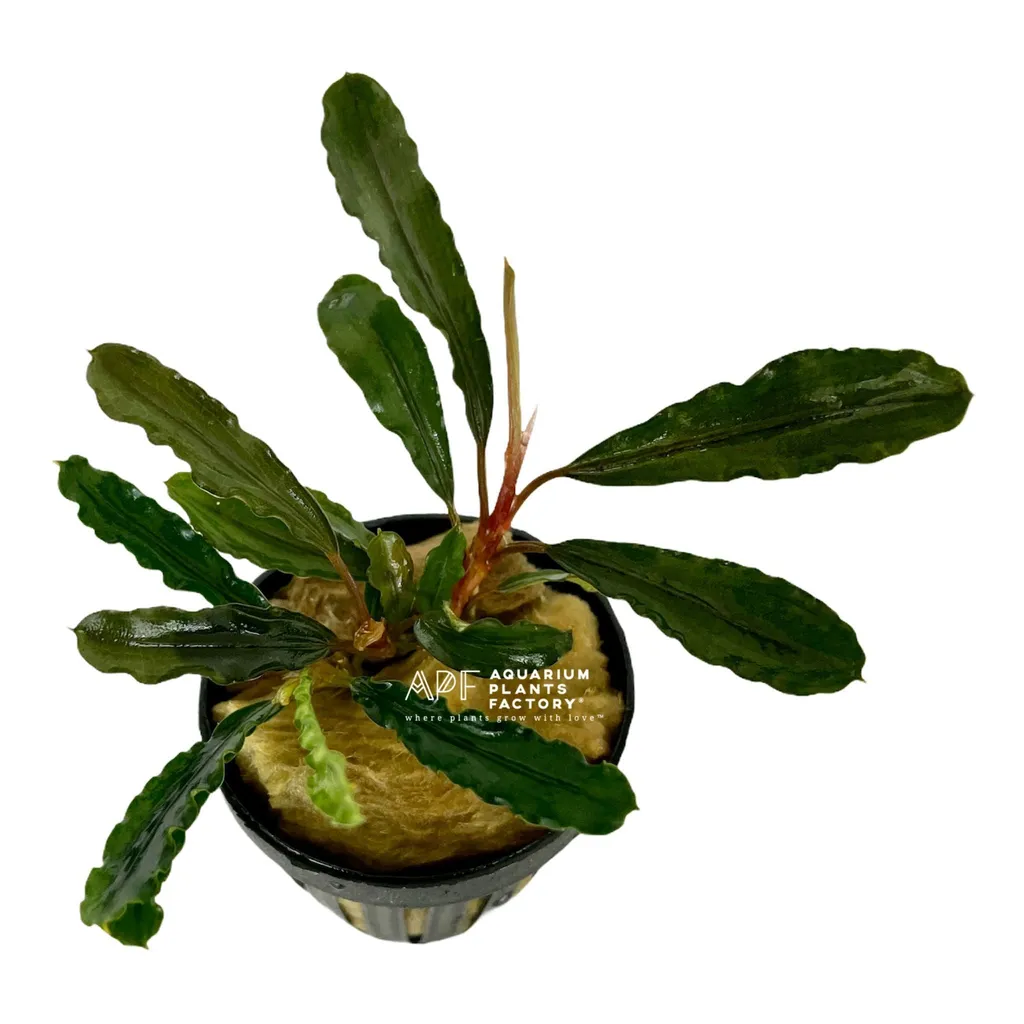 Low lightEpiphyte3.9 in (10 cm)
Bucephalandra Godzilla
Bucephalandra sp. 'Godzilla'
Low light · Epiphyte
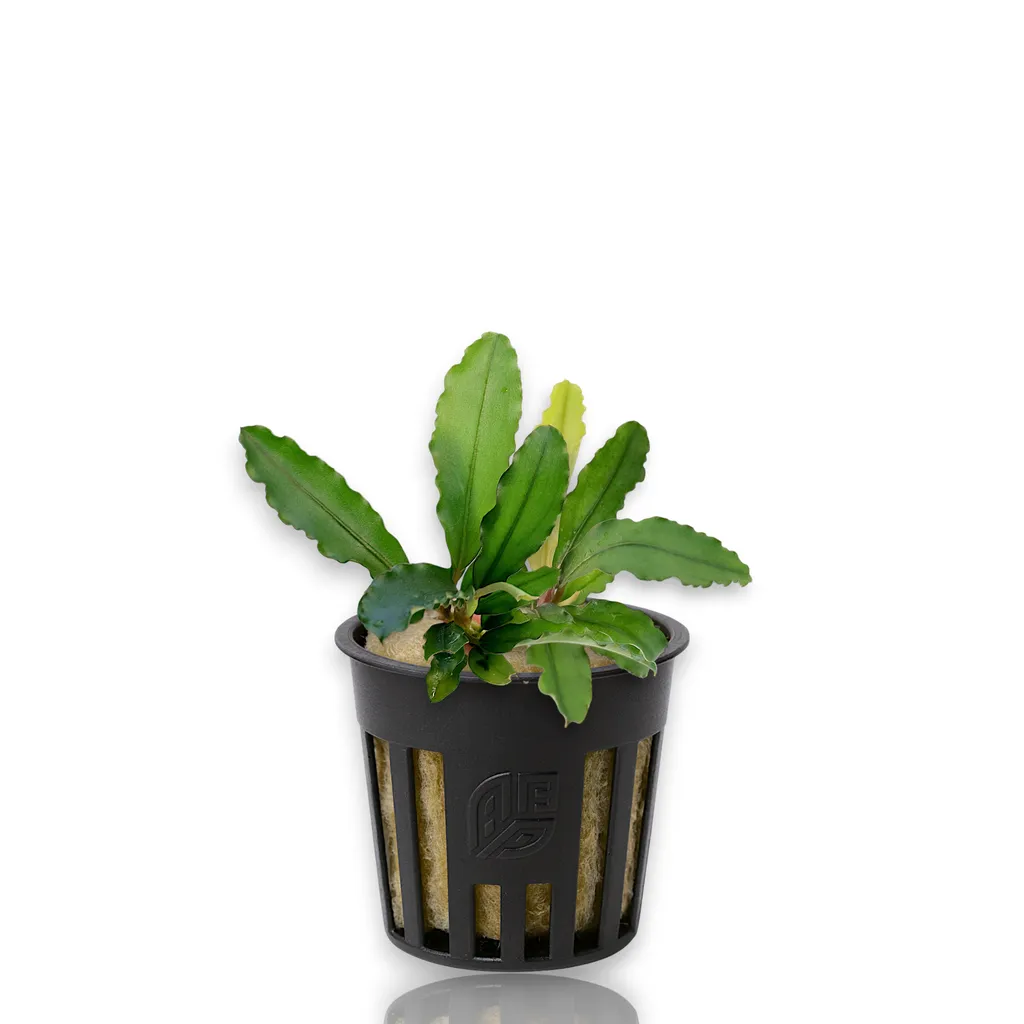 Low lightEpiphyte3.9 in (10 cm)
Bucephalandra Maestro Blue
Bucephalandra sp. 'Maestro Blue'
Low light · Epiphyte
 Low lightEpiphyte3.9 in (10 cm)
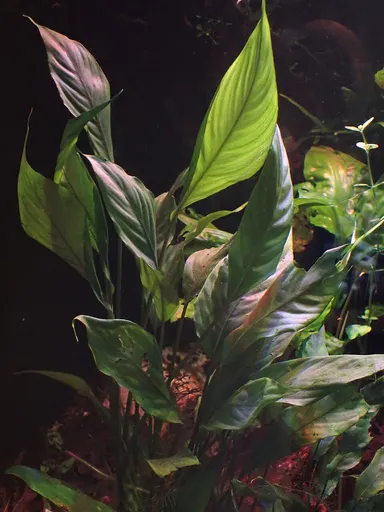
Bucephalandra motleyana
Low light · Epiphyte
 Low lightEpiphyte3.9 in (10 cm)
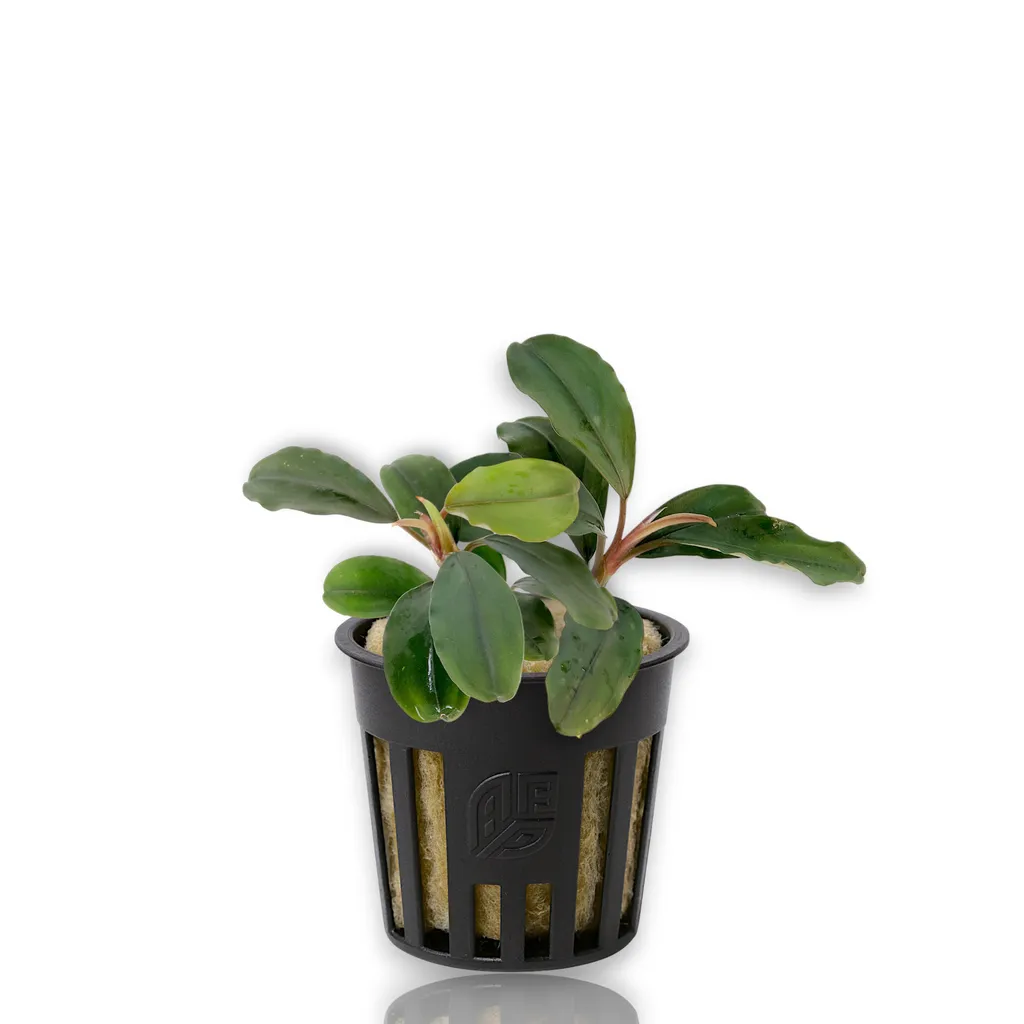
Bucephalandra Theia
Bucephalandra sp. 'Theia'
Low light · Epiphyte