Form of Bucephalandra sp.
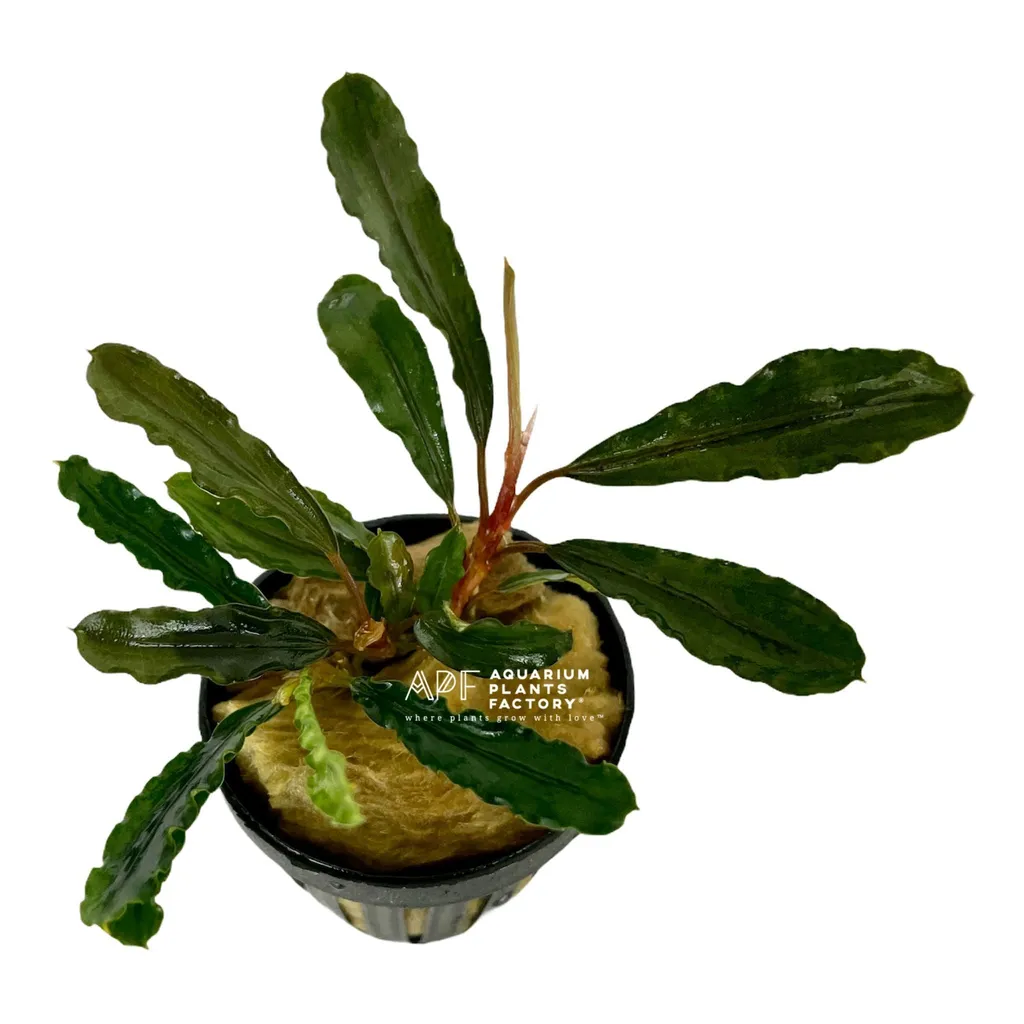
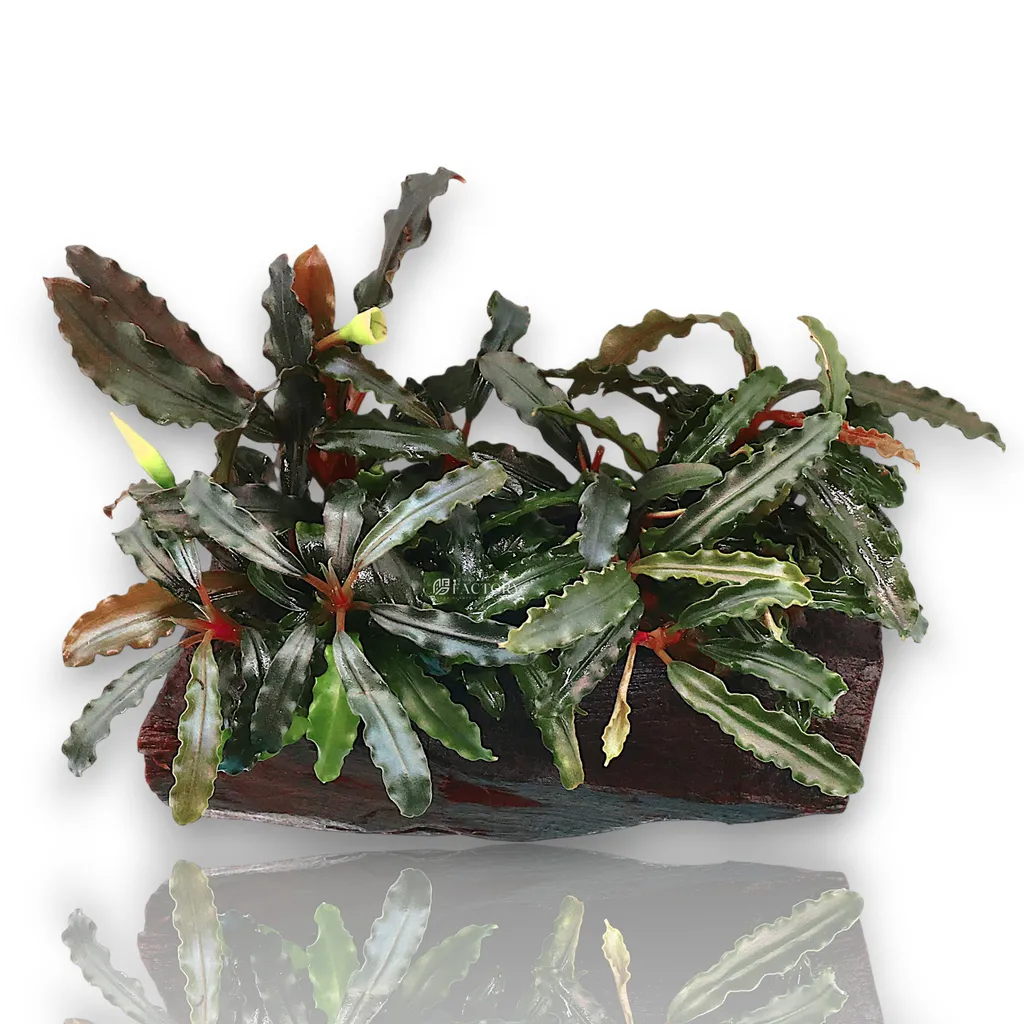
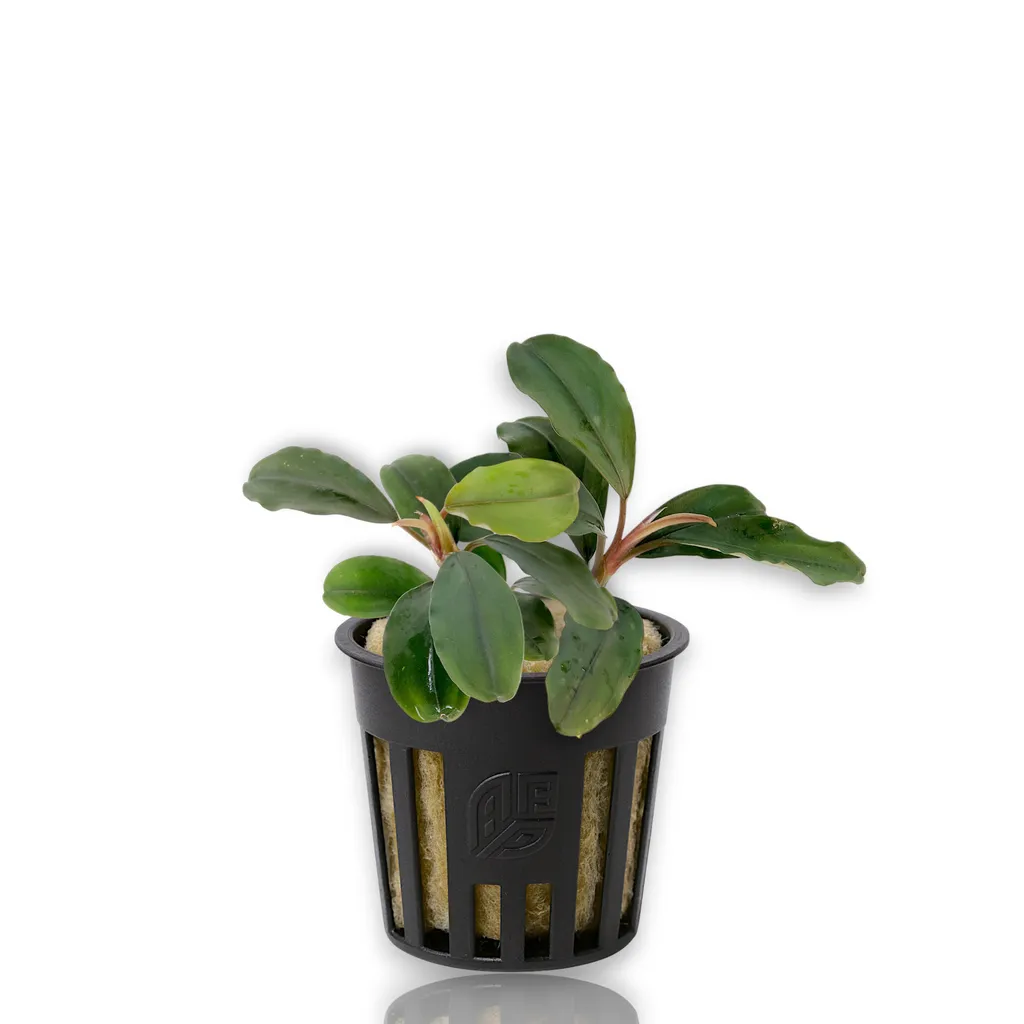
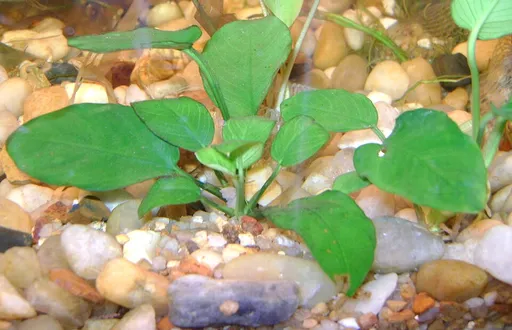
Bucephalandra Godzilla
Bucephalandra sp. 'Godzilla'
One of 17 forms of Bucephalandra sp. · See all forms →
Also known as Bucephalandra Green Godzilla, Bucephalandra Godzilla Kedagang, Buce Godzilla
FreshwaterRhizomeRhizome divisionSide shoots
Forms · Bucephalandra sp.
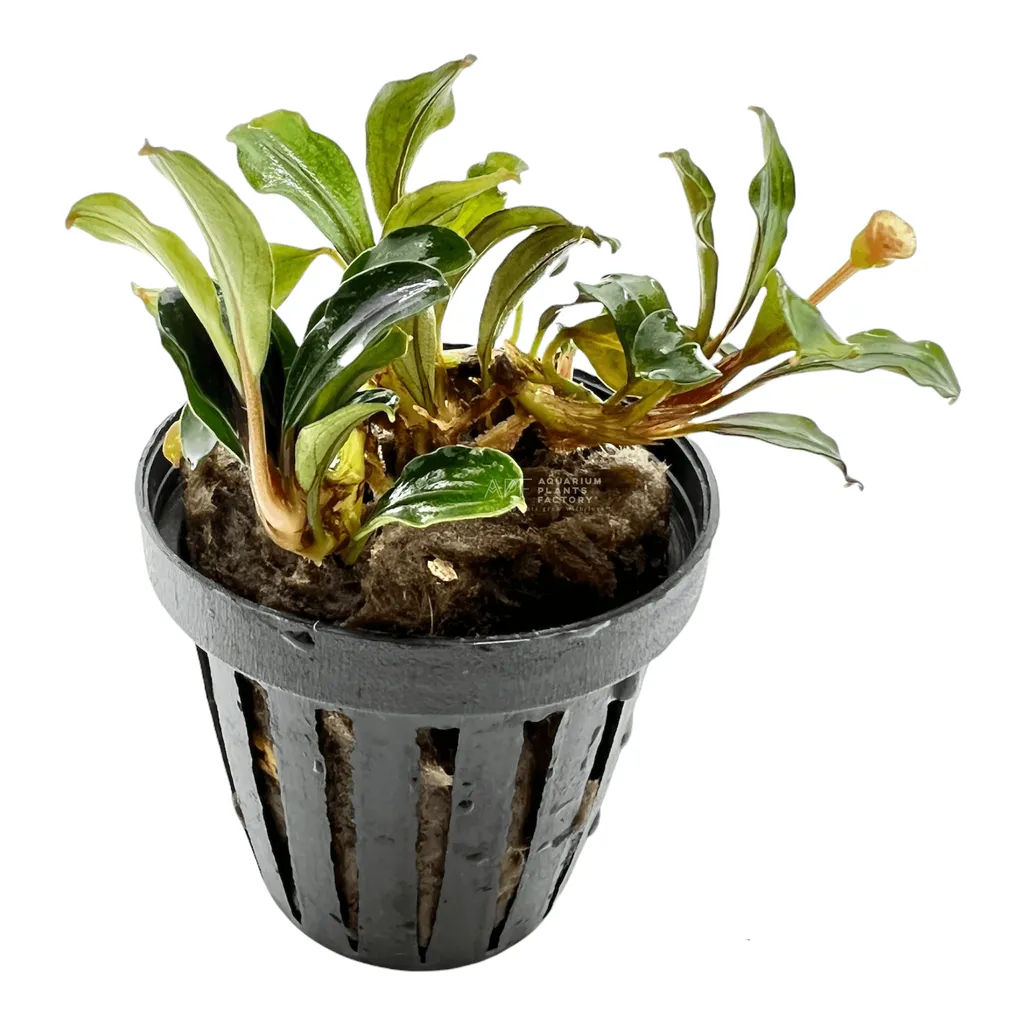
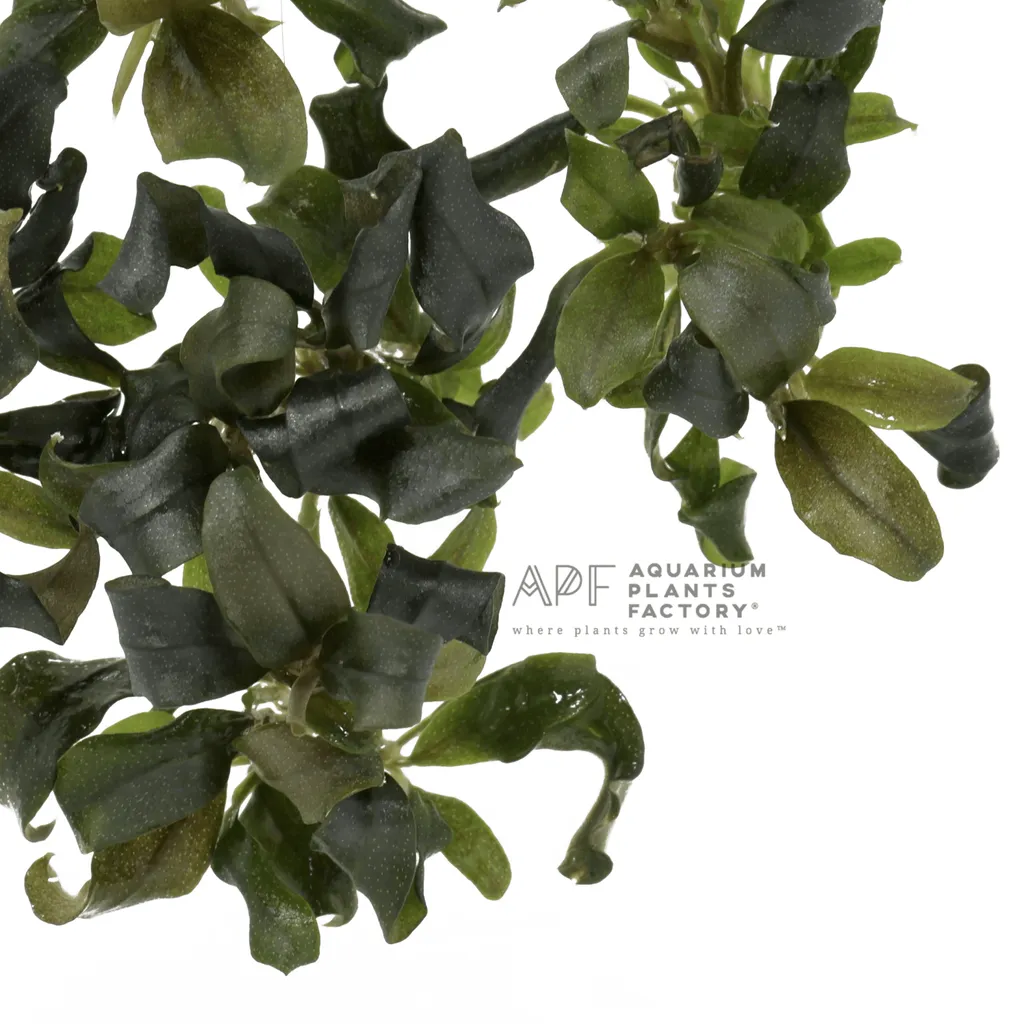
See all 17 →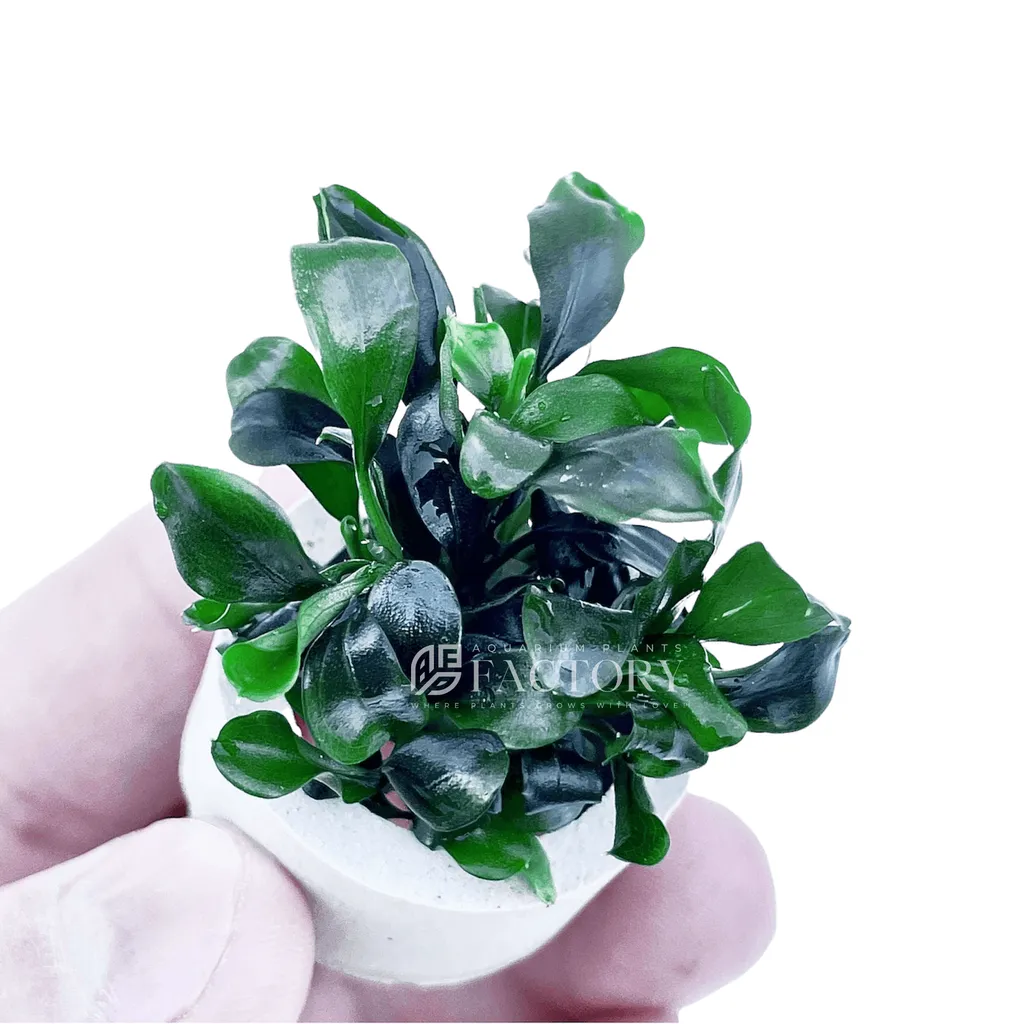
Care at a glance
- Light
- Medium light
- CO2
- CO₂ beneficial
- Temperature
- 72–81°F
- 22–27°C
- Max height
- 3.9 in
- 10 cm
- Growth rate
- Slow
- Placement
- Epiphyte
- Type
- Rhizome
- pH
- 6.0–7.5
- Hardness
- 4–12 dGH
- Spread
- 4.7 in (12 cm)
- Nutrient uptake
- Root + water column
- Growth region
- Submersed or emersed
- Difficulty
- Medium
- Family
- Araceae
- Origin
- Borneo (Kalimantan), Indonesia
Overview
Treat it as a slow, shade-loving epiphyte: glue or tie the rhizome to hardscape and leave it exposed, since a buried rhizome rots. Like all Buce it prefers stable water and cooler temperatures, so keep it in the low-to-mid 20s and match temperature on water changes, since sudden swings rather than warmth are the usual trigger for melt. Its slow growth makes it prone to algae, so give it partial shade and steady conditions. CO2 and gentle dosing are not required but bring out the iridescence and firm up the leaves.
In the wild
A Bucephalandra endemic to Borneo, collected from rocky, fast-flowing streams in Kalimantan where it grows attached to stone in shade. Like its relatives it grows emersed above the waterline in the dry season and submersed when rivers rise. 'Godzilla' is a collector trade form named for its larger, bold, heavily ruffled leaves.
Good to know
Godzilla is an undescribed Bucephalandra trade form, part of the same Araceae genus as Anubias and sharing the rhizomatous epiphyte habit. It is often linked in the trade to the Kedagang collections. Under good conditions the dark green leaves take on an iridescent bluish sheen with a pinkish-orange stem, a structural colour effect common to the genus.
Did you know
Did you know Godzilla is one of the pricier Bucephalandra forms in the hobby, and its shimmering blue-green glow is not a pigment at all but light bouncing off microscopic structures in the leaf surface.
Related plants
 Low lightEpiphyte3.9 in (10 cm)
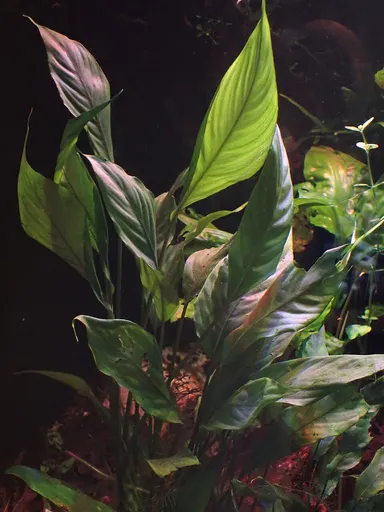
Bucephalandra motleyana
Low light · Epiphyte
- Low lightEpiphyte3.9 in (10 cm)
Bucephalandra sordidula
Low light · Epiphyte
 Low lightEpiphyte2.4 in (6 cm)
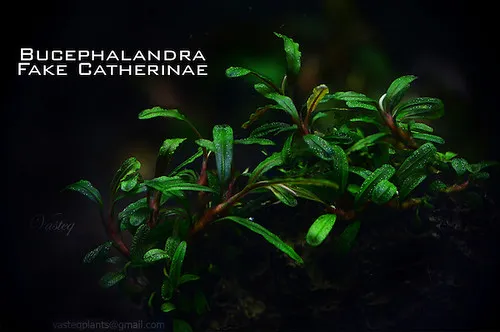
Bucephalandra catherinae
Low light · Epiphyte
- Low lightEpiphyte3.9 in (10 cm)
Anubias Chili Jalapeno
Anubias 'Chili Jalapeno'
Low light · Epiphyte
- Medium lightEpiphyte3.9 in (10 cm)
Anubias Snow White
Anubias barteri var. nana 'Snow White'
Medium light · Epiphyte
 Low lightEpiphyte4.7 in (12 cm)
Anubias nana
Anubias barteri var. nana
Low light · Epiphyte