Form of Bucephalandra sp.
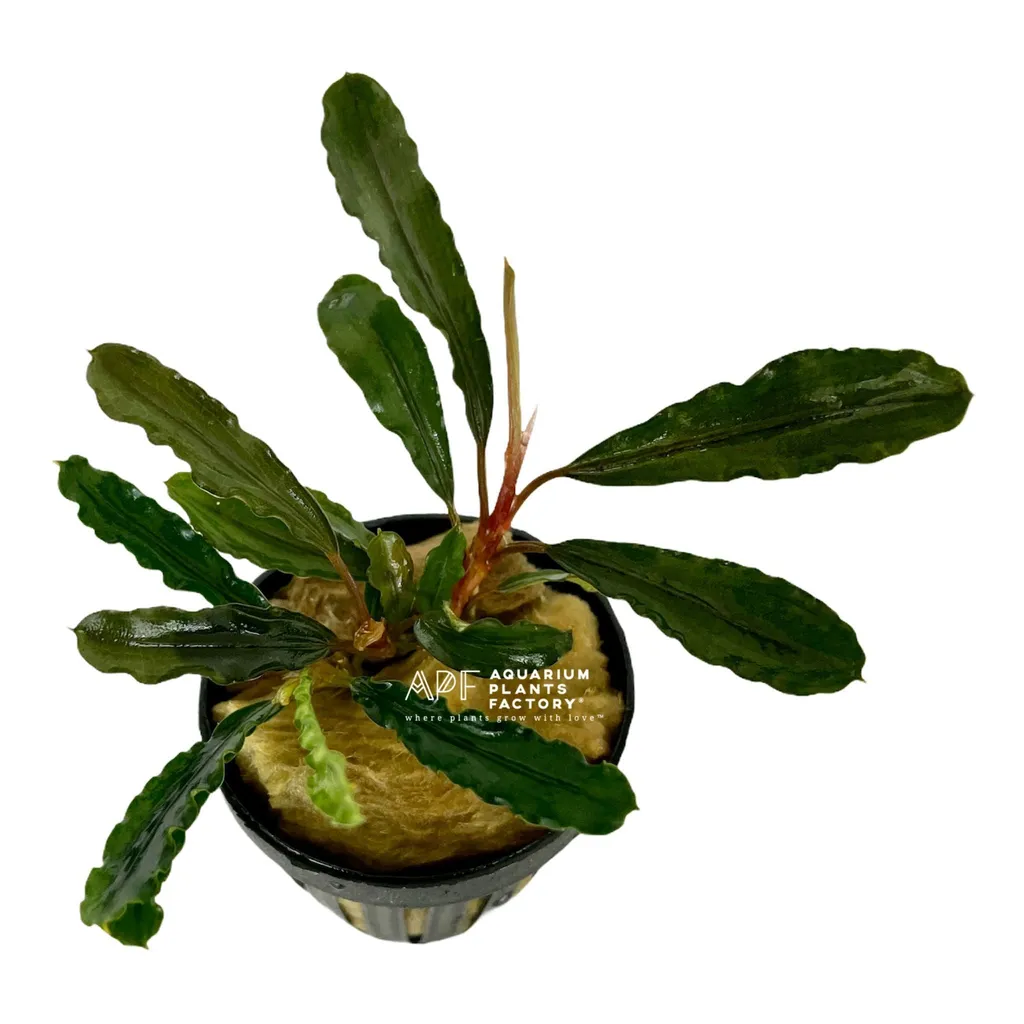
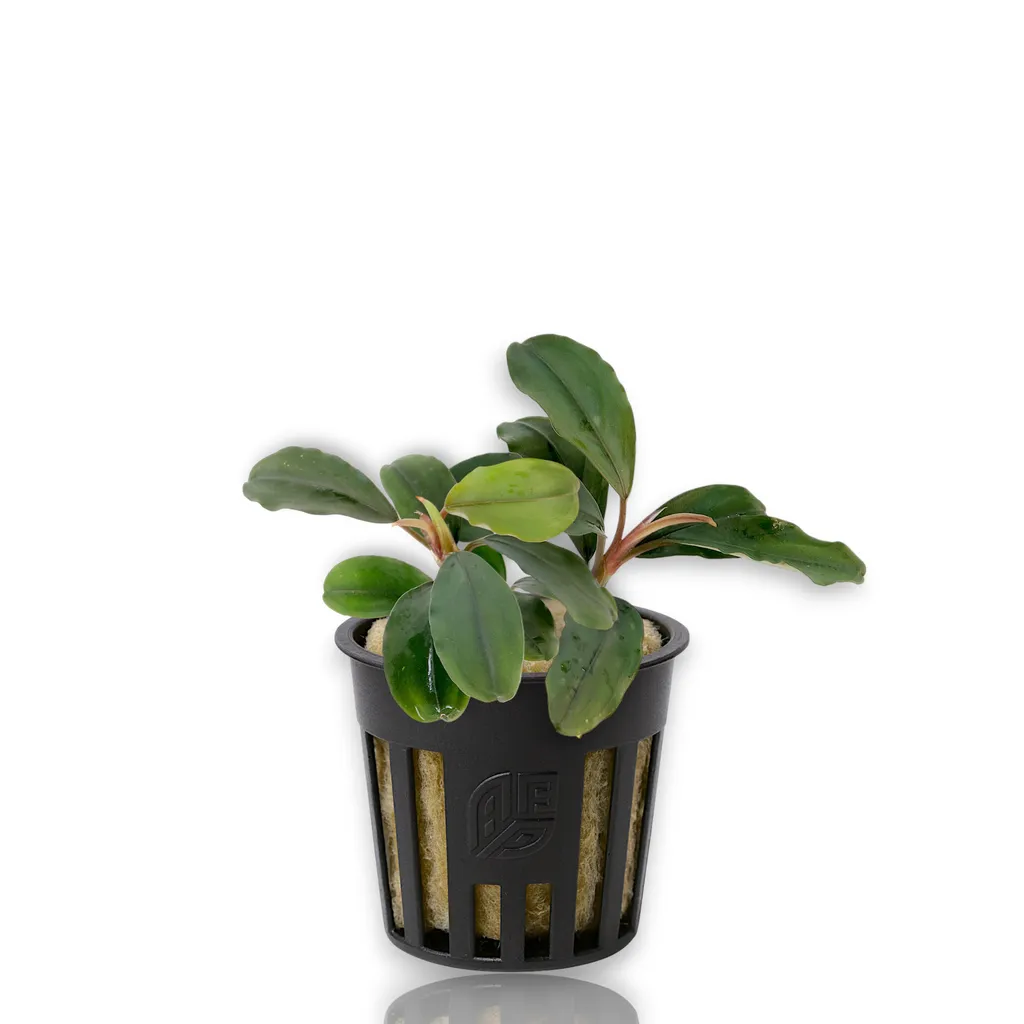
Bucephalandra Deep Purple
Bucephalandra sp. 'Deep Purple'
One of 17 forms of Bucephalandra sp. · See all forms →
Also known as Buce Deep Purple, Bucephalandra Purple Blue
FreshwaterRhizomeRhizome division
Forms · Bucephalandra sp.
See all 17 →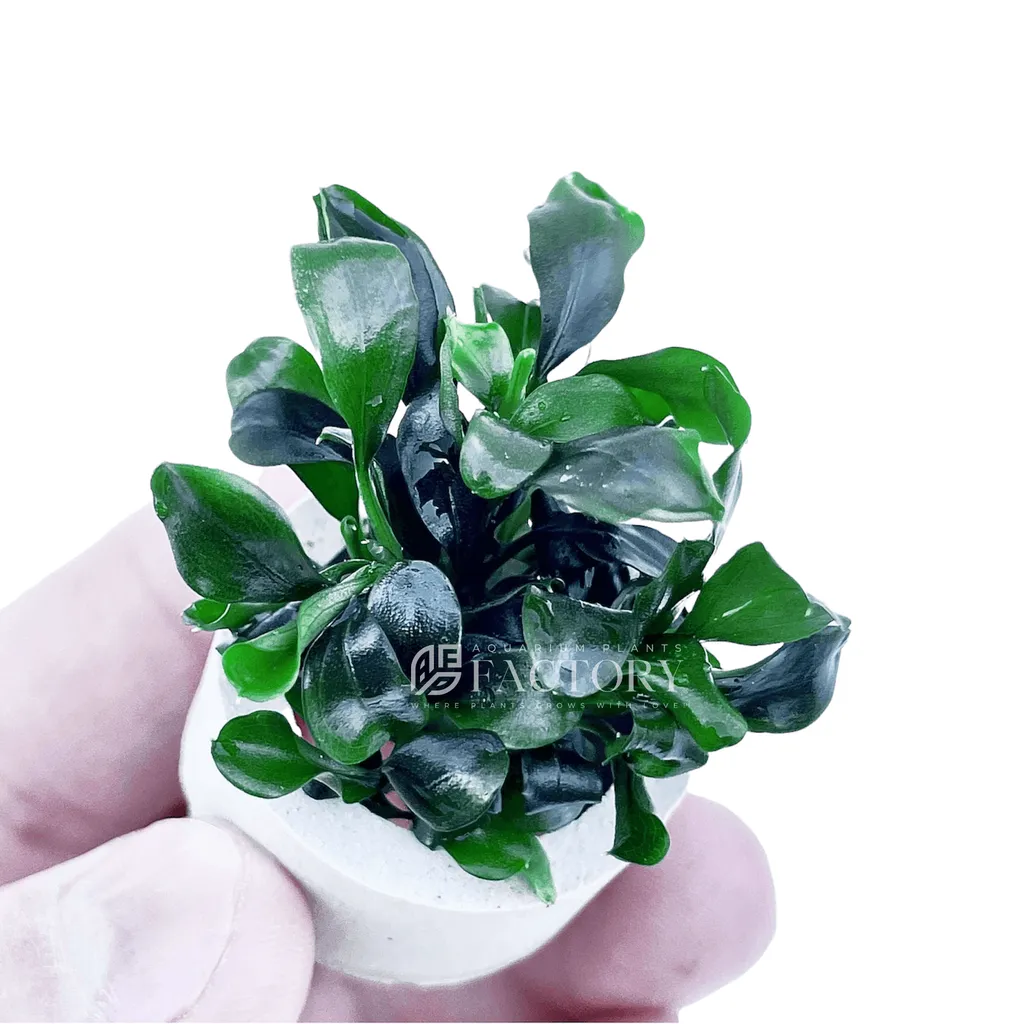
Care at a glance
- Light
- Low light
- CO2
- CO₂ beneficial
- Temperature
- 72–82°F
- 22–28°C
- Max height
- 3.1 in
- 8 cm
- Growth rate
- Slow
- Placement
- Epiphyte
- Type
- Rhizome
- pH
- 6.0–7.5
- Hardness
- 4–12 dGH
- Spread
- 3.1 in (8 cm)
- Nutrient uptake
- Root + water column
- Growth region
- Submersed or emersed
- Difficulty
- Easy
- Family
- Araceae
- Origin
- Borneo (Indonesia)
Overview
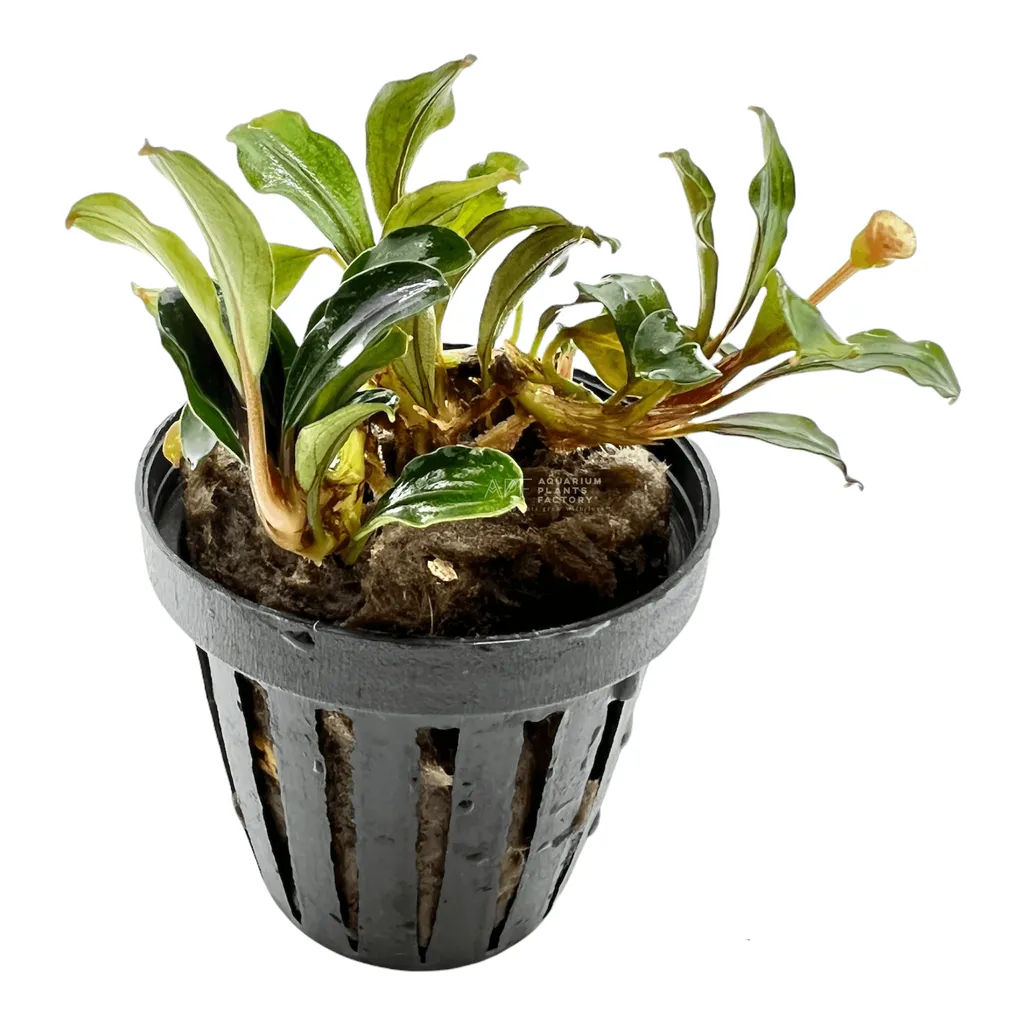
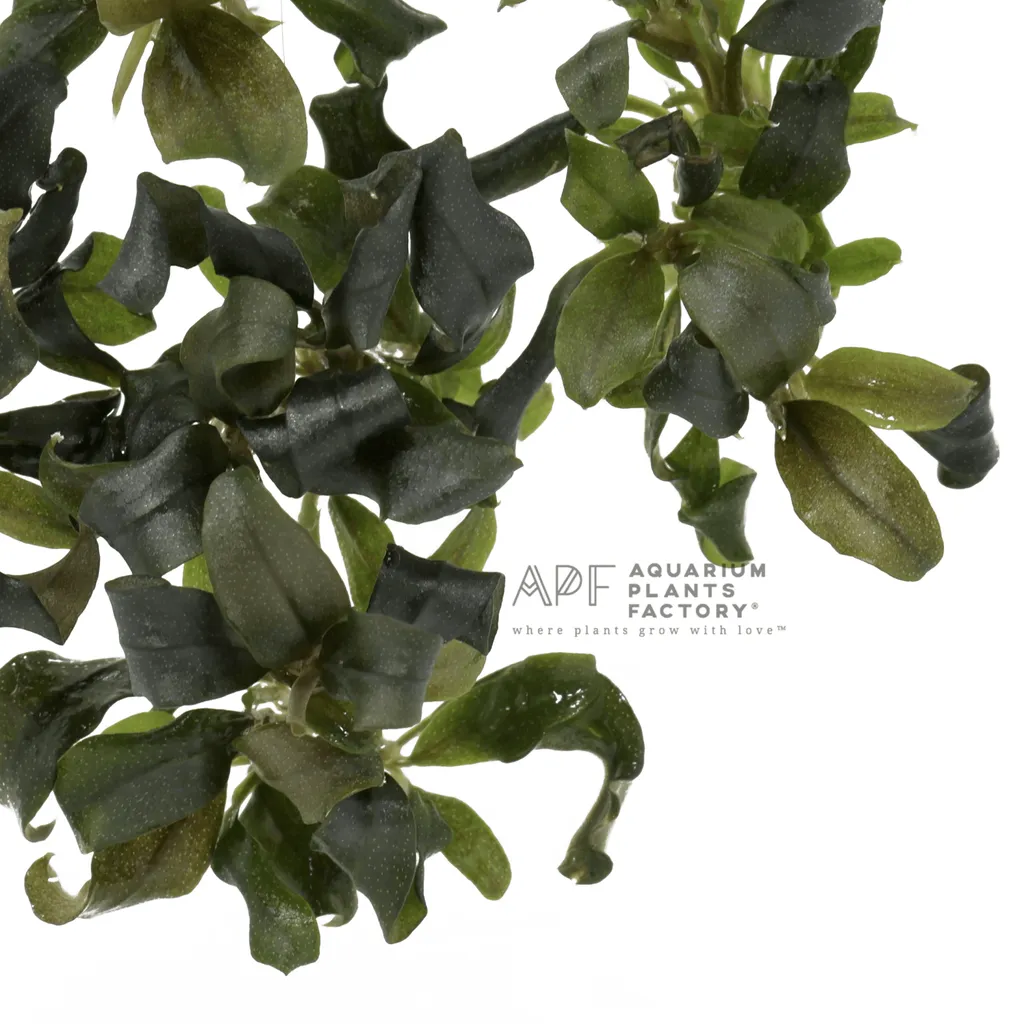
This is one of the smallest Bucephalandra forms, with short compact oval leaves that turn deep purple and blue once settled underwater, making it a favorite for nano tanks. Glue the rhizome to hardscape and keep it exposed. It is easy in low to medium light but is less tolerant of sudden parameter swings than Anubias, so stable water and gentle acclimation help it hold color.
In the wild
'Deep Purple' is a compact Bucephalandra trade form from the clear, fast-flowing streams and shaded riverbanks of Borneo. As with the whole genus it lives as a rheophyte on rock, adapted to low light under the forest canopy.
Good to know
Deep Purple is a horticultural selection, not a described species, so it is sold under its trade name. The genus Bucephalandra (family Araceae) is confined to Borneo and prized in the hobby for the iridescent coloration many of its forms develop.
Did you know
The deep purple-blue on this form is a structural iridescence that only develops after the plant has grown underwater for a while, so freshly potted or emersed-grown stock often looks plain green until it converts to submersed growth.
Related plants
 Low lightEpiphyte3.9 in (10 cm)
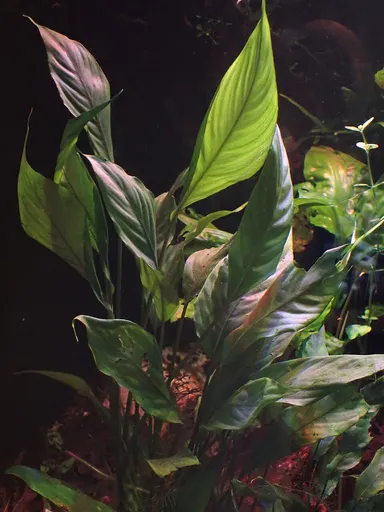
Bucephalandra motleyana
Low light · Epiphyte
- Low lightEpiphyte3.9 in (10 cm)
Bucephalandra sordidula
Low light · Epiphyte
 Low lightEpiphyte2.4 in (6 cm)
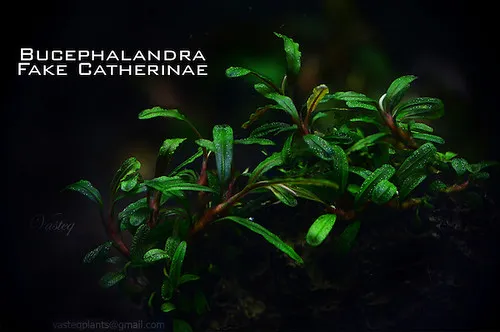
Bucephalandra catherinae
Low light · Epiphyte
- Low lightEpiphyte3.1 in (8 cm)
Anubias Petite Round
Anubias barteri 'Petite Round'
Low light · Epiphyte
- Low lightEpiphyte3.1 in (8 cm)
Schismatoglottis roseospatha
Low light · Epiphyte
- Low lightEpiphyte3.9 in (10 cm)
Anubias Chili Jalapeno
Anubias 'Chili Jalapeno'
Low light · Epiphyte