Form of Bucephalandra sp.
Bucephalandra kedagang
Bucephalandra sp. 'Kedagang'
One of 17 forms of Bucephalandra sp. · See all forms →
Also known as Buce Kedagang, Bucephalandra sp. Kedagang, Kedagang Mini
FreshwaterRhizomeRhizome division
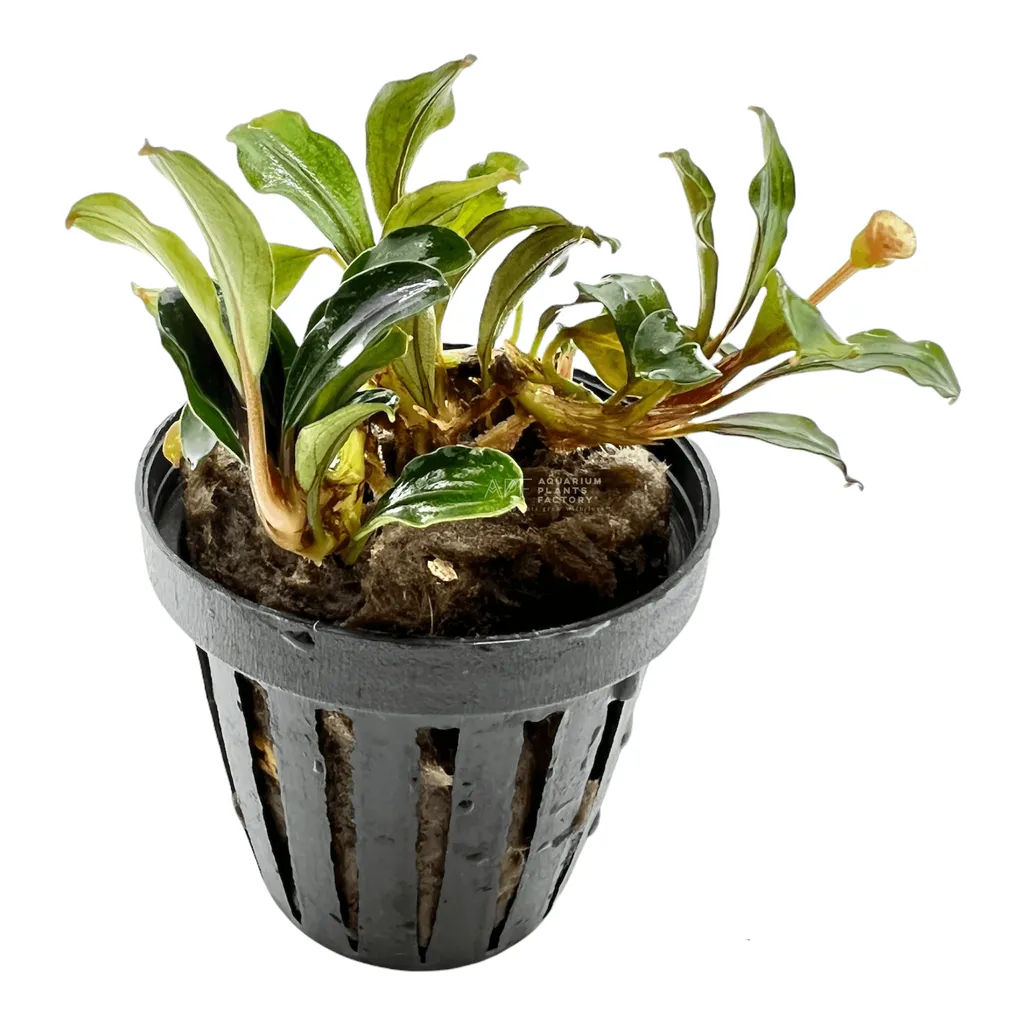
Forms · Bucephalandra sp.
See all 17 →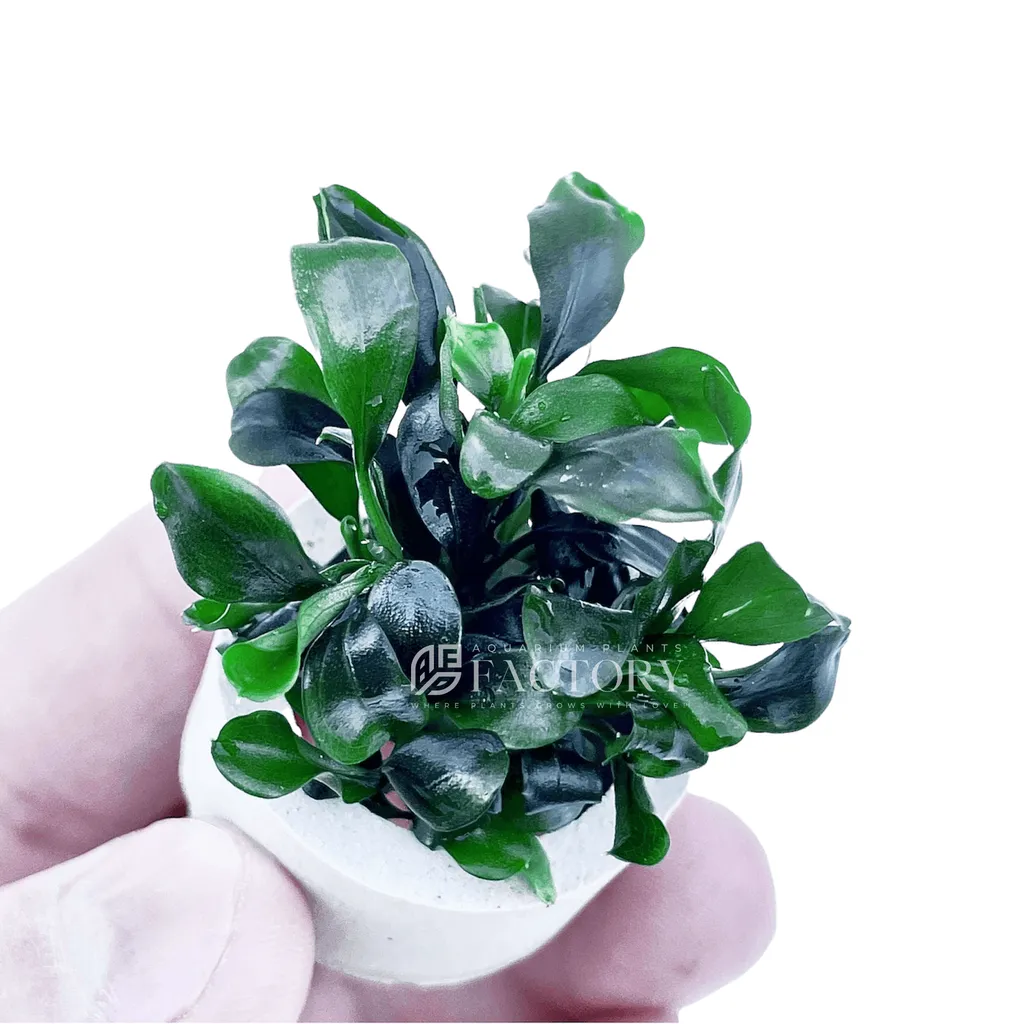
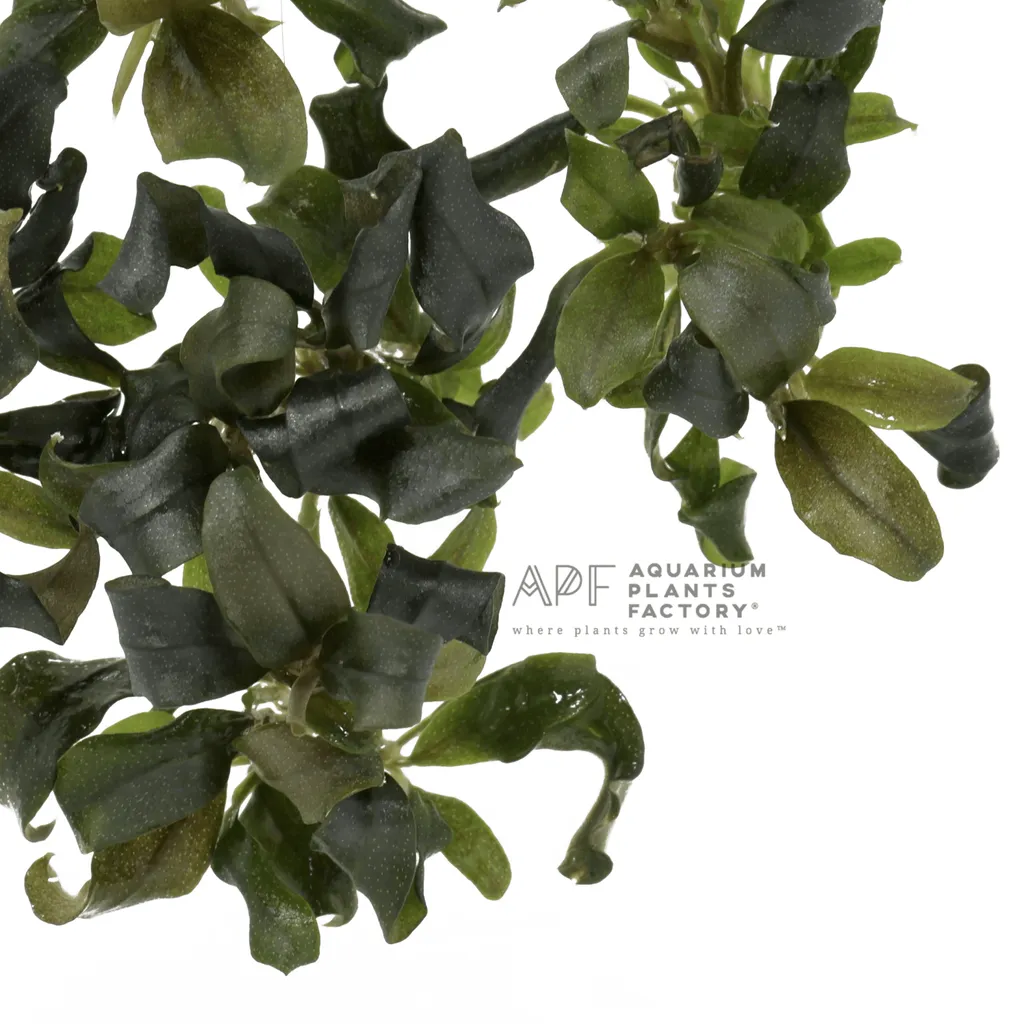
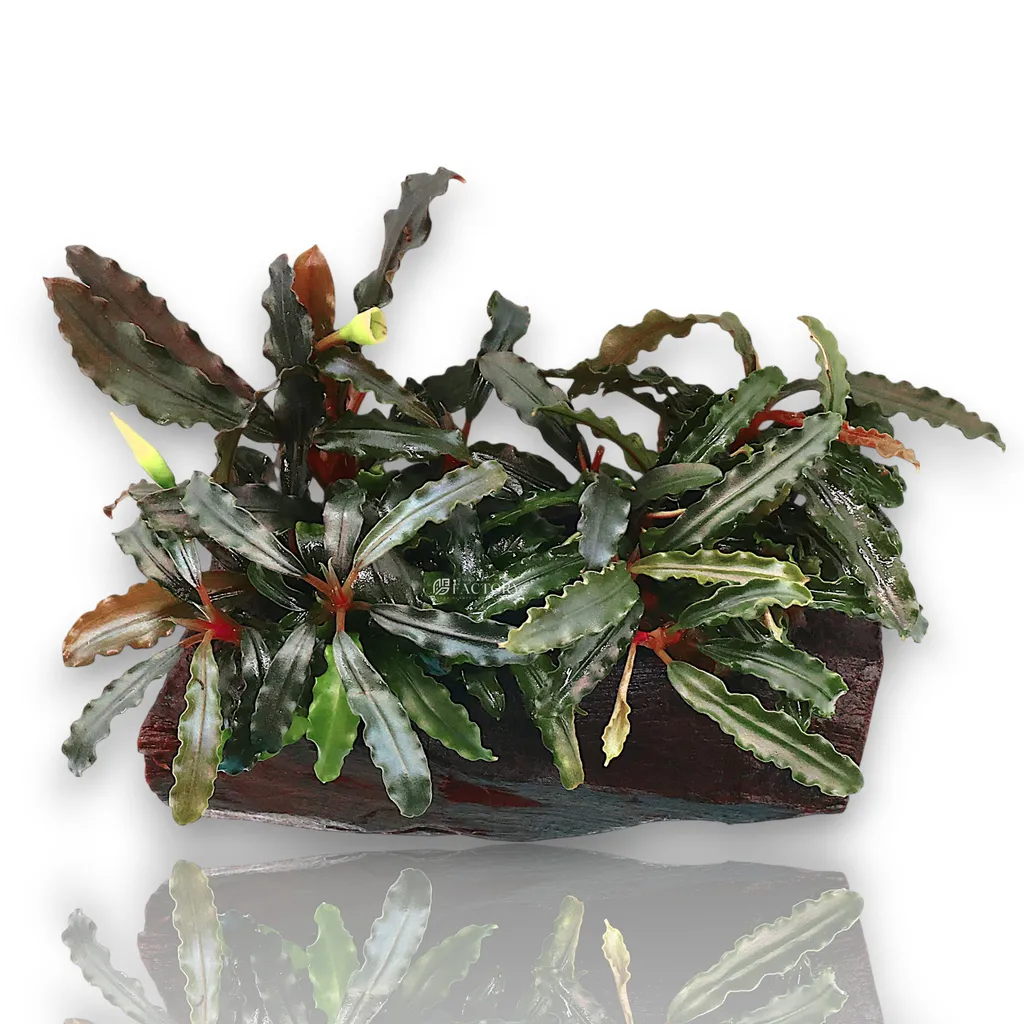
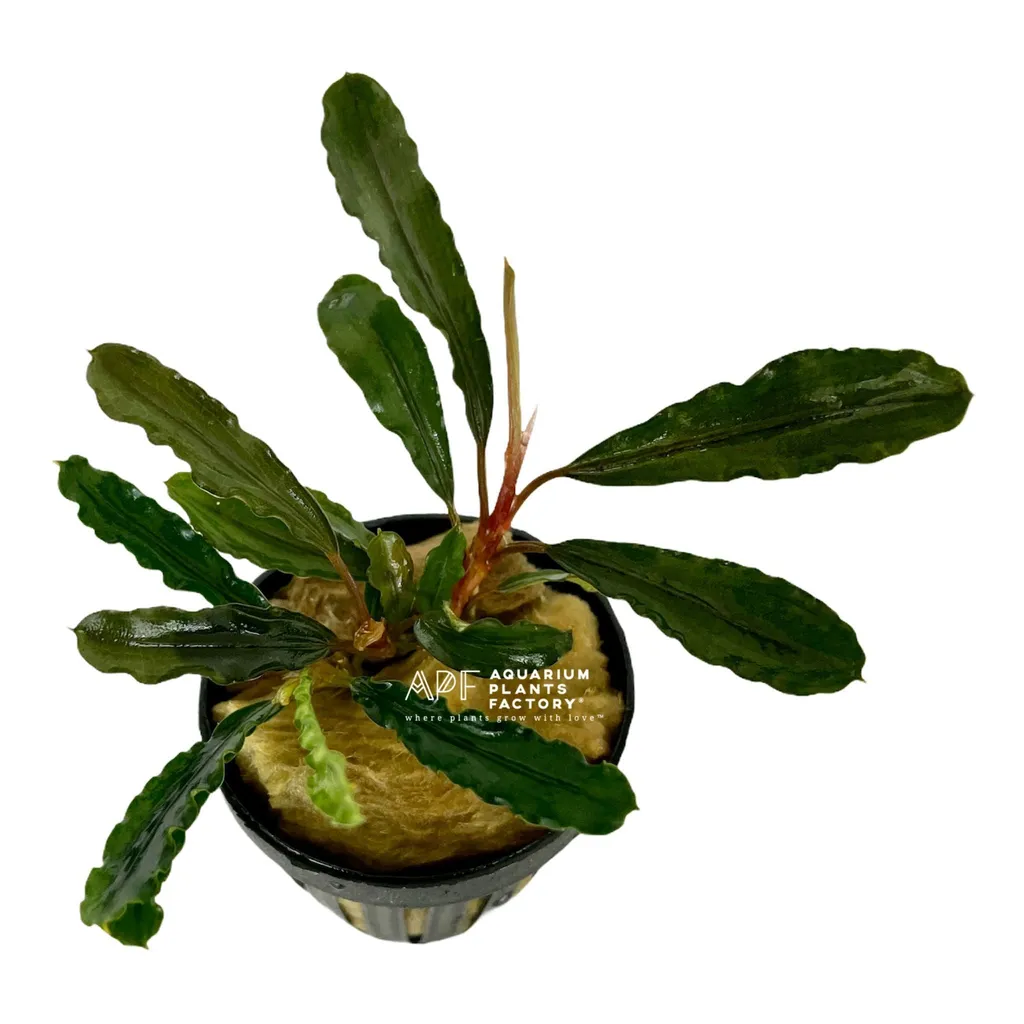
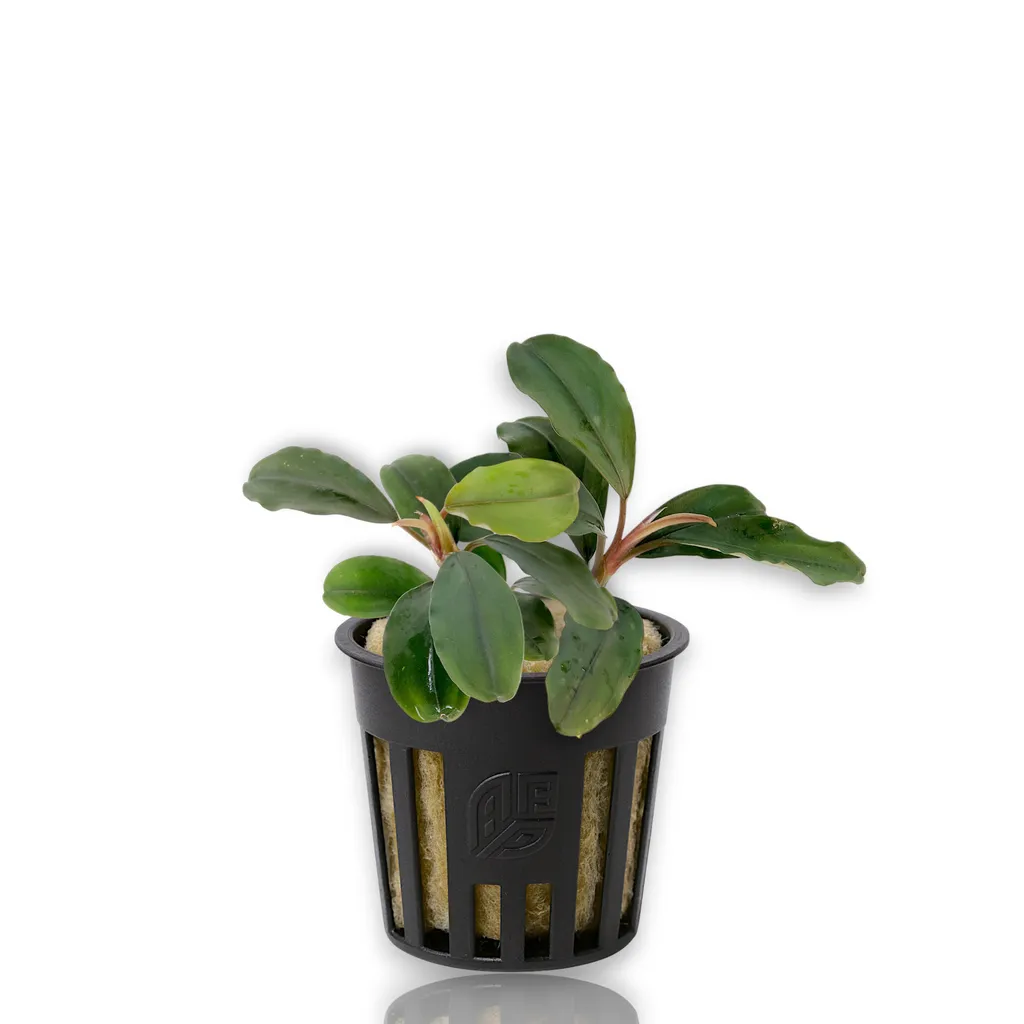
Care at a glance
- Light
- Low light
- CO2
- CO₂ beneficial
- Temperature
- 72–82°F
- 22–28°C
- Max height
- 4.7 in
- 12 cm
- Growth rate
- Slow
- Placement
- Epiphyte
- Type
- Rhizome
- pH
- 5.5–7.5
- Hardness
- 2–12 dGH
- Spread
- 3.9 in (10 cm)
- Nutrient uptake
- Root + water column
- Growth region
- Submersed or emersed
- Difficulty
- Easy
- Family
- Araceae
- Origin
- Borneo (Kalimantan, Indonesia)
Overview
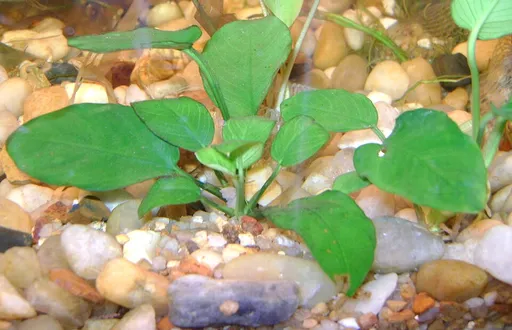
A compact, restrained Buce that stays small, making it good for midground rock and wood detail or nano tanks. Glue or thread the rhizome onto hardscape and keep the rhizome above the substrate so it does not rot. It tolerates a wide light range but stays darkest and most compact under low light without CO2, while CO2 plus regular liquid ferts brings out the blue iridescence and a few more new leaves. Growth is slow, so avoid blasting it with light or you will fight algae on the leaves. Stable water matters: big swings in pH or temperature from a cold water change can trigger leaf melt. Split it by dividing the rhizome.
In the wild
Kedagang is a trade variety of Bucephalandra named for the Kedagang area of Kalimantan on Borneo, where the parent plants grow as rheophytes anchored to rock and wood in fast streams. Like the rest of the genus it grows emersed along the banks in the dry season and fully submersed when the water rises. It is collected and farmed from soft, slightly acidic, current-rich water.
Good to know
Kedagang is a commercial cultivar name rather than a formal species, falling under the umbrella of Bucephalandra (family Araceae, tribe Schismatoglottideae) and often grouped with B. motleyana. It is one of the more established Buce in the hobby and is sold by Tropica as a 1-2-Grow tissue culture. Leaves are narrow and elongated, dark green with fine pale dots, and develop a blue to metallic iridescent sheen when grown submersed.
Did you know
Did you know the narrow leaves of submersed Kedagang flash a blue-to-purple metallic shimmer under the right light? That iridescence comes from the leaf surface structure, not pigment, and it largely disappears on plants grown emersed above water.
Related plants
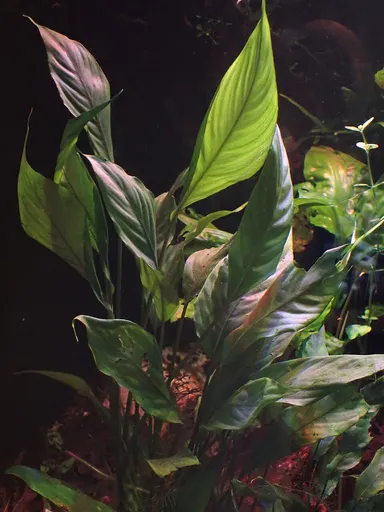 Low lightEpiphyte3.9 in (10 cm)
Bucephalandra motleyana
Low light · Epiphyte
- Low lightEpiphyte3.9 in (10 cm)
Bucephalandra sordidula
Low light · Epiphyte
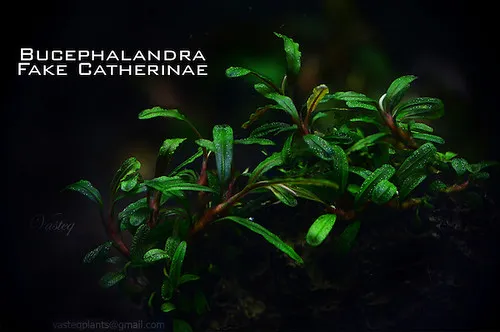 Low lightEpiphyte2.4 in (6 cm)
Bucephalandra catherinae
Low light · Epiphyte
 Low lightEpiphyte4.7 in (12 cm)
Anubias nana
Anubias barteri var. nana
Low light · Epiphyte
- Low lightEpiphyte4.7 in (12 cm)
Anubias Dragon Claw
Anubias barteri var. glabra 'Dragon Claw'
Low light · Epiphyte
- Low lightEpiphyte4.7 in (12 cm)
Anubias nana Long Wavy
Anubias barteri var. nana 'Long Wavy'
Low light · Epiphyte