Tiger lotus
Nymphaea lotus
Also known as Nymphaea lotus var. lotus, Green tiger lotus, Tiger lily, Nymphaea zenkeri
FreshwaterBulb / tuberBulb offsets
Care at a glance
- Light
- Medium light
- CO2
- CO₂ beneficial
- Temperature
- 72–82°F
- 22–28°C
- Max height
- 19.7 in
- 50 cm
- Growth rate
- Medium
- Placement
- Midground
- Type
- Bulb / tuber
- pH
- 5.5–7.5
- Hardness
- 2–15 dGH
- Spread
- 15.7 in (40 cm)
- Nutrient uptake
- Root + water column
- Growth region
- Submersed
- Difficulty
- Easy
- Family
- Nymphaeaceae
- Origin
- West and tropical Africa
Overview
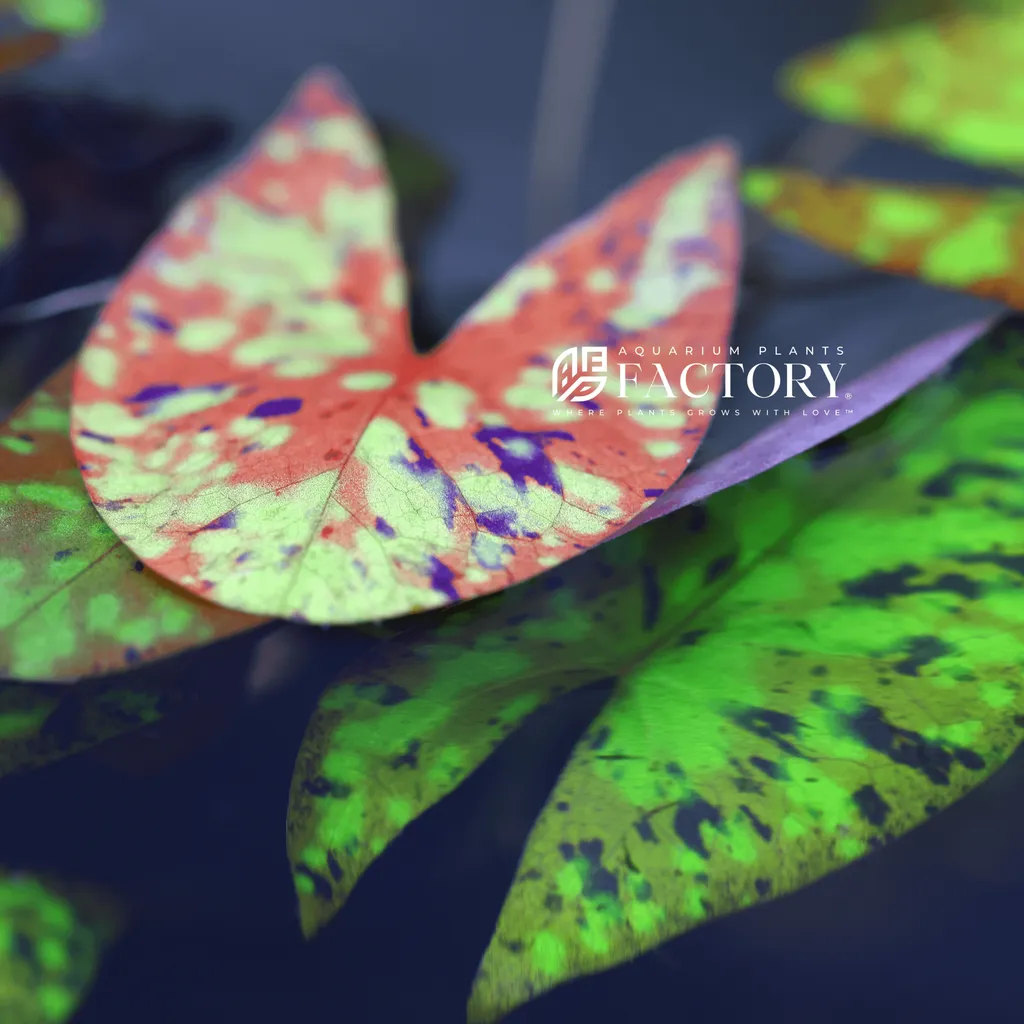
A striking centerpiece or midground bulb plant. Press the tuber about a third into a rich substrate with the growing crown left exposed so it will not rot, and feed with root tabs plus water-column dosing. Brighter light and extra iron pull out the red and keep it compact, while low light sends it up into floating lily pads; trim those surface pads off at the bulb to keep it bushy and stop it shading the rest of the tank. CO2 is optional but improves color and form, and it offsets new daughter bulbs you can separate.
In the wild
A water lily from still and slow waters across West and tropical Africa, growing rooted in soft mud with leaves rising toward the surface. In the hobby it is the red and green spotted form long imported from West Africa under the name zenkeri. It is widely treated as a color form of Nymphaea lotus var. lotus.
Good to know
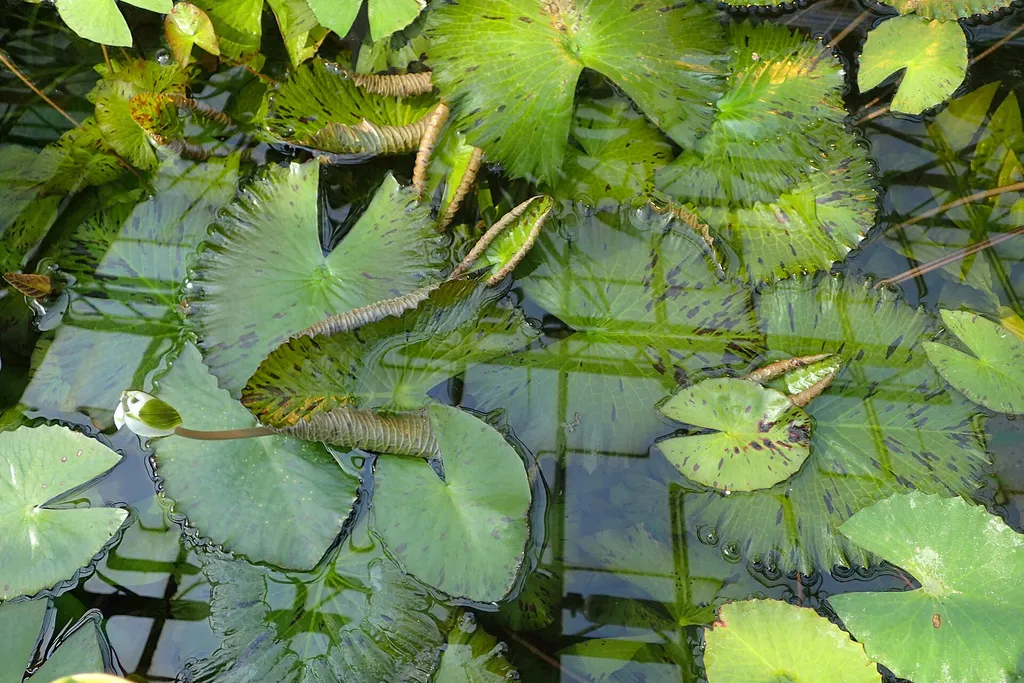
A true water lily in Nymphaeaceae growing from a rounded tuber (bulb). Nymphaea zenkeri is regarded by current taxonomy as a synonym of Nymphaea lotus var. lotus, and aquarium stock shows a full range of green to deep red, hence the green and red tiger lotus trade names. Submersed leaves are heart-shaped with dark tiger-like blotches.
Did you know
Did you know the same bulb can look like a completely different plant depending on light, staying low and blood-red under strong lighting but shooting long-stemmed green lily pads to the surface when it is shaded.
Related plants
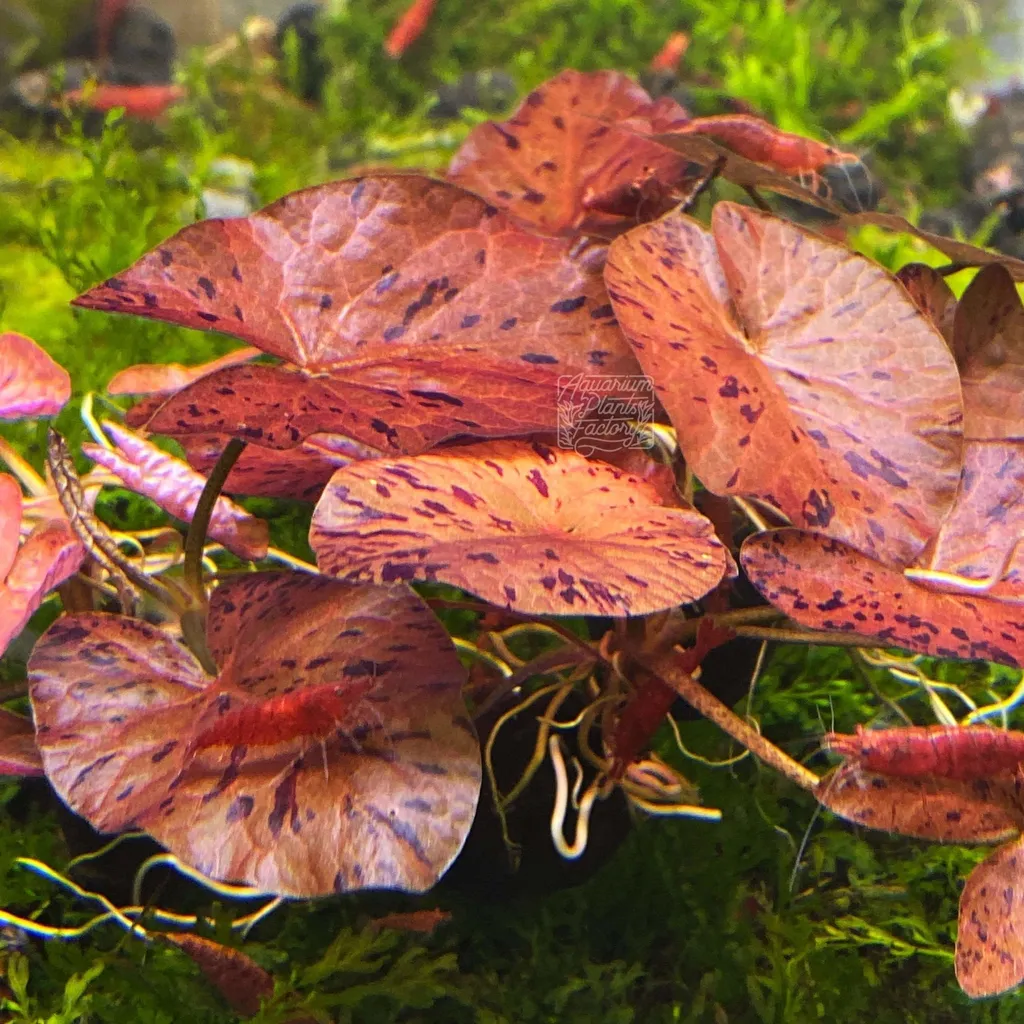 Medium lightMidground23.6 in (60 cm)
Red tiger lotus
Nymphaea lotus
Medium light · Midground
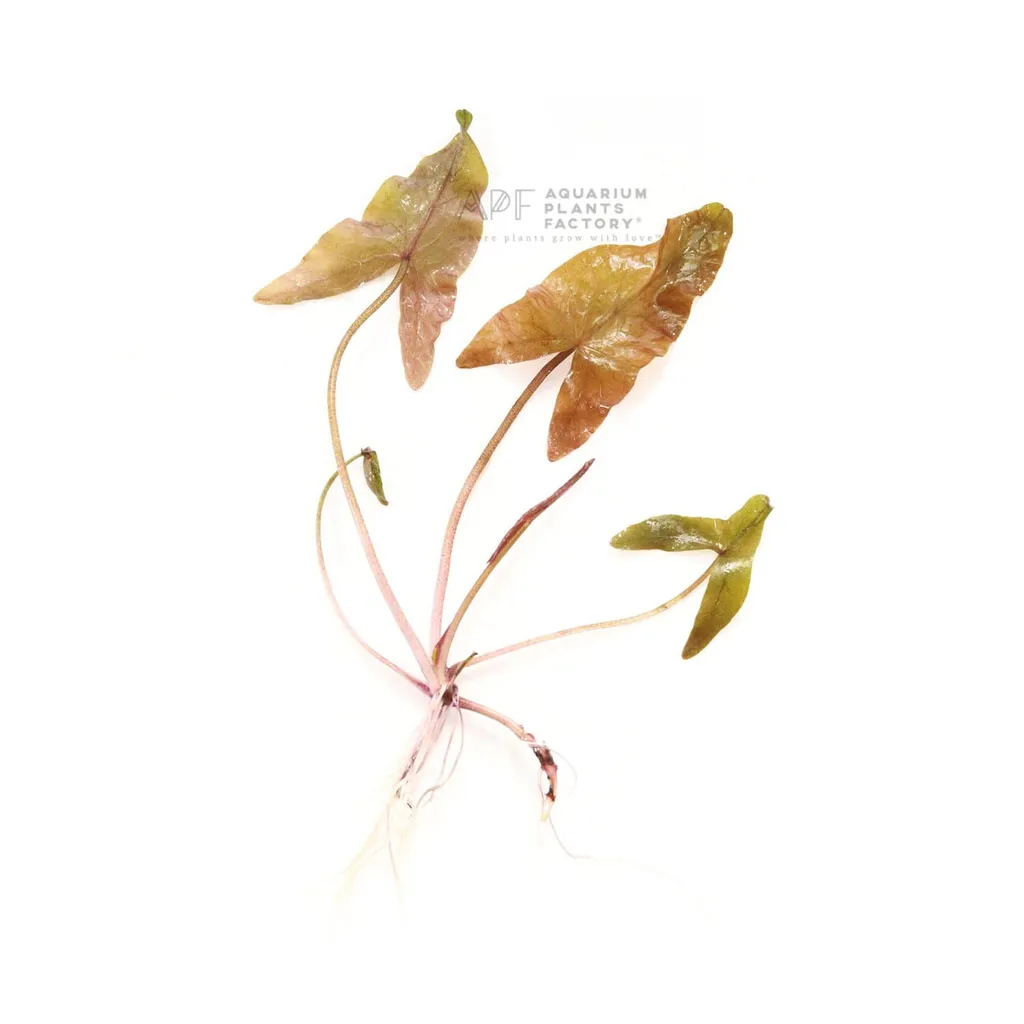 Medium lightMidground23.6 in (60 cm)
Red water lily
Nymphaea rubra
Medium light · Midground
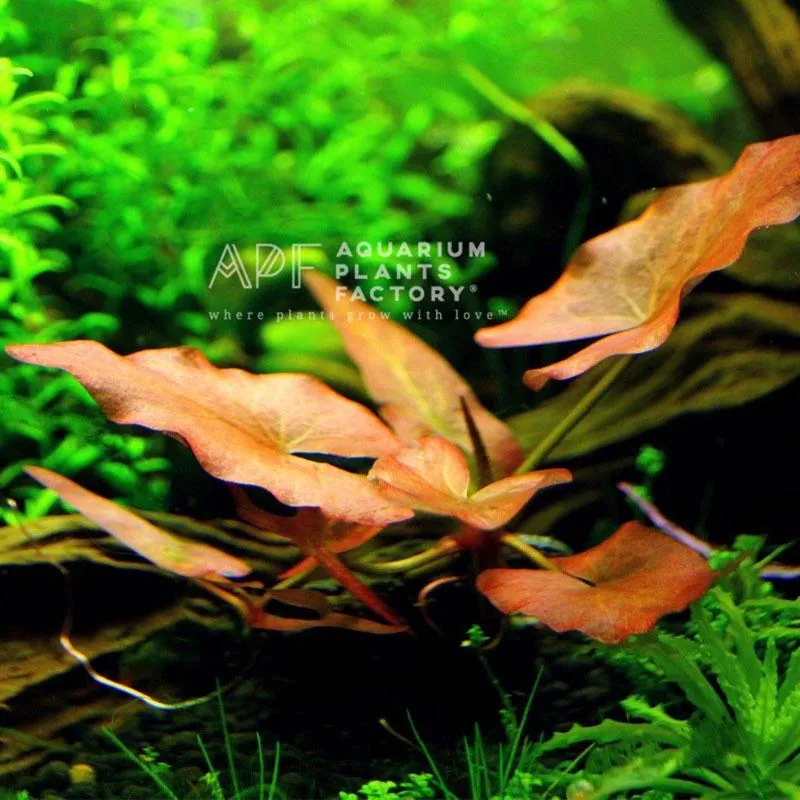 Medium lightMidground9.8 in (25 cm)
Dwarf aquarium lily
Nymphaea nouchali
Medium light · Midground
 Medium lightMidground9.8 in (25 cm)
Micrantha lily
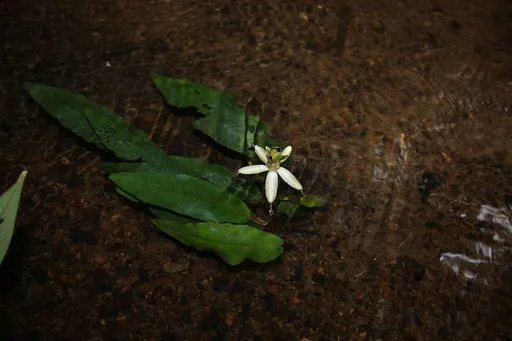
Nymphaea micrantha
Medium light · Midground
 Medium lightMidground15.7 in (40 cm)
Orchid lily
Barclaya longifolia
Medium light · Midground
- Medium lightMidground15.7 in (40 cm)
Orchid lily Rosea
Barclaya longifolia 'Rosea'
Medium light · Midground