One species · 9 forms
Cryptocoryne wendtii
Also known as Crypt wendtii, Wendt's water trumpet
FreshwaterBrackishRosetteRunners
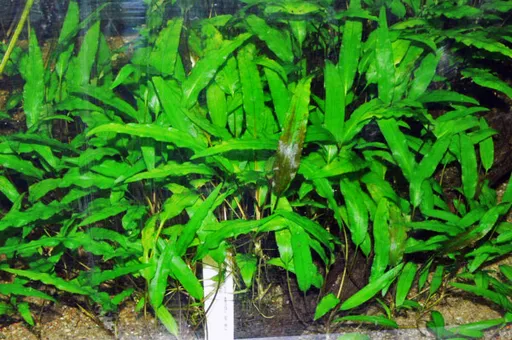
Care at a glance
- Light
- Low light
- CO2
- No CO₂ needed
- Temperature
- 72–82°F
- 22–28°C
- Max height
- 9.8 in
- 25 cm
- Growth rate
- Medium
- Placement
- Midground
- Type
- Rosette
- pH
- 6.0–7.5
- Hardness
- 3–12 dGH
- Spread
- 7.9 in (20 cm)
- Nutrient uptake
- Root + water column
- Growth region
- Submersed or emersed
- Difficulty
- Beginner
- Family
- Araceae
- Origin
- Sri Lanka
Pick a form
one species, many colorsClassic forms · any low-tech tank
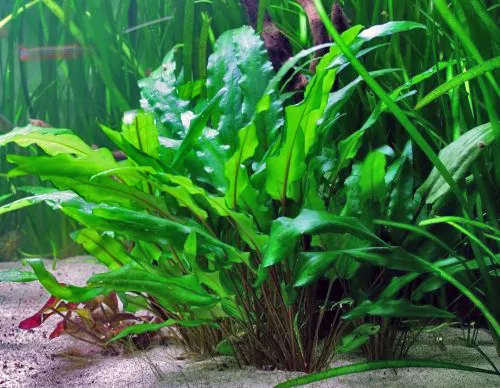
Cryptocoryne wendtii green
fresh green ruffled leaves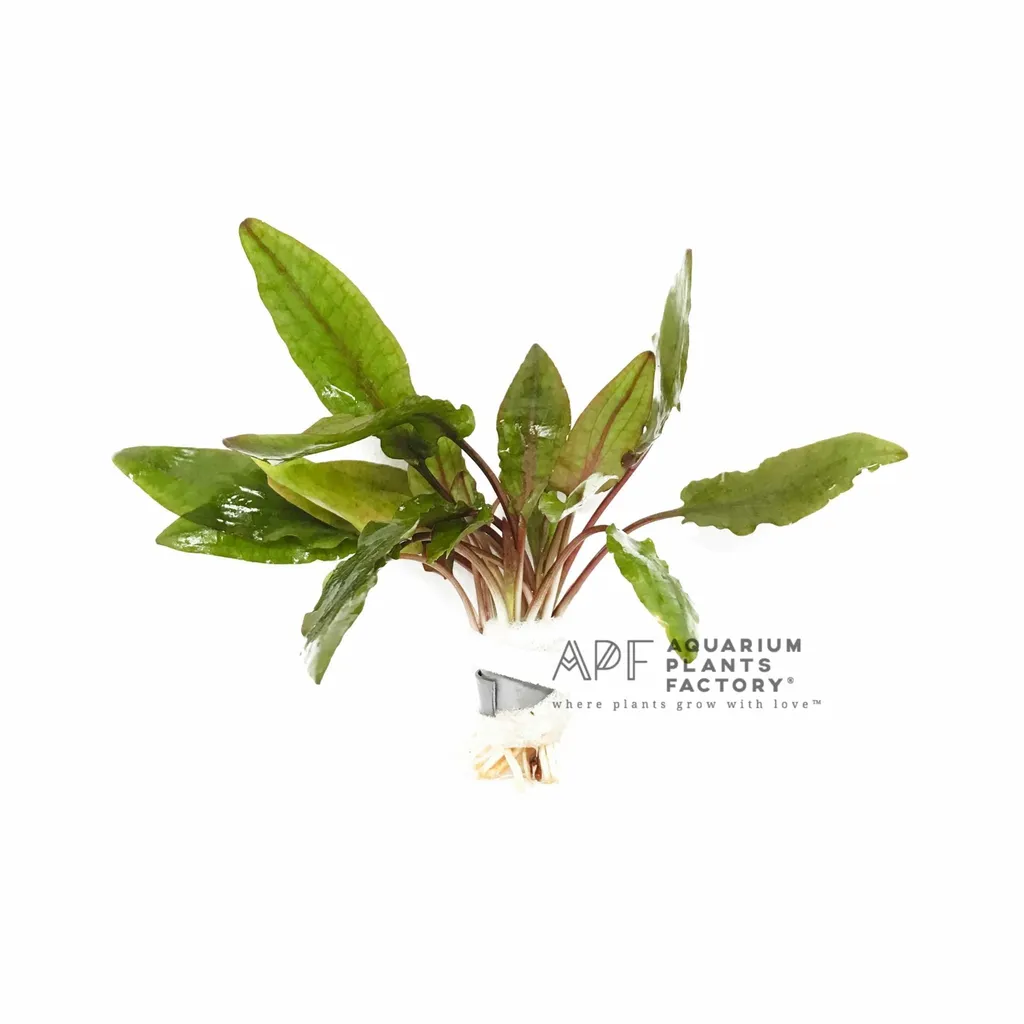
Cryptocoryne wendtii brown
cocoa-brown rosette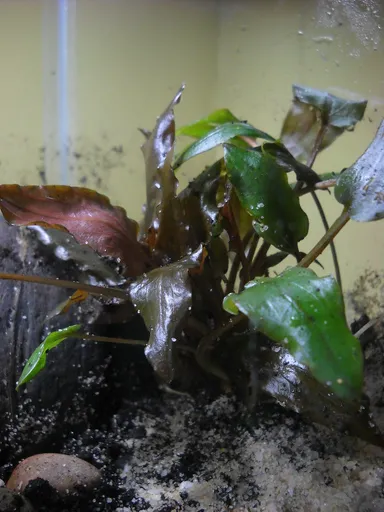
Cryptocoryne wendtii red
red-bronze narrow leaves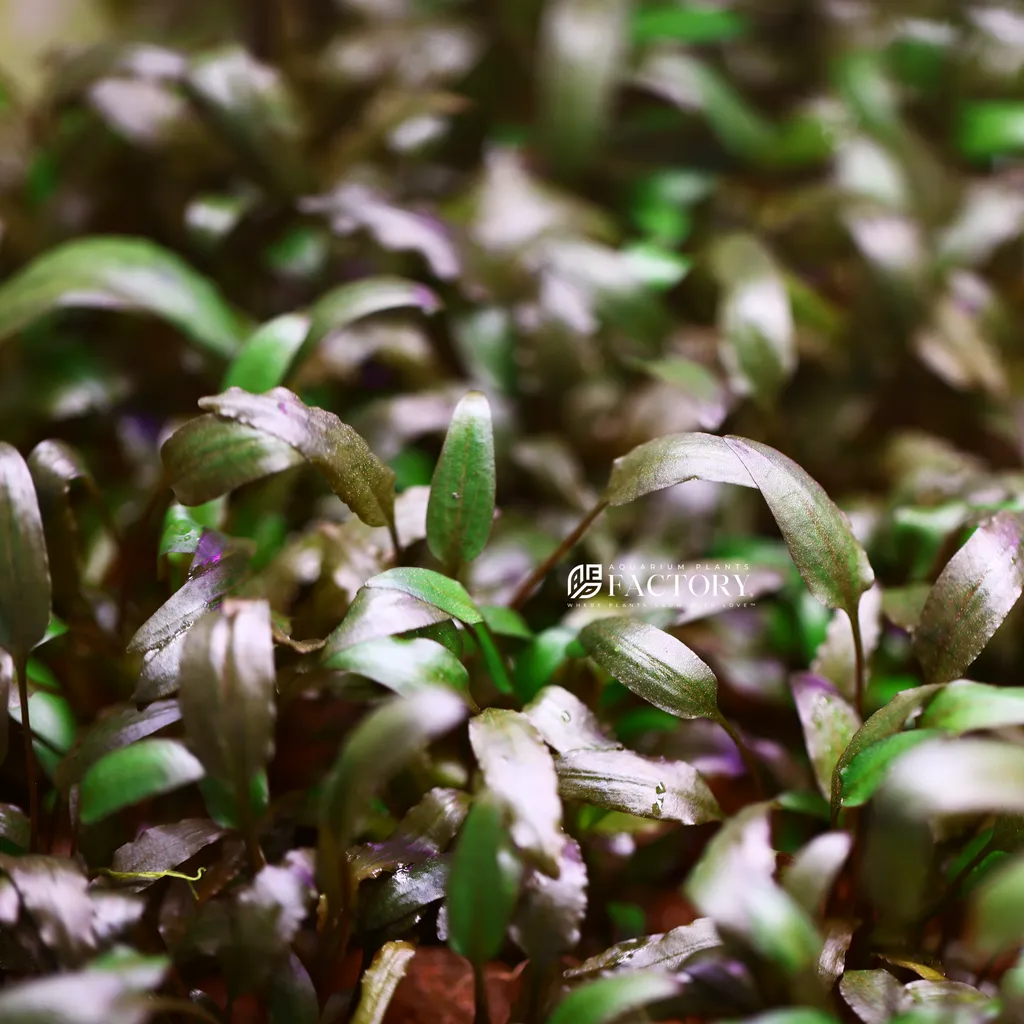
Cryptocoryne wendtii Tropica
hammered dark bronze leavesCryptocoryne wendtii Mi Oya
warm red-brown, big rufflesCryptocoryne wendtii Green Gecko
green blades over a red midrib
High-color forms · brighter light, steady feeding
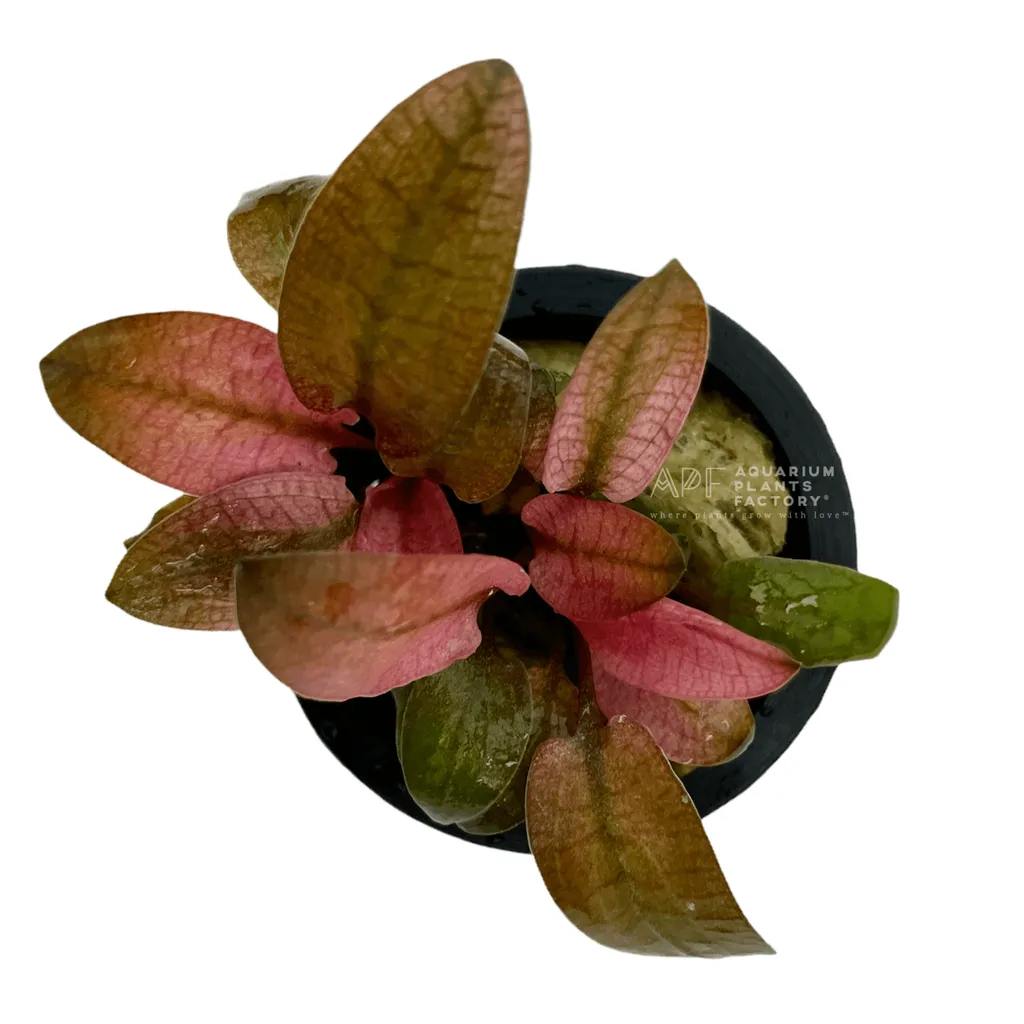
What the high-color forms ask for
Same species, same roots. The pale and pink leaves simply carry less chlorophyll, so those lines grow slower and want brighter light and steady nutrients to hold their color. Flamingo is the slowest and touchiest of the three.
One species, many looks
Wild wendtii varies from stream to stream in Sri Lanka, and nurseries stabilized the best-looking populations into the named lines sold today. The same plant also changes with its tank: stronger light pulls the ruffle tighter and the color darker, so your green wendtii may not match the shop's, and both are normal.
Crypt melt is a phase
Move a crypt and it often drops every leaf within days. The roots stay alive, and new leaves suited to the new conditions follow within a few weeks. Plant it, resist the urge to dig it back up, and feed the substrate; wendtii forgives almost everything except constant replanting.
The pink forms play by harder rules
Florida Sunset, Sindoor and especially Flamingo carry so little green tissue that they run at half speed. They need brighter light than the classic forms, steady root feeding, and patience measured in months. Flamingo, a tissue-culture line famous for its bubblegum pink, is the slowest crypt most keepers will ever own.
Overview
A bulletproof low-light midground rosette and one of the best beginner crypts. Plant individual rosettes in rich substrate with the crown above the soil and use root tabs, since it feeds from both roots and water column. CO2 is not needed, but stable parameters are: nearly every newly planted crypt goes through 'crypt melt' where old leaves turn to mush, so do not pull the plant, just trim the slime and wait two to four weeks for new tank-adapted leaves. Avoid sudden swings in water chemistry, which is the usual trigger for melt.
In the wild
Endemic to Sri Lanka, where it grows along shaded freshwater streams and rivers under the forest canopy. It lives an amphibious life, submersed when water is high and emersed along the banks when levels drop, which is why it tolerates such a wide range of tank conditions.
Good to know
A water trumpet in the arum family (Araceae), so its 'flower' is a spathe and spadix like a peace lily rather than a true bloom. It grows as a rosette from a crown and spreads by underground runners that send up new plants nearby. Leaf color and shape are highly plastic, ranging from green to brown, bronze, olive, or red depending on the cultivar, light, and water chemistry, which has produced many trade varieties (Green, Brown, Red, Tropica, Mi Oya).
Did you know
Cryptocoryne wendtii is famous for crypt melt: move it or change its conditions and it can drop nearly every leaf, then regrow from the rooted crown within a few weeks. The roots survive the meltdown, so a plant that looks dead is almost always just resetting.
Common questions
Why did my crypt melt when I planted it?
Transplant melt is normal for the whole genus. The roots survive; new leaves grown for your tank's conditions appear within weeks. Do not pull the plant out.
Do wendtii crypts need CO2?
The classic forms do not; root tabs help far more. The pink forms appreciate CO2, though they survive without it, just more slowly.
Which wendtii is best for a first planted tank?
Green, brown or red. They are equally tough; pick the color you like. Save Flamingo for when a slow, expensive plant will not test your patience.
Related plants
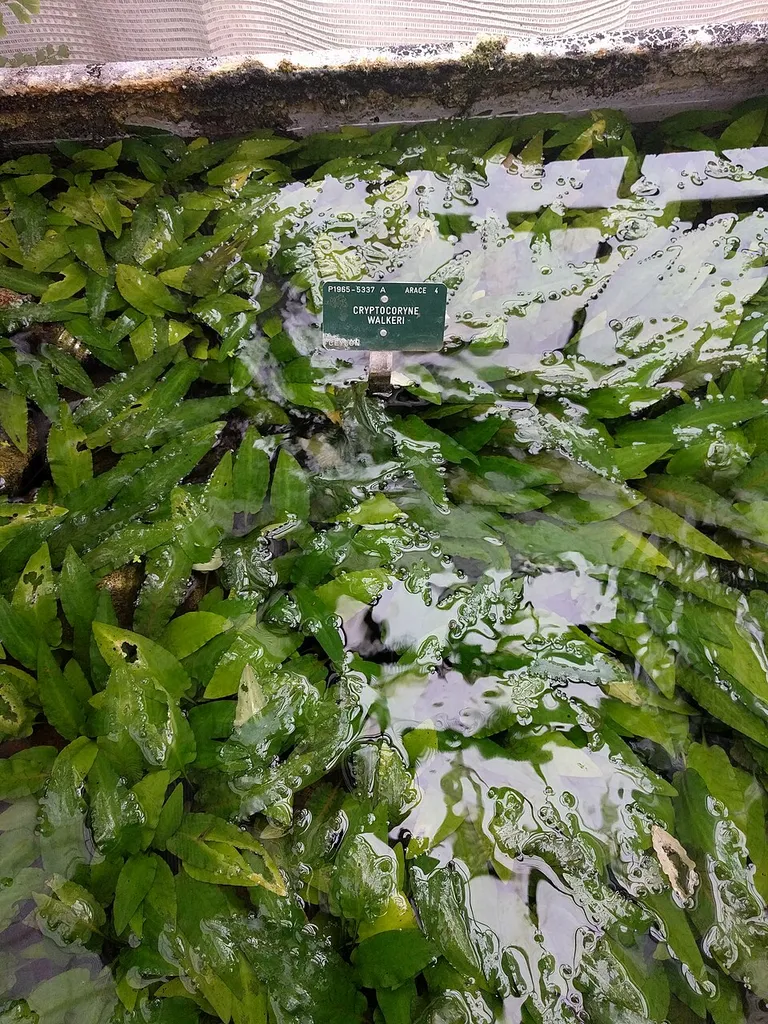 Low lightMidground9.8 in (25 cm)
Cryptocoryne walkeri
Low light · Midground
- Low lightMidground9.8 in (25 cm)
Cryptocoryne cordata
Low light · Midground
- Low lightMidground9.8 in (25 cm)
Cryptocoryne spiralis Jwala
Cryptocoryne spiralis 'Jwala'
Low light · Midground
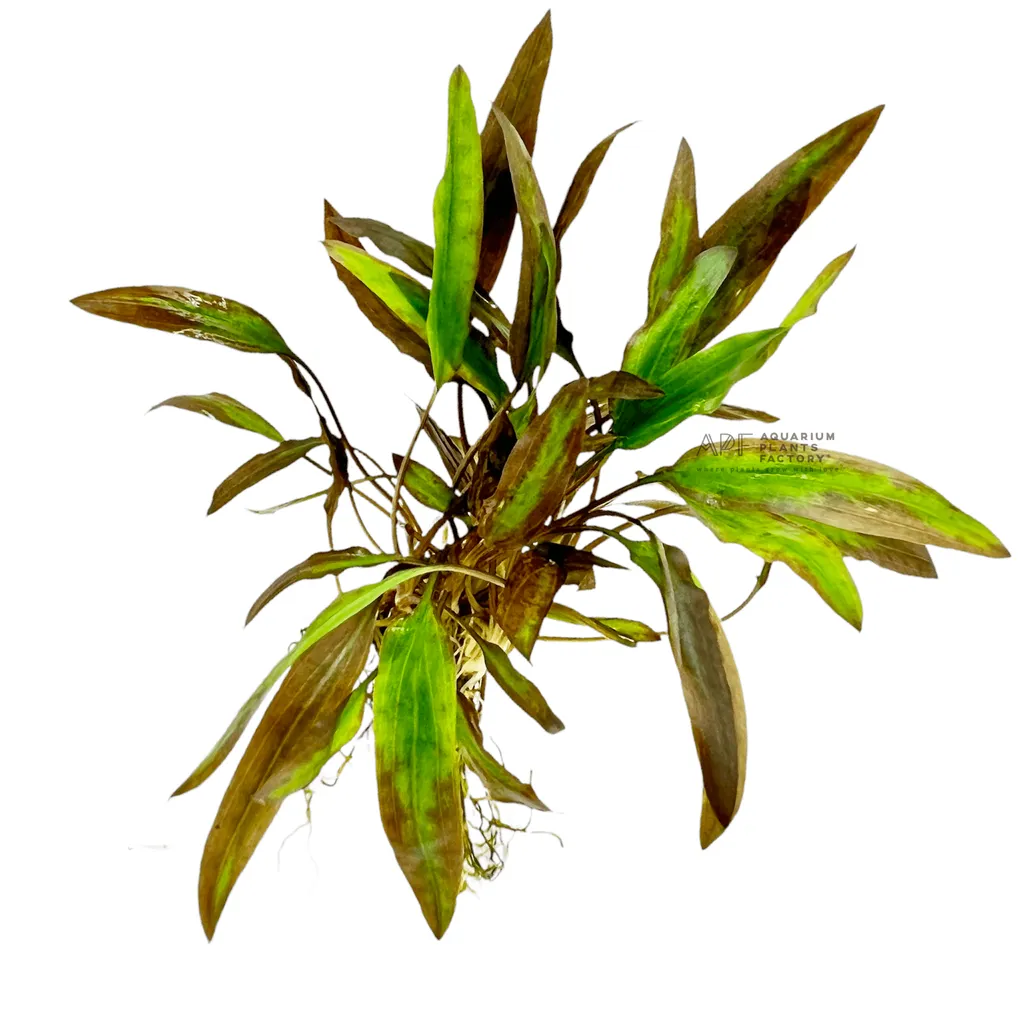 Medium lightMidground11.8 in (30 cm)
Cryptocoryne affinis
Medium light · Midground
- Medium lightMidground11.8 in (30 cm)
Cryptocoryne spiralis Tiger
Cryptocoryne spiralis 'Tiger'
Medium light · Midground
- Low lightMidground11.8 in (30 cm)
Cryptocoryne undulata Broad Leaves
Cryptocoryne undulata 'Broad Leaves'
Low light · Midground