Isoetes japonica
Also known as Japanese quillwort, East Asian quillwort, Mizunira
FreshwaterRosettePlantletsSpores
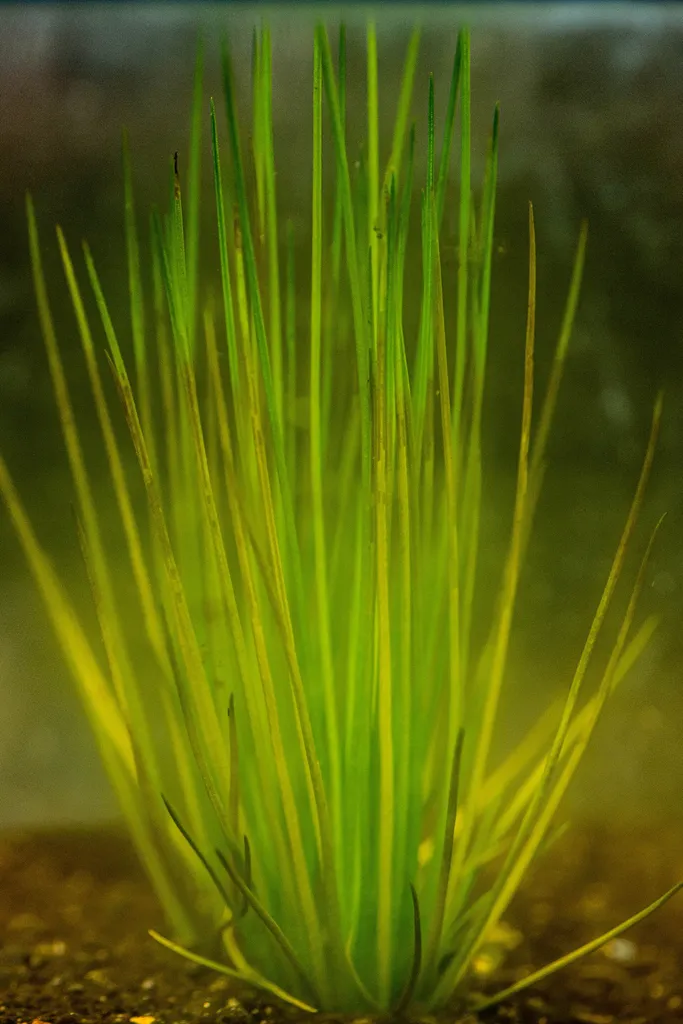
Care at a glance
- Light
- Medium light
- CO2
- CO₂ beneficial
- Temperature
- 72–79°F
- 22–26°C
- Max height
- 11.8 in
- 30 cm
- Growth rate
- Slow
- Placement
- Background
- Type
- Rosette
- pH
- 5.0–8.0
- Spread
- 3.9 in (10 cm)
- Nutrient uptake
- Root feeder
- Growth region
- Submersed or emersed
- Difficulty
- Easy
- Family
- Isoetaceae
- Origin
- Japan, Hokkaido to Kyushu (Japanese sources add Korea and China)
Overview
Isoetes japonica is a quillwort from Japan for the back of larger tanks. A Japanese plant shop rates it hardy and easy.
Did you know
Isoetes japonica is called mizunira in Japanese, meaning water chives, because its tufts of narrow leaves look like garlic chives. Another Japanese name, ikenira, means pond chives.
Caring for Isoetes japonica
Plant Isoetes japonica in fine sand or gravel, with the roots buried and the crown just above the surface. Flowgrow recommends a nutrient-rich mix with a little loam for quillworts. It feeds mainly through its roots, so add root tabs if the substrate is plain.
Medium light suits it, and it grows without injected CO2. Glass Aqua suggests medium to high light with CO2, and added CO2 does speed its growth. Keep the water at 72 to 79°F (22 to 26°C).
Growth is slow, and the plant builds dense clumps over time. Leaves reach 30 to 50 cm by Glass Aqua's figures. Small plantlets form on the plant and can be detached once they have a few roots, and crowded clumps can be divided.
Good to know
Isoetes japonica is a quillwort in the Isoetaceae, a spore-bearing lycophyte related to the clubmosses. The German botanist Alexander Braun named it in 1862. Its soft, narrow leaves rise in a tuft from a corm about 3 cm wide that splits into three lobes. Spore cases sit in the swollen leaf bases. Its lookalike relatives can be told apart only under a microscope, and I. japonica has honeycomb-patterned large spores and smooth small spores.
In the wild
Isoetes japonica grows in lowland Japan from Hokkaido to Kyushu, in ponds, slow streams, irrigation channels and wet rice paddies. It lives submerged or emergent on wet mud, often in nutrient-poor water, and wild plants stand 10 to 30 cm tall. Japan's Ministry of the Environment lists it as Near Threatened. Paddy consolidation, herbicides, polluted water, concrete-lined channels and invasive crayfish have all cut its numbers.
Common questions
Does Isoetes japonica need to be planted in the substrate?
Yes. Bury the roots and leave the crown, where the leaves join, just above the substrate.
Does Isoetes japonica need CO2?
No, but it helps. Isoetes japonica can grow without injected CO2, and added CO2 makes it grow faster.
How much light does Isoetes japonica need?
Isoetes japonica wants medium light. A light sold for planted tanks covers it.
Does Isoetes japonica need root tabs?
Yes. Isoetes japonica draws much of its food through its roots. Push root tabs in near it, or grow it in a nutrient-rich soil.
How do you propagate Isoetes japonica?
Isoetes japonica propagates by plantlets. Small plantlets form on the plant and can be detached once they have a few roots.
How tall does Isoetes japonica grow?
Isoetes japonica grows to about 11.8 in (30 cm) tall. It grows slowly and rarely needs trimming.
Related plants
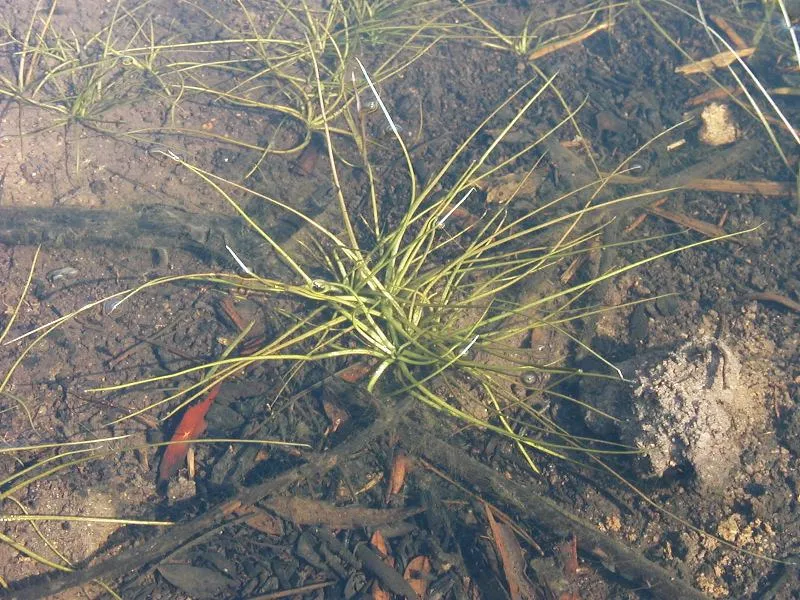 Medium lightMidground11.8 in (30 cm)
Isoetes velata var. sicula
Isoetes longissima
Medium light · Midground
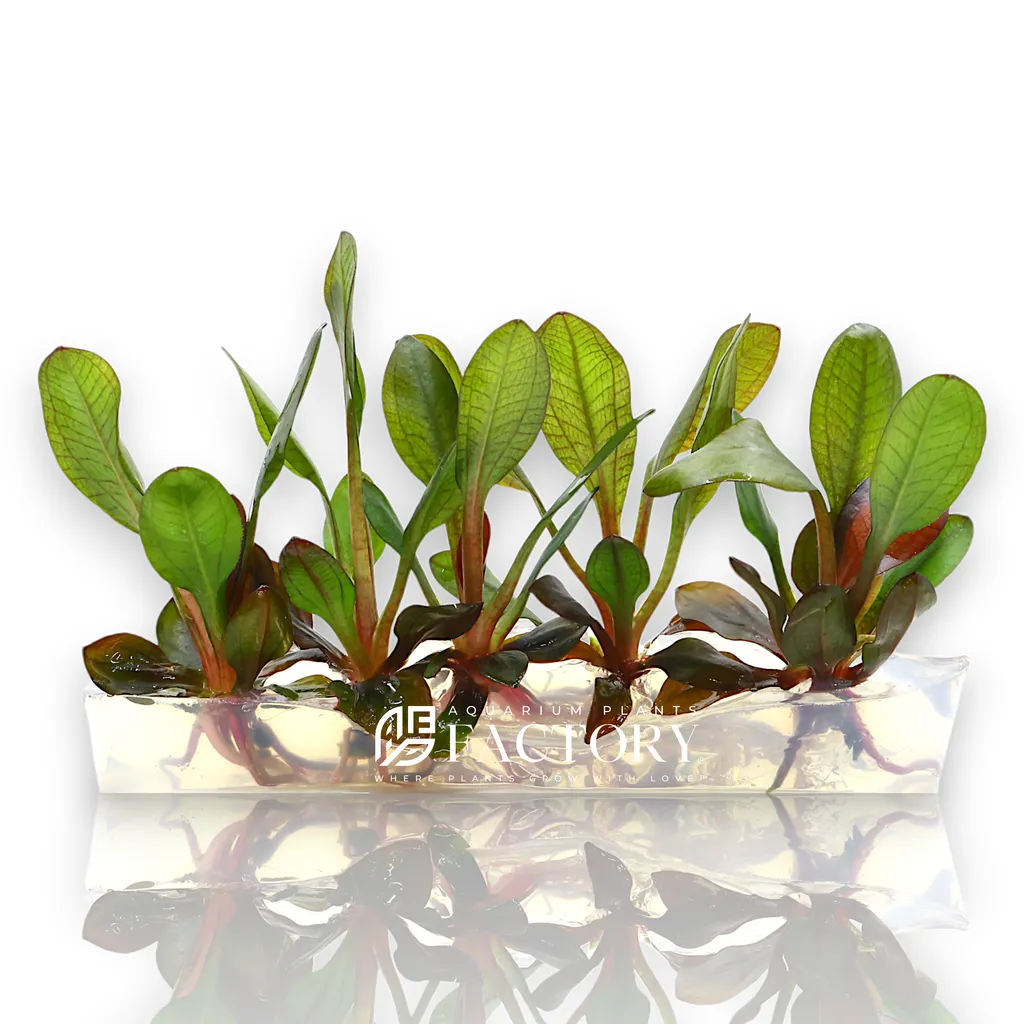 Medium lightBackground11.8 in (30 cm)
Kleiner Bar sword
Echinodorus 'Kleiner Bär'
Medium light · Background
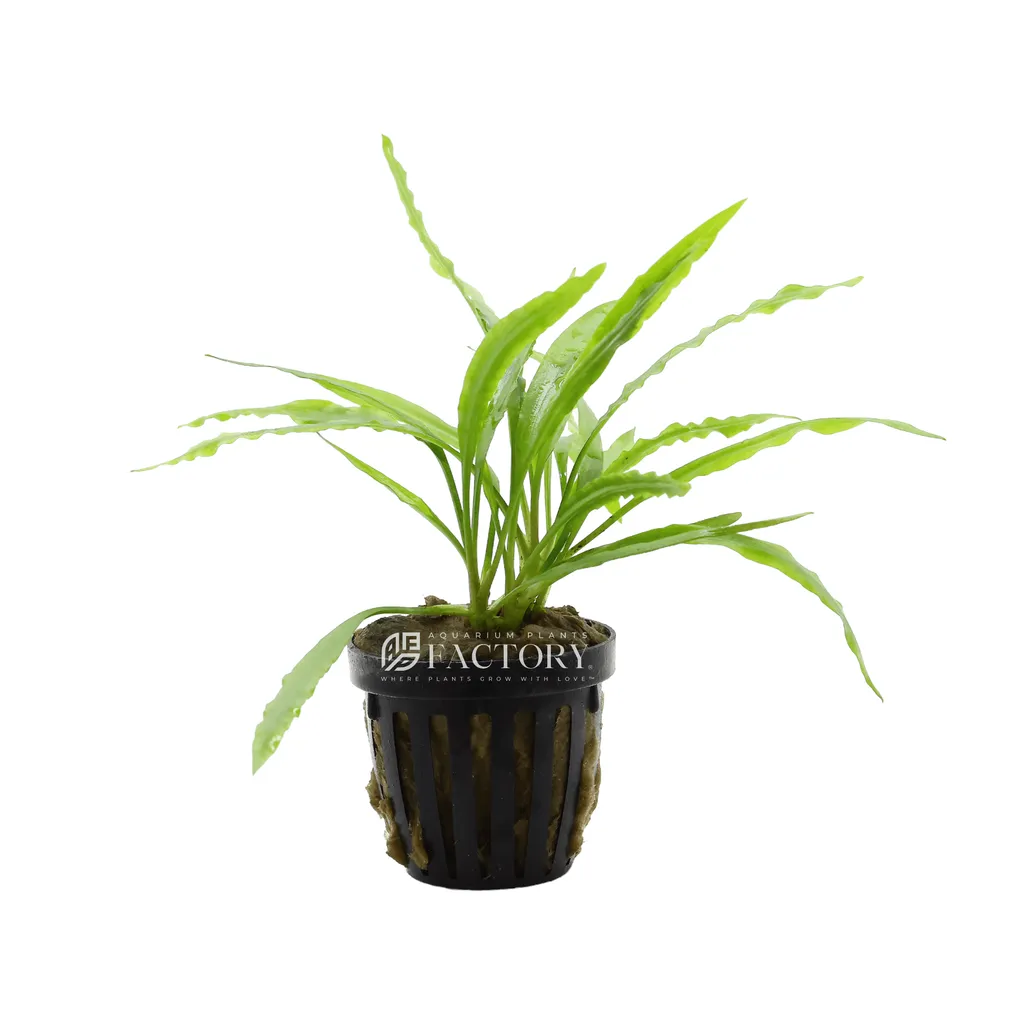 Low lightBackground13.8 in (35 cm)
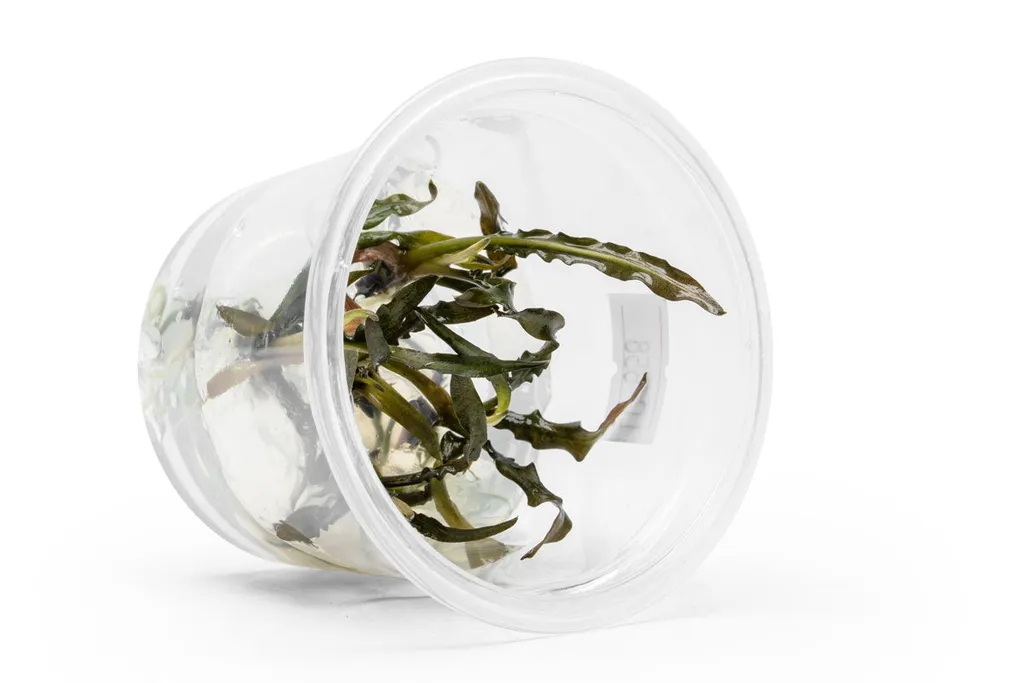
Cryptocoryne spiralis
Low light · Background
 Low lightBackground15.7 in (40 cm)
Cryptocoryne spiralis Nari
Cryptocoryne spiralis 'Nari'
Low light · Background
 Medium lightBackground15.7 in (40 cm)
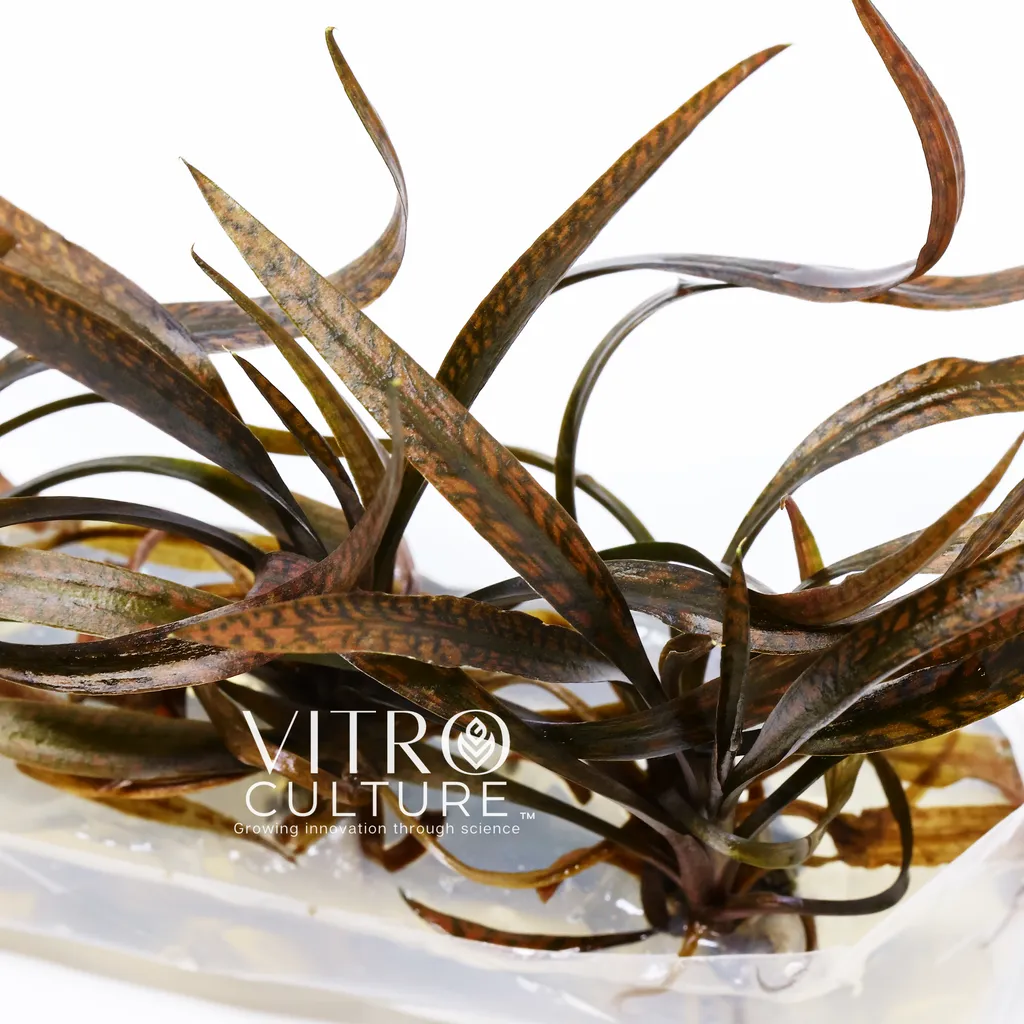
Cryptocoryne spiralis Red
Cryptocoryne spiralis 'Red'
Medium light · Background
 Medium lightBackground15.7 in (40 cm)
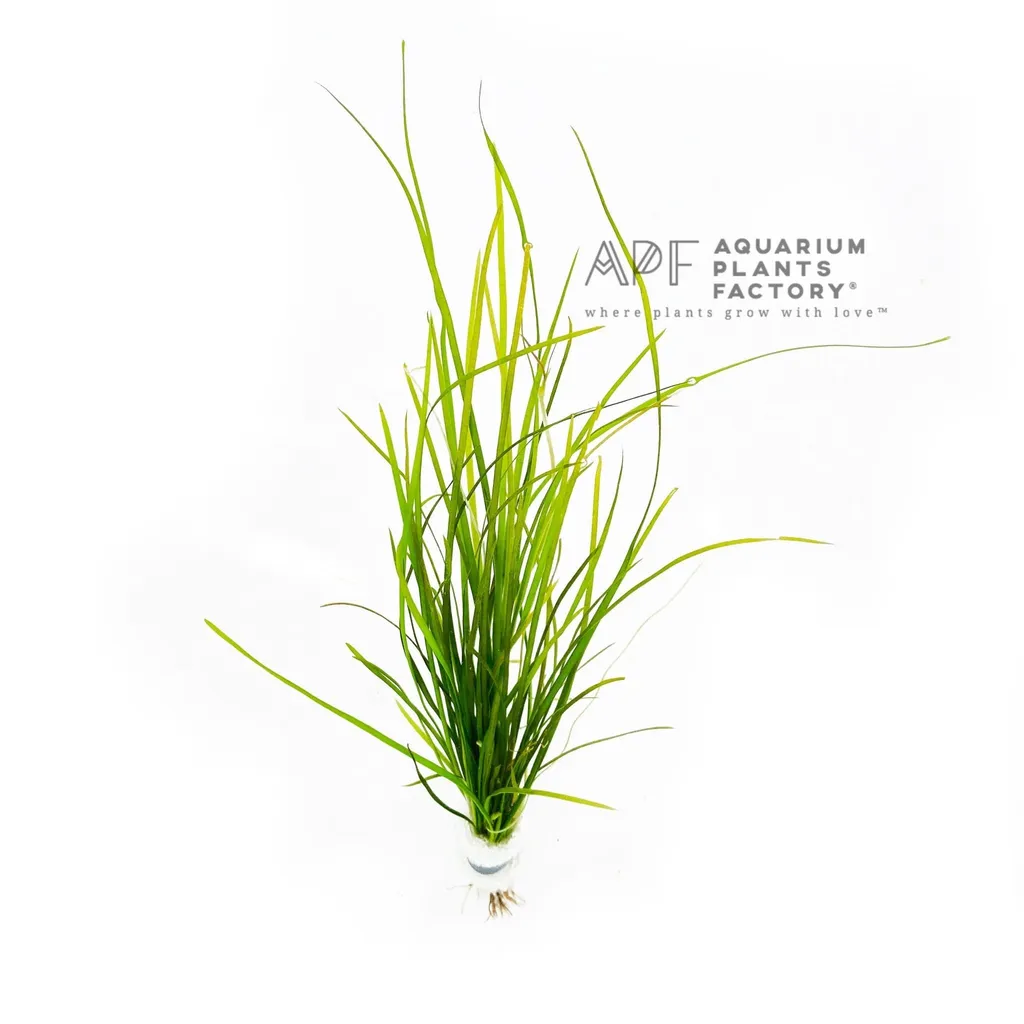
Dwarf vallisneria
Vallisneria nana
Medium light · Background