One species · 4 forms
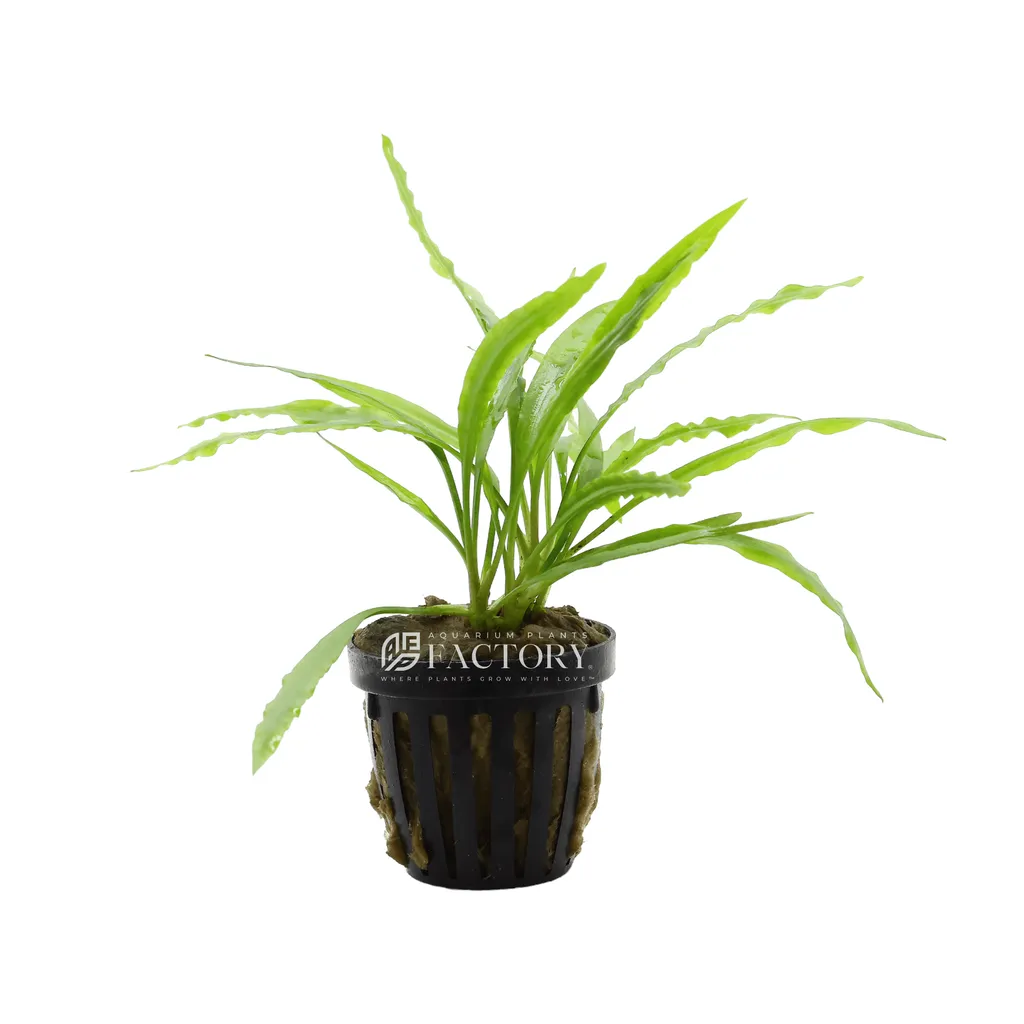
Cryptocoryne spiralis
Also known as Spiralis crypt, Cryptocoryne spiralis var. spiralis, Indian crypt
FreshwaterRosetteRunnersRhizome division
Care at a glance
- Light
- Low light
- CO2
- No CO₂ needed
- Temperature
- 72–82°F
- 22–28°C
- Max height
- 13.8 in
- 35 cm
- Growth rate
- Medium
- Placement
- Background
- Type
- Rosette
- pH
- 6.0–7.5
- Hardness
- 4–18 dGH
- Spread
- 5.9 in (15 cm)
- Nutrient uptake
- Root + water column
- Growth region
- Submersed or emersed
- Difficulty
- Easy
- Family
- Araceae
- Origin
- India
Pick a form
One setup covers every form on this page.
The vallisneria of crypts
Instead of the low rosette most crypts make, spiralis sends up long, twisted strap leaves and spreads by runners under the substrate. It fills a background the same way vallisneria does, just more slowly and with the crypt family's tolerance for low light and hard water.
Same melt rules as every crypt
Expect the usual transplant melt when it goes into a new tank: leaves dissolve, roots live, and fresh growth suited to your water follows. Feed the substrate with root tabs and leave the crowns alone; established stands shrug off changes that flatten fussier plants.
Overview
A grassy, narrow-leaved crypt for the background or midground that throws out runners freely once settled, so a single plant becomes a clump. It is genuinely undemanding: low light is fine, no CO2 is needed, and in a stocked tank the fish waste often covers its nutrient needs, though it feeds through its roots so rich substrate or root tabs help. Keep flow gentle since strong current can tatter the thin leaves, and expect the usual crypt melt after planting before it re-grows from the roots.
In the wild
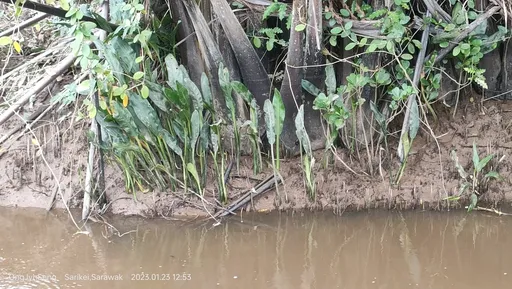
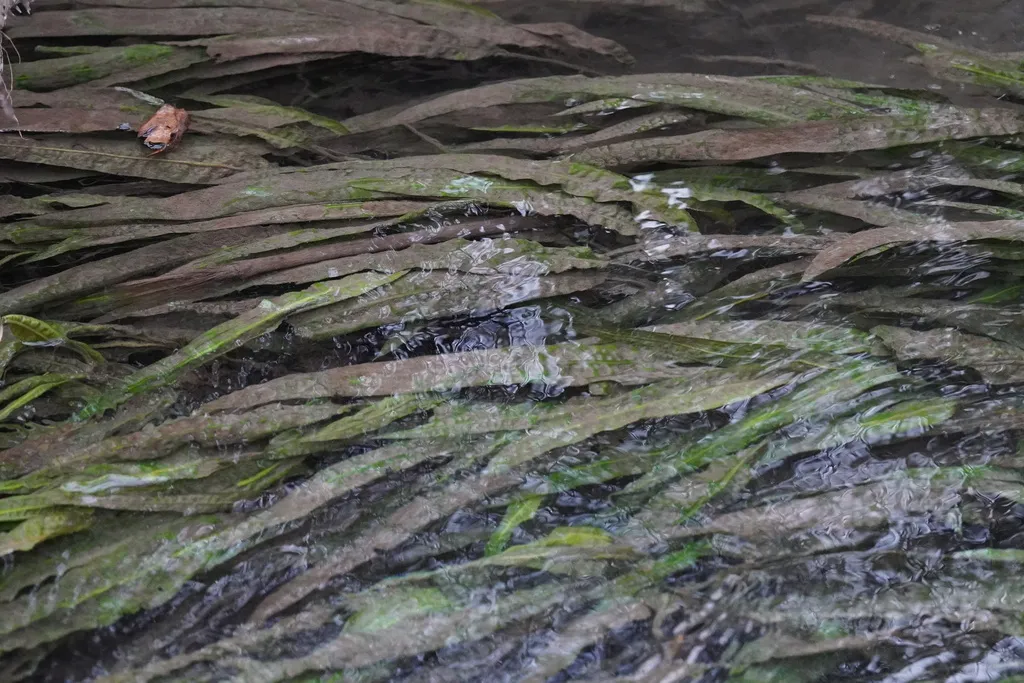
Native to southern India and Bangladesh, where it grows on riverbanks, in temporarily flooded wetlands and in rice paddies. In the paddies it is treated as a weed because it spreads so readily. It alternates between submersed and emersed growth as seasonal water levels rise and fall.
Good to know
Cryptocoryne spiralis is one of the few crypts native to mainland India rather than Sri Lanka or Southeast Asia, and it has several varieties (such as var. caudigera). It is in the family Araceae and reproduces sexually by spathe, but in the hobby it multiplies mostly by abundant runners.
Did you know
In Indian rice paddies spiralis is considered a nuisance weed, the same vigor that makes it frustrating for farmers makes it one of the easier, faster-spreading crypts in an aquarium.
Common questions
How tall does spiralis get?
Most forms reach 25 to 40 cm, which is background height in all but the largest tanks. The leaves arch over at the surface rather than stopping.
Does it spread?
Yes, steadily, by runners. A few crowns become a stand over a season; it stays manageable and pulls up cleanly where you do not want it.
Related plants
 Medium lightBackground19.7 in (50 cm)
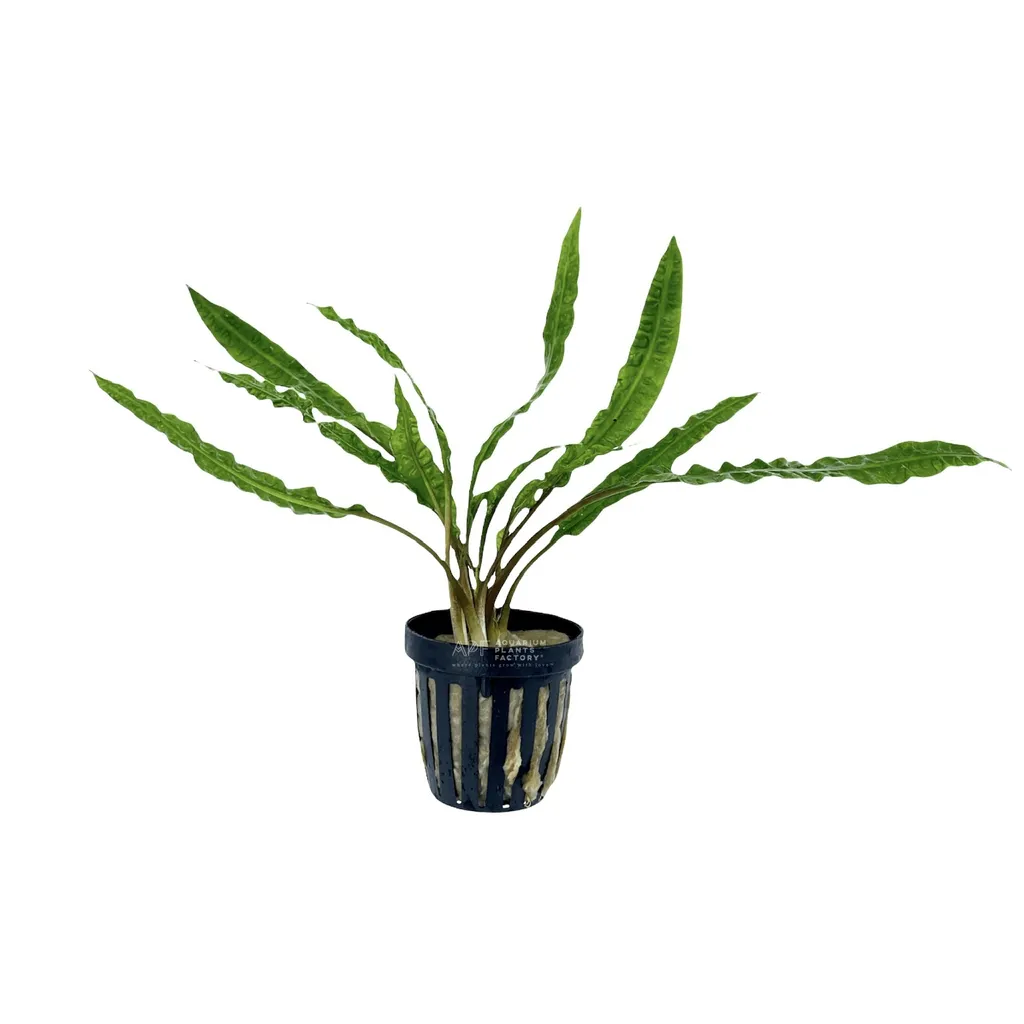
Cryptocoryne balansae
Cryptocoryne crispatula var. balansae
Medium light · Background
 Low lightBackground19.7 in (50 cm)
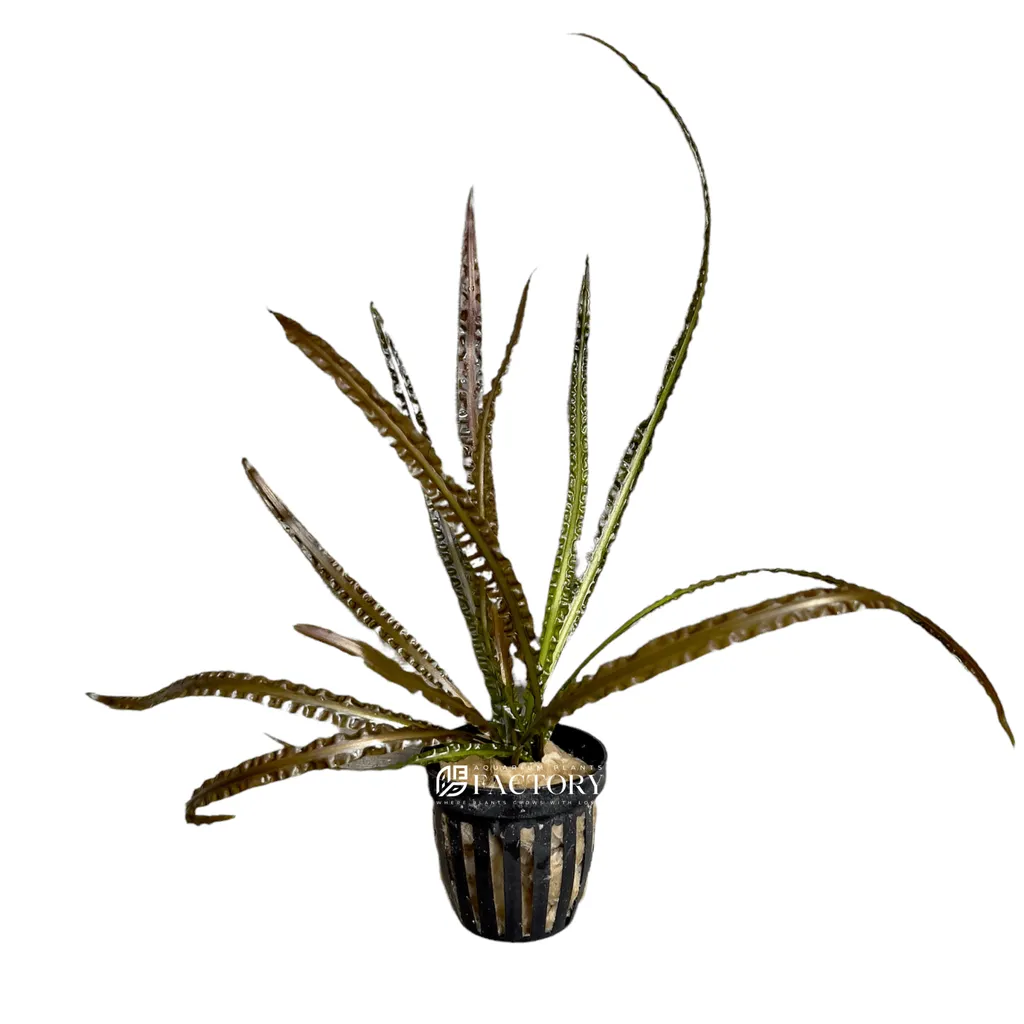
Cryptocoryne retrospiralis
Low light · Background
 Low lightBackground19.7 in (50 cm)
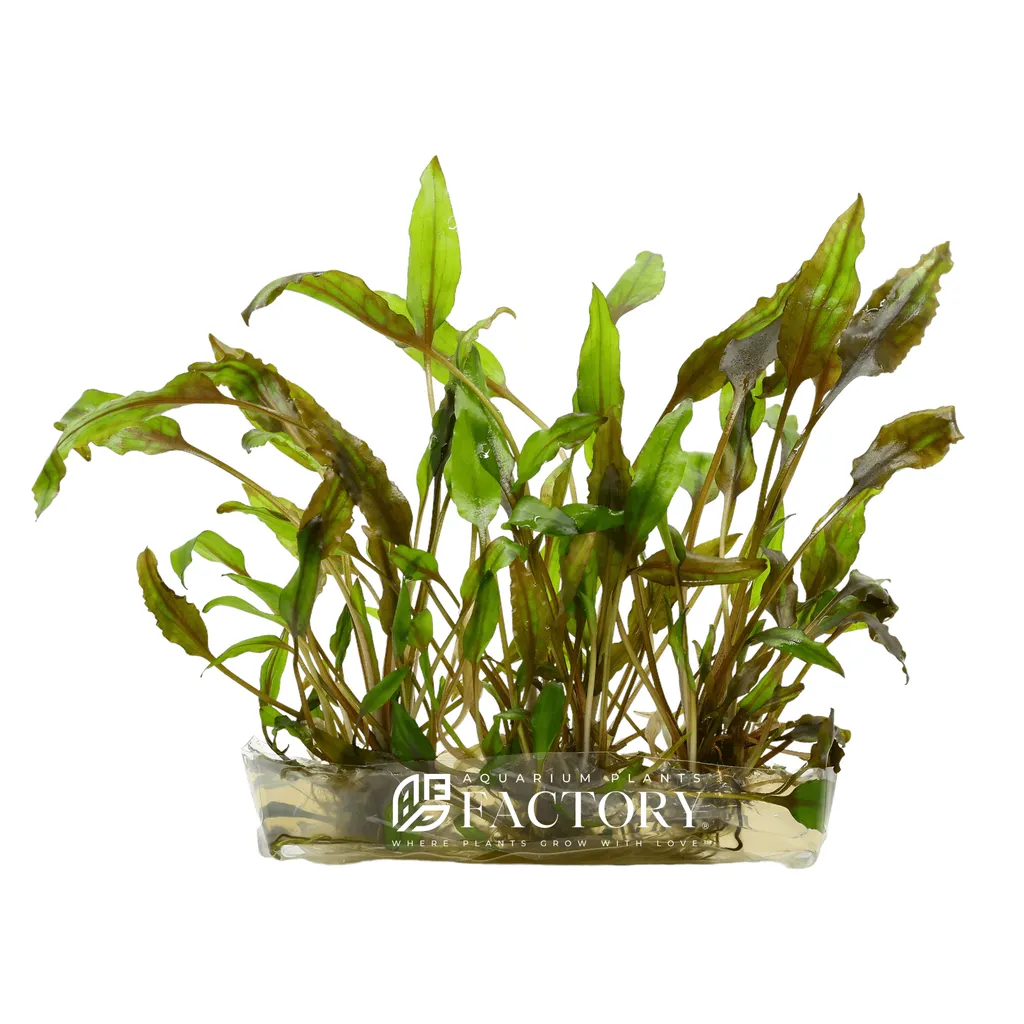
Cryptocoryne usteriana
Low light · Background
- Medium lightBackground19.7 in (50 cm)
Cryptocoryne tonkinensis
Cryptocoryne crispatula var. tonkinensis
Medium light · Background
 Medium lightBackground23.6 in (60 cm)
Cryptocoryne ciliata
Medium light · Background
 Medium lightBackground23.6 in (60 cm)
Cryptocoryne crispatula
Medium light · Background