Yellow pond lily
Nuphar lutea
Also known as Spatterdock, Brandy bottle, Yellow water lily, Cow lily, Nuphar luteum
FreshwaterRhizomeRhizome divisionSeeds
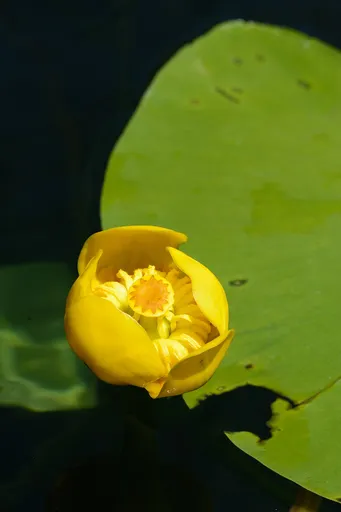
Care at a glance
- Light
- Medium light
- CO2
- CO₂ beneficial
- Temperature
- 50–82°F
- 10–28°C
- Max height
- 23.6 in
- 60 cm
- Growth rate
- Medium
- Placement
- Background
- Type
- Rhizome
- pH
- 6.0–7.5
- Hardness
- 2–15 dGH
- Spread
- 15.7 in (40 cm)
- Nutrient uptake
- Root feeder
- Growth region
- Submersed or emersed
- Difficulty
- Medium
- Family
- Nymphaeaceae
- Origin
- A hardy water lily of ponds, lakes, and slow rivers across Europe, western Asia, and North Africa, rooted in mud with leaves that reach the surface.
Overview
Yellow pond lily is a hardy water lily for the background, where its submerged leaves are the real draw. It is a plant of medium difficulty.
Did you know
The folk name of yellow pond lily, brandy bottle, comes from its flask-shaped seed pods. The flowers also carry a faint alcoholic scent.
Caring for yellow pond lily
Lay the thick rhizome on or just into a deep, nutrient-rich substrate, with the growing tip uncovered so it does not rot. Yellow pond lily is a large plant, reaching about 24 in (60 cm).
It is a strong root feeder, so let the rhizome feed heavily from the rich substrate and from root tabs. Medium light and added CO2 favor the prized submerged leaves, though it grows without injected CO2. It tolerates cool water from 50 to 82°F (10 to 28°C), so it works in unheated or temperate tanks.
It grows at a moderate pace and will send floating pads to the surface if allowed. Trim those pads to keep light reaching the lower plants. Divide the rhizome into pieces with several leaves each to propagate it.
Good to know
Yellow pond lily is a water lily in the family Nymphaeaceae. It grows two kinds of leaves, wavy, translucent underwater leaves shaped like lettuce and tougher, leathery floating pads. It grows from a large, thick, starchy rhizome that anchors it in the mud. It is also known as spatterdock and cow lily.
In the wild
Yellow pond lily lives in ponds, lakes and slow rivers across Europe, western Asia and North Africa. It roots in the mud, with leaves that reach the surface. Its small yellow, bottle-shaped flowers rise just above the water.
Common questions
Does yellow pond lily need to be planted in the substrate?
Yes. Push the roots into the substrate and keep the rhizome at the surface or just under it, with the growing tip uncovered.
Does yellow pond lily need CO2?
No, but it helps. Yellow pond lily can grow without injected CO2, and added CO2 makes it grow faster.
How much light does yellow pond lily need?
Yellow pond lily wants medium light. A light sold for planted tanks covers it.
Does yellow pond lily need root tabs?
Yes. Yellow pond lily draws much of its food through its roots. Push root tabs in near it, or grow it in a nutrient-rich soil.
How do you propagate yellow pond lily?
Yellow pond lily propagates by rhizome division. Cut the rhizome into pieces with several leaves each, then tie or plant each piece.
How tall does yellow pond lily grow?
Yellow pond lily grows to about 23.6 in (60 cm) tall. It grows at a moderate pace.
Related plants
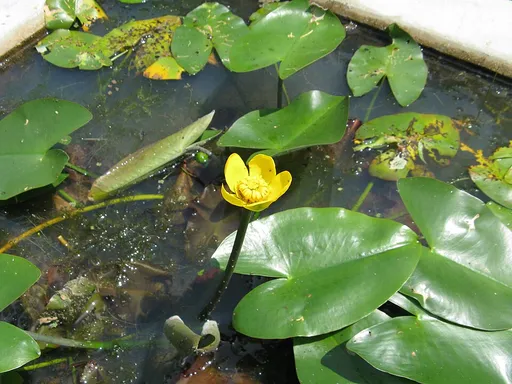 Medium lightBackground23.6 in (60 cm)
Japanese spatterdock
Nuphar japonica
Medium light · Background
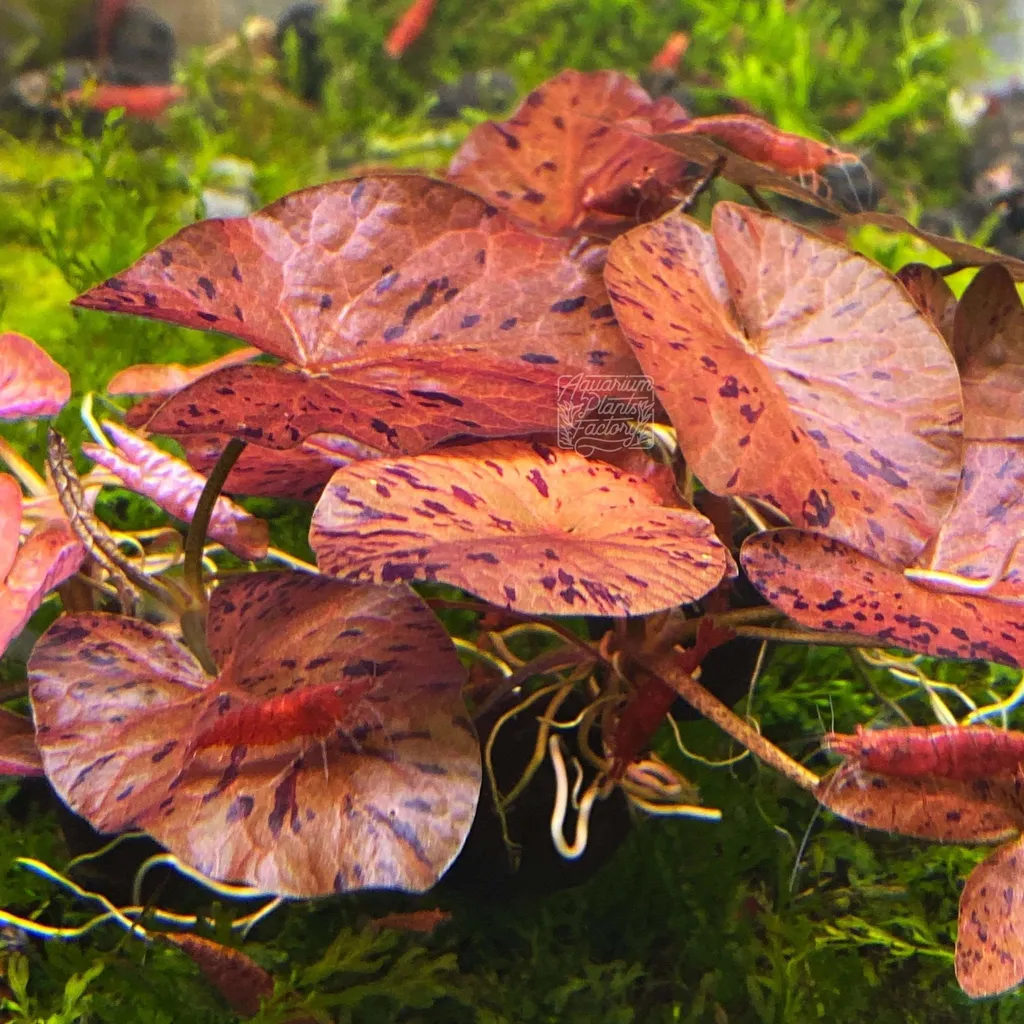 Medium lightMidground23.6 in (60 cm)
Red tiger lotus
Nymphaea lotus
Medium light · Midground
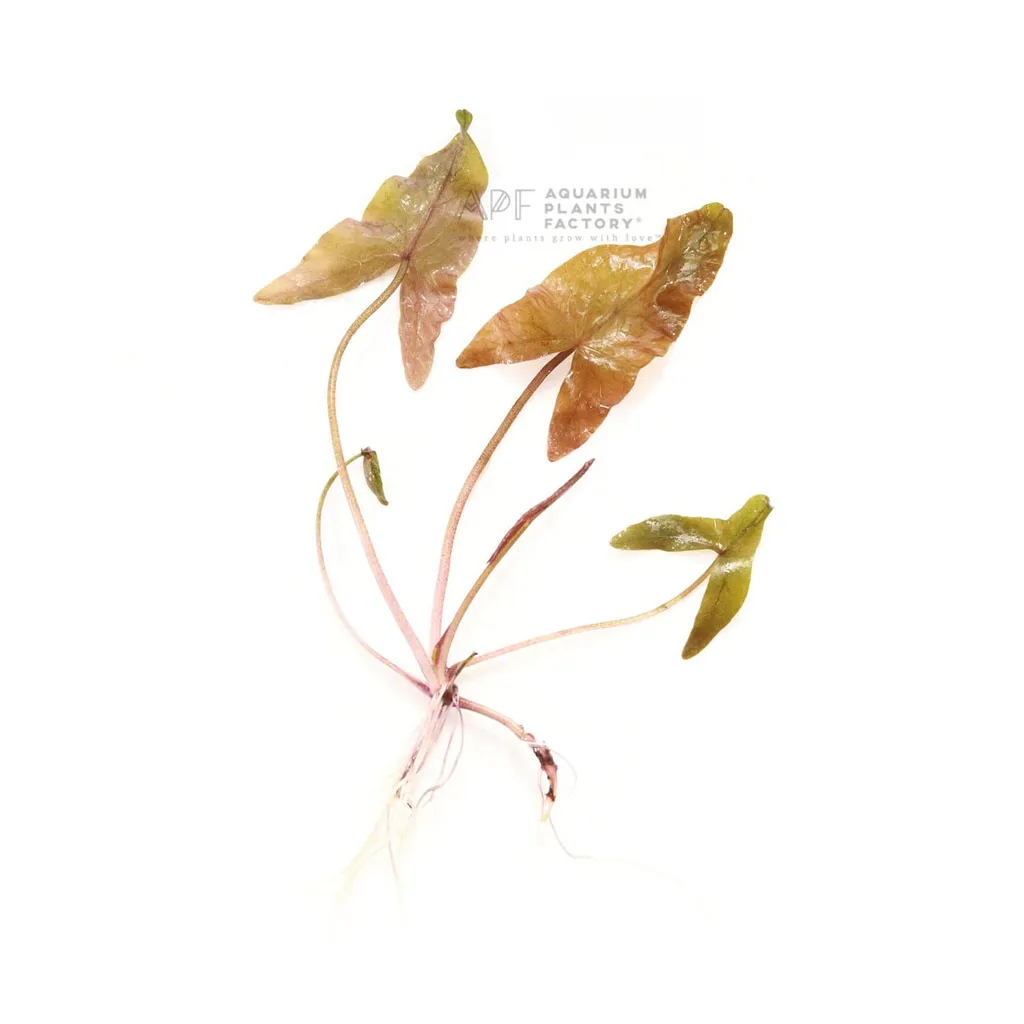 Medium lightMidground23.6 in (60 cm)
Red water lily
Nymphaea rubra
Medium light · Midground
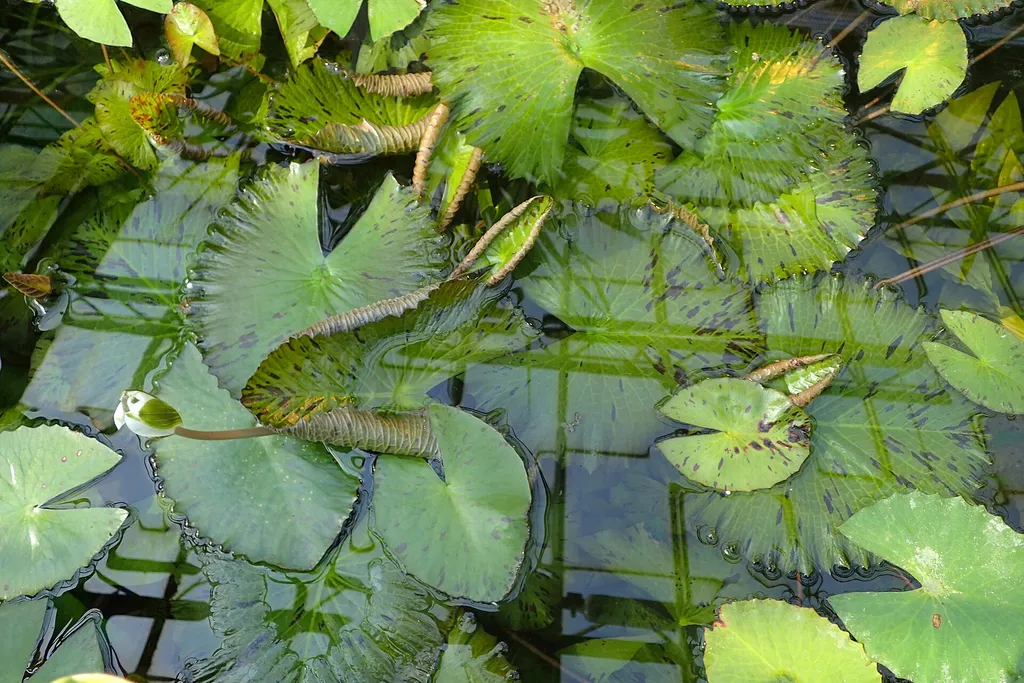 Medium lightMidground19.7 in (50 cm)
Tiger lotus
Nymphaea lotus
Medium light · Midground
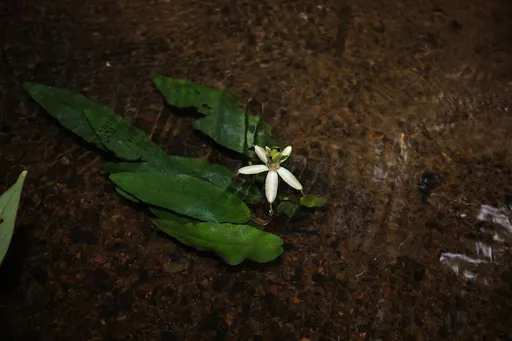 Medium lightMidground15.7 in (40 cm)
Orchid lily
Barclaya longifolia
Medium light · Midground
- Medium lightMidground15.7 in (40 cm)
Orchid lily Rosea
Barclaya longifolia 'Rosea'
Medium light · Midground