Japanese spatterdock
Nuphar japonica
Also known as Spatterdock, Japanese pond lily, Nuphar japonicum
FreshwaterRhizomeRhizome division
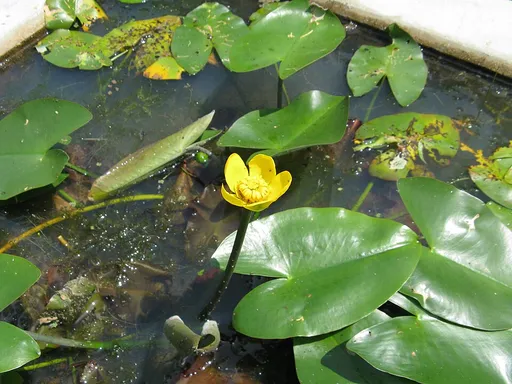
Care at a glance
- Light
- Medium light
- CO2
- CO₂ beneficial
- Temperature
- 61–79°F
- 16–26°C
- Max height
- 23.6 in
- 60 cm
- Growth rate
- Slow
- Placement
- Background
- Type
- Rhizome
- pH
- 6.0–7.5
- Hardness
- 2–15 dGH
- Spread
- 11.8 in (30 cm)
- Nutrient uptake
- Root feeder
- Growth region
- Submersed or emersed
- Difficulty
- Medium
- Family
- Nymphaeaceae
- Origin
- East Asia (Japan, Korea, China)
Overview
A slow-growing rhizome plant that rewards patience and good light. Lay the rhizome on or just into a rich substrate and do not bury it fully or it will rot; use root tabs since it feeds mainly through the roots. It prefers cooler, harder water than most tropical lilies, so it suits temperate and subtropical tanks. Give it bright light and it holds beautiful ruffled translucent submersed leaves, but it will try to send leaves to the surface, so remove floating pads to keep it fully submersed. Best as a background feature in larger tanks or a paludarium centrepiece.
In the wild
Native to East Asia, mainly Japan, Korea and parts of China, where it grows in ponds, slow streams and pond margins. It grows from a thick creeping rhizome and produces translucent, wavy-edged arrow- to heart-shaped submersed leaves, with tougher floating and emergent leaves developing at the surface. In the open it raises small yellow cup-shaped flowers above the water.
Good to know
A member of the water lily family Nymphaeaceae in the genus Nuphar, the pond lilies or spatterdocks, distinguished from Nymphaea by their yellow, partly closed flowers. It grows from a stout horizontal rhizome (often sold loosely as a 'bulb') rather than a rounded tuber, and reproduces both by seed and by division of that rhizome. The translucent submersed leaves are prized by aquascapers.
Did you know
Did you know spatterdock rhizomes were historically used as food and folk medicine in Japan, and unlike white water lilies the genus Nuphar holds its yellow flowers only half-open, which is why the plants are also called brandy-bottles.
Related plants
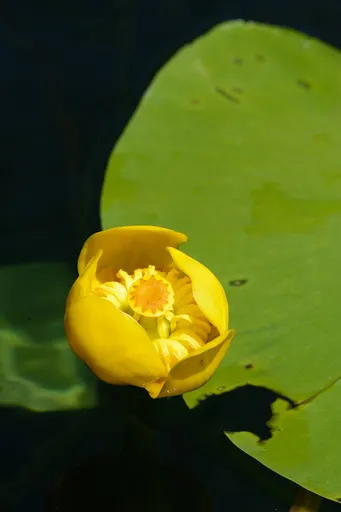 Medium lightBackground23.6 in (60 cm)
Yellow pond lily
Nuphar lutea
Medium light · Background
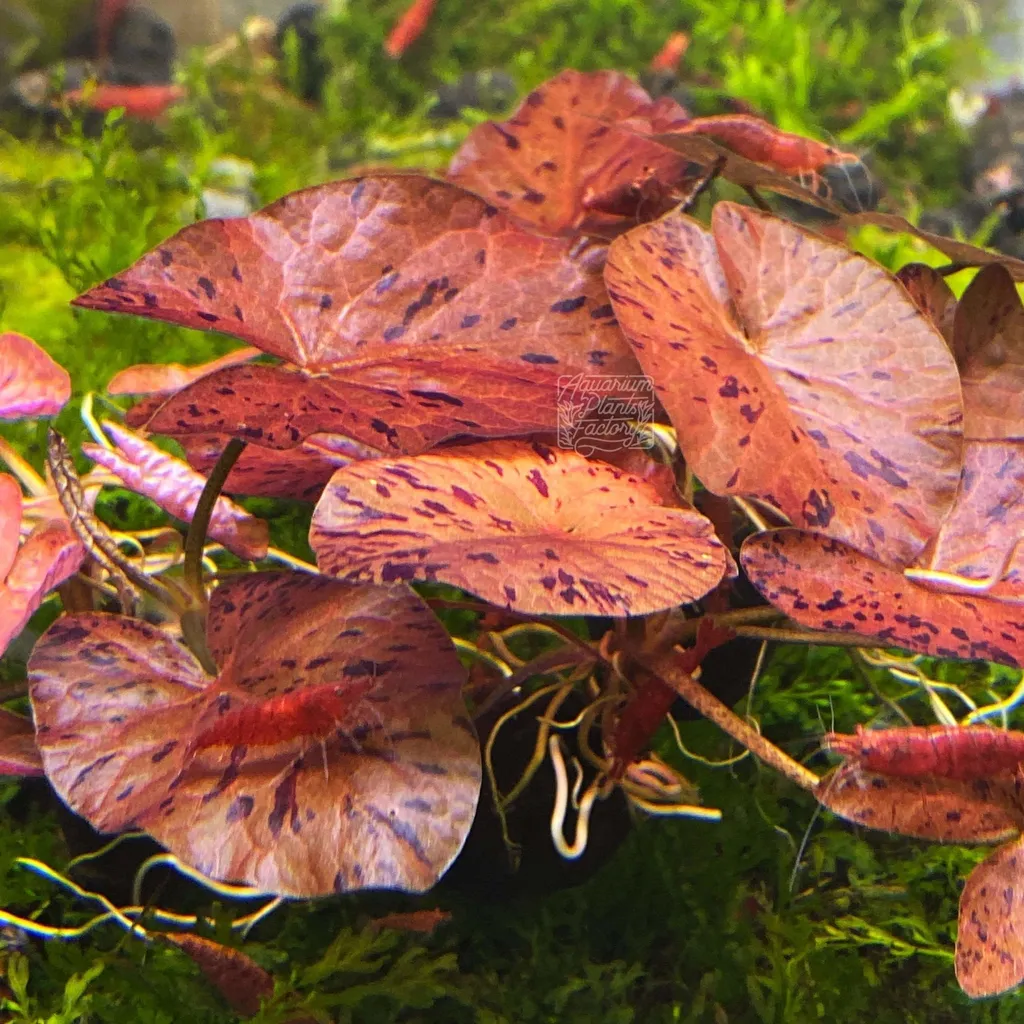 Medium lightMidground23.6 in (60 cm)
Red tiger lotus
Nymphaea lotus
Medium light · Midground
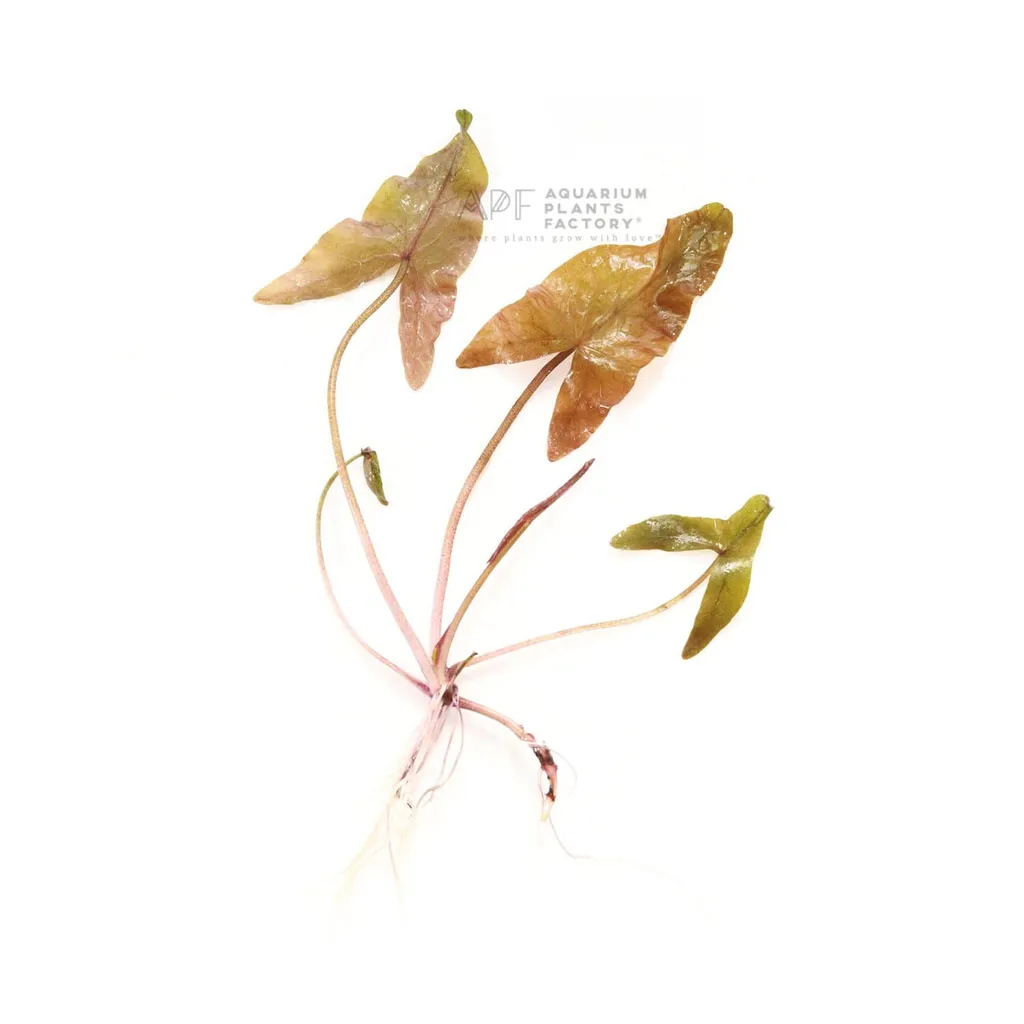 Medium lightMidground23.6 in (60 cm)
Red water lily
Nymphaea rubra
Medium light · Midground
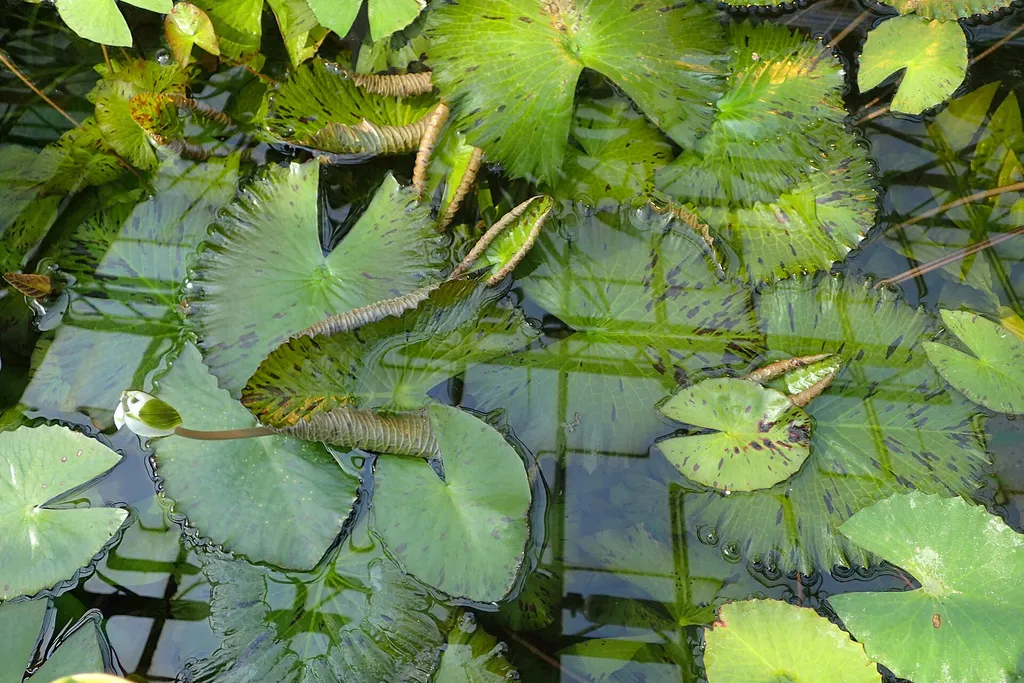 Medium lightMidground19.7 in (50 cm)
Tiger lotus
Nymphaea lotus
Medium light · Midground
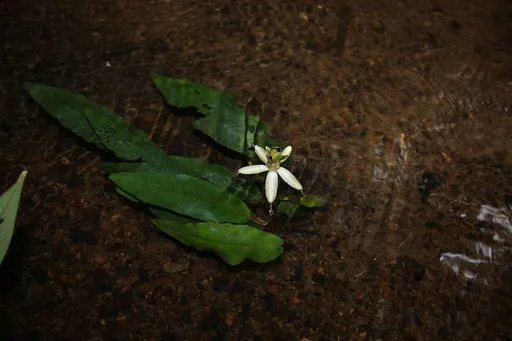 Medium lightMidground15.7 in (40 cm)
Orchid lily
Barclaya longifolia
Medium light · Midground
- Medium lightMidground15.7 in (40 cm)
Orchid lily Rosea
Barclaya longifolia 'Rosea'
Medium light · Midground