One species · 1 form
Anubias congensis
Anubias heterophylla
Also known as Anubias barteri var. congensis, Congo Anubias
FreshwaterRhizomeRhizome division
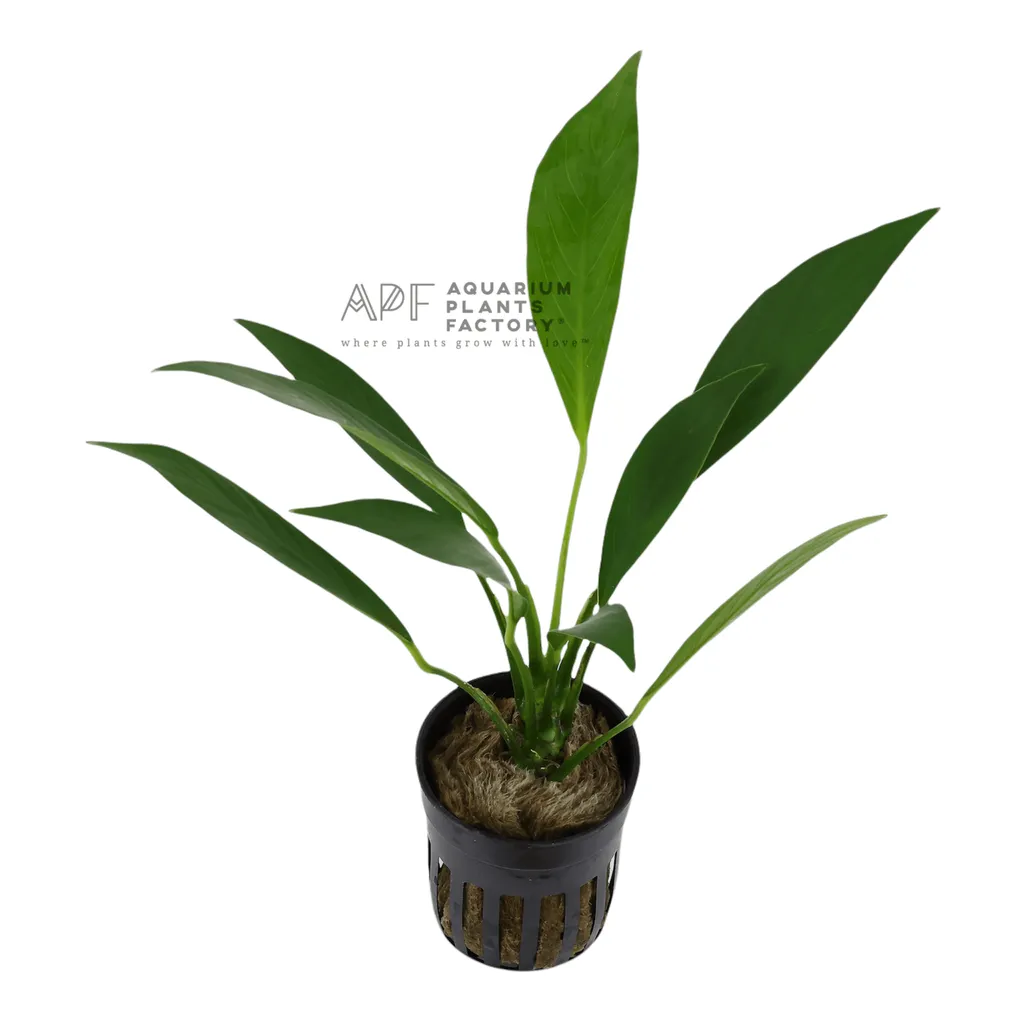
Care at a glance
- Light
- Low light
- CO2
- No CO₂ needed
- Temperature
- 72–82°F
- 22–28°C
- Max height
- 15.7 in
- 40 cm
- Growth rate
- Slow
- Placement
- Background
- Type
- Rhizome
- pH
- 5.5–8.0
- Hardness
- 2–15 dGH
- Spread
- 9.8 in (25 cm)
- Nutrient uptake
- Root + water column
- Growth region
- Submersed or emersed
- Difficulty
- Easy
- Family
- Araceae
- Origin
- Central Africa (Cameroon, Gabon, Equatorial Guinea, Congo region)
Pick a form
Congensis Mini takes the same rhizome care as the regular plant, with low light and no CO2 needed.
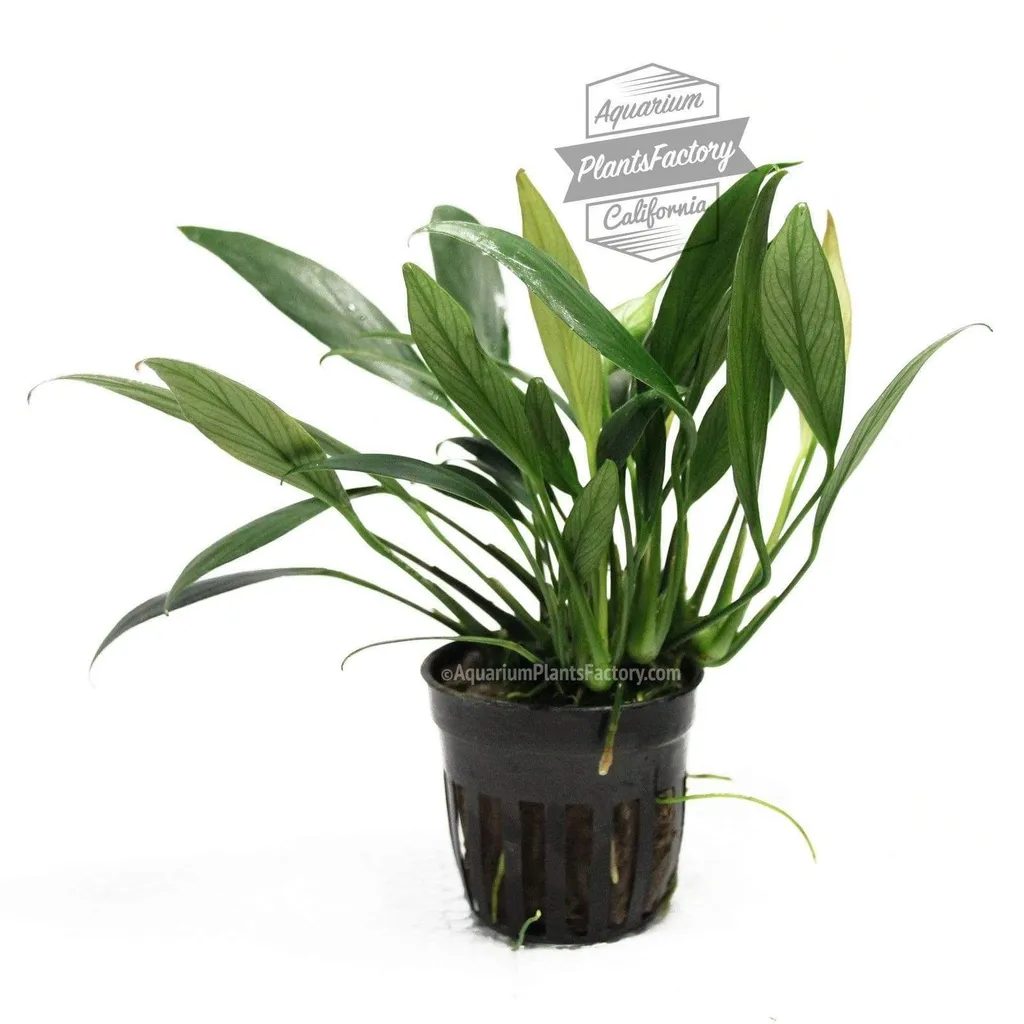
Overview
Anubias congensis is a larger anubias and an easy, slow grower.
Did you know
Anubias congensis can flower underwater, sending up a small spadix wrapped in a spathe, like every Anubias.
Caring for Anubias congensis
Tie or glue the rhizome to wood or rock and keep it above the substrate, since a buried rhizome rots. It is undemanding in low light with no CO2, though added CO2 and fertilizer speed up its slow growth.
Its leaves last a long time, so wipe algae off them rather than waiting for new growth to replace them.
Congensis Mini is a dwarf, narrow-leaved version of the plant sold as Anubias congensis. It grows as a tight clump of many narrow, upright, lance-shaped leaves in deep green. The regular plant has fewer, larger, lighter leaves on long stalks.
Congensis Mini fits the foreground and midground, or a crevice in the hardscape. The regular plant belongs in the background or a tall midground spot, where its leaves can reach 30 to 40 cm.
Good to know
Anubias congensis is an aroid in the family Araceae. DNA and flower studies place the plant sold as Anubias congensis within Anubias heterophylla, and A. congensis N.E.Brown is now a synonym. The name heterophylla means different-leaved, after the variable leaf shape across its range.
In the wild
Anubias congensis is native to the rainforest streams of Central Africa, from Cameroon and Gabon through the Congo basin. It grows along shaded, slow-moving riverbanks, rooted in mud or clinging to wood and rock at the water's edge. It lives submersed or emersed as the water level changes.
Common questions
Does Anubias congensis Mini stay small?
Congensis Mini tops out around 13 cm. Young plants of the regular congensis also sell in small pots, and Aquarium Plants Factory says those reach 25 to 35 cm.
Why is algae growing on my Anubias congensis Mini?
Congensis Mini grows slowly, so algae settles on its leaves under strong light. Detritus left sitting on the leaves brings algae too. Keep the light low and wipe algae off the older leaves.
Does Anubias congensis need to be planted in the substrate?
No. Anubias congensis grows attached to rock or wood, so tie or glue the rhizome in place. If you plant its roots, keep the rhizome above the substrate, since a buried rhizome rots.
Does Anubias congensis need CO2?
No. Anubias congensis grows well without added CO2 and suits a low-tech tank.
How much light does Anubias congensis need?
Anubias congensis is a low-light plant, and the light that comes with a standard tank kit is enough for it.
Does Anubias congensis need root tabs?
No. Anubias congensis feeds from the water, so a liquid fertilizer suits it better. Root tabs only help if its roots reach into the substrate.
How do you propagate Anubias congensis?
Anubias congensis propagates by rhizome division. Cut the rhizome into pieces with several leaves each, then tie or plant each piece.
Related plants
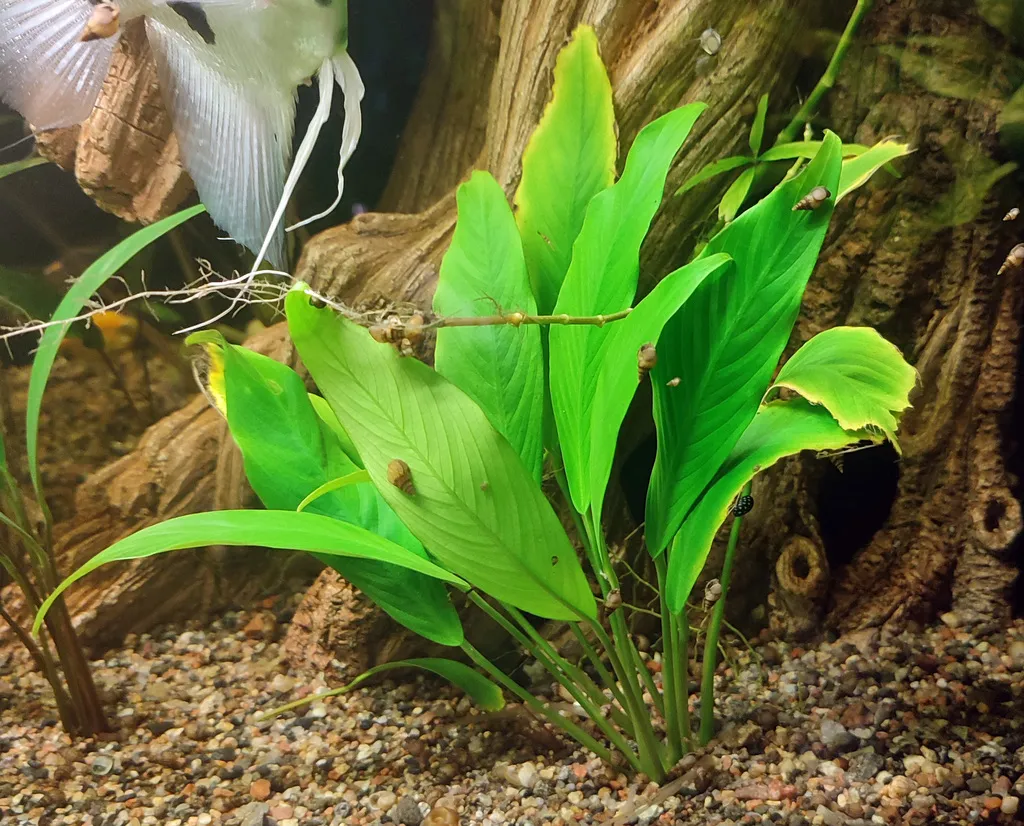 Medium lightBackground15.7 in (40 cm)
Anubias afzelii
Medium light · Background
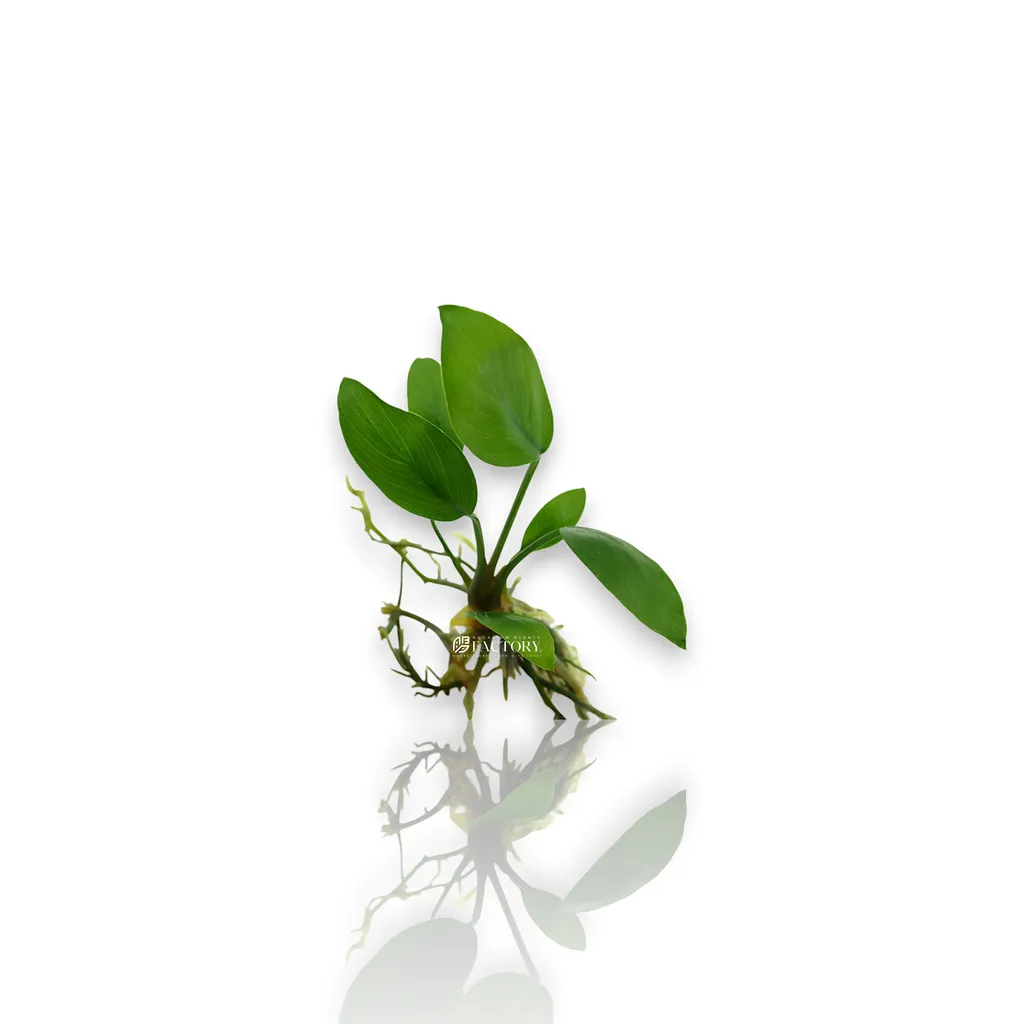 Low lightBackground15.7 in (40 cm)
Anubias hastifolia
Low light · Background
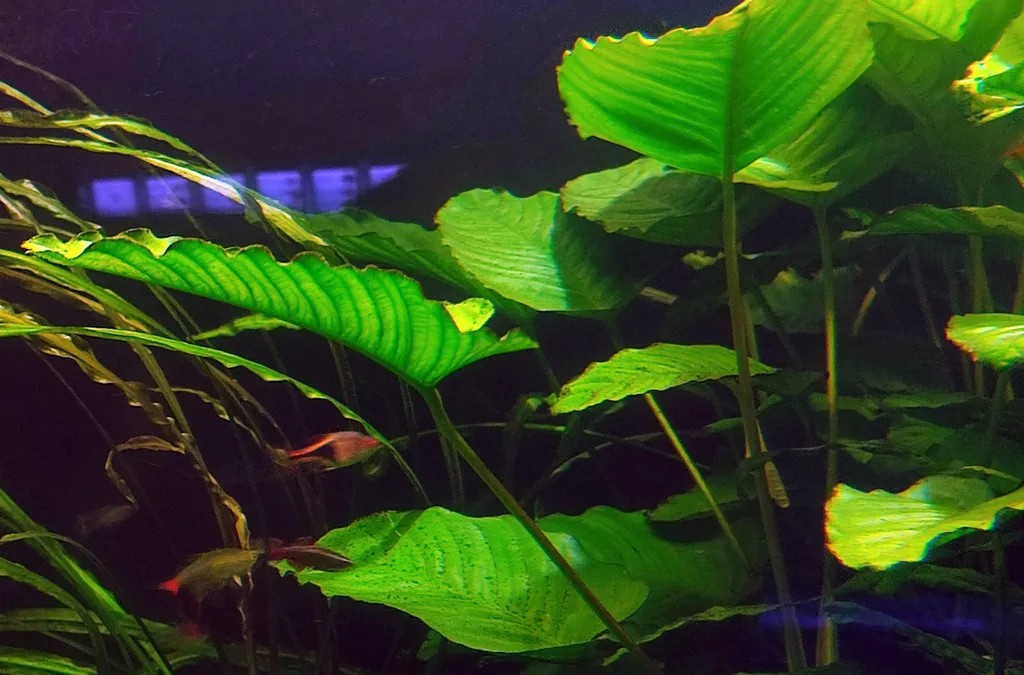 Low lightBackground19.7 in (50 cm)
Anubias gigantea
Low light · Background
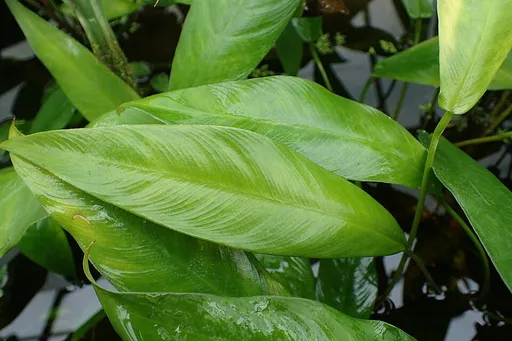 Low lightEpiphyte15.7 in (40 cm)
Anubias gracilis
Low light · Epiphyte
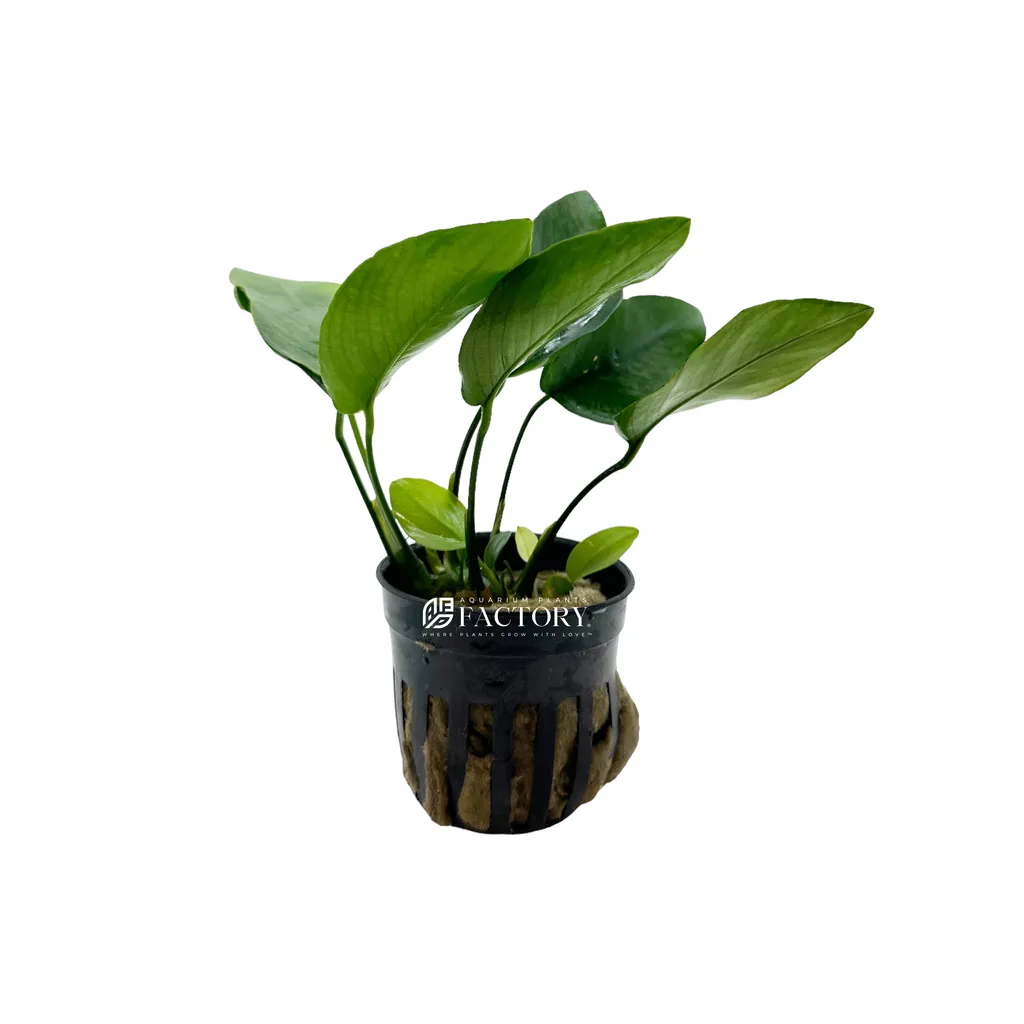 Low lightEpiphyte13.8 in (35 cm)
Anubias barteri
Low light · Epiphyte
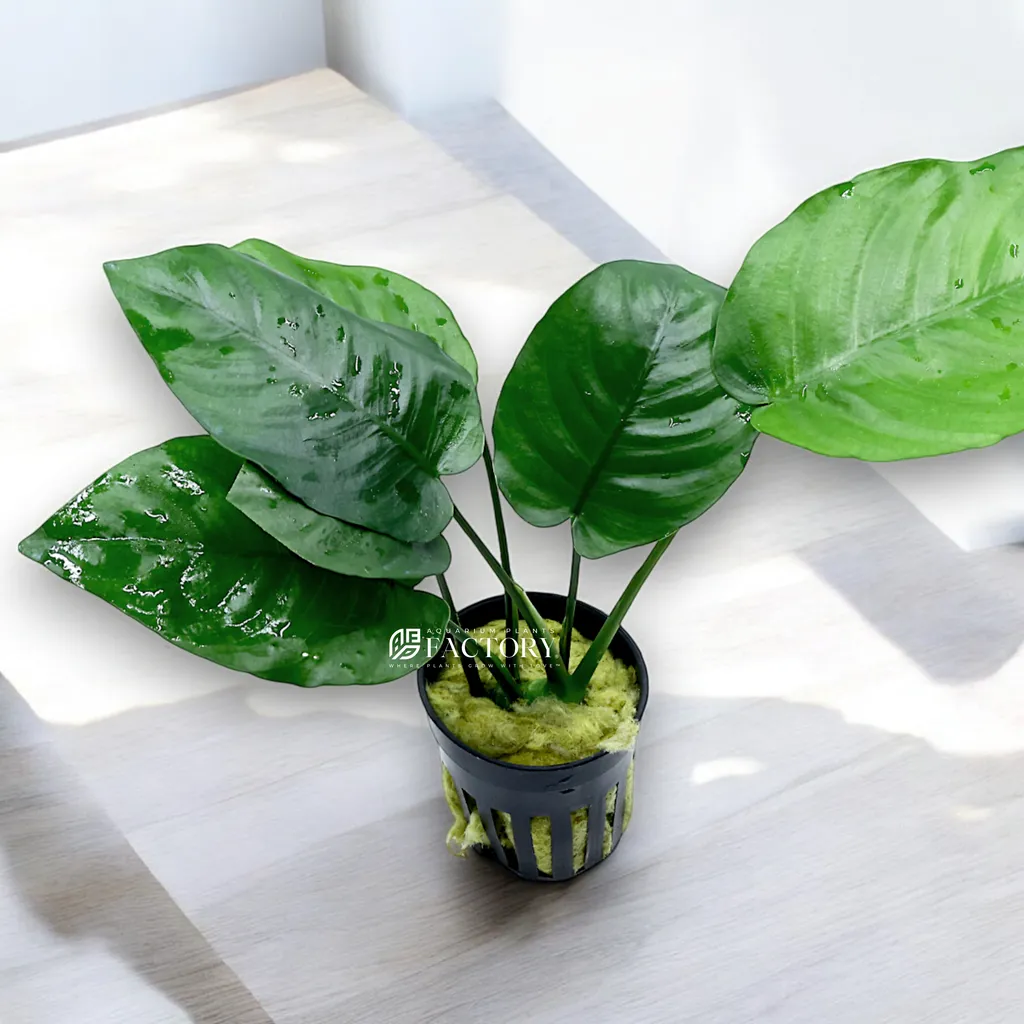 Low lightEpiphyte11.8 in (30 cm)
Anubias Broad Leaf
Anubias barteri var. barteri 'Broad Leaf'
Low light · Epiphyte