Anubias afzelii
Also known as Afzelius' Anubias
FreshwaterRhizomeRhizome division
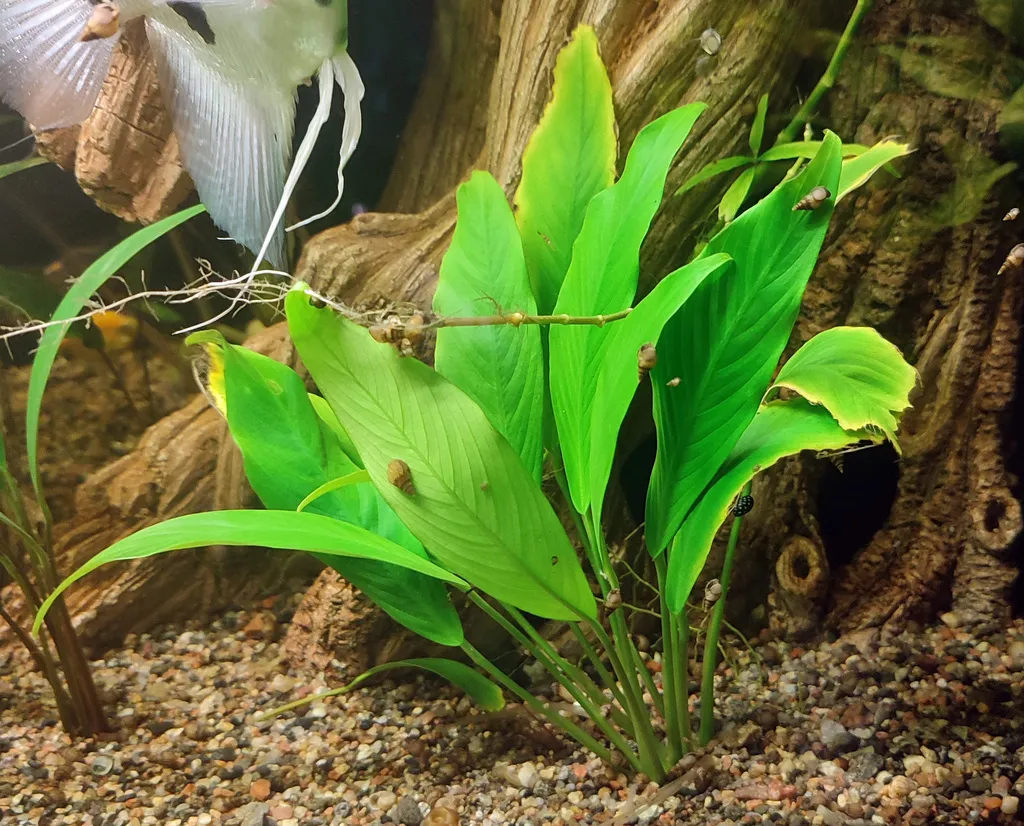
Care at a glance
- Light
- Medium light
- CO2
- No CO₂ needed
- Temperature
- 72–82°F
- 22–28°C
- Max height
- 15.7 in
- 40 cm
- Growth rate
- Slow
- Placement
- Background
- Type
- Rhizome
- pH
- 6.0–8.0
- Hardness
- 2–15 dGH
- Spread
- 11.8 in (30 cm)
- Nutrient uptake
- Root + water column
- Growth region
- Submersed or emersed
- Difficulty
- Easy
- Family
- Araceae
- Origin
- West Africa savanna (Senegal, Guinea, Sierra Leone, Mali)
Overview
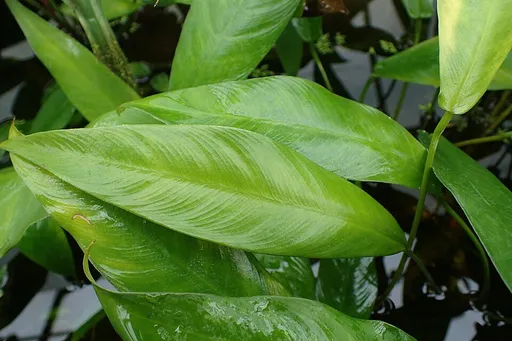
A robust, upright Anubias for the background or tall midground, with long leathery leaves. Mount the rhizome on wood or rock and keep it exposed, since burying it leads to rot. It handles medium light better than most Anubias and needs no CO2, but growth is slow at about a leaf per month. Its toughness and bad taste to fish make it a reliable choice for cichlid and goldfish tanks where softer plants get eaten.
In the wild
Unlike most Anubias, this species comes from the savanna zone of northern West Africa, ranging across Senegal, Guinea, Sierra Leone and Mali. It grows on sunny to shaded river and stream banks, tolerating brighter, more open conditions than its rainforest relatives.
Good to know
An Anubias species in the family Araceae, named after the botanist Adam Afzelius who collected in Sierra Leone. It has elongated, leathery lance-shaped leaves. Because of its savanna origin it accepts a little more light than shade-loving Anubias, and it is one of the species historically muddled with the 'congensis' trade name.
Did you know
While nearly every other Anubias hails from shaded rainforest, afzelii evolved in open savanna, which is why it copes with stronger lighting that would scorch its shade-loving cousins.
Related plants
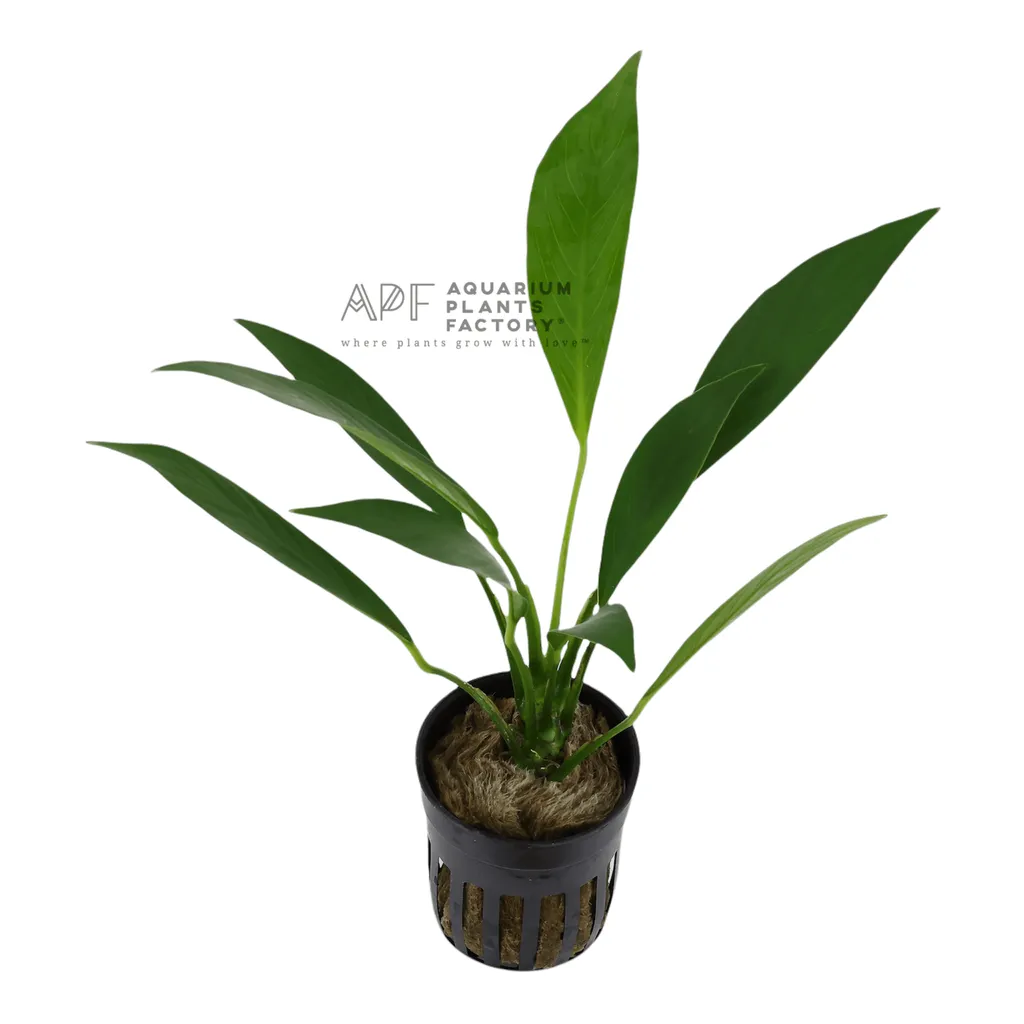 Low lightBackground15.7 in (40 cm)
Anubias congensis
Anubias heterophylla
Low light · Background
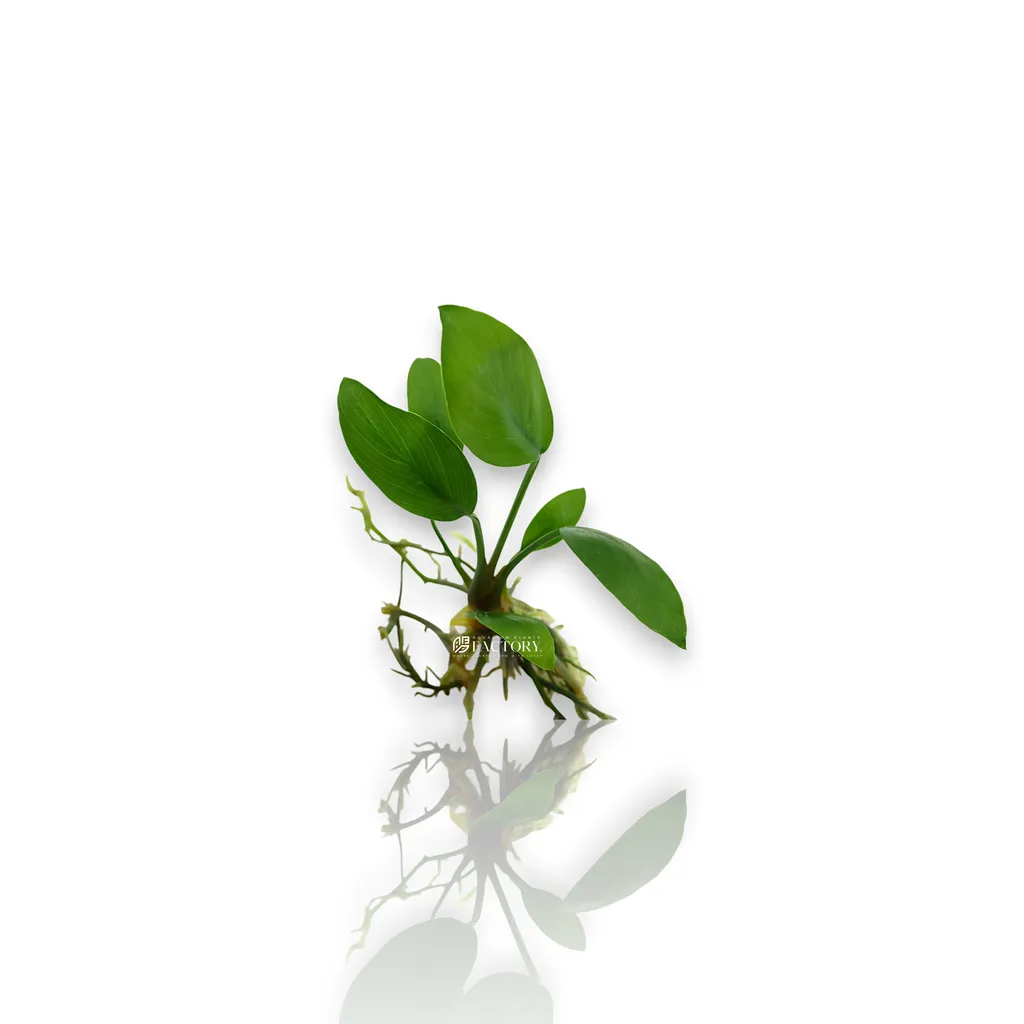 Low lightBackground15.7 in (40 cm)
Anubias hastifolia
Low light · Background
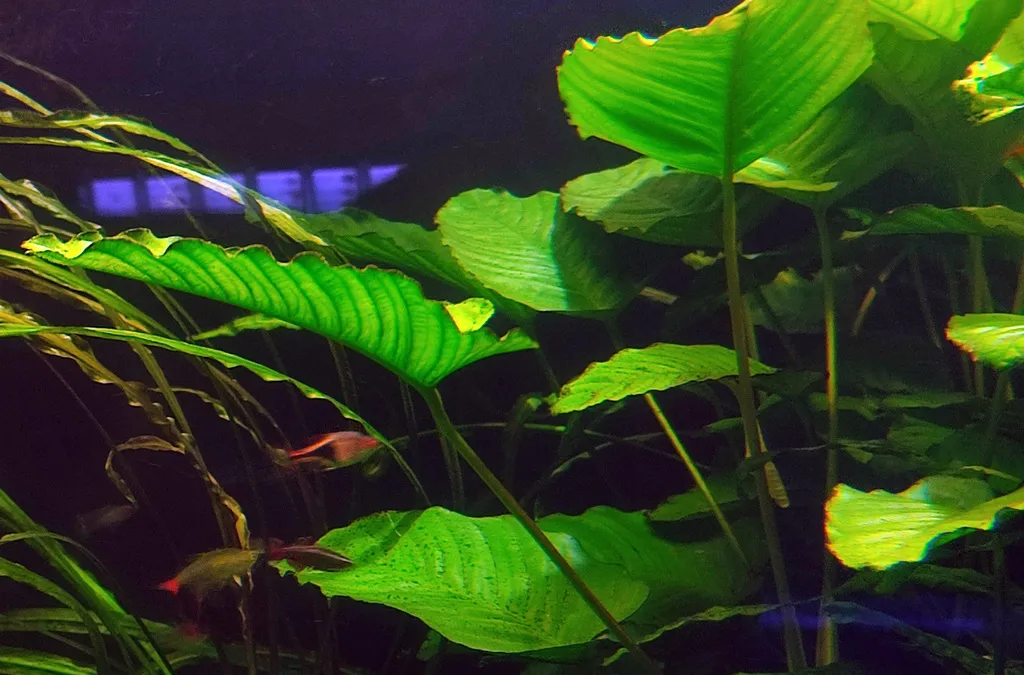 Low lightBackground19.7 in (50 cm)
Anubias gigantea
Low light · Background
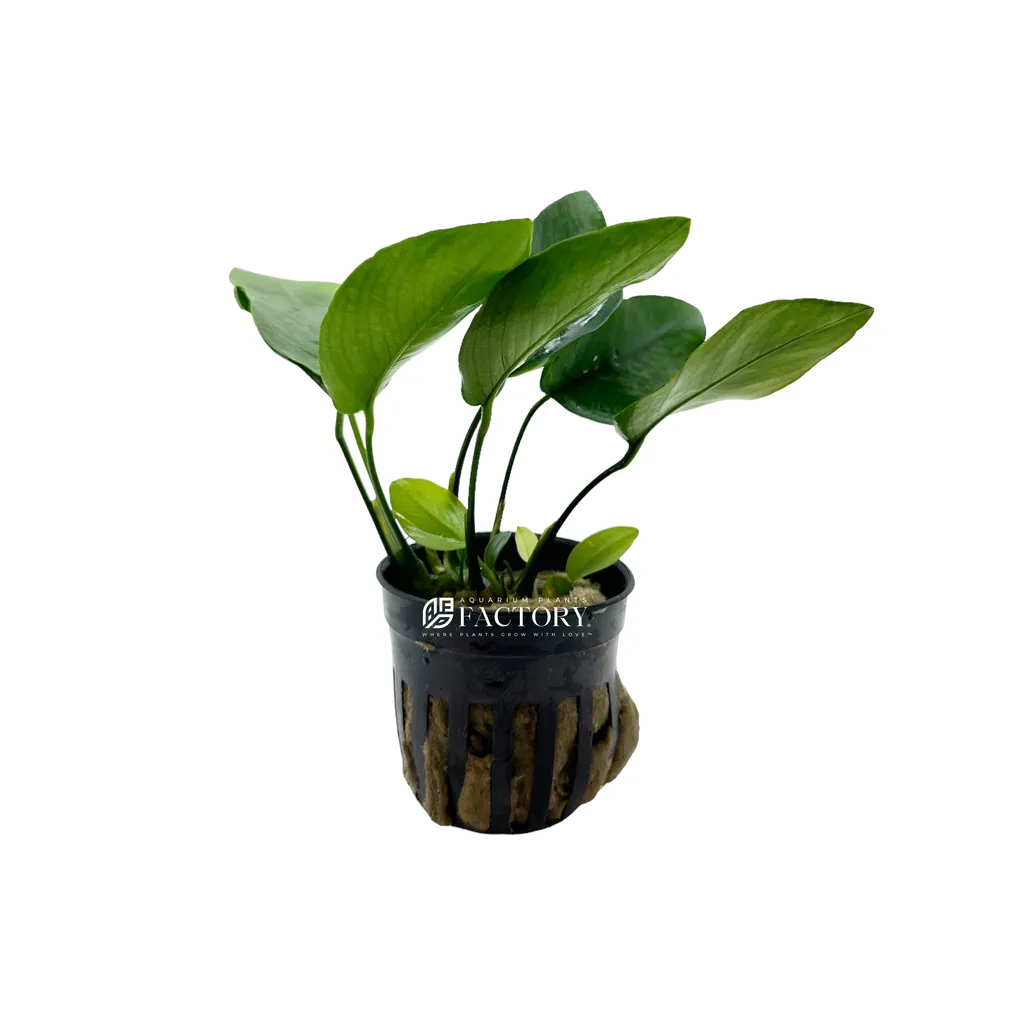
 Low lightEpiphyte15.7 in (40 cm)
Anubias gracilis
Low light · Epiphyte
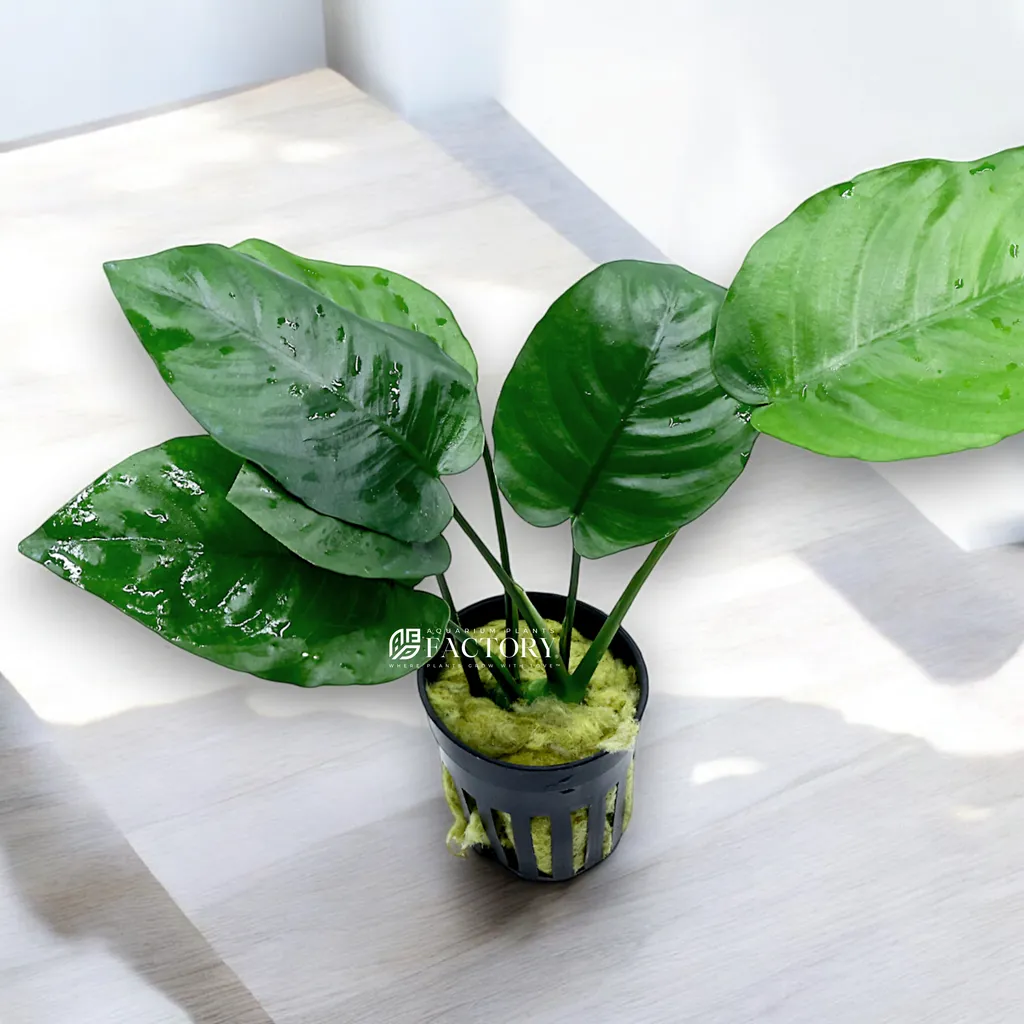
 Low lightEpiphyte13.8 in (35 cm)
Anubias barteri
Low light · Epiphyte
 Low lightEpiphyte11.8 in (30 cm)
Anubias Broad Leaf
Anubias barteri var. barteri 'Broad Leaf'
Low light · Epiphyte