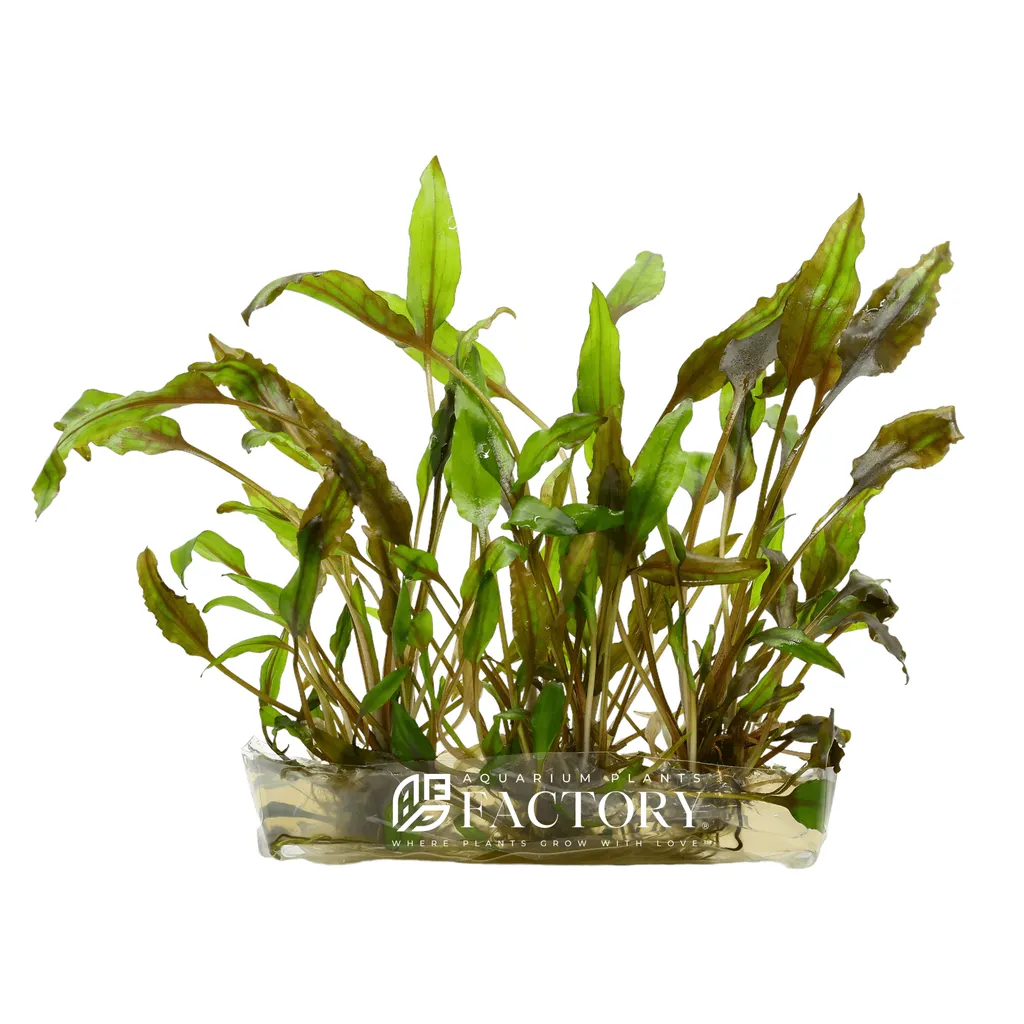
Cryptocoryne crispatula
FreshwaterRosetteRunnersRhizome division
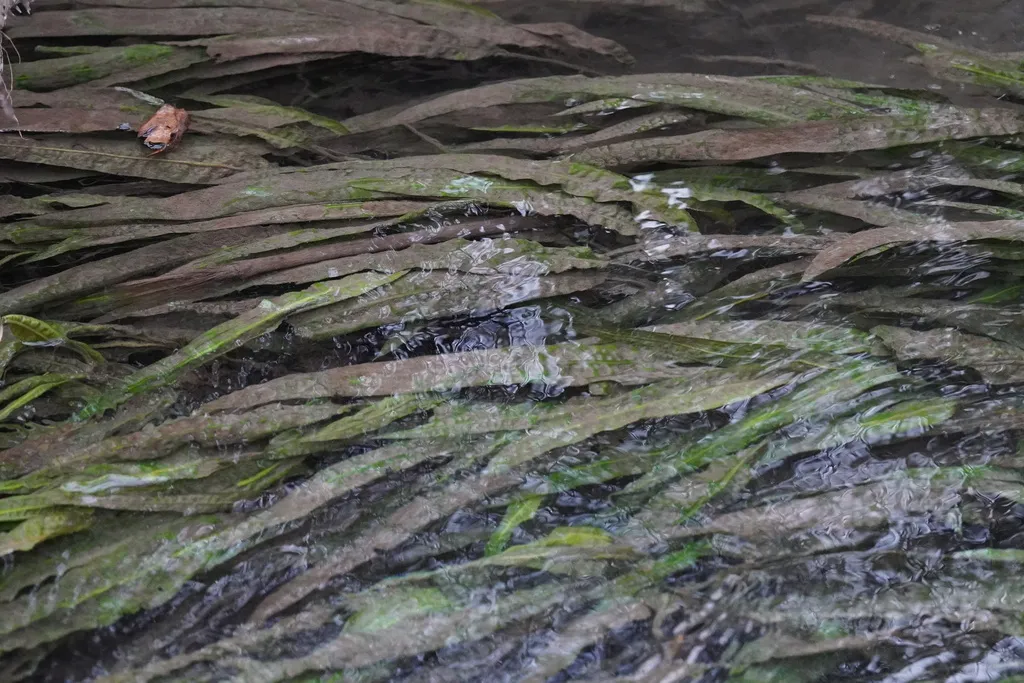
Care at a glance
- Light
- Medium light
- CO2
- CO₂ beneficial
- Temperature
- 72–82°F
- 22–28°C
- Max height
- 23.6 in
- 60 cm
- Growth rate
- Medium
- Placement
- Background
- Type
- Rosette
- pH
- 6.0–7.5
- Hardness
- 5–18 dGH
- Spread
- 7.9 in (20 cm)
- Nutrient uptake
- Root + water column
- Growth region
- Submersed or emersed
- Difficulty
- Easy
- Family
- Araceae
- Origin
- Northeast India to South China and Indo-China (Thailand, Laos, Vietnam, Cambodia, Myanmar, southern China)
Overview
A tall background crypt whose long grassy, crinkled leaves sway in the current and add height to larger tanks. It needs an acclimatization period before it takes off, and it will melt if uprooted or hit by sudden parameter swings, so plant it once and leave it. Root tabs or aquasoil, medium light and stable water suit it best, and it handles hard, alkaline water better than most crypts thanks to its limestone-stream origin.
In the wild
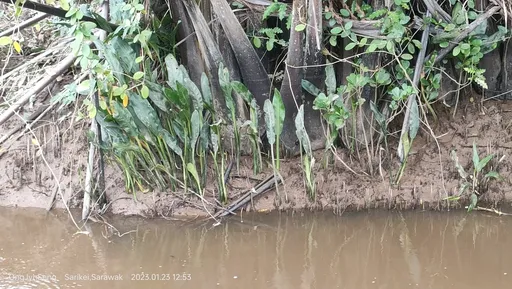
Cryptocoryne crispatula ranges from northeast India through Indo-China into south China, growing in streams and rivers. The popular aquarium form, var. balansae, comes from fast-flowing, calcium-rich streams over limestone in Thailand, Laos, Vietnam and southern China, which is why it tolerates hard water well. It grows submersed in flowing water and emersed along banks as levels drop.
Good to know
The accepted botanical name is Cryptocoryne crispatula Engl. in the arum family Araceae, with several recognized varieties including balansae, crispatula and planifolia. Its narrow, strongly ruffled and fluted leaves can reach 20 to 60 cm long, an adaptation to living in current. Like all crypts it flowers by a spadix enclosed in a trumpet-shaped spathe, the origin of the common name water trumpet.
Did you know
Did you know the aquarium trade name 'balansae' honors 19th century botanist Benedikt Balansa, and the plant's naturally rippled leaf edges are not a sign of poor health but a genetic trait, unlike most plants where crinkled leaves mean a nutrient or CO2 problem.
Related plants
 Medium lightBackground23.6 in (60 cm)
Cryptocoryne ciliata
Medium light · Background
 Medium lightBackground19.7 in (50 cm)
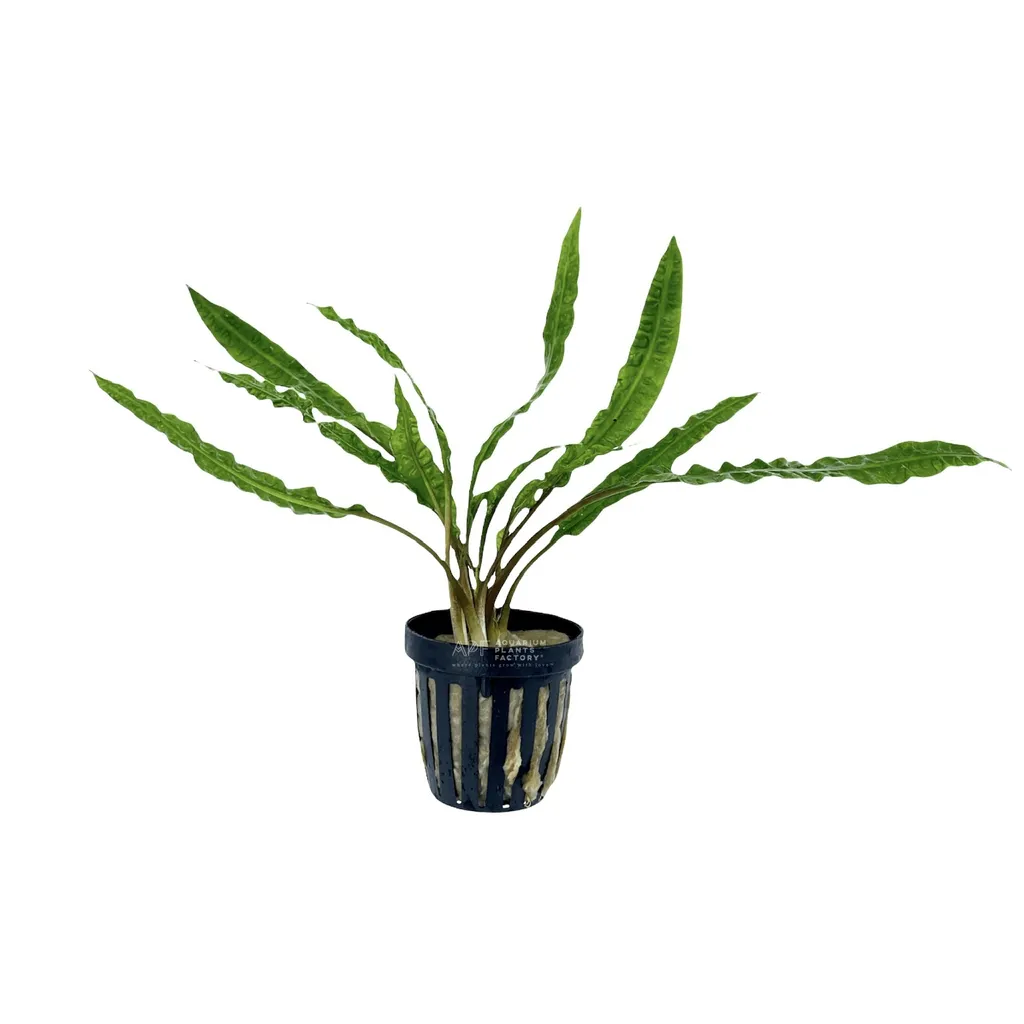
Cryptocoryne balansae
Cryptocoryne crispatula var. balansae
Medium light · Background
 Low lightBackground19.7 in (50 cm)
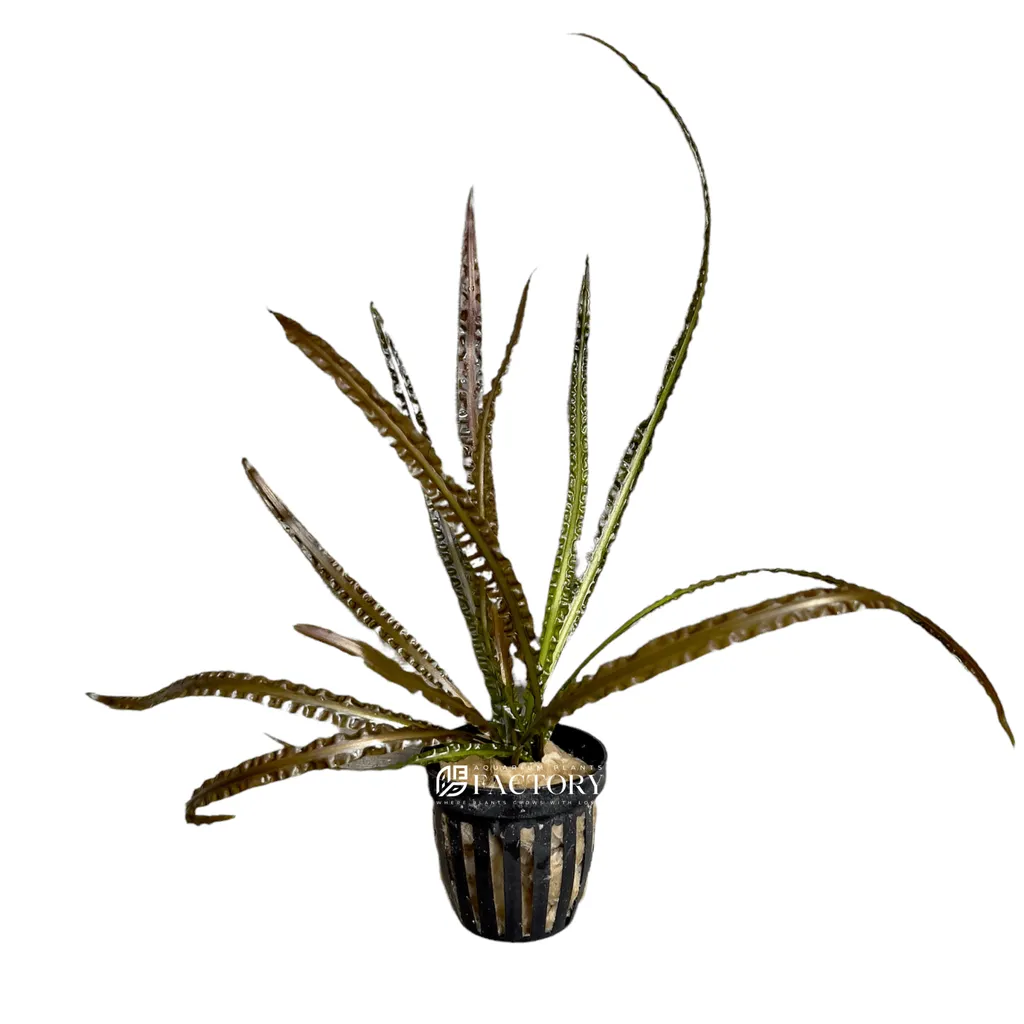
Cryptocoryne retrospiralis
Low light · Background
 Low lightBackground19.7 in (50 cm)
Cryptocoryne usteriana
Low light · Background
- Medium lightBackground19.7 in (50 cm)
Cryptocoryne tonkinensis
Cryptocoryne crispatula var. tonkinensis
Medium light · Background
- Low lightBackground15.7 in (40 cm)
Cryptocoryne spiralis Nari
Cryptocoryne spiralis 'Nari'
Low light · Background