Pygmy carplet
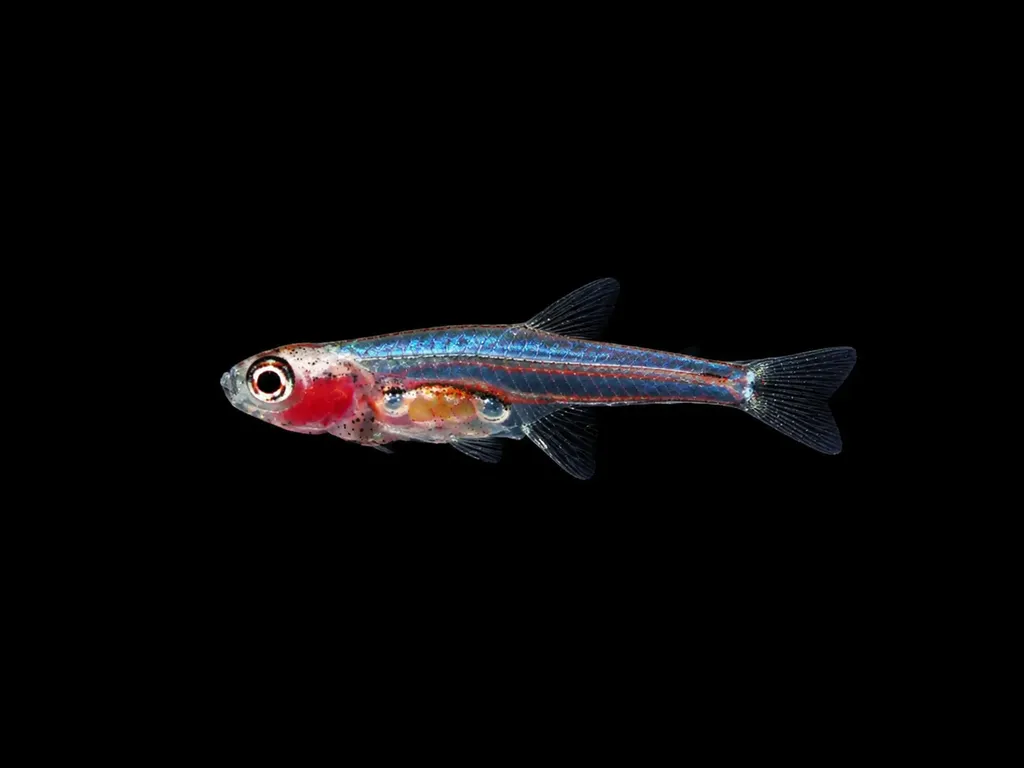
Paedocypris progenetica
Also known as Miniature carp, Ruby rasbora
FreshwaterFish
Care at a glance
- Temperature
- 75–82°F
- 24–28°C
- pH
- 4.5–6.5
- Adult size
- 0.5 in
- 1.2 cm
- Minimum tank
- 5 gal
- 20 L
- Temperament
- Peaceful
- Social behavior
- Schooling
- Swim level
- Middle
- Difficulty
- Difficult
- Breeding
- Hard
- Rarity
- Rare
- Family
- Cyprinidae
- Origin
- Peat swamps of Sumatra and Bintan, Indonesia
Overview
The pygmy carplet is a specialist's fish, a tiny schooling species for an acid blackwater nano tank. It is for experienced keepers only.
Did you know
The pygmy carplet took the title of world's smallest fish when it was described in 2006. A dozen of them weigh less than a paperclip, and a whole school could ship in a shot glass.
Caring for the pygmy carplet
Give pygmy carplets a mature nano blackwater tank of at least 5 gal (20 L). Use sponge-shielded filtration only, since an ordinary intake can pull them in. They need absolute gentleness.
Keep the water at 75 to 82°F (24 to 28°C) and a pH of 4.5 to 6.5, and guard that acid blackwater chemistry. Feed infusoria-grade and micro foods.
Keep a school on its own, or with equally microscopic company. Pygmy carplets are peaceful and swim in the middle of the tank. Breeding them is hard.
Good to know
The pygmy carplet, Paedocypris progenetica, belongs to the family Cyprinidae and is among the smallest vertebrates known. Its females mature at under 8 millimeters. The skeleton stays partly cartilage for the fish's whole life.
In the wild
The pygmy carplet lives in the blackwater peat swamps of Sumatra and Bintan, Indonesia. The water there is stained dark and is nearly as acidic as vinegar.
Weekly picks
Tank mates
The pygmy carplet is a peaceful, schooling species that keeps to the middle. These picks share a community profile with it, are safe together in both directions, and overlap on water type, temperature and pH.
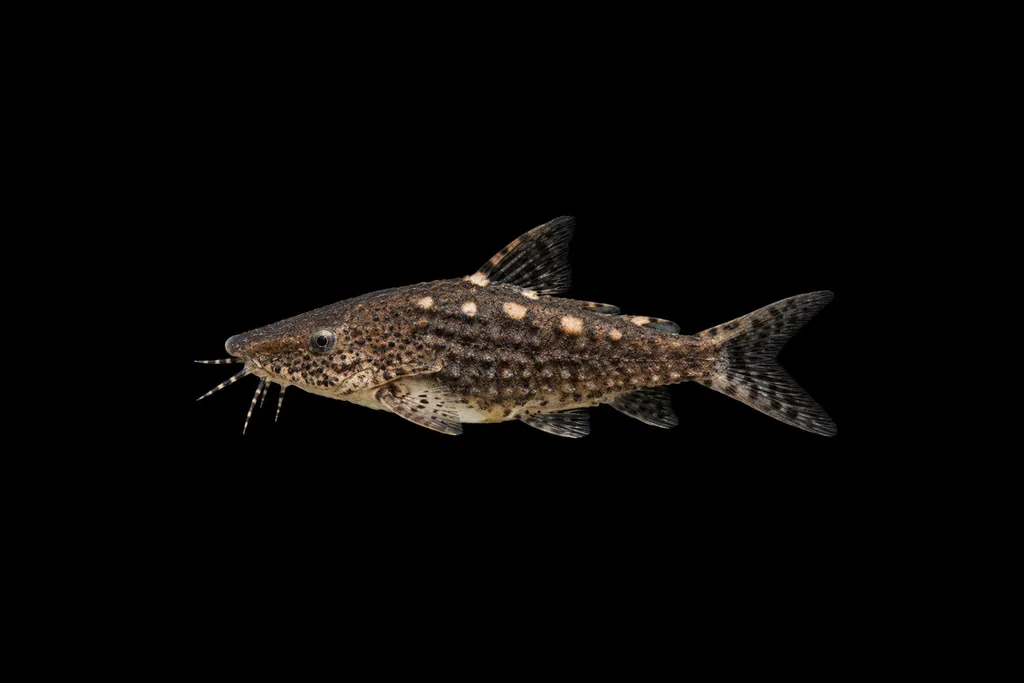
Dwarf warty catfish
Parakysis notialis
Freshwater1 in (2.5 cm) · 11 gal (40 L)73–82°F (23–28°C)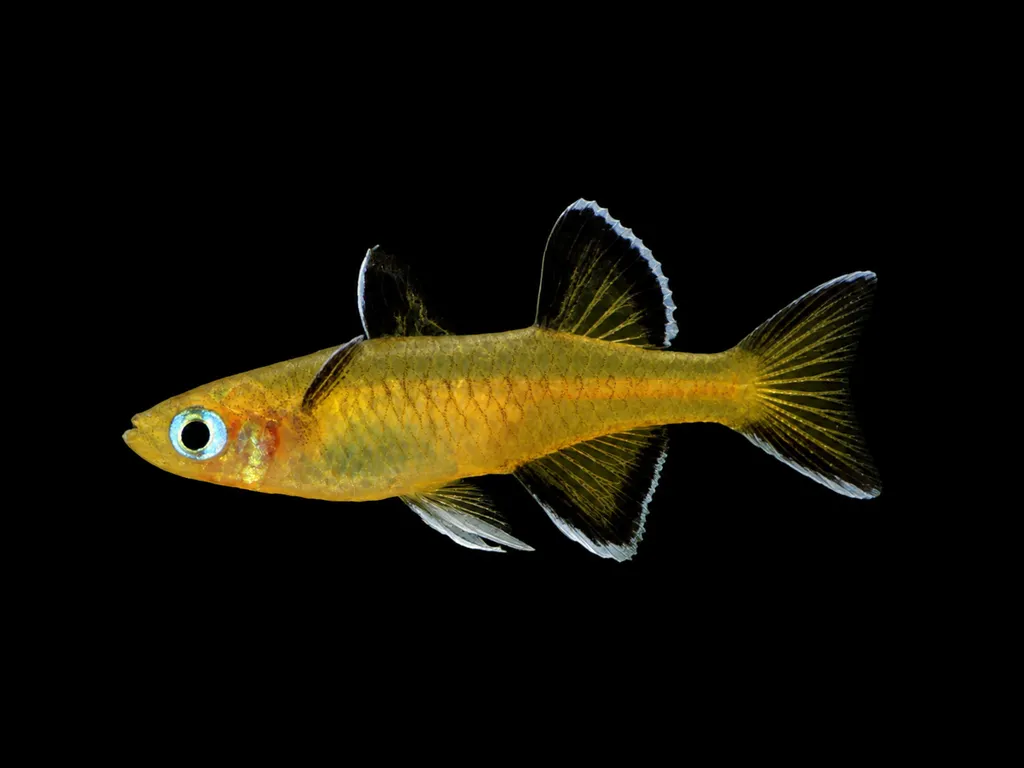
Honey blue-eye
Pseudomugil mellis
Freshwater1.4 in (3.5 cm) · 11 gal (40 L)68–82°F (20–28°C)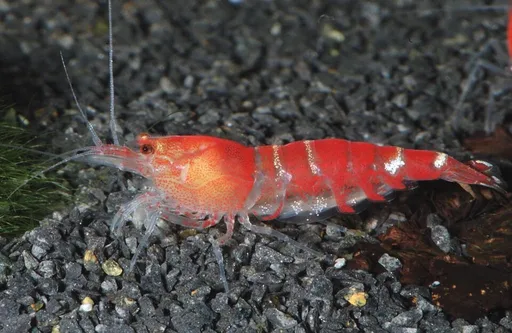
Bee shrimp
Caridina logemanni
Freshwater1.2 in (3 cm) · 5 gal (20 L)64–75°F (18–24°C)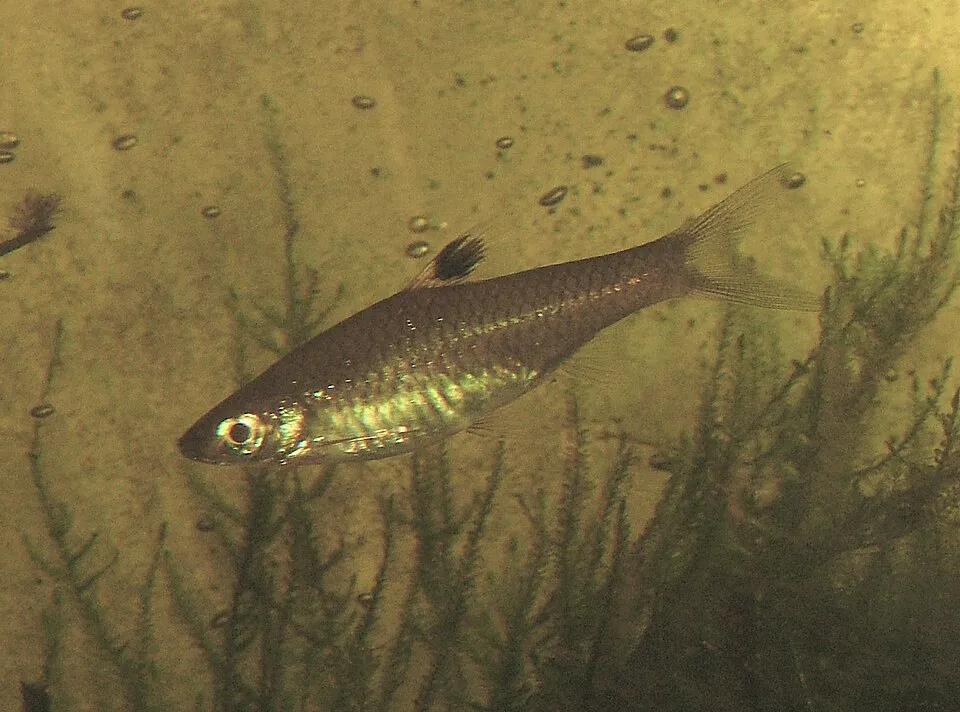
Eyespot rasbora
Brevibora dorsiocellata
Freshwater1.4 in (3.5 cm) · 9 gal (35 L)68–77°F (20–25°C)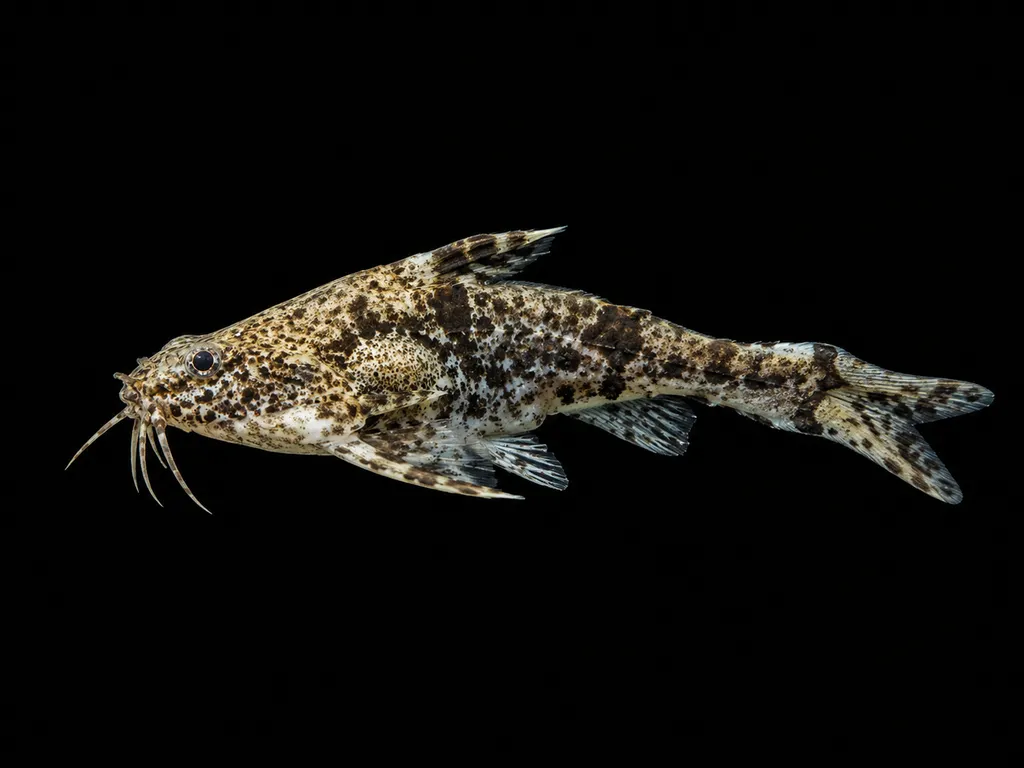
Dwarf thorny catfish
Physopyxis lyra
Freshwater1.4 in (3.5 cm) · 11 gal (40 L)73–82°F (23–28°C)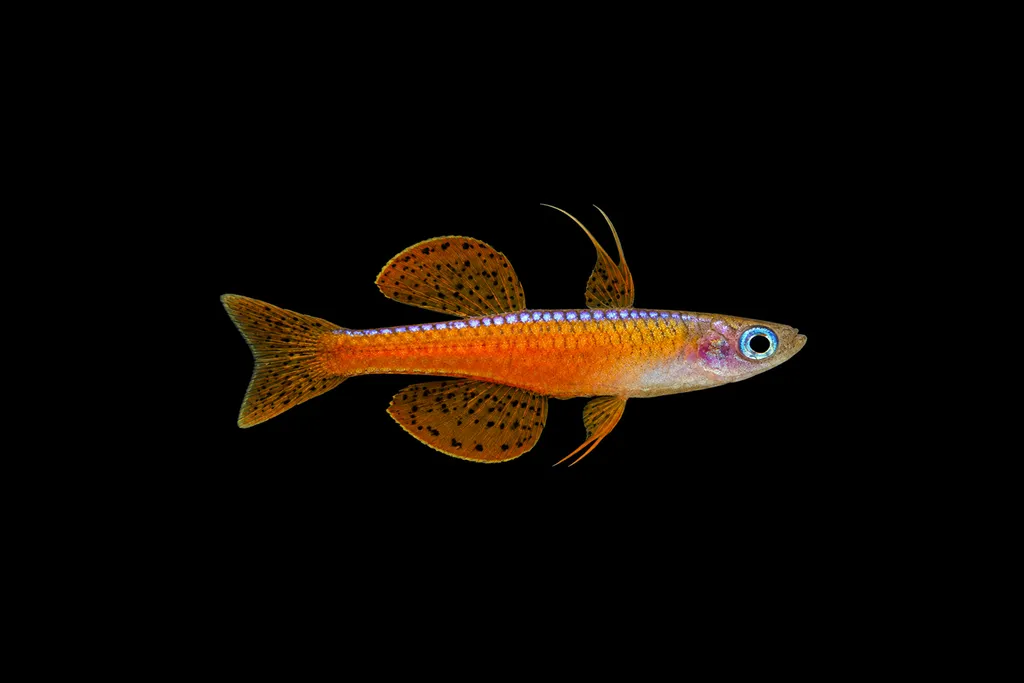
Paska's blue-eye
Pseudomugil paskai
Freshwater1.4 in (3.5 cm) · 11 gal (40 L)72–79°F (22–26°C)
Common questions
What size tank does a pygmy carplet need?
A pygmy carplet needs at least 5 gal (20 L). It spends most of its time in the middle.
What temperature and pH does a pygmy carplet need?
A pygmy carplet is comfortable at 75–82°F (24–28°C) with a pH of 4.5–6.5.
What does a pygmy carplet eat?
A pygmy carplet eats infusoria-grade and micro foods.
How big does a pygmy carplet get?
An adult pygmy carplet reaches about 0.5 in (1.2 cm).
Does a pygmy carplet need a group?
Yes. A pygmy carplet is a schooling species and should be kept in a group, not singly.
Related species
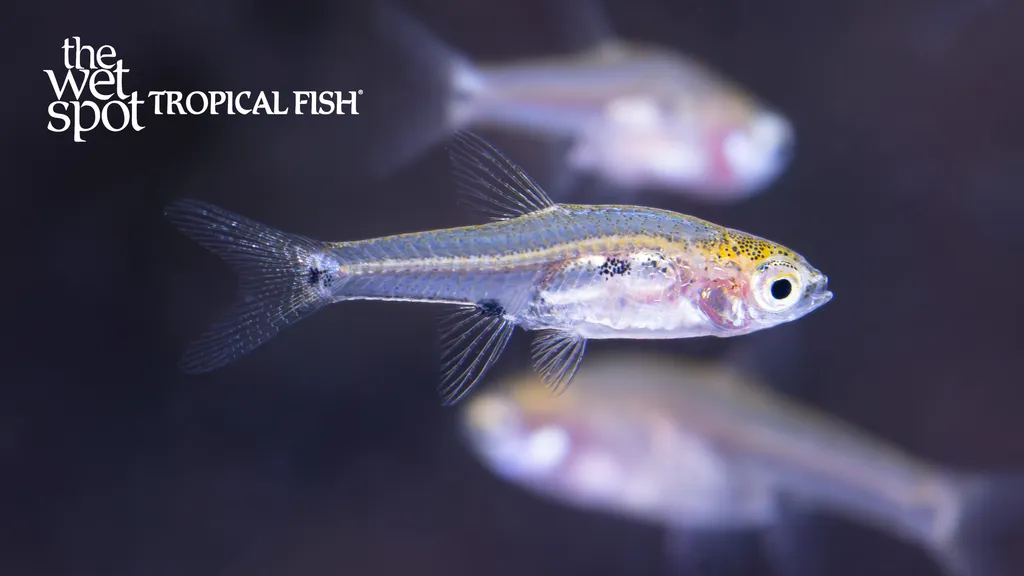
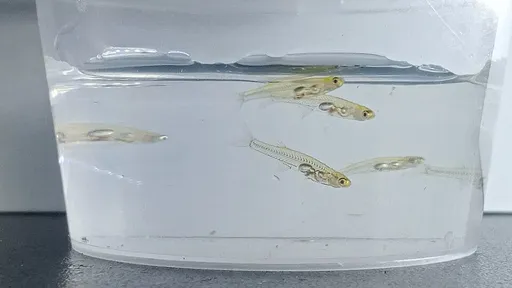 0.5 in (1.3 cm)8 gal (30 L)72–82°F (22–28°C)
Danionella cerebrum
0.5 in (1.3 cm) · 8 gal (30 L)
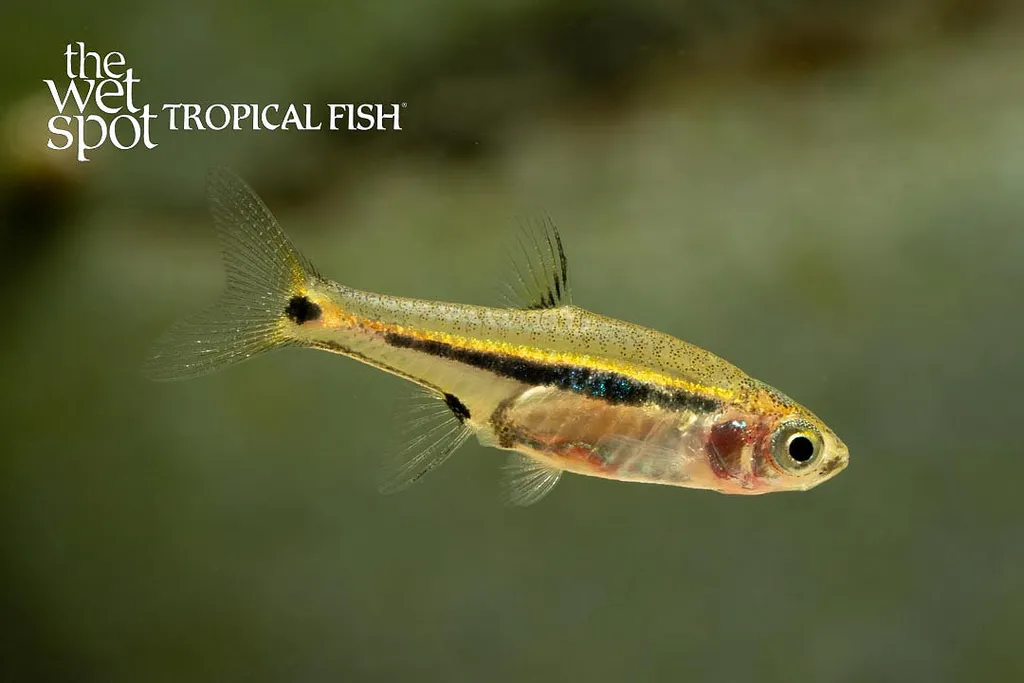
 0.6 in (1.5 cm)8 gal (30 L)72–79°F (22–26°C)
Micro rasbora
Boraras micros
0.6 in (1.5 cm) · 8 gal (30 L)
 0.6 in (1.6 cm)11 gal (40 L)73–81°F (23–27°C)
Exclamation-point rasbora
Boraras urophthalmoides
0.6 in (1.6 cm) · 11 gal (40 L)
 0.7 in (1.7 cm)11 gal (40 L)68–79°F (20–26°C)
Dracula fish
Danionella dracula
0.7 in (1.7 cm) · 11 gal (40 L)
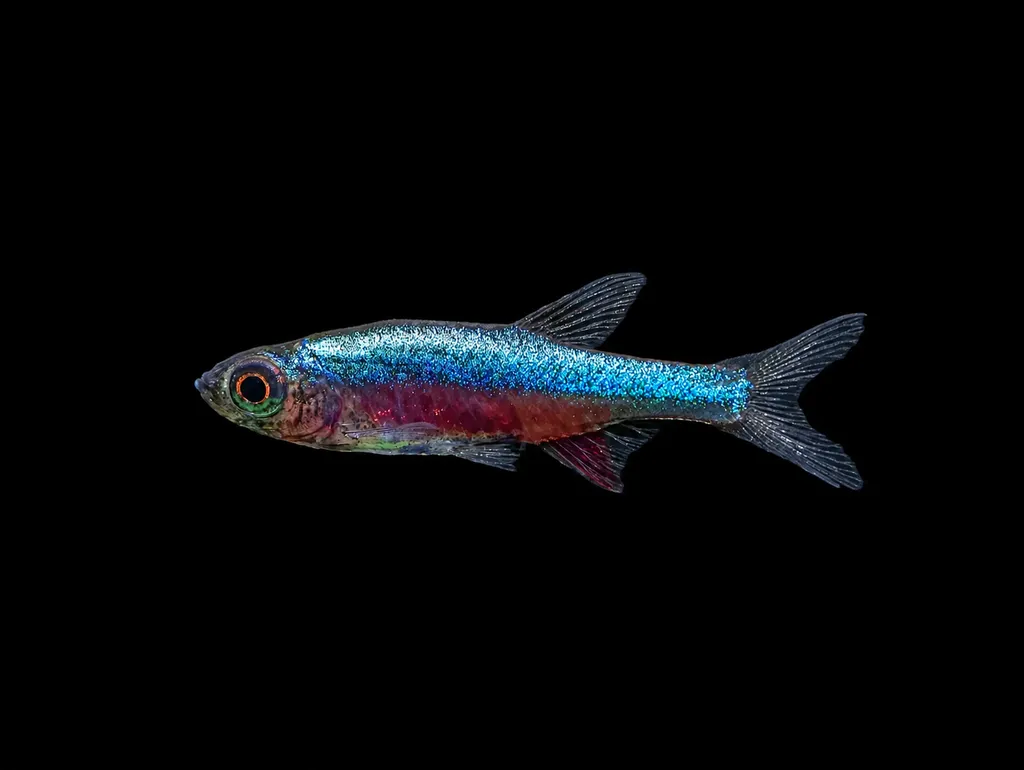 0.8 in (2 cm)12 gal (45 L)73–79°F (23–26°C)
Blue axelrodi rasbora
Sundadanio axelrodi
0.8 in (2 cm) · 12 gal (45 L)
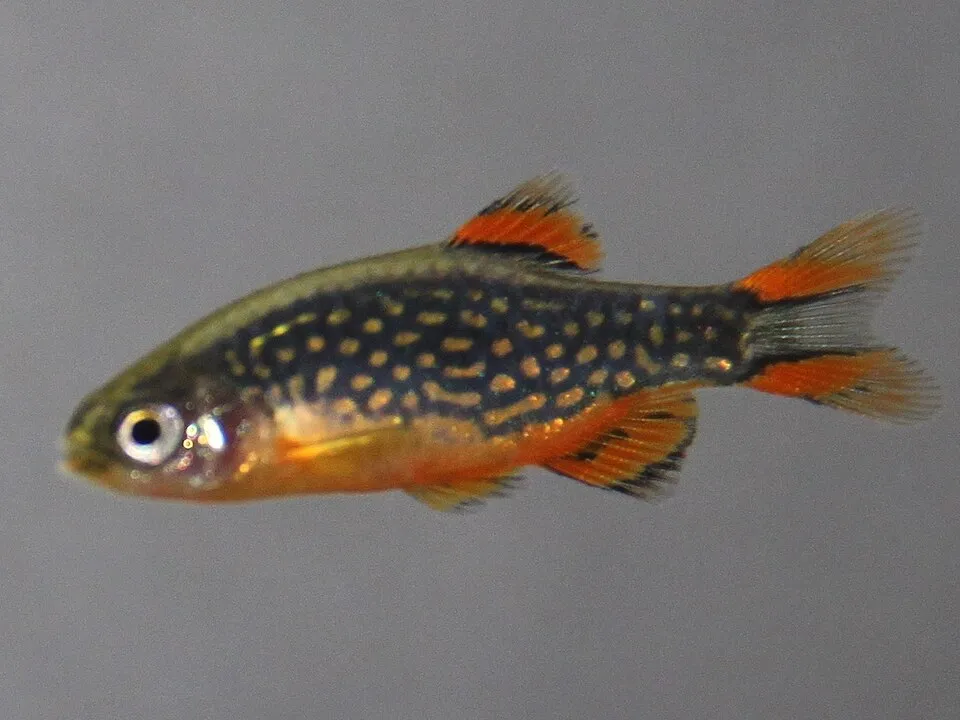 0.8 in (2 cm)9 gal (35 L)72–79°F (22–26°C)
Celestial Pearl danio
Danio margaritatus
0.8 in (2 cm) · 9 gal (35 L)