Exclamation-point rasbora
Boraras urophthalmoides
Also known as Least rasbora
FreshwaterFish
Care at a glance
- Temperature
- 73–81°F
- 23–27°C
- pH
- 6.0–7.0
- Adult size
- 0.6 in
- 1.6 cm
- Minimum tank
- 11 gal
- 40 L
- Temperament
- Peaceful
- Social behavior
- Shoaling
- Swim level
- Middle
- Difficulty
- Medium
- Breeding
- Egg scatterer · Medium
- Rarity
- Common
- Family
- Cyprinidae
- Origin
- Southeast Asia (Thailand, Cambodia, Vietnam)
Overview
The exclamation-point rasbora is a tiny, peaceful shoaling fish for a planted tank of soft water. It suits a keeper with some experience.
Did you know
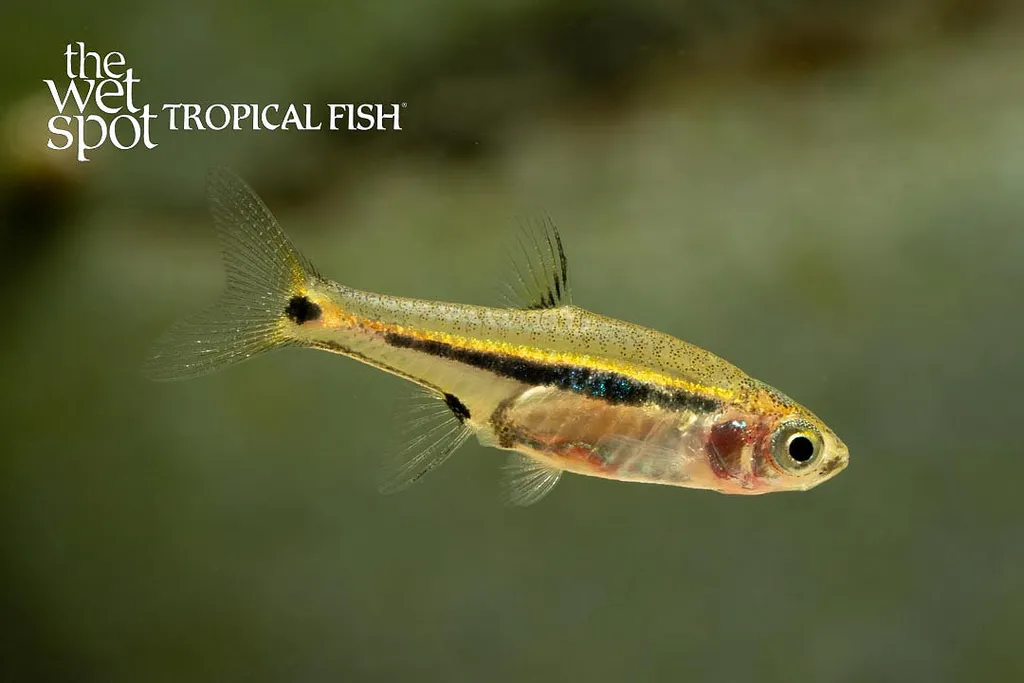
The exclamation-point rasbora is named for the marking near its tail. A thin dark stripe ends in a round spot at the tail base. Together they look like an exclamation point lying on its side.
Caring for the exclamation-point rasbora
Keep exclamation-point rasboras in a school of 8 to 10 or more, in a tank of at least 11 gal (40 L). A small group hides and loses its color. Give them a mature, heavily planted tank with driftwood, gentle flow and dim light. They hold their best color over a dark substrate in low light.
Keep the water soft and slightly acidic, at 73 to 81°F (23 to 27°C) and a pH of 6.0 to 7.0. A few catappa leaves tint the water and soften it. Feed tiny foods their small mouths can manage, such as crushed micro pellets, baby brine shrimp and microworms.
Exclamation-point rasboras are peaceful shoalers of the middle water. They drift through open space near the plants and warm up to a tank as they settle in. They are shrimp-safe, so pair them only with other small, calm species, and skip anything big enough to bully or eat them.
They scatter their eggs and give no parental care. Breeding them is doable but takes patience.
Good to know
The exclamation-point rasbora, Boraras urophthalmoides, is a tiny cyprinid in the family Cyprinidae and one of the smallest fish in the trade. It also goes by least rasbora. Most are wild caught, and they are often sold mixed in with, or mislabeled as, the chili rasbora, Boraras brigittae. Mixed groups of the two are common in stores, and you sometimes sort out which is which only once they color up at home.
In the wild
Exclamation-point rasboras come from slow, shallow blackwater in Thailand, Cambodia and Vietnam. They live in forest pools and ditches stained dark with tannins and packed with plants.
Weekly picks
Tank mates
The exclamation-point rasbora is a peaceful, shoaling species that keeps to the middle. These picks share a community profile with it, are safe together in both directions, and overlap on water type, temperature and pH.
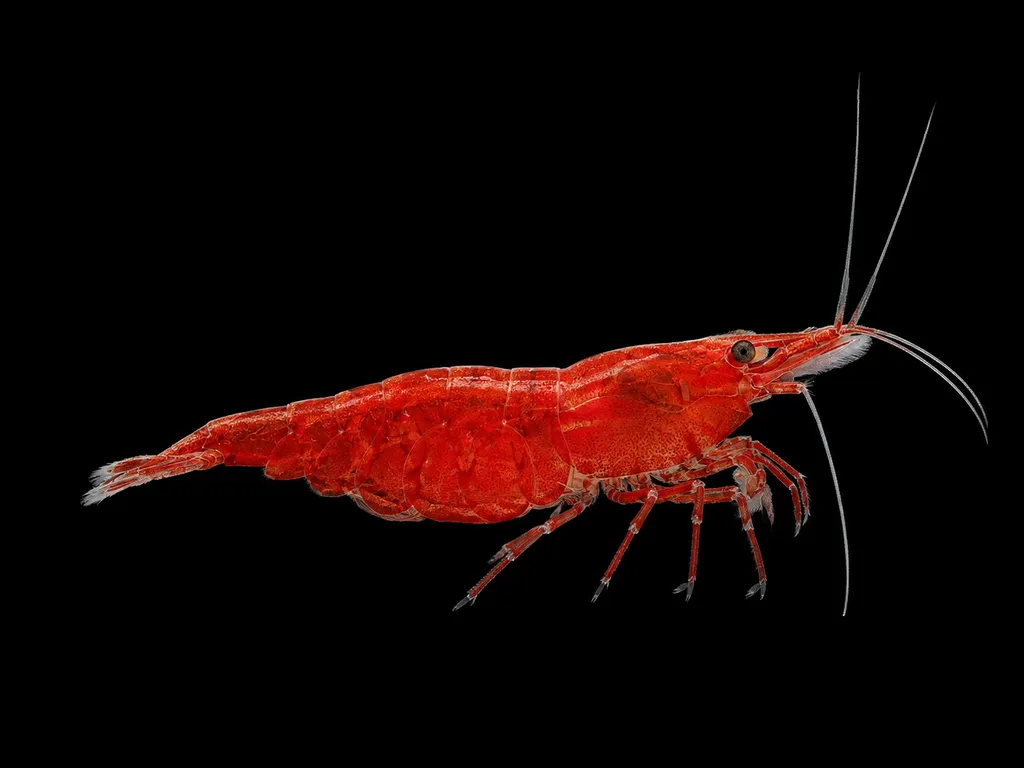
Neocaridina shrimp
Neocaridina davidi
Freshwater1.6 in (4 cm) · 5 gal (19 L)59–84°F (15–29°C)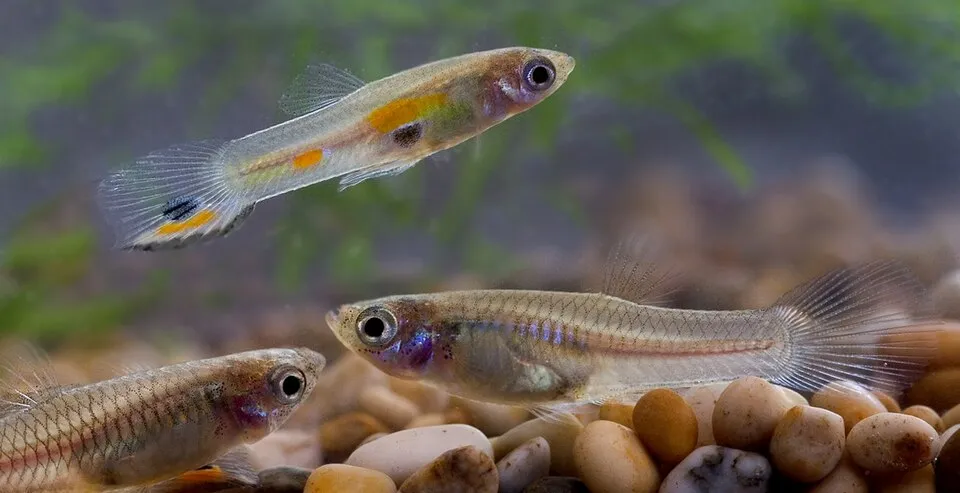
Guppy
Poecilia reticulata
FreshwaterBrackish2.4 in (6 cm) · 10 gal (38 L)64–82°F (18–28°C)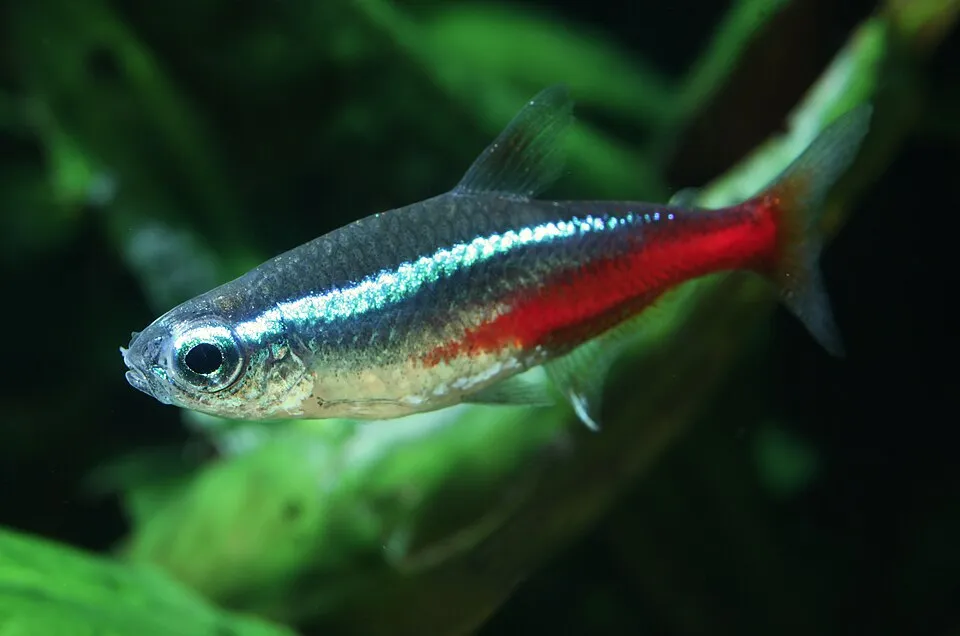
Neon tetra
Paracheirodon innesi
Freshwater1.5 in (3.8 cm) · 11 gal (40 L)70–77°F (21–25°C)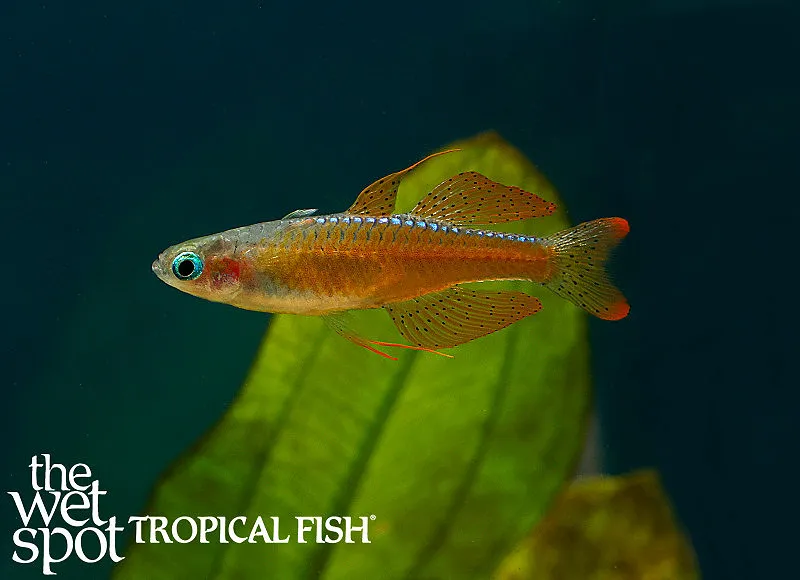
Red neon blue-eye
Pseudomugil luminatus
Freshwater1.4 in (3.5 cm) · 11 gal (40 L)72–81°F (22–27°C)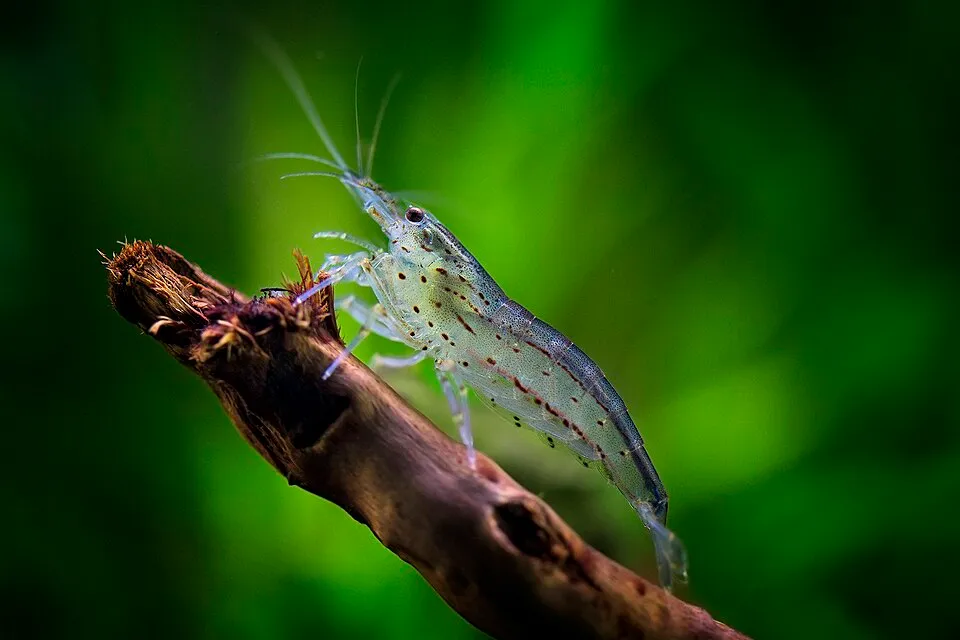
Amano shrimp
Caridina multidentata
FreshwaterBrackish2 in (5 cm) · 8 gal (30 L)59–81°F (15–27°C)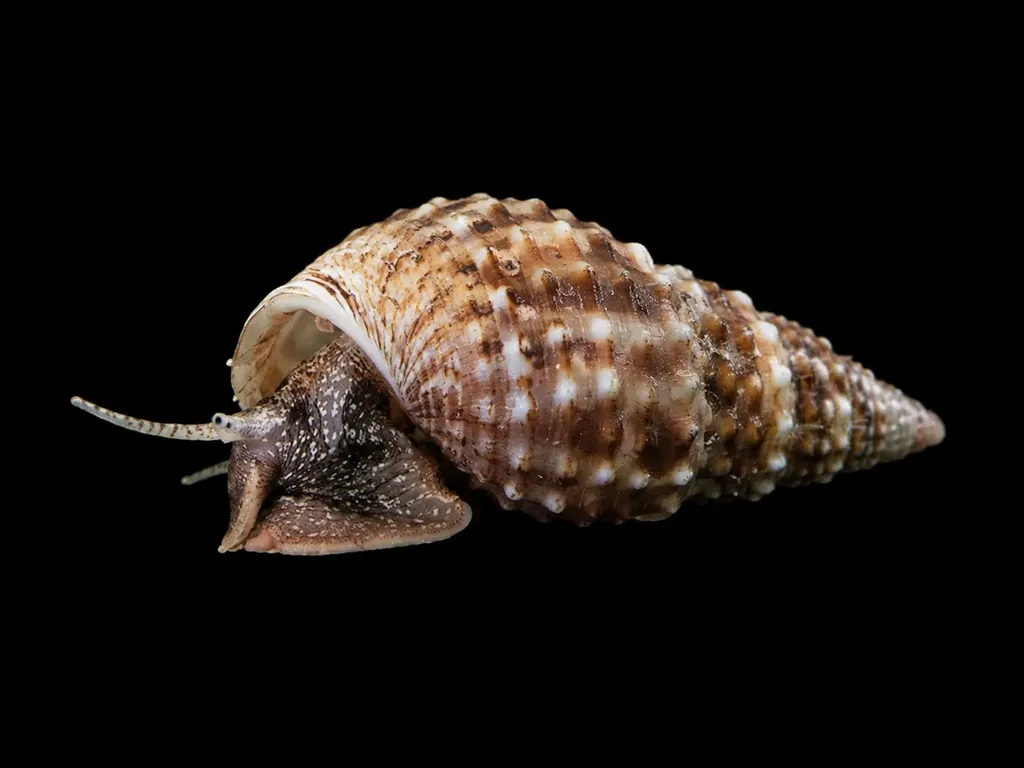
Prambanan snail
Thiara winteri
Freshwater1.6 in (4 cm) · 11 gal (40 L)73–82°F (23–28°C)
Common questions
What size tank does an exclamation-point rasbora need?
An exclamation-point rasbora needs at least 11 gal (40 L). It spends most of its time in the middle.
What temperature and pH does an exclamation-point rasbora need?
An exclamation-point rasbora is comfortable at 73–81°F (23–27°C) with a pH of 6.0–7.0.
What does an exclamation-point rasbora eat?
An exclamation-point rasbora eats tiny foods its small mouth can manage, such as crushed micro pellets, baby brine shrimp and microworms.
How big does an exclamation-point rasbora get?
An adult exclamation-point rasbora reaches about 0.6 in (1.6 cm).
Does an exclamation-point rasbora need a group?
Yes. An exclamation-point rasbora is a shoaling species and should be kept in a group, not singly.
How does an exclamation-point rasbora breed?
Exclamation-point rasboras scatter their eggs and give no parental care. Breeding them is doable but takes patience.
Related species
 0.6 in (1.5 cm)8 gal (30 L)72–79°F (22–26°C)
Micro rasbora
Boraras micros
0.6 in (1.5 cm) · 8 gal (30 L)
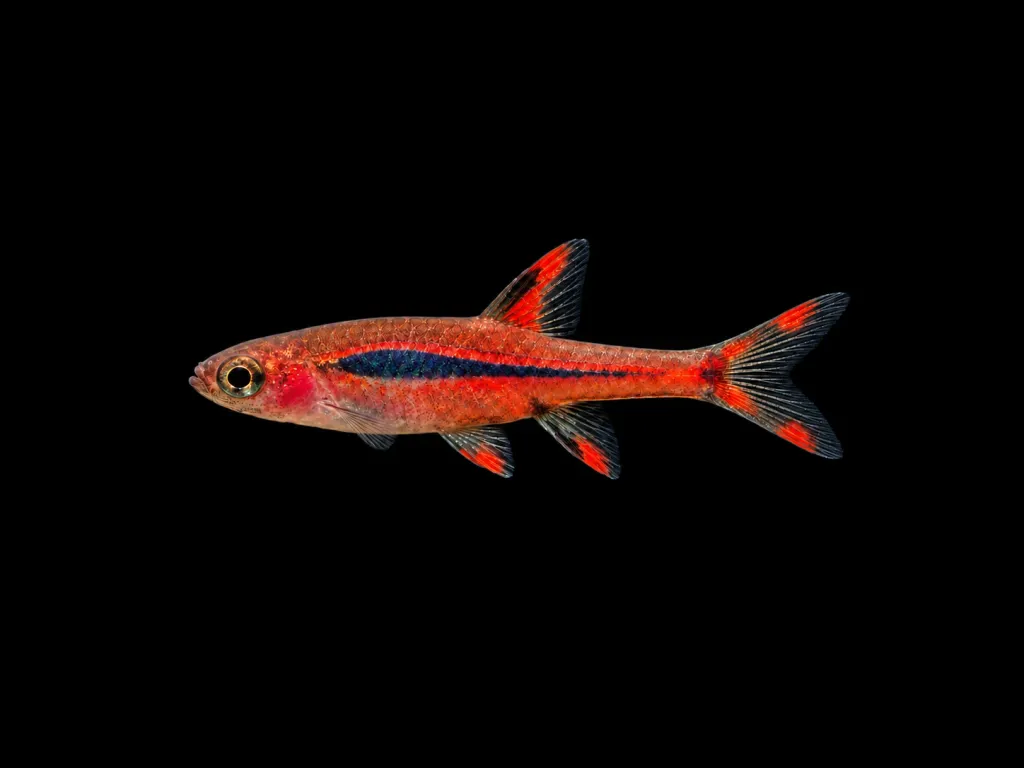 0.8 in (2 cm)10 gal (38 L)72–82°F (22–28°C)
Chili rasbora
Boraras brigittae
0.8 in (2 cm) · 10 gal (38 L)
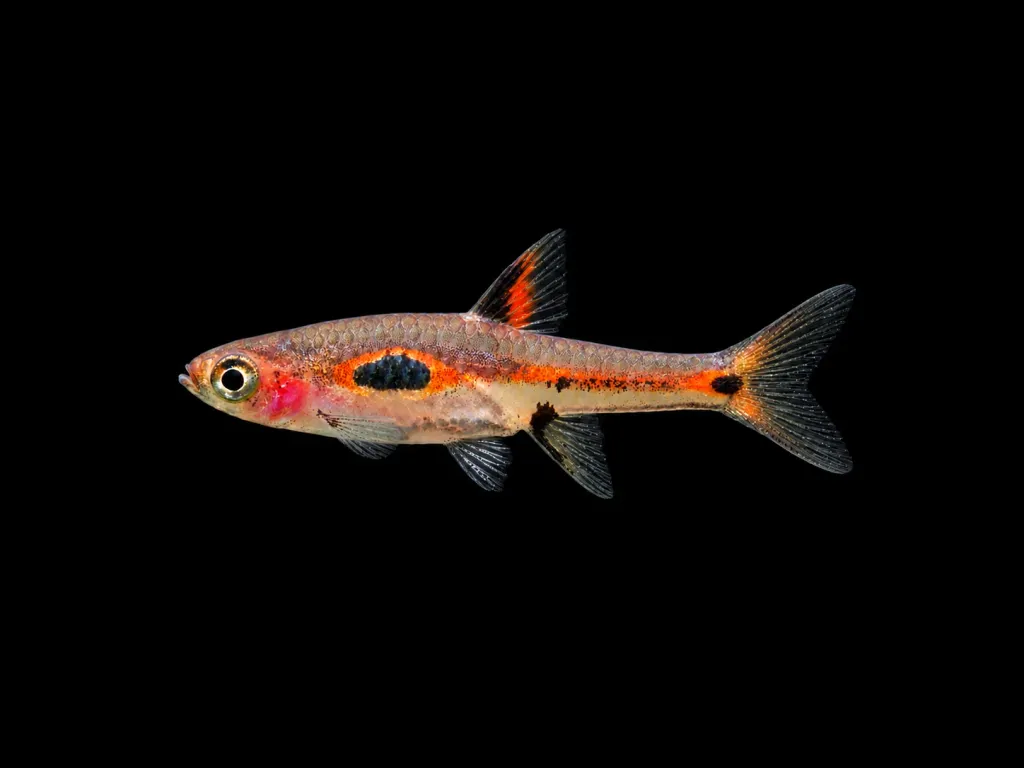 0.8 in (2 cm)11 gal (40 L)72–81°F (22–27°C)
Phoenix rasbora
Boraras merah
0.8 in (2 cm) · 11 gal (40 L)
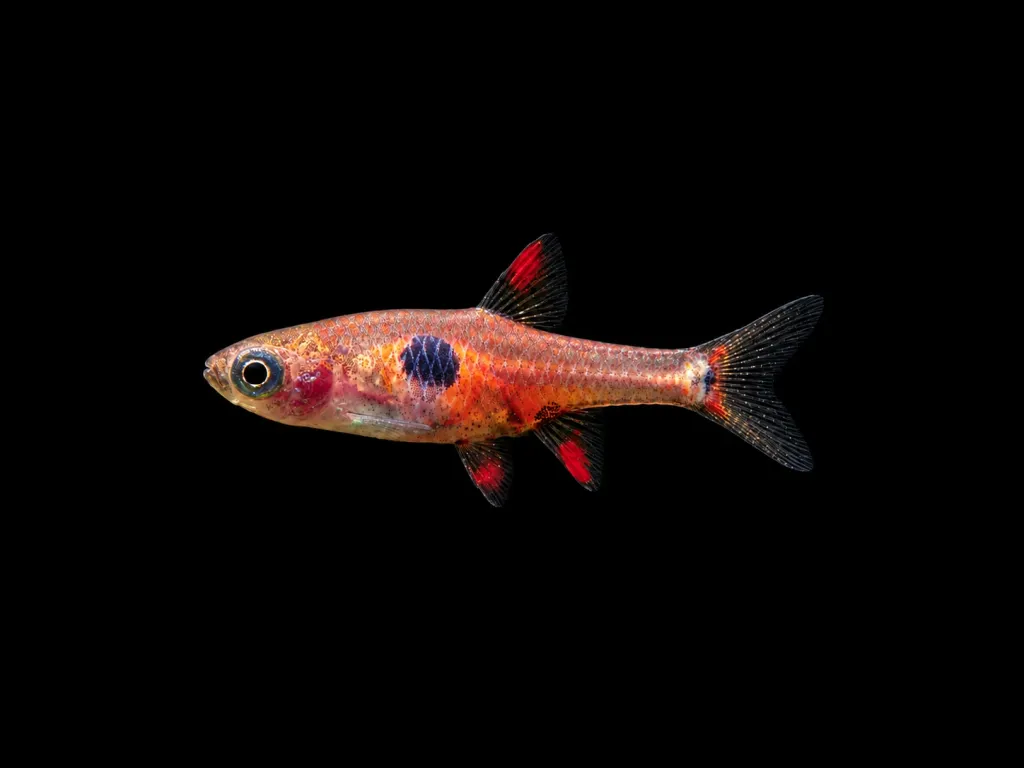 0.8 in (2 cm)11 gal (40 L)73–81°F (23–27°C)
Strawberry rasbora
Boraras naevus
0.8 in (2 cm) · 11 gal (40 L)
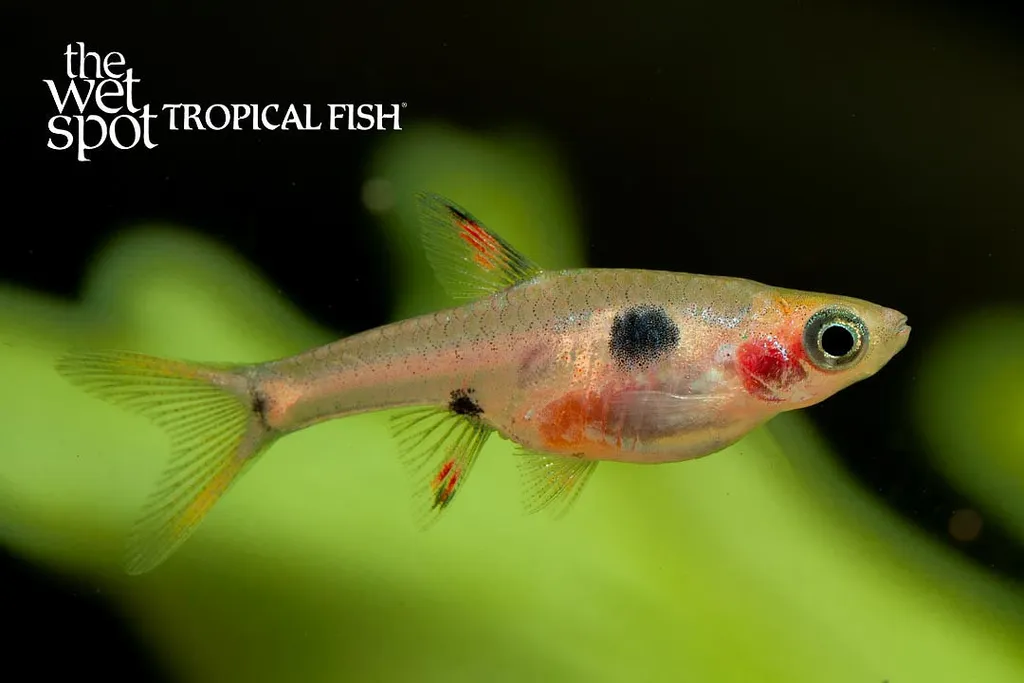 1 in (2.5 cm)7 gal (25 L)72–82°F (22–28°C)
Dwarf rasbora
Boraras maculatus
1 in (2.5 cm) · 7 gal (25 L)
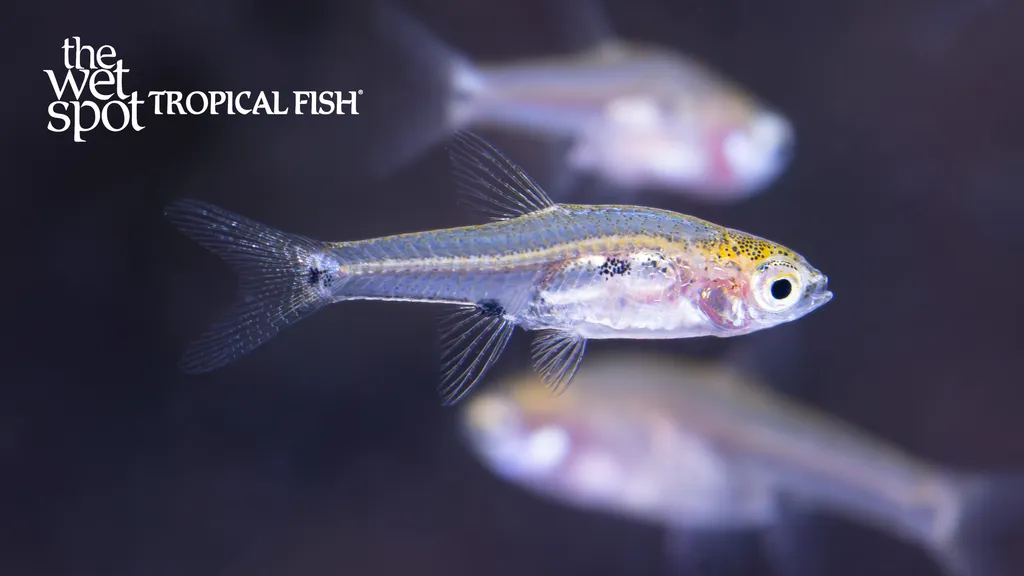
 0.7 in (1.7 cm)11 gal (40 L)68–79°F (20–26°C)
Dracula fish
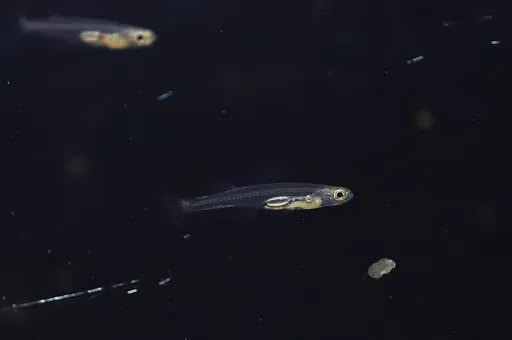
Danionella dracula
0.7 in (1.7 cm) · 11 gal (40 L)