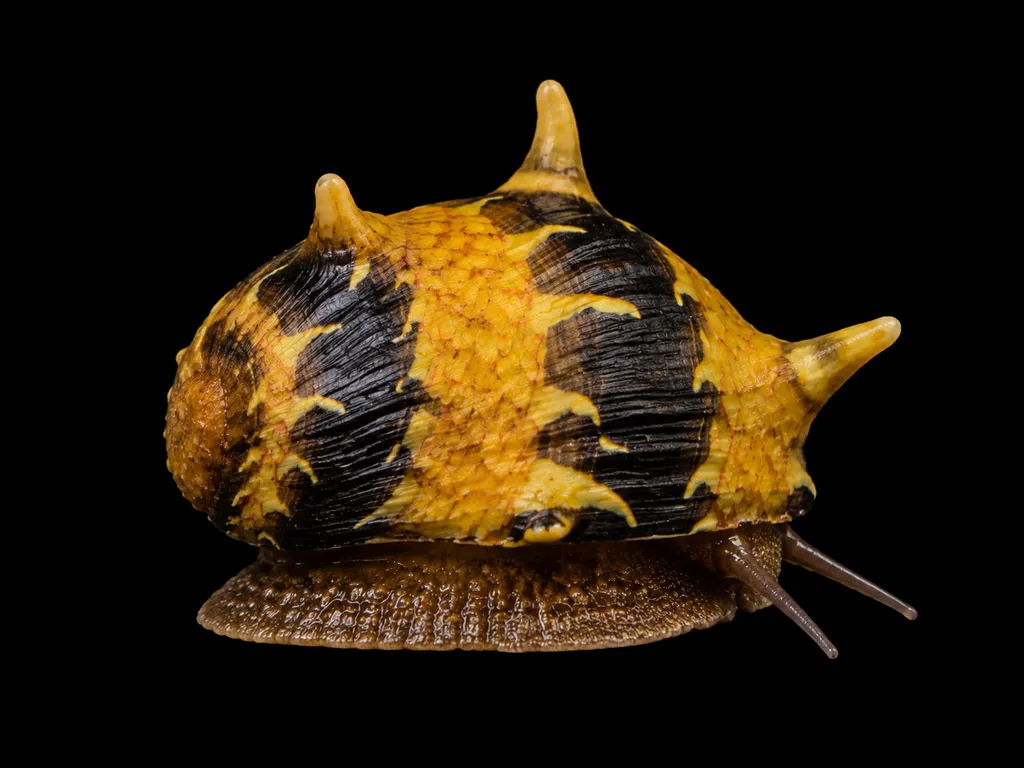
Zebra nerite
Vittina natalensis
FreshwaterBrackishSnail
Care at a glance
- Temperature
- 66–84°F
- 19–29°C
- pH
- 6.5–8.0
- Adult size
- 1 in
- 2.5 cm
- Minimum tank
- 5 gal
- 19 L
- Temperament
- Peaceful
- Social behavior
- Solitary
- Swim level
- Bottom
- Diet
- Herbivore
- Difficulty
- Beginner
- Breeding
- Egg layer · Hard
- Rarity
- Very common
- Family
- Neritidae
- Origin
- Africa
Overview
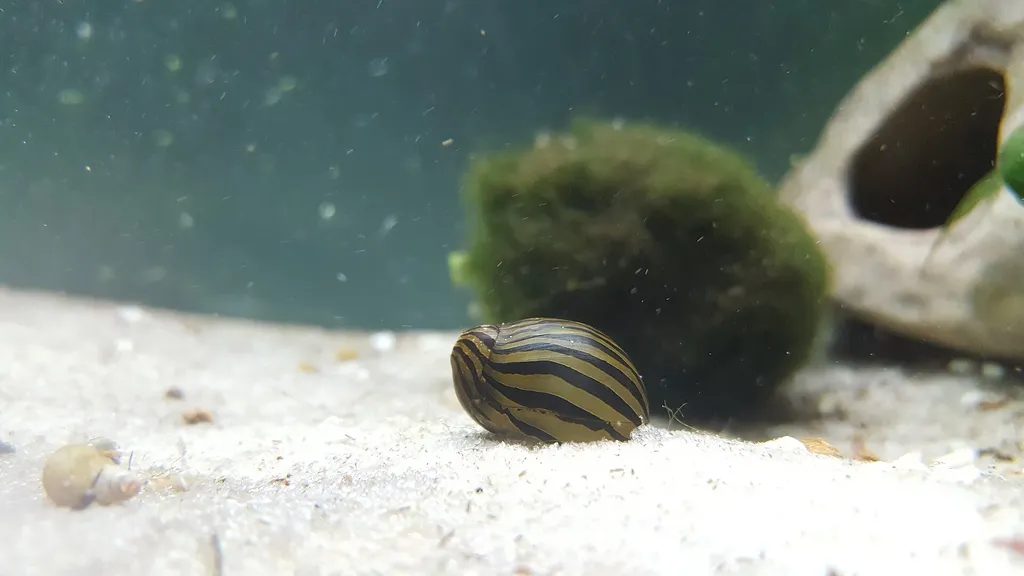
The zebra nerite is a peaceful, solitary algae grazer and one of the best cleanup snails you can keep. It is a good snail for beginners.
Did you know
Zebra nerite egg capsules can be a bit unsightly on decor, and they are tough to scrape off.
Caring for the zebra nerite
Give a zebra nerite a mature tank of at least 5 gal (19 L), with established algae to eat. It is a solitary snail that spends its time clinging to glass, rock and decor.
It lives happily in plain freshwater across a wide range, 66 to 84°F (19 to 29°C) and pH 6.5 to 8.0. Harder, alkaline water keeps its shell in better shape.
It eats algae and biofilm without touching live plants. Make sure there is enough algae, or feed it algae wafers and blanched vegetables, since it can slowly starve in a spotless tank.
The zebra nerite gets along with everything and is a safe pick for community and shrimp tanks. Sexes are separate, and females lay small white egg capsules on hard surfaces. The larvae need brackish or salt water to develop, so it does not breed in a normal freshwater tank.
Good to know
The zebra nerite, Vittina natalensis, is a snail in the family Neritidae. It is not considered endangered, and wild populations are stable. In good conditions it can live several years.
In the wild
Zebra nerites come from East African coastal rivers and estuaries. There they move between fresh and brackish water and graze algae off rocks and hard surfaces.
Weekly picks
Tank mates
The zebra nerite is a peaceful, solitary species that keeps to the bottom. These picks share a community profile with it, are safe together in both directions, and overlap on water type, temperature and pH.
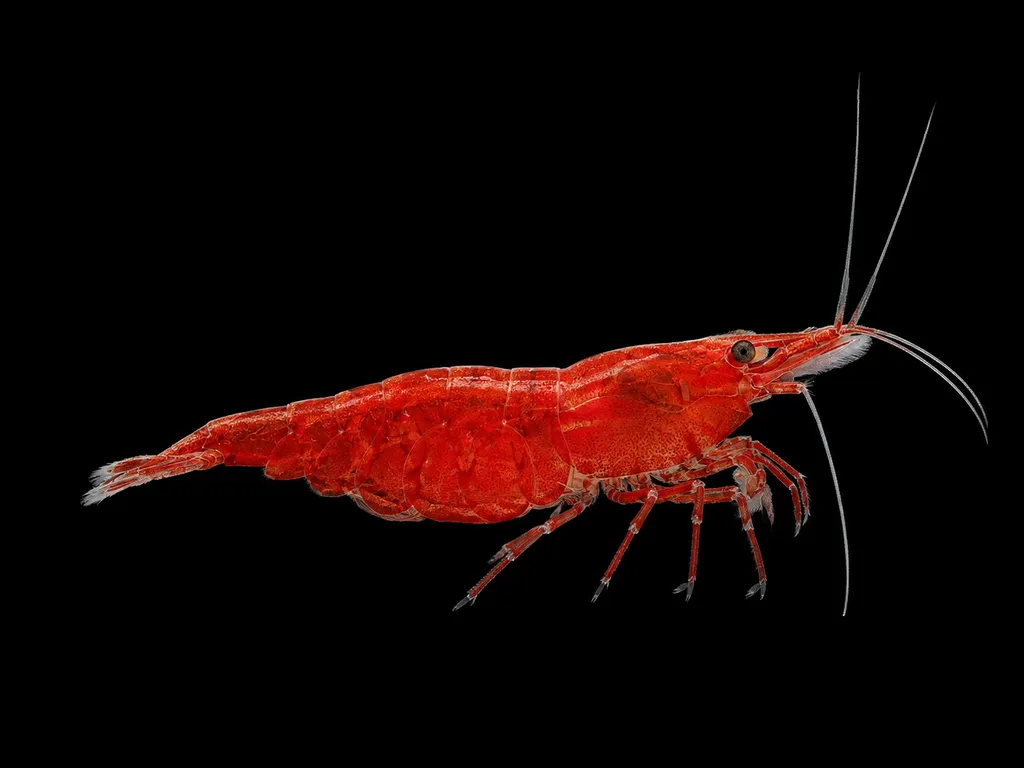
Neocaridina shrimp
Neocaridina davidi
Freshwater1.6 in (4 cm) · 5 gal (19 L)59–84°F (15–29°C)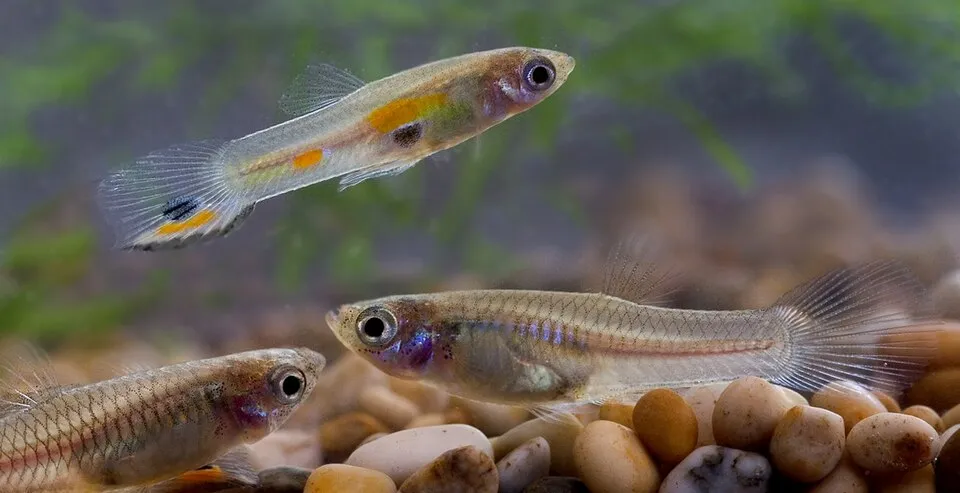
Guppy
Poecilia reticulata
FreshwaterBrackish2.4 in (6 cm) · 10 gal (38 L)64–82°F (18–28°C)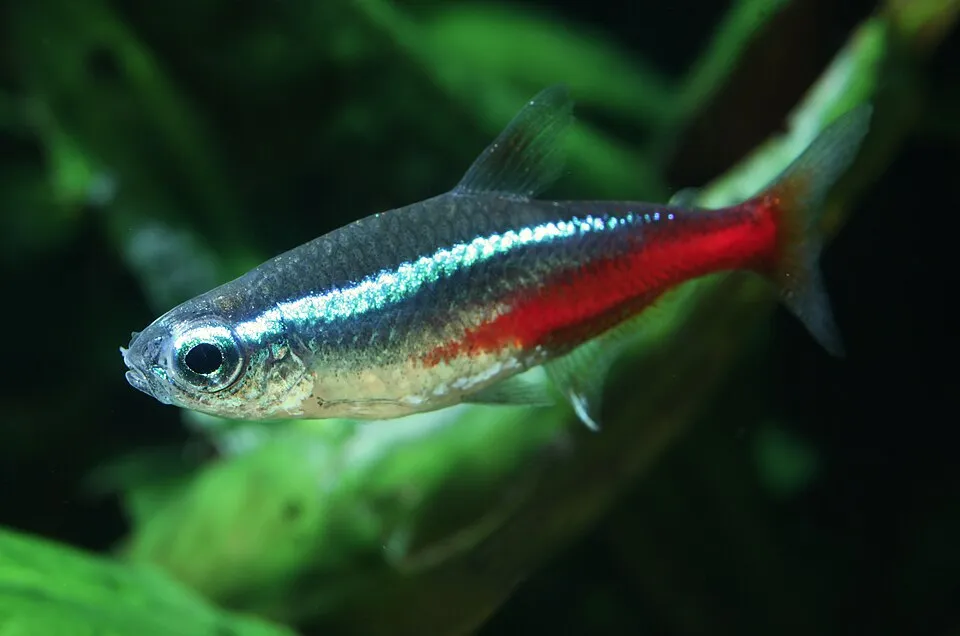
Neon tetra
Paracheirodon innesi
Freshwater1.5 in (3.8 cm) · 11 gal (40 L)70–77°F (21–25°C)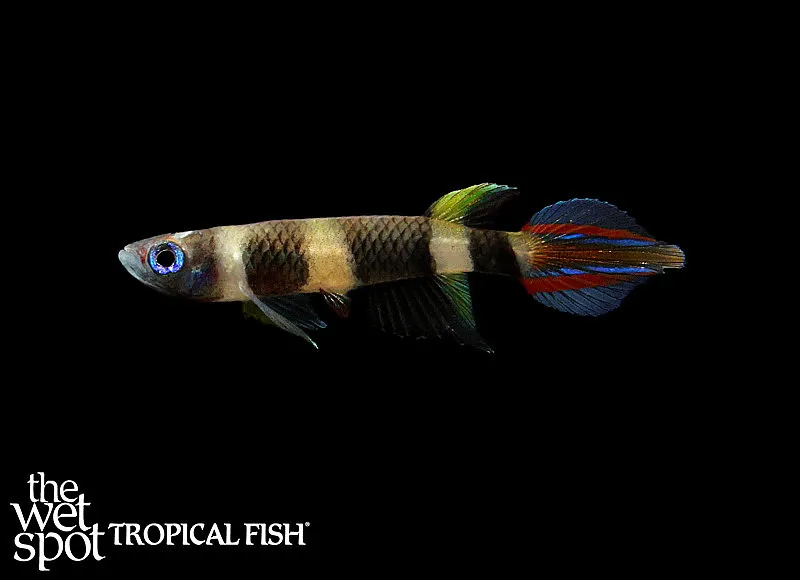
Clown killifish
Epiplatys annulatus
Freshwater1.4 in (3.5 cm) · 7 gal (27 L)68–79°F (20–26°C)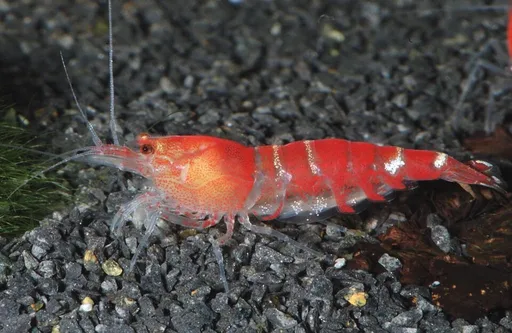
Bee shrimp
Caridina logemanni
Freshwater1.2 in (3 cm) · 5 gal (19 L)64–75°F (18–24°C)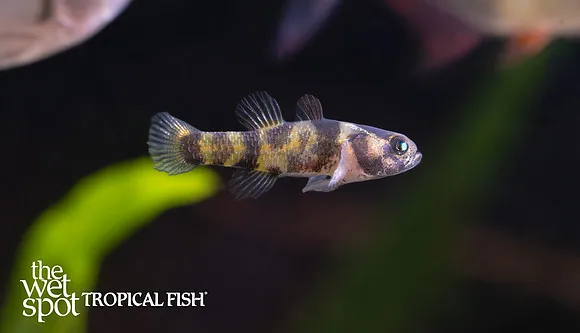
Micro bumblebee goby
Brachygobius nunus
FreshwaterBrackish1 in (2.5 cm) · 5 gal (20 L)73–82°F (23–28°C)
Common questions
What size tank does a zebra nerite need?
A zebra nerite needs at least 5 gal (19 L). It spends most of its time in the bottom.
What temperature and pH does a zebra nerite need?
A zebra nerite is comfortable at 66–84°F (19–29°C) with a pH of 6.5–8.0.
What does a zebra nerite eat?
A zebra nerite eats algae and biofilm and leaves live plants alone. In a spotless tank, feed it algae wafers and blanched vegetables so it does not slowly starve.
How big does a zebra nerite get?
An adult zebra nerite reaches about 1 in (2.5 cm).
Related species
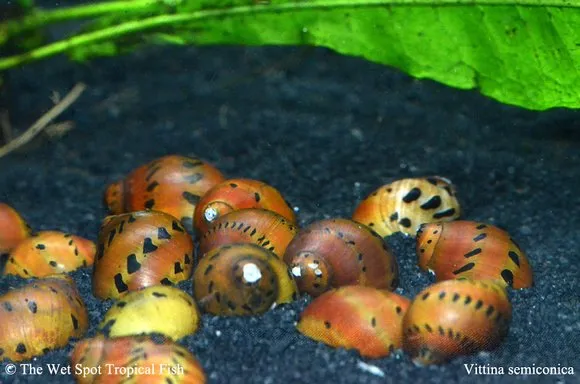 1 in (2.5 cm)5 gal (19 L)72–82°F (22–28°C)
Red onion snail
Vittina semiconica
1 in (2.5 cm) · 5 gal (19 L)
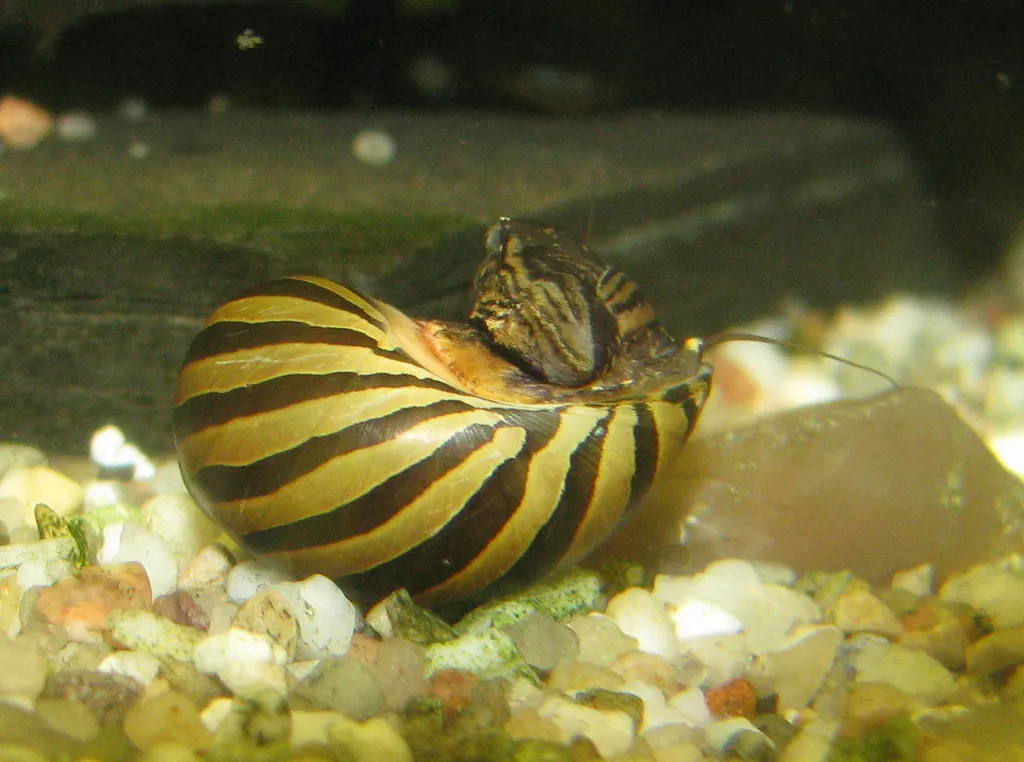 1 in (2.5 cm)5 gal (19 L)72–79°F (22–26°C)
Tiger nerite
Vittina coromandeliana
1 in (2.5 cm) · 5 gal (19 L)
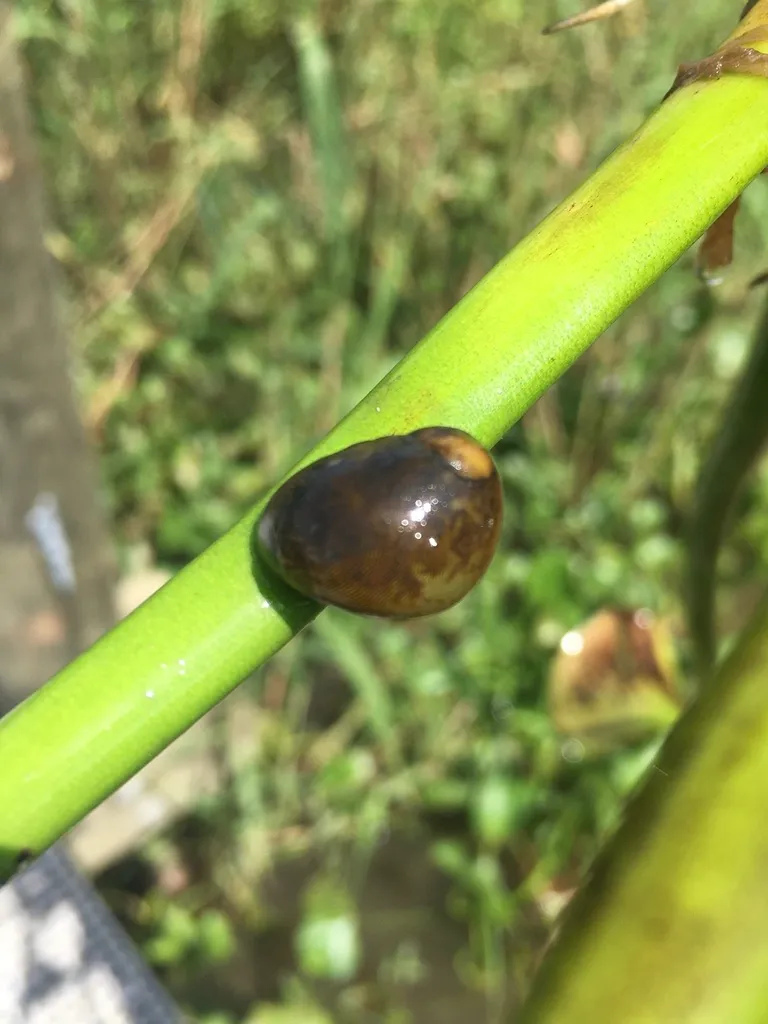 0.8 in (2 cm)5 gal (20 L)72–82°F (22–28°C)
Olive nerite
Vittina usnea
0.8 in (2 cm) · 5 gal (20 L)
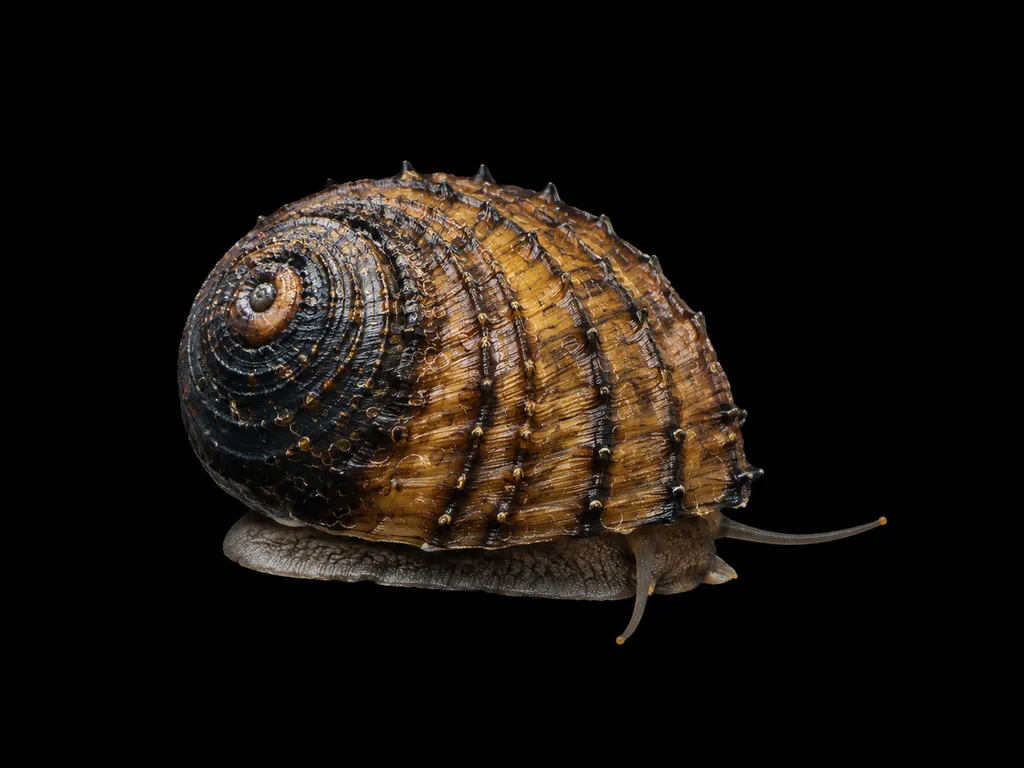 1 in (2.5 cm)5 gal (20 L)72–82°F (22–28°C)
King Koopa nerite
Neritina juttingae
1 in (2.5 cm) · 5 gal (20 L)
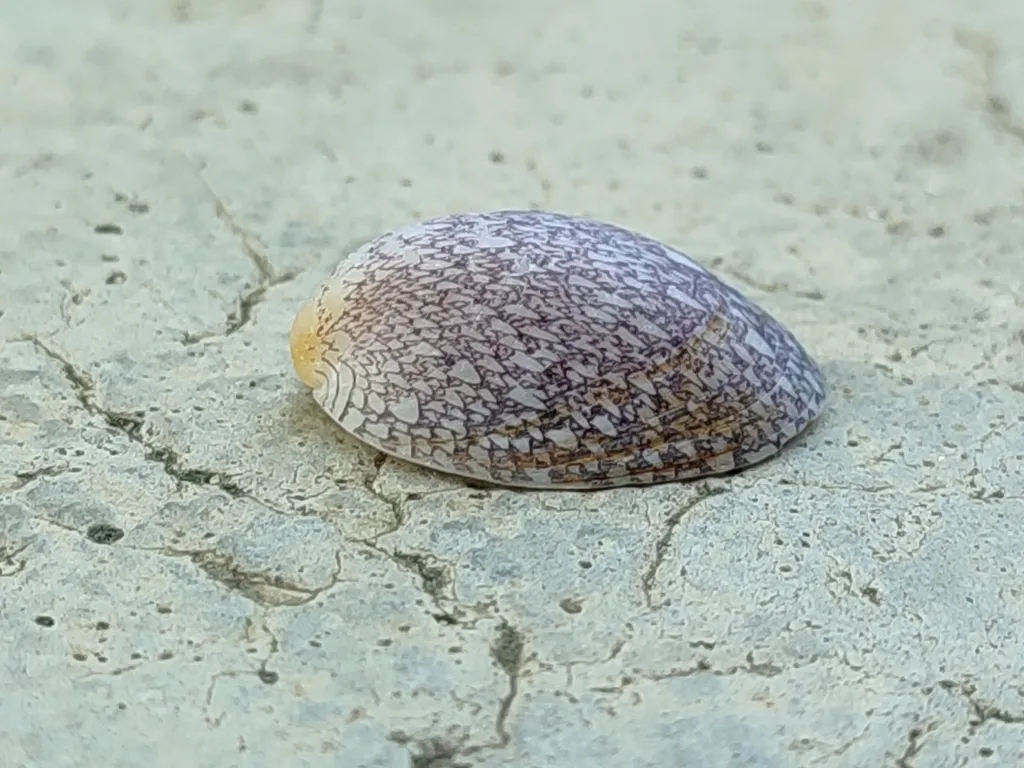 1.2 in (3 cm)5 gal (20 L)73–82°F (23–28°C)
Marbled limpet nerite
Septaria porcellana
1.2 in (3 cm) · 5 gal (20 L)
 0.8 in (2 cm)5 gal (19 L)72–82°F (22–28°C)
Fancy antler snail
Clithon sowerianum
0.8 in (2 cm) · 5 gal (19 L)