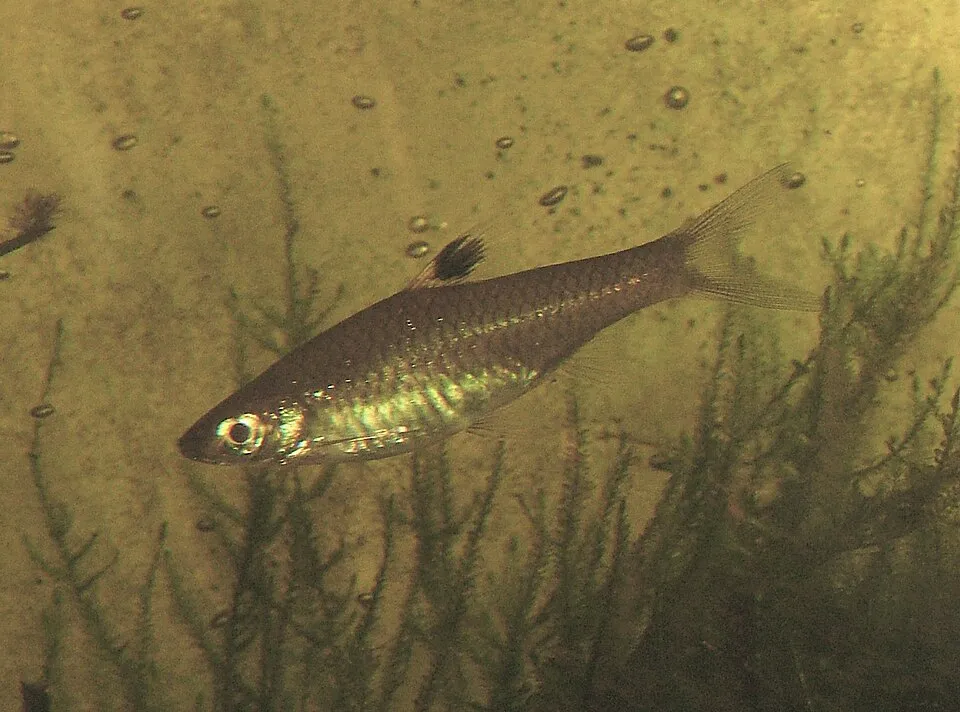
Eyespot rasbora
Brevibora dorsiocellata
Also known as Emerald Eye Rasbora
FreshwaterFish
Care at a glance
- Temperature
- 68–77°F
- 20–25°C
- pH
- 6.0–7.5
- Adult size
- 1.4 in
- 3.5 cm
- Minimum tank
- 9 gal
- 35 L
- Temperament
- Peaceful
- Social behavior
- Schooling
- Swim level
- Middle
- Difficulty
- Easy
- Breeding
- Hard
- Rarity
- Rare
- Family
- Cyprinidae
- Origin
- South East Asia
Overview
Keep them in a school of at least six, more if you can, so they feel secure and stay out in the open. They are peaceful mid to upper water fish that suit a quiet community. Feed quality flake, micro pellets, and small frozen foods like daphnia or brine shrimp. Give them a planted tank with gentle current and soft, slightly acidic water. A school fits comfortably in about 35 liters.
In the wild
Eyespot rasboras come from slow rivers, streams, and peat swamps in Southeast Asia, including Indonesia, Malaysia, and Singapore. Much of that water is dark and tea-colored from tannins, soft and acidic, over sand or mud with heavy plant growth. Match it with a shaded, planted tank and gentle flow. Soft water from pH 6 to 7.5 suits them, and note they like it cooler than many tropicals, around 20 to 25 C.
Good to know
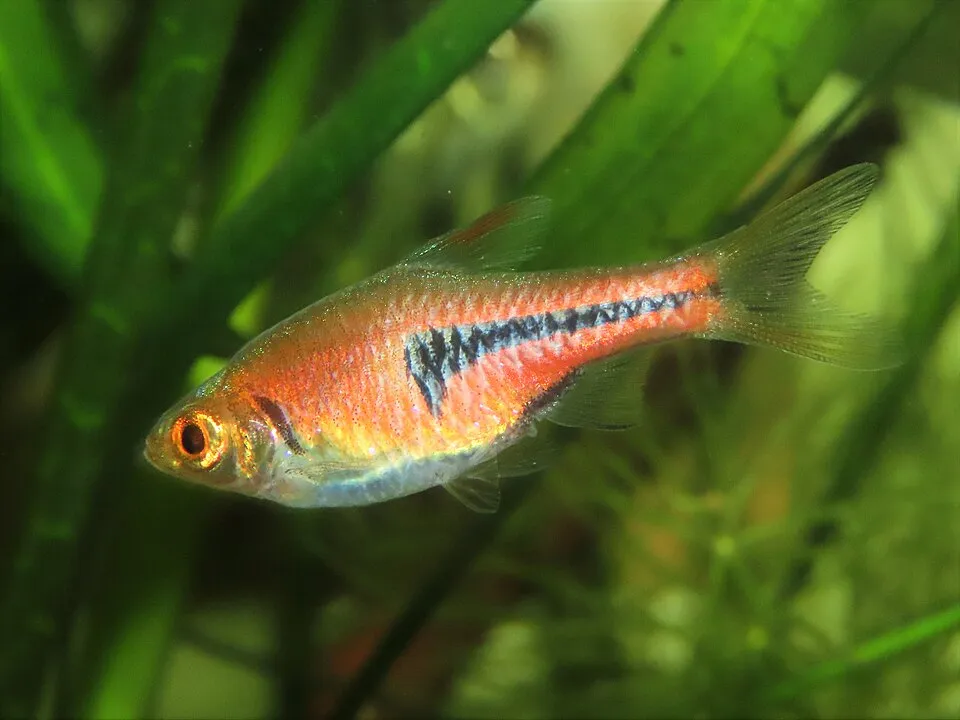
A small cyprinid in the family Cyprinidae, growing to about 3.5 cm. It is named for the dark spot on the dorsal fin that looks like an eye. They are egg scatterers, laying among plants with no parental care, and are considered hard to breed in the aquarium. The species is not regarded as threatened, though deforestation and pollution can hit local populations.
Did you know
The black spot sits on the dorsal fin rather than the tail, and on a moving school it flickers like a row of blinking eyes. In their shaded blackwater home this is thought to confuse predators about which way the fish will dart, buying the rasbora a moment to escape.
Weekly picks
Tank mates
Eyespot rasbora is a peaceful, schooling species that keeps to the middle. These picks share a community profile with it, are safe together in both directions, and overlap on water type, temperature and pH.
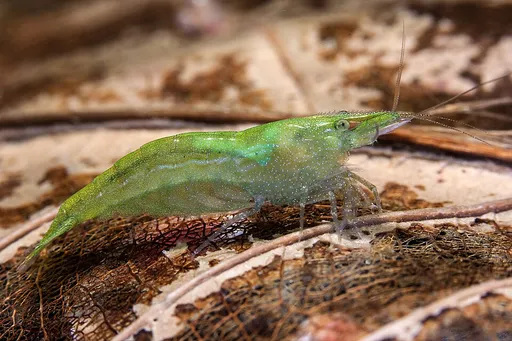
Green babaulti shrimp
Caridina babaulti
Freshwater1.2 in (3 cm) · 10 gal (38 L)72–82°F (22–28°C)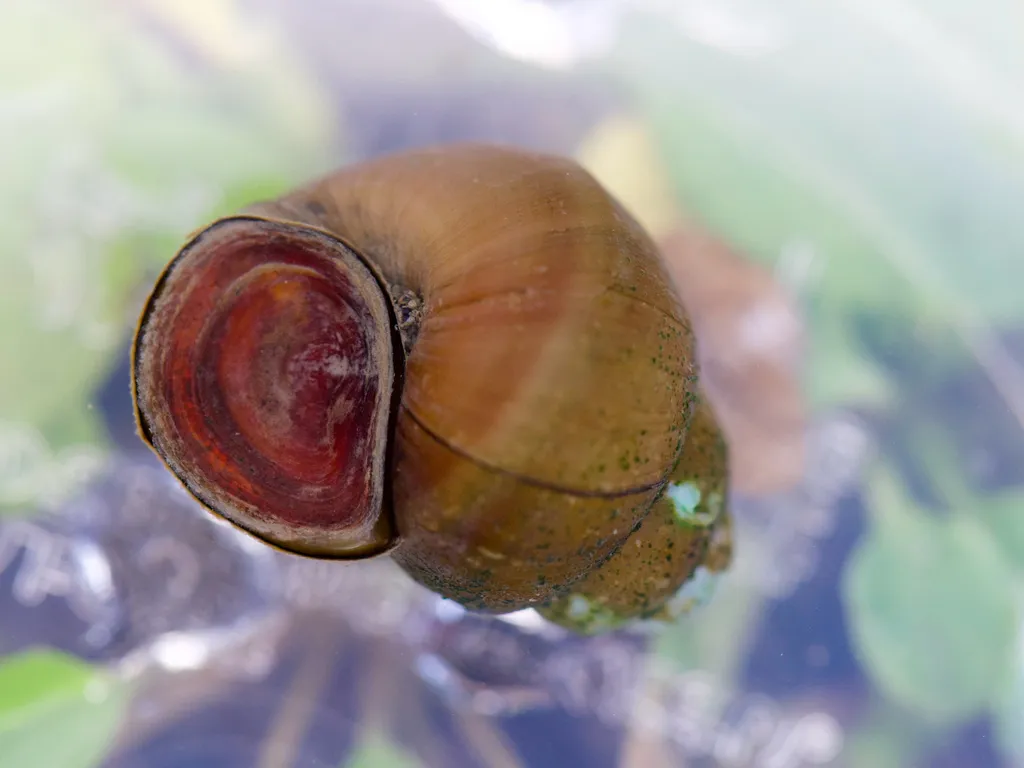
Japanese trapdoor snail
Cipangopaludina malleata
Freshwater2 in (5 cm) · 8 gal (30 L)64–77°F (18–25°C)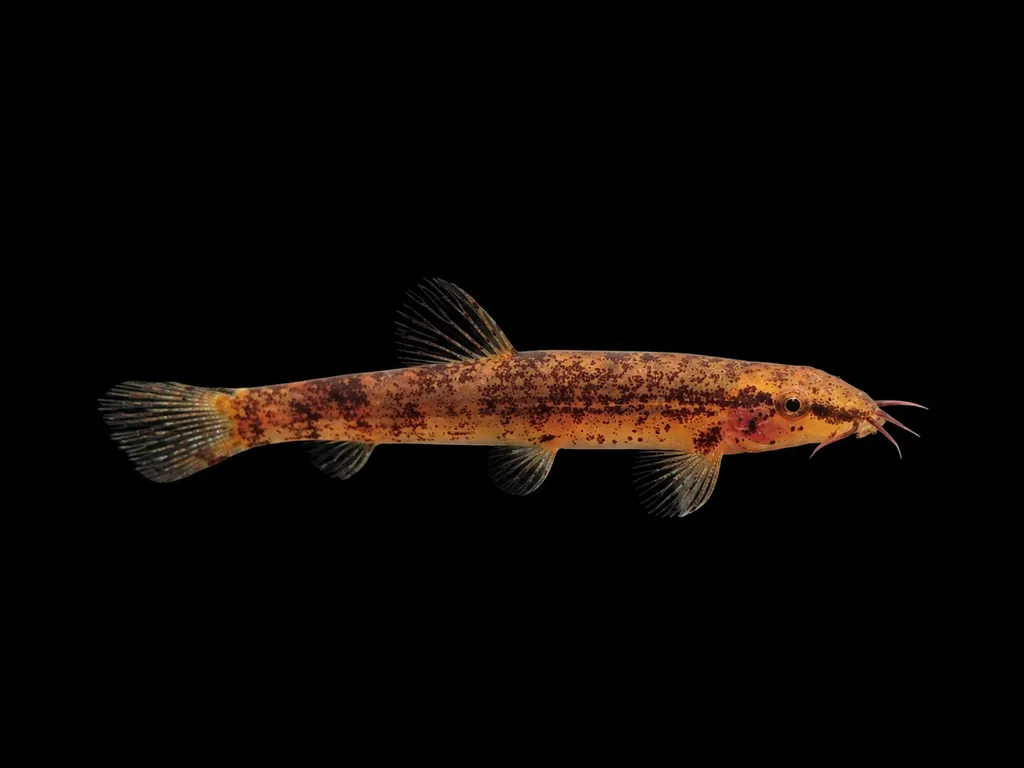
Dwarf lizard loach
Neohomaloptera johorensis
Freshwater1 in (2.5 cm) · 11 gal (40 L)72–79°F (22–26°C)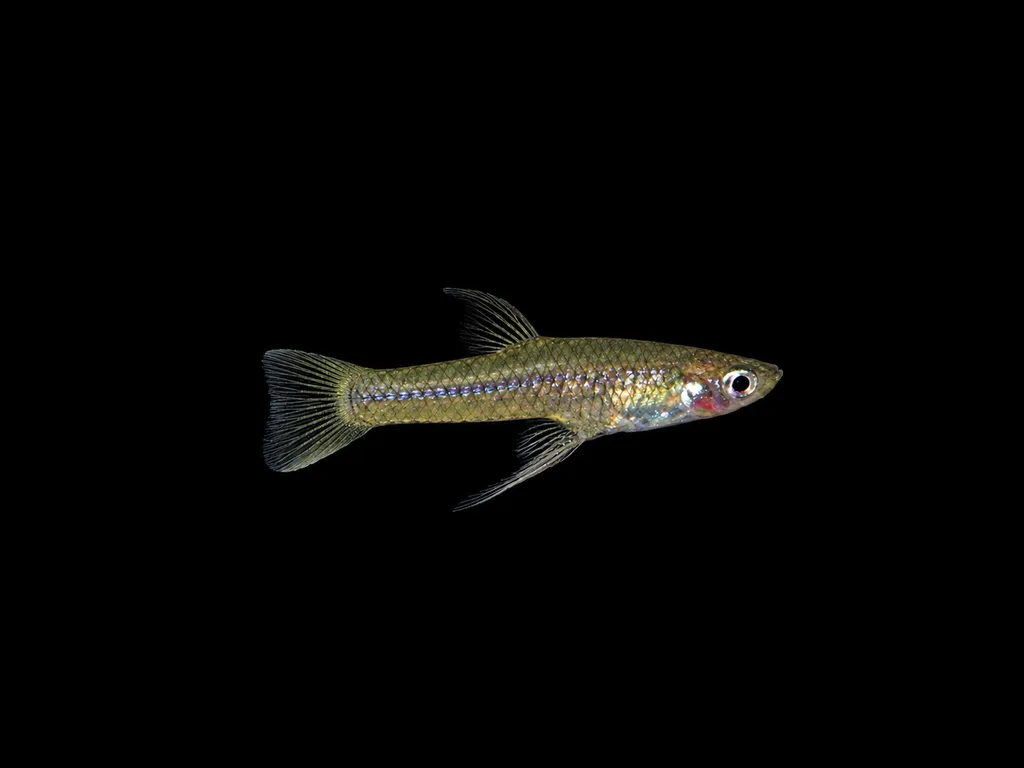
Sicklefin livebearer
Girardinus falcatus
Freshwater2.6 in (6.5 cm) · 11 gal (40 L)68–82°F (20–28°C)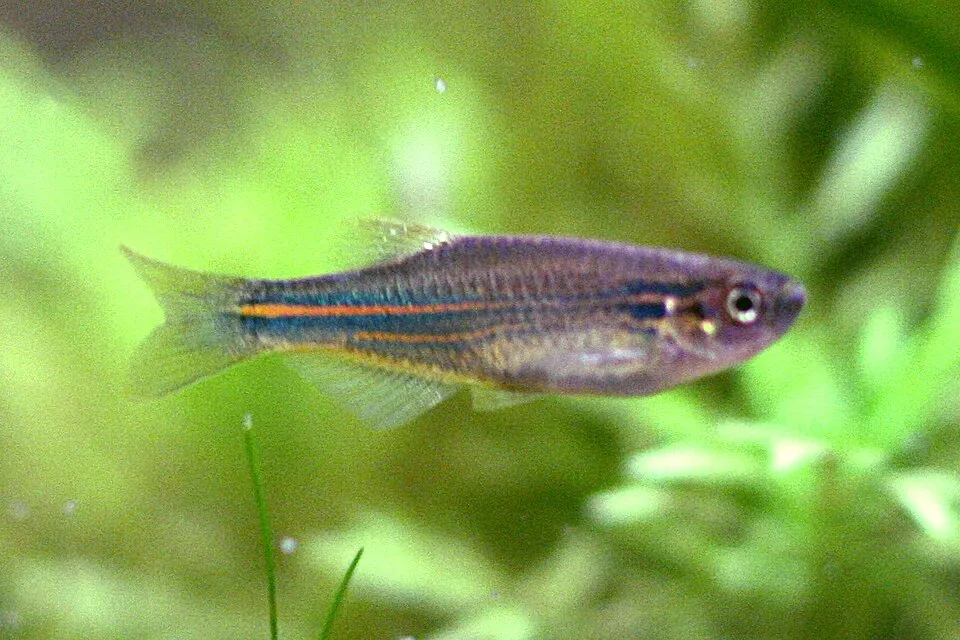
Blue danio
Danio kerri
Freshwater1.8 in (4.5 cm) · 11 gal (40 L)68–79°F (20–26°C)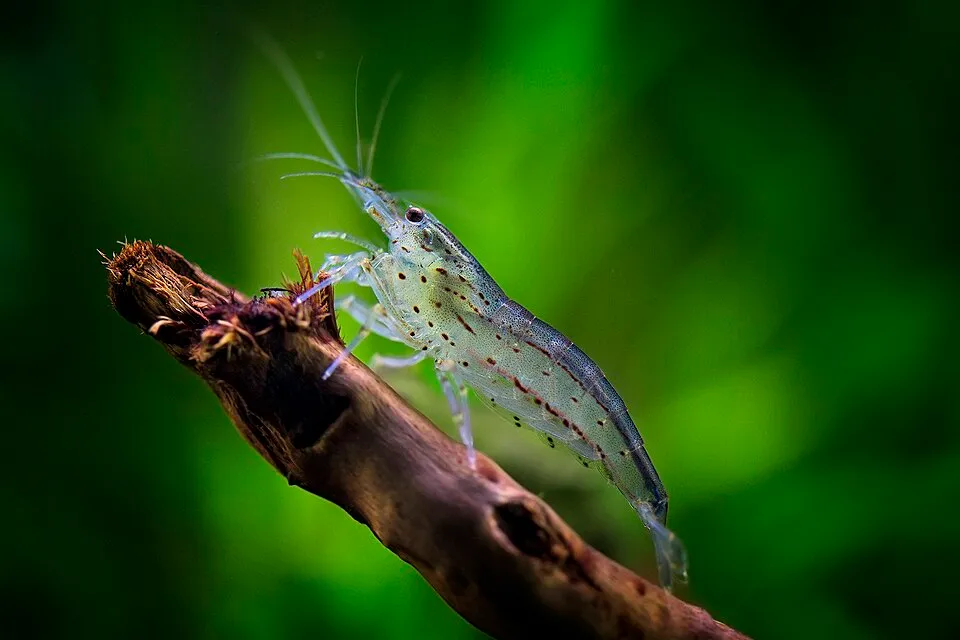
Amano shrimp
Caridina multidentata
FreshwaterBrackish2 in (5 cm) · 8 gal (30 L)59–81°F (15–27°C)
Common questions
What size tank does an Eyespot rasbora need?
An Eyespot rasbora needs at least 9 gal (35 L). It spends most of its time in the middle.
What temperature and pH does an Eyespot rasbora need?
An Eyespot rasbora is comfortable at 68–77°F (20–25°C) with a pH of 6.0–7.5.
How big does an Eyespot rasbora get?
An adult Eyespot rasbora reaches about 1.4 in (3.5 cm).
Does an Eyespot rasbora need a group?
Yes. An Eyespot rasbora is a schooling species and should be kept in a group, not singly.
Related species
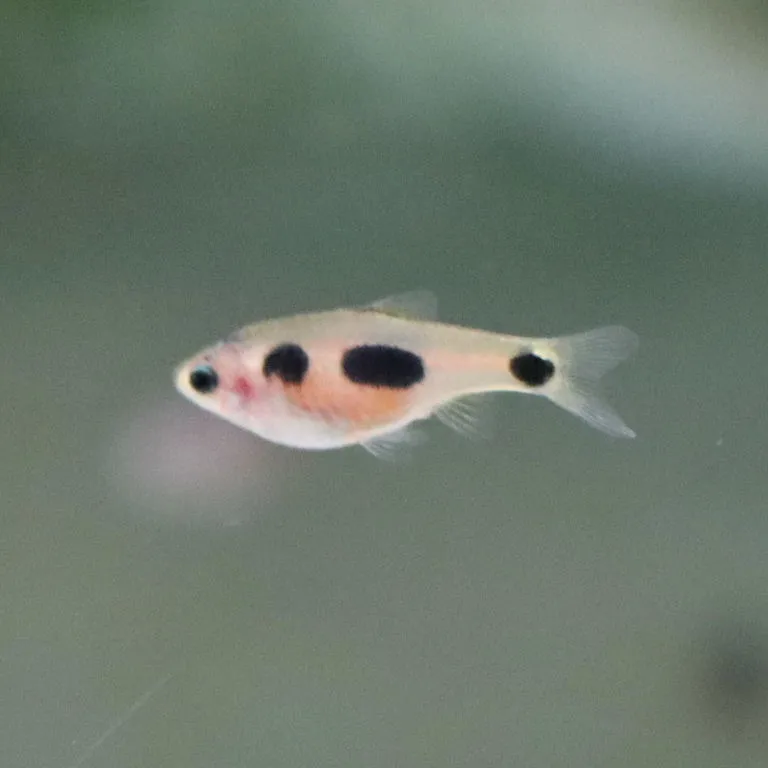 1.4 in (3.5 cm)11 gal (40 L)63–75°F (17–24°C)
African butterfly barb
Barbus hulstaerti
1.4 in (3.5 cm) · 11 gal (40 L)
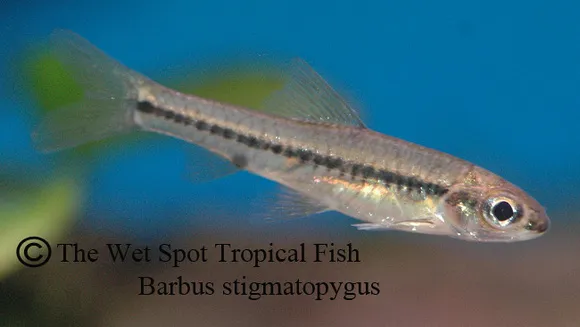 1.4 in (3.5 cm)11 gal (40 L)72–81°F (22–27°C)
Blackspot dwarf barb
Enteromius stigmatopygus
1.4 in (3.5 cm) · 11 gal (40 L)
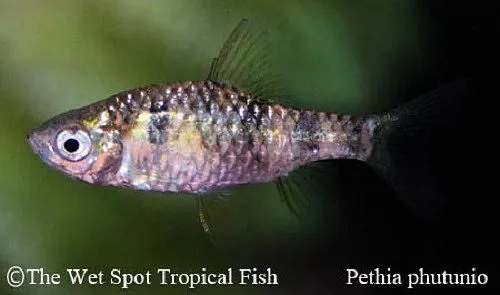 1.4 in (3.5 cm)12 gal (45 L)72–79°F (22–26°C)
Dwarf barb
Pethia phutunio
1.4 in (3.5 cm) · 12 gal (45 L)
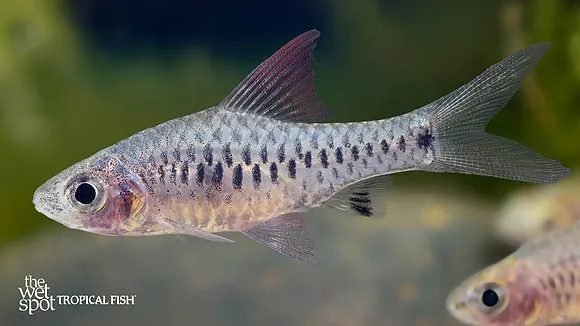 1.4 in (3.6 cm)14 gal (54 L)72–79°F (22–26°C)
Dwarf hi-fin barb
Oreichthys parvus
1.4 in (3.6 cm) · 14 gal (54 L)
 1.5 in (3.7 cm)11 gal (40 L)64–79°F (18–26°C)
Spotted danio
Danio nigrofasciatus
1.5 in (3.7 cm) · 11 gal (40 L)
 1.5 in (3.8 cm)11 gal (40 L)73–82°F (23–28°C)
Espei rasbora
Trigonostigma espei
1.5 in (3.8 cm) · 11 gal (40 L)