Espei rasbora
Trigonostigma espei
Also known as lambchop rasbora, Pork Chop Rasbora
FreshwaterFish
Care at a glance
- Temperature
- 73–82°F
- 23–28°C
- pH
- 6.0–7.0
- Adult size
- 1.5 in
- 3.8 cm
- Minimum tank
- 11 gal
- 40 L
- Temperament
- Peaceful
- Social behavior
- Schooling
- Swim level
- Middle
- Difficulty
- Easy
- Breeding
- Hard
- Rarity
- Rare
- Family
- Cyprinidae
- Origin
- Thailand, Cambodia
Overview
Keep a group of at least six to eight, more if you can, so they school properly. They are peaceful mid-water fish that pair well with other small, calm species. Feed quality flake, micro pellets, and small frozen foods like brine shrimp or finely chopped bloodworm. They want a planted tank, gentle current, and temperatures in the mid 20s C. About 40 liters suits a school.
In the wild
Espei rasboras come from slow streams and rivers in Thailand and Cambodia, often in water stained dark by tannins from rotting leaves. The water is soft and slightly acidic, with plenty of plant cover over fine sand or silt. Set them up with a planted tank, gentle flow, and some shade. Soft water around pH 6 to 7 brings out their best color.
Good to know
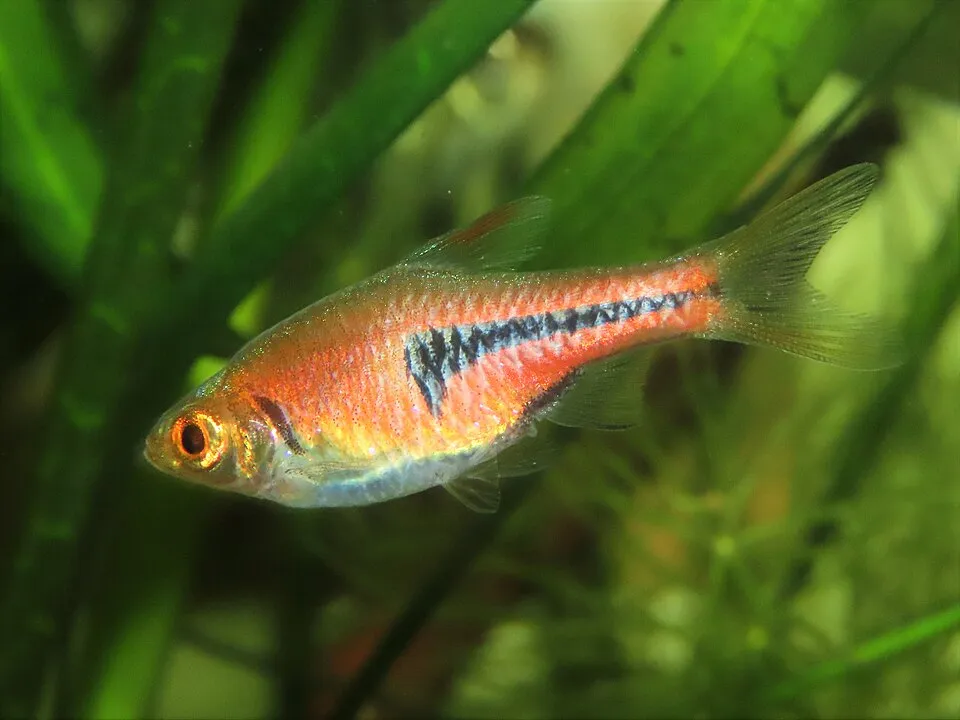
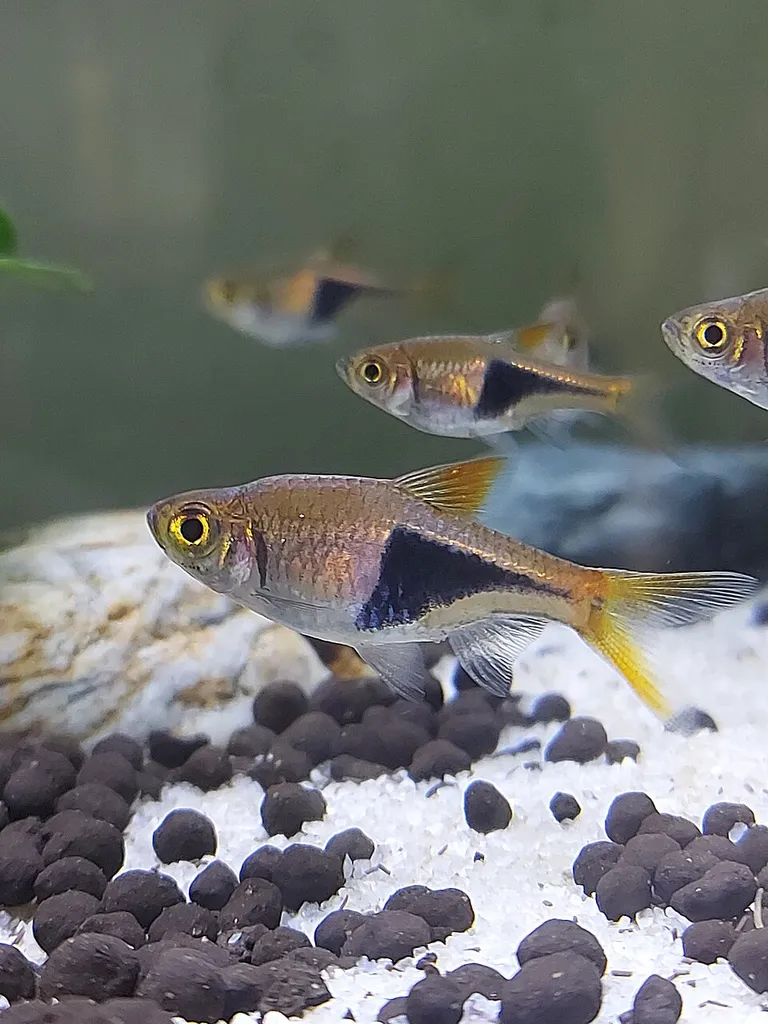
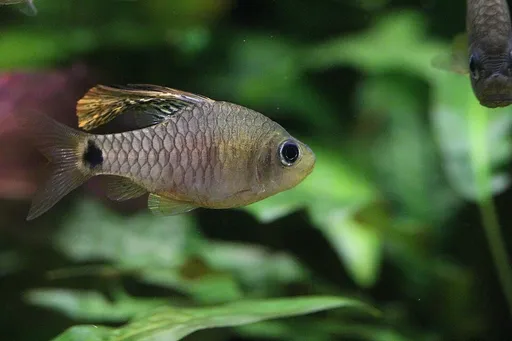
A small cyprinid in the family Cyprinidae, closely related to the harlequin rasbora, reaching about 3.8 cm. It carries a narrow black wedge along the rear half of the body, slimmer than the harlequin's broad triangle. It is an egg layer that scatters or attaches eggs near plants with no parental care, and it is considered difficult to breed at home. The IUCN lists it as Least Concern.
Did you know
Despite the harlequin comparison, espei rasboras turn a warm copper-orange over the body when settled, which is why hobbyists sometimes call them lambchop rasboras after the shape of that black wedge. Good water and a varied diet deepen that copper tone.
Weekly picks
Tank mates
Espei rasbora is a peaceful, schooling species that keeps to the middle. These picks share a community profile with it, are safe together in both directions, and overlap on water type, temperature and pH.
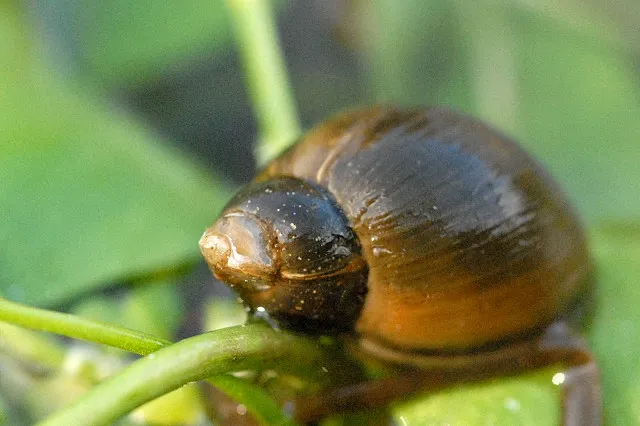
Wandering snail
Ampullaceana balthica
Freshwater0.8 in (2 cm) · 11 gal (40 L)50–84°F (10–29°C)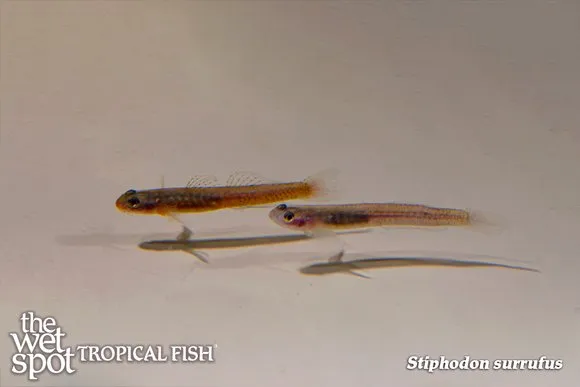
Birdsong goby
Stiphodon surrufus
Freshwater1 in (2.5 cm) · 11 gal (40 L)73–81°F (23–27°C)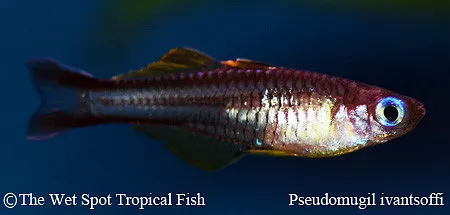
Ivantsoff's blue-eye
Pseudomugil ivantsoffi
Freshwater1.6 in (4 cm) · 11 gal (40 L)75–82°F (24–28°C)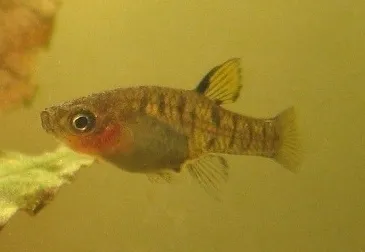
Black-barred livebearer
Quintana atrizona
Freshwater1.3 in (3.4 cm) · 11 gal (40 L)72–82°F (22–28°C)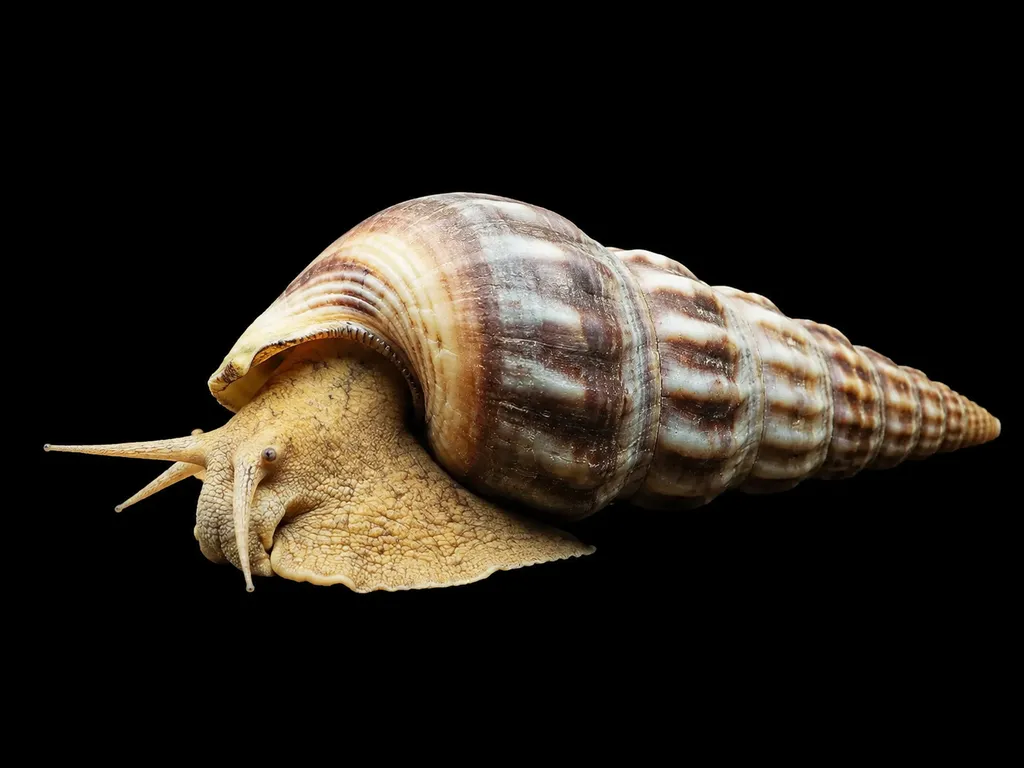
Hercules snail
Brotia herculea
Freshwater3.1 in (8 cm) · 11 gal (40 L)73–82°F (23–28°C)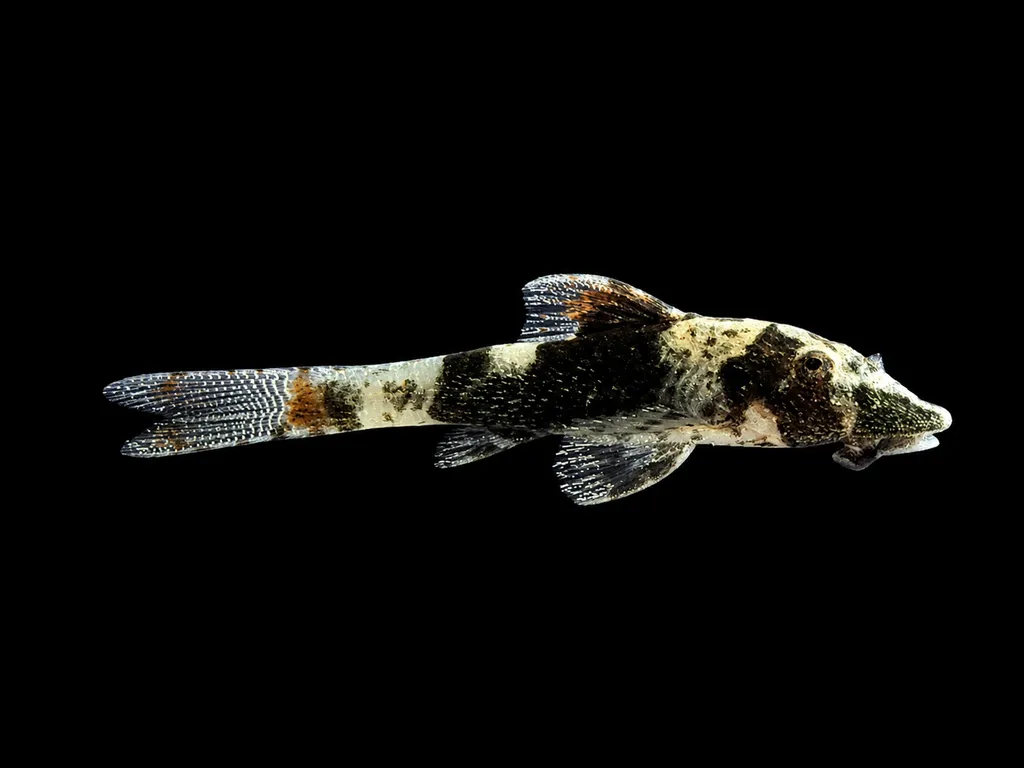
Bumblebee otocinclus
Rhinotocinclus isabelae
Freshwater0.8 in (2 cm) · 11 gal (40 L)73–82°F (23–28°C)
Common questions
What size tank does an Espei rasbora need?
An Espei rasbora needs at least 11 gal (40 L). It spends most of its time in the middle.
What temperature and pH does an Espei rasbora need?
An Espei rasbora is comfortable at 73–82°F (23–28°C) with a pH of 6.0–7.0.
How big does an Espei rasbora get?
An adult Espei rasbora reaches about 1.5 in (3.8 cm).
Does an Espei rasbora need a group?
Yes. An Espei rasbora is a schooling species and should be kept in a group, not singly.
Related species
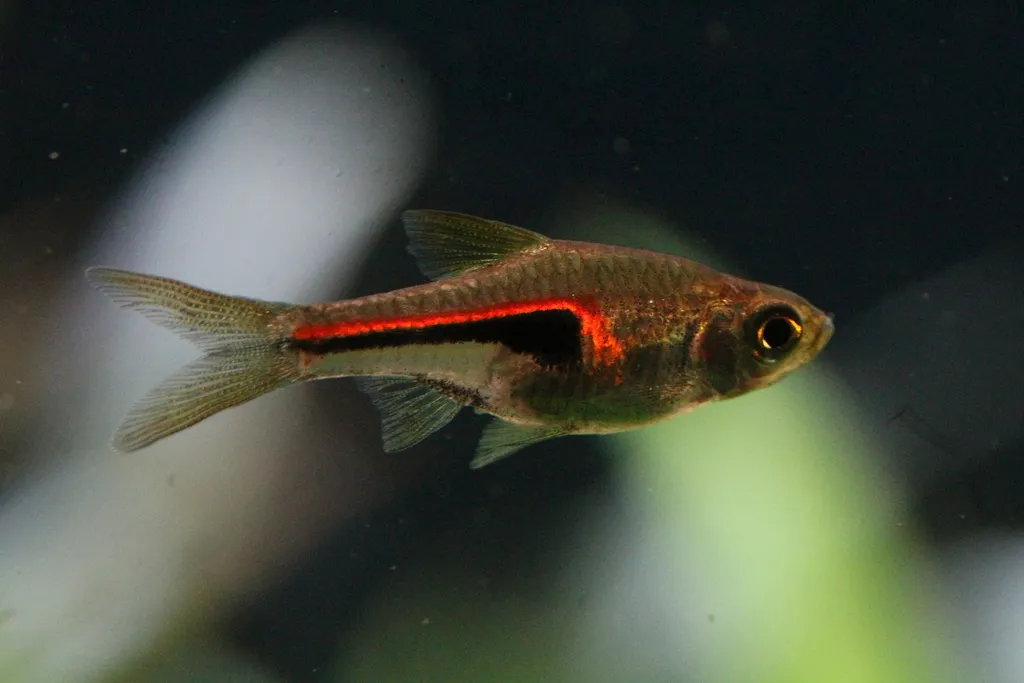 1.6 in (4 cm)12 gal (45 L)73–82°F (23–28°C)
Glowlight rasbora
Trigonostigma hengeli
1.6 in (4 cm) · 12 gal (45 L)
 2 in (5 cm)15 gal (55 L)72–82°F (22–28°C)
Harlequin rasbora
Trigonostigma heteromorpha
2 in (5 cm) · 15 gal (55 L)
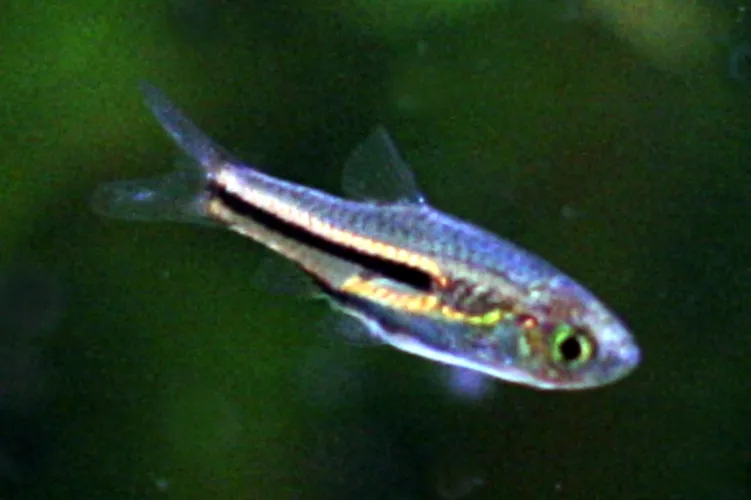 1 in (2.5 cm)12 gal (45 L)73–81°F (23–27°C)
Somphongs's rasbora
Trigonostigma somphongsi
1 in (2.5 cm) · 12 gal (45 L)
 1.5 in (3.7 cm)11 gal (40 L)64–79°F (18–26°C)
Spotted danio
Danio nigrofasciatus
1.5 in (3.7 cm) · 11 gal (40 L)
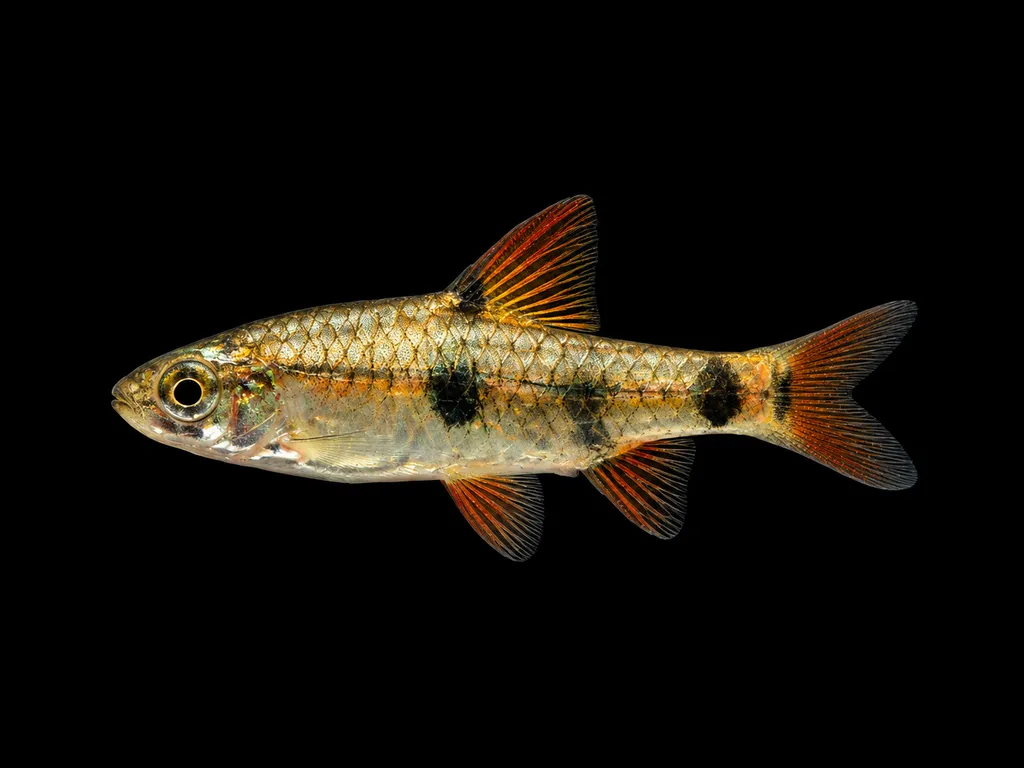 1.6 in (4 cm)20 gal (75 L)68–79°F (20–26°C)
Canius barb
Pethia canius
1.6 in (4 cm) · 20 gal (75 L)
 1.6 in (4 cm)14 gal (54 L)73–82°F (23–28°C)
Drape-fin barb
Oreichthys crenuchoides
1.6 in (4 cm) · 14 gal (54 L)