Glowlight rasbora
Trigonostigma hengeli
Also known as Narrow Wedge Rasbora
FreshwaterFish
Care at a glance
- Temperature
- 73–82°F
- 23–28°C
- pH
- 6.0–7.0
- Adult size
- 1.6 in
- 4 cm
- Minimum tank
- 12 gal
- 45 L
- Temperament
- Peaceful
- Social behavior
- Schooling
- Swim level
- Middle
- Difficulty
- Easy
- Breeding
- Egg depositor · Medium
- Rarity
- Rare
- Family
- Cyprinidae
- Origin
- Sumatra, Borneo
Overview
The glowlight rasbora is a tiny, peaceful schooling fish for the middle of a planted tank. It is easy to keep.
Did you know
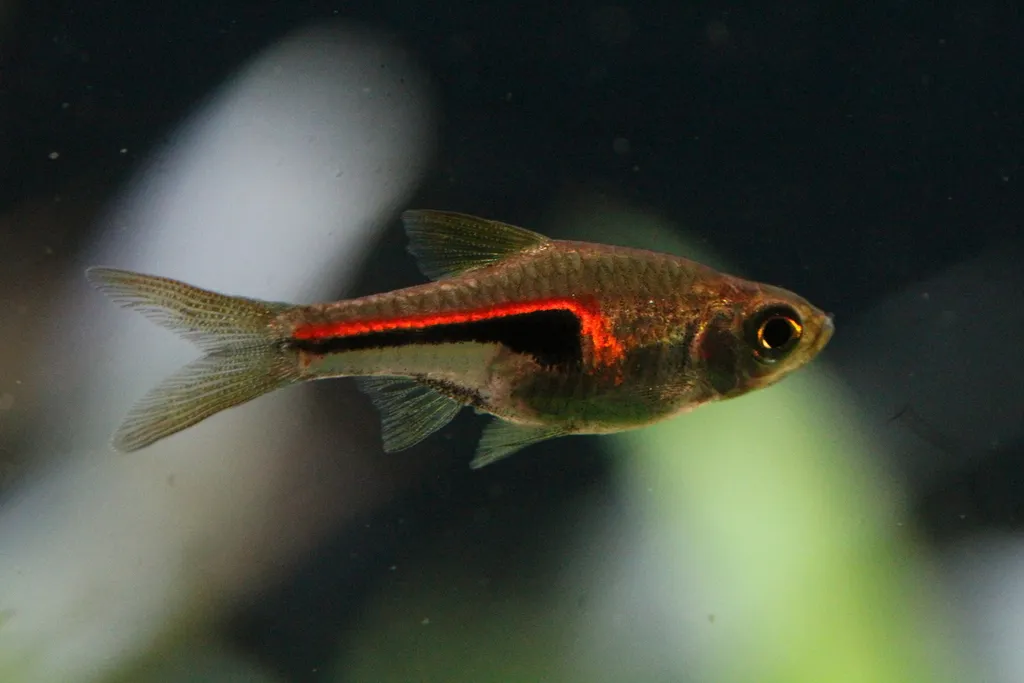
The glowlight rasbora is easily confused with two close relatives, the lambchop rasbora and the larger harlequin rasbora. It is the slimmest of the three, with the narrowest black marking and the brightest band of orange just above it.
Caring for the glowlight rasbora
Keep glowlight rasboras in a group of at least eight to ten. A good-sized shoal keeps them bold and shows off their glowing color. A tank of 12 gal (45 L) or larger holds a shoal comfortably. They stay in the middle water and drift together through open swimming areas among plants.
Give them a dark base, driftwood and leaf litter, with dense planting around open swimming space. Soft, tannin-stained water under gentle, subdued lighting brings out the bright copper band that gives the fish its name. Keep the water warm, at 73 to 82°F (23 to 28°C), with an acidic pH of 6.0 to 7.0.
Feed small foods such as fine flake and crushed micro pellets, with tiny frozen or live foods like cyclops and baby brine shrimp. Their small size and calm nature suit a planted nano or a quiet community. Never keep them with anything large enough to eat them or boisterous enough to bully them.
Glowlight rasboras lay their eggs on the underside of broad leaves rather than simply scattering them. They can be bred in soft, warm water with moderate effort.
Good to know
Trigonostigma hengeli is a small member of the family Cyprinidae. It carries a black wedge along the rear body, topped by an almost fluorescent orange stripe.
In the wild
The glowlight rasbora comes from soft, acidic blackwater streams and peat swamp forests of Sumatra and Borneo. The water there is warm, dark and stained with tannins.
Weekly picks
Tank mates
The glowlight rasbora is a peaceful, schooling species that keeps to the middle. These picks share a community profile with it, are safe together in both directions, and overlap on water type, temperature and pH.
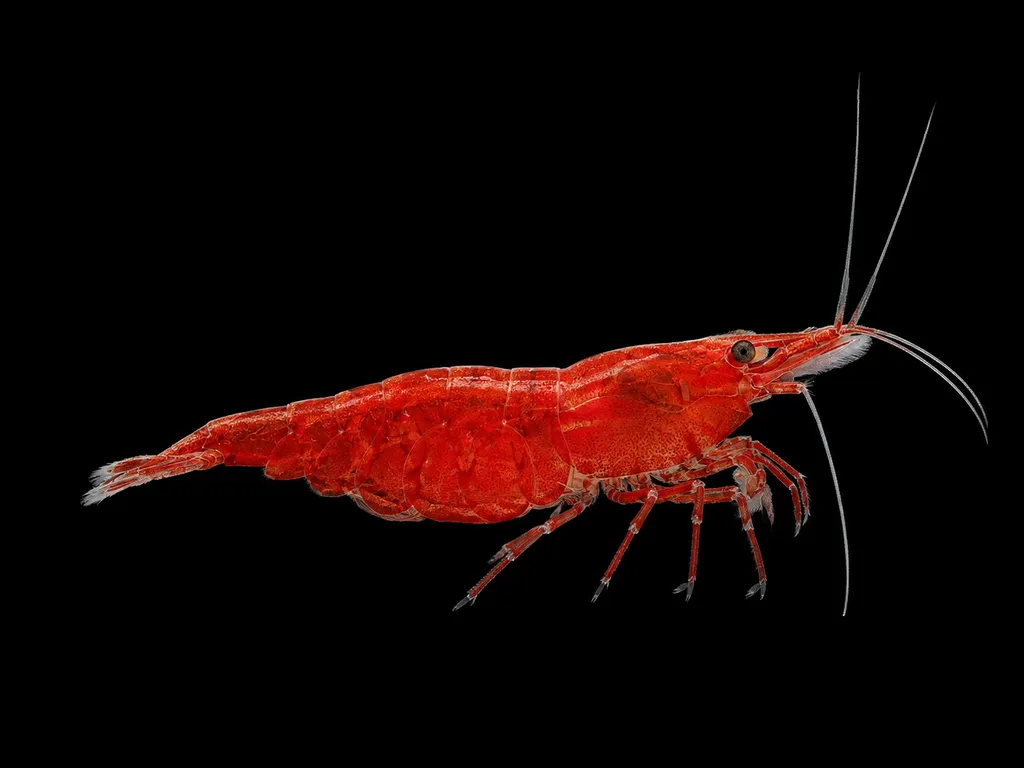
Neocaridina shrimp
Neocaridina davidi
Freshwater1.6 in (4 cm) · 5 gal (19 L)59–84°F (15–29°C)
Guppy
Poecilia reticulata
FreshwaterBrackish2.4 in (6 cm) · 10 gal (38 L)64–82°F (18–28°C)
Neon tetra
Paracheirodon innesi
Freshwater1.5 in (3.8 cm) · 11 gal (40 L)70–77°F (21–25°C)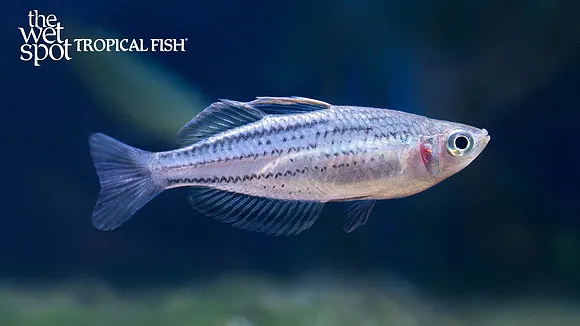
Green panchax
Aplocheilus blockii
Freshwater2 in (5 cm) · 11 gal (40 L)72–82°F (22–28°C)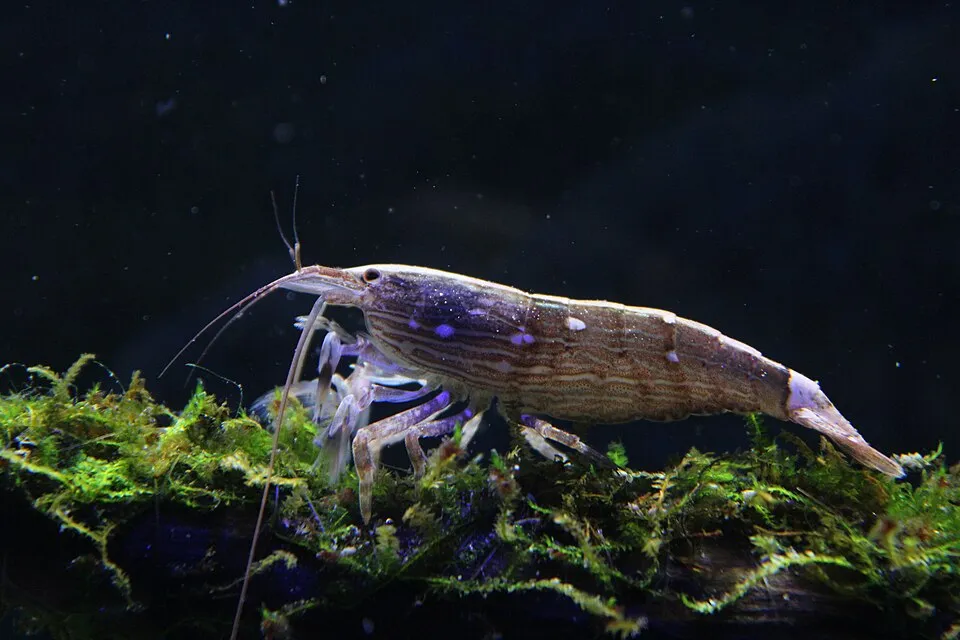
Bamboo shrimp
Atyopsis moluccensis
Freshwater3.9 in (10 cm) · 13 gal (50 L)72–84°F (22–29°C)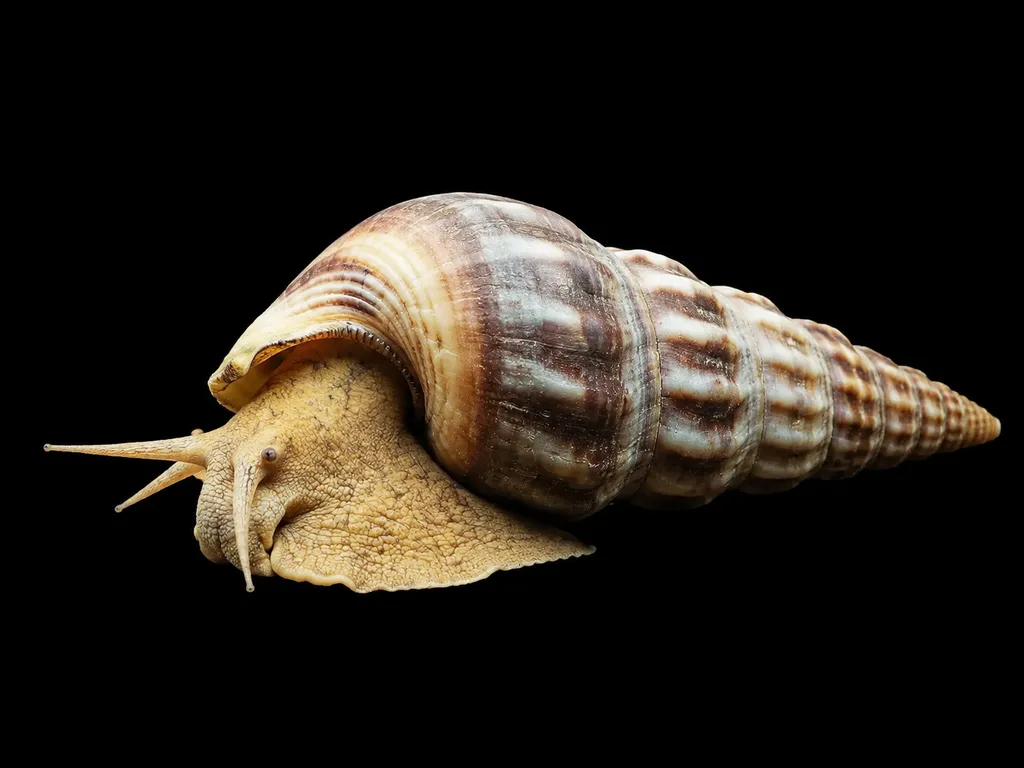
Hercules snail
Brotia herculea
Freshwater3.1 in (8 cm) · 11 gal (40 L)73–82°F (23–28°C)
Common questions
What size tank does a glowlight rasbora need?
A glowlight rasbora needs at least 12 gal (45 L). It spends most of its time in the middle.
What temperature and pH does a glowlight rasbora need?
A glowlight rasbora is comfortable at 73–82°F (23–28°C) with a pH of 6.0–7.0.
What does a glowlight rasbora eat?
A glowlight rasbora eats small foods such as fine flake and crushed micro pellets. Add tiny frozen or live foods like cyclops and baby brine shrimp.
How big does a glowlight rasbora get?
An adult glowlight rasbora reaches about 1.6 in (4 cm).
Does a glowlight rasbora need a group?
Yes. A glowlight rasbora is a schooling species and should be kept in a group, not singly.
How does a glowlight rasbora breed?
Glowlight rasboras lay their eggs on the underside of broad leaves instead of scattering them. They can be bred in soft, warm water with moderate effort.
Related species
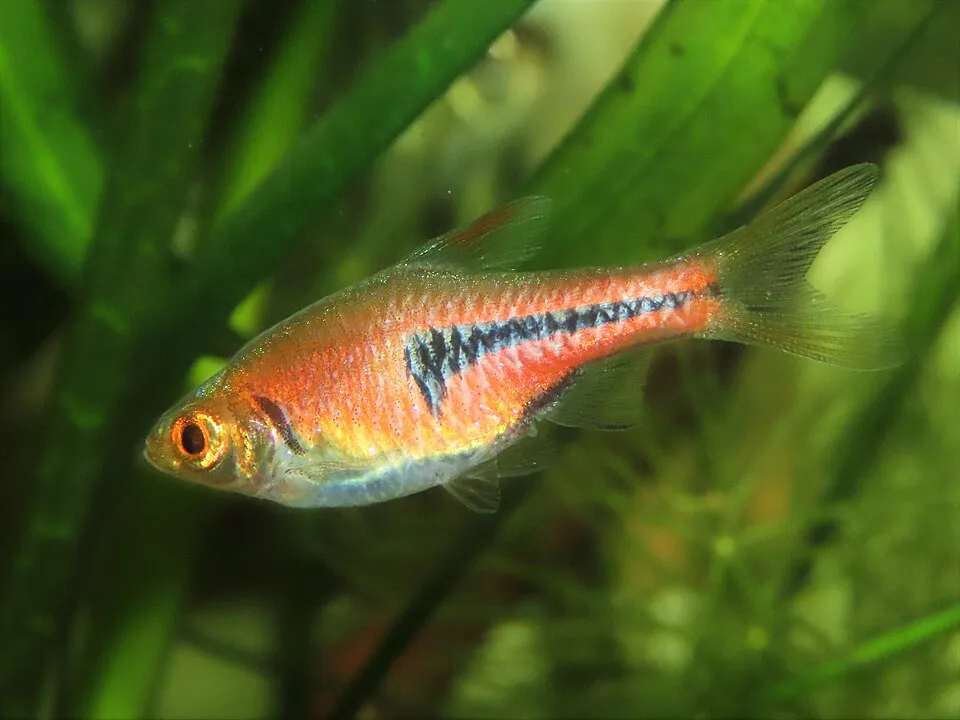 1.5 in (3.8 cm)11 gal (40 L)73–82°F (23–28°C)
Espei rasbora
Trigonostigma espei
1.5 in (3.8 cm) · 11 gal (40 L)
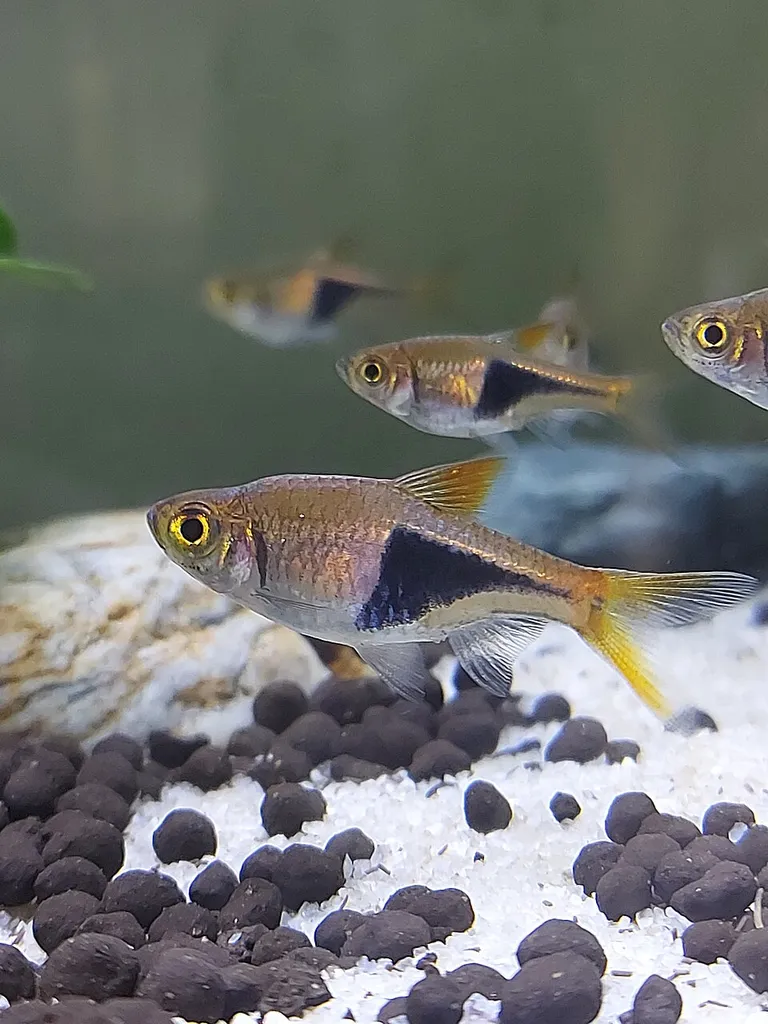 2 in (5 cm)15 gal (55 L)72–82°F (22–28°C)
Harlequin rasbora
Trigonostigma heteromorpha
2 in (5 cm) · 15 gal (55 L)
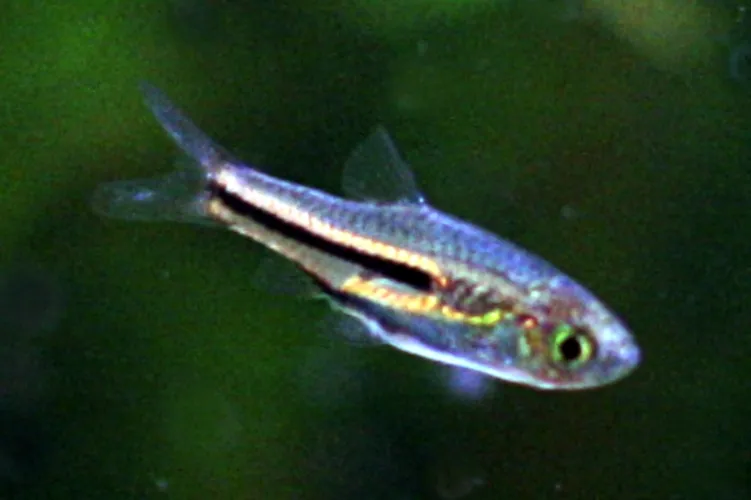 1 in (2.5 cm)12 gal (45 L)73–81°F (23–27°C)
Somphongs's rasbora
Trigonostigma somphongsi
1 in (2.5 cm) · 12 gal (45 L)
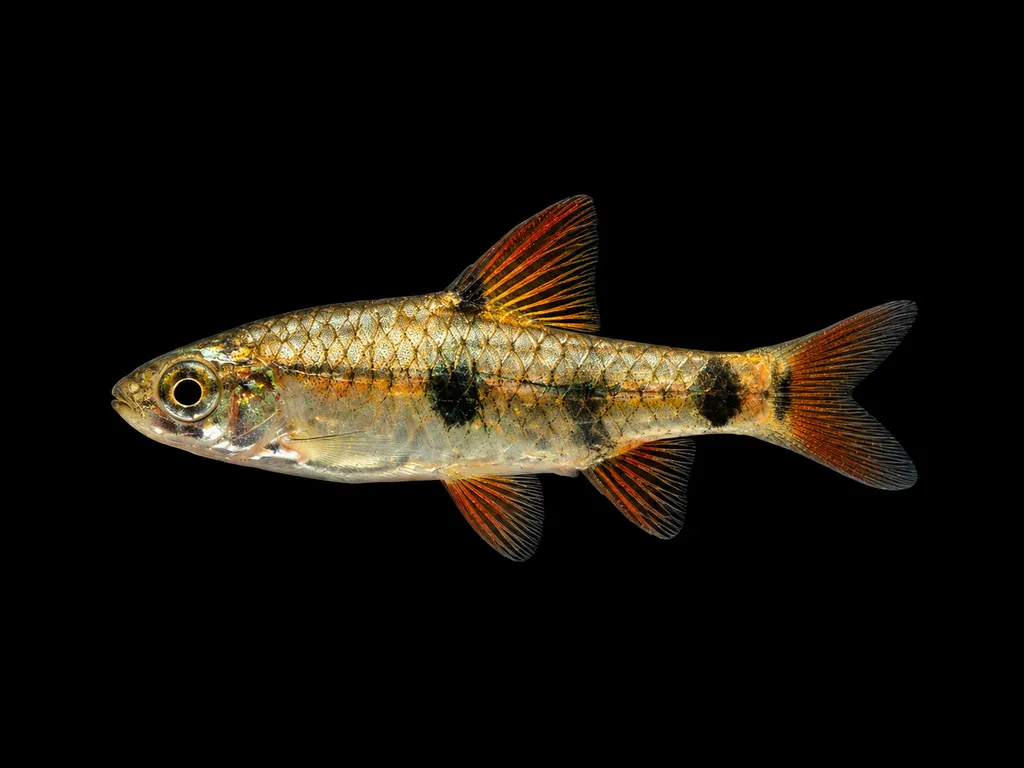 1.6 in (4 cm)20 gal (75 L)68–79°F (20–26°C)
Canius barb
Pethia canius
1.6 in (4 cm) · 20 gal (75 L)
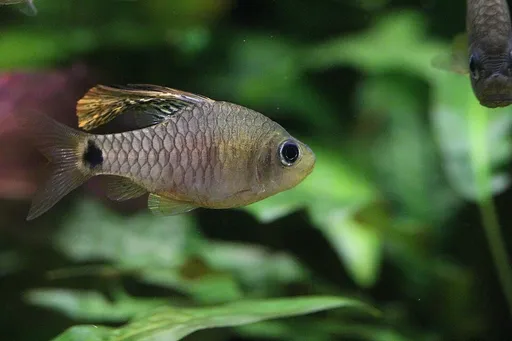 1.6 in (4 cm)14 gal (54 L)73–82°F (23–28°C)
Drape-fin barb
Oreichthys crenuchoides
1.6 in (4 cm) · 14 gal (54 L)
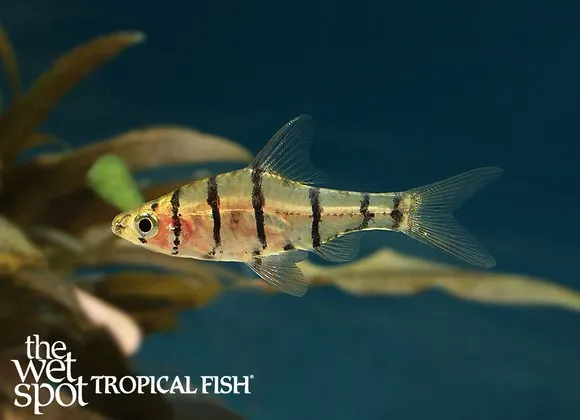 1.6 in (4 cm)14 gal (54 L)73–81°F (23–27°C)
False eight-banded barb
Eirmotus octozona
1.6 in (4 cm) · 14 gal (54 L)