Somphongs's rasbora
Trigonostigma somphongsi
Also known as Siamese dwarf rasbora, Rasbora somphongsi, Somphong's Rasbora
FreshwaterFish
Care at a glance
- Temperature
- 73–81°F
- 23–27°C
- pH
- 6.0–7.0
- Adult size
- 1 in
- 2.5 cm
- Minimum tank
- 12 gal
- 45 L
- Temperament
- Peaceful
- Social behavior
- Schooling
- Swim level
- Middle
- Difficulty
- Medium
- Breeding
- Medium
- Rarity
- Very rare
- Family
- Cyprinidae
- Origin
- Endemic to the Mae Klong basin in western Thailand.
Overview
Keep this rasbora in a group of at least eight to ten, more if you can, in a tank of 45 litres or more with soft, slightly acidic water at 23 to 27 C and a pH of 6.0 to 7.0. A dim, planted tank with leaf litter and dark substrate helps them settle and color up. Feed small foods such as micropellets, crushed flake, and frozen or live daphnia and baby brine shrimp. They are shy, peaceful schoolers best kept alone or with other small, gentle species.
In the wild
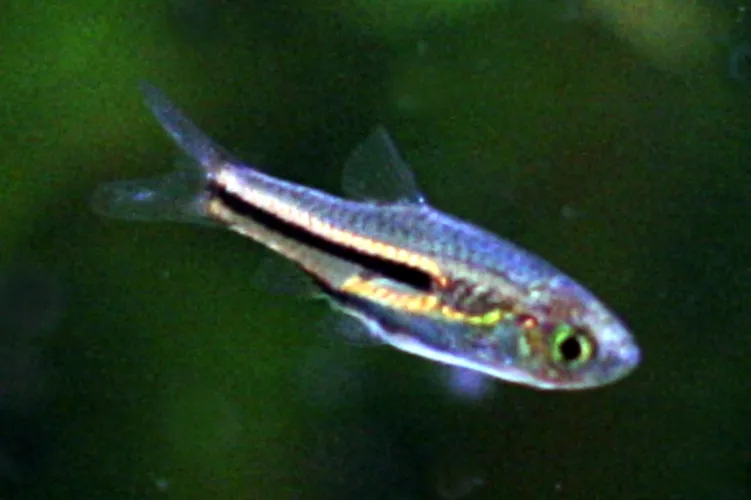
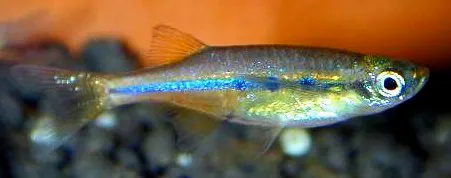
Somphongs's rasbora comes from shaded, slow, soft-water streams and swamps in the Mae Klong basin of western Thailand. Dense forest canopy keeps the water dim, warm, and slightly acidic. The fish carries a slim dark stripe and a warm orange body, close in shape to the harlequin rasboras. Its native habitat has been badly damaged, so nearly all tank fish are captive bred.
Good to know
Once thought extinct in the wild, Trigonostigma somphongsi is listed as critically endangered and survives mainly through captive breeding. It is the smallest of the Trigonostigma rasboras at about 2.5 cm. It was named after Somphongs Lekaree, a Thai fish exporter active in the mid twentieth century.
Did you know
Buying captive-bred Somphongs's rasbora supports one of the few aquarium species that hobbyist breeders have helped pull back from the edge of extinction.
Weekly picks
Tank mates
Somphongs's rasbora is a peaceful, schooling species that keeps to the middle. These picks share a community profile with it, are safe together in both directions, and overlap on water type, temperature and pH.
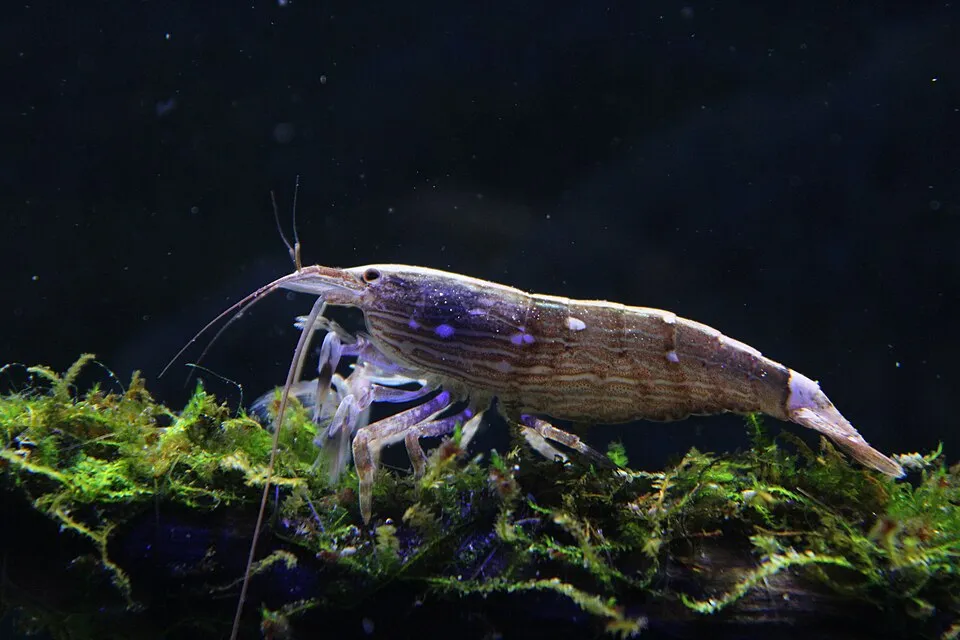
Bamboo shrimp
Atyopsis moluccensis
Freshwater3.9 in (10 cm) · 13 gal (50 L)72–84°F (22–29°C)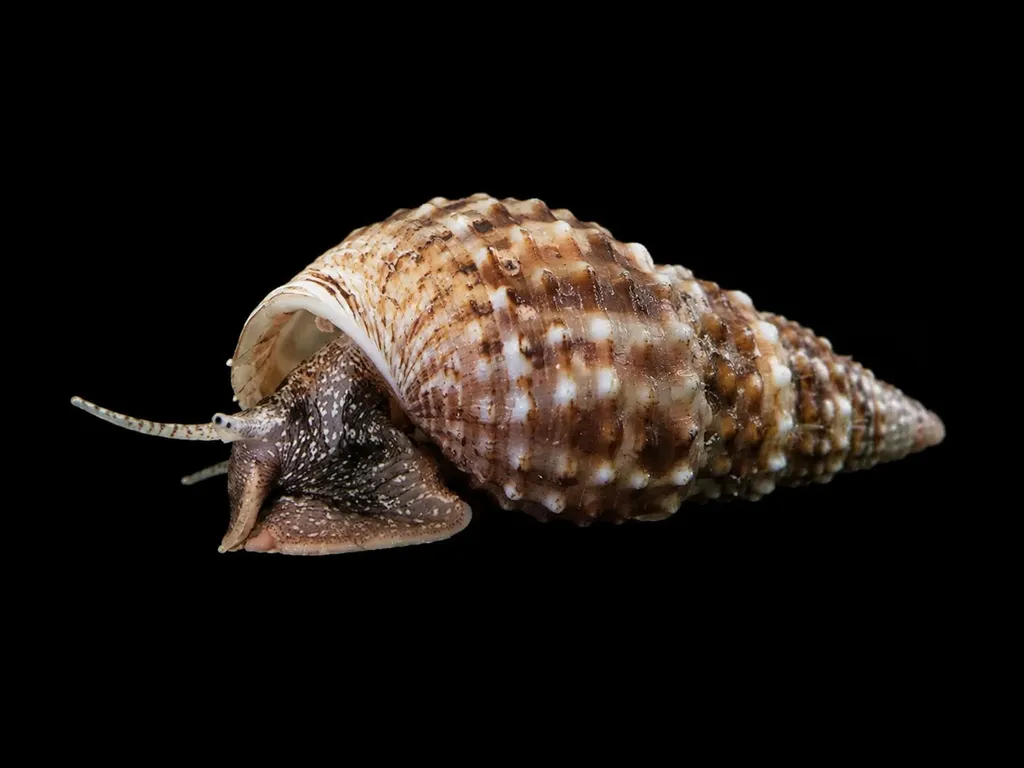
Prambanan snail
Thiara winteri
Freshwater1.6 in (4 cm) · 11 gal (40 L)73–82°F (23–28°C)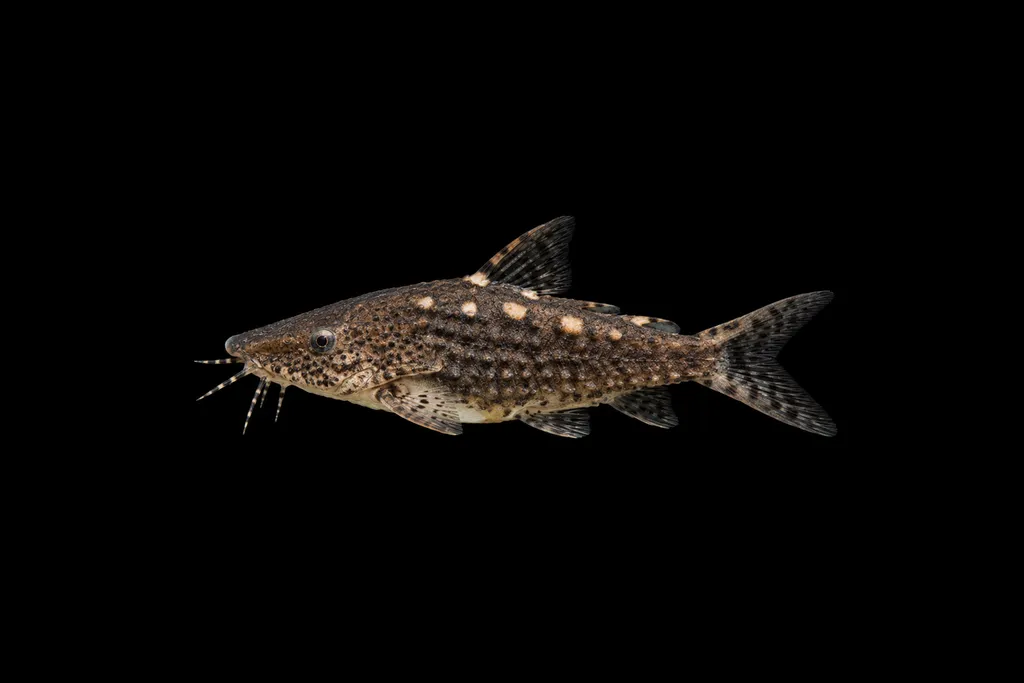
Dwarf warty catfish
Parakysis notialis
Freshwater1 in (2.5 cm) · 11 gal (40 L)73–82°F (23–28°C)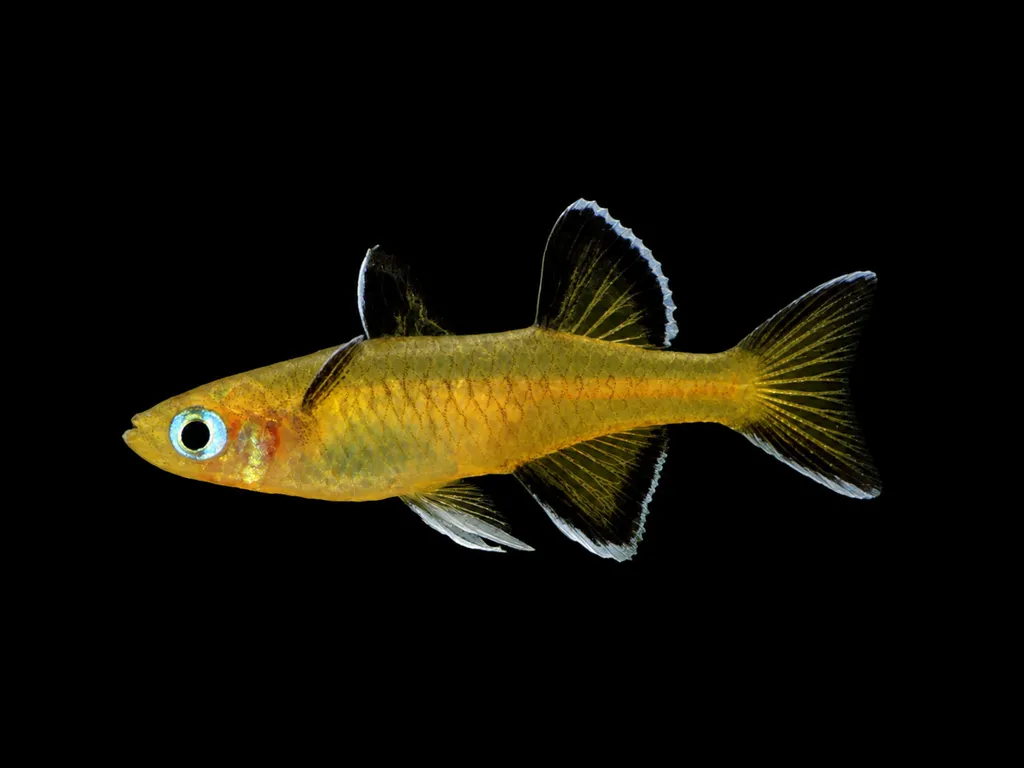
Honey blue-eye
Pseudomugil mellis
Freshwater1.4 in (3.5 cm) · 11 gal (40 L)68–82°F (20–28°C)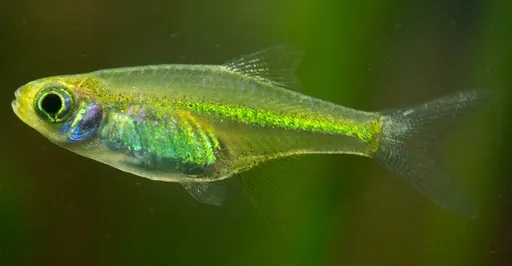
Green neon rasbora
Microdevario kubotai
Freshwater0.8 in (2 cm) · 12 gal (45 L)72–79°F (22–26°C)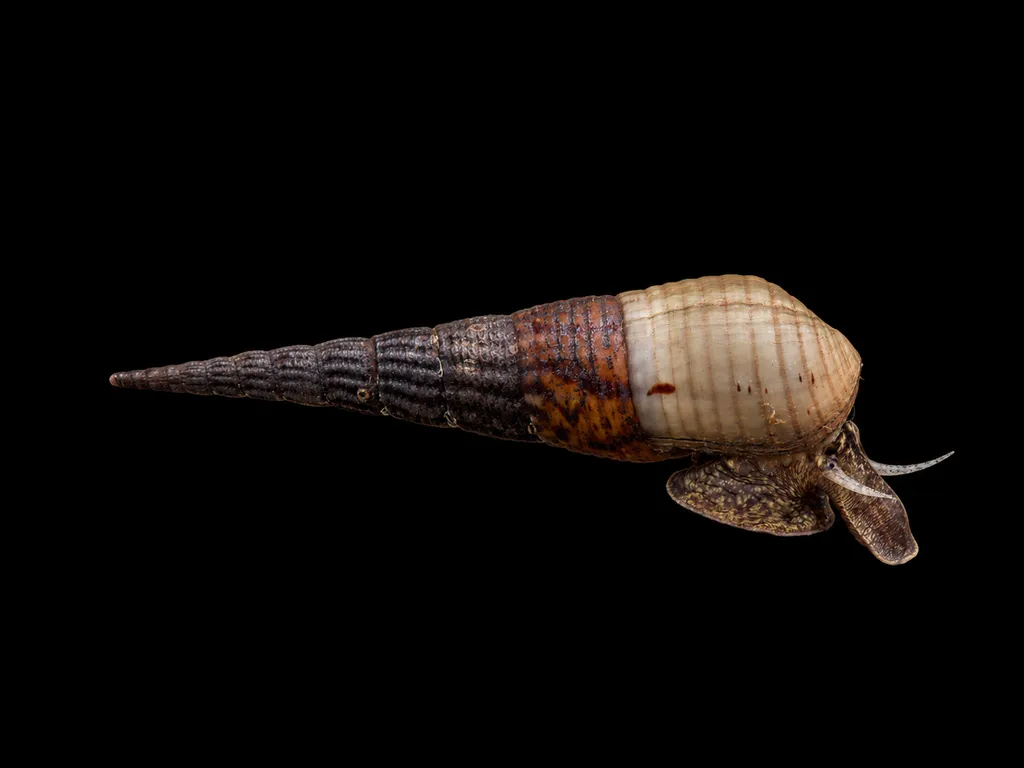
Chopstick snail
Stenomelania torulosa
Freshwater2 in (5 cm) · 11 gal (40 L)73–82°F (23–28°C)
Common questions
What size tank does a Somphongs's rasbora need?
A Somphongs's rasbora needs at least 12 gal (45 L). It spends most of its time in the middle.
What temperature and pH does a Somphongs's rasbora need?
A Somphongs's rasbora is comfortable at 73–81°F (23–27°C) with a pH of 6.0–7.0.
How big does a Somphongs's rasbora get?
An adult Somphongs's rasbora reaches about 1 in (2.5 cm).
Does a Somphongs's rasbora need a group?
Yes. A Somphongs's rasbora is a schooling species and should be kept in a group, not singly.
Related species
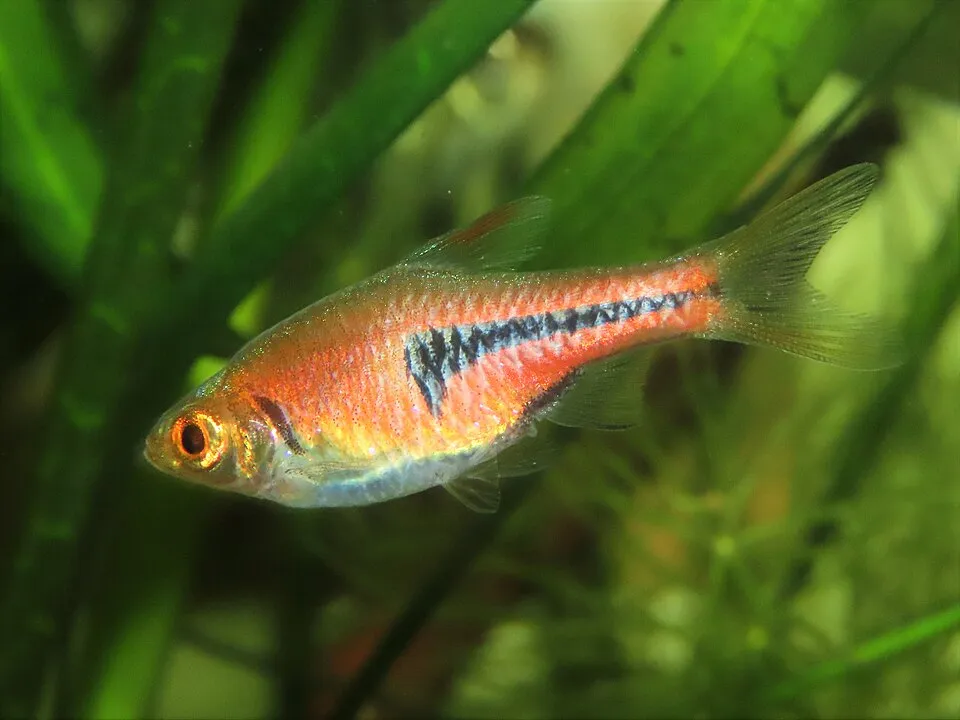 1.5 in (3.8 cm)11 gal (40 L)73–82°F (23–28°C)
Espei rasbora
Trigonostigma espei
1.5 in (3.8 cm) · 11 gal (40 L)
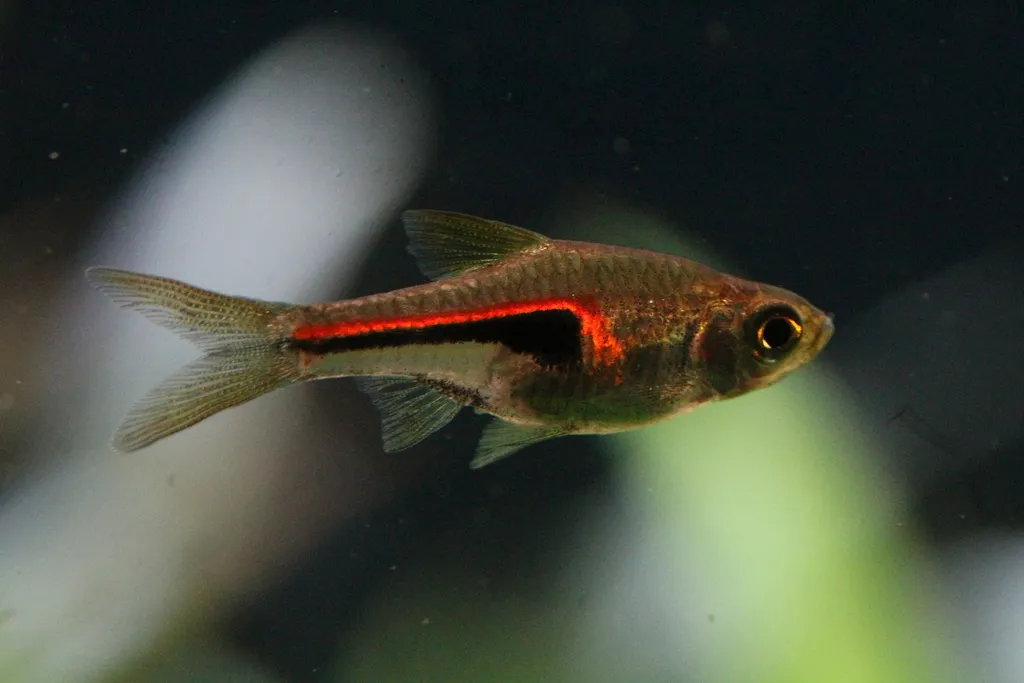 1.6 in (4 cm)12 gal (45 L)73–82°F (23–28°C)
Glowlight rasbora
Trigonostigma hengeli
1.6 in (4 cm) · 12 gal (45 L)
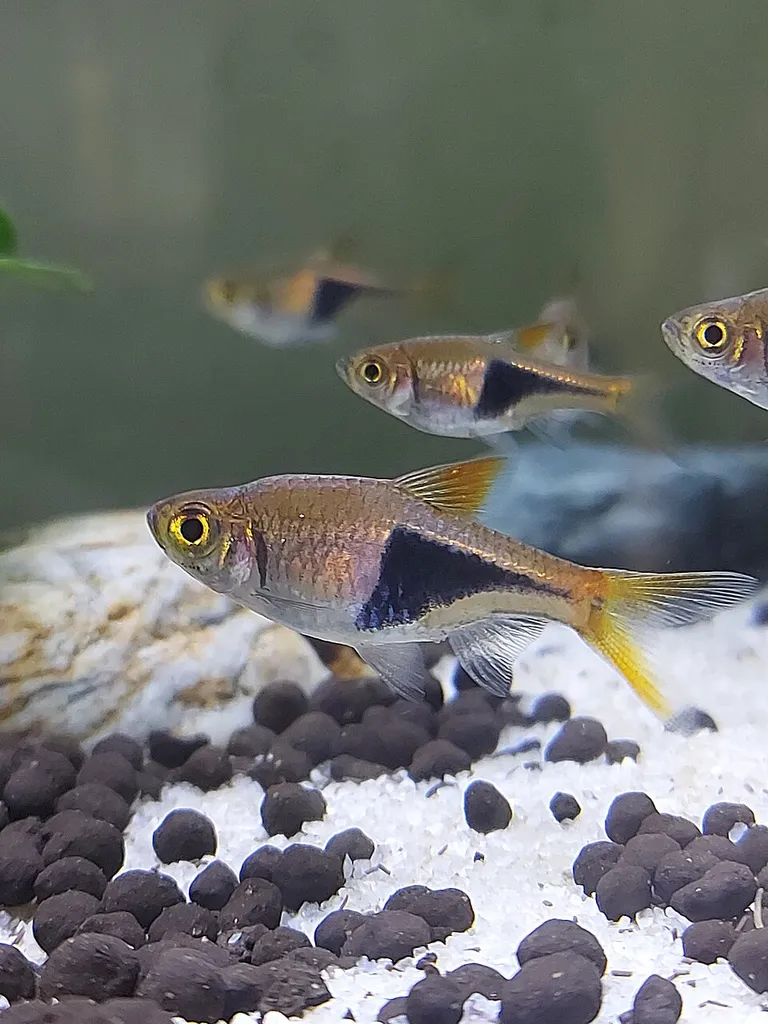 2 in (5 cm)15 gal (55 L)72–82°F (22–28°C)
Harlequin rasbora
Trigonostigma heteromorpha
2 in (5 cm) · 15 gal (55 L)
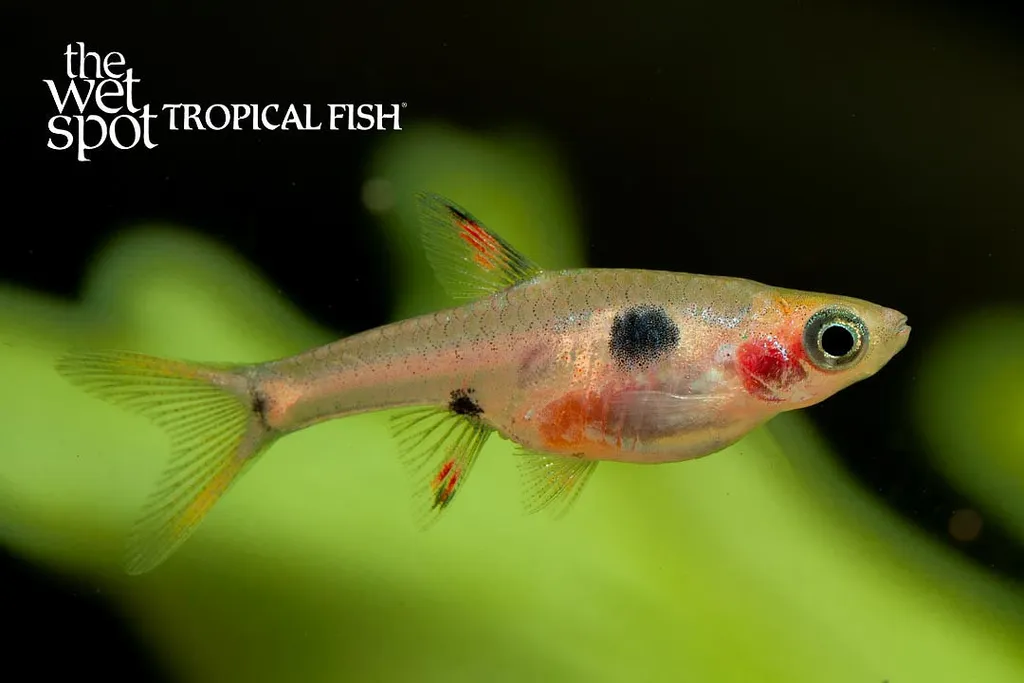 1 in (2.5 cm)7 gal (25 L)72–82°F (22–28°C)
Dwarf rasbora
Boraras maculatus
1 in (2.5 cm) · 7 gal (25 L)
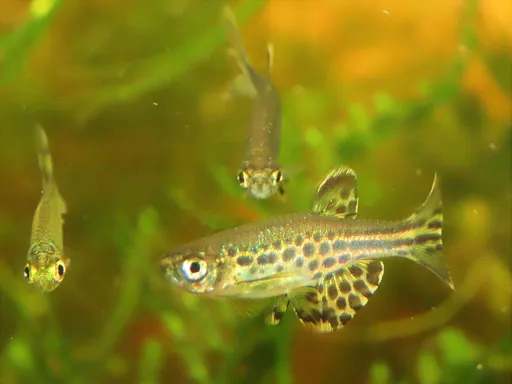 1.2 in (3 cm)11 gal (40 L)64–79°F (18–26°C)
Gold ring danio
Danio tinwini
1.2 in (3 cm) · 11 gal (40 L)
 1.2 in (3 cm)13 gal (50 L)68–75°F (20–24°C)
Orange hatchet danio
Laubuka dadiburjori
1.2 in (3 cm) · 13 gal (50 L)