Orange hatchet danio
Laubuka dadiburjori
FreshwaterFish
Care at a glance
- Temperature
- 68–75°F
- 20–24°C
- pH
- 6.0–7.5
- Adult size
- 1.2 in
- 3 cm
- Minimum tank
- 13 gal
- 50 L
- Temperament
- Peaceful
- Social behavior
- Schooling
- Swim level
- Middle
- Difficulty
- Easy
- Breeding
- Medium
- Rarity
- Rare
- Family
- Cyprinidae
- Origin
- India
Overview
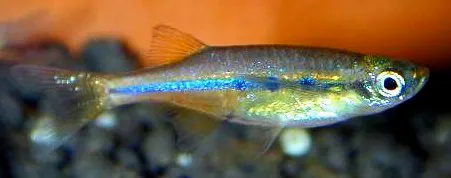
Orange hatchet danios are tiny, peaceful shoaling fish that should be kept in a group of at least eight to ten, as a decent shoal keeps them confident and out in view. They swim in the upper and middle water and spend much of their time near the surface, so a secure lid is wise. Their small size and gentle nature make them ideal for a planted nano or a quiet community, but they should never share a tank with anything large or boisterous. Feed small foods such as fine flake, crushed micro pellets, and tiny frozen or live items. A tank around 50 liters or larger suits a shoal of these little fish.
In the wild
This little danio comes from small streams, ponds, and ditches near the coast of southwestern India, in the Kochi area of the Malabar region, where it lives in warm, still to slow moving water. It does well at about 20–24 C and a pH of 6.0–7.5. Recreate that with gentle filtration, a dark substrate, and generous planting, including floating plants that dim the light and give this surface loving fish cover. Calm water, fine foods, and plenty of plant cover keep it comfortable and coloring up.
Good to know
Laubuka dadiburjori is one of the smallest cyprinids in the hobby, a member of the family Cyprinidae that reaches only about 3 cm. It has a compressed, hatchet shaped body with a deep chest and an upturned mouth suited to feeding at the surface, and a golden orange stripe runs along each flank. It was described in 1952 and has been shuffled between the genera Chela, Laubuka, and Neochela over the years. It is an egg scattering spawner that can be bred in a quiet, densely planted tank with moderate effort.
Did you know
This fish is named after Sam Dadiburjor, an Indian aquarist who first collected and bred it from streams near Kochi in the early 1950s. Its old and still widely used name, Chela dadiburjori, and the nickname dadio both carry his name.
Weekly picks
Tank mates
Orange hatchet danio is a peaceful, schooling species that keeps to the middle. These picks share a community profile with it, are safe together in both directions, and overlap on water type, temperature and pH.
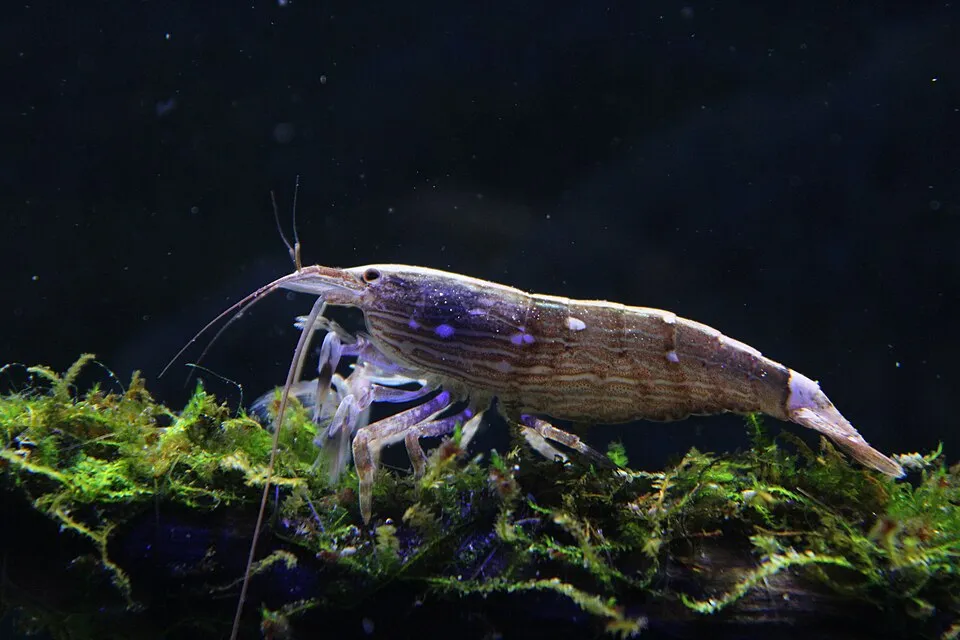
Bamboo shrimp
Atyopsis moluccensis
Freshwater3.9 in (10 cm) · 13 gal (50 L)72–84°F (22–29°C)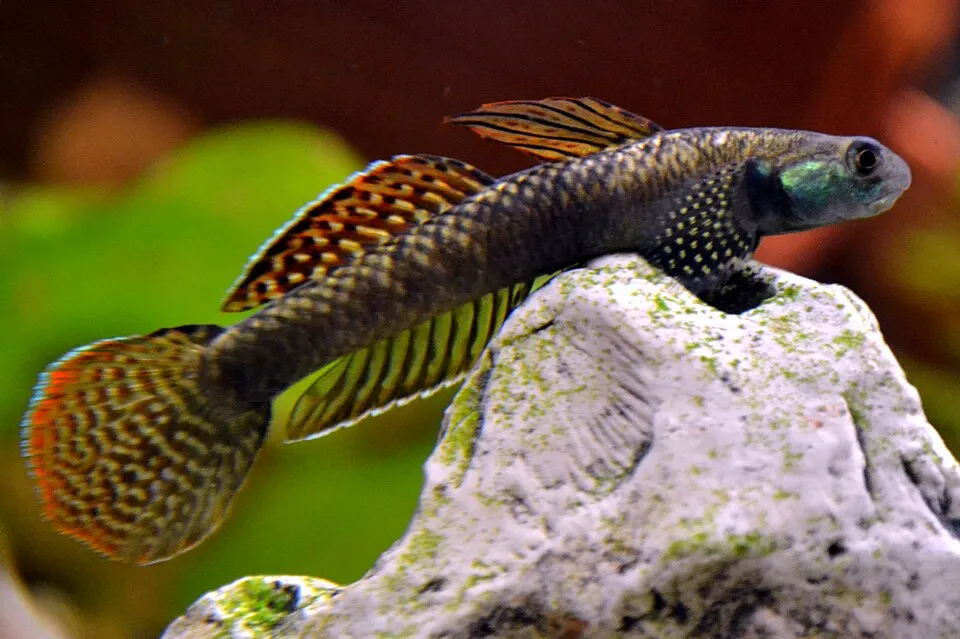
Rainbow stiphodon
Stiphodon ornatus
Freshwater2.6 in (6.5 cm) · 13 gal (50 L)68–79°F (20–26°C)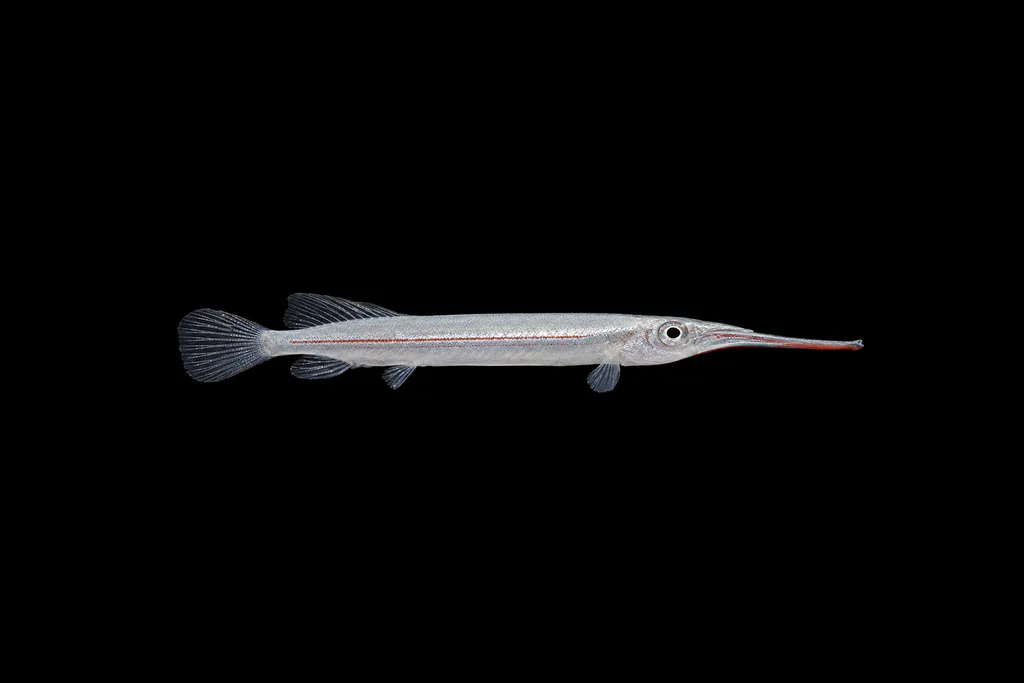
Fire halfbeak
Hemirhamphodon kapuasensis
Freshwater2.4 in (6 cm) · 14 gal (54 L)73–81°F (23–27°C)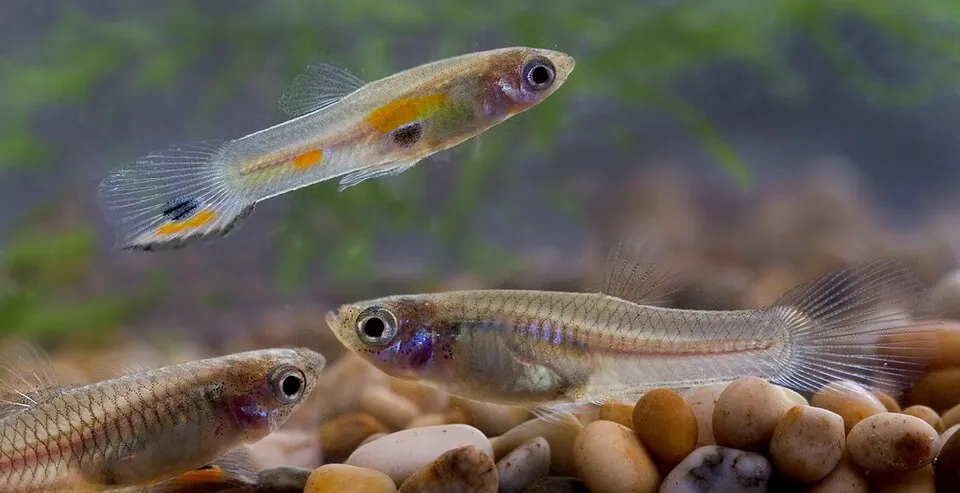
Guppy
Poecilia reticulata
FreshwaterBrackish2.4 in (6 cm) · 13 gal (50 L)64–82°F (18–28°C)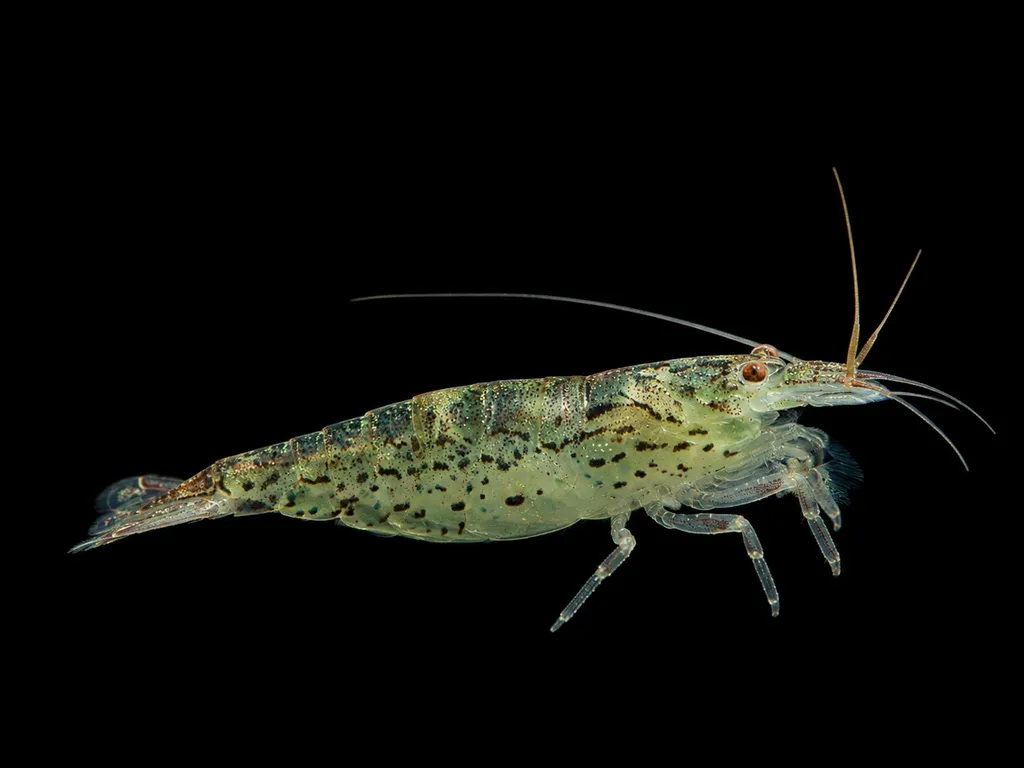
Green lace shrimp
Atyoida pilipes
Freshwater2.8 in (7 cm) · 14 gal (54 L)73–82°F (23–28°C)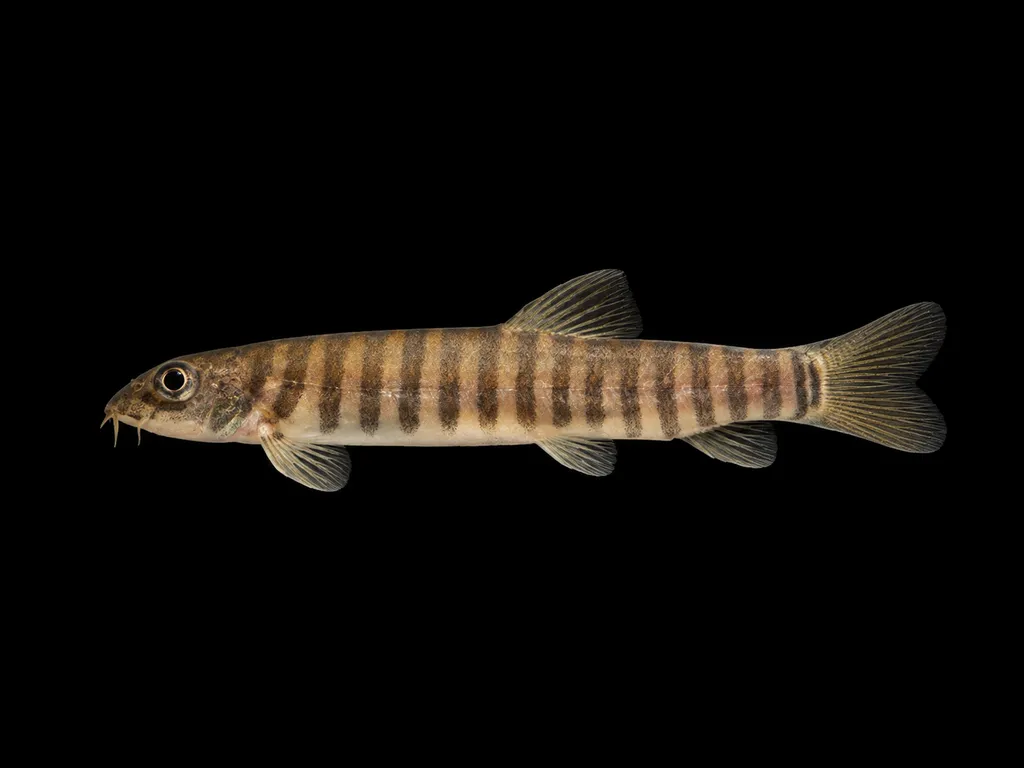
Assam banded loach
Neonoemacheilus assamensis
Freshwater1.8 in (4.5 cm) · 14 gal (54 L)68–79°F (20–26°C)
Common questions
What size tank does an Orange hatchet danio need?
An Orange hatchet danio needs at least 13 gal (50 L). It spends most of its time in the middle.
What temperature and pH does an Orange hatchet danio need?
An Orange hatchet danio is comfortable at 68–75°F (20–24°C) with a pH of 6.0–7.5.
How big does an Orange hatchet danio get?
An adult Orange hatchet danio reaches about 1.2 in (3 cm).
Does an Orange hatchet danio need a group?
Yes. An Orange hatchet danio is a schooling species and should be kept in a group, not singly.
Related species
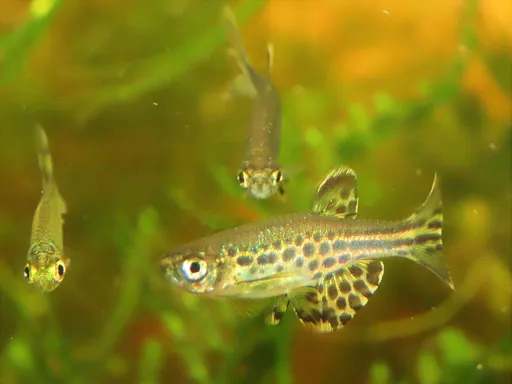 1.2 in (3 cm)11 gal (40 L)64–79°F (18–26°C)
Gold ring danio
Danio tinwini
1.2 in (3 cm) · 11 gal (40 L)
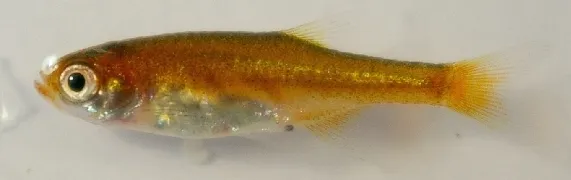 1.2 in (3 cm)12 gal (45 L)68–77°F (20–25°C)
Red dwarf rasbora
Microrasbora rubescens
1.2 in (3 cm) · 12 gal (45 L)
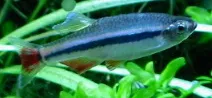 1.2 in (3 cm)12 gal (45 L)64–73°F (18–23°C)
Vietnamese white cloud
Tanichthys micagemmae
1.2 in (3 cm) · 12 gal (45 L)
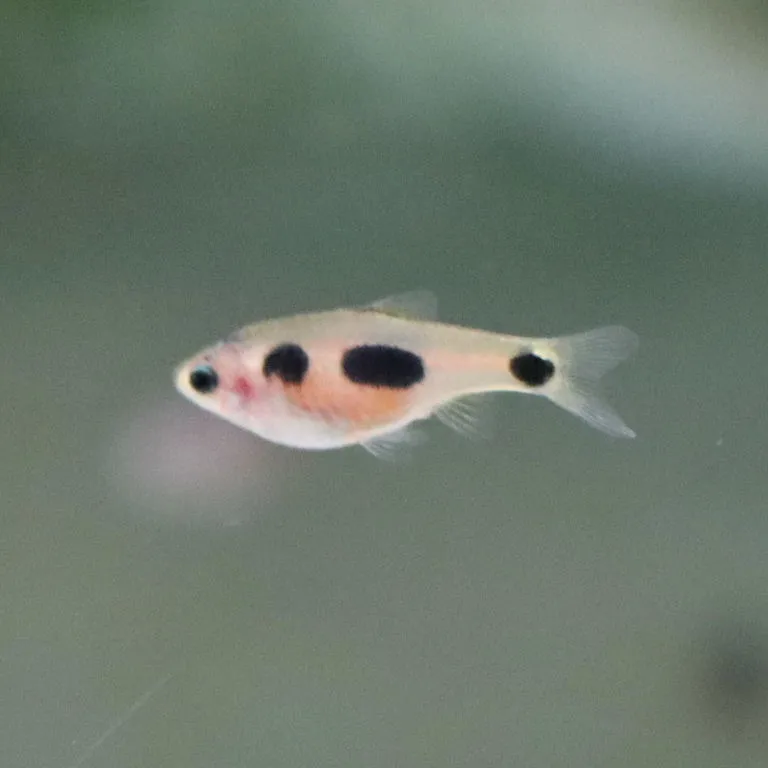 1.4 in (3.5 cm)11 gal (40 L)63–75°F (17–24°C)
African butterfly barb
Barbus hulstaerti
1.4 in (3.5 cm) · 11 gal (40 L)
 1.4 in (3.5 cm)11 gal (40 L)72–81°F (22–27°C)
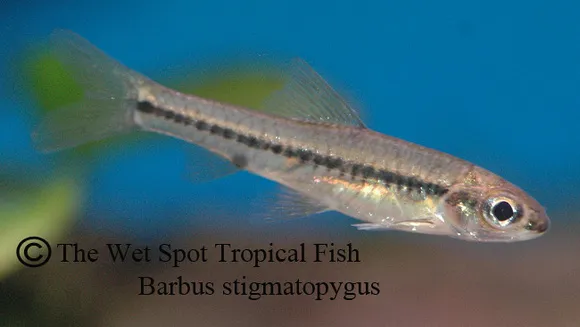
Blackspot dwarf barb
Enteromius stigmatopygus
1.4 in (3.5 cm) · 11 gal (40 L)
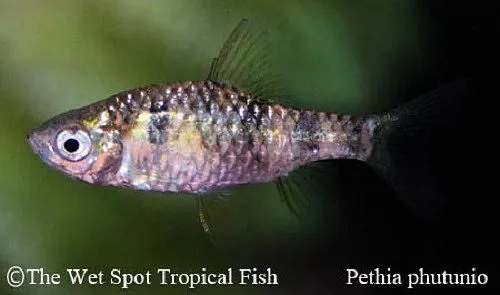 1.4 in (3.5 cm)12 gal (45 L)72–79°F (22–26°C)
Dwarf barb
Pethia phutunio
1.4 in (3.5 cm) · 12 gal (45 L)