Vietnamese white cloud
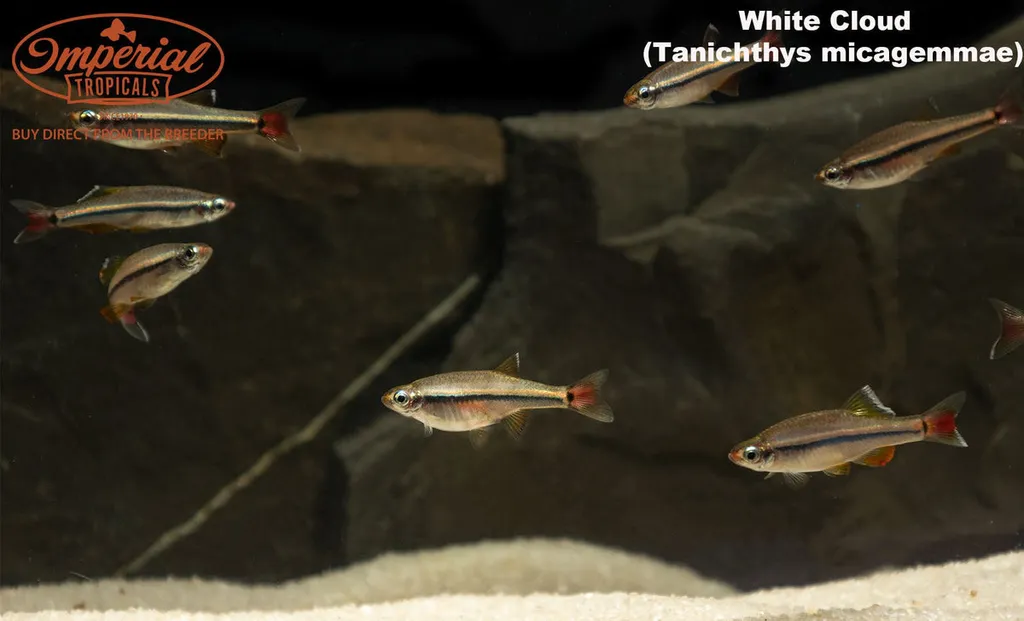
Tanichthys micagemmae
Also known as Vietnamese cardinal minnow
FreshwaterFish
Care at a glance
- Temperature
- 64–73°F
- 18–23°C
- pH
- 6.5–7.5
- Adult size
- 1.2 in
- 3 cm
- Minimum tank
- 12 gal
- 45 L
- Temperament
- Peaceful
- Social behavior
- Schooling
- Swim level
- Middle
- Difficulty
- Beginner
- Breeding
- Egg scatterer · Easy
- Rarity
- Common
- Family
- Cyprinidae
- Origin
- Bến Hải / Bến Hai river system, north-central Vietnam (Quảng Bình and Quảng Trị provinces)
Overview
The Vietnamese white cloud is a small, peaceful schooling fish for the middle of a cool, planted tank. It is a good first fish.
Did you know
The Vietnamese white cloud went undescribed by science until 2001, decades after its famous cousin, the white cloud mountain minnow.
Caring for the Vietnamese white cloud
Keep Vietnamese white clouds in a group of at least six, and eight to ten or more is better. In a tank of 12 gal (45 L) or larger, a proper school stays calm and colors up well. Give them a densely planted tank with a gentle current from the filter or a small powerhead. They keep their best color over a darker layout, with room to swim in the middle of the tank.
The Vietnamese white cloud is a cool-water fish that does not want a heater in most rooms. Keep the water soft to neutral, at 64 to 73°F (18 to 23°C) and a pH of 6.5 to 7.5. Feed small flakes, micro pellets and frozen treats such as daphnia or baby brine shrimp.
Vietnamese white clouds are peaceful. Males display to each other now and then, but the display stays harmless. Pair them only with other subtropical or cool-water species, not tropical fish that need 25°C and up. Do not release unwanted fish into local waterways, and check your local rules before keeping or rehoming them.
Vietnamese white clouds are egg scatterers with no parental care, and breeding them is easy. In a mature, well-planted tank, a small shoal often produces fry in the plants without any help. The adults rarely hunt down eggs or young when cover is thick.
Good to know
The Vietnamese white cloud is a small cyprinid in the family Cyprinidae. A bright, gem-like spot of color on its body gives it the species name micagemmae, roughly a sparkling gem.
In the wild
Vietnamese white clouds come from the Bến Hải river system in north-central Vietnam, in the Quảng Bình and Quảng Trị provinces. These are cool, clear hill streams with some current and plenty of plant growth.
Weekly picks
Tank mates
The Vietnamese white cloud is a peaceful, schooling species that keeps to the middle. These picks share a community profile with it, are safe together in both directions, and overlap on water type, temperature and pH.
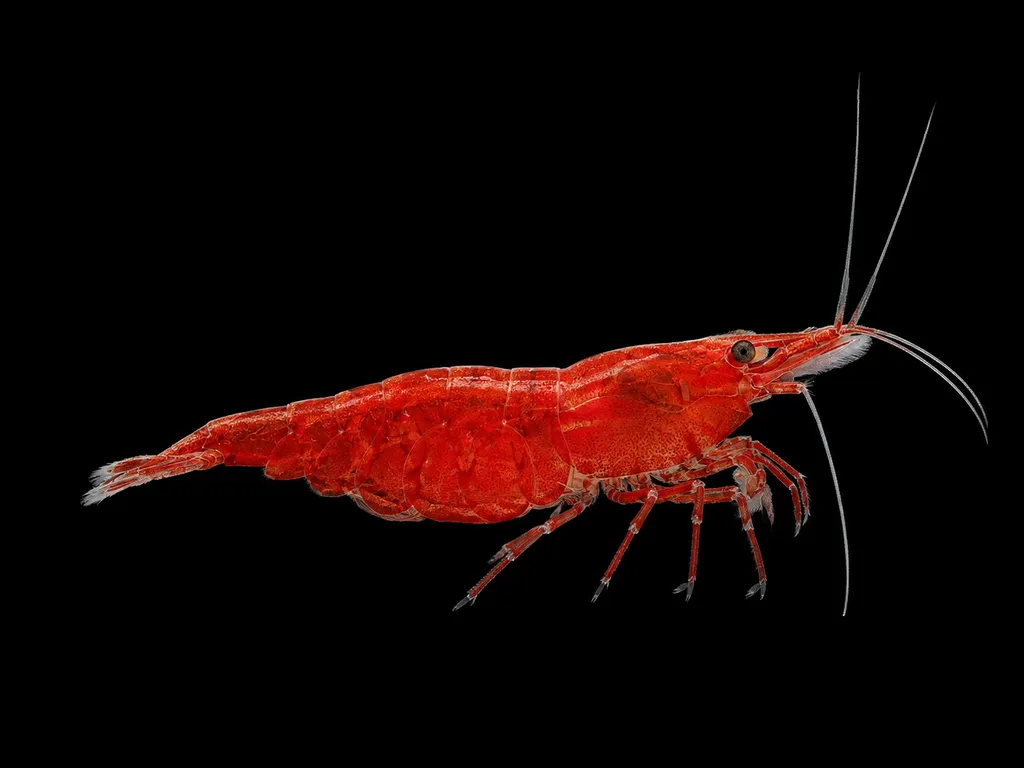
Neocaridina shrimp
Neocaridina davidi
Freshwater1.6 in (4 cm) · 5 gal (19 L)59–84°F (15–29°C)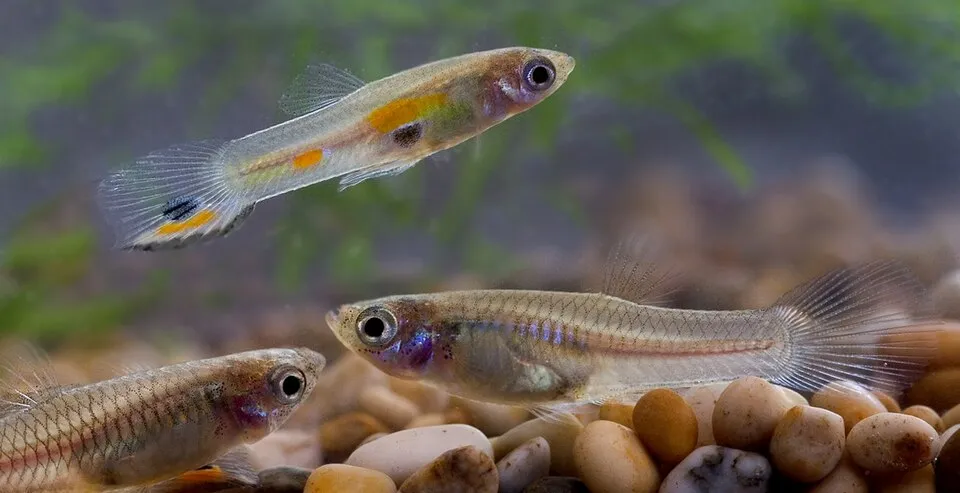
Guppy
Poecilia reticulata
FreshwaterBrackish2.4 in (6 cm) · 10 gal (38 L)64–82°F (18–28°C)
Neon tetra
Paracheirodon innesi
Freshwater1.5 in (3.8 cm) · 11 gal (40 L)70–77°F (21–25°C)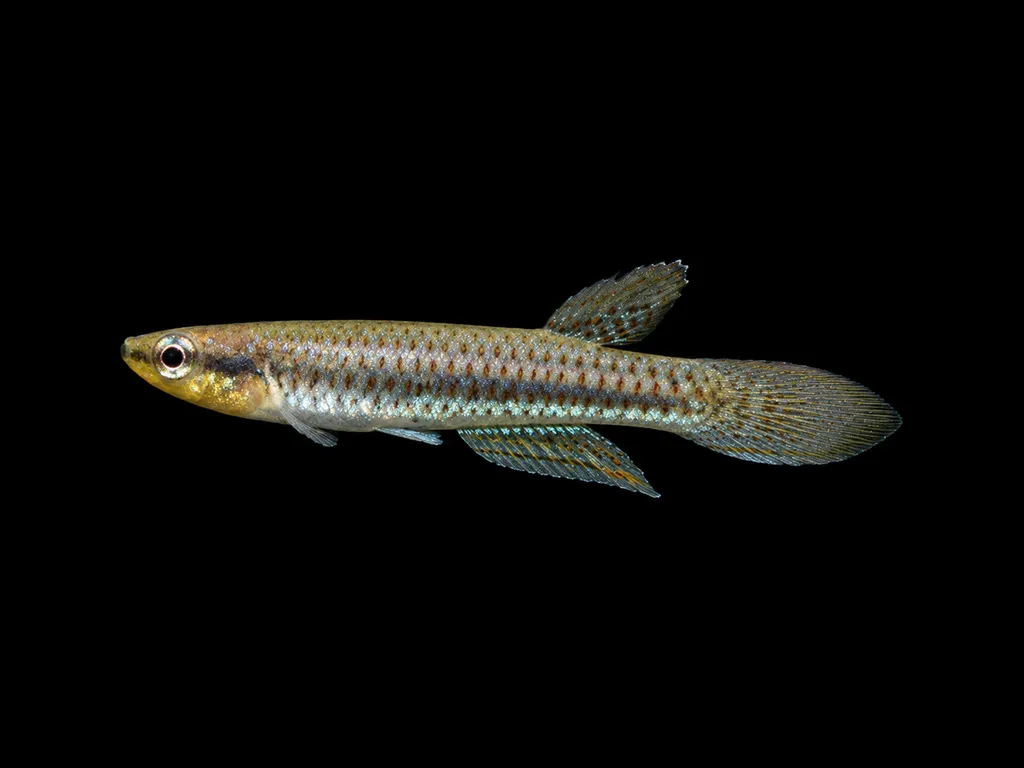
Dubois' panchax
Epiplatys duboisi
Freshwater1.4 in (3.5 cm) · 11 gal (40 L)68–77°F (20–25°C)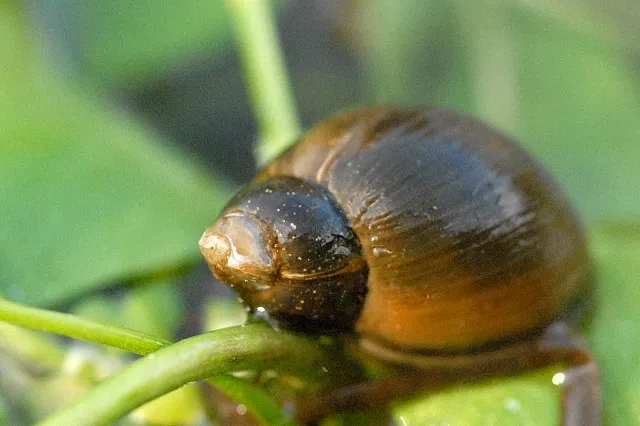
Wandering snail
Ampullaceana balthica
Freshwater0.8 in (2 cm) · 11 gal (40 L)50–84°F (10–29°C)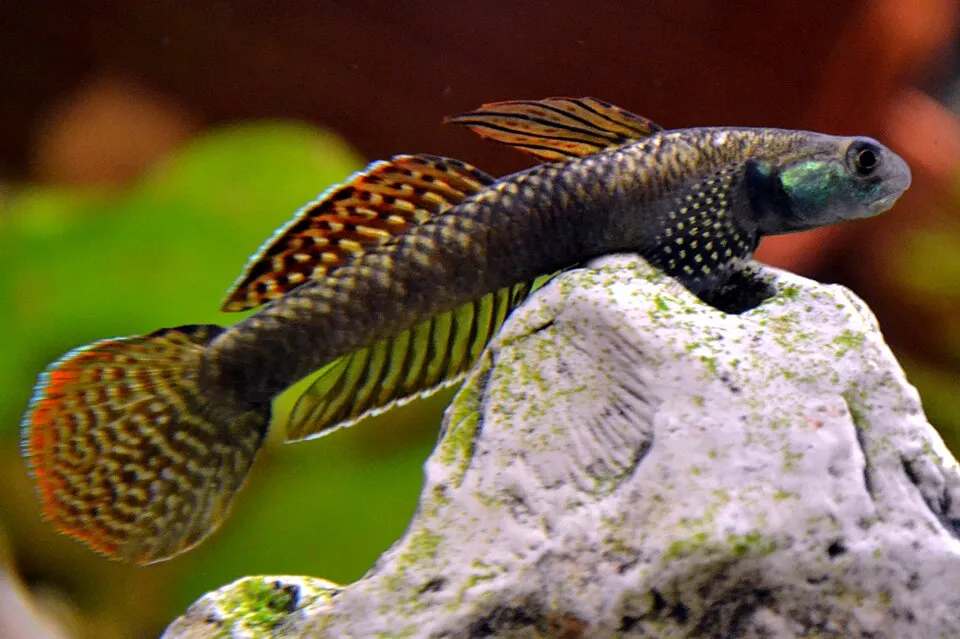
Rainbow stiphodon
Stiphodon ornatus
Freshwater2.6 in (6.5 cm) · 13 gal (50 L)68–79°F (20–26°C)
Common questions
What size tank does a Vietnamese white cloud need?
A Vietnamese white cloud needs at least 12 gal (45 L). It spends most of its time in the middle.
What temperature and pH does a Vietnamese white cloud need?
A Vietnamese white cloud is comfortable at 64–73°F (18–23°C) with a pH of 6.5–7.5.
What does a Vietnamese white cloud eat?
A Vietnamese white cloud eats small flakes and micro pellets. Give it frozen treats as well, such as daphnia or baby brine shrimp.
How big does a Vietnamese white cloud get?
An adult Vietnamese white cloud reaches about 1.2 in (3 cm).
Does a Vietnamese white cloud need a group?
Yes. A Vietnamese white cloud is a schooling species and should be kept in a group, not singly.
How does a Vietnamese white cloud breed?
Vietnamese white clouds are egg scatterers with no parental care, and breeding them is easy. In a mature, well-planted tank, fry often turn up in the plants on their own.
Related species
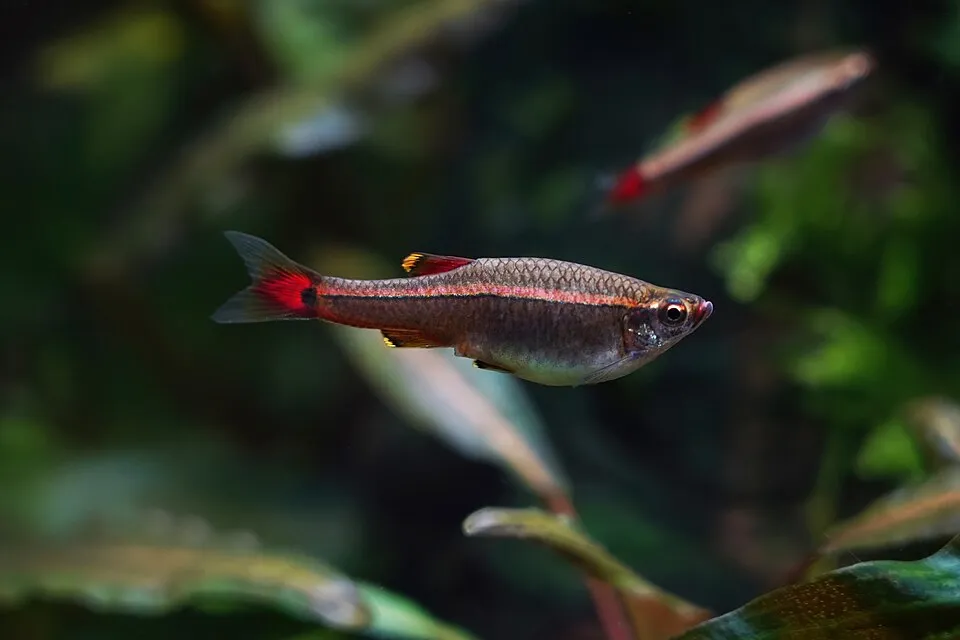 1.6 in (4 cm)10 gal (38 L)57–72°F (14–22°C)
White Cloud Mountain minnow
Tanichthys albonubes
1.6 in (4 cm) · 10 gal (38 L)
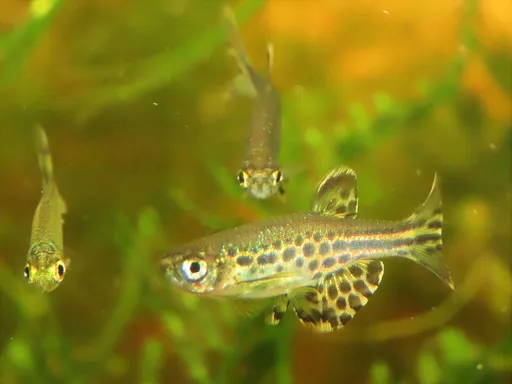 1.2 in (3 cm)11 gal (40 L)64–79°F (18–26°C)
Gold ring danio
Danio tinwini
1.2 in (3 cm) · 11 gal (40 L)
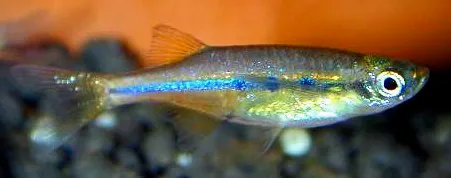 1.2 in (3 cm)13 gal (50 L)68–75°F (20–24°C)
Orange hatchet danio
Laubuka dadiburjori
1.2 in (3 cm) · 13 gal (50 L)
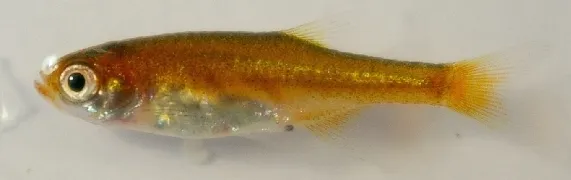 1.2 in (3 cm)12 gal (45 L)68–77°F (20–25°C)
Red dwarf rasbora
Microrasbora rubescens
1.2 in (3 cm) · 12 gal (45 L)
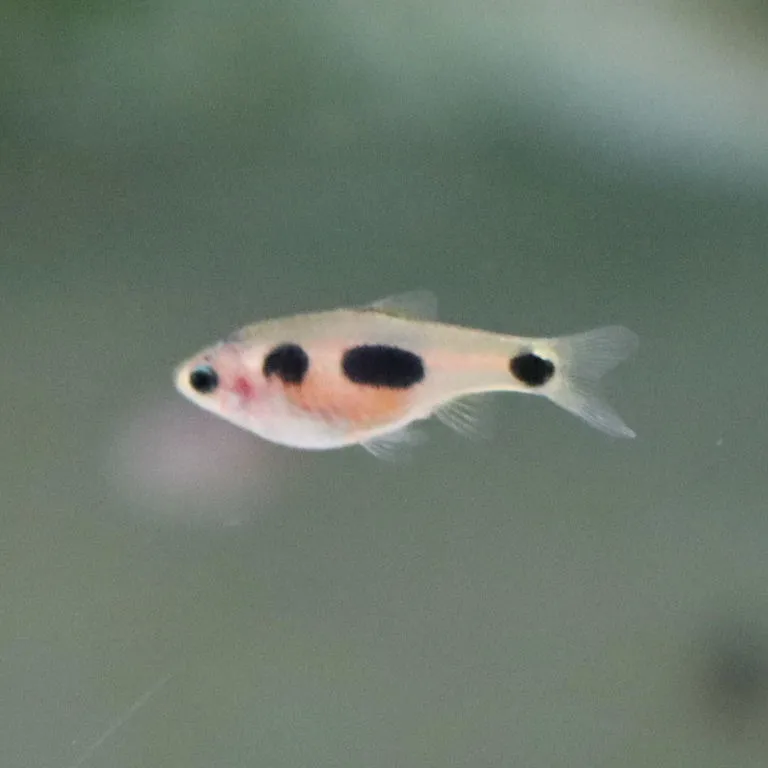 1.4 in (3.5 cm)11 gal (40 L)63–75°F (17–24°C)
African butterfly barb
Barbus hulstaerti
1.4 in (3.5 cm) · 11 gal (40 L)
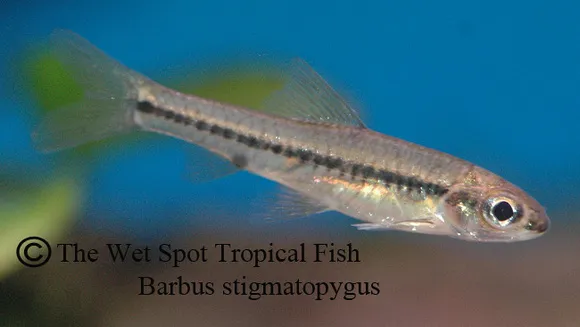 1.4 in (3.5 cm)11 gal (40 L)72–81°F (22–27°C)
Blackspot dwarf barb
Enteromius stigmatopygus
1.4 in (3.5 cm) · 11 gal (40 L)