Red dwarf rasbora
Microrasbora rubescens
Also known as Redline rasbora, Rubescens rasbora, Cardinal Rasbora
FreshwaterFish
Care at a glance
- Temperature
- 68–77°F
- 20–25°C
- pH
- 7.0–8.0
- Adult size
- 1.2 in
- 3 cm
- Minimum tank
- 12 gal
- 45 L
- Temperament
- Peaceful
- Social behavior
- Shoaling
- Swim level
- Middle
- Difficulty
- Medium
- Breeding
- Medium
- Rarity
- Rare
- Family
- Cyprinidae
- Origin
- Endemic to Inle Lake and its feeder waters in the Shan hills of Myanmar.
Overview
Keep red dwarf rasboras in a group of at least eight to ten in a tank of 45 litres or more, with cool, slightly alkaline water at 20 to 25 C and a pH of 7.0 to 8.0. Keep the tank below 25 C, since they come from a cool lake and dislike sustained warmth. Feed small foods such as micropellets, crushed flake, and frozen daphnia and cyclops. They are peaceful schoolers that suit other cool-water nano fish.
In the wild
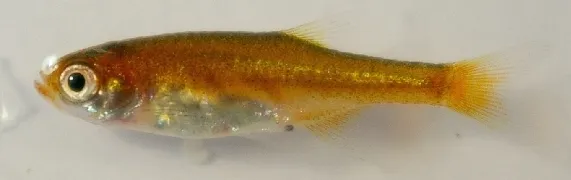
The red dwarf rasbora is found only in Inle Lake, a cool, high-altitude lake in the Shan hills of Myanmar. It forms large schools in the open midwater and around the edges among submerged plants. Because the lake sits high and stays cool and slightly alkaline, this fish likes conditions that are unusual for a small cyprinid. Wild fish show a warm red-orange flush along a slim silver body.
Good to know
Microrasbora rubescens is one of a handful of small fish restricted to Inle Lake, alongside the Lake Inle danio. Unlike most nano cyprinids it prefers cool, slightly alkaline water rather than warm blackwater. It reaches only about 3 cm and is easiest to keep and breed in a group.
Did you know
It is one of the few small aquarium fish that actually prefers hard, alkaline water, so it can suit tap water that would be wrong for most soft-water nano species.
Weekly picks
Tank mates
Red dwarf rasbora is a peaceful, shoaling species that keeps to the middle. These picks share a community profile with it, are safe together in both directions, and overlap on water type, temperature and pH.
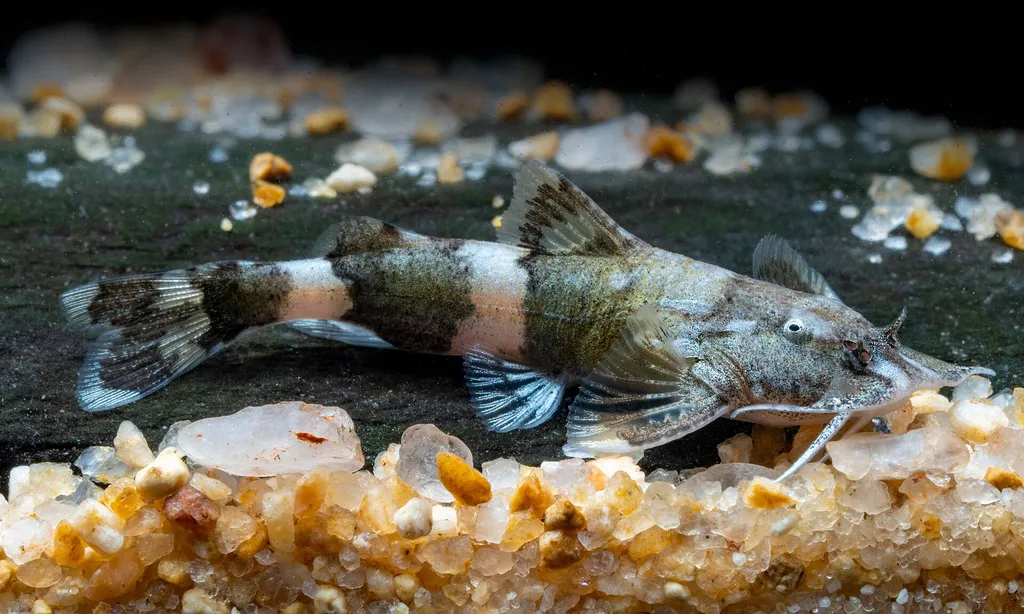
Cheetah moth catfish
Pseudolaguvia shawi
Freshwater1.5 in (3.8 cm) · 11 gal (40 L)68–79°F (20–26°C)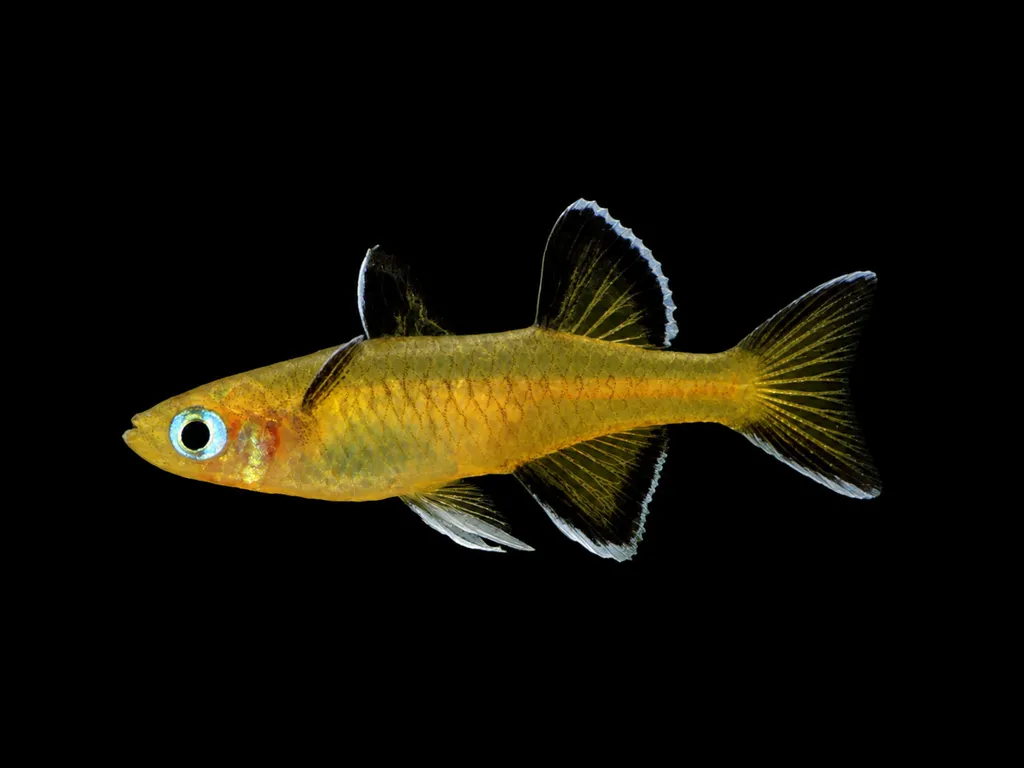
Honey blue-eye
Pseudomugil mellis
Freshwater1.4 in (3.5 cm) · 11 gal (40 L)68–82°F (20–28°C)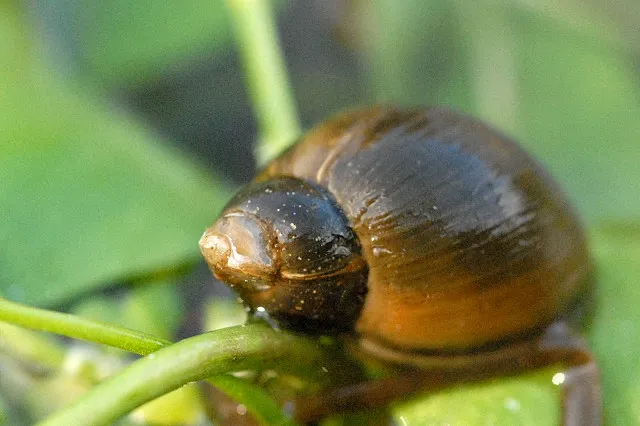
Wandering snail
Ampullaceana balthica
Freshwater0.8 in (2 cm) · 11 gal (40 L)50–84°F (10–29°C)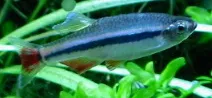
Vietnamese white cloud
Tanichthys micagemmae
Freshwater1.2 in (3 cm) · 12 gal (45 L)64–73°F (18–23°C)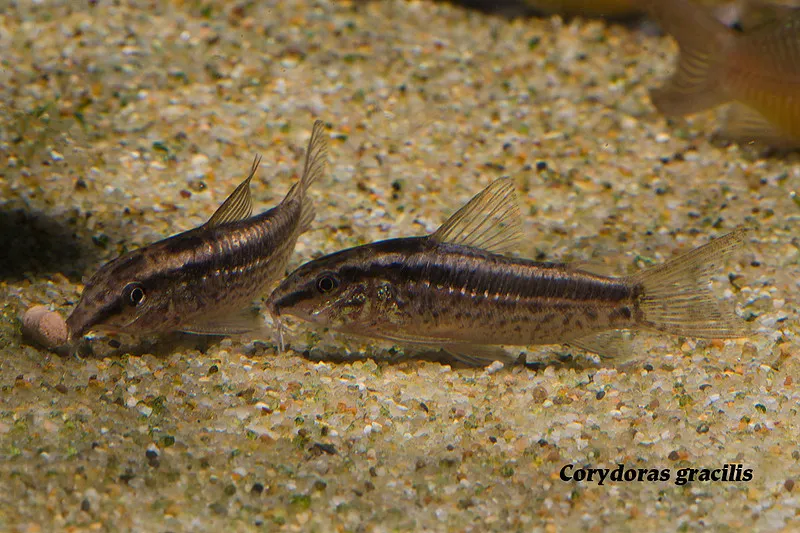
Nano cory
Gastrodermus gracilis
Freshwater1.4 in (3.5 cm) · 12 gal (45 L)72–79°F (22–26°C)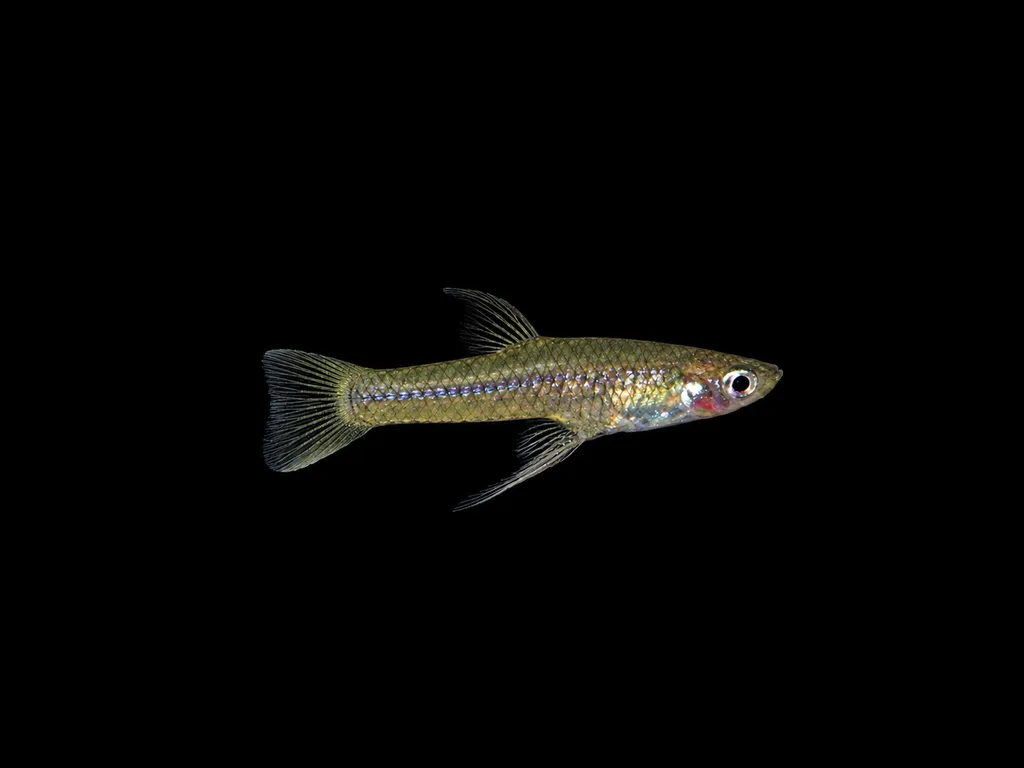
Sicklefin livebearer
Girardinus falcatus
Freshwater2.6 in (6.5 cm) · 11 gal (40 L)68–82°F (20–28°C)
Common questions
What size tank does a Red dwarf rasbora need?
A Red dwarf rasbora needs at least 12 gal (45 L). It spends most of its time in the middle.
What temperature and pH does a Red dwarf rasbora need?
A Red dwarf rasbora is comfortable at 68–77°F (20–25°C) with a pH of 7.0–8.0.
How big does a Red dwarf rasbora get?
An adult Red dwarf rasbora reaches about 1.2 in (3 cm).
Does a Red dwarf rasbora need a group?
Yes. A Red dwarf rasbora is a shoaling species and should be kept in a group, not singly.
Related species
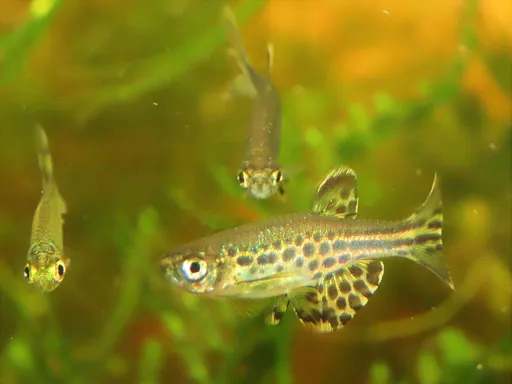 1.2 in (3 cm)11 gal (40 L)64–79°F (18–26°C)
Gold ring danio
Danio tinwini
1.2 in (3 cm) · 11 gal (40 L)
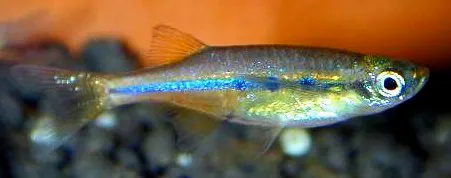 1.2 in (3 cm)13 gal (50 L)68–75°F (20–24°C)
Orange hatchet danio
Laubuka dadiburjori
1.2 in (3 cm) · 13 gal (50 L)
- 1.2 in (3 cm)12 gal (45 L)64–73°F (18–23°C)
Vietnamese white cloud
Tanichthys micagemmae
1.2 in (3 cm) · 12 gal (45 L)
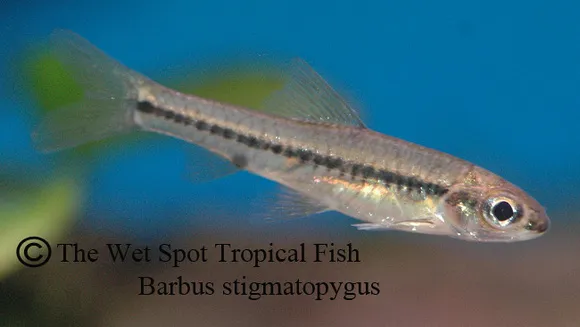 1.4 in (3.5 cm)11 gal (40 L)72–81°F (22–27°C)
Blackspot dwarf barb
Enteromius stigmatopygus
1.4 in (3.5 cm) · 11 gal (40 L)
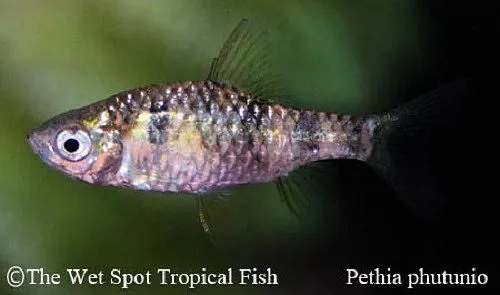 1.4 in (3.5 cm)12 gal (45 L)72–79°F (22–26°C)
Dwarf barb
Pethia phutunio
1.4 in (3.5 cm) · 12 gal (45 L)
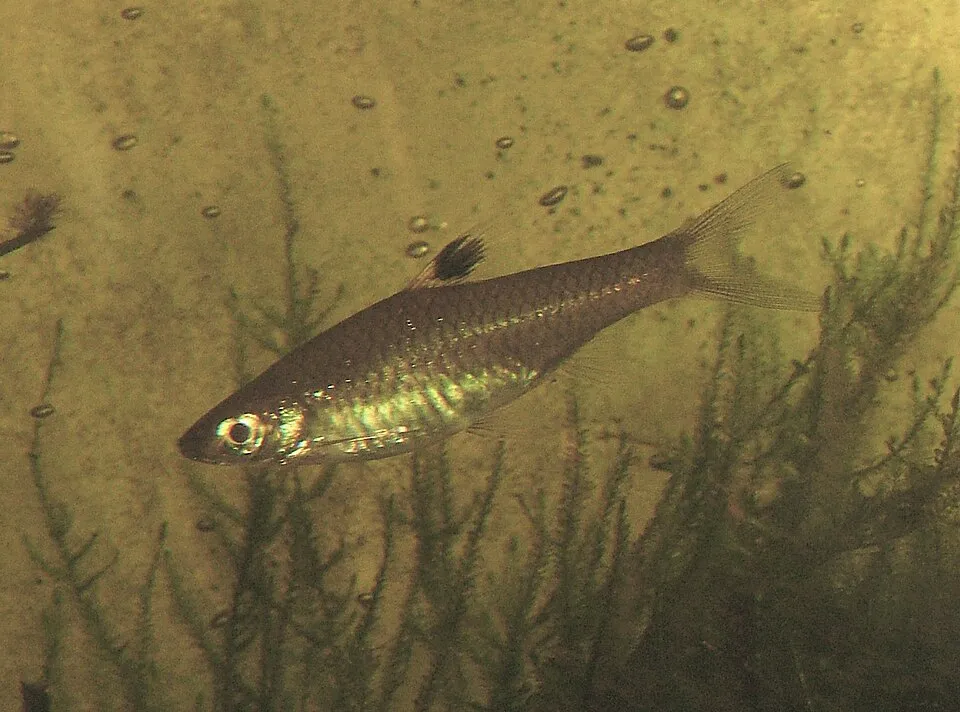 1.4 in (3.5 cm)9 gal (35 L)68–77°F (20–25°C)
Eyespot rasbora
Brevibora dorsiocellata
1.4 in (3.5 cm) · 9 gal (35 L)