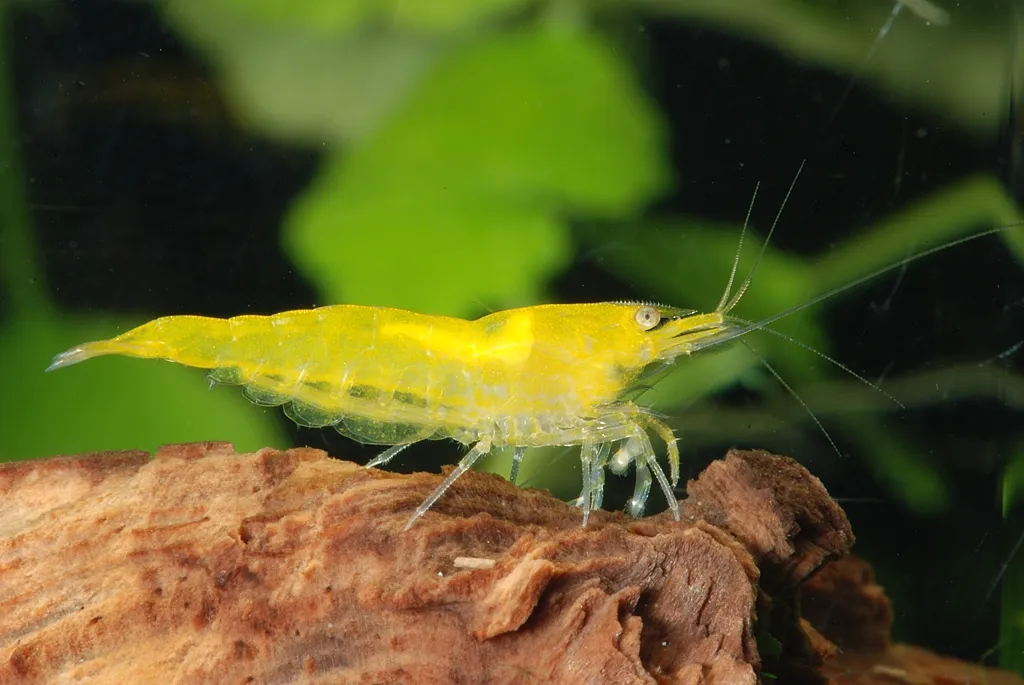
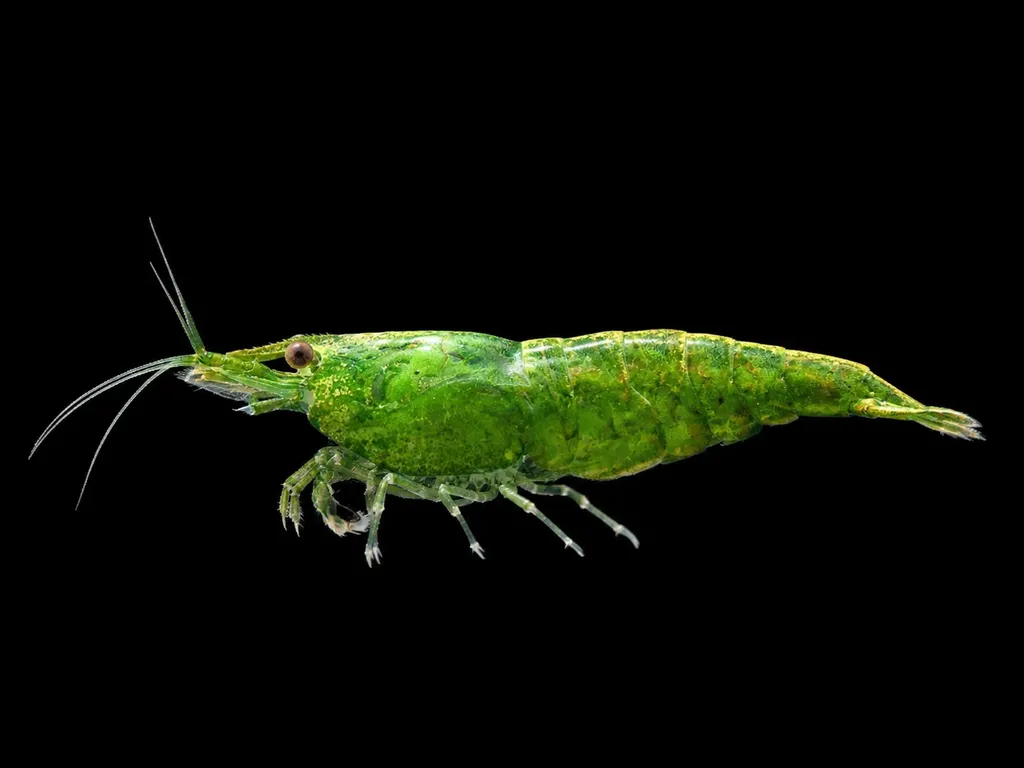
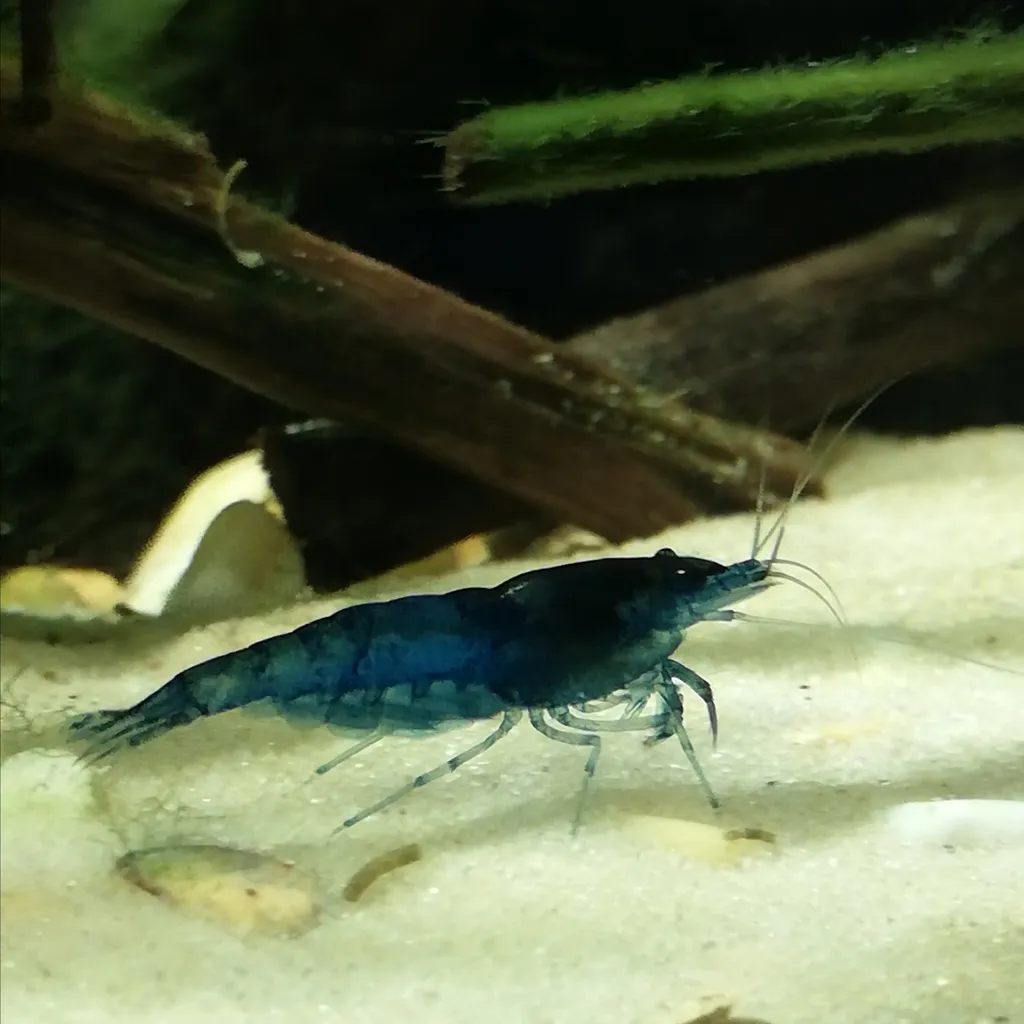
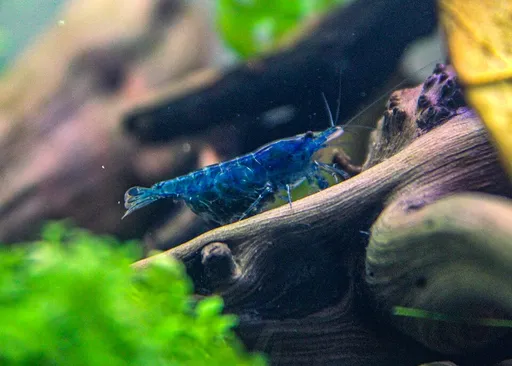
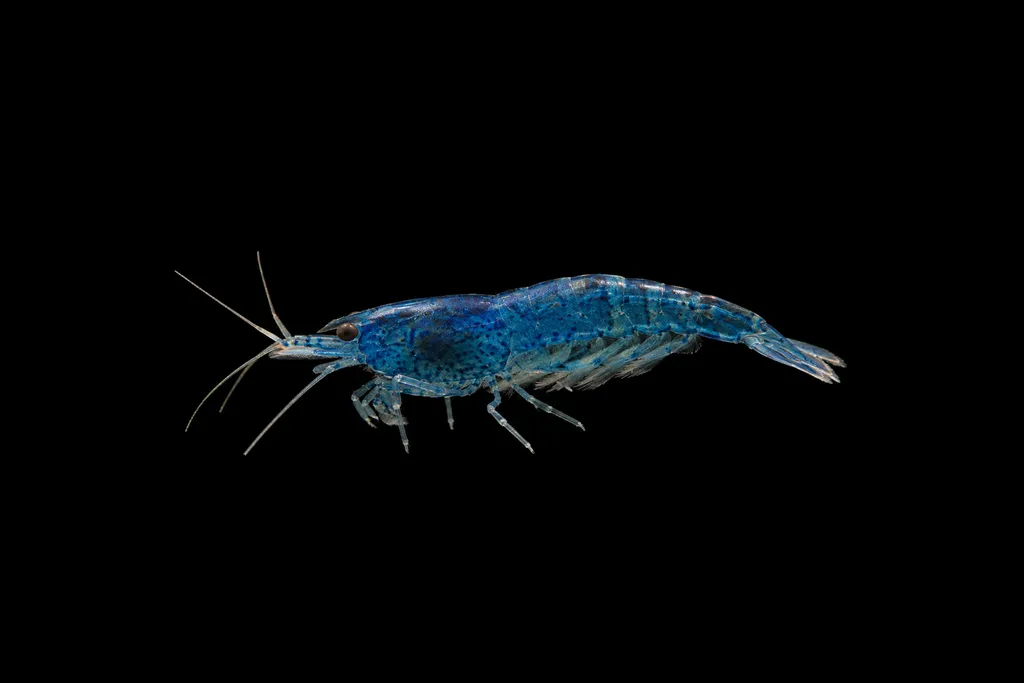
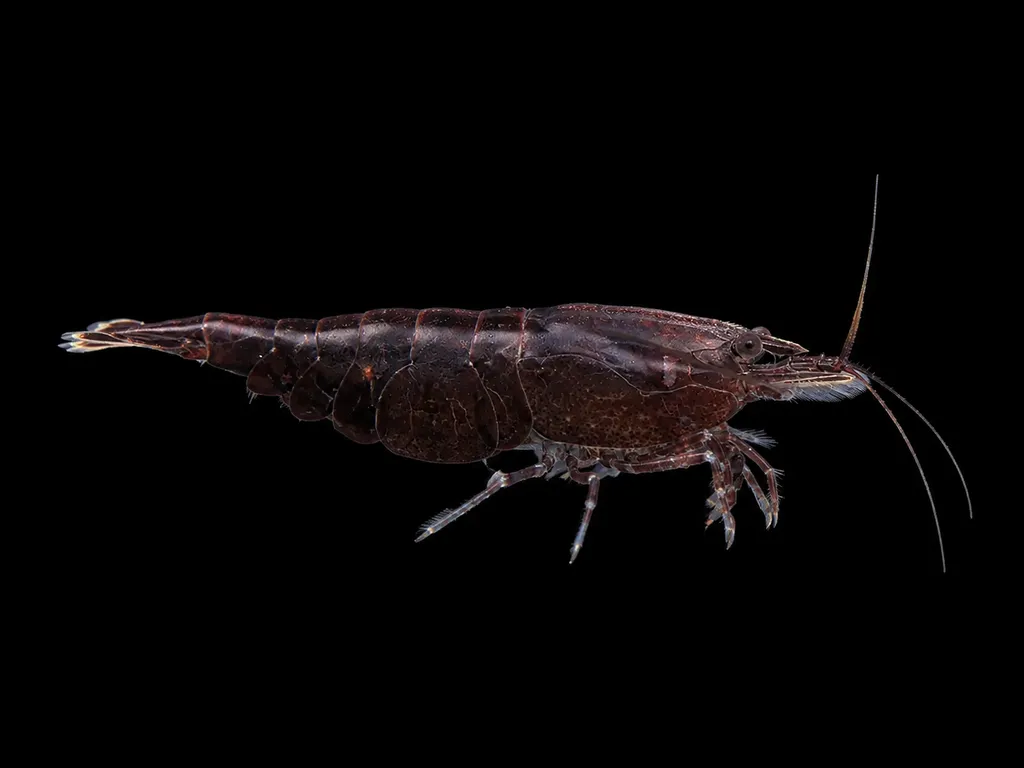
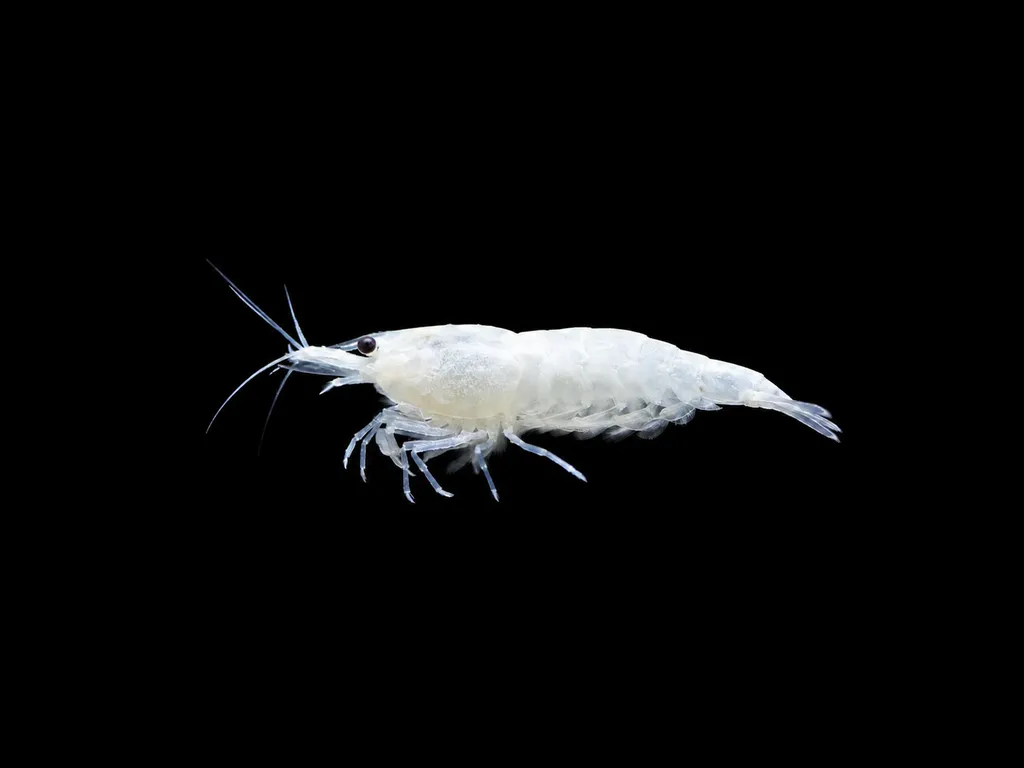
Variety of Neocaridina shrimp
Orange neocaridina
Neocaridina davidi
One of 11 varieties of Neocaridina davidi · See all varieties →
FreshwaterShrimp
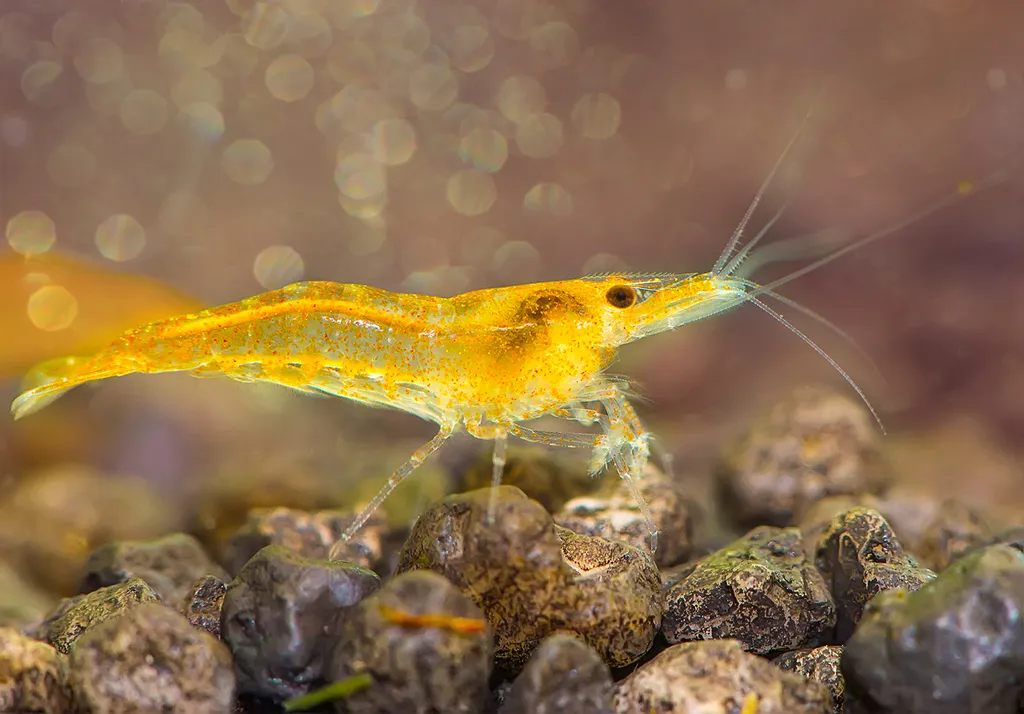
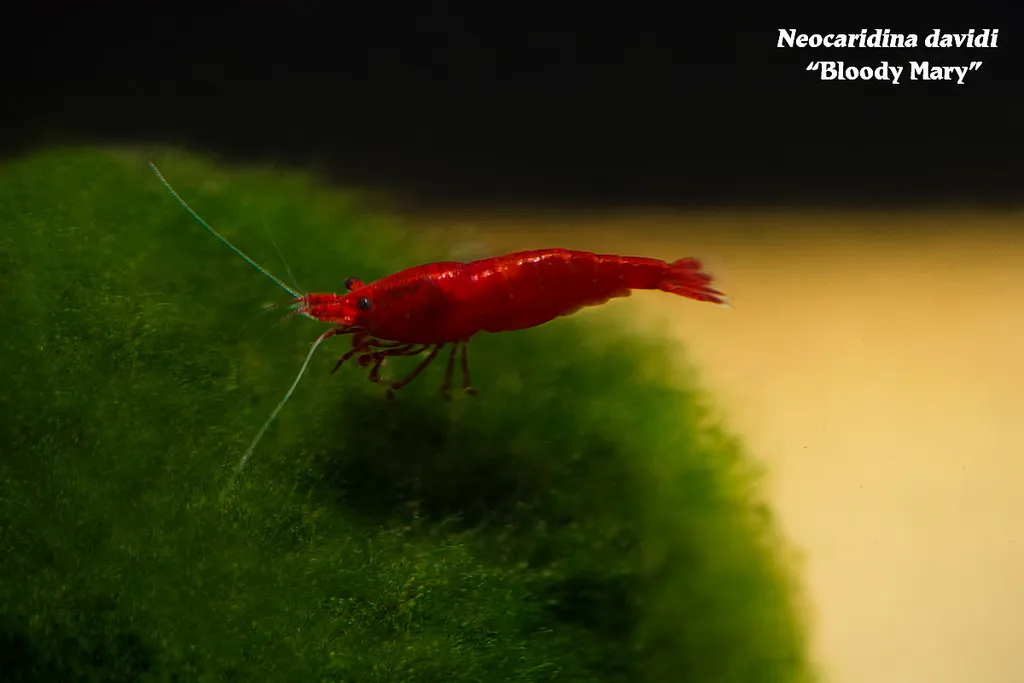
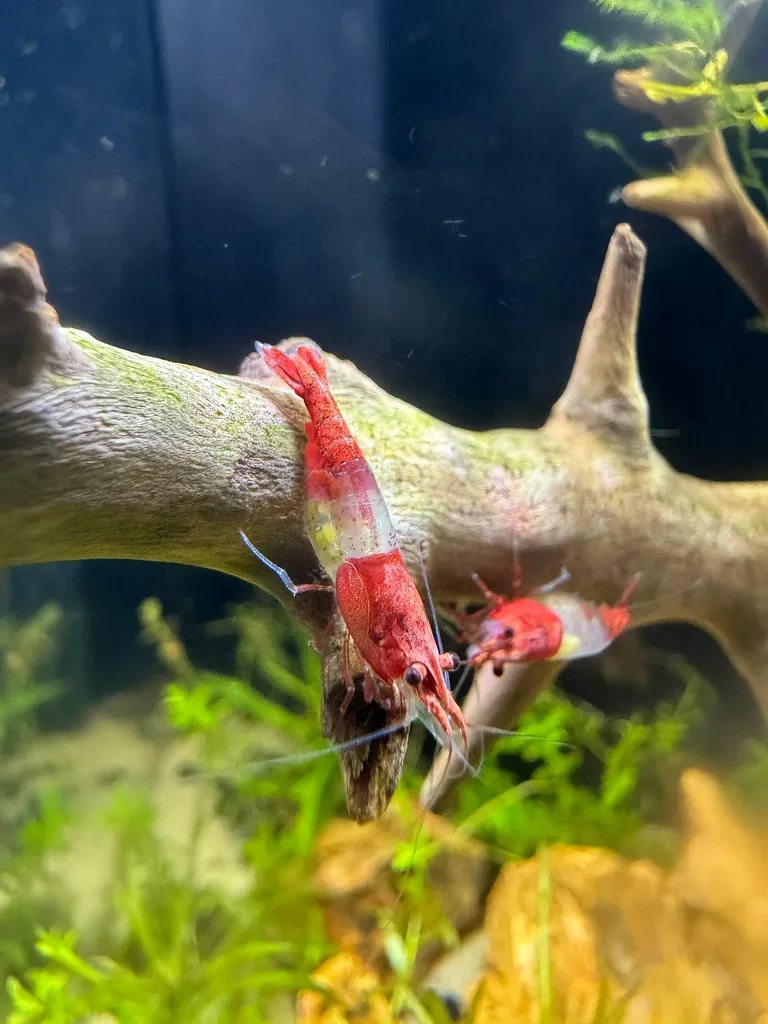
Varieties · Neocaridina davidi
See all 11 →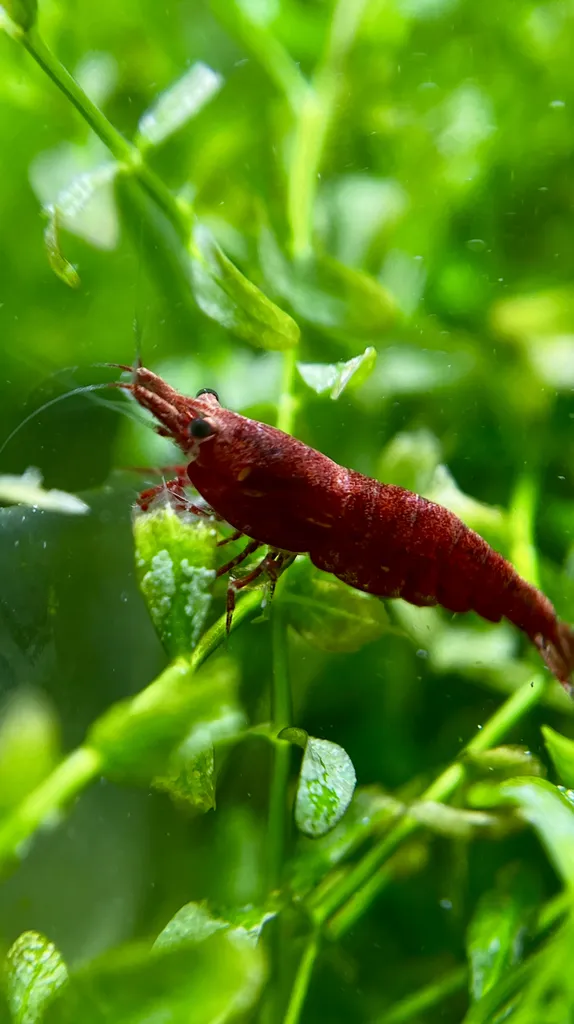
Care at a glance
- Temperature
- 59–84°F
- 15–29°C
- pH
- 6.5–8.0
- Adult size
- 1.6 in
- 4 cm
- Minimum tank
- 5 gal
- 20 L
- Temperament
- Peaceful
- Social behavior
- Social
- Swim level
- Bottom
- Difficulty
- Beginner
- Breeding
- Easy
- Rarity
- Common
- Family
- Atyidae
- Origin
- Taiwan
Overview
Keep them in a group. They're social, peaceful bottom grazers and a colony does best with at least ten to start. A tank as small as 20 liters works as long as it's cycled and stable. They handle a wide range, from around 15 up to 29 C and pH 6.5 to 8, but avoid copper, which is toxic to them. They eat biofilm, algae, and leftover food, with the occasional blanched vegetable or shrimp pellet.
In the wild
Orange Neocaridina are a selectively bred color form of a shrimp native to streams and ponds in eastern Asia. Wild Neocaridina live among plants, rocks, and leaf litter where they graze on biofilm. In the tank, give them a mature, planted setup with surfaces to forage on, like moss, wood, and rock. Stable water matters more than chasing exact numbers.
Good to know
This is Neocaridina davidi, a dwarf shrimp in the family Atyidae, reaching about 3 to 4 cm. Females are larger and rounder than males and carry eggs under the tail until they hatch. The young emerge as tiny shrimp, not larvae, so they don't need special conditions to grow. Adults typically live around one to two years.
Did you know
They breed so readily that a small colony can become a large one in a few months with no effort from you. Keep them away from their wild-type cousins and other Neocaridina colors, though. They interbreed freely, and within a couple of generations the offspring revert to a drab brown.
Weekly picks
Tank mates
Orange neocaridina is a peaceful, social species that keeps to the bottom. These picks share a community profile with it, are safe together in both directions, and overlap on water type, temperature and pH.
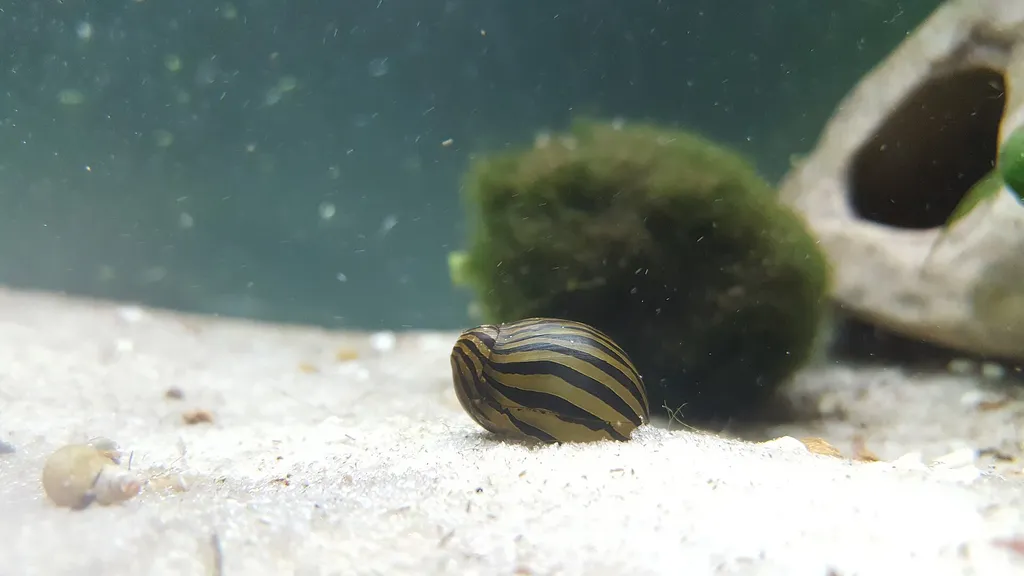
Zebra nerite
Vittina natalensis
FreshwaterBrackish1 in (2.5 cm) · 5 gal (20 L)66–84°F (19–29°C)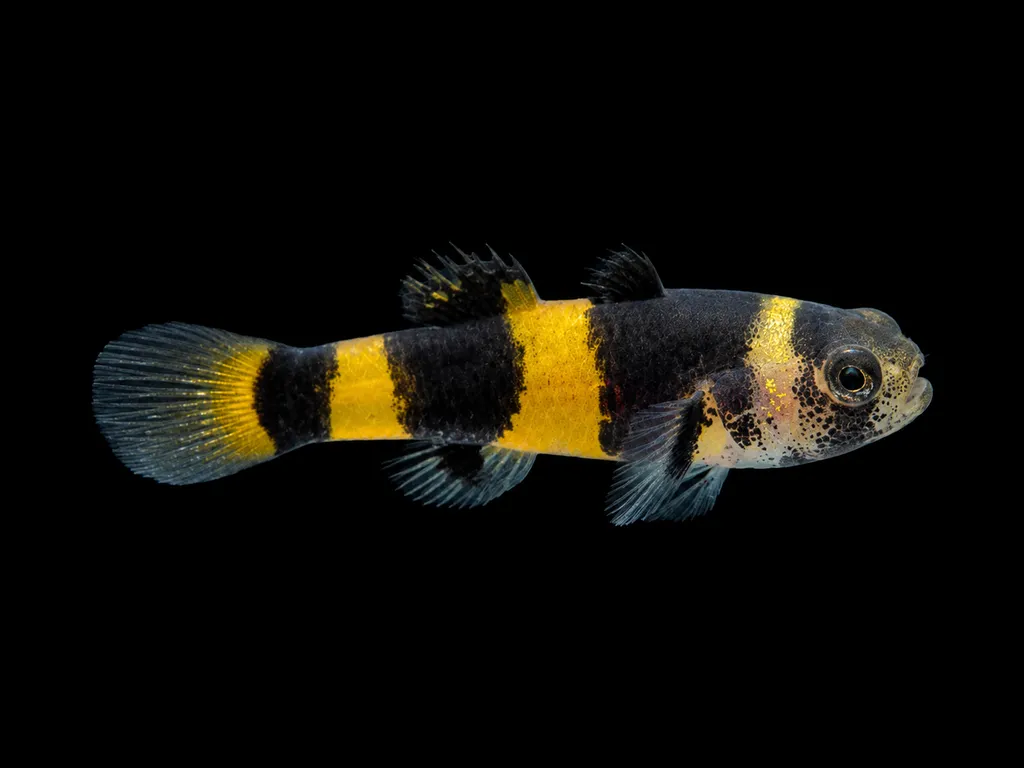
Mini bumblebee goby
Brachygobius xanthomelas
Freshwater0.8 in (2 cm) · 5 gal (20 L)75–82°F (24–28°C)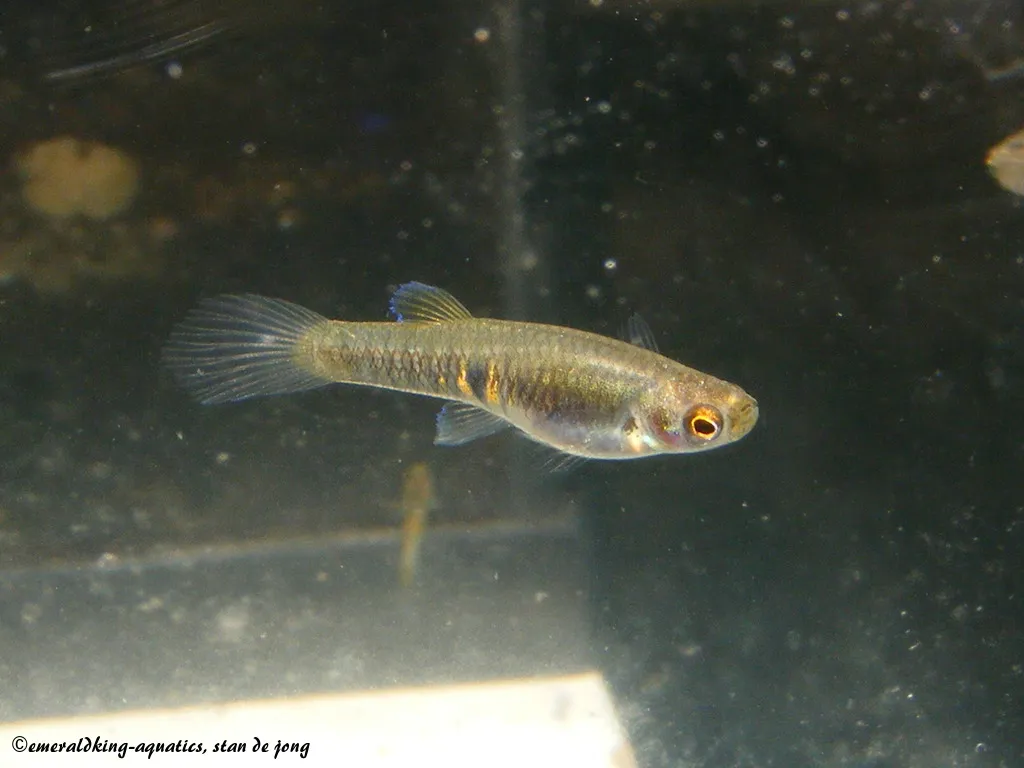
Dwarf livebearer
Neoheterandria elegans
Freshwater1 in (2.5 cm) · 5 gal (20 L)75–82°F (24–28°C)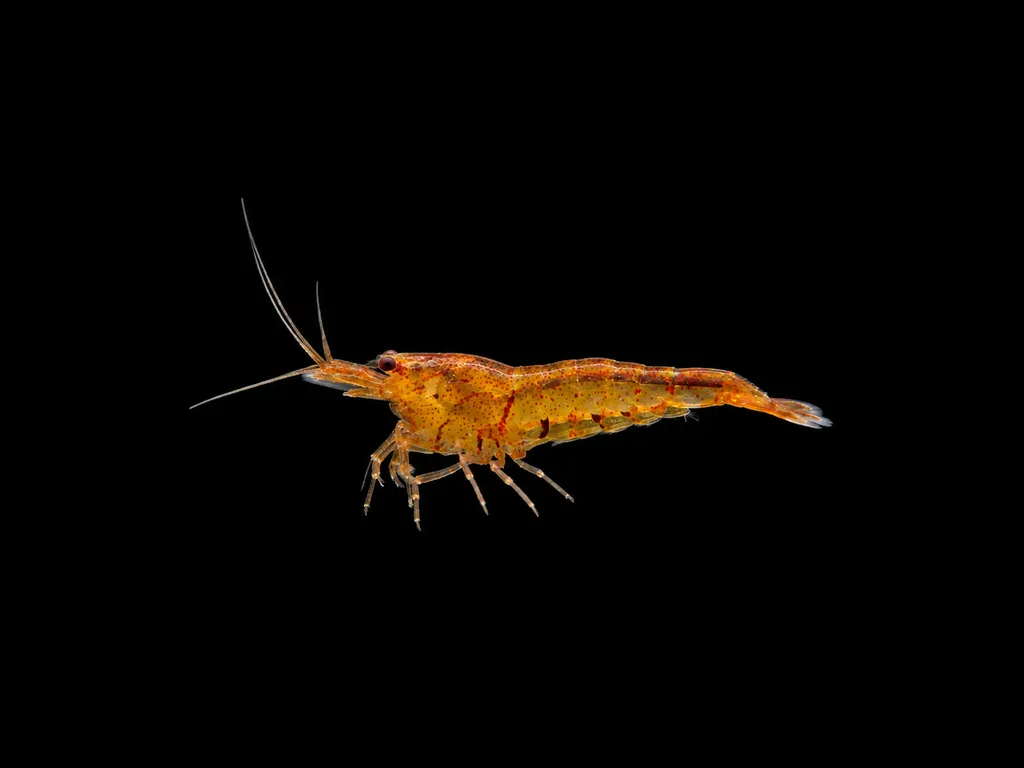
Tangerine tiger shrimp
Caridina serrata
Freshwater1.2 in (3 cm) · 5 gal (20 L)68–79°F (20–26°C)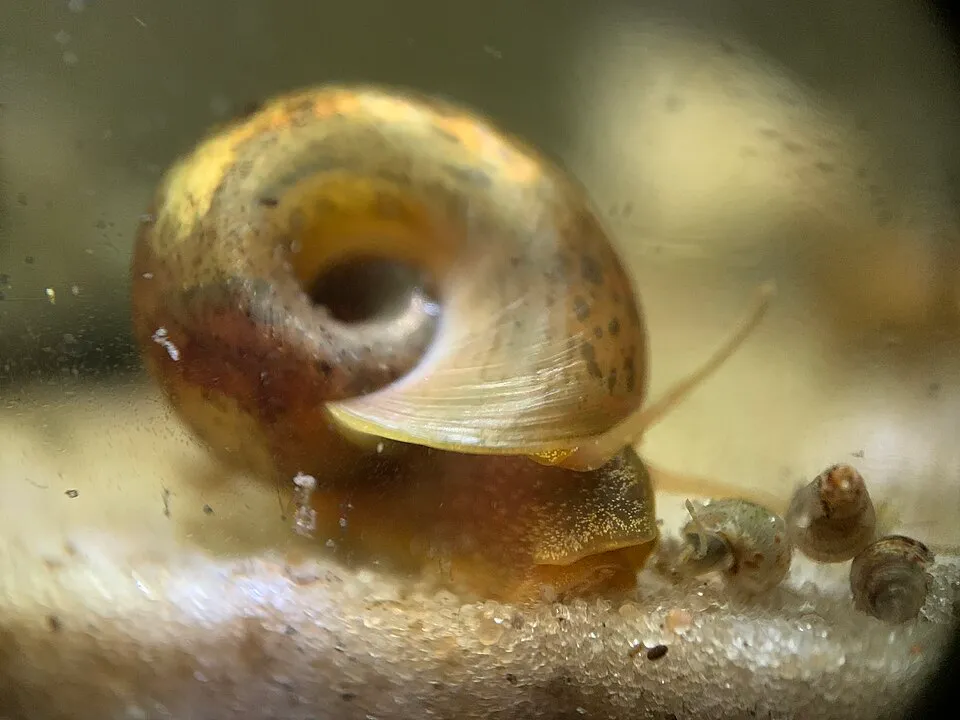
Seminole ramshorn
Planorbella duryi
Freshwater1 in (2.5 cm) · 5 gal (20 L)68–82°F (20–28°C)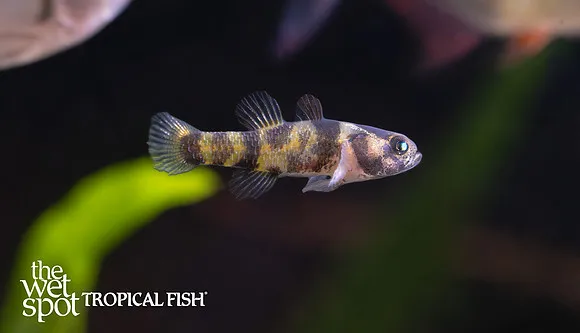
Micro bumblebee goby
Brachygobius nunus
FreshwaterBrackish1 in (2.5 cm) · 5 gal (20 L)73–82°F (23–28°C)
Common questions
Is an Orange neocaridina a different species from the Neocaridina shrimp?
No. An Orange neocaridina is a variety of the Neocaridina shrimp, Neocaridina davidi, and it wants the same tank, water and food as the species.
What size tank does an Orange neocaridina need?
An Orange neocaridina needs at least 5 gal (20 L). It spends most of its time in the bottom.
How big does an Orange neocaridina get?
An adult Orange neocaridina reaches about 1.6 in (4 cm).
Related species
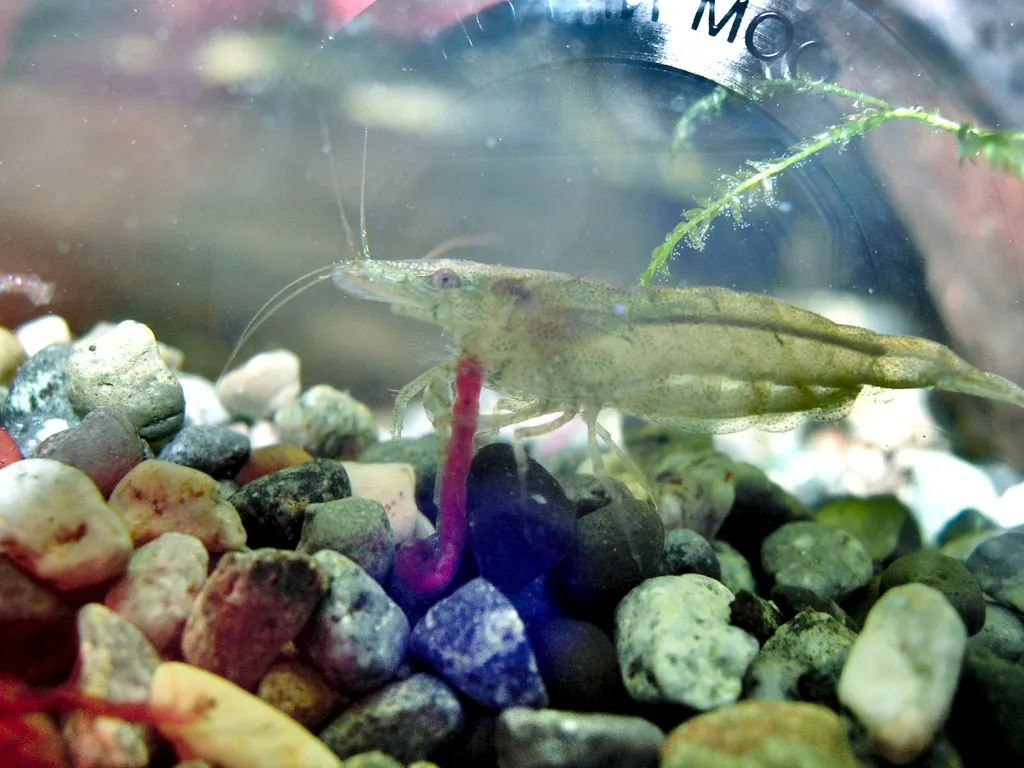 1.2 in (3 cm)5 gal (20 L)64–79°F (18–26°C)
Okinawa cleaner shrimp
Neocaridina denticulata
1.2 in (3 cm) · 5 gal (20 L)
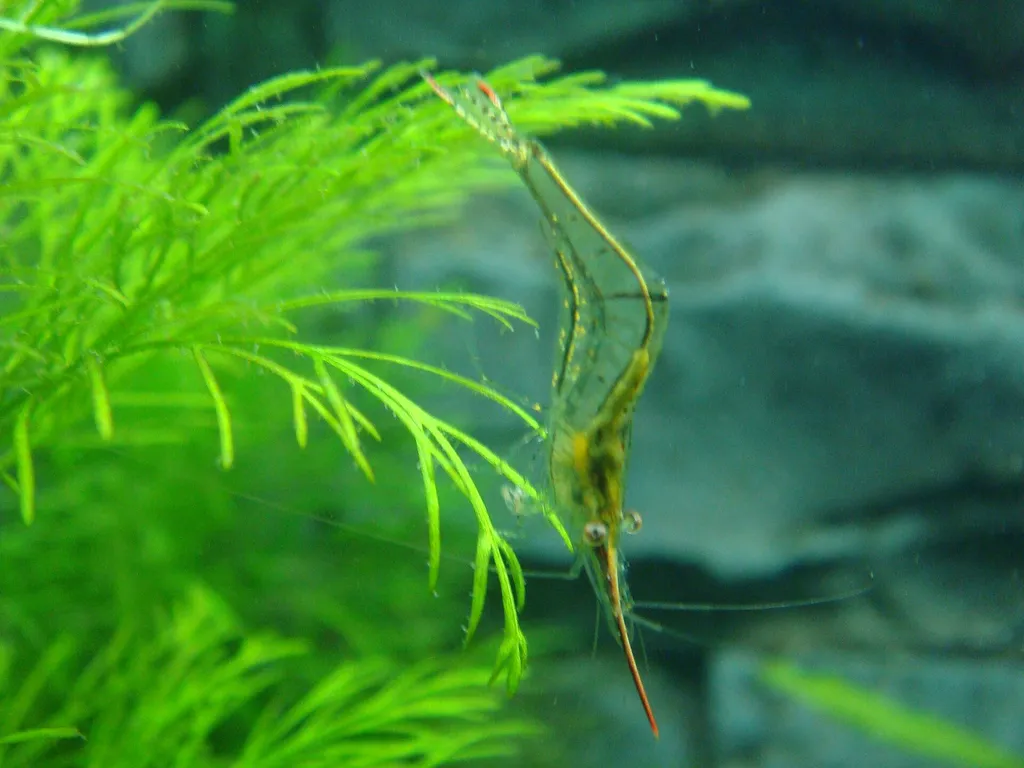 1.6 in (4 cm)5 gal (20 L)73–82°F (23–28°C)
Red skunk shrimp
Caridina gracilirostris
1.6 in (4 cm) · 5 gal (20 L)
 1.6 in (4 cm)7 gal (25 L)64–73°F (18–23°C)
Tiger shrimp
Caridina mariae
1.6 in (4 cm) · 7 gal (25 L)
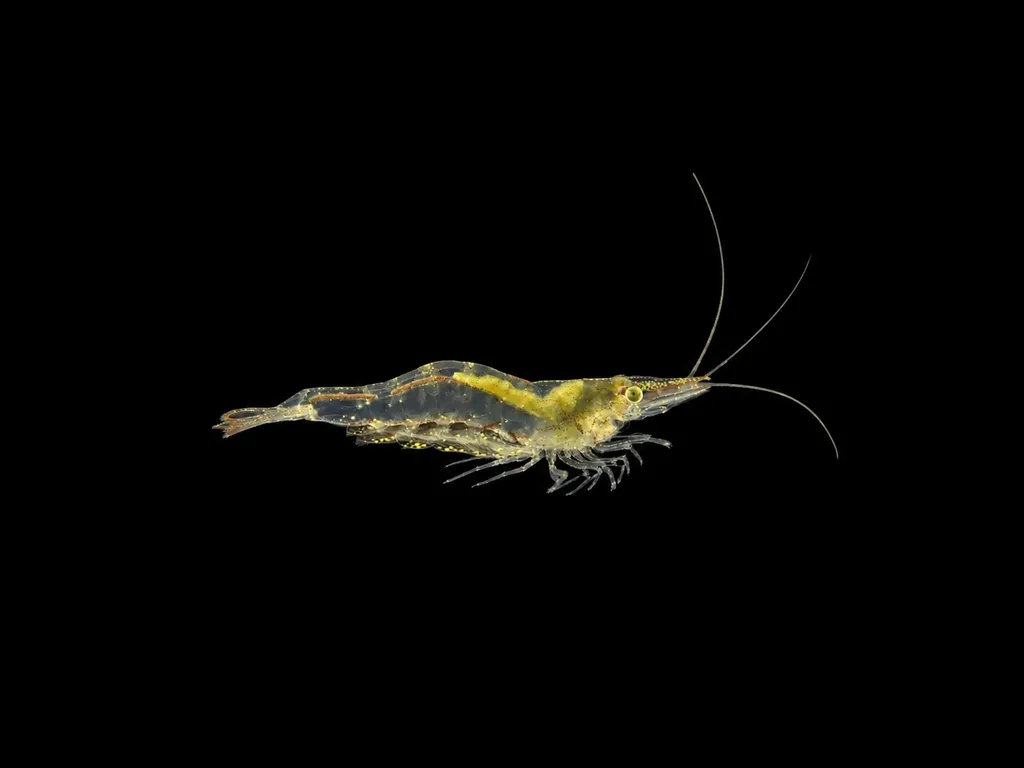 1.4 in (3.5 cm)5 gal (20 L)73–82°F (23–28°C)
Short-nose algae shrimp
Caridina longirostris
1.4 in (3.5 cm) · 5 gal (20 L)
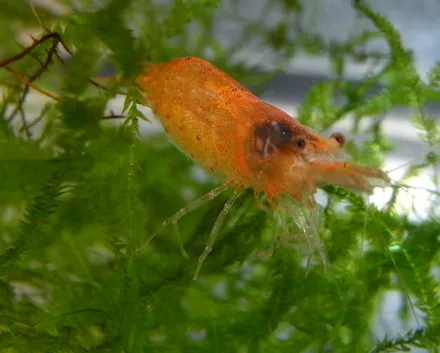 1.4 in (3.5 cm)5 gal (20 L)73–82°F (23–28°C)
Sunkist shrimp
Caridina thambipillai
1.4 in (3.5 cm) · 5 gal (20 L)
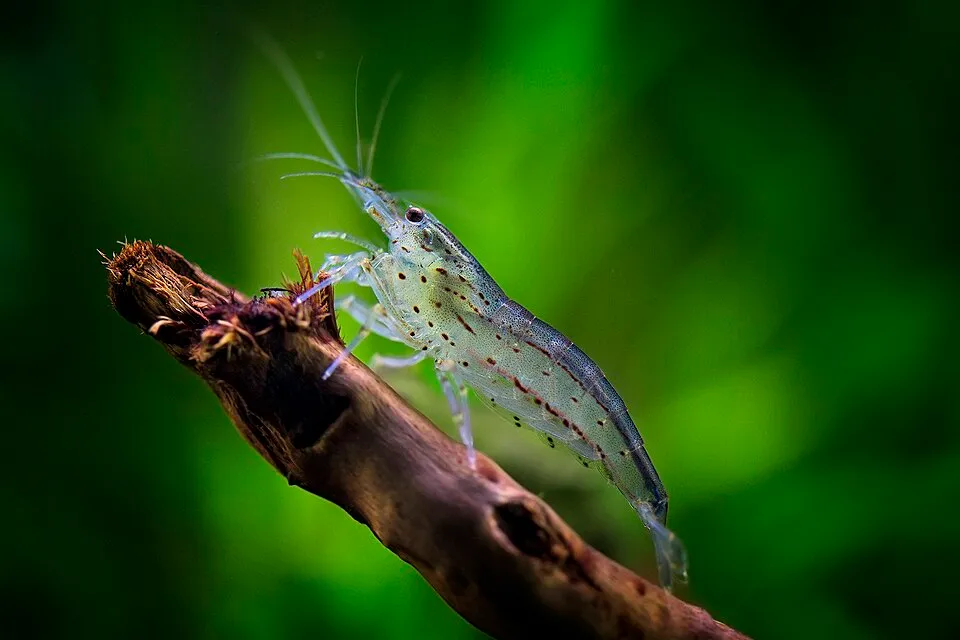 2 in (5 cm)8 gal (30 L)59–81°F (15–27°C)
Amano shrimp
Caridina multidentata
2 in (5 cm) · 8 gal (30 L)