Variety of Neocaridina shrimp
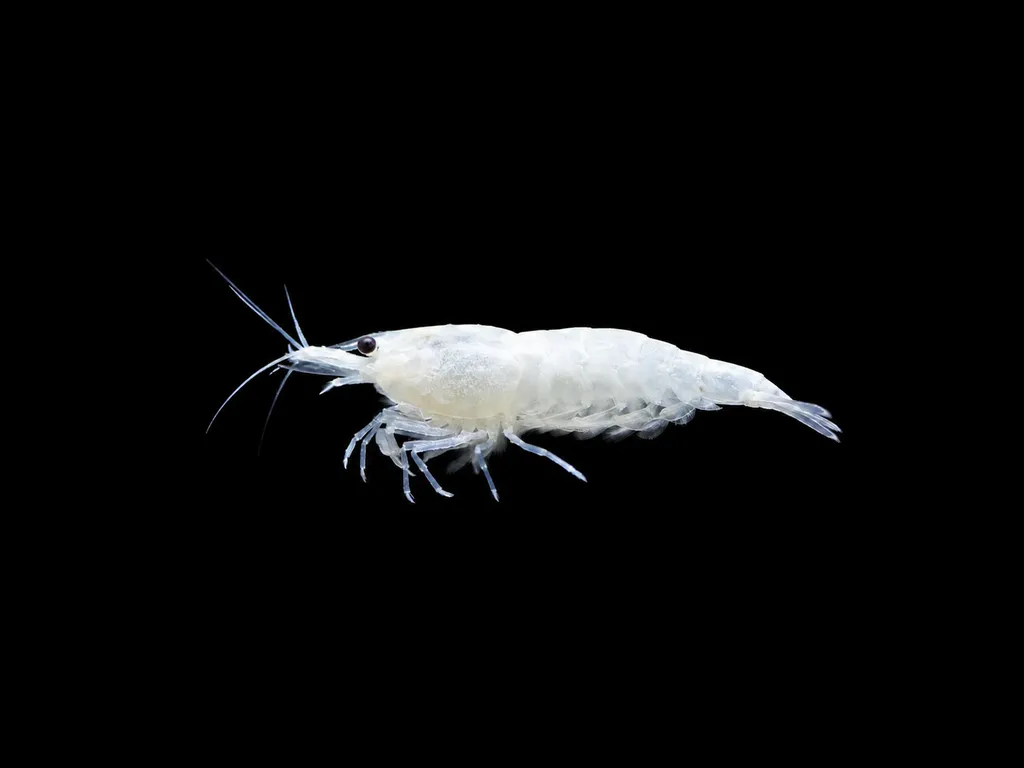
Snowball shrimp
Neocaridina davidi
One of 11 varieties of Neocaridina davidi · See all varieties →
Also known as White Pearl shrimp, Snowflake shrimp
FreshwaterShrimp
Varieties · Neocaridina davidi
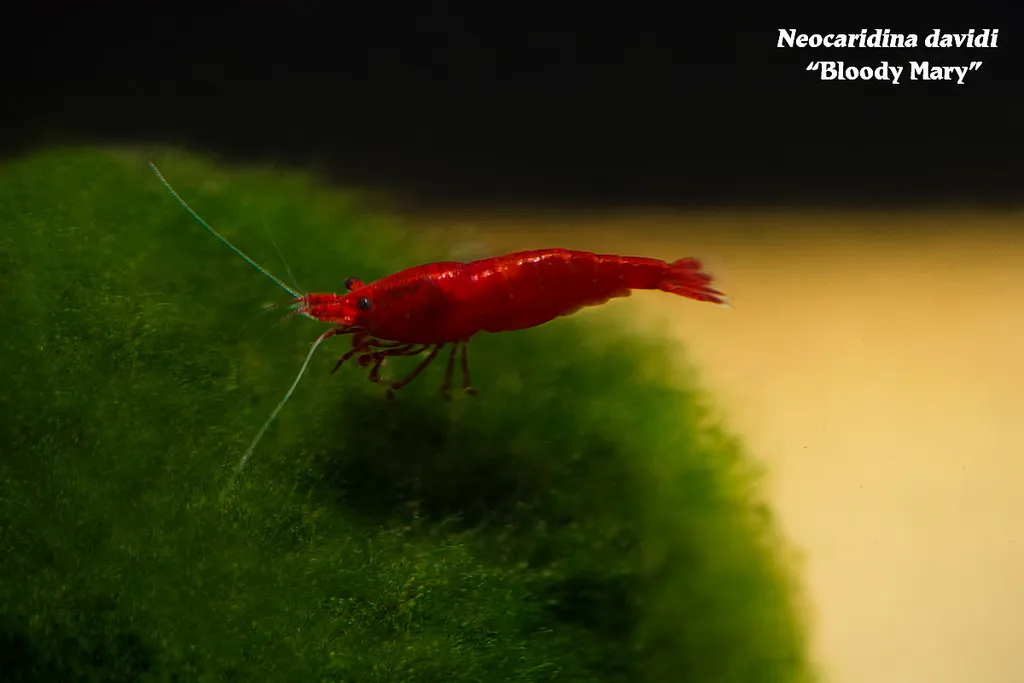
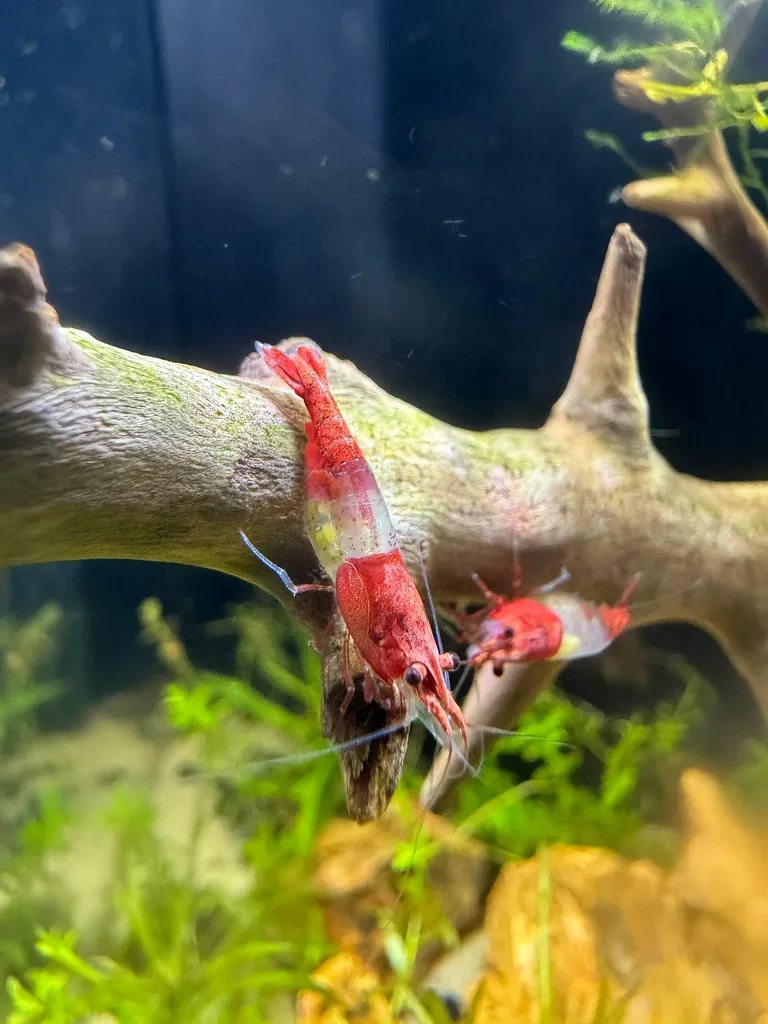
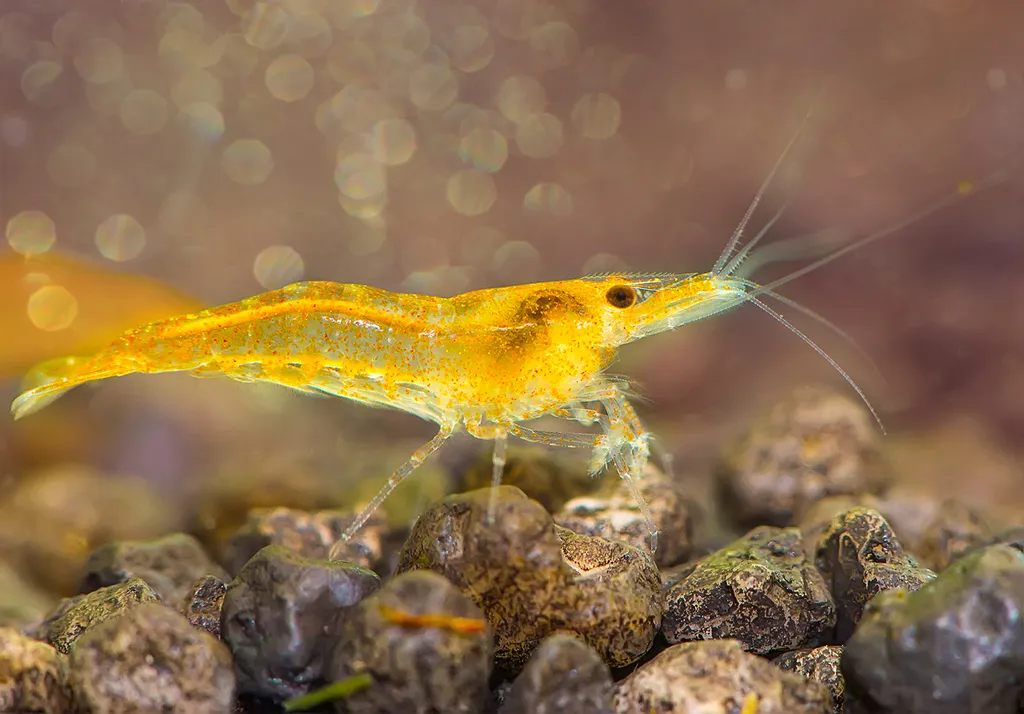
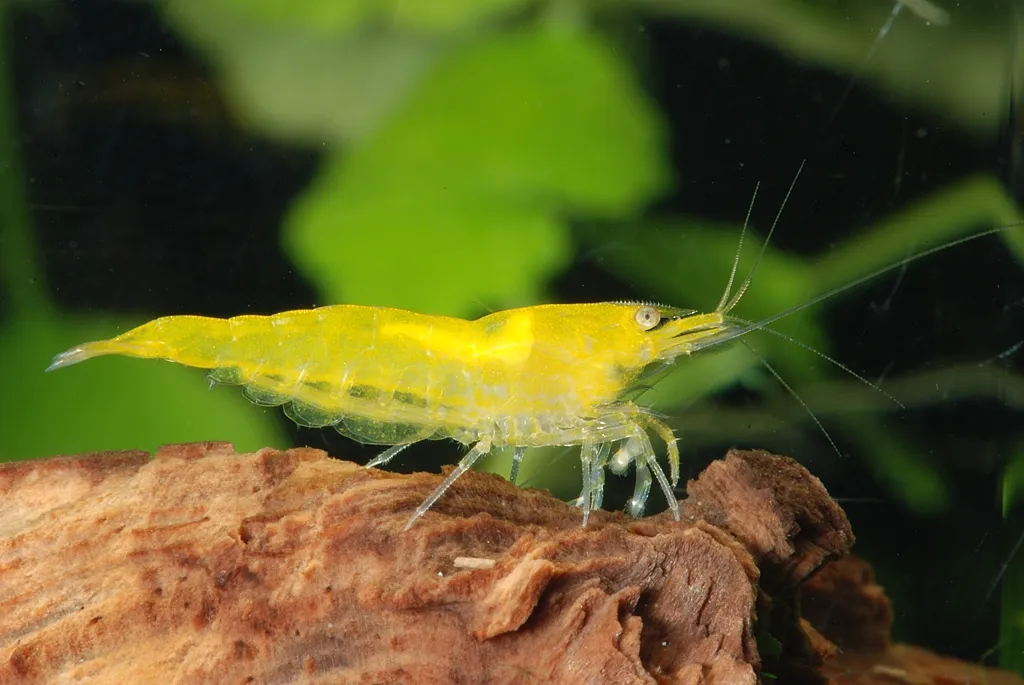
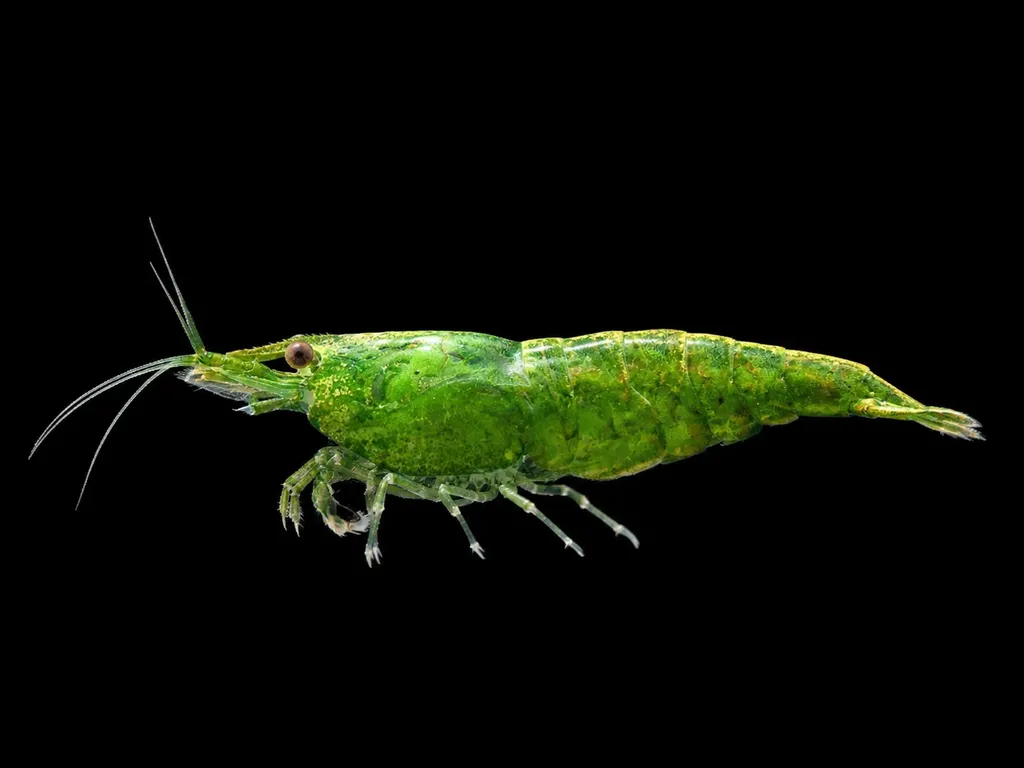
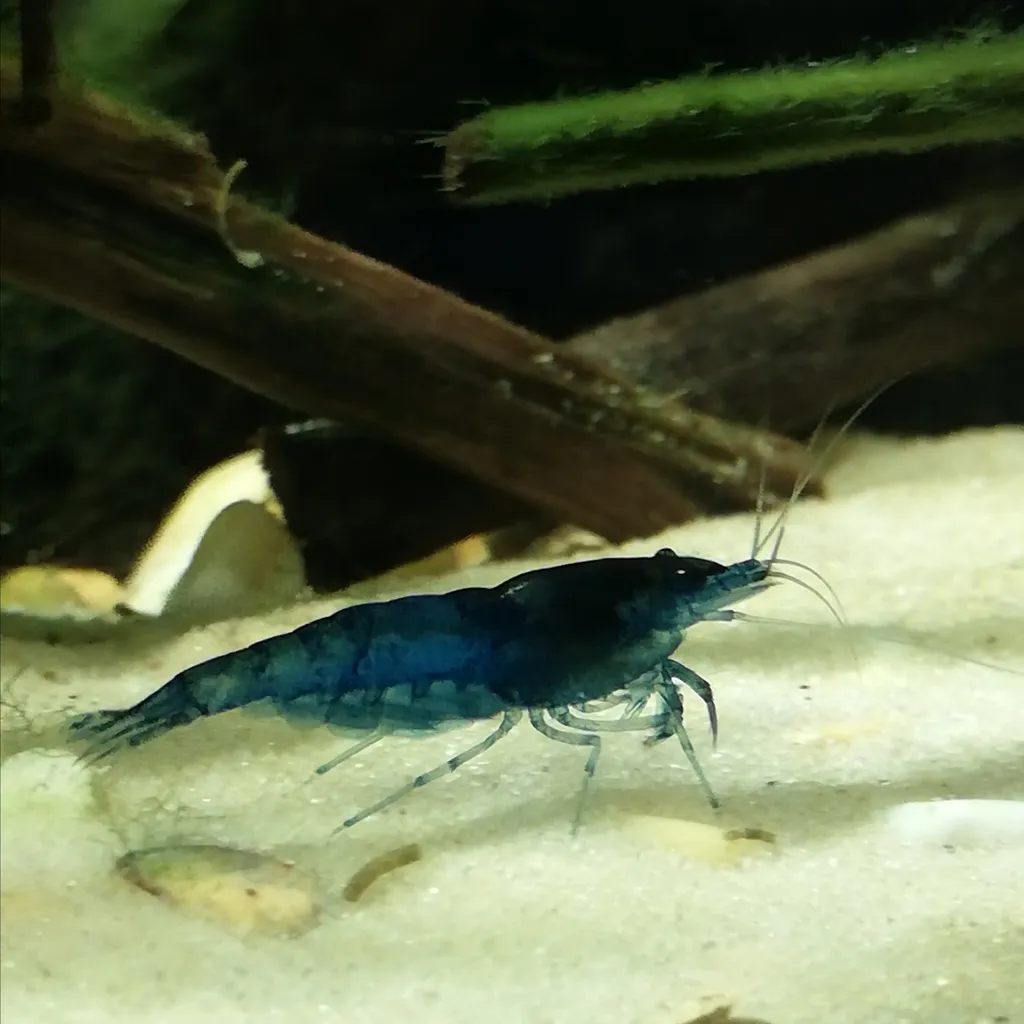
See all 11 →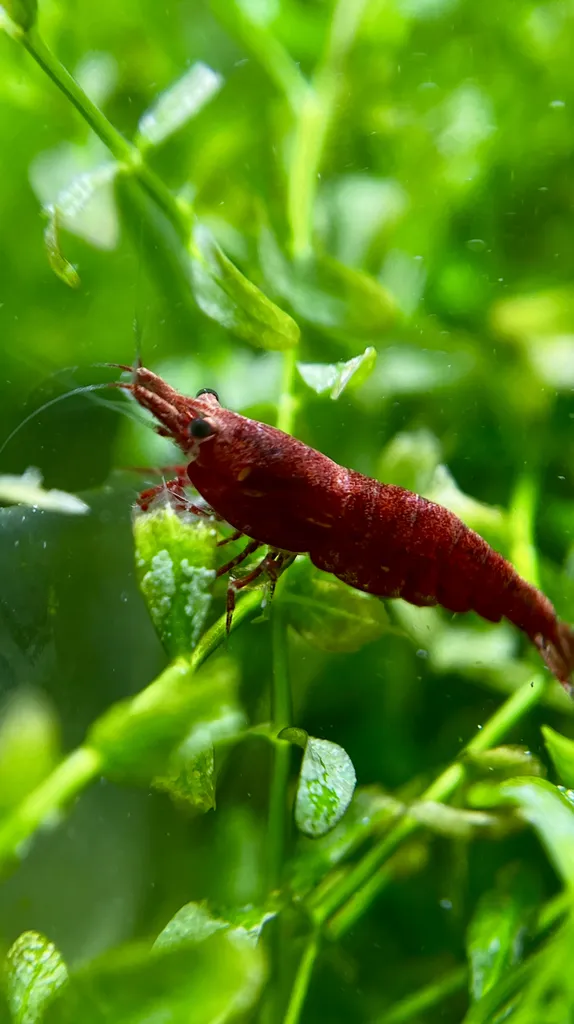
Care at a glance
- Temperature
- 59–84°F
- 15–29°C
- pH
- 6.5–8.0
- Adult size
- 1.6 in
- 4 cm
- Minimum tank
- 5 gal
- 20 L
- Temperament
- Peaceful
- Social behavior
- Social
- Swim level
- Bottom
- Difficulty
- Beginner
- Breeding
- Easy
- Rarity
- Common
- Family
- Atyidae
- Origin
- A captive bred color line of the dwarf shrimp Neocaridina davidi, whose wild form lives in freshwater streams and ponds across eastern China and Taiwan.
Overview
A snowball colony is happy in 20 L or more at 18 to 28 C and a pH of 6.5 to 8.0, in cycled water with plants and biofilm to graze. Keep them with small peaceful fish or other shrimp. They breed easily, and the white eggs make berried females easy to spot. Feed algae, biofilm, blanched vegetables and a little shrimp food.
In the wild
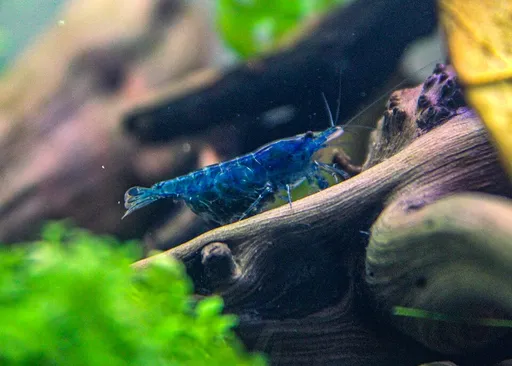
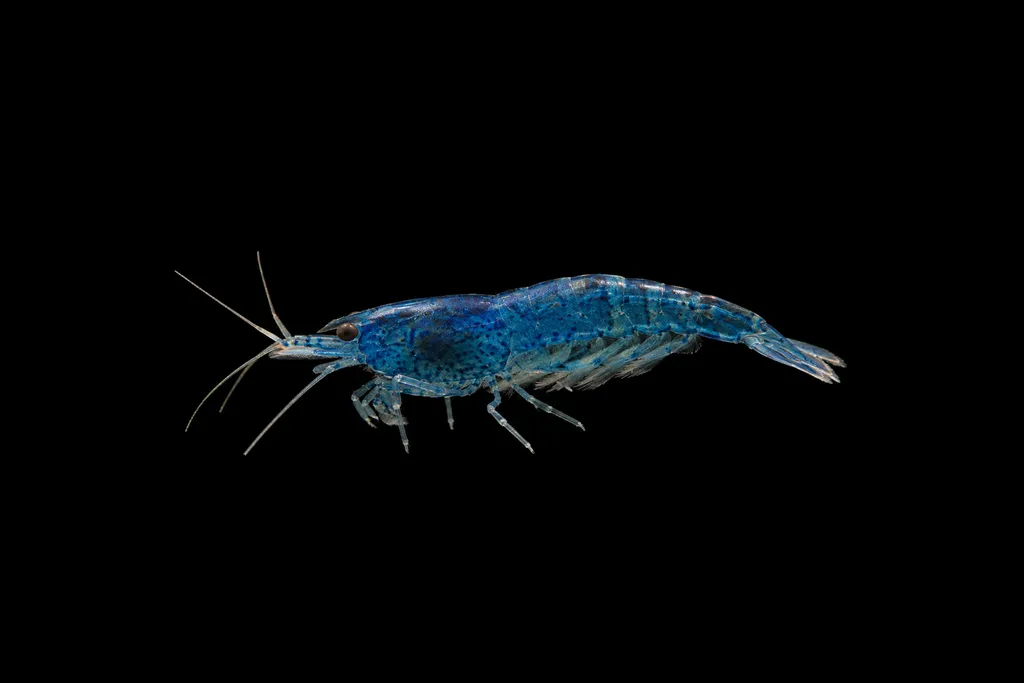
The snowball, or white pearl, is a milky white line of Neocaridina davidi named for its bright white eggs that look like tiny snowballs. It is a small, peaceful grazer with the same easy care as cherry shrimp. The white color shows best against dark substrate and plants. It thrives in a stable, mature planted tank.
Good to know
The snowball's eggs are opaque white rather than the yellow or green of other lines, which is where the name comes from. It is the same species as every other Neocaridina davidi color, just with a selected white body. Some older sources listed it under Neocaridina zhangjiajiensis, but the trade now treats it as N. davidi.
Did you know
Berried snowball females are unmistakable, since the clutch of bright white eggs under the tail stands out far more than the pale eggs of most other shrimp.
Weekly picks
Tank mates
Snowball shrimp is a peaceful, social species that keeps to the bottom. These picks share a community profile with it, are safe together in both directions, and overlap on water type, temperature and pH.
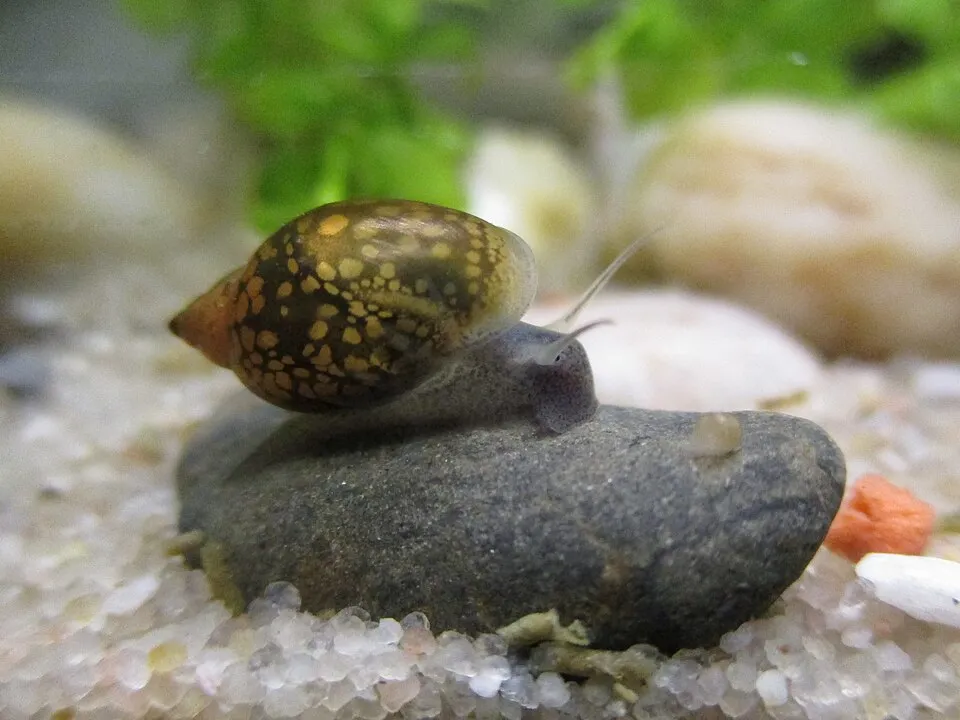
Bladder snail
Physella acuta
Freshwater0.6 in (1.5 cm) · 5 gal (20 L)57–86°F (14–30°C)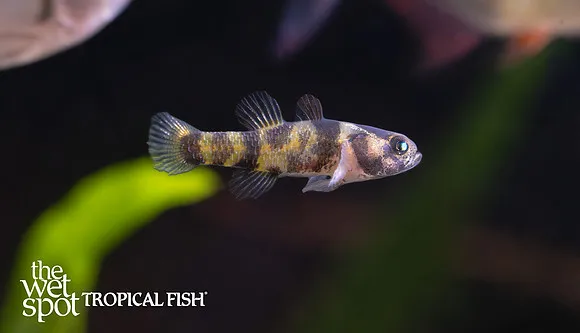
Micro bumblebee goby
Brachygobius nunus
FreshwaterBrackish1 in (2.5 cm) · 5 gal (20 L)73–82°F (23–28°C)
Yellow phantom tetra
Hyphessobrycon roseus
Freshwater0.8 in (2 cm) · 7 gal (25 L)68–82°F (20–28°C)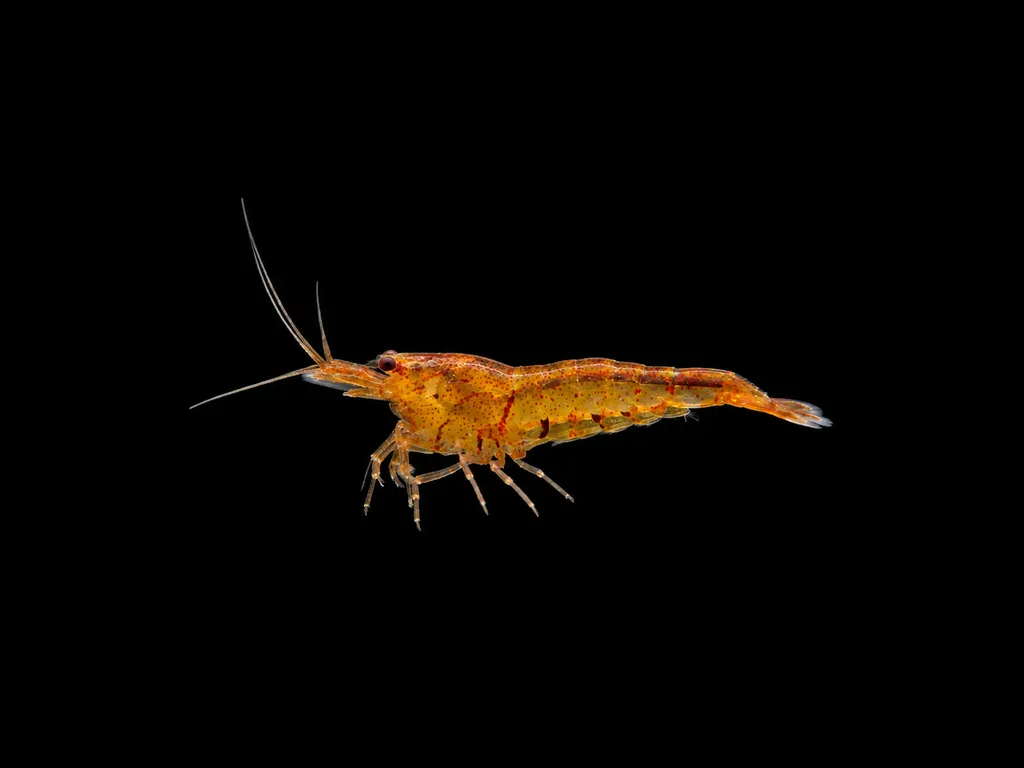
Tangerine tiger shrimp
Caridina serrata
Freshwater1.2 in (3 cm) · 5 gal (20 L)68–79°F (20–26°C)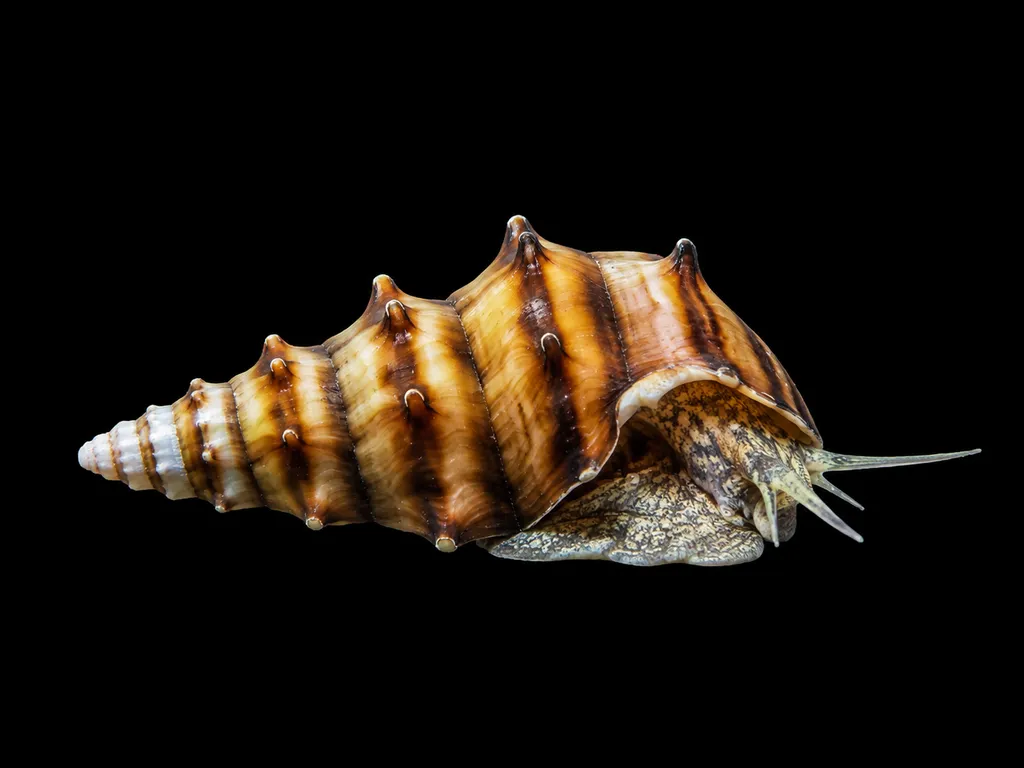
Pagoda snail
Brotia pagodula
Freshwater2.4 in (6 cm) · 5 gal (20 L)72–82°F (22–28°C)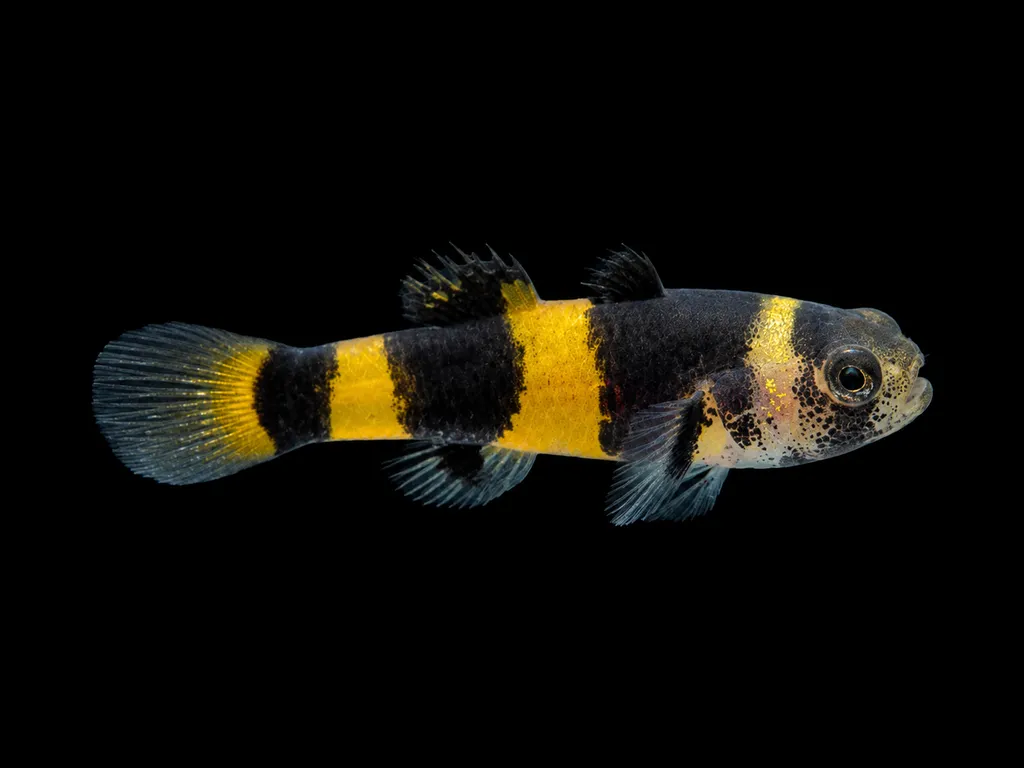
Mini bumblebee goby
Brachygobius xanthomelas
Freshwater0.8 in (2 cm) · 5 gal (20 L)75–82°F (24–28°C)
Common questions
Is a Snowball shrimp a different species from the Neocaridina shrimp?
No. A Snowball shrimp is a variety of the Neocaridina shrimp, Neocaridina davidi, and it wants the same tank, water and food as the species.
What size tank does a Snowball shrimp need?
A Snowball shrimp needs at least 5 gal (20 L). It spends most of its time in the bottom.
How big does a Snowball shrimp get?
An adult Snowball shrimp reaches about 1.6 in (4 cm).
Related species
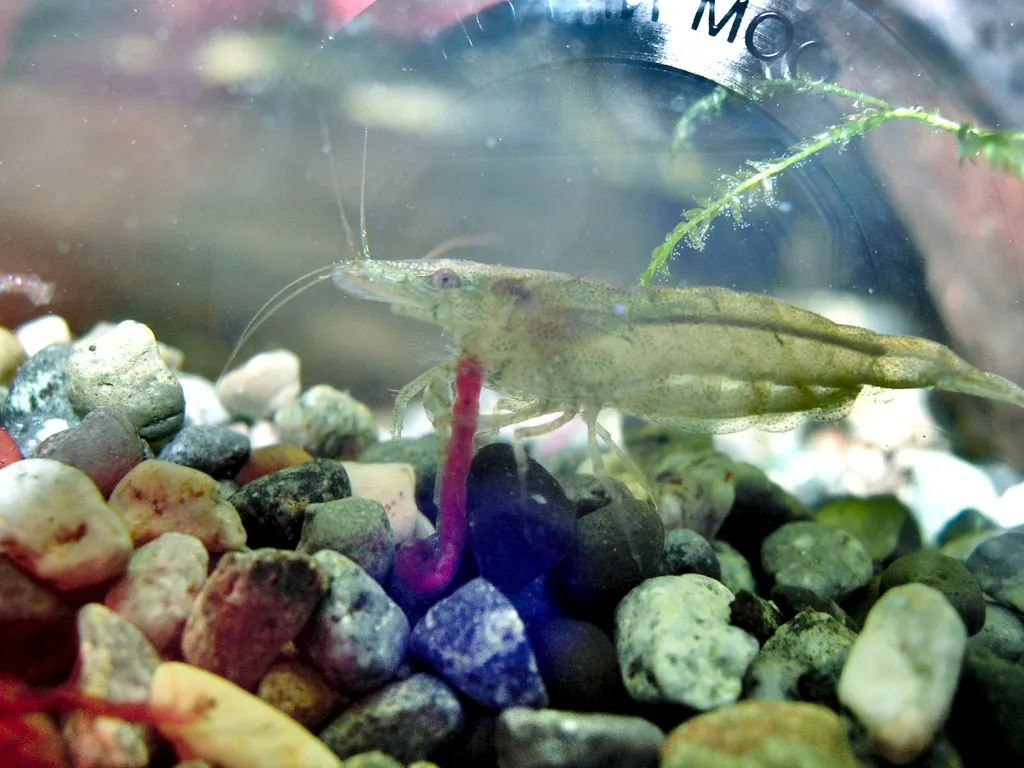 1.2 in (3 cm)5 gal (20 L)64–79°F (18–26°C)
Okinawa cleaner shrimp
Neocaridina denticulata
1.2 in (3 cm) · 5 gal (20 L)
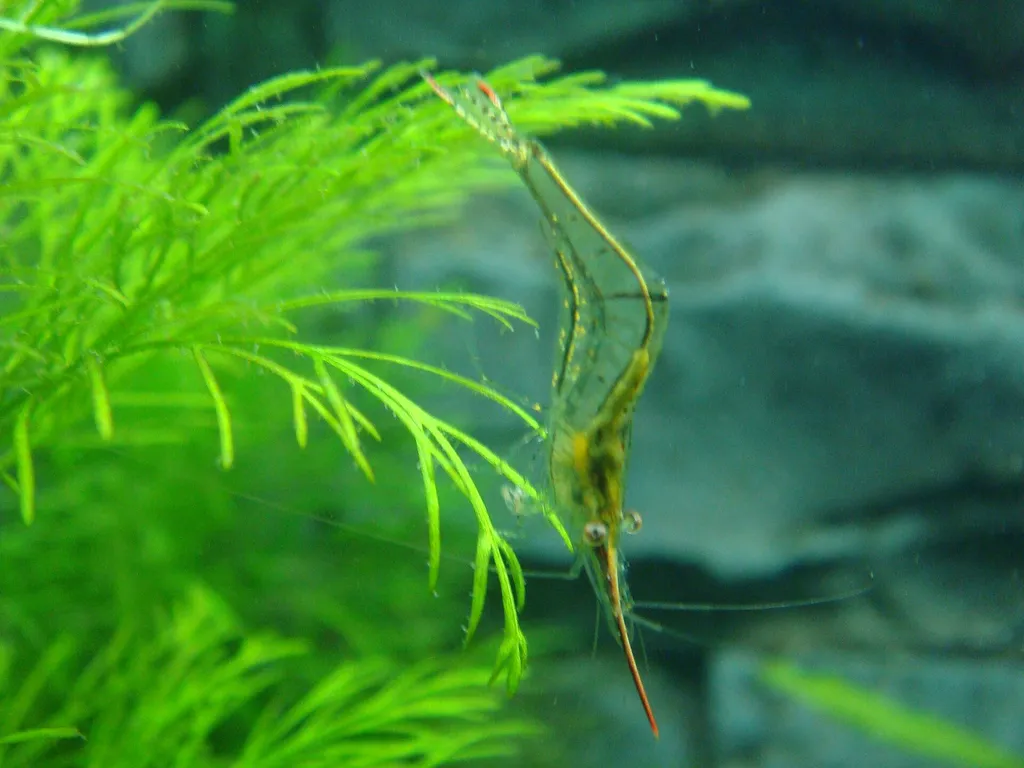 1.6 in (4 cm)5 gal (20 L)73–82°F (23–28°C)
Red skunk shrimp
Caridina gracilirostris
1.6 in (4 cm) · 5 gal (20 L)
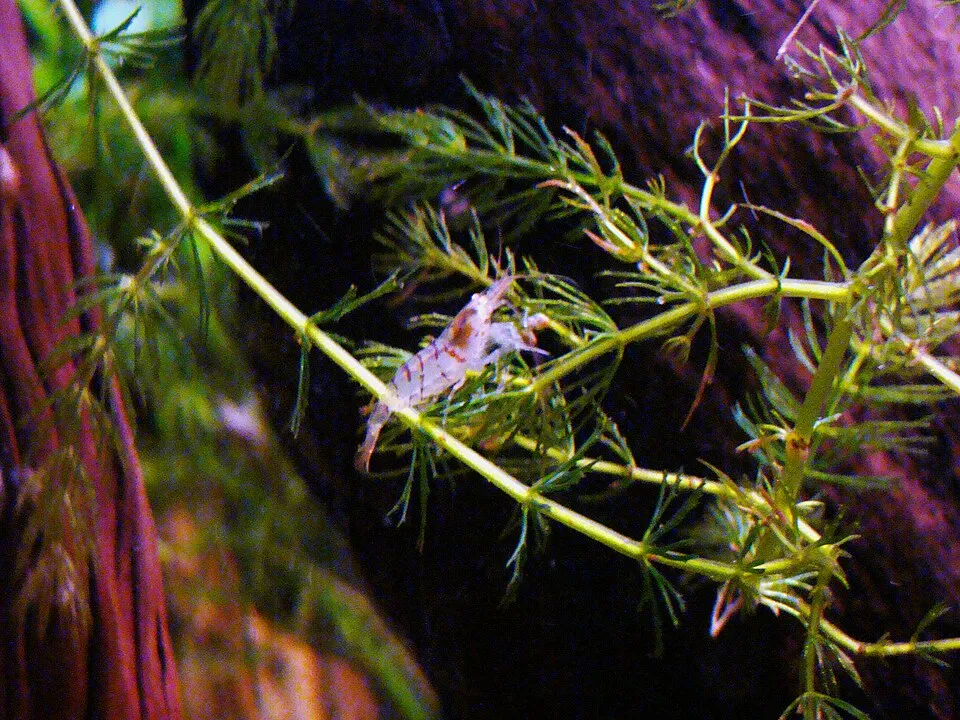 1.6 in (4 cm)7 gal (25 L)64–73°F (18–23°C)
Tiger shrimp
Caridina mariae
1.6 in (4 cm) · 7 gal (25 L)
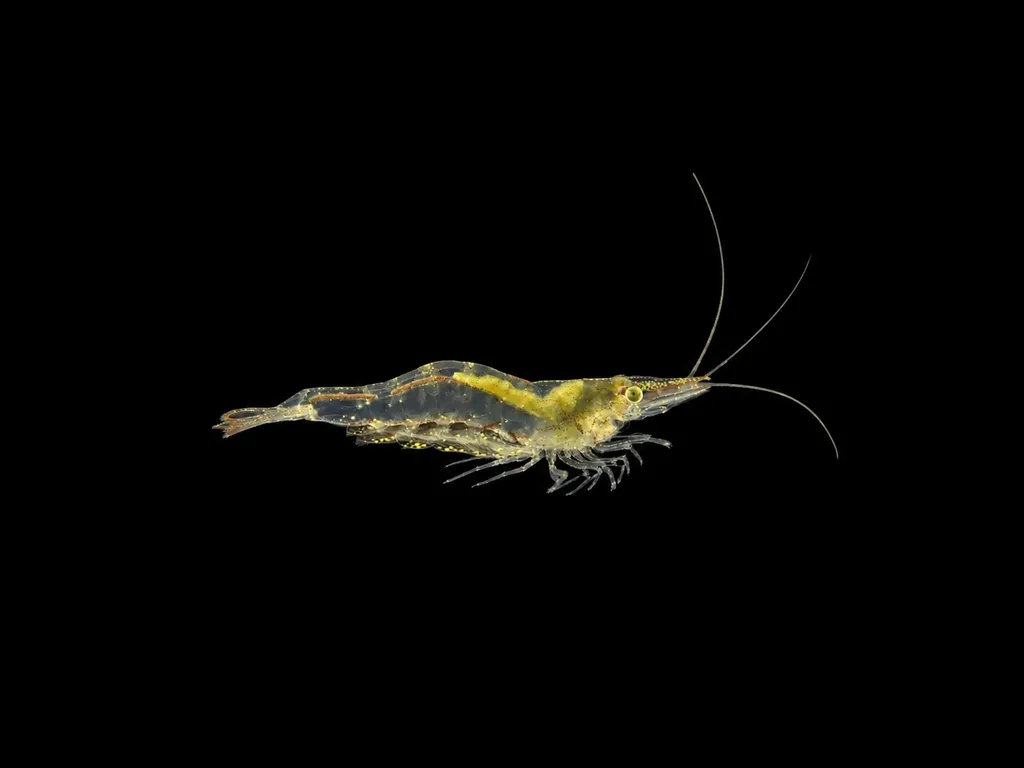 1.4 in (3.5 cm)5 gal (20 L)73–82°F (23–28°C)
Short-nose algae shrimp
Caridina longirostris
1.4 in (3.5 cm) · 5 gal (20 L)
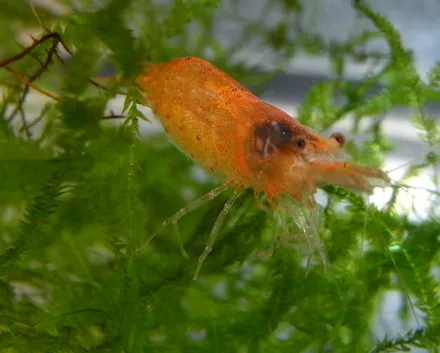 1.4 in (3.5 cm)5 gal (20 L)73–82°F (23–28°C)
Sunkist shrimp
Caridina thambipillai
1.4 in (3.5 cm) · 5 gal (20 L)
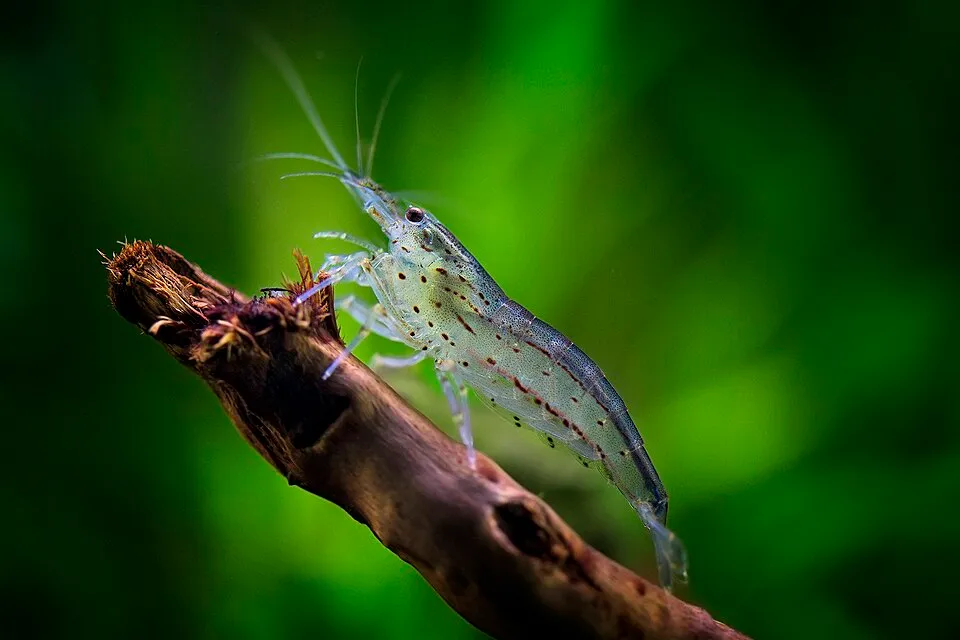 2 in (5 cm)8 gal (30 L)59–81°F (15–27°C)
Amano shrimp
Caridina multidentata
2 in (5 cm) · 8 gal (30 L)