Variety of Neocaridina shrimp
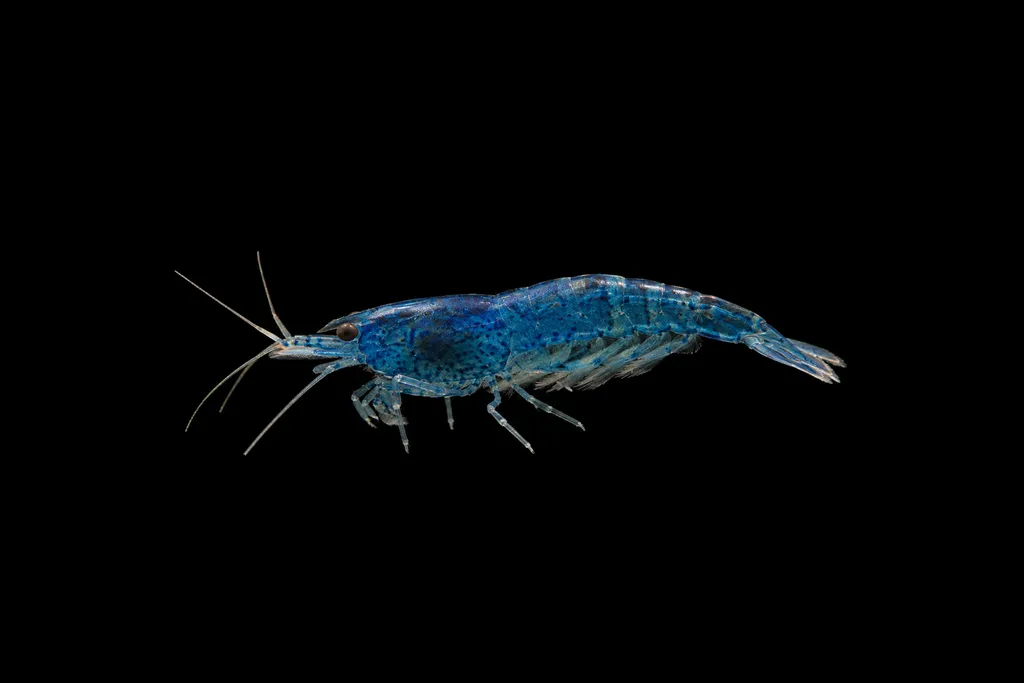
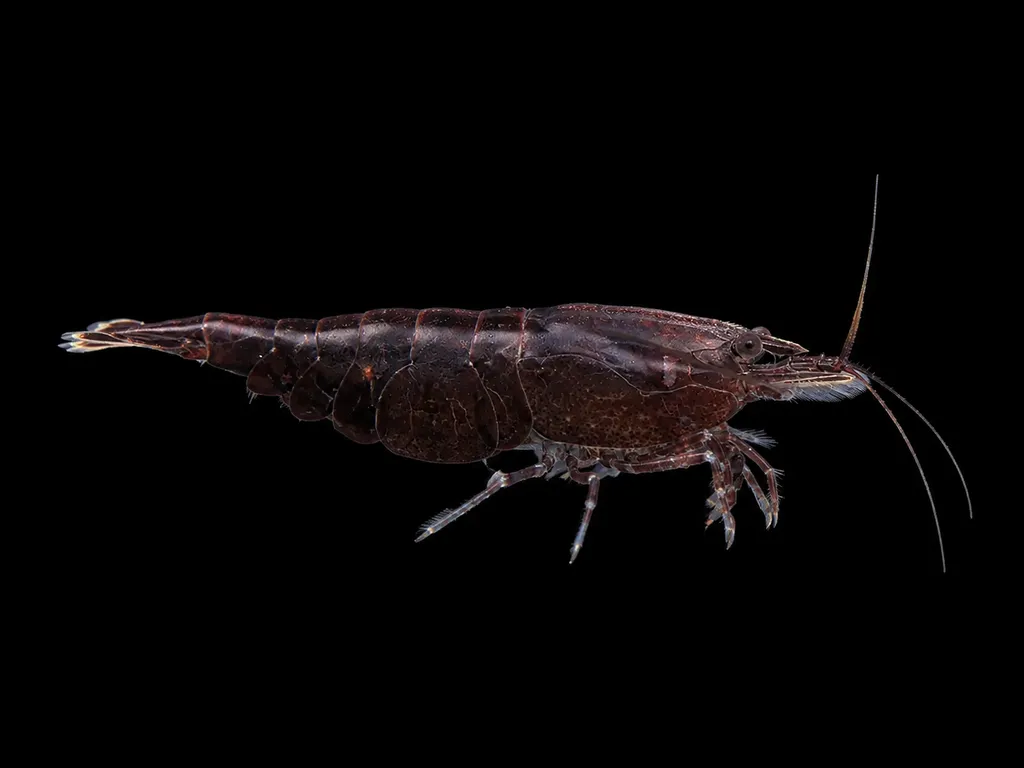
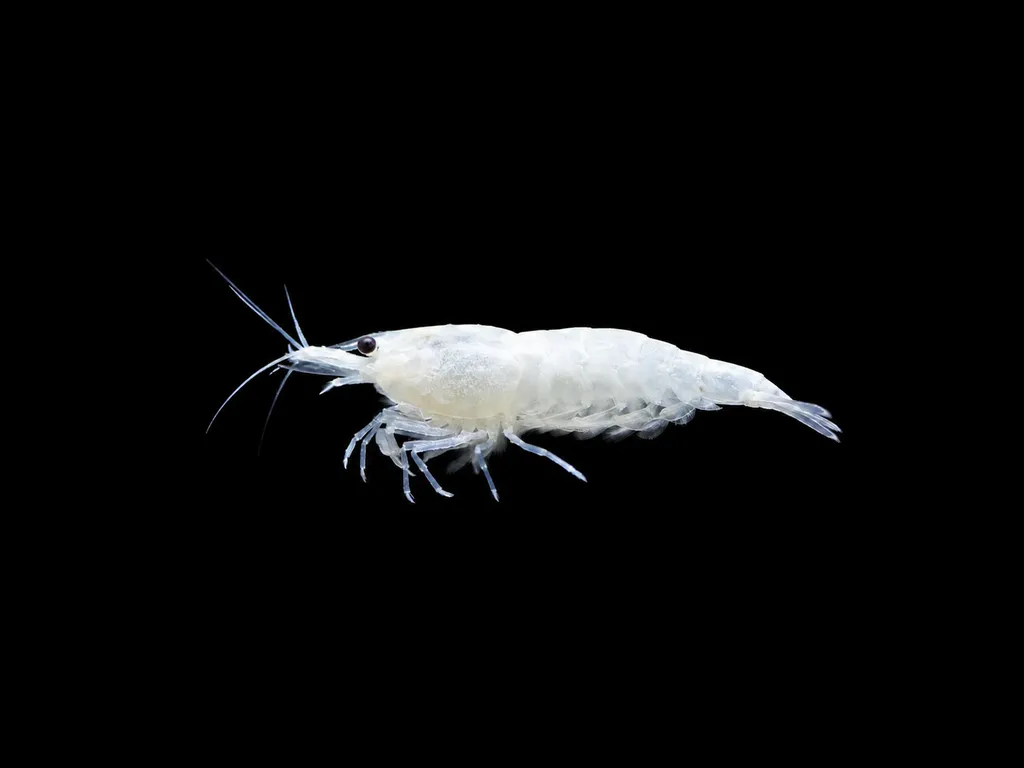
Rili shrimp
Neocaridina davidi
One of 11 varieties of Neocaridina davidi · See all varieties →
FreshwaterShrimp
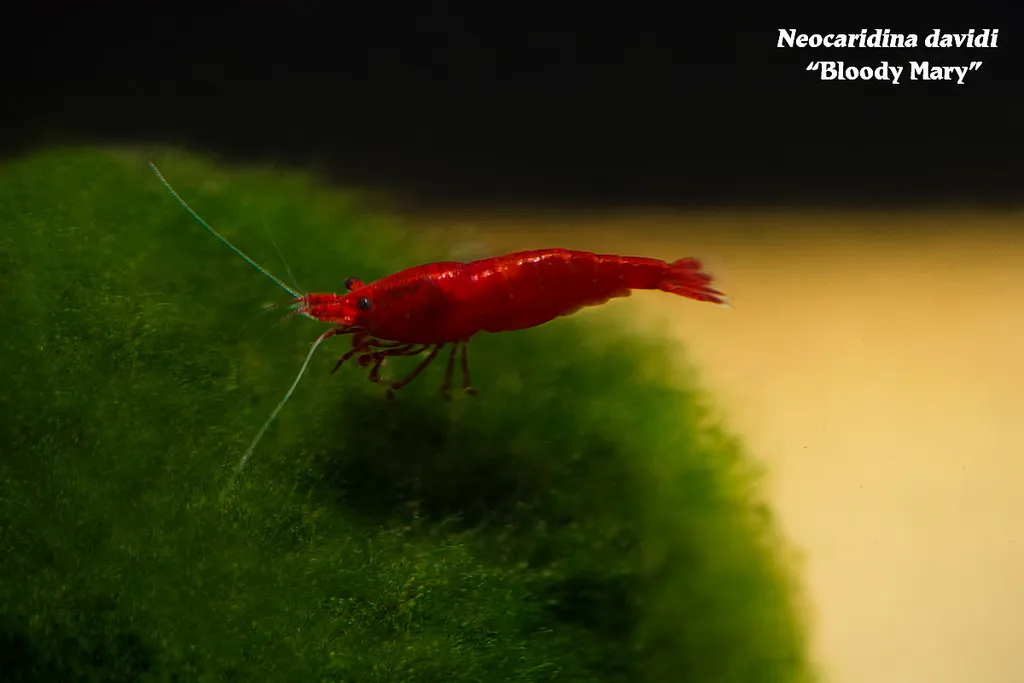
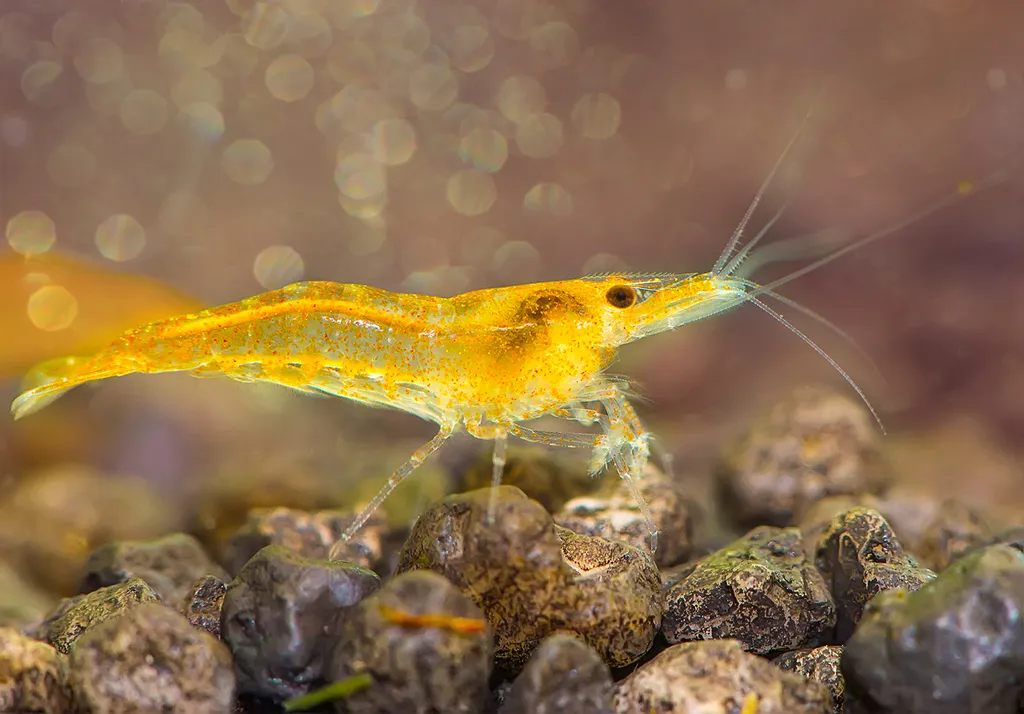
Varieties · Neocaridina davidi
See all 11 →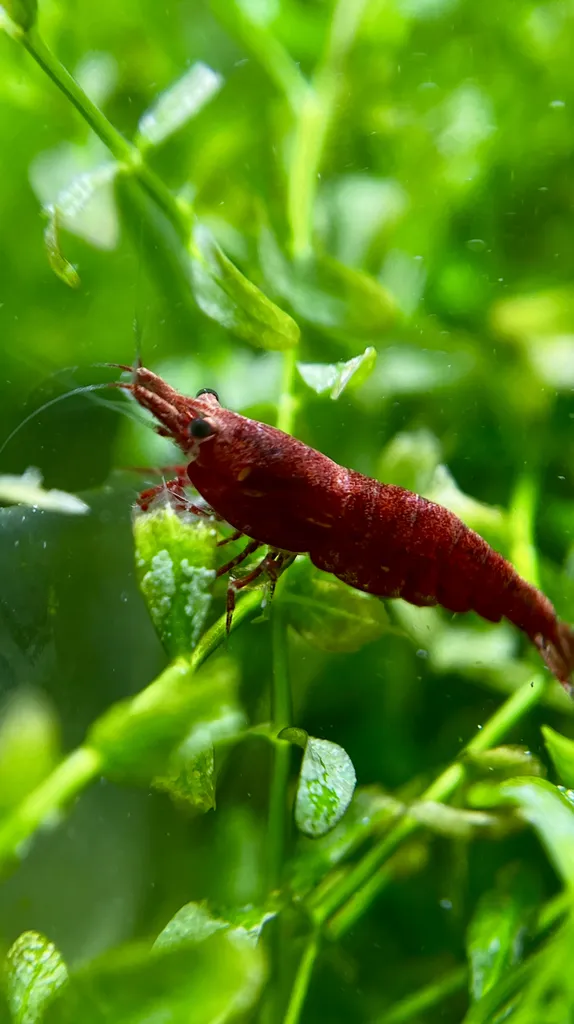
Care at a glance
- Temperature
- 59–84°F
- 15–29°C
- pH
- 6.5–8.0
- Adult size
- 1.6 in
- 4 cm
- Minimum tank
- 5 gal
- 20 L
- Temperament
- Peaceful
- Social behavior
- Social
- Swim level
- Bottom
- Difficulty
- Beginner
- Breeding
- Easy
- Rarity
- Common
- Family
- Atyidae
- Origin
- Taiwan
Overview
Keep them in a group. The more the better, since they feel secure in numbers and you get a stronger colony. They stay on the bottom and across plants, picking at algae, biofilm, and leftover food, with the odd blanched vegetable or shrimp pellet to round things out. They want pH from about 6.5 to 8 and temperatures from the mid teens up to around 29 C, though stable warmth in the low to mid 20s is easiest. They are peaceful and best kept alone or with very small, calm fish that will not eat the babies.
In the wild
Rili shrimp are a selectively bred line of Neocaridina davidi, the same species behind the common cherry shrimp. The wild stock comes from streams and ponds in Taiwan and nearby parts of Asia, sitting on the bottom among plants, leaf litter, and biofilm-covered surfaces. They handle a wide range of conditions, so a small planted tank of about 20 liters or more with moss, some hardscape, and a mature surface for grazing suits them well. Stable water matters more than chasing exact numbers.
Good to know
This is a freshwater dwarf shrimp in the family Atyidae. Adults reach roughly 3 to 4 cm, with females usually larger and rounder than males. They breed readily in freshwater with no larval stage, so females carry eggs under the tail until fully formed shrimplets hatch. Lifespan is typically one to two years.
Did you know
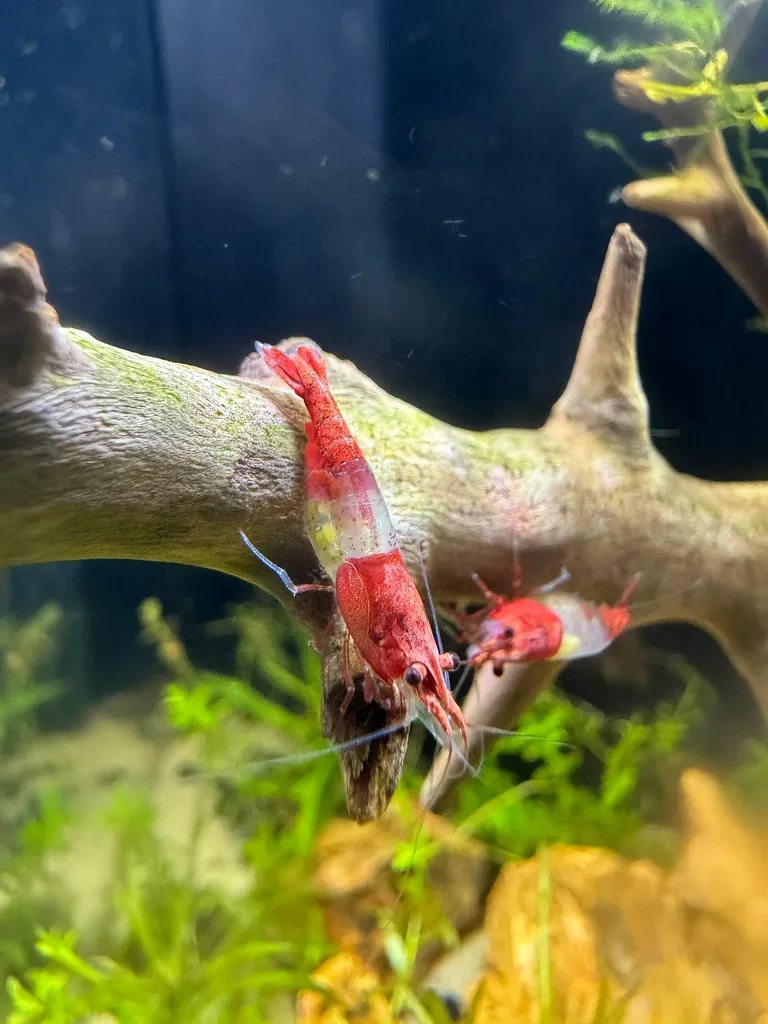
The "rili" pattern is the trait, not the species. Rili shrimp have a clear band across the middle of the body with solid color at the front and back, and that gap can shift or fade from one generation to the next, so colonies need culling to hold the look.
Color lines
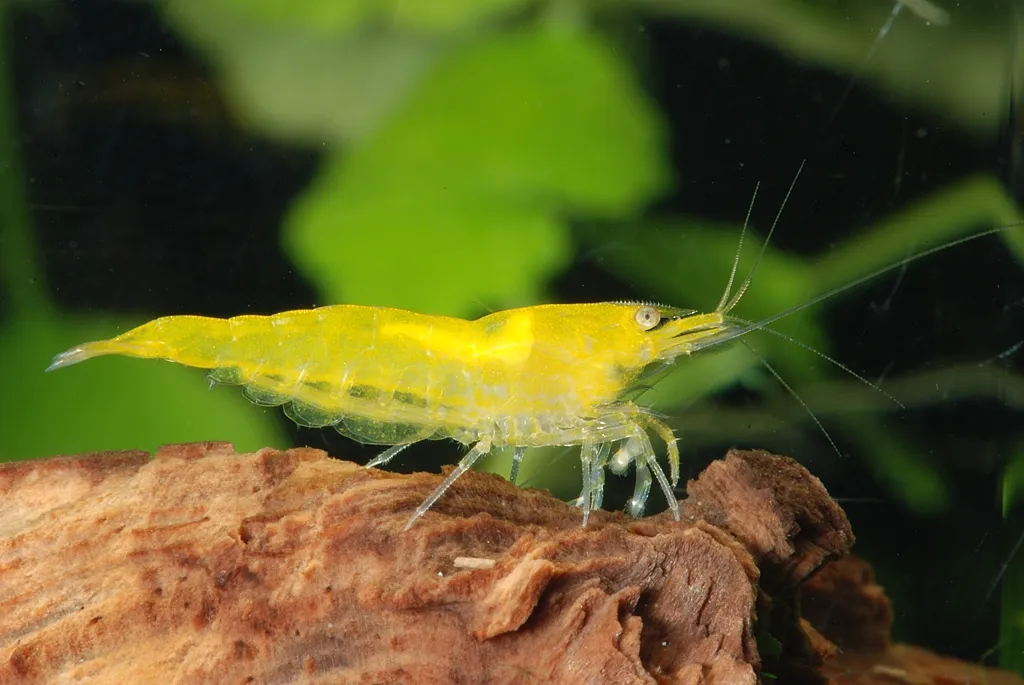
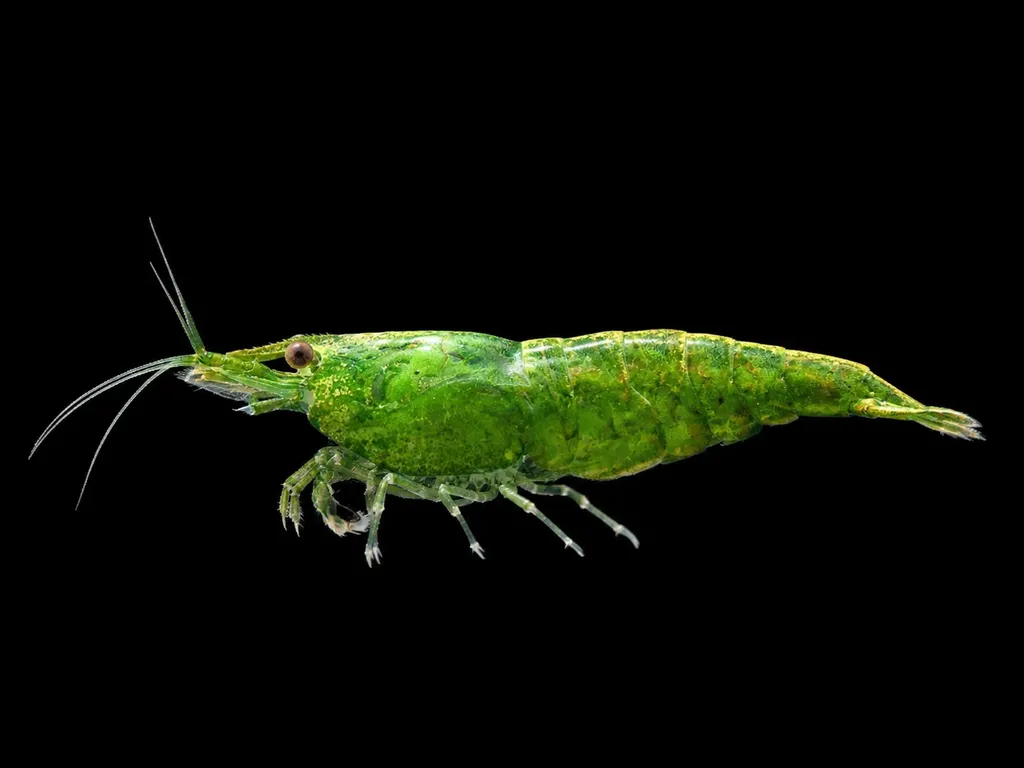
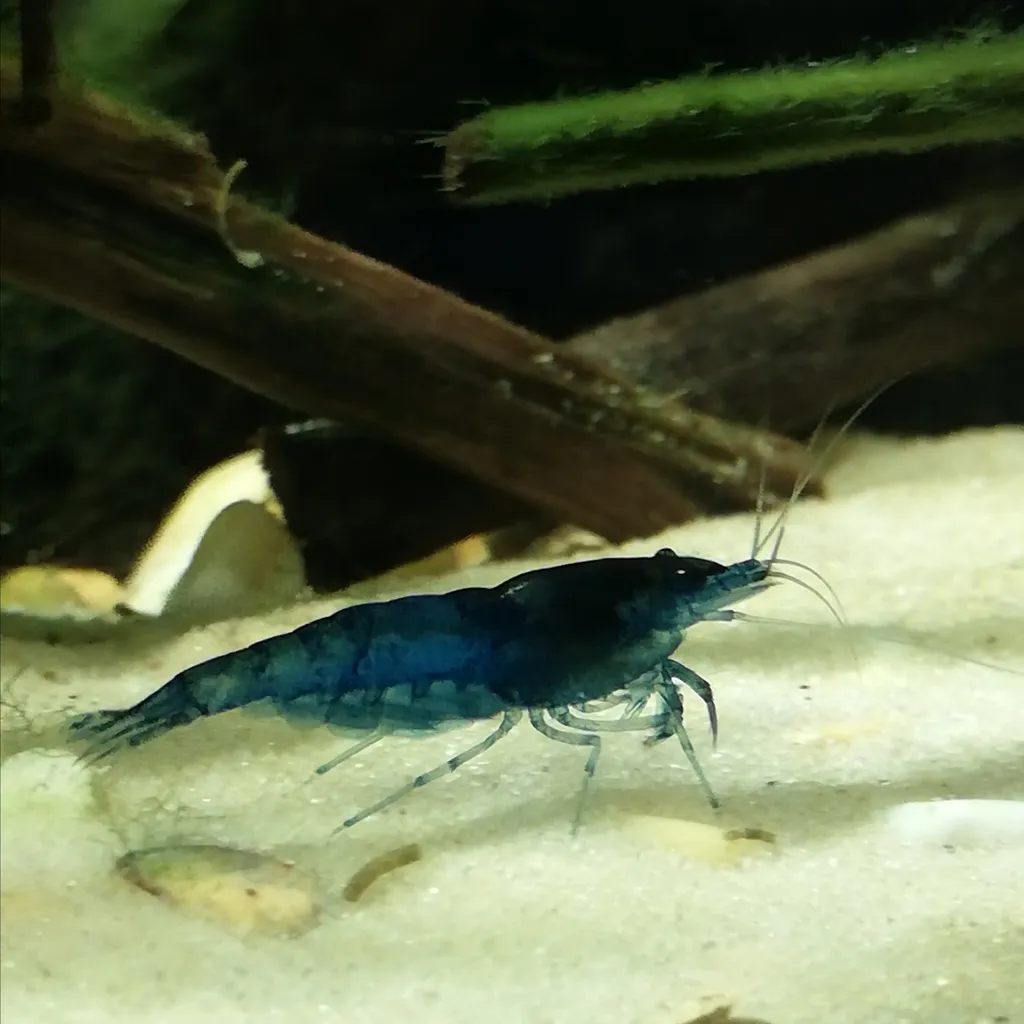
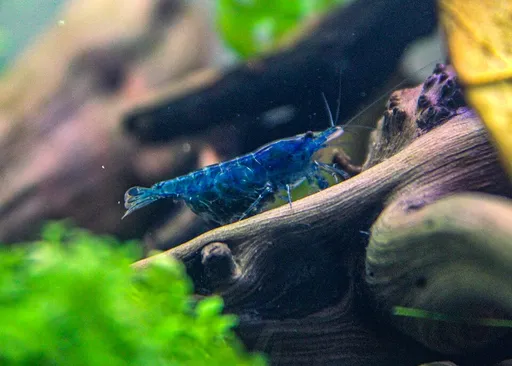
Rili is a pattern, not a color: a solid head and tail with a clear midsection, bred from every Neocaridina color line. Shops name the lines by color, and every one wants the same water as the rest of the species.
- Red
- from the cherry line; the original rili
- Orange
- from the orange line
- Carbon
- black or charcoal head and tail; also sold as black rili
- Blue
- from the blue lines; often a paler clear middle
- Green
- from the green jade line; the rarest of the five
Weekly picks
Tank mates
Rili shrimp is a peaceful, social species that keeps to the bottom. These picks share a community profile with it, are safe together in both directions, and overlap on water type, temperature and pH.
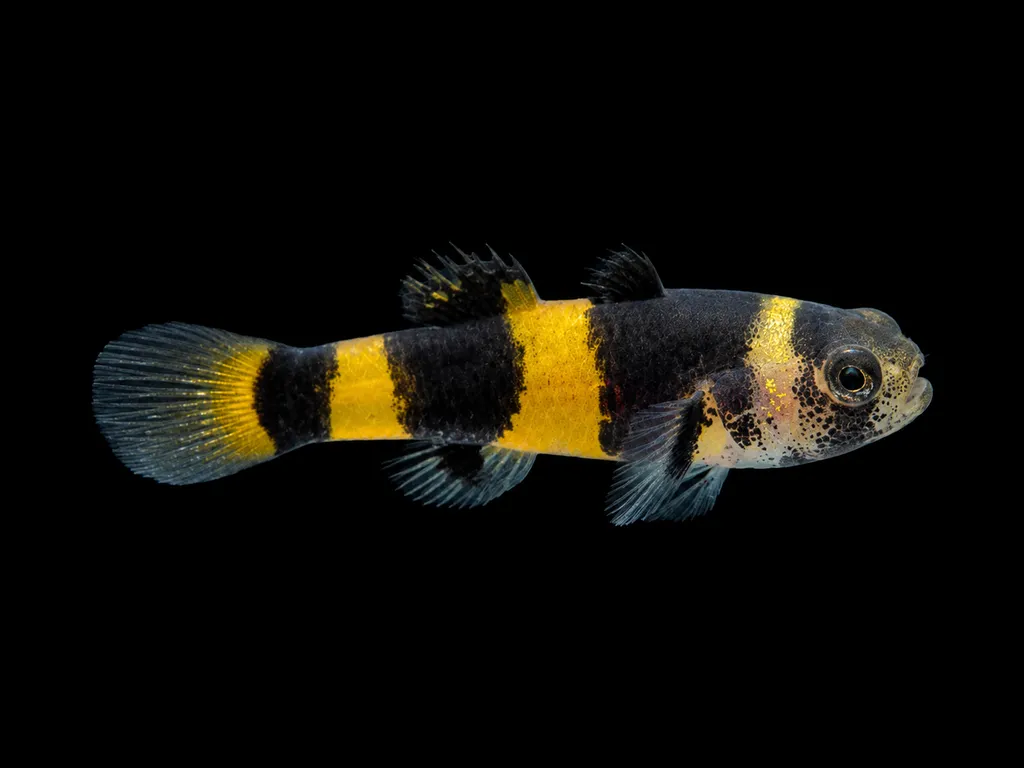
Mini bumblebee goby
Brachygobius xanthomelas
Freshwater0.8 in (2 cm) · 5 gal (20 L)75–82°F (24–28°C)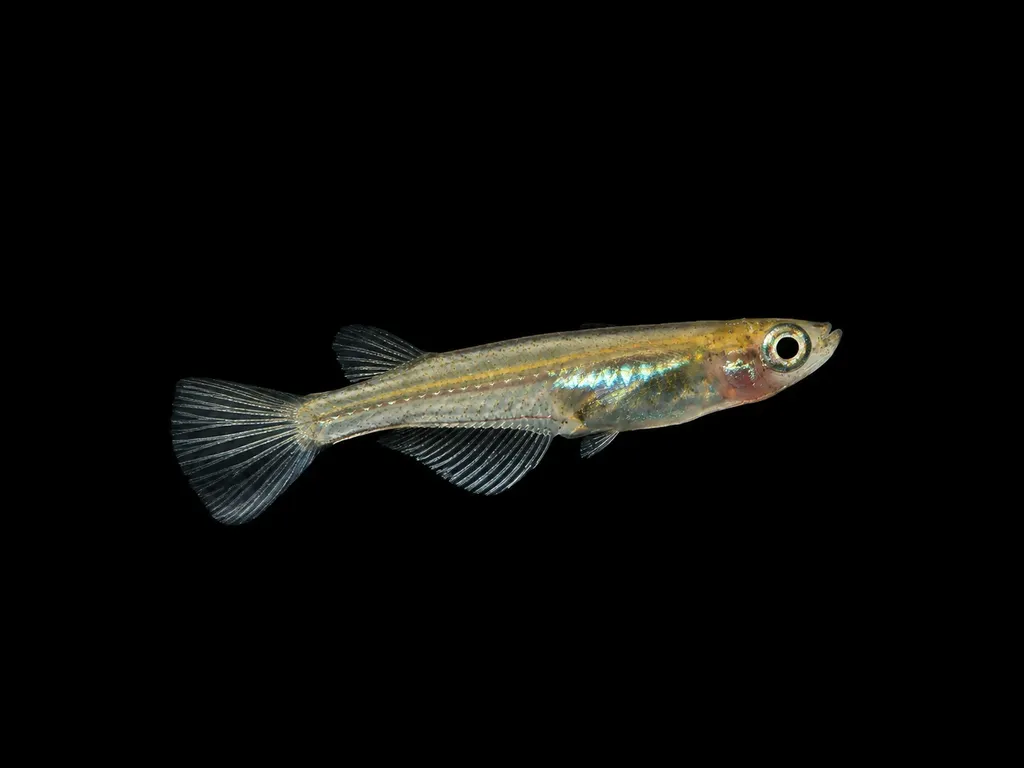
Dwarf medaka
Oryzias minutillus
Freshwater0.8 in (2 cm) · 5 gal (20 L)72–79°F (22–26°C)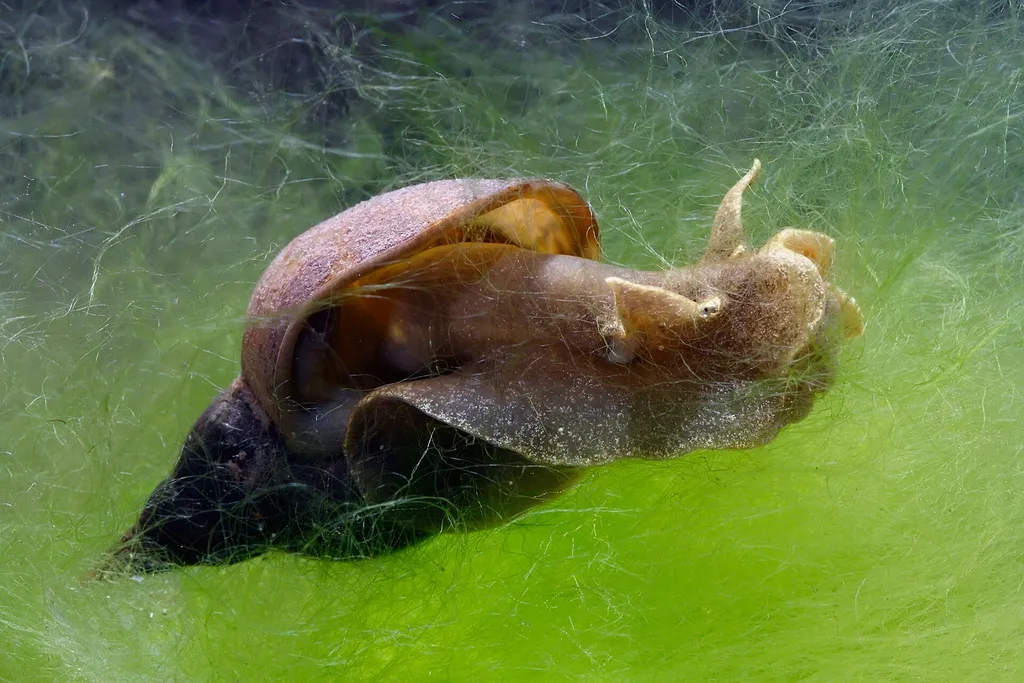
Great pond snail
Lymnaea stagnalis
Freshwater2.4 in (6 cm) · 5 gal (20 L)64–75°F (18–24°C)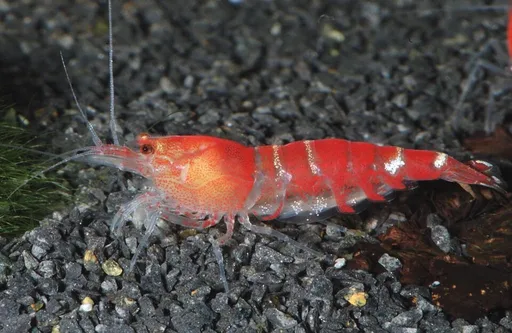
Bee shrimp
Caridina logemanni
Freshwater1.2 in (3 cm) · 5 gal (20 L)64–75°F (18–24°C)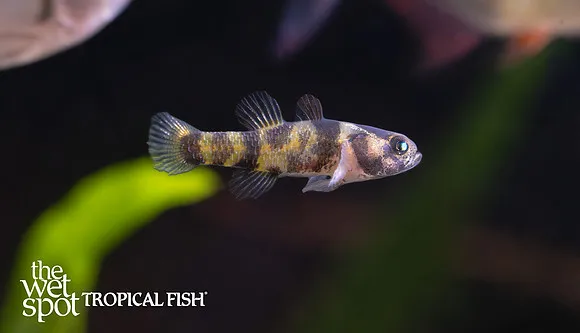
Micro bumblebee goby
Brachygobius nunus
FreshwaterBrackish1 in (2.5 cm) · 5 gal (20 L)73–82°F (23–28°C)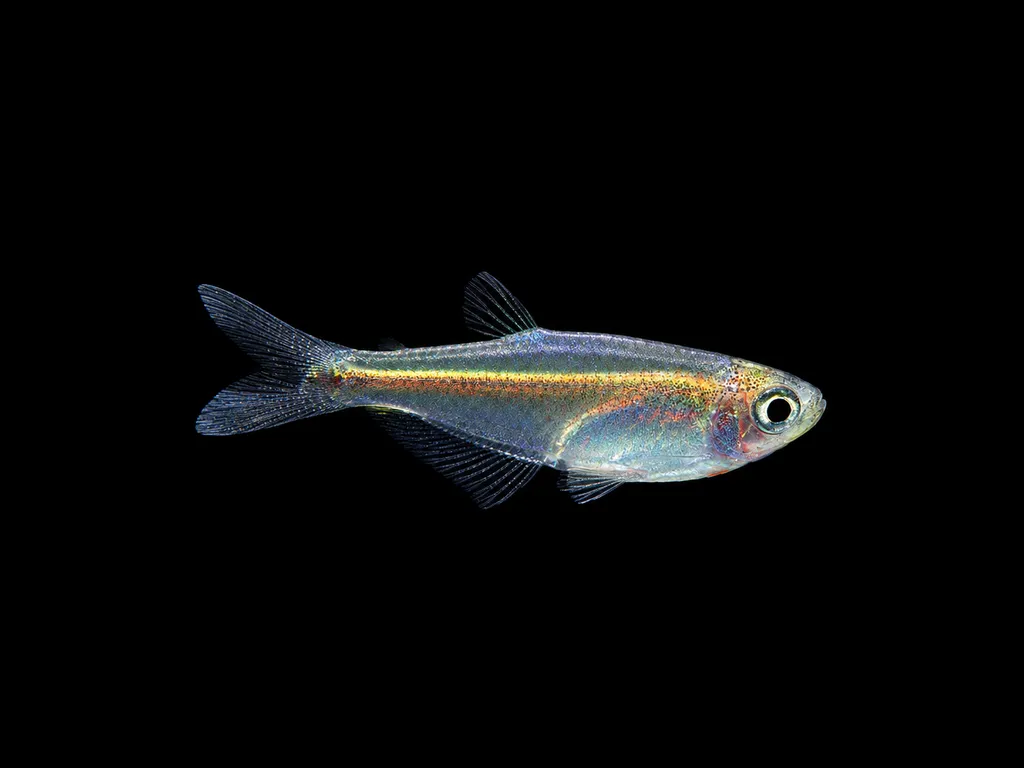
Tambopata glass tetra
Tyttocharax tambopatensis
Freshwater0.7 in (1.9 cm) · 5 gal (20 L)73–81°F (23–27°C)
Common questions
Is a Rili shrimp a different species from the Neocaridina shrimp?
No. A Rili shrimp is a variety of the Neocaridina shrimp, Neocaridina davidi, and it wants the same tank, water and food as the species.
What size tank does a Rili shrimp need?
A Rili shrimp needs at least 5 gal (20 L). It spends most of its time in the bottom.
How big does a Rili shrimp get?
An adult Rili shrimp reaches about 1.6 in (4 cm).
Related species
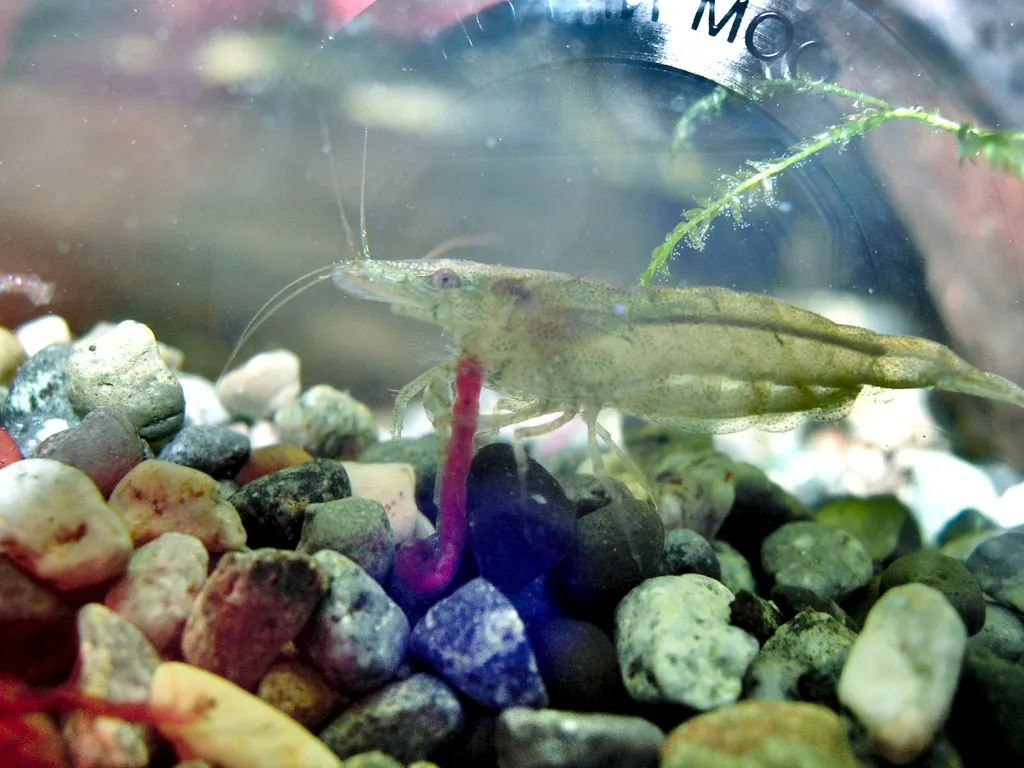 1.2 in (3 cm)5 gal (20 L)64–79°F (18–26°C)
Okinawa cleaner shrimp
Neocaridina denticulata
1.2 in (3 cm) · 5 gal (20 L)
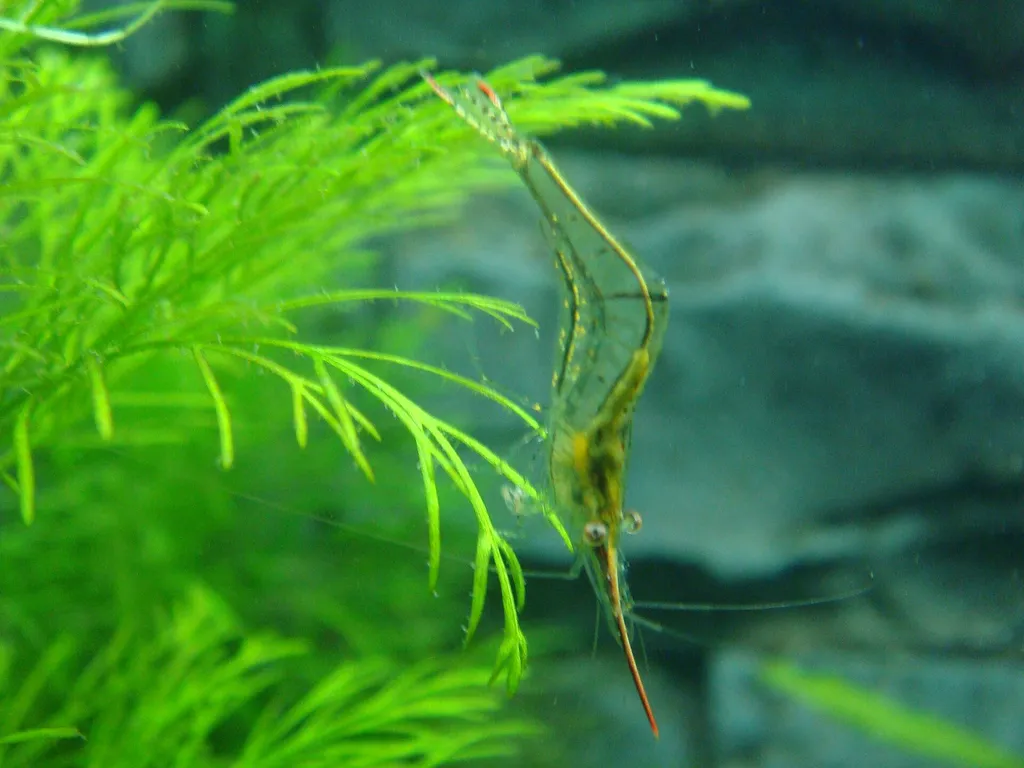 1.6 in (4 cm)5 gal (20 L)73–82°F (23–28°C)
Red skunk shrimp
Caridina gracilirostris
1.6 in (4 cm) · 5 gal (20 L)
 1.6 in (4 cm)7 gal (25 L)64–73°F (18–23°C)
Tiger shrimp
Caridina mariae
1.6 in (4 cm) · 7 gal (25 L)
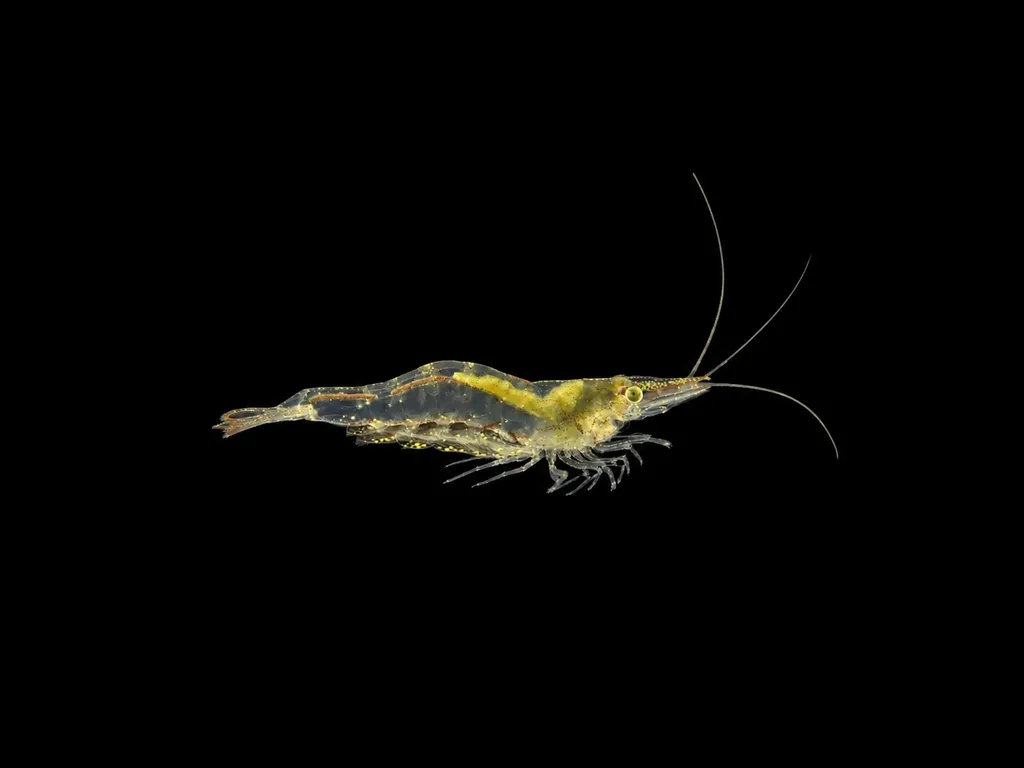 1.4 in (3.5 cm)5 gal (20 L)73–82°F (23–28°C)
Short-nose algae shrimp
Caridina longirostris
1.4 in (3.5 cm) · 5 gal (20 L)
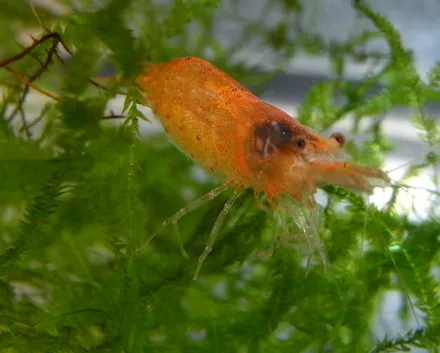 1.4 in (3.5 cm)5 gal (20 L)73–82°F (23–28°C)
Sunkist shrimp
Caridina thambipillai
1.4 in (3.5 cm) · 5 gal (20 L)
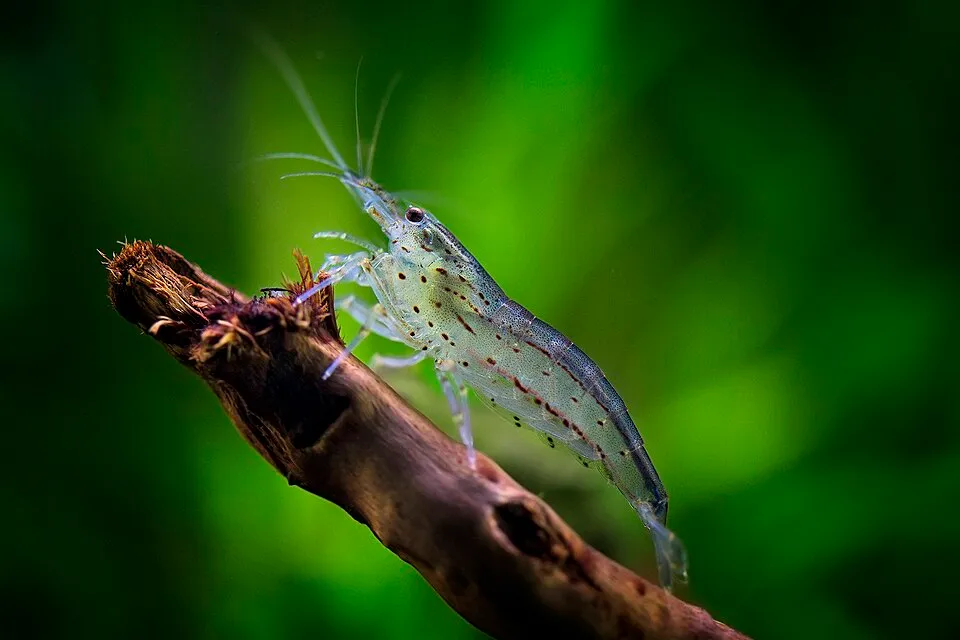 2 in (5 cm)8 gal (30 L)59–81°F (15–27°C)
Amano shrimp
Caridina multidentata
2 in (5 cm) · 8 gal (30 L)