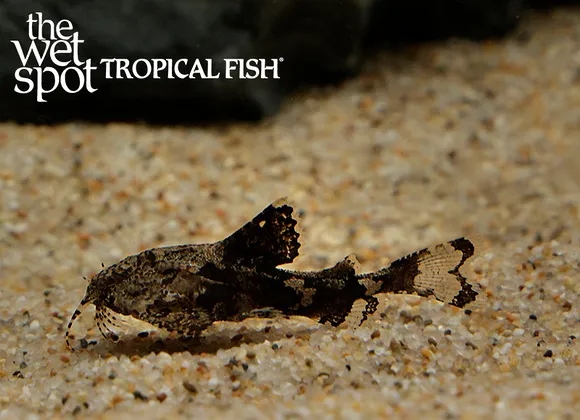
Rusty moth catfish
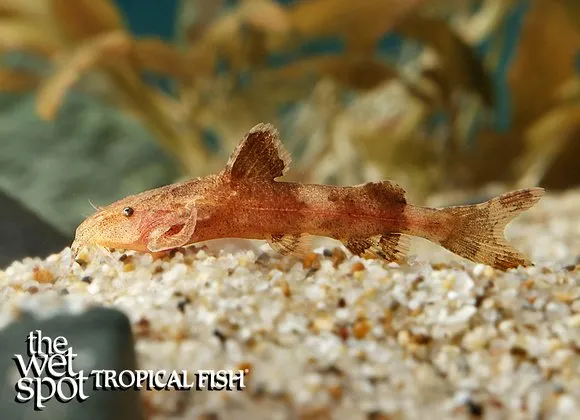
Pseudolaguvia muricata
Also known as Muricata moth cat
FreshwaterFish
Care at a glance
- Temperature
- 68–79°F
- 20–26°C
- pH
- 6.0–7.5
- Adult size
- 1.2 in
- 3 cm
- Minimum tank
- 11 gal
- 40 L
- Temperament
- Peaceful
- Social behavior
- Social
- Swim level
- Bottom
- Difficulty
- Medium
- Breeding
- No record
- Rarity
- Rare
- Family
- Erethistidae
- Origin
- Brahmaputra lowlands, Bangladesh
Overview
The rusty moth catfish is a tiny, rust-toned bottom dweller for the floor of a mature, gentle nano tank. It is kept as a peaceful, cryptic oddity and suits a keeper with some experience.
Did you know
The rusty moth catfish is armored in miniature. Its name muricata means spiny or rough, like a murex shell, after the tiny tubercles that stud its skin. That armor is too fine to see without a close look.
Caring for the rusty moth catfish
Keep rusty moth catfish in a mature, gently filtered tank of at least 11 gal (40 L). Give them a soft, fine sand bottom with leaf litter and roots for shelter. They work the sand and graze biofilm, and they do best in subdued light with calm, well oxygenated flow.
Keep the water soft to medium and close to neutral, at 68 to 79°F (20 to 26°C) with a pH of 6.0 to 7.5. Conditions should stay stable and mature. They are shy and active at night, so feed tiny sinking foods after dark. Microworm, daphnia, baby brine shrimp and finely crushed wafers all work, as long as the food reaches the substrate.
Rusty moth catfish are peaceful and gregarious, so keep a small group. Give them calm, small companions that will not outcompete them, or a species tank. Their breeding is not recorded in aquariums.
Good to know
The rusty moth catfish, Pseudolaguvia muricata, belongs to the family Erethistidae and was described from Bangladesh. Unlike the strongly banded members of its genus, it is a plainer, rust-dusted fish. It is told apart by fine details of its skin and skull.
In the wild
The rusty moth catfish comes from lowland streams in the Brahmaputra drainage of Bangladesh. It lives along sandy margins and gentle runs, over fine sand with some litter.
Weekly picks
Tank mates
The rusty moth catfish is a peaceful, social species that keeps to the bottom. These picks share a community profile with it, are safe together in both directions, and overlap on water type, temperature and pH.
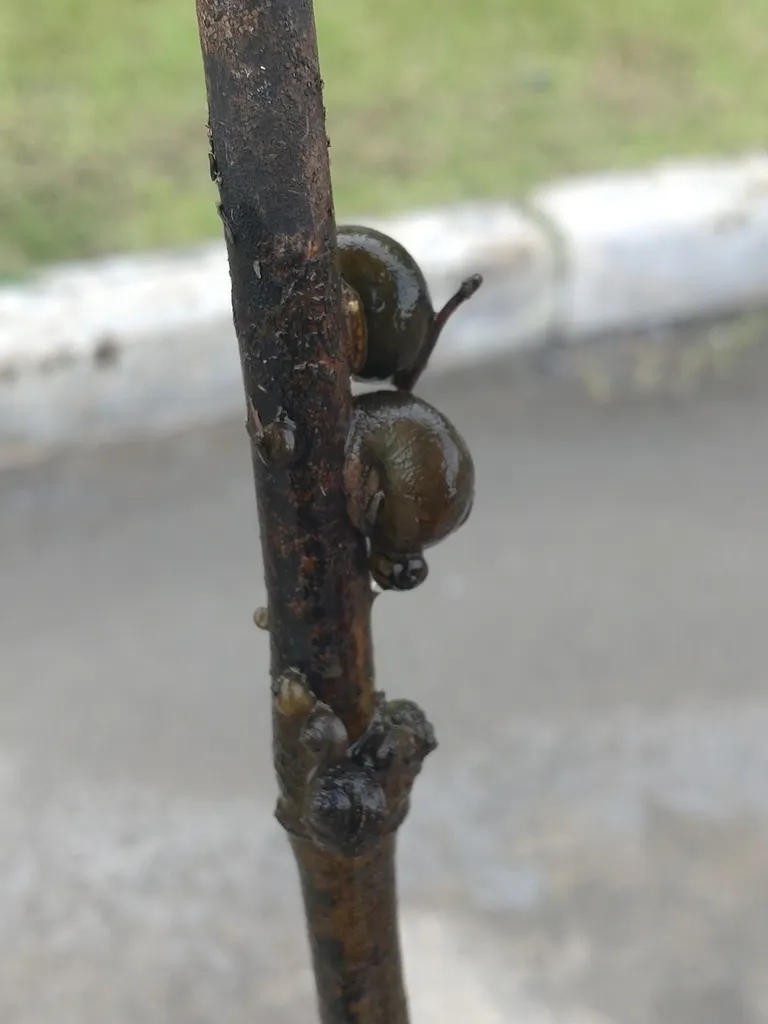
White wizard snail
Filopaludina martensi
Freshwater2 in (5 cm) · 11 gal (40 L)72–79°F (22–26°C)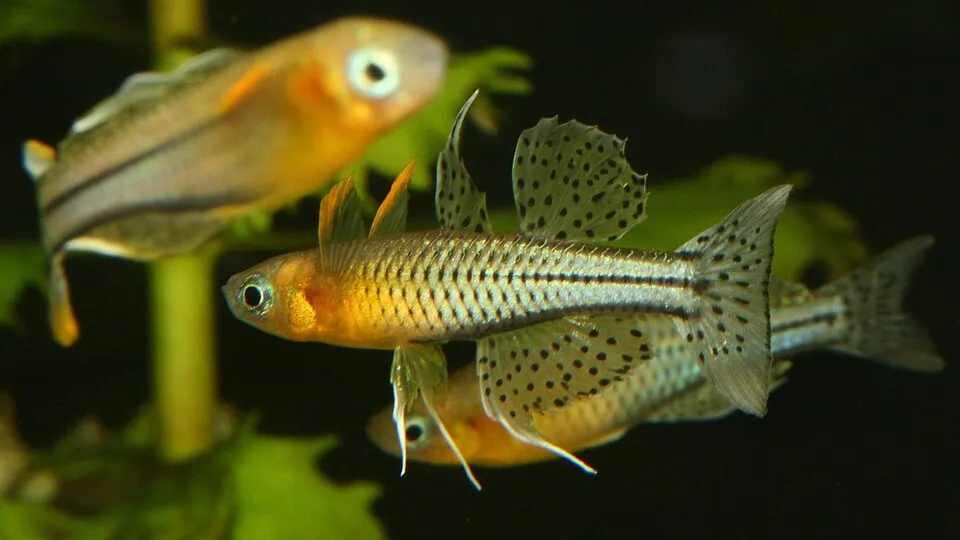
Spotted blue-eye
Pseudomugil gertrudae
Freshwater1.5 in (3.8 cm) · 11 gal (40 L)70–82°F (21–28°C)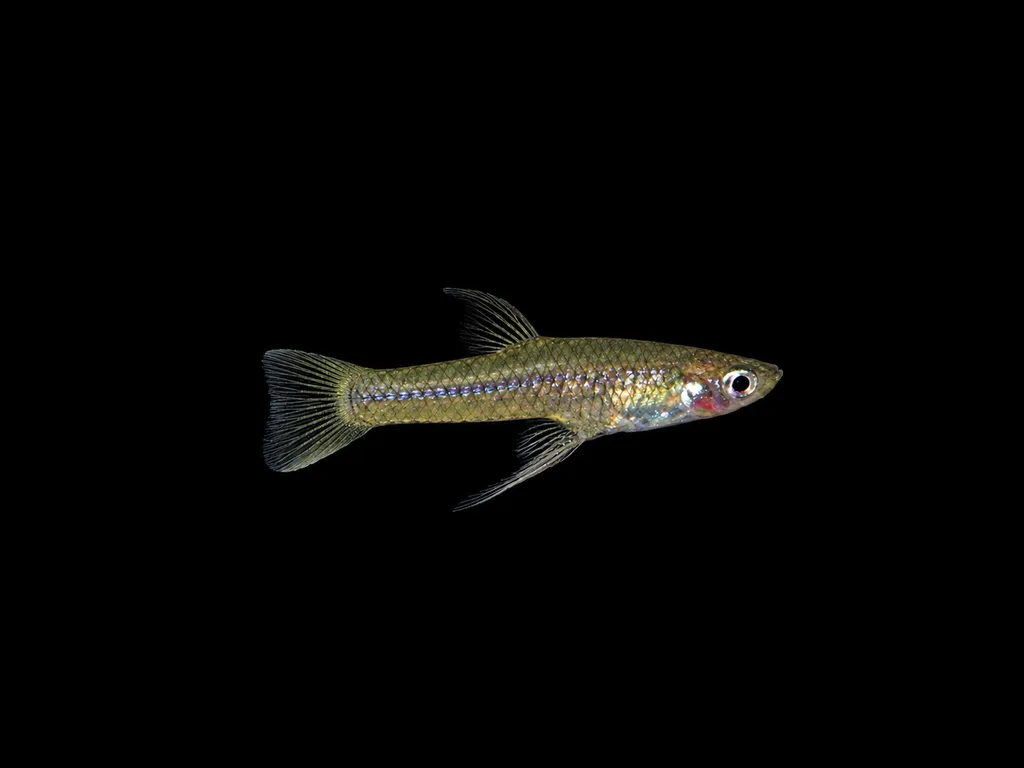
Sicklefin livebearer
Girardinus falcatus
Freshwater2.6 in (6.5 cm) · 11 gal (40 L)68–82°F (20–28°C)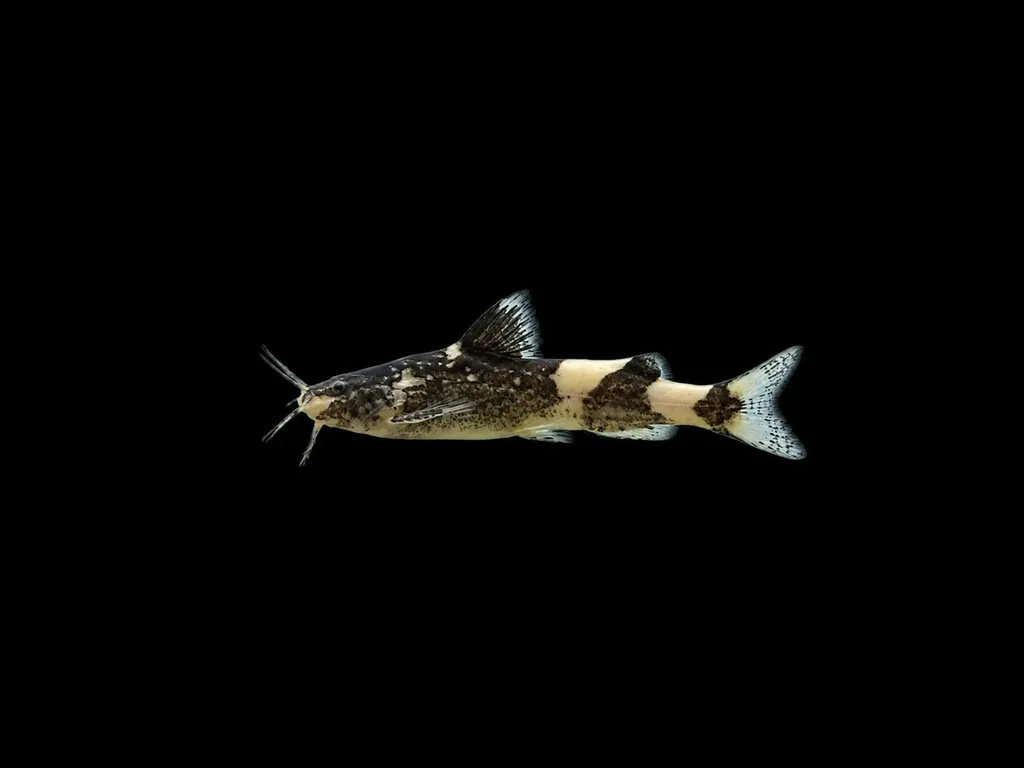
Small-eyed bee catfish
Akysis microps
Freshwater1.4 in (3.5 cm) · 11 gal (40 L)72–79°F (22–26°C)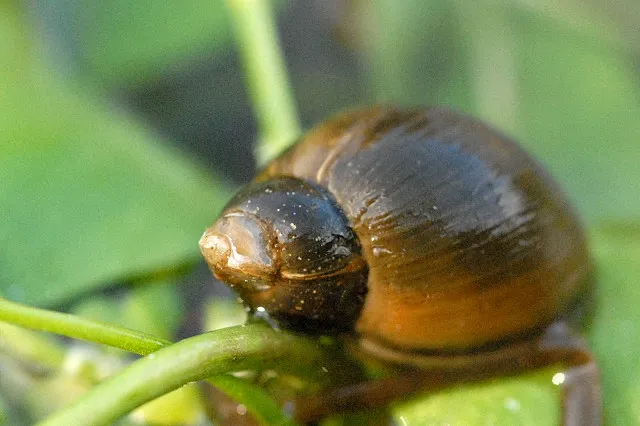
Wandering snail
Ampullaceana balthica
Freshwater0.8 in (2 cm) · 11 gal (40 L)50–84°F (10–29°C)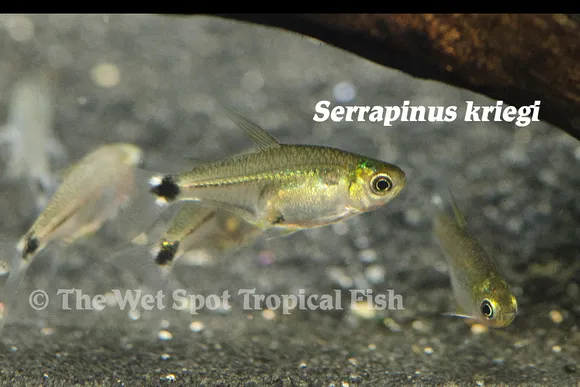
Krieg's tetra
Serrapinnus kriegi
Freshwater0.9 in (2.4 cm) · 11 gal (40 L)68–79°F (20–26°C)
Common questions
What size tank does a rusty moth catfish need?
A rusty moth catfish needs at least 11 gal (40 L). It spends most of its time in the bottom.
What temperature and pH does a rusty moth catfish need?
A rusty moth catfish is comfortable at 68–79°F (20–26°C) with a pH of 6.0–7.5.
What does a rusty moth catfish eat?
A rusty moth catfish eats tiny sinking foods such as microworm, daphnia, baby brine shrimp and finely crushed wafers. It also grazes biofilm on the sand. Feed it after dark, and make sure the food reaches the substrate.
How big does a rusty moth catfish get?
An adult rusty moth catfish reaches about 1.2 in (3 cm).
Related species
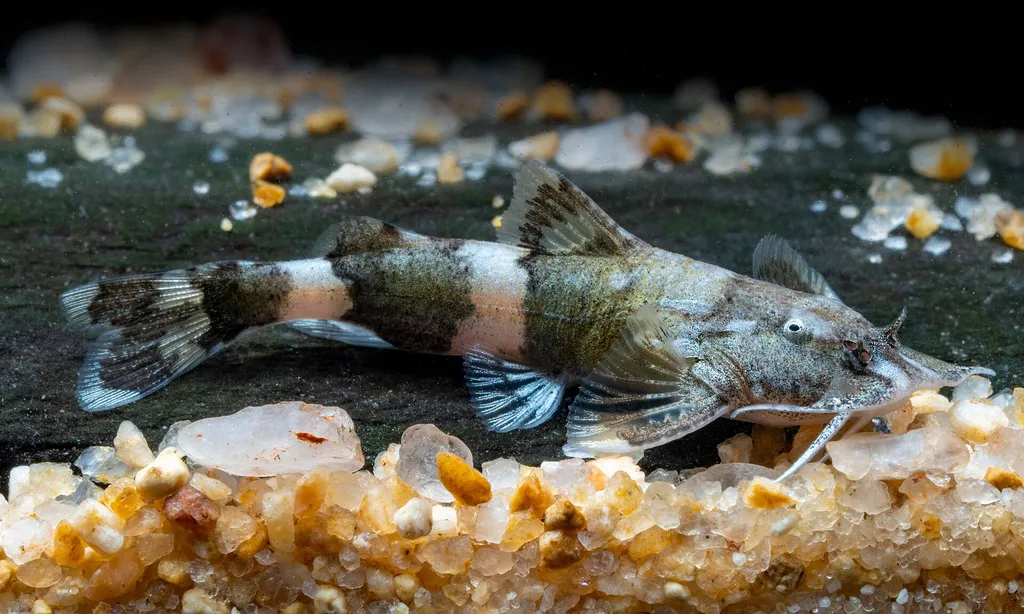 1.5 in (3.8 cm)11 gal (40 L)68–79°F (20–26°C)
Cheetah moth catfish
Pseudolaguvia shawi
1.5 in (3.8 cm) · 11 gal (40 L)
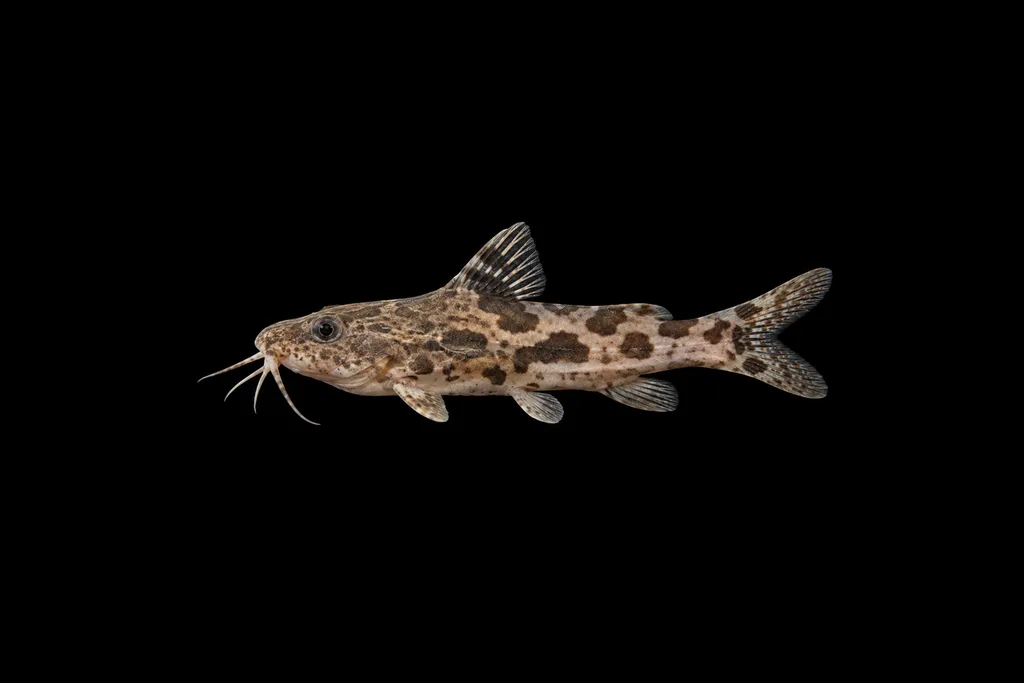 1.6 in (4 cm)11 gal (40 L)68–79°F (20–26°C)
Harlequin moth catfish
Pseudolaguvia ribeiroi
1.6 in (4 cm) · 11 gal (40 L)
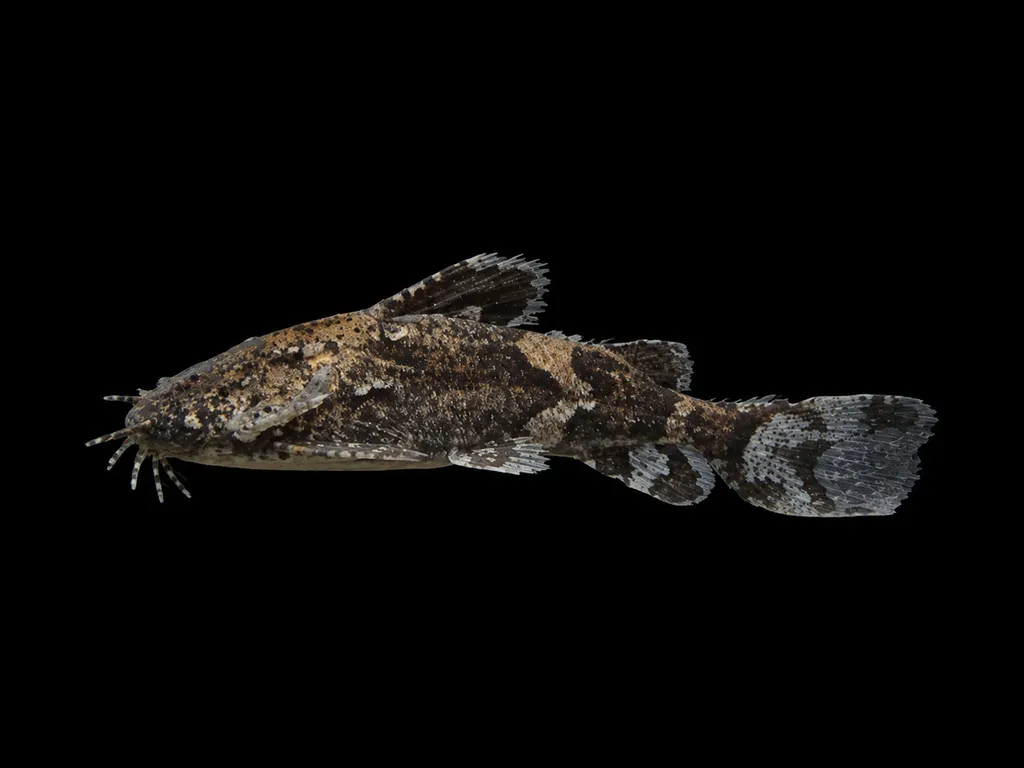 1.2 in (3 cm)11 gal (40 L)68–79°F (20–26°C)
Burmese mini moth catfish
Hara minuscula
1.2 in (3 cm) · 11 gal (40 L)
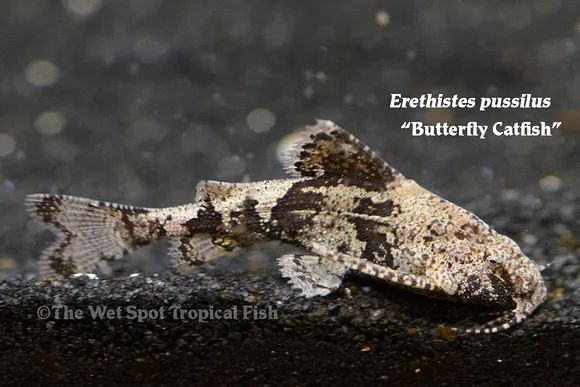 2 in (5 cm)14 gal (54 L)68–79°F (20–26°C)
Butterfly moth catfish
Erethistes pusillus
2 in (5 cm) · 14 gal (54 L)
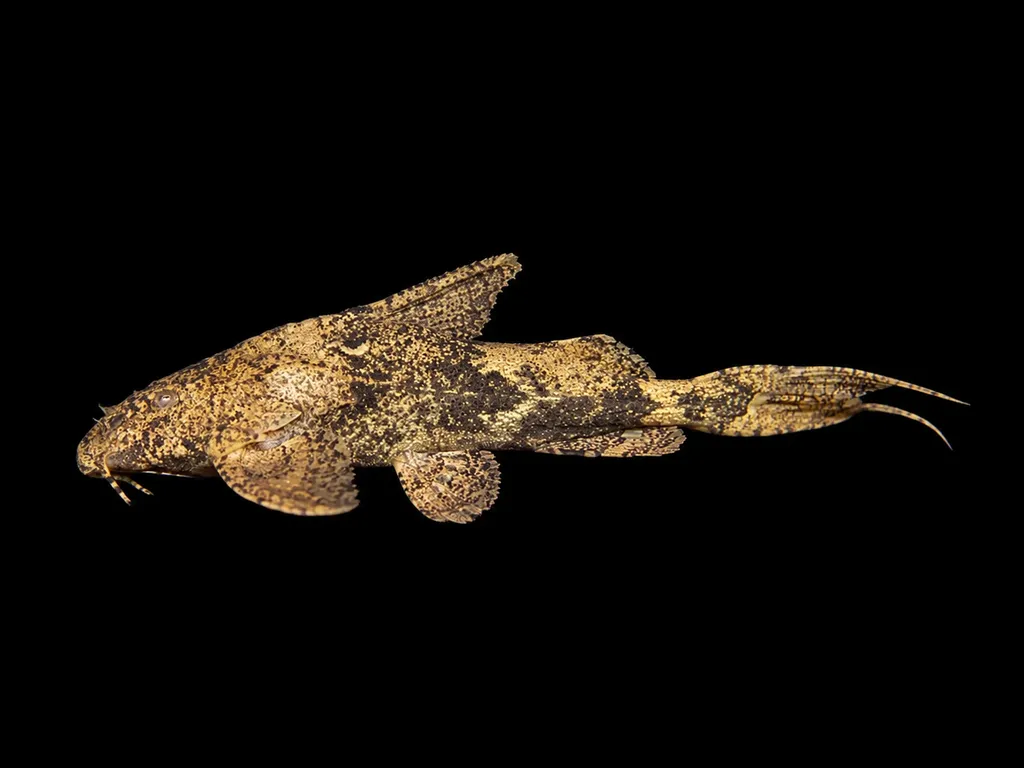 2.4 in (6 cm)14 gal (54 L)68–79°F (20–26°C)
Filament moth catfish
Hara filamentosa
2.4 in (6 cm) · 14 gal (54 L)
 3.1 in (8 cm)14 gal (54 L)68–79°F (20–26°C)
Butterfly hara catfish
Hara hara
3.1 in (8 cm) · 14 gal (54 L)