Dwarf broadfin catfish
Nanobagrus immaculatus
Also known as Borneo mini black broadfin cat
FreshwaterFish
Care at a glance
- Temperature
- 73–82°F
- 23–28°C
- pH
- 5.0–6.8
- Adult size
- 1.2 in
- 3 cm
- Minimum tank
- 11 gal
- 40 L
- Temperament
- Peaceful
- Social behavior
- Solitary
- Swim level
- Bottom
- Difficulty
- Medium
- Breeding
- No record
- Rarity
- Rare
- Family
- Bagridae
- Origin
- Blackwater streams of Borneo
Overview
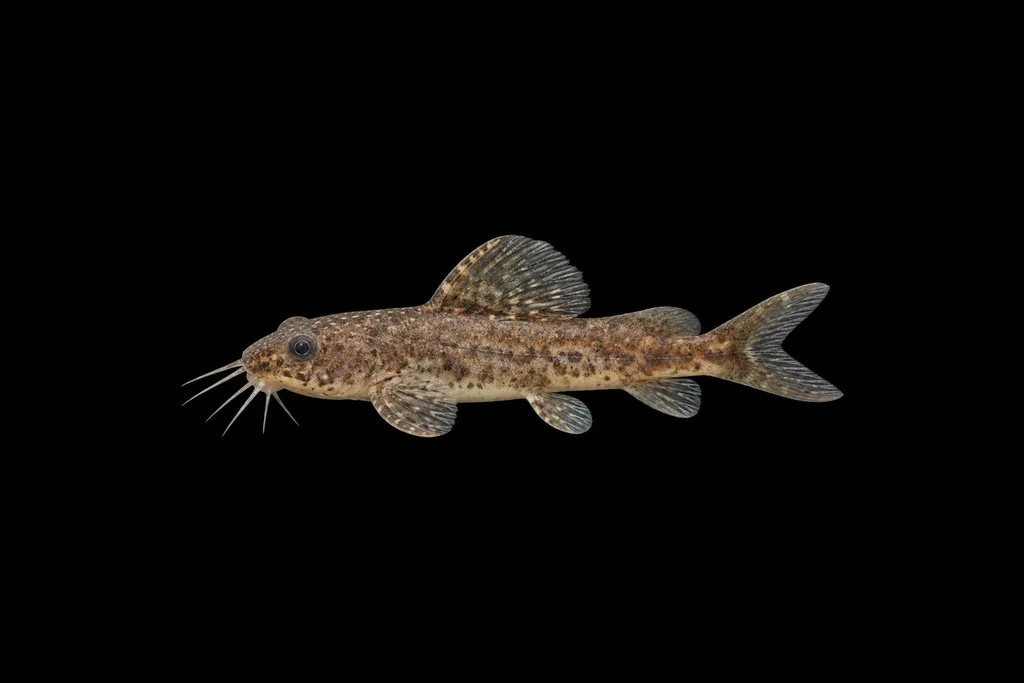
The dwarf broadfin catfish is a true miniature catfish for a small, quiet, well-planted tank. It takes a bit more care than a beginner fish.
Did you know
An adult dwarf broadfin catfish is small enough to shelter under a single fallen leaf. Its genus name, Nanobagrus, means dwarf bagrid, and its members stay under about 45 millimeters.
Caring for the dwarf broadfin catfish
A planted tank of 11 gal (40 L) is plenty for the dwarf broadfin catfish. Keep it dim, with a sand bed, leaf litter, driftwood and fine-leaved plants. It always wants shade and plenty of small hiding places.
Aim for soft, acidic water at a pH of 5.0 to 6.8 and a warm 73 to 82°F (23 to 28°C). It has proved adaptable to less extreme water in captivity. Feed fine sinking foods, micro pellets, frozen cyclops and baby brine shrimp, and make sure some reaches the bottom.
It is peaceful and shy and does not school, so keep it singly or as a single pair in a calm setup. Its tiny mouth makes it no threat to other fish, but it is easily outcompeted at feeding time. Choose small, gentle companions and keep boisterous ones out. Aquarium breeding is undocumented.
Good to know
The dwarf broadfin catfish is a bagrid in the family Bagridae, also sold as the Borneo mini black broadfin cat. Heok Hee Ng described it from southern Borneo in 2008. Its body is a plain, dark chocolate, and the species name immaculatus means spotless, because it lacks the pale spots or blotches of some relatives.
In the wild
The dwarf broadfin catfish lives in blackwater peat streams in the Kahayan drainage of southern Borneo. It stays among the leaf litter, in soft, acidic, tannin-stained water.
Weekly picks
Tank mates
The dwarf broadfin catfish is a peaceful, solitary species that keeps to the bottom. These picks share a community profile with it, are safe together in both directions, and overlap on water type, temperature and pH.
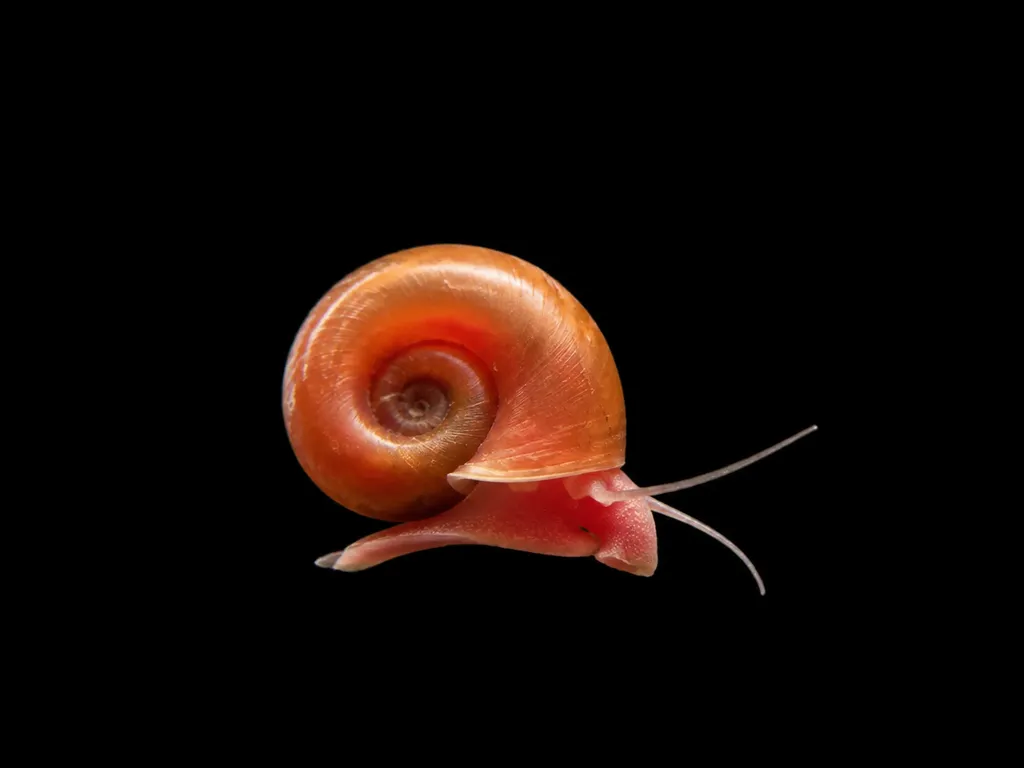
Red ramshorn snail
Indoplanorbis exustus
Freshwater0.8 in (2 cm) · 5 gal (20 L)68–86°F (20–30°C)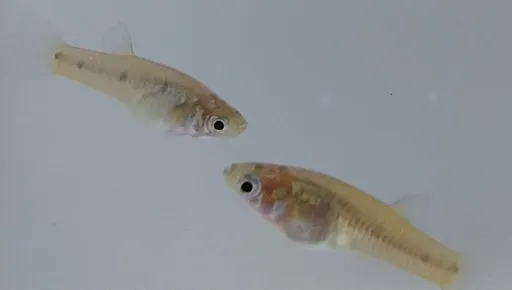
Porthole livebearer
Poeciliopsis gracilis
Freshwater3.5 in (9 cm) · 11 gal (40 L)72–82°F (22–28°C)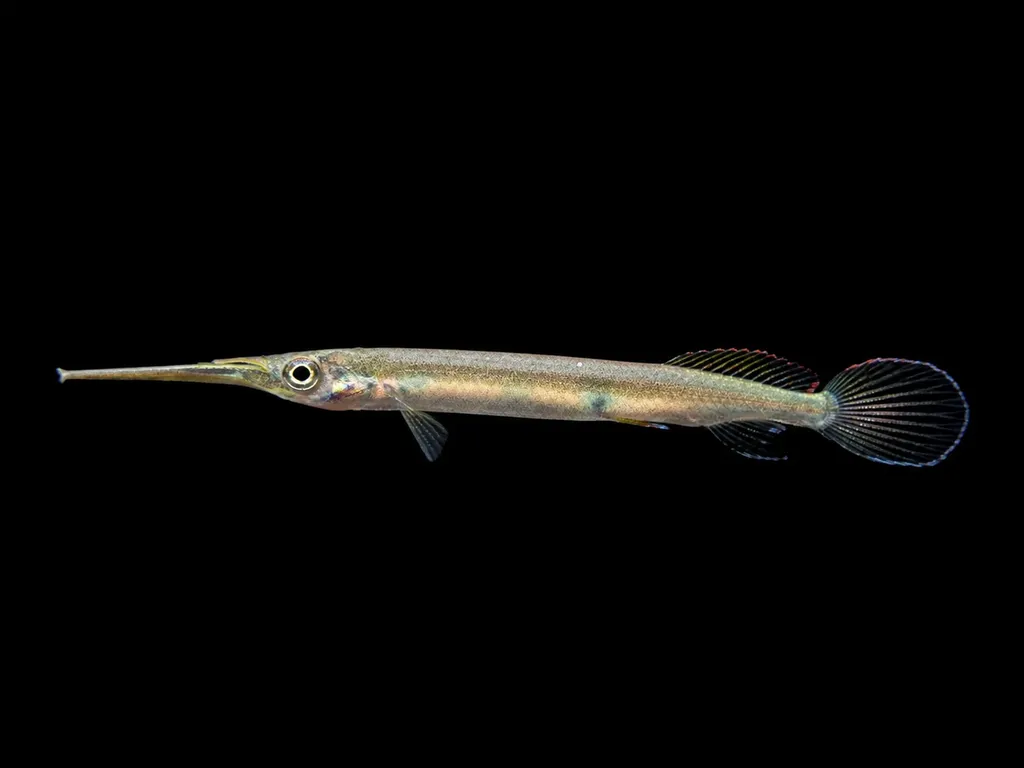
Kuekenthal's halfbeak
Hemirhamphodon kuekenthali
Freshwater3.3 in (8.5 cm) · 20 gal (75 L)73–81°F (23–27°C)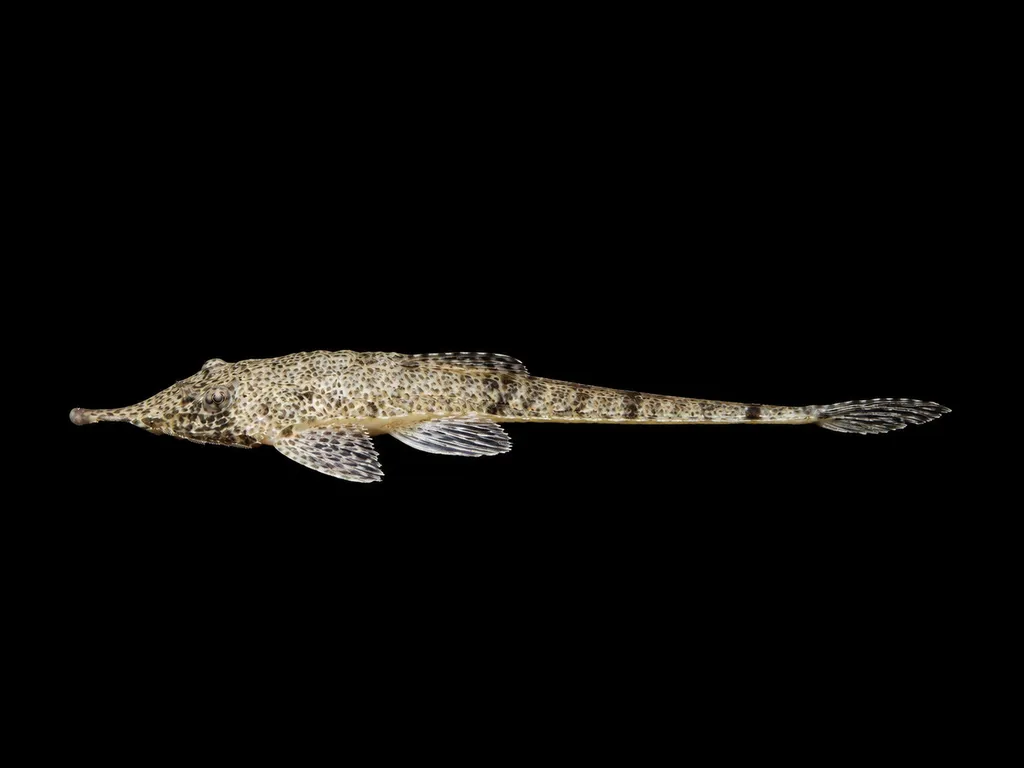
Pinocchio whiptail
Hemiodontichthys acipenserinus
Freshwater5.3 in (13.5 cm) · 18 gal (70 L)73–82°F (23–28°C)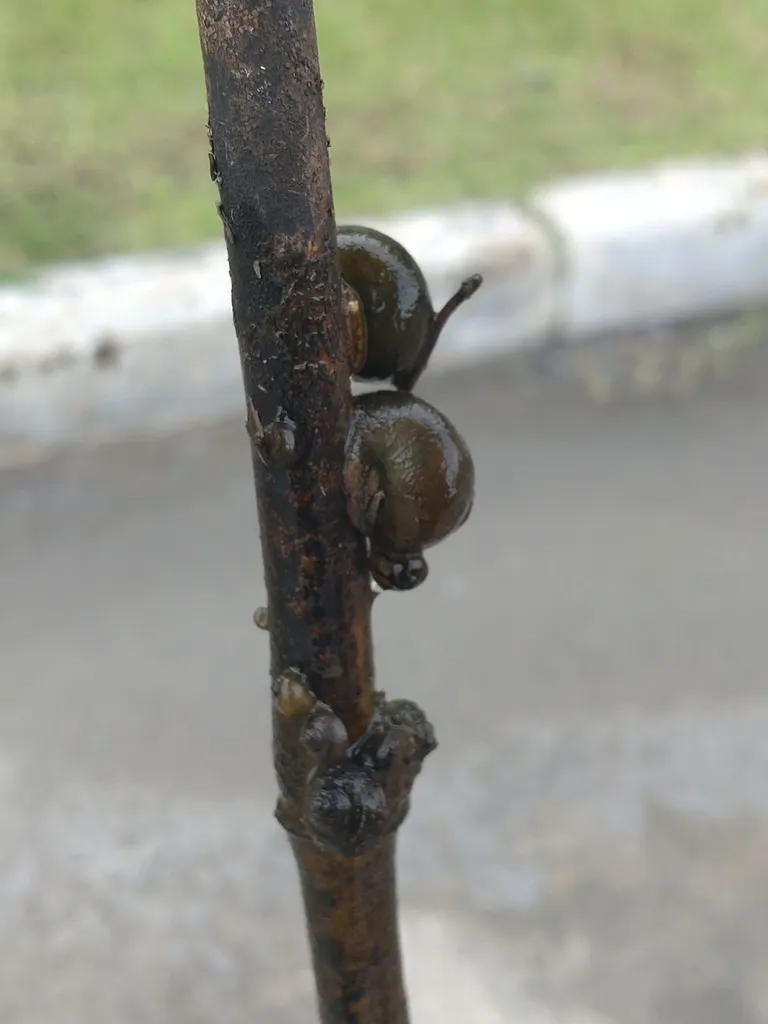
White wizard snail
Filopaludina martensi
Freshwater2 in (5 cm) · 11 gal (40 L)72–79°F (22–26°C)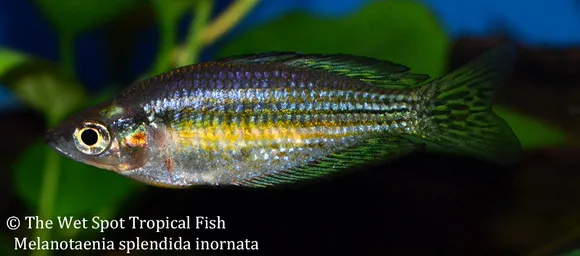
Checkered rainbowfish
Melanotaenia splendida inornata
Freshwater4.7 in (12 cm) · 29 gal (110 L)72–86°F (22–30°C)
Common questions
What size tank does a dwarf broadfin catfish need?
A dwarf broadfin catfish needs at least 11 gal (40 L). It spends most of its time in the bottom.
What temperature and pH does a dwarf broadfin catfish need?
A dwarf broadfin catfish is comfortable at 73–82°F (23–28°C) with a pH of 5.0–6.8.
What does a dwarf broadfin catfish eat?
A dwarf broadfin catfish eats fine sinking foods, micro pellets, frozen cyclops and baby brine shrimp. It feeds on the bottom and is easily outcompeted, so make sure some food reaches it.
How big does a dwarf broadfin catfish get?
An adult dwarf broadfin catfish reaches about 1.2 in (3 cm).
Related species
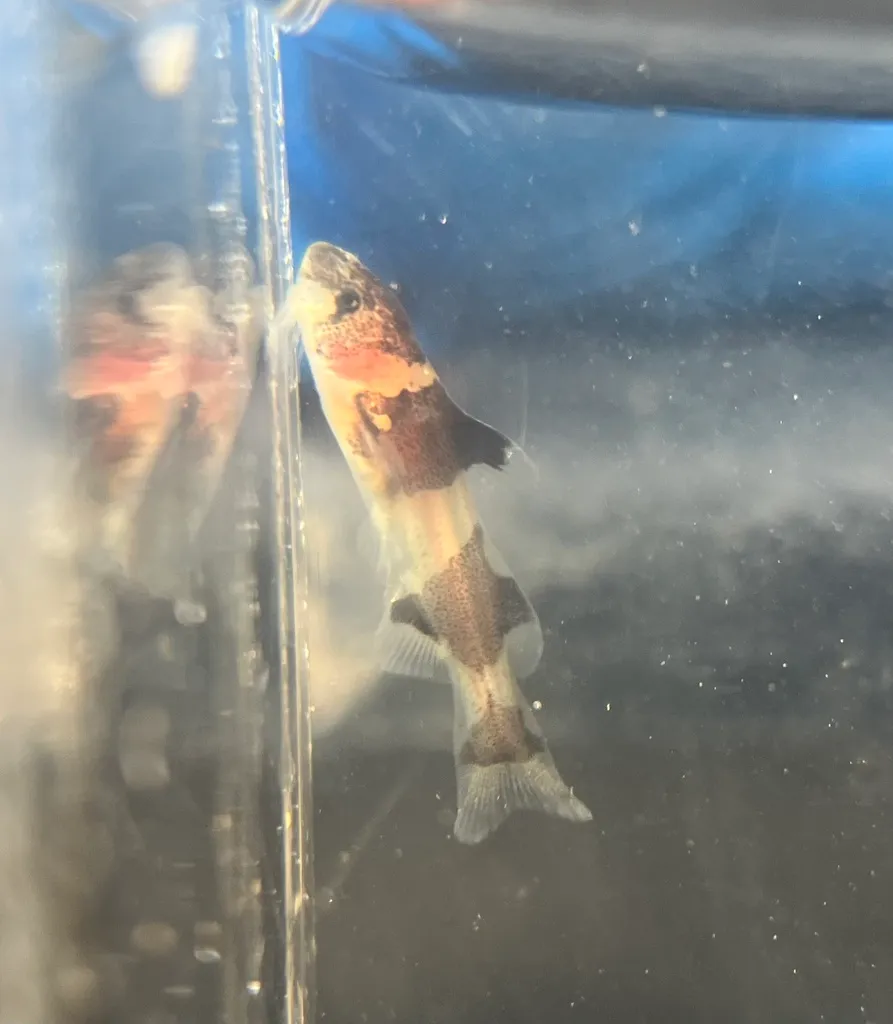 2.4 in (6 cm)20 gal (75 L)70–77°F (21–25°C)
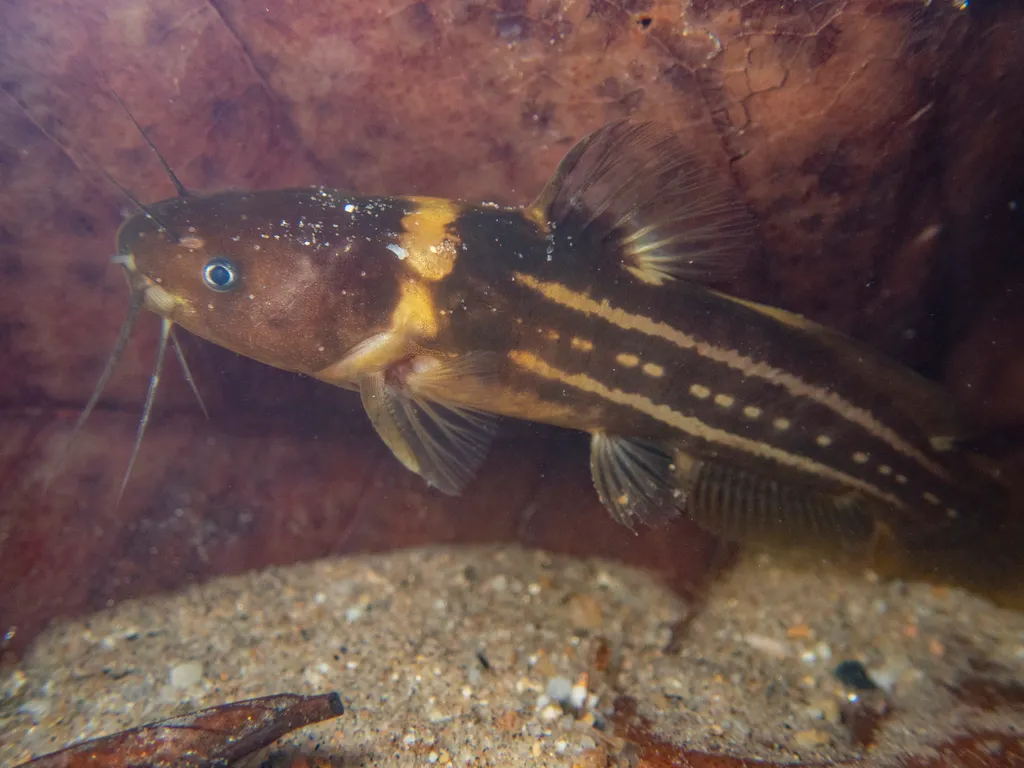
Dwarf bumblebee catfish
Pseudomystus leiacanthus
2.4 in (6 cm) · 20 gal (75 L)
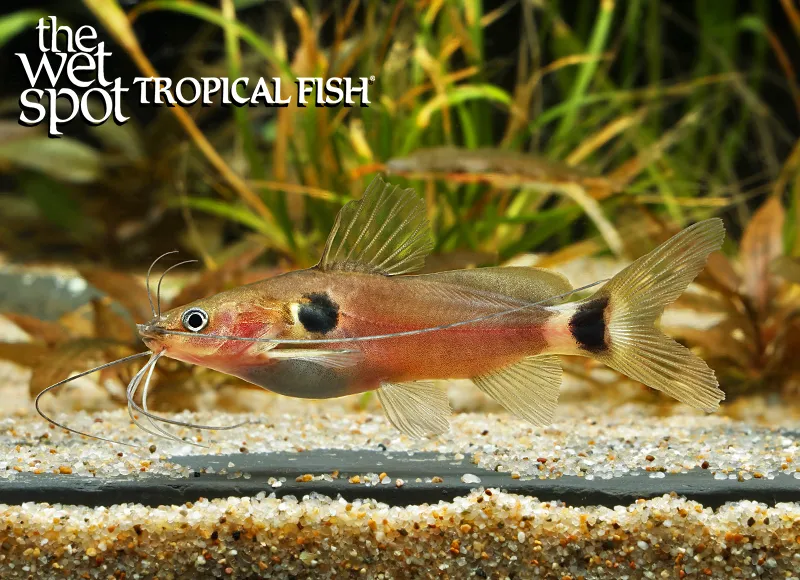
 3.1 in (8 cm)30 gal (112 L)64–77°F (18–25°C)
Three-lined bagrid
Tachysurus trilineatus
3.1 in (8 cm) · 30 gal (112 L)
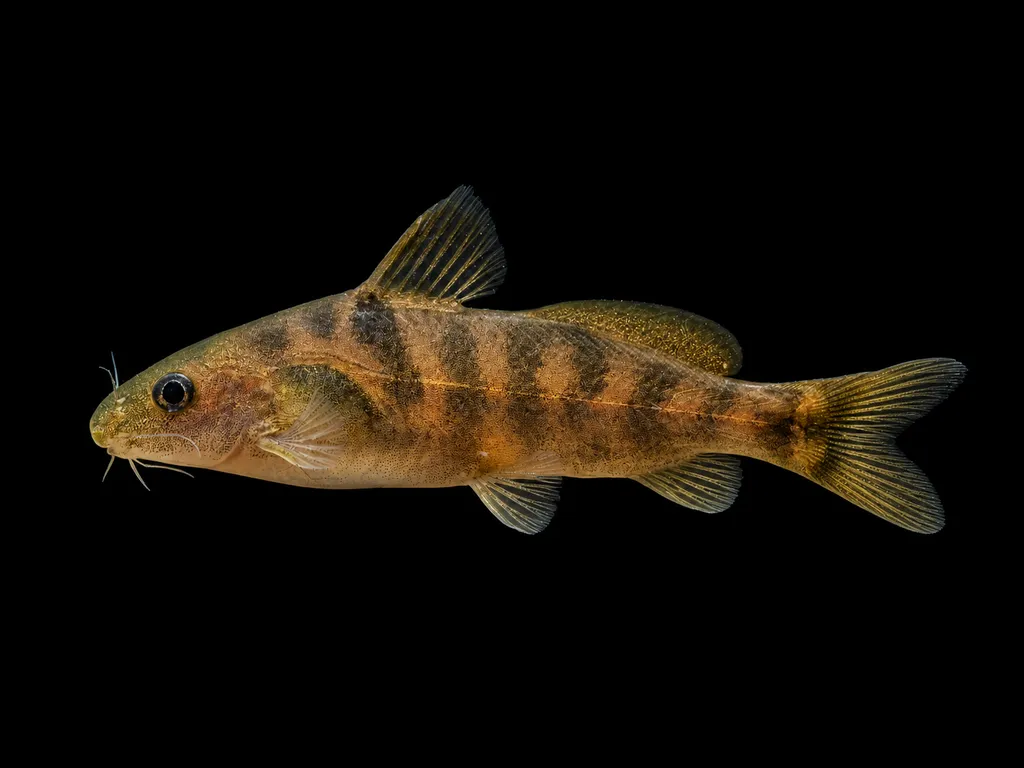
 4.7 in (12 cm)30 gal (114 L)72–81°F (22–27°C)
Two-spot catfish
Mystus bimaculatus
4.7 in (12 cm) · 30 gal (114 L)
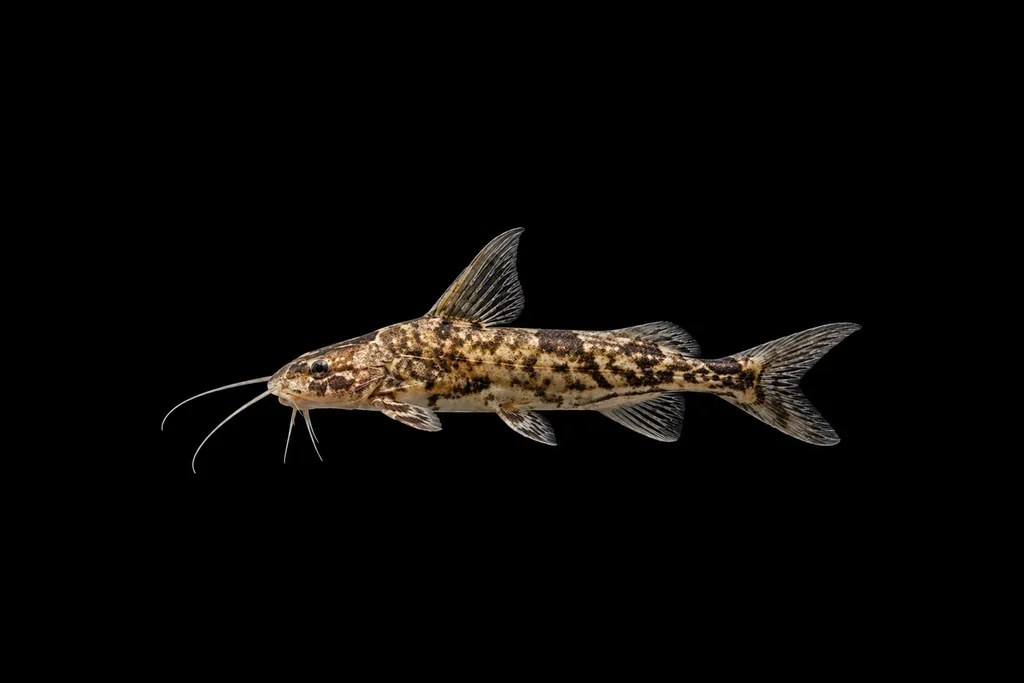
 5 in (12.8 cm)29 gal (110 L)72–79°F (22–26°C)
Bengal tiger catfish
Batasio fluviatilis
5 in (12.8 cm) · 29 gal (110 L)
 6.7 in (17 cm)40 gal (150 L)73–82°F (23–28°C)
Marbled leiocassis
Leiocassis poeciloptera
6.7 in (17 cm) · 40 gal (150 L)
 1.8 in (4.5 cm)13 gal (50 L)70–79°F (21–26°C)
Shadow catfish
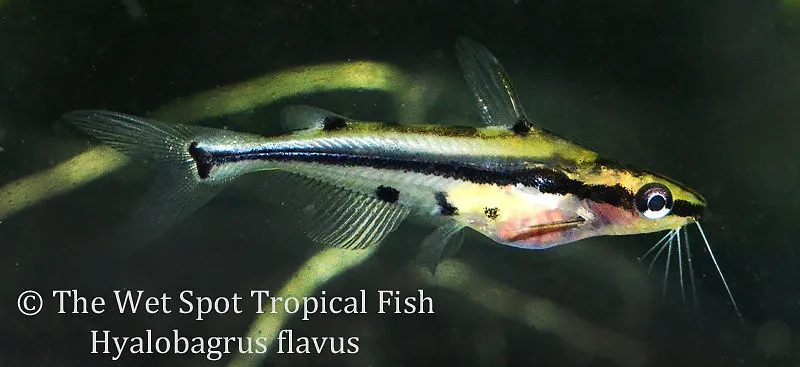
Hyalobagrus flavus
1.8 in (4.5 cm) · 13 gal (50 L)