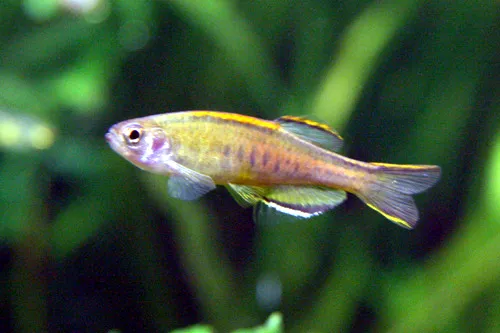
Emerald dwarf rasbora
Danio erythromicron
Also known as Celestichthys erythromicron, Microrasbora erythromicron, Emerald Dwarf Danio
FreshwaterFish
Care at a glance
- Temperature
- 68–75°F
- 20–24°C
- pH
- 7.0–7.8
- Adult size
- 0.8 in
- 2 cm
- Minimum tank
- 11 gal
- 40 L
- Temperament
- Peaceful
- Social behavior
- Schooling
- Swim level
- Middle
- Difficulty
- Medium
- Breeding
- Medium
- Rarity
- Common
- Family
- Cyprinidae
- Origin
- Lake Inle basin, Shan State, Myanmar
Overview
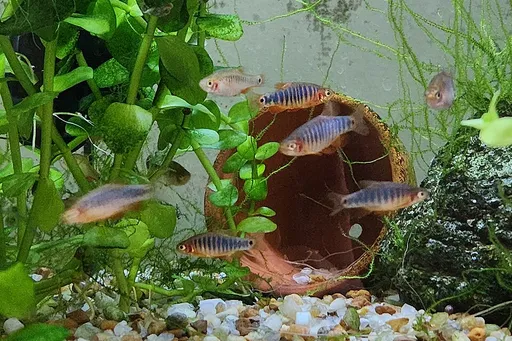
Keep them in a group of at least 8 to 10, and 20 or more brings out their best color and confidence while spreading out mild sparring between males. They are peaceful, timid middle-swimmers and loose shoalers rather than tight schoolers, so house them only with other small, calm species and no boisterous tankmates. Because they come from a cool, high-elevation lake, hold the temperature between 20 and 24 C and never let it climb above about 25 to 26 C, which makes them a poor fit for warm tropical communities. Do not keep them with the closely related celestial pearl danio, also called the galaxy rasbora, since the two can hybridize. They spawn readily in a mature planted tank, but adults eat the eggs, so a separate spawning setup raises the yield.
In the wild
Emerald dwarf rasboras are endemic to Lake Inle, a shallow high-elevation lake in Shan State, Myanmar. The lake sits on limestone, so the water is clear, neutral to slightly alkaline, and cooler than most tropical setups. Give them a tank of at least 40 liters with dense planting, a dark substrate, dim light, and gentle filtration from a sponge filter. Keep the pH between 7 and 7.8 and avoid driftwood or leaf litter, since tannin-stained acidic water does not suit them.
Good to know
This is a tiny cyprinid in the family Cyprinidae, reaching only about 2 cm as an adult. It has also been classified as Celestichthys erythromicron and Microrasbora erythromicron over the years. It is an egg scatterer with no parental care, and breeding is of medium difficulty.
Did you know
For such a small fish it is strongly tied to one place. Emerald dwarf rasboras live only in the Lake Inle basin, and their preference for cool, limestone-buffered water reflects that single high-elevation home rather than the warm soft-water streams most nano fish come from.
Weekly picks
Tank mates
Emerald dwarf rasbora is a peaceful, schooling species that keeps to the middle. These picks share a community profile with it, are safe together in both directions, and overlap on water type, temperature and pH.
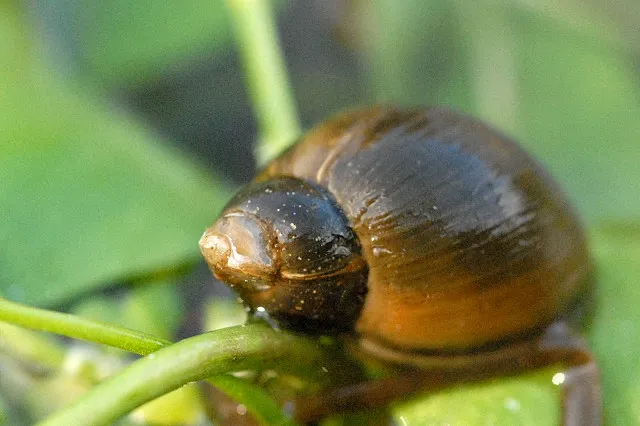
Wandering snail
Ampullaceana balthica
Freshwater0.8 in (2 cm) · 11 gal (40 L)50–84°F (10–29°C)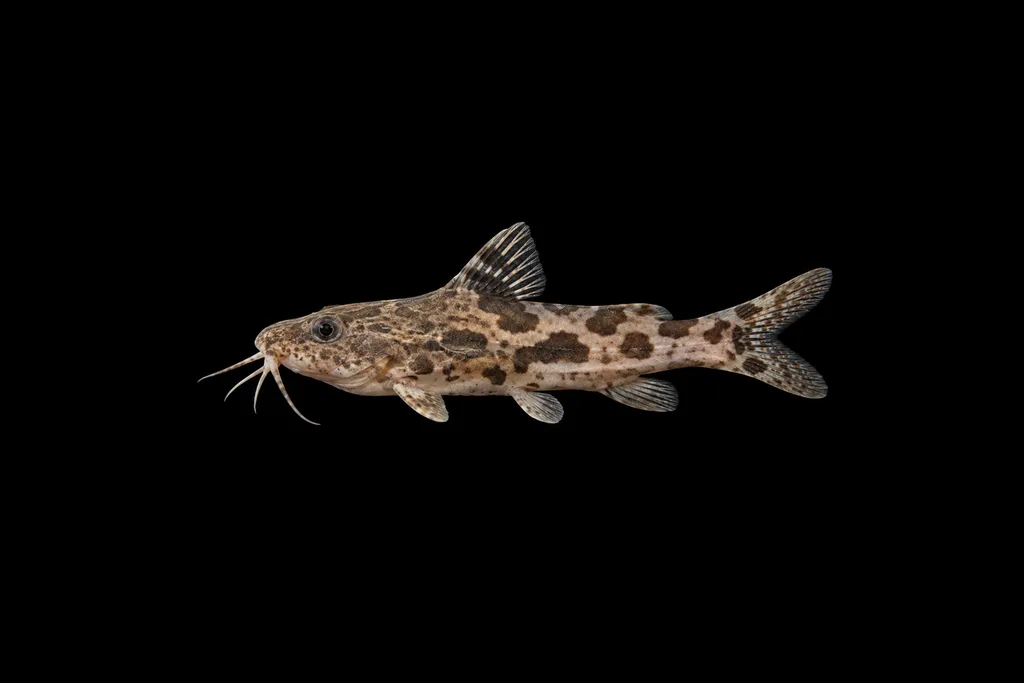
Harlequin moth catfish
Pseudolaguvia ribeiroi
Freshwater1.6 in (4 cm) · 11 gal (40 L)68–79°F (20–26°C)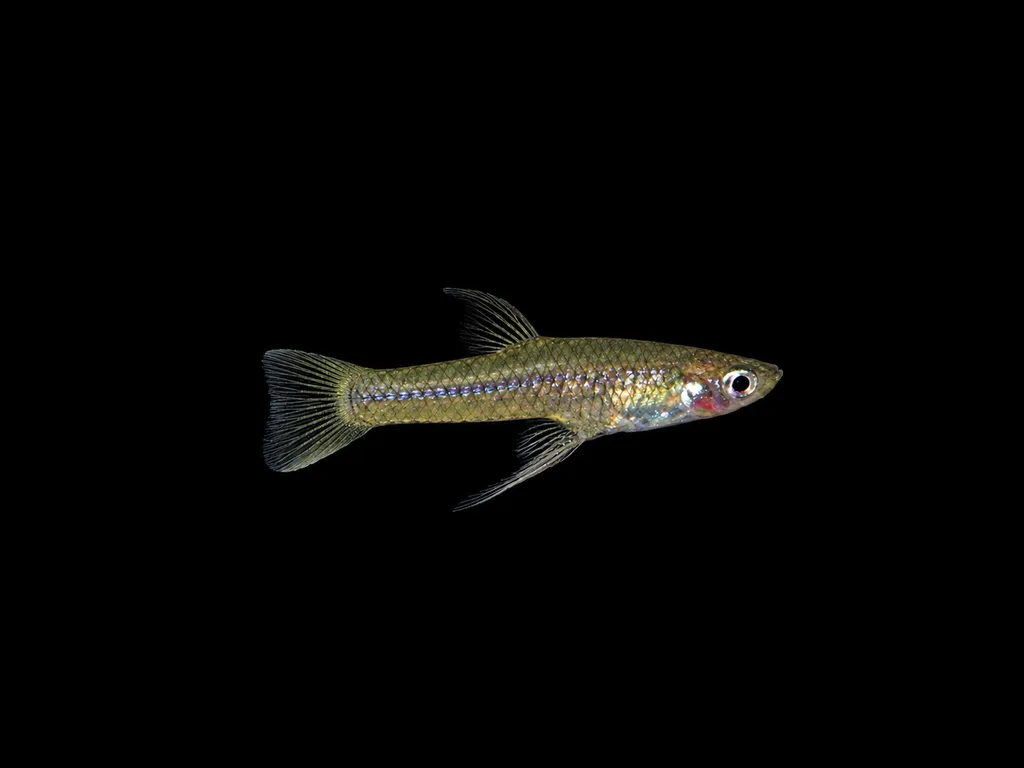
Sicklefin livebearer
Girardinus falcatus
Freshwater2.6 in (6.5 cm) · 11 gal (40 L)68–82°F (20–28°C)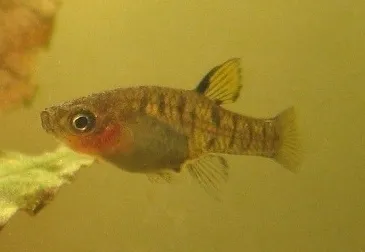
Black-barred livebearer
Quintana atrizona
Freshwater1.3 in (3.4 cm) · 11 gal (40 L)72–82°F (22–28°C)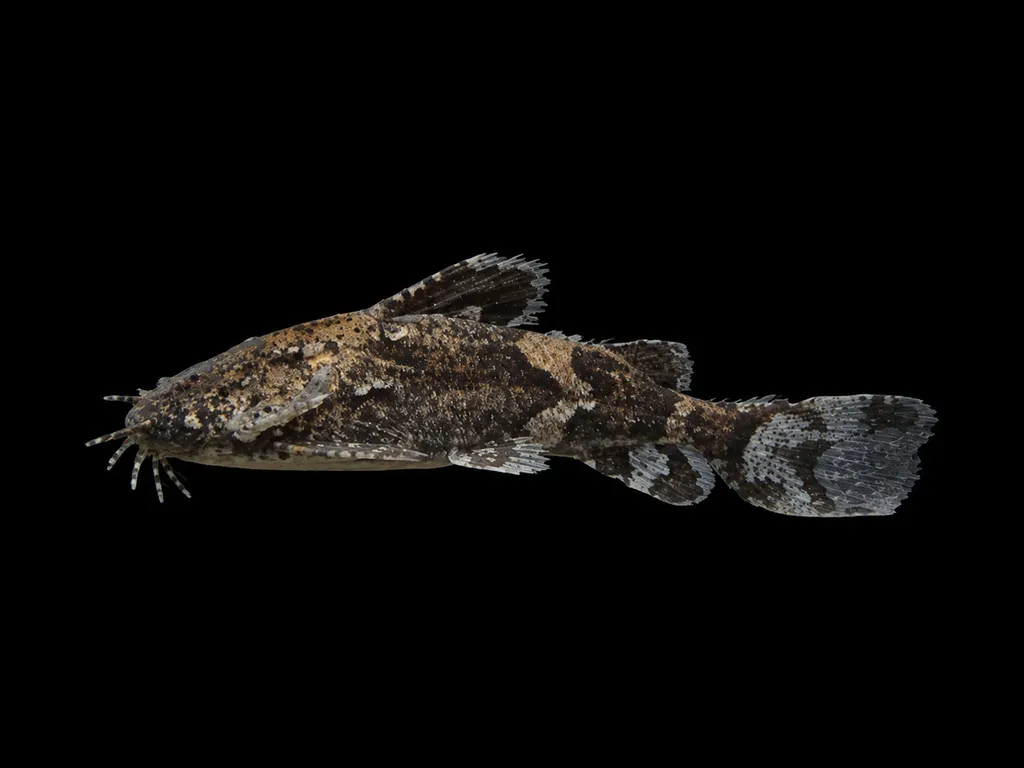
Burmese mini moth catfish
Hara minuscula
Freshwater1.2 in (3 cm) · 11 gal (40 L)68–79°F (20–26°C)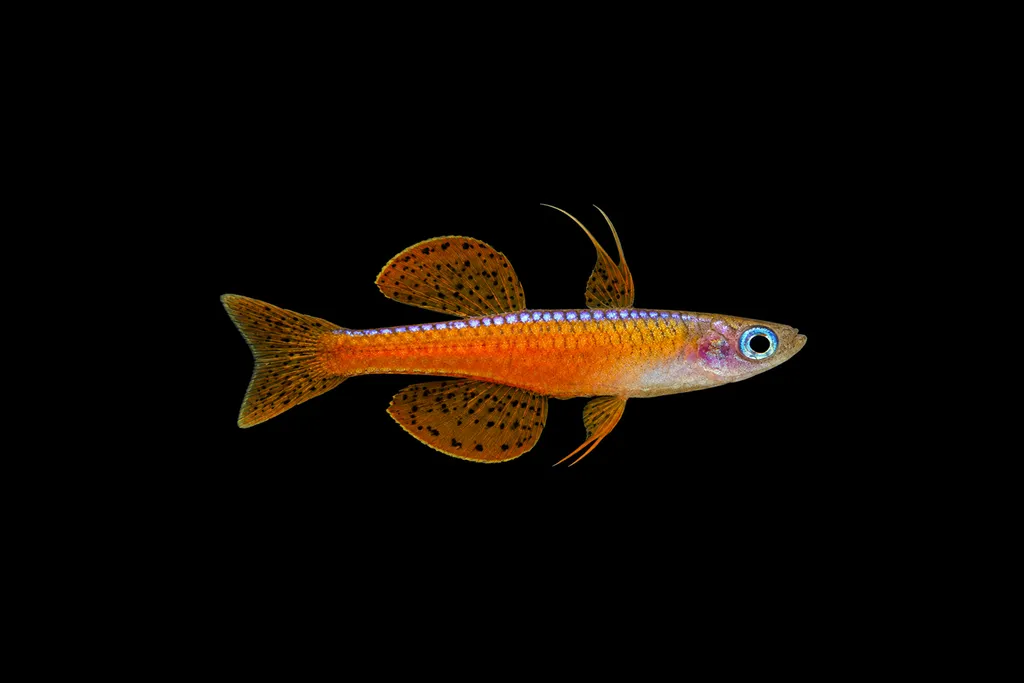
Paska's blue-eye
Pseudomugil paskai
Freshwater1.4 in (3.5 cm) · 11 gal (40 L)72–79°F (22–26°C)
Common questions
What size tank does an Emerald dwarf rasbora need?
An Emerald dwarf rasbora needs at least 11 gal (40 L). It spends most of its time in the middle.
What temperature and pH does an Emerald dwarf rasbora need?
An Emerald dwarf rasbora is comfortable at 68–75°F (20–24°C) with a pH of 7.0–7.8.
How big does an Emerald dwarf rasbora get?
An adult Emerald dwarf rasbora reaches about 0.8 in (2 cm).
Does an Emerald dwarf rasbora need a group?
Yes. An Emerald dwarf rasbora is a schooling species and should be kept in a group, not singly.
Related species
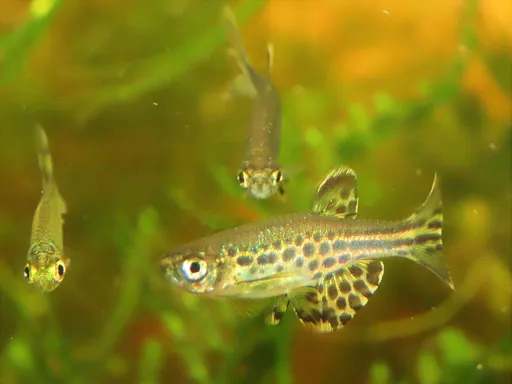
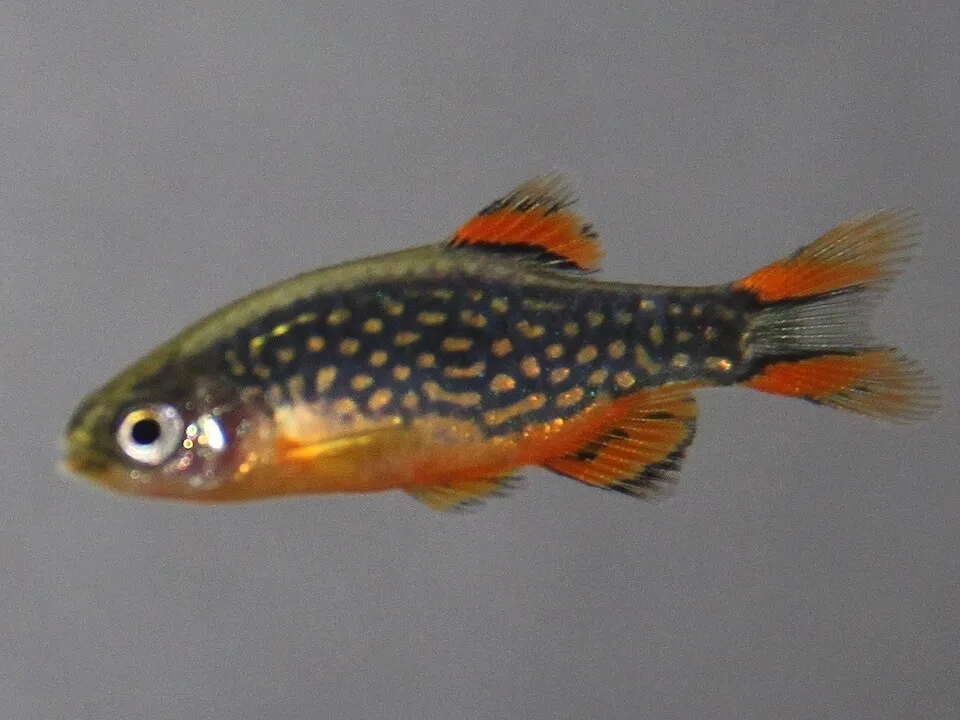 0.8 in (2 cm)9 gal (35 L)72–79°F (22–26°C)
Celestial Pearl danio
Danio margaritatus
0.8 in (2 cm) · 9 gal (35 L)
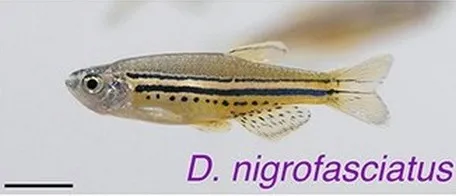
 1.2 in (3 cm)11 gal (40 L)64–79°F (18–26°C)
Gold ring danio
Danio tinwini
1.2 in (3 cm) · 11 gal (40 L)
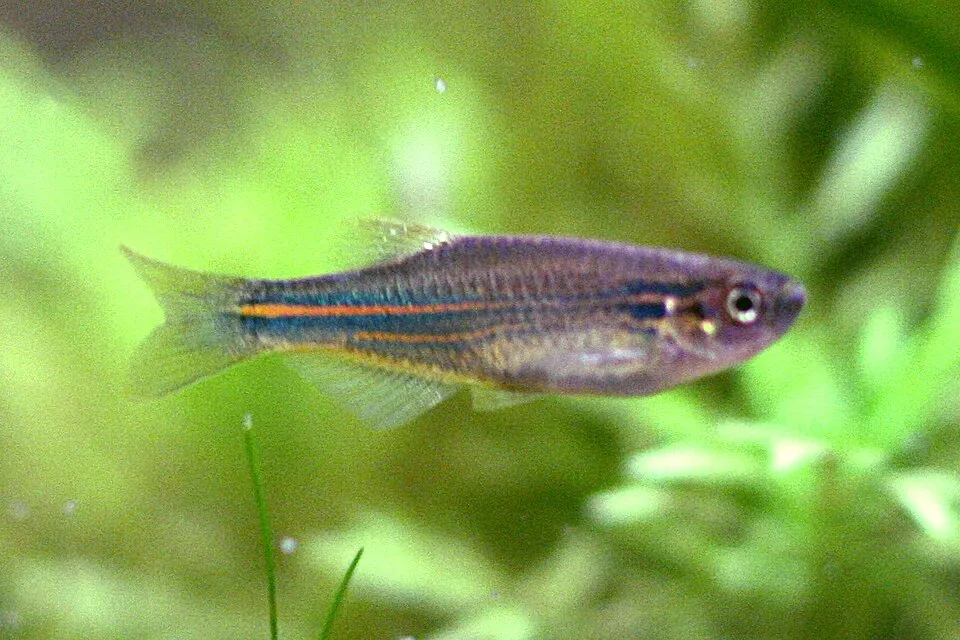
 1.5 in (3.7 cm)11 gal (40 L)64–79°F (18–26°C)
Spotted danio
Danio nigrofasciatus
1.5 in (3.7 cm) · 11 gal (40 L)
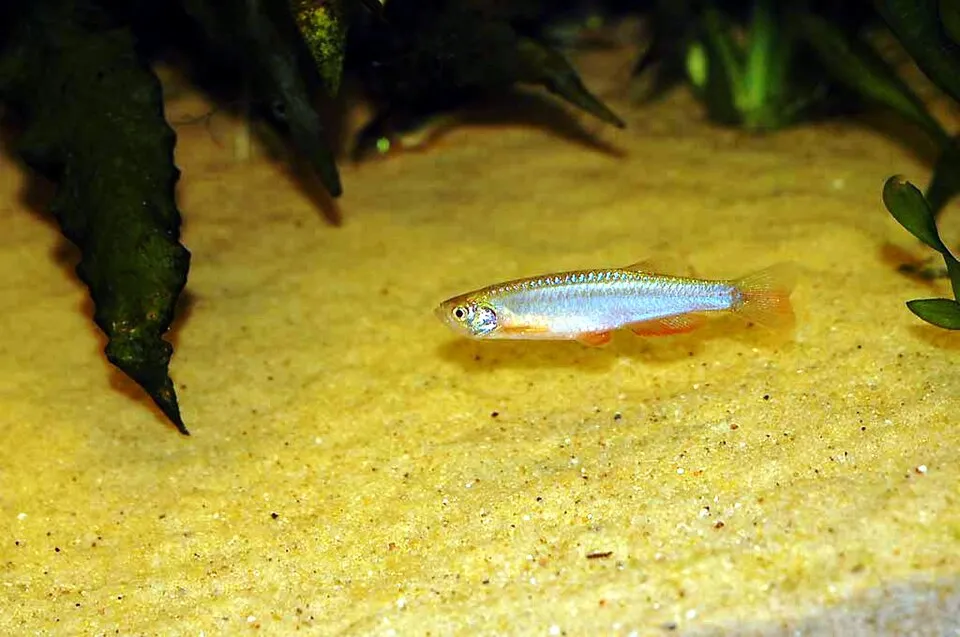
 1.8 in (4.5 cm)11 gal (40 L)68–79°F (20–26°C)
Blue danio
Danio kerri
1.8 in (4.5 cm) · 11 gal (40 L)
 2.4 in (6 cm)18 gal (70 L)61–77°F (16–25°C)
Pearl danio
Danio albolineatus
2.4 in (6 cm) · 18 gal (70 L)
 1.2 in (3 cm)20 gal (75 L)72–79°F (22–26°C)
Glowlight danio
Danio choprae
1.2 in (3 cm) · 20 gal (75 L)