Orange dwarf crayfish
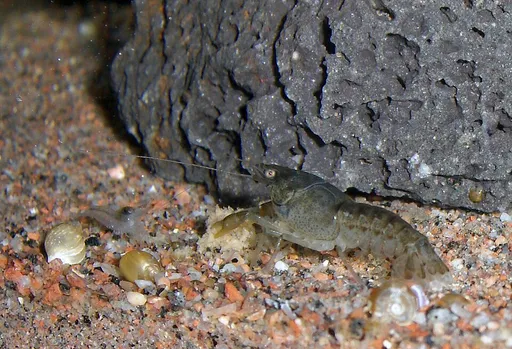
Cambarellus patzcuarensis
Also known as CPO, Mexican dwarf crayfish
FreshwaterCrayfish
Care at a glance
- Temperature
- 64–77°F
- 18–25°C
- pH
- 6.5–8.0
- Adult size
- 2 in
- 5 cm
- Minimum tank
- 10 gal
- 38 L
- Temperament
- Mostly peaceful
- Social behavior
- Solitary
- Swim level
- Bottom
- Difficulty
- Easy
- Breeding
- Easy
- Rarity
- Very common
- Family
- Cambaridae
- Origin
- Lake Patzcuaro, Michoacan, Mexico
Overview
Keep them as single animals or with plenty of room, since they are solitary and the males squabble, so give each one floor space and its own hides in a tank of 38 liters or larger. They are mostly peaceful and stay on the bottom, picking over the substrate for food, but they will catch and eat dwarf shrimp and small fry, so choose tankmates with that in mind. They are plant safe and easy to keep, handling 18 to 25 C and a pH from 6.5 to 8. Feed sinking pellets, blanched vegetables, and the odd bit of protein, and watch the water hardness so their shells set properly. They escape, so run a tight lid with no open gaps.
In the wild
Orange dwarf crayfish come from Lake Patzcuaro in Michoacan, Mexico, a shallow highland lake with hard water and plenty of rocky cover. To match that, give them a tank of at least 38 liters with a bottom broken up by caves, rock piles, and other hides, since the floor is where they spend their lives. Keep the water harder than most freshwater setups, with GH around 8 to 15, which helps them molt cleanly. Hold the temperature between 18 and 25 C and a pH from 6.5 to 8, and never use any product with copper in it, since copper is toxic to inverts.
Good to know
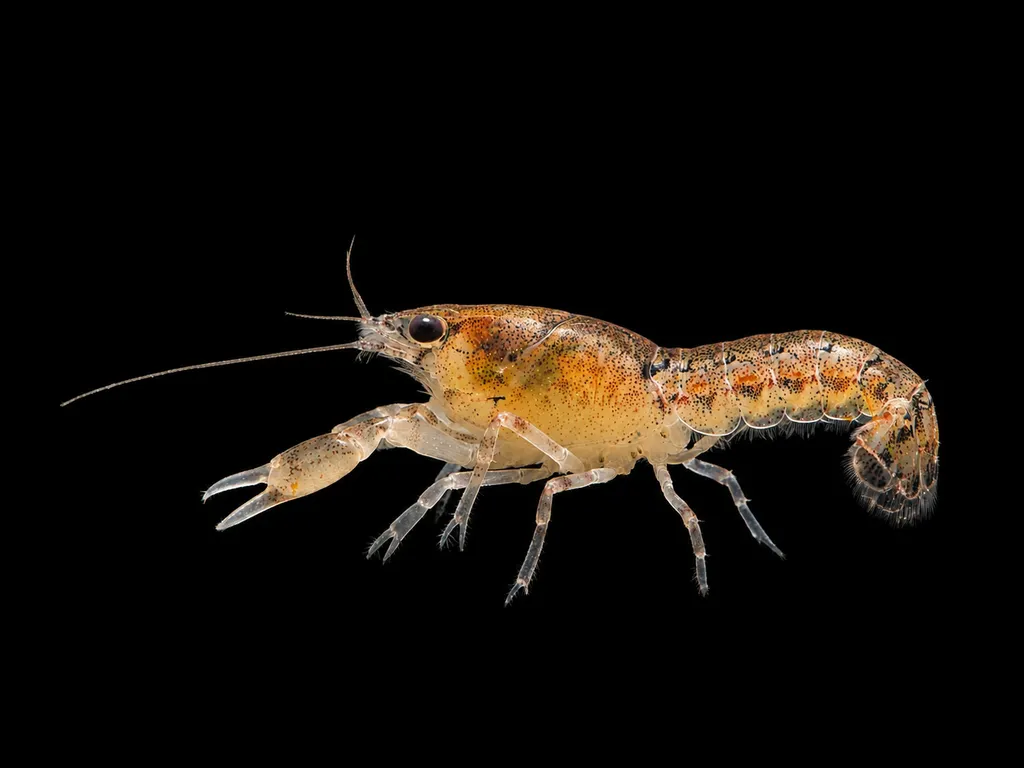
This is Cambarellus patzcuarensis, a dwarf crayfish in the family Cambaridae. Adults stay small at about 5 cm, and they usually live around two years. They breed readily in the tank, with the female carrying her eggs and then the hatchlings under her tail until the young drop off as tiny copies of the adults. The orange you see is a bred color form of a plain brown wild crayfish.
Did you know
A crayfish is most vulnerable right after it molts, when the fresh shell is still soft and an exposed animal is easy prey, even for its own kind. That is why the caves matter, since a molting crayfish wants to tuck itself away until the new shell hardens. Give them enough hides and they will pull back, sit out the soft stage in private, and come out once they are armored again.
Common questions
What size tank does an Orange dwarf crayfish need?
An Orange dwarf crayfish needs at least 10 gal (38 L). It spends most of its time in the bottom.
What temperature and pH does an Orange dwarf crayfish need?
An Orange dwarf crayfish is comfortable at 64–77°F (18–25°C) with a pH of 6.5–8.0.
How big does an Orange dwarf crayfish get?
An adult Orange dwarf crayfish reaches about 2 in (5 cm).
Related species
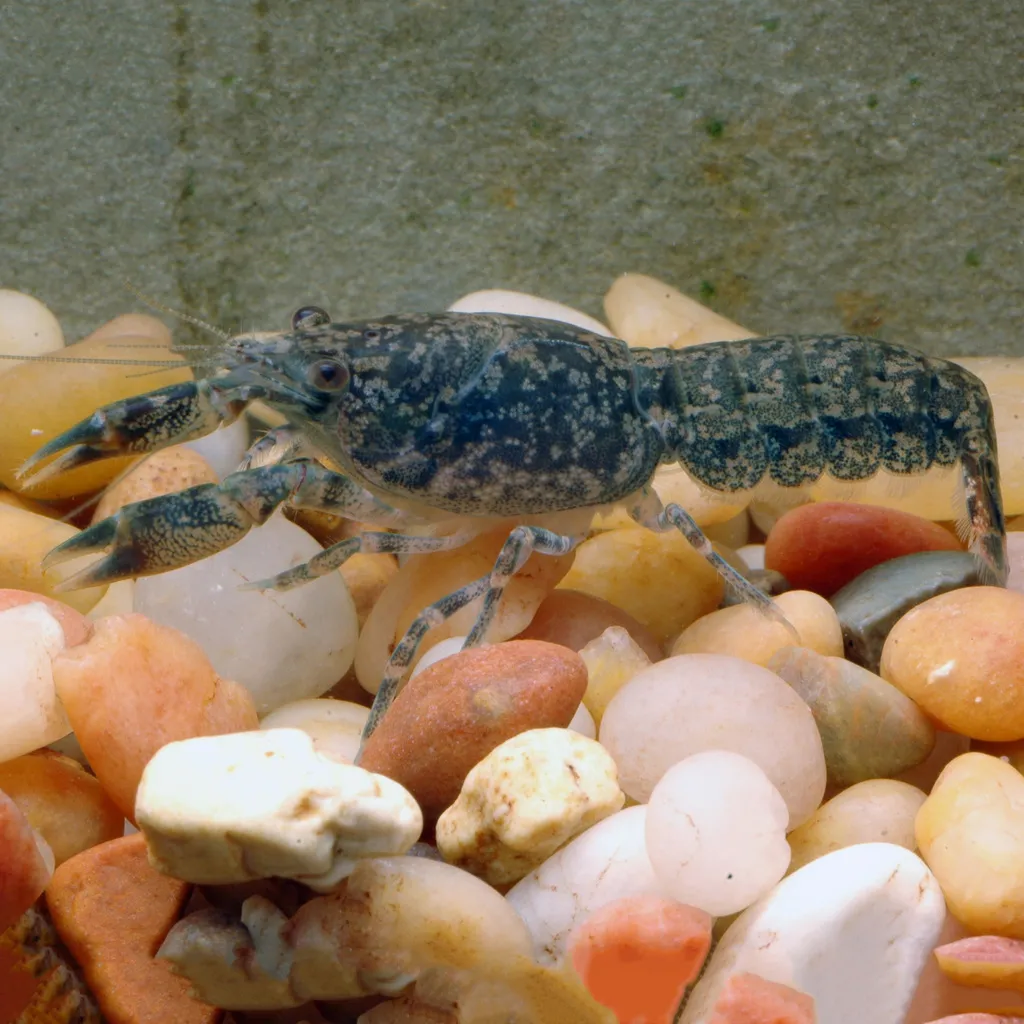 1.6 in (4 cm)5 gal (20 L)64–79°F (18–26°C)
Cajun dwarf crayfish
Cambarellus shufeldtii
1.6 in (4 cm) · 5 gal (20 L)
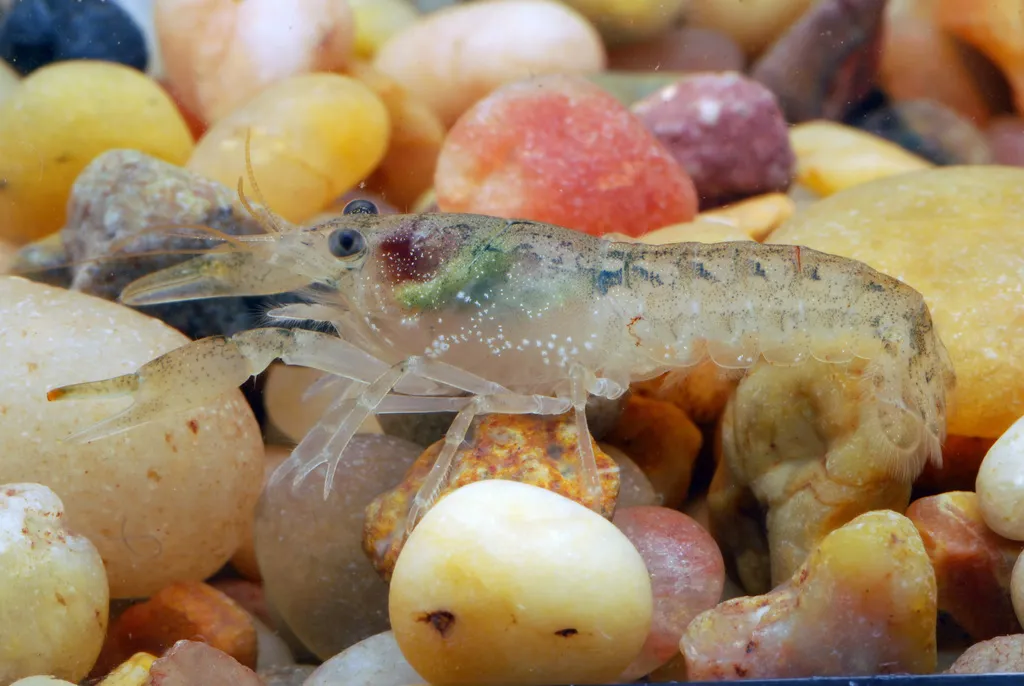 1.4 in (3.5 cm)5 gal (20 L)64–79°F (18–26°C)
Brazos dwarf crayfish
Cambarellus texanus
1.4 in (3.5 cm) · 5 gal (20 L)
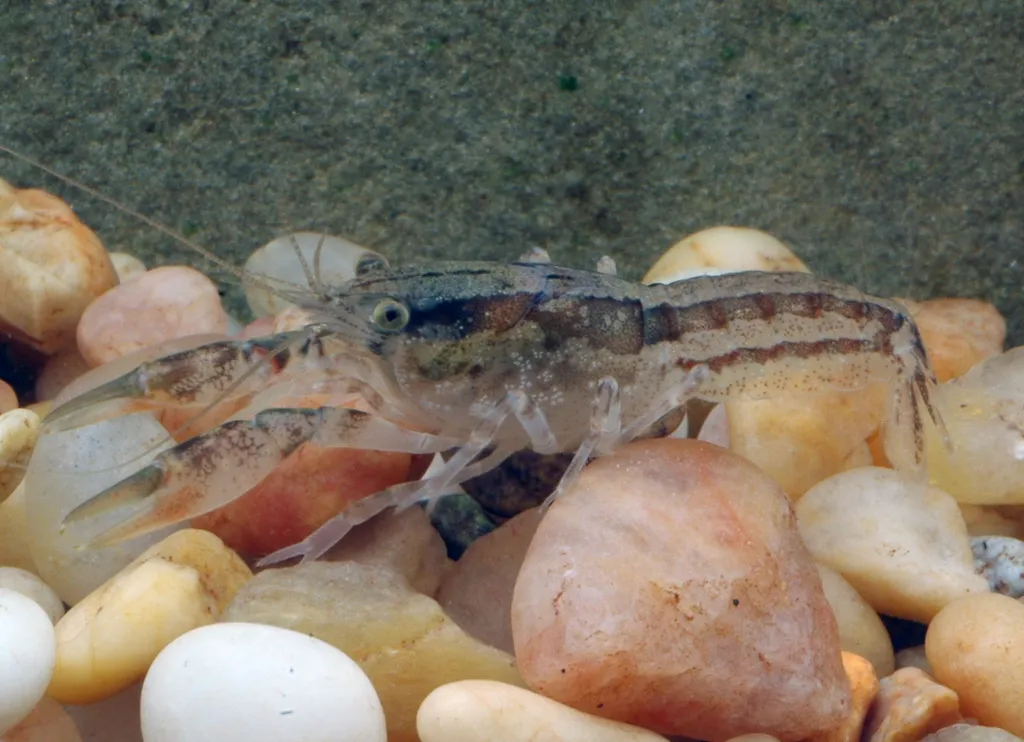 1.2 in (3 cm)5 gal (20 L)64–79°F (18–26°C)
Swamp dwarf crayfish
Cambarellus puer
1.2 in (3 cm) · 5 gal (20 L)
 1 in (2.5 cm)5 gal (20 L)64–79°F (18–26°C)
Least dwarf crayfish
Cambarellus diminutus
1 in (2.5 cm) · 5 gal (20 L)
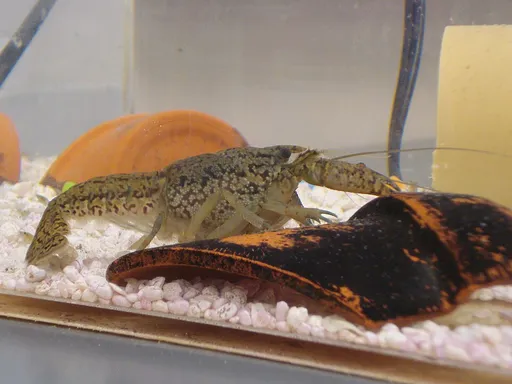 3.9 in (10 cm)20 gal (75 L)64–77°F (18–25°C)
Marbled crayfish
Procambarus virginalis
3.9 in (10 cm) · 20 gal (75 L)
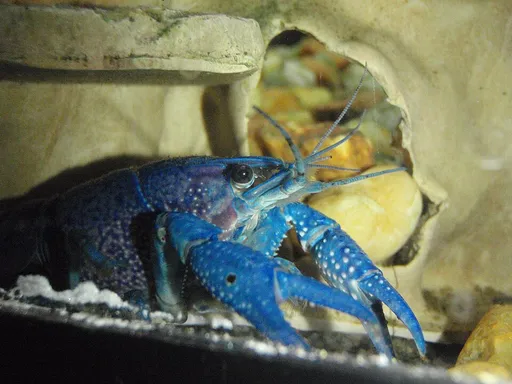 4.7 in (12 cm)20 gal (75 L)68–81°F (20–27°C)
Electric blue crayfish
Procambarus alleni
4.7 in (12 cm) · 20 gal (75 L)