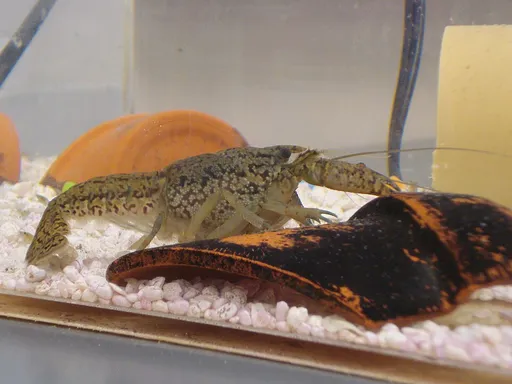
Marbled crayfish
Procambarus virginalis
Also known as Marmorkrebs, Self-cloning crayfish
FreshwaterCrayfish
Care at a glance
- Temperature
- 64–77°F
- 18–25°C
- pH
- 7.0–8.0
- Adult size
- 3.9 in
- 10 cm
- Minimum tank
- 20 gal
- 75 L
- Temperament
- Aggressive
- Social behavior
- Solitary
- Tankmates
- With caution
- Swim level
- Bottom
- Difficulty
- Easy
- Breeding
- Easy
- Rarity
- Common
- Family
- Cambaridae
- Origin
- Pet-trade lineage from North American slough crayfish, Germany 1990s
Overview
Check your local laws before buying one, since this species is invasive and illegal to keep in many places, including the EU, the UK, Japan, and several US states and Canadian provinces, and you must never release it or flush it. Keep one alone in a tank of at least 75 liters, because a single crayfish clones itself and will quickly fill a tank with offspring. It is an aggressive, solitary bottom dweller that holds a territory and hunts, eating snails, dwarf shrimp, slow fish, and most plants you put in with it. Hold the water from 18 to 25 C at a pH of 7 to 8, with a tight, weighted lid since they climb out. Feed sinking pellets, blanched vegetables, and the occasional protein like a bit of fish or shrimp, and keep it alone or only with fast fish that stay up near the surface.
In the wild
The marbled crayfish has no wild native range. It appeared in the German pet trade in the 1990s as a self-cloning lineage of North American slough crayfish, and it has since spread into the wild only where people have released it. There is no natural habitat to copy, so build a tank that suits a temperate burrowing crayfish instead. Give a single animal at least 75 liters with a soft sandy or fine gravel bottom, plenty of caves and pipes to claim, and water from 18 to 25 C with a pH of 7 to 8. Hard, neutral to slightly alkaline water keeps the shell in good shape during molts.
Good to know
This is Procambarus virginalis, a crayfish in the family Cambaridae, reaching about 10 cm as an adult. It is parthenogenetic, so every animal is female and reproduces by cloning itself without a mate, and breeding is as easy as keeping one alive. A healthy adult usually lives a few years. The whole lineage traces back to aquarium stock, so any animal you find in the trade is tank bred, not wild caught.
Did you know
Every marbled crayfish on earth descends from one animal, and they are all near-identical clones of each other. That makes them a real worry in the wild, since a single escaped individual can found a whole population, and they can carry crayfish plague, a disease that wipes out native crayfish without harming the carrier.
Common questions
What size tank does a Marbled crayfish need?
A Marbled crayfish needs at least 20 gal (75 L). It spends most of its time in the bottom.
What temperature and pH does a Marbled crayfish need?
A Marbled crayfish is comfortable at 64–77°F (18–25°C) with a pH of 7.0–8.0.
How big does a Marbled crayfish get?
An adult Marbled crayfish reaches about 3.9 in (10 cm).
Related species
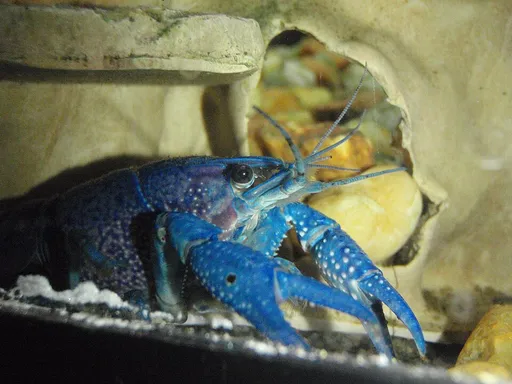 4.7 in (12 cm)20 gal (75 L)68–81°F (20–27°C)
Electric blue crayfish
Procambarus alleni
4.7 in (12 cm) · 20 gal (75 L)
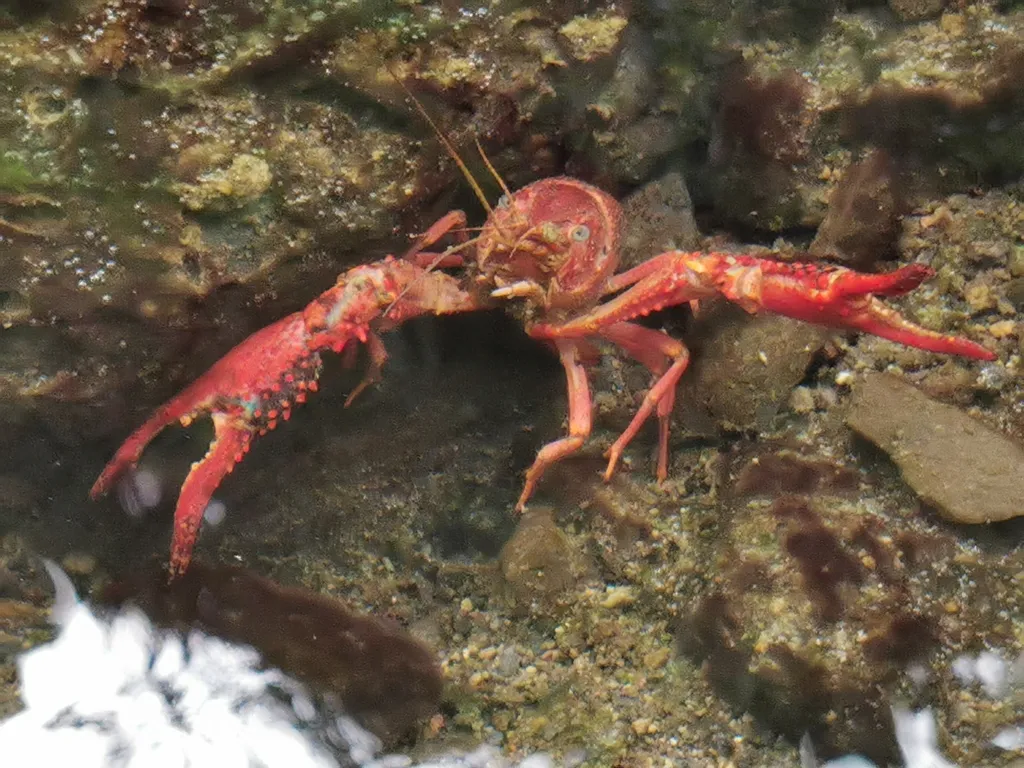 5.9 in (15 cm)20 gal (75 L)59–82°F (15–28°C)
Louisiana crayfish
Procambarus clarkii
5.9 in (15 cm) · 20 gal (75 L)
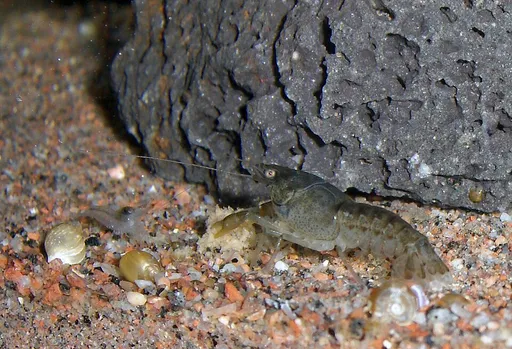 2 in (5 cm)10 gal (38 L)64–77°F (18–25°C)
Orange dwarf crayfish
Cambarellus patzcuarensis
2 in (5 cm) · 10 gal (38 L)
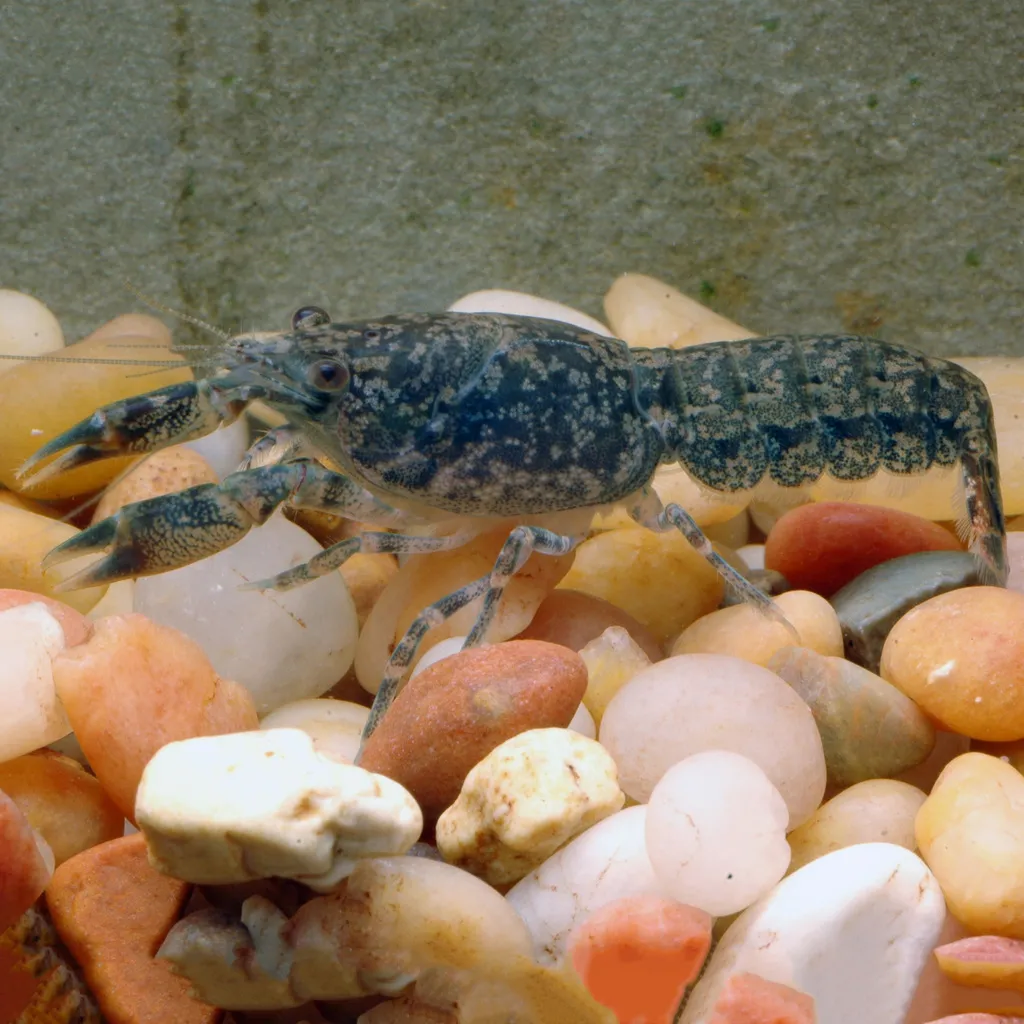 1.6 in (4 cm)5 gal (20 L)64–79°F (18–26°C)
Cajun dwarf crayfish
Cambarellus shufeldtii
1.6 in (4 cm) · 5 gal (20 L)
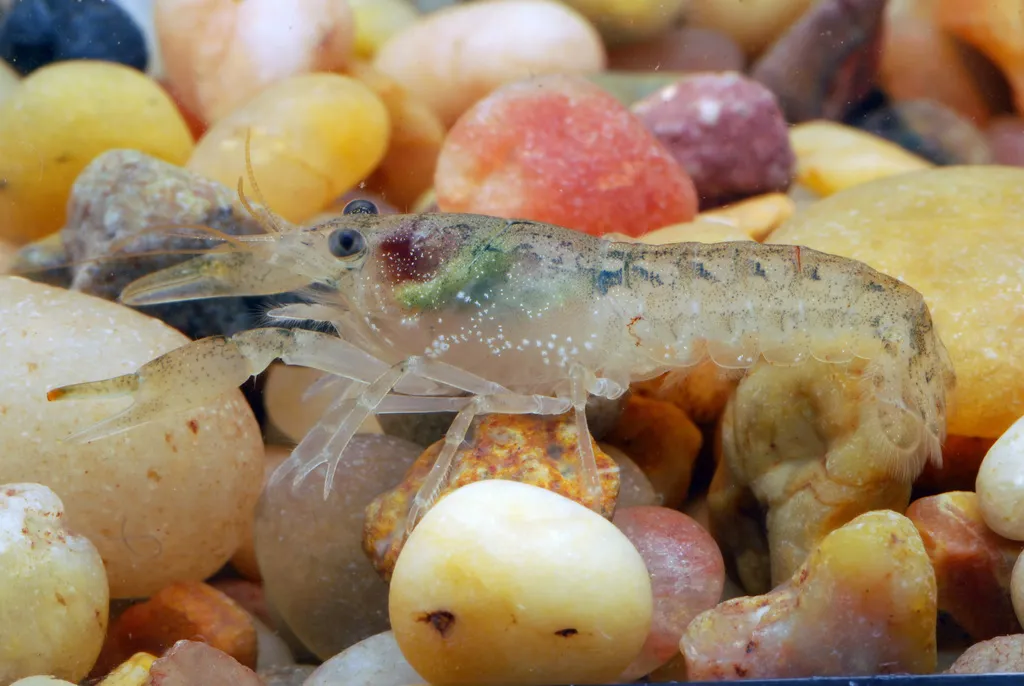 1.4 in (3.5 cm)5 gal (20 L)64–79°F (18–26°C)
Brazos dwarf crayfish
Cambarellus texanus
1.4 in (3.5 cm) · 5 gal (20 L)
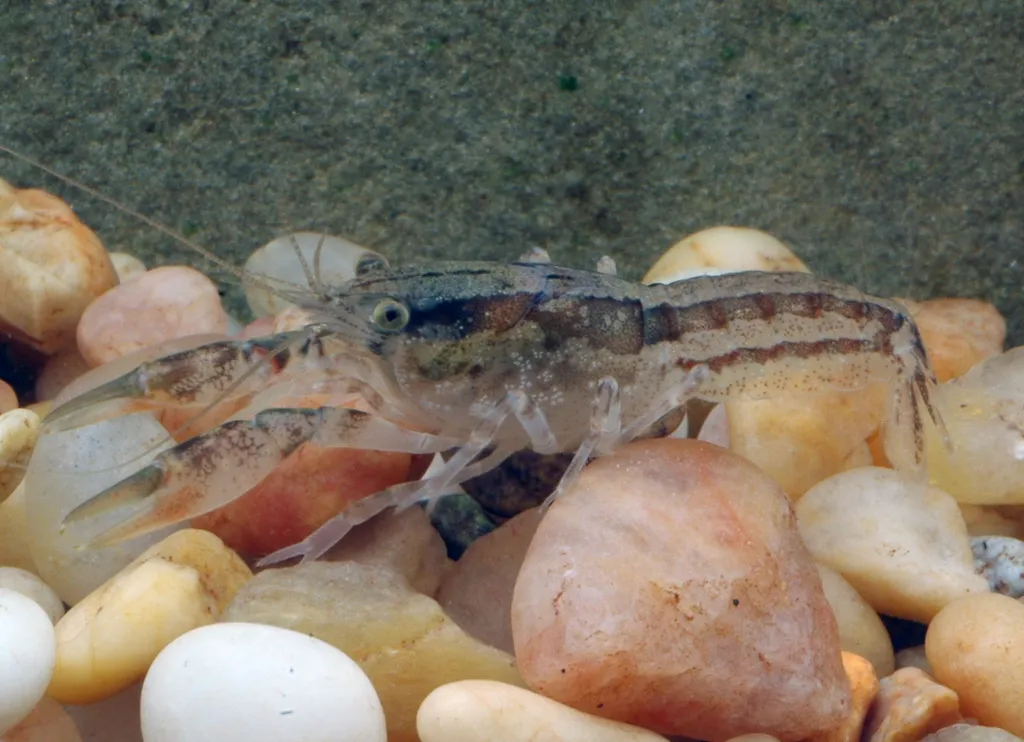 1.2 in (3 cm)5 gal (20 L)64–79°F (18–26°C)
Swamp dwarf crayfish
Cambarellus puer
1.2 in (3 cm) · 5 gal (20 L)