Louisiana crayfish
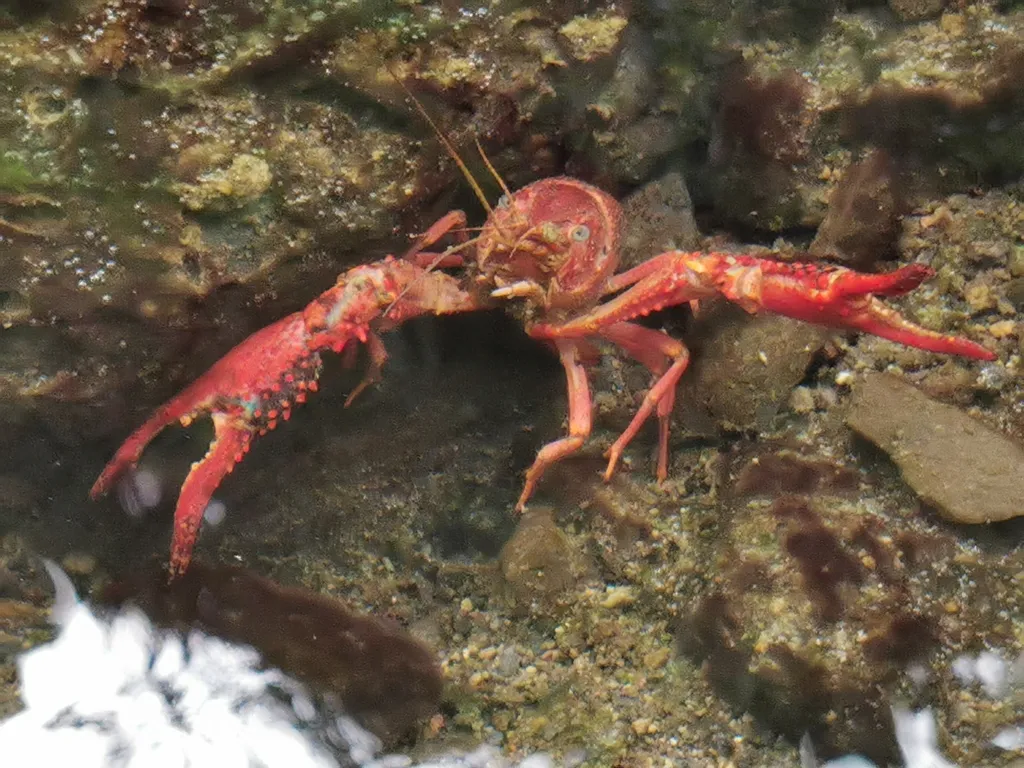
Procambarus clarkii
Also known as Red swamp crayfish, Blue dragon crayfish, Crawfish
FreshwaterCrayfish
Care at a glance
- Temperature
- 59–82°F
- 15–28°C
- pH
- 6.5–8.5
- Adult size
- 5.9 in
- 15 cm
- Minimum tank
- 20 gal
- 75 L
- Temperament
- Aggressive
- Social behavior
- Solitary
- Tankmates
- With caution
- Swim level
- Bottom
- Diet
- Omnivore
- Difficulty
- Easy
- Breeding
- Egg carrier · Easy
- Rarity
- Very common
- Family
- Cambaridae
- Origin
- Gulf coastal plain, United States; invasive worldwide
Overview
The Louisiana crayfish is a tough, aggressive crayfish that needs a tank of its own. It is easy to keep.
Did you know
The Louisiana crayfish was bred for the dinner table and shipped around the globe. It has escaped across Europe, Africa and Asia, where it is now one of the most damaging invasive animals in fresh water. Its toughness is exactly why escaped and released animals have taken hold on several continents.
Caring for the Louisiana crayfish
Keep one Louisiana crayfish per tank of 20 gal (75 L) or more. Fit a firmly weighted lid with no gaps, because it climbs, escapes and can travel over damp ground. Give it a sandy or fine gravel floor it can dig, with rock or wood caves and sturdy hiding spots for molting.
It tolerates a very wide range of water, from 59 to 82°F (15 to 28°C) and a neutral to hard pH of 6.5 to 8.5. It is not fussy about food and will take sinking pellets, vegetables and meaty items.
It is happiest on its own, since it will fight other crayfish and eat plants, snails and any fish slow enough to catch. It spends its time on the bottom digging, rearranging decor and foraging for whatever it can find. Expect soft plants to be shredded.
It matures fast, breeds readily and produces large broods, which makes breeding easy and helps explain its success as an invader. The female carries her eggs and young under her tail. It is a hardy pet but a serious one, and it must never be released into the wild.
Good to know
The Louisiana crayfish, Procambarus clarkii, is also called the red swamp crayfish. It is a cambarid and the most farmed and most widely introduced crayfish in the world. Selectively bred aquarium lines include blue, white and ghost color forms, though the wild animal is a dark brick red.
In the wild
The Louisiana crayfish is native to the Gulf coastal plain of the United States. It lives in almost any warm, still or slow water, from swamps and rice fields to ditches and ponds. It burrows into banks when conditions turn against it.
Common questions
What size tank does a Louisiana crayfish need?
A Louisiana crayfish needs at least 20 gal (75 L). It spends most of its time in the bottom.
What temperature and pH does a Louisiana crayfish need?
A Louisiana crayfish is comfortable at 59–82°F (15–28°C) with a pH of 6.5–8.5.
What does a Louisiana crayfish eat?
A Louisiana crayfish is not fussy about food. It takes sinking pellets, vegetables and meaty items, and it will eat plants, snails and any fish slow enough to catch.
How big does a Louisiana crayfish get?
An adult Louisiana crayfish reaches about 5.9 in (15 cm).
How does a Louisiana crayfish breed?
Louisiana crayfish mature fast, breed readily and produce large broods, so breeding them is easy. The female carries her eggs and young under her tail.
Related species
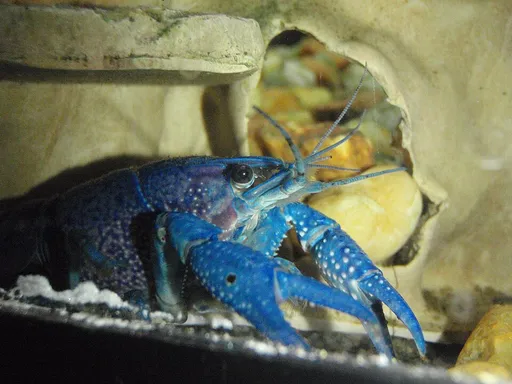 4.7 in (12 cm)20 gal (75 L)68–81°F (20–27°C)
Electric blue crayfish
Procambarus alleni
4.7 in (12 cm) · 20 gal (75 L)
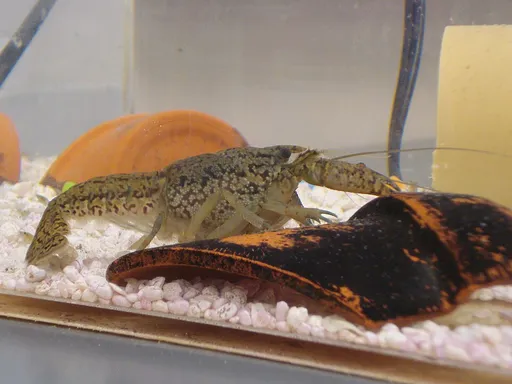 3.9 in (10 cm)20 gal (75 L)64–77°F (18–25°C)
Marbled crayfish
Procambarus virginalis
3.9 in (10 cm) · 20 gal (75 L)
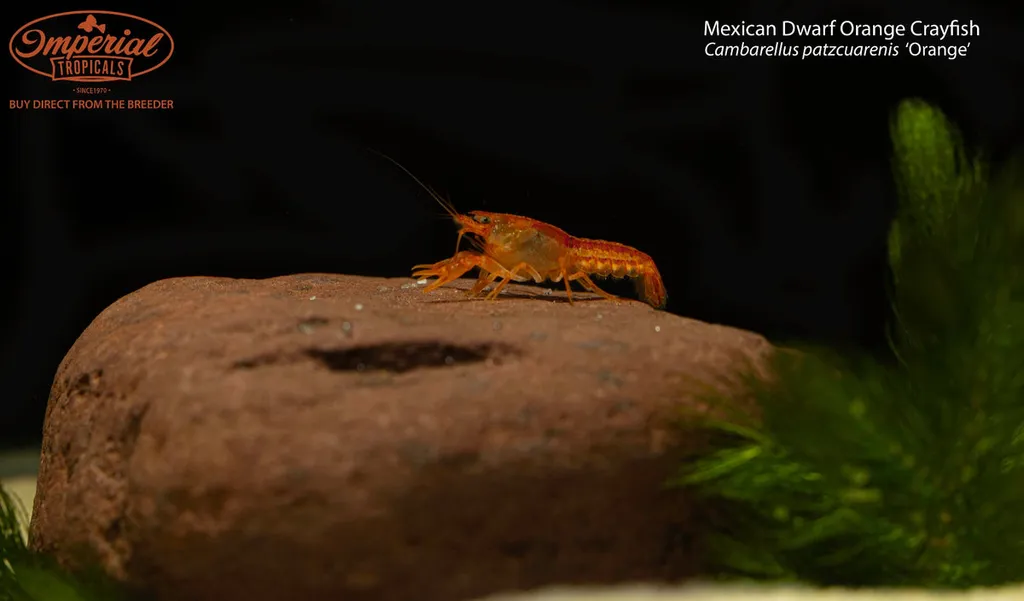 2 in (5 cm)10 gal (38 L)64–77°F (18–25°C)
Orange dwarf crayfish
Cambarellus patzcuarensis
2 in (5 cm) · 10 gal (38 L)
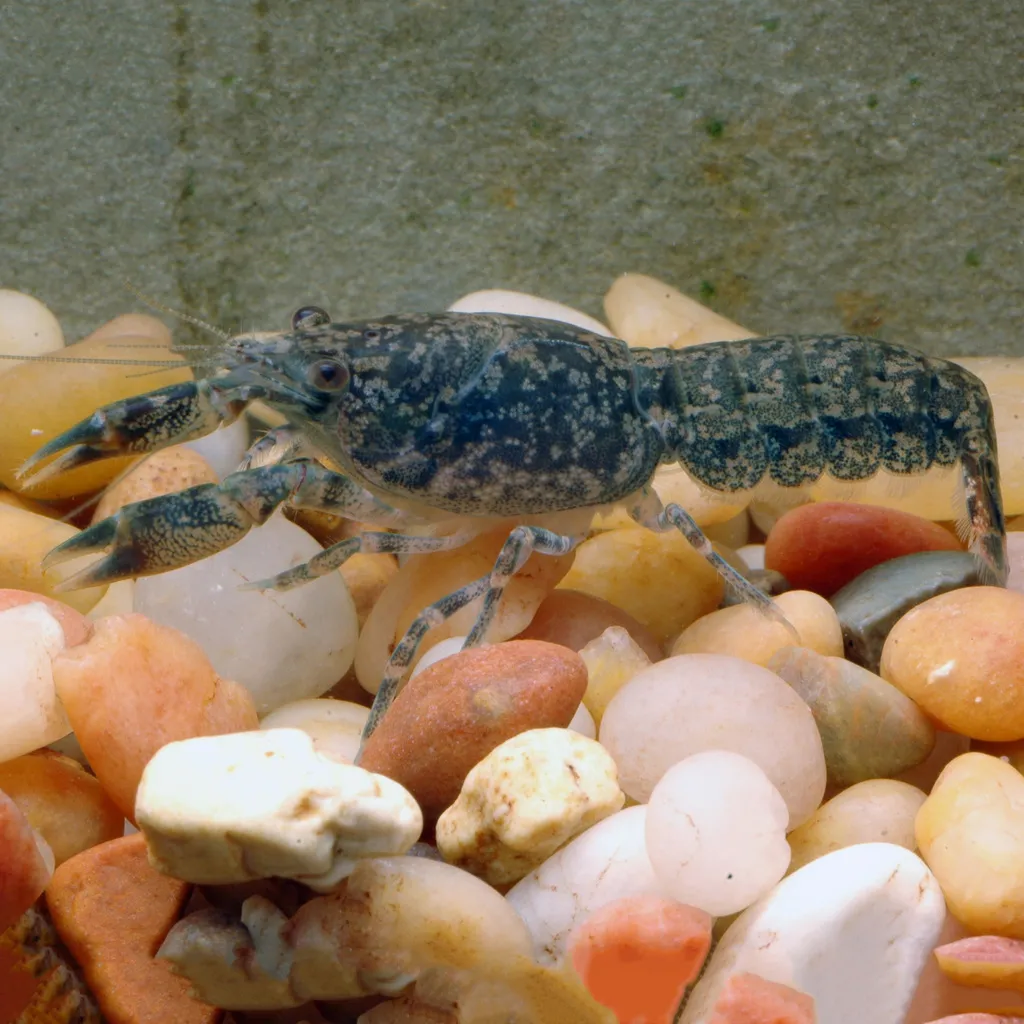 1.6 in (4 cm)5 gal (20 L)64–79°F (18–26°C)
Cajun dwarf crayfish
Cambarellus shufeldtii
1.6 in (4 cm) · 5 gal (20 L)
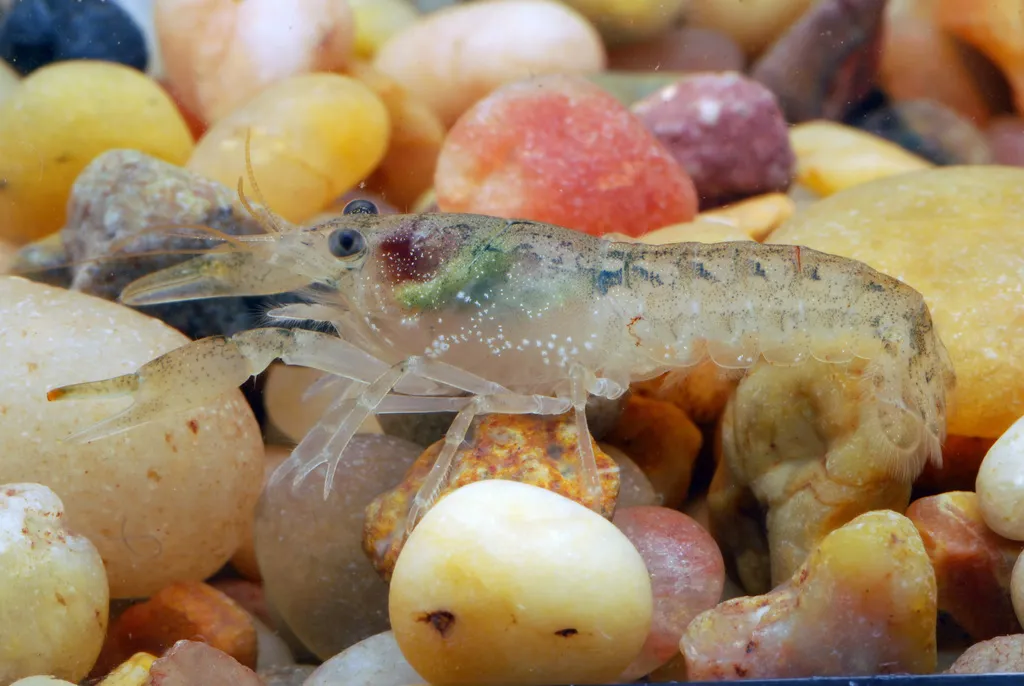 1.4 in (3.5 cm)5 gal (20 L)64–79°F (18–26°C)
Brazos dwarf crayfish
Cambarellus texanus
1.4 in (3.5 cm) · 5 gal (20 L)
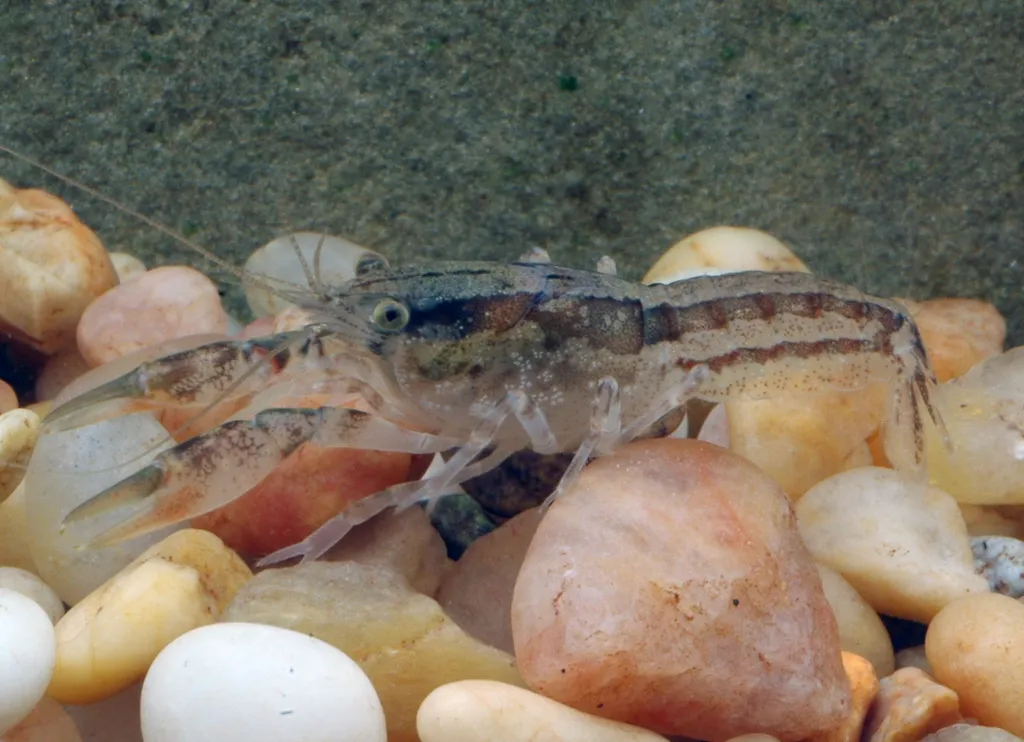 1.2 in (3 cm)5 gal (20 L)64–79°F (18–26°C)
Swamp dwarf crayfish
Cambarellus puer
1.2 in (3 cm) · 5 gal (20 L)