Apricot crayfish
Cherax holthuisi
Also known as Holthuis's crayfish, Orange Papuan crayfish
FreshwaterCrayfish
Care at a glance
- Temperature
- 72–82°F
- 22–28°C
- pH
- 7.0–8.0
- Adult size
- 4.7 in
- 12 cm
- Minimum tank
- 20 gal
- 75 L
- Temperament
- Mostly peaceful
- Social behavior
- Solitary
- Tankmates
- With caution
- Swim level
- Bottom
- Diet
- Omnivore
- Difficulty
- Medium
- Breeding
- Egg carrier · Medium
- Rarity
- Rare
- Family
- Parastacidae
- Origin
- Aitinjo lake region, West Papua, Indonesia
Overview
The apricot crayfish is a West Papuan crayfish for the bottom of a tank of its own. It is best kept by someone with a little experience.
Did you know
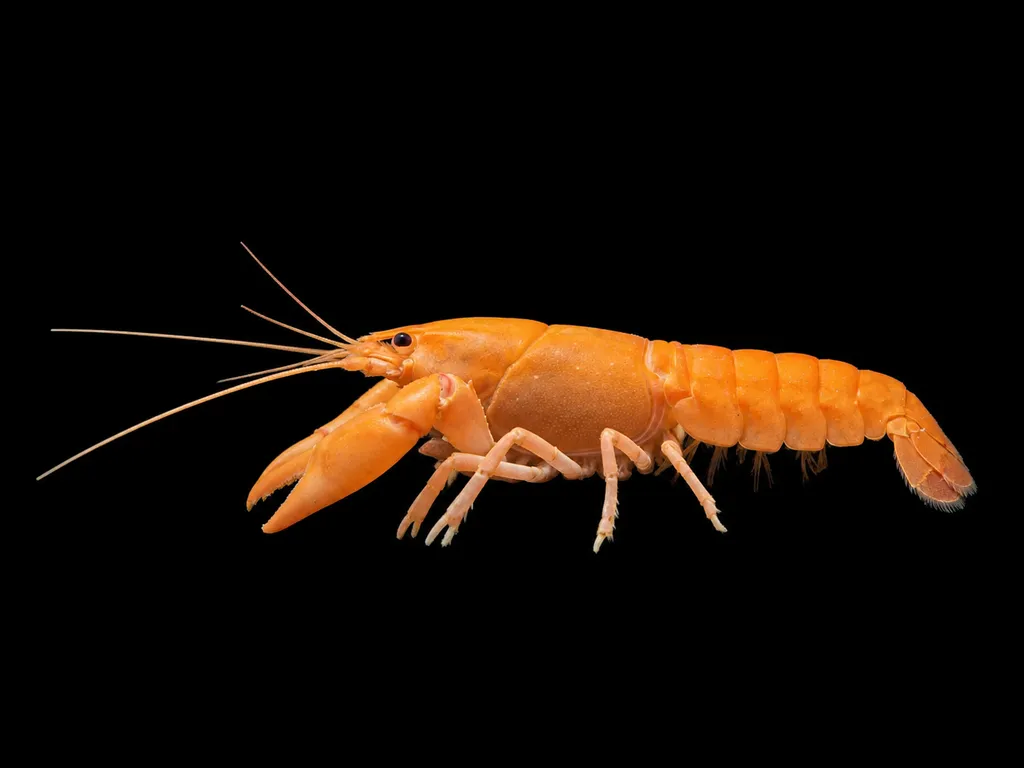
The apricot crayfish has strikingly small eyes for its size, a trait linked to life in dim, cave-like waters.
Caring for the apricot crayfish
Keep one apricot crayfish to a tank, in 20 gal (75 L) or more. Give it a soft sand or fine gravel bottom, several caves or pipes to claim as territory and rockwork for shelter. Fit a tight lid, since crayfish climb out.
Keep the water hard and neutral to alkaline, at 72 to 82°F (22 to 28°C) and a pH of 7.0 to 8.0. Good filtration and steady warmth keep the crayfish out and feeding. Feed sinking pellets and algae wafers with blanched vegetables and the odd meaty treat.
It is calm by crayfish standards and unusually gentle on plants. Even so, it is a bottom-dwelling opportunist that will grab a slow fish, shrimp or snail if it can. House it alone, or take real care with tank mates and choose only fast, open water fish that stay well clear of the floor.
Breeding it is of moderate difficulty. The female carries her eggs and then tiny, fully formed young under her tail, and there is no free-swimming larval stage.
Good to know
The apricot crayfish, Cherax holthuisi, belongs to Parastacidae, the crayfish family of the southern hemisphere. It turned up in the aquarium trade before scientists formally described it in 2006. It is named for the Dutch carcinologist Lipke Holthuis. Wild adults are naturally apricot to peach colored, so the aquarium animal is close to the wild type rather than a bred color line.
In the wild
The apricot crayfish comes from Lake Aitinjo and its inflow streams in the Vogelkop, or Bird's Head, peninsula of West Papua. It lives in warm tropical fresh water over a firm bottom with rocky cover.
Common questions
What size tank does an apricot crayfish need?
An apricot crayfish needs at least 20 gal (75 L). It spends most of its time in the bottom.
What temperature and pH does an apricot crayfish need?
An apricot crayfish is comfortable at 72–82°F (22–28°C) with a pH of 7.0–8.0.
What does an apricot crayfish eat?
An apricot crayfish eats sinking pellets and algae wafers, with blanched vegetables and the odd meaty treat. It will also grab a slow fish, shrimp or snail if it can.
How big does an apricot crayfish get?
An adult apricot crayfish reaches about 4.7 in (12 cm).
How does an apricot crayfish breed?
Apricot crayfish are moderate breeders. The female carries her eggs and then tiny, fully formed young under her tail, with no free-swimming larval stage.
Related species
 4.7 in (12 cm)20 gal (75 L)72–82°F (22–28°C)
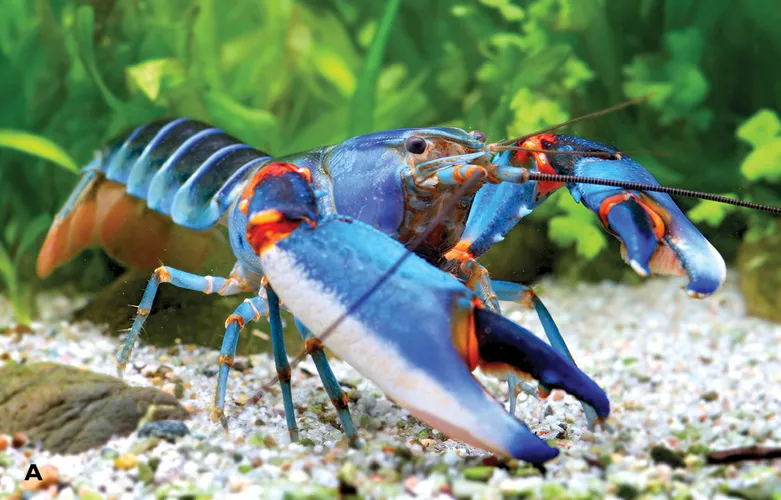
Blue Kong zebra crayfish
Cherax alyciae
4.7 in (12 cm) · 20 gal (75 L)
 4.7 in (12 cm)20 gal (75 L)72–82°F (22–28°C)
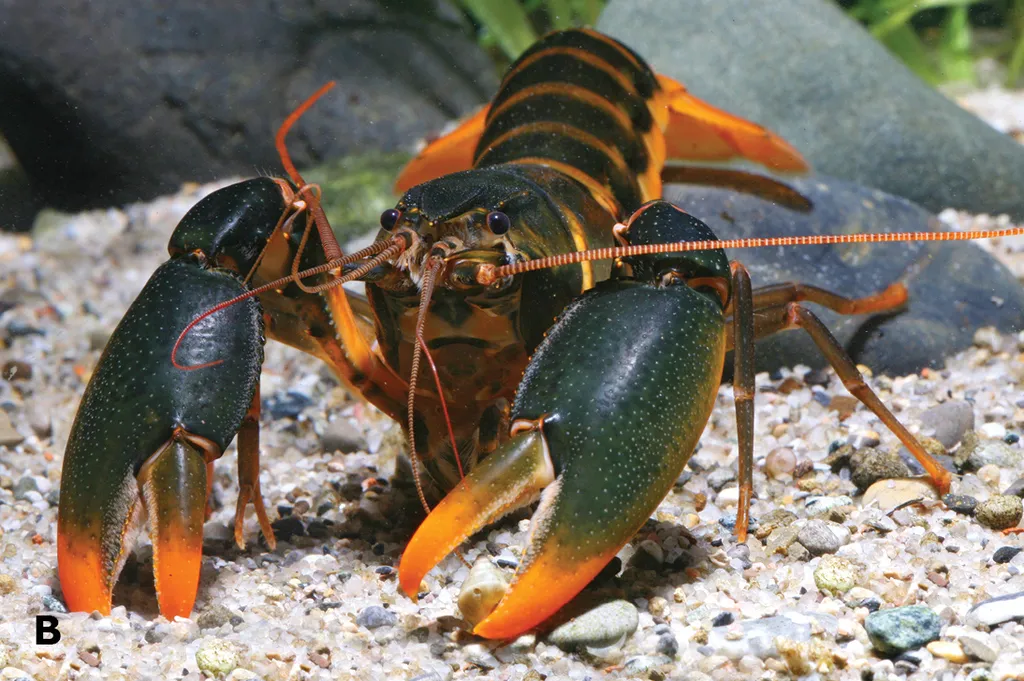
Irianto red crayfish
Cherax snowden
4.7 in (12 cm) · 20 gal (75 L)
 4.7 in (12 cm)20 gal (75 L)72–82°F (22–28°C)
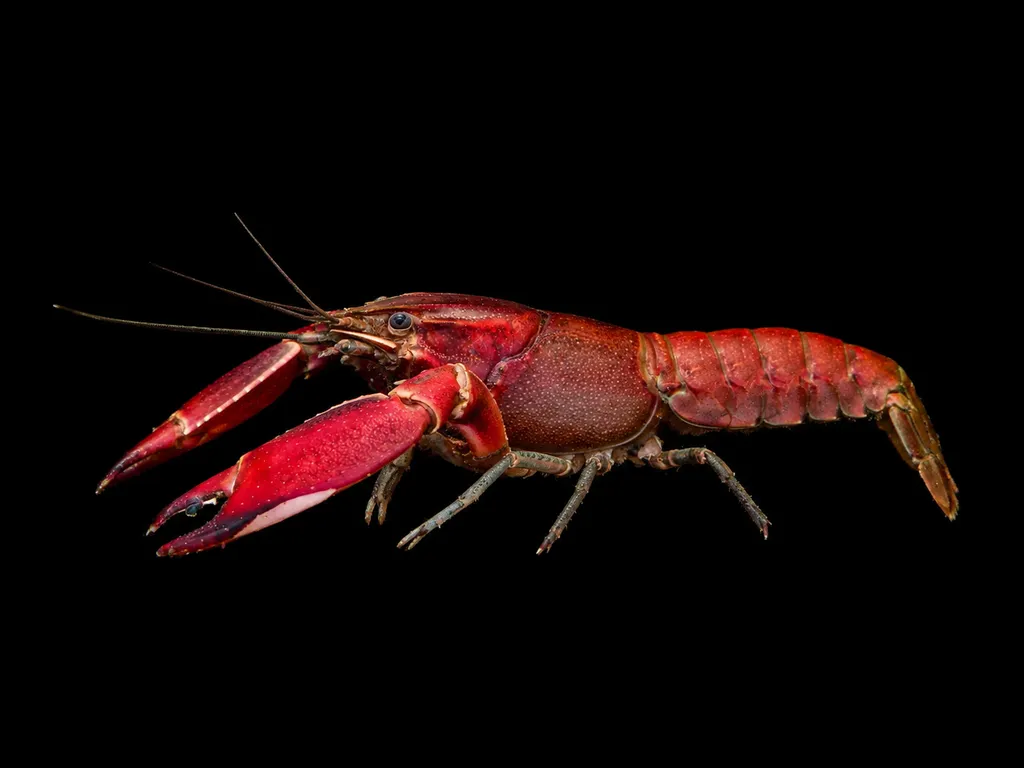
Red brick crayfish
Cherax wagenknechtae
4.7 in (12 cm) · 20 gal (75 L)
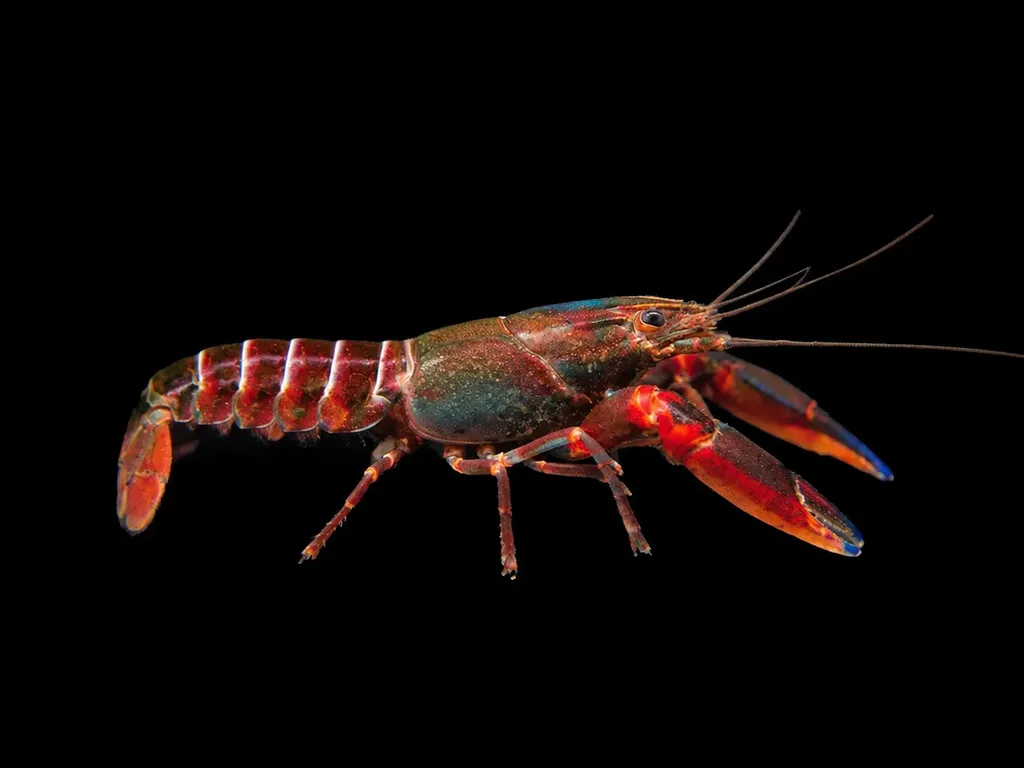 4.7 in (12 cm)20 gal (75 L)72–82°F (22–28°C)
Red Kong zebra crayfish
Cherax mosessalossa
4.7 in (12 cm) · 20 gal (75 L)
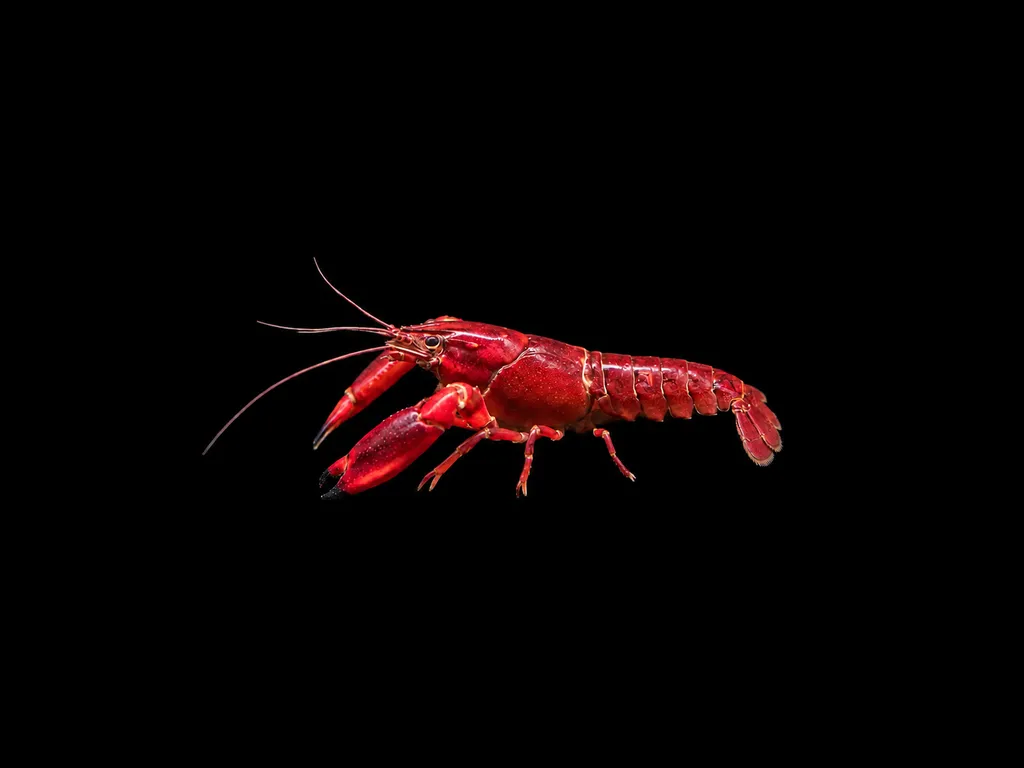 4.7 in (12 cm)20 gal (75 L)72–82°F (22–28°C)
Super red crayfish
Cherax boesemani
4.7 in (12 cm) · 20 gal (75 L)
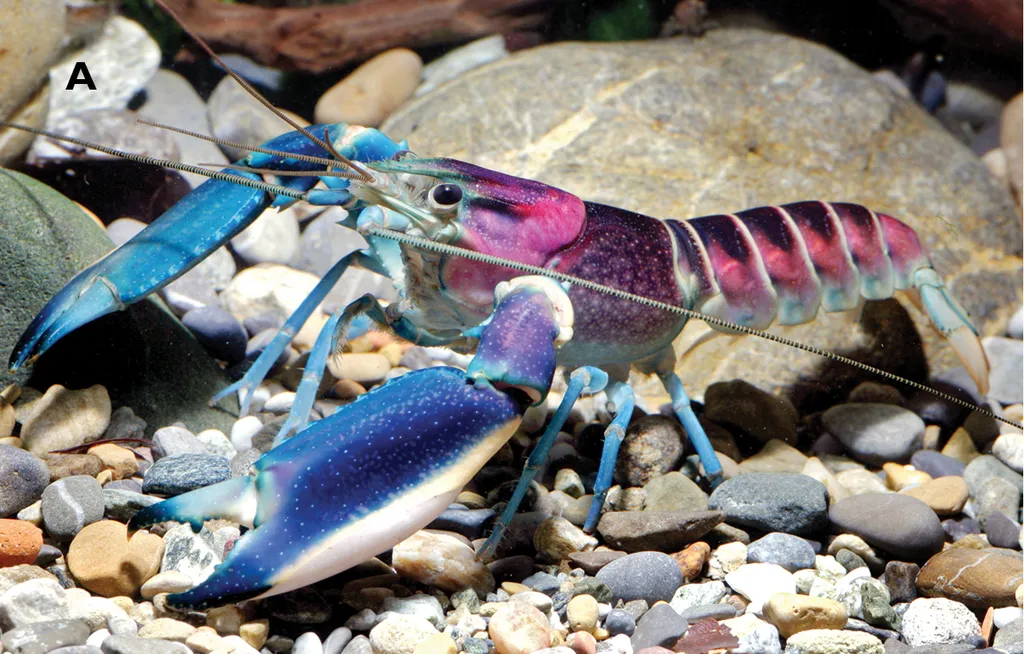 4.7 in (12 cm)20 gal (75 L)72–82°F (22–28°C)
Thunderbolt crayfish
Cherax pulcher
4.7 in (12 cm) · 20 gal (75 L)