One species · 1 variety
Yabby
Cherax destructor
Also known as Common yabby, White yabby, Cherax albidus
FreshwaterCrayfish
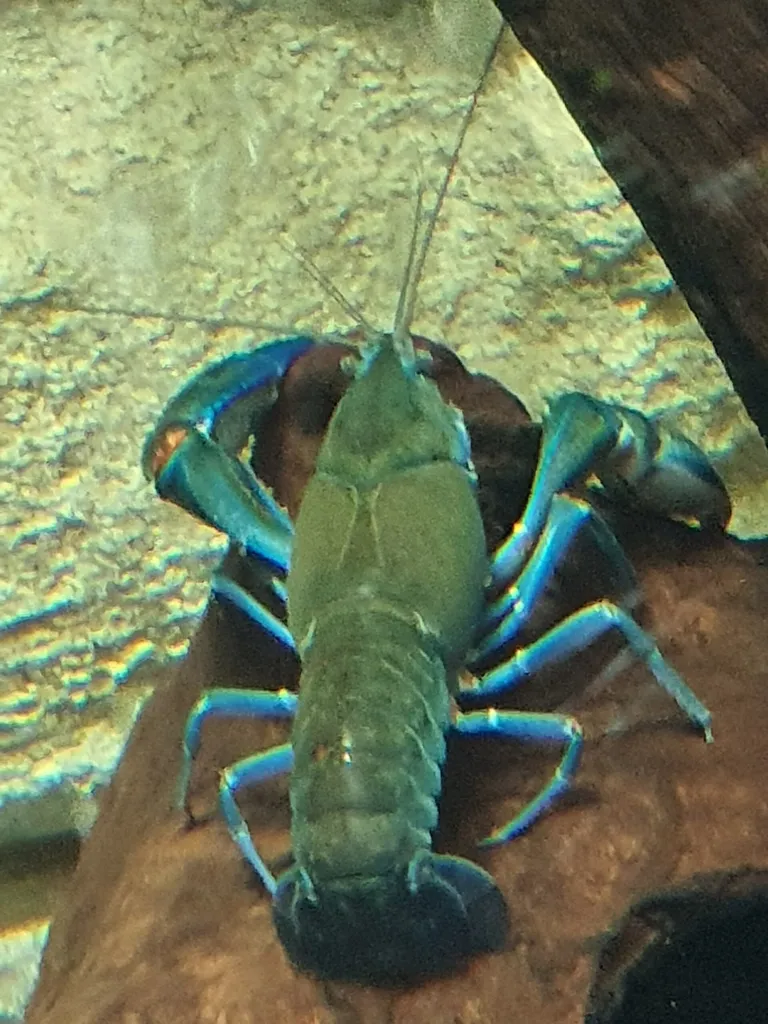
Care at a glance
- Temperature
- 64–79°F
- 18–26°C
- pH
- 6.5–8.0
- Adult size
- 7.9 in
- 20 cm
- Minimum tank
- 32 gal
- 120 L
- Temperament
- Aggressive
- Social behavior
- Solitary
- Tankmates
- With caution
- Swim level
- Bottom
- Diet
- Omnivore
- Difficulty
- Medium
- Breeding
- Egg carrier · Medium
- Rarity
- Rare
- Family
- Parastacidae
- Origin
- Southeastern Australia, including the Murray-Darling basin
Pick a variety
Overview
The yabby is a large, hardy Australian crayfish for a species tank. It digs, rearranges decor and eats plants, so it suits a keeper with a little experience.
Did you know
When its dam or creek dries out, a yabby digs down to damp soil and seals itself into a burrow. It waits out the drought there until rain refills the water above it.
Caring for the Yabby
Give one yabby at least 32 gal (120 L), with as much floor space as you can. Add a deep, soft substrate for burrowing, sturdy caves and a tight lid, since yabbies climb out along cords and decor. It digs and uproots plants, so choose hardy or floating ones.
A yabby needs no heater and handles a wide, cool range of 64 to 79°F (18 to 26°C). Keep the water hard, with a pH of 6.5 to 8.0.
Feed sinking pellets, wafers and blanched vegetables, with the odd worm or shrimp. It scavenges anything it can reach, including fish that rest near the bottom.
Keep one yabby per tank, since adults fight and eat each other, especially after a molt. A breeding pair needs a much larger tank with plenty of caves. Fast, healthy fish can share the tank, but slow or long-finned fish get caught.
The female carries up to 400 eggs under her tail for four to six weeks. The young hatch as tiny crayfish and stay with her until they are independent, with no free larval stage. Move them out early, since adults and siblings eat them.
Good to know
The yabby, Cherax destructor, is a freshwater crayfish in Parastacidae, the crayfish family of the southern hemisphere. The white yabby of western Victoria and South Australia is now treated as its subspecies, Cherax destructor albidus. Many shops still sell it as Cherax albidus. Plan for an adult of 6 to 8 in (15 to 20 cm), measured without the claws. Pond animals occasionally reach 10 in (25 cm).
In the wild
Yabbies live in slow rivers, swamps, billabongs and farm dams across southeastern Australia, including the Murray-Darling basin. These waters swing widely in temperature and can dry out in summer, so the species is tough and adaptable. Farm dams carried it far beyond its old range, and it is now established in Western Australia.
Common questions
What size tank does a Yabby need?
A Yabby needs at least 32 gal (120 L). It spends most of its time in the bottom.
What temperature and pH does a Yabby need?
A Yabby is comfortable at 64–79°F (18–26°C) with a pH of 6.5–8.0.
What does a Yabby eat?
A yabby eats sinking pellets, wafers, blanched vegetables and the odd worm or shrimp. It scavenges anything it can reach, including slow fish.
How big does a Yabby get?
An adult Yabby reaches about 7.9 in (20 cm).
How does a Yabby breed?
Yabbies are moderate breeders with direct development. The female carries up to 400 eggs under her tail for four to six weeks, then the young until they are independent.
Related species
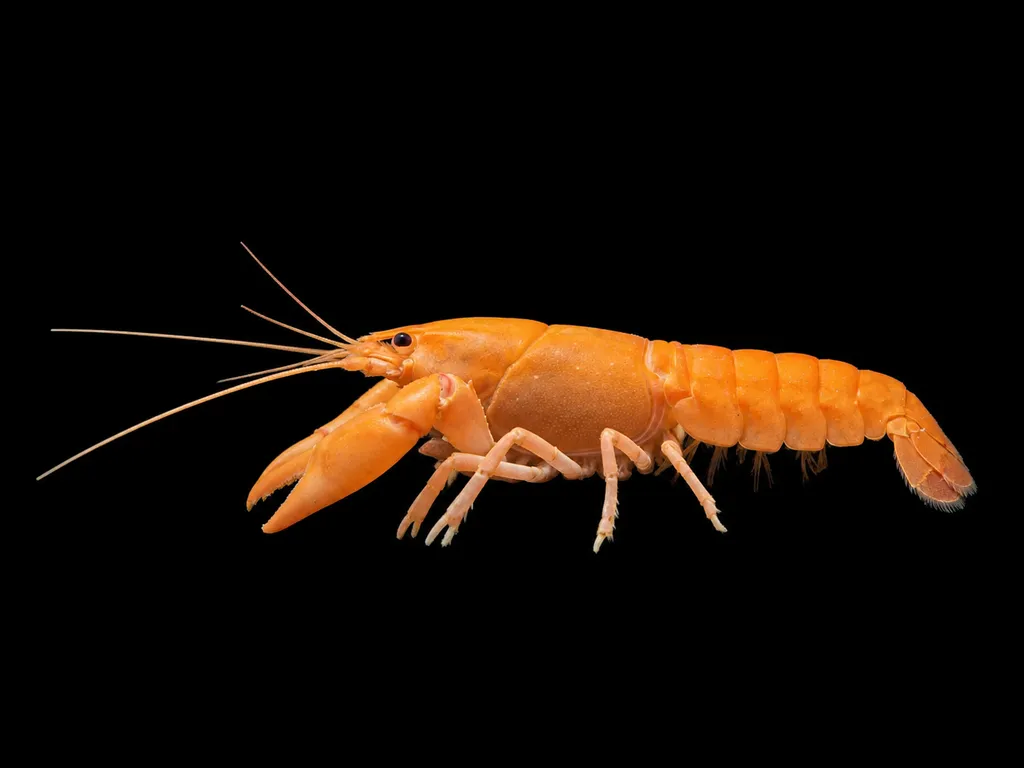 4.7 in (12 cm)20 gal (75 L)72–82°F (22–28°C)
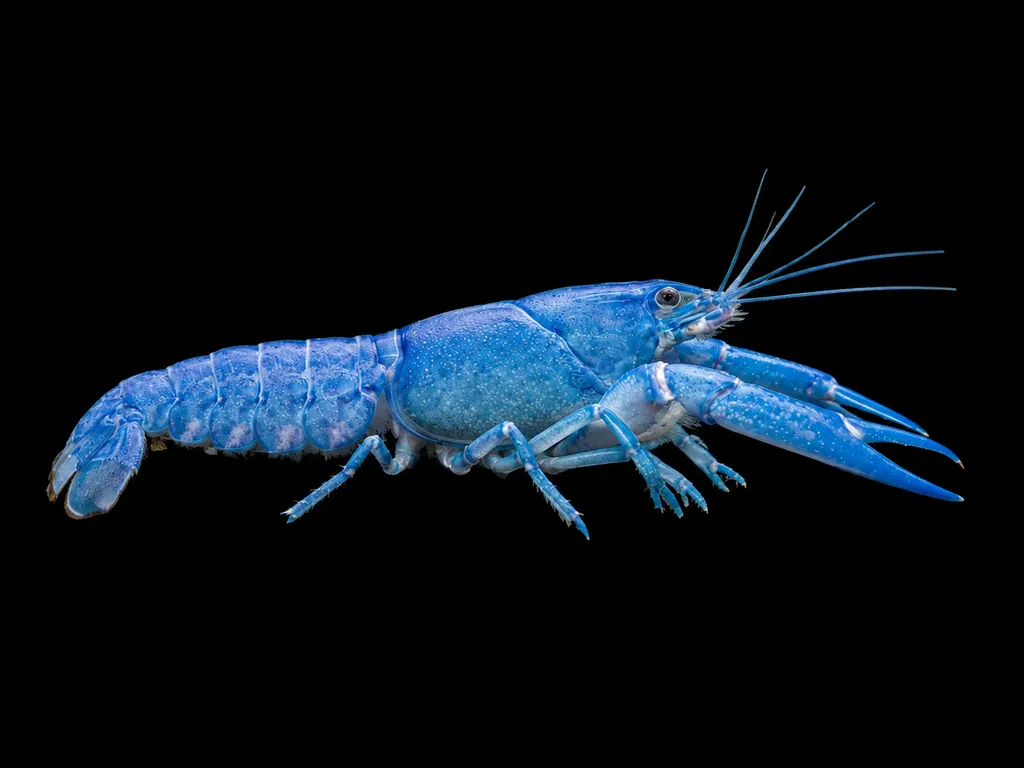
Apricot crayfish
Cherax holthuisi
4.7 in (12 cm) · 20 gal (75 L)
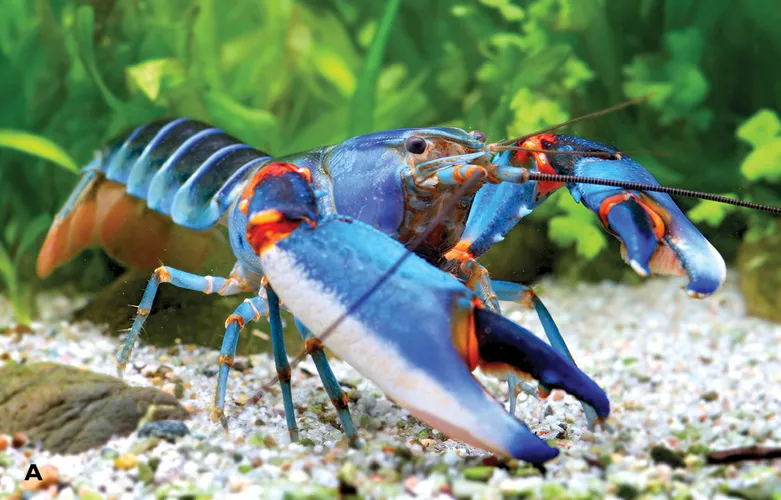 4.7 in (12 cm)20 gal (75 L)72–82°F (22–28°C)
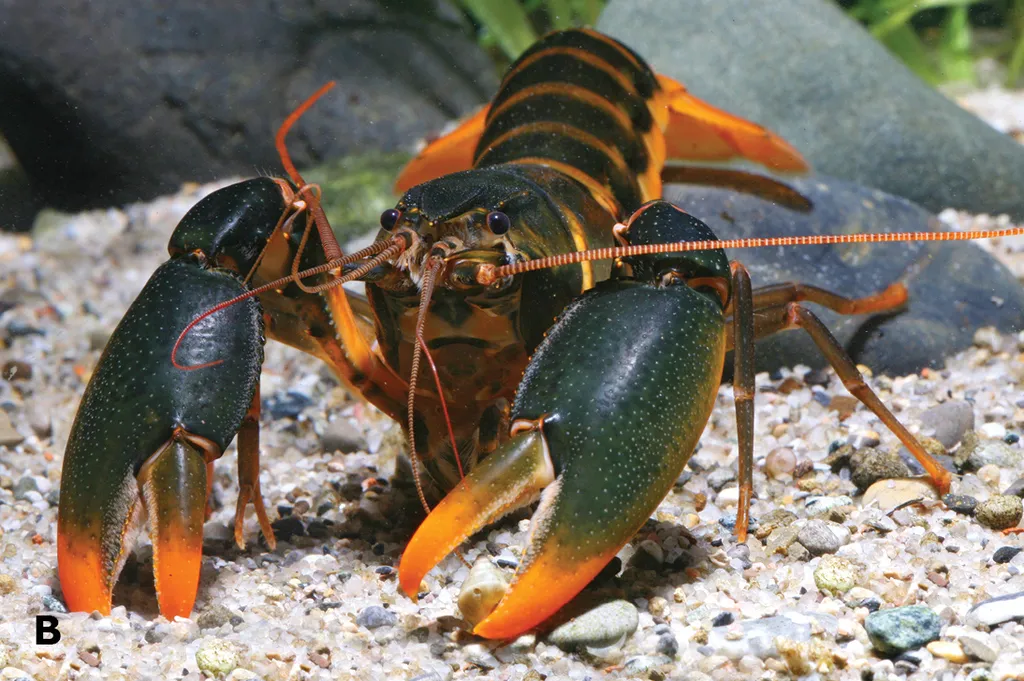
Blue Kong zebra crayfish
Cherax alyciae
4.7 in (12 cm) · 20 gal (75 L)
 4.7 in (12 cm)20 gal (75 L)72–82°F (22–28°C)
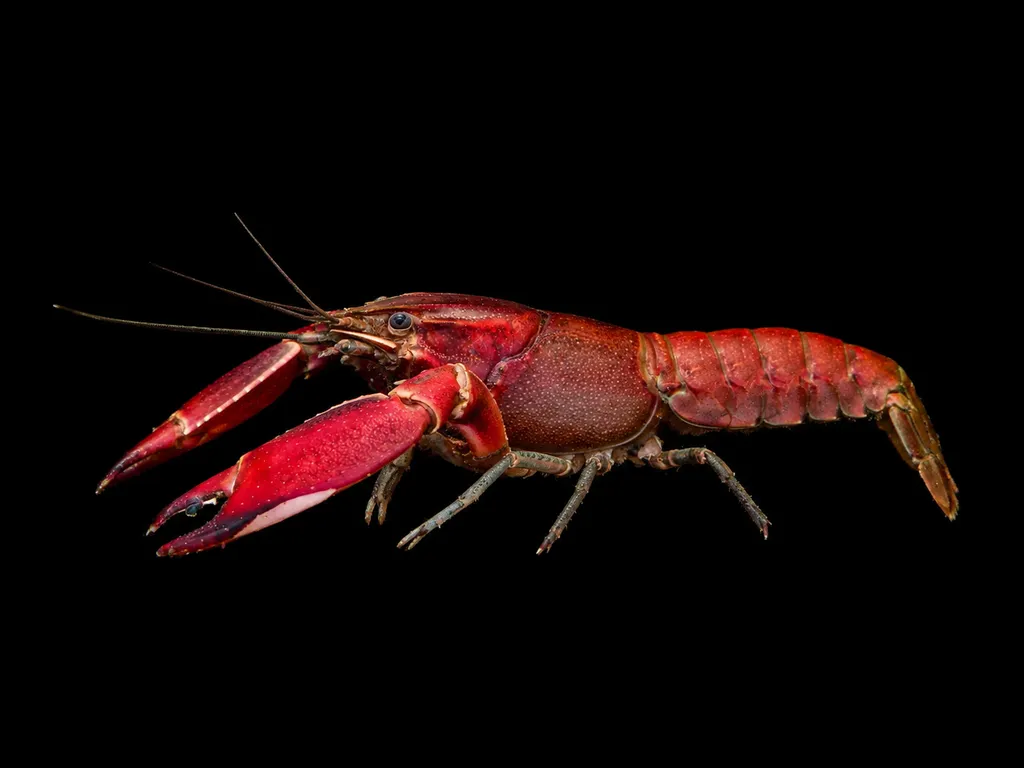
Irianto red crayfish
Cherax snowden
4.7 in (12 cm) · 20 gal (75 L)
 4.7 in (12 cm)20 gal (75 L)72–82°F (22–28°C)
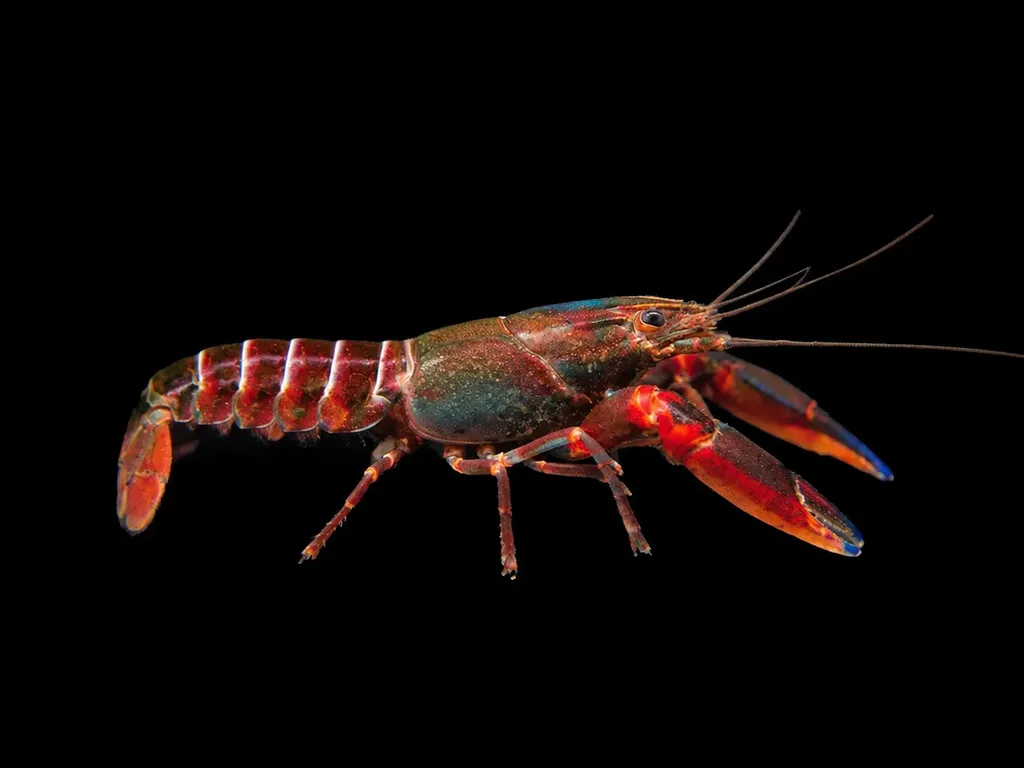
Red brick crayfish
Cherax wagenknechtae
4.7 in (12 cm) · 20 gal (75 L)
 4.7 in (12 cm)20 gal (75 L)72–82°F (22–28°C)
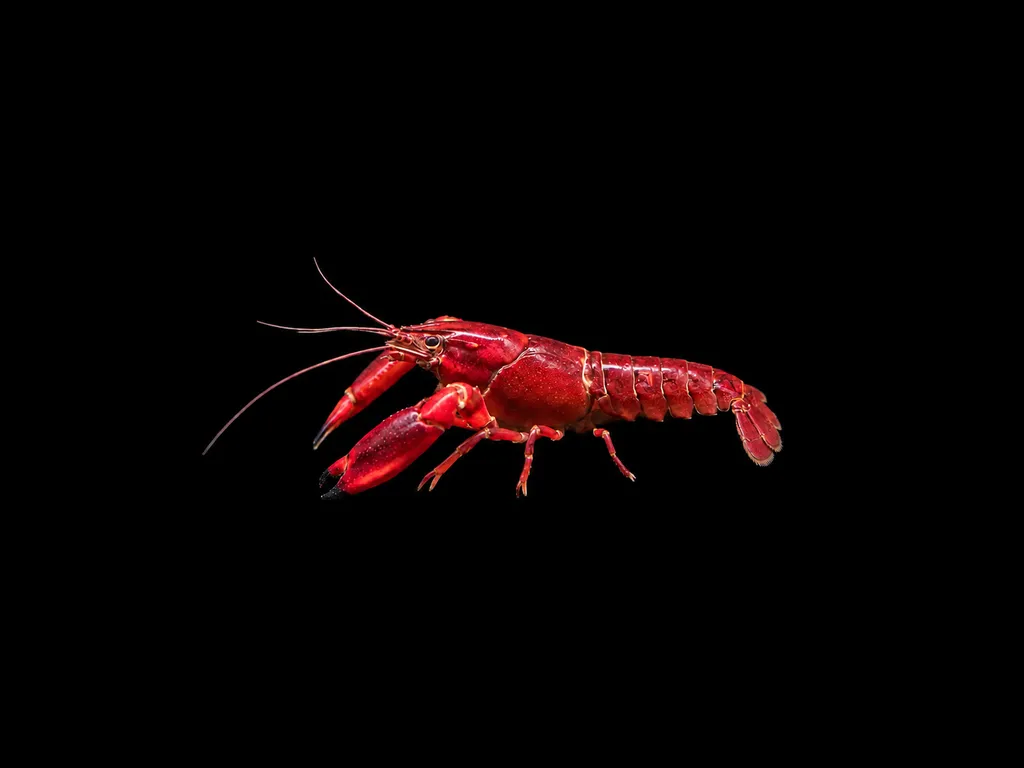
Red Kong zebra crayfish
Cherax mosessalossa
4.7 in (12 cm) · 20 gal (75 L)
 4.7 in (12 cm)20 gal (75 L)72–82°F (22–28°C)
Super red crayfish
Cherax boesemani
4.7 in (12 cm) · 20 gal (75 L)