Variety of Yabby
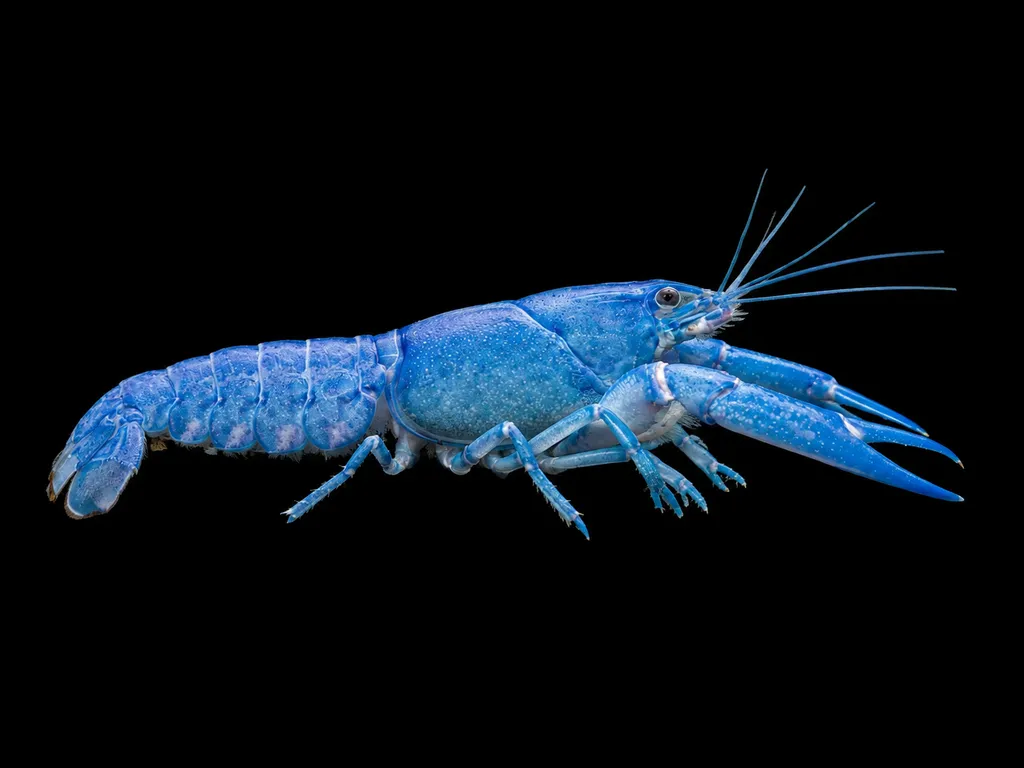
Blue pearl crayfish
Cherax destructor
The named variety of Cherax destructor · See the species →
Also known as Blue yabby, Blue pearl yabby, Cherax albidus
FreshwaterCrayfish
Care at a glance
- Temperature
- 64–79°F
- 18–26°C
- pH
- 6.5–8.0
- Adult size
- 7.9 in
- 20 cm
- Minimum tank
- 32 gal
- 120 L
- Temperament
- Aggressive
- Social behavior
- Solitary
- Tankmates
- With caution
- Swim level
- Bottom
- Diet
- Omnivore
- Difficulty
- Medium
- Breeding
- Egg carrier · Medium
- Rarity
- Rare
- Family
- Parastacidae
- Origin
- A captive bred blue line of the white yabby, whose wild form lives in western Victoria and South Australia.
Overview
The blue pearl crayfish is a large, hardy crayfish for a species tank. It is a fair choice once you have a little experience.
Did you know
When its creek or dam dries out, the wild white yabby digs down to damp soil and seals itself into a burrow. It drops into a dormant state called aestivation until the rains return and let it walk back out.
Caring for the blue pearl crayfish
Give a single blue pearl crayfish at least 32 gal (120 L) of floor space. Add a deep, soft bottom to burrow in, sturdy caves and solid cover, and fit a tight lid. It is a determined digger and rearranger that uproots plants and shifts substrate, so choose hardy or floating plants.
It needs no heater and handles a wide, cooler range of 64 to 79°F (18 to 26°C). Keep the water hard, with a pH of 6.5 to 8.0. Feed sinking pellets, wafers, vegetables and occasional protein.
Keep it as the only crayfish in the tank, since it is territorial and will fight or cannibalize another, especially around molting. It will also eat anything slower than itself.
Breeding is of moderate difficulty, with direct development. The female carries her eggs and then dozens of miniature crayfish under her tail until they are independent, skipping any free larval stage.
Good to know
The blue pearl crayfish is a captive bred blue line of the naturally pale white yabby. The white yabby is now treated as Cherax destructor albidus, a subspecies of the common yabby. Shops still sell blue pearls as Cherax albidus. It is one of the larger crayfish kept, at 6 to 8 in (15 to 20 cm) without the claws.
In the wild
The white yabby lives in slow lowland creeks, swamps and farm dams across western Victoria and South Australia. These waters swing widely in temperature and can dry out seasonally, so the species is tough and adaptable.
Common questions
Is a blue pearl crayfish a different species from the Yabby?
No. A blue pearl crayfish is a variety of the Yabby, Cherax destructor, and it wants the same tank, water and food as the species.
What size tank does a blue pearl crayfish need?
A blue pearl crayfish needs at least 32 gal (120 L). It spends most of its time in the bottom.
What does a blue pearl crayfish eat?
A blue pearl crayfish eats sinking pellets, wafers, vegetables and occasional protein. It will also eat anything slower than itself.
How big does a blue pearl crayfish get?
An adult blue pearl crayfish reaches about 7.9 in (20 cm).
How does a blue pearl crayfish breed?
Blue pearl crayfish are moderate breeders with direct development. The female carries her eggs and then dozens of miniature crayfish under her tail until they are independent.
Related species
 4.7 in (12 cm)20 gal (75 L)72–82°F (22–28°C)
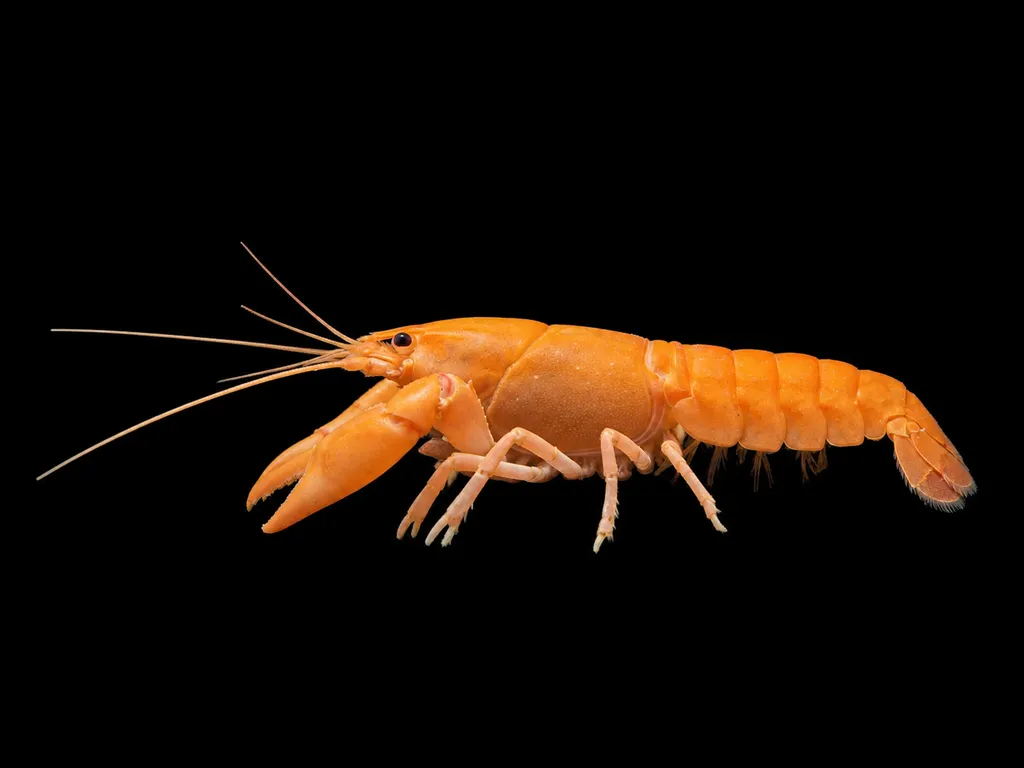
Apricot crayfish
Cherax holthuisi
4.7 in (12 cm) · 20 gal (75 L)
 4.7 in (12 cm)20 gal (75 L)72–82°F (22–28°C)
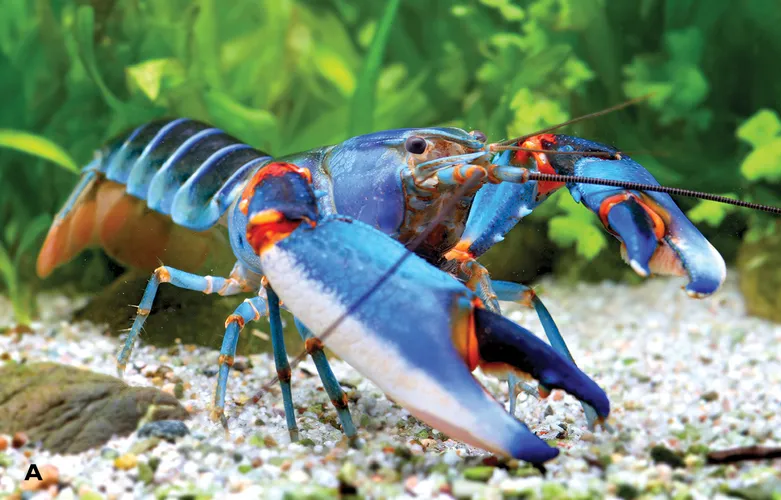
Blue Kong zebra crayfish
Cherax alyciae
4.7 in (12 cm) · 20 gal (75 L)
 4.7 in (12 cm)20 gal (75 L)72–82°F (22–28°C)
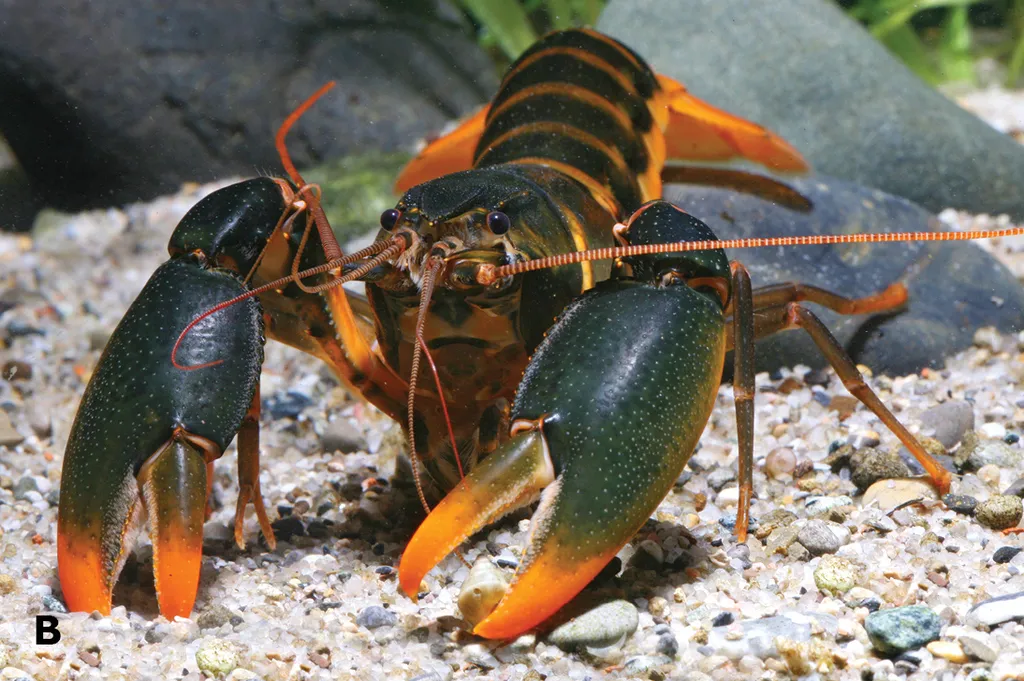
Irianto red crayfish
Cherax snowden
4.7 in (12 cm) · 20 gal (75 L)
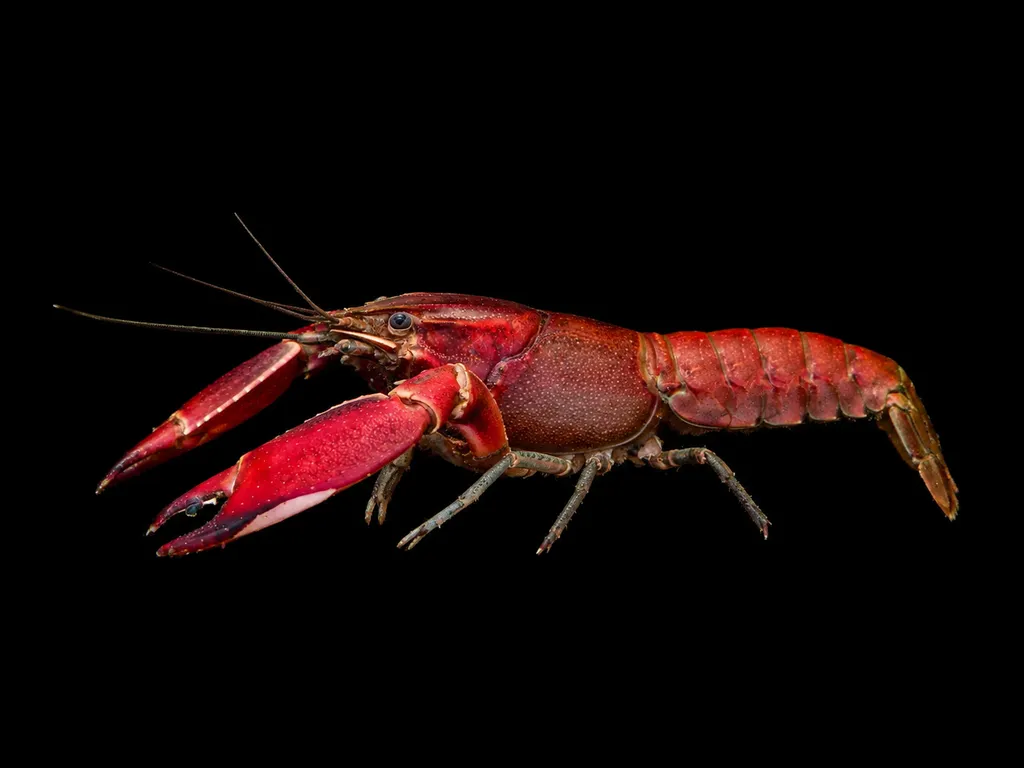 4.7 in (12 cm)20 gal (75 L)72–82°F (22–28°C)
Red brick crayfish
Cherax wagenknechtae
4.7 in (12 cm) · 20 gal (75 L)
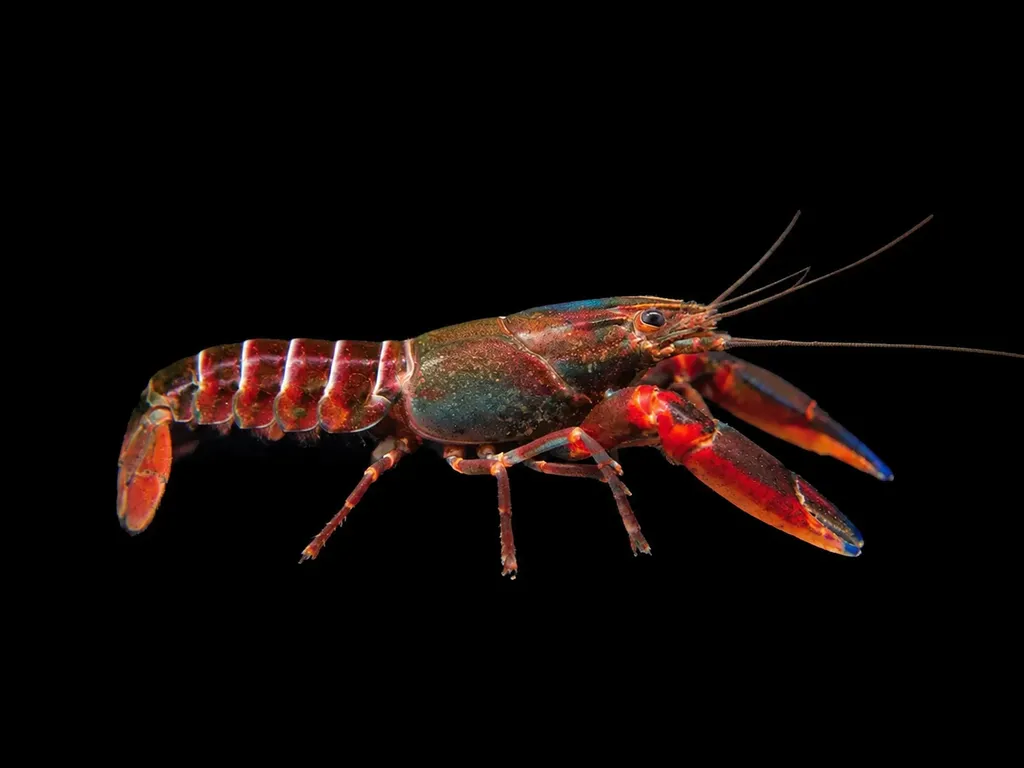 4.7 in (12 cm)20 gal (75 L)72–82°F (22–28°C)
Red Kong zebra crayfish
Cherax mosessalossa
4.7 in (12 cm) · 20 gal (75 L)
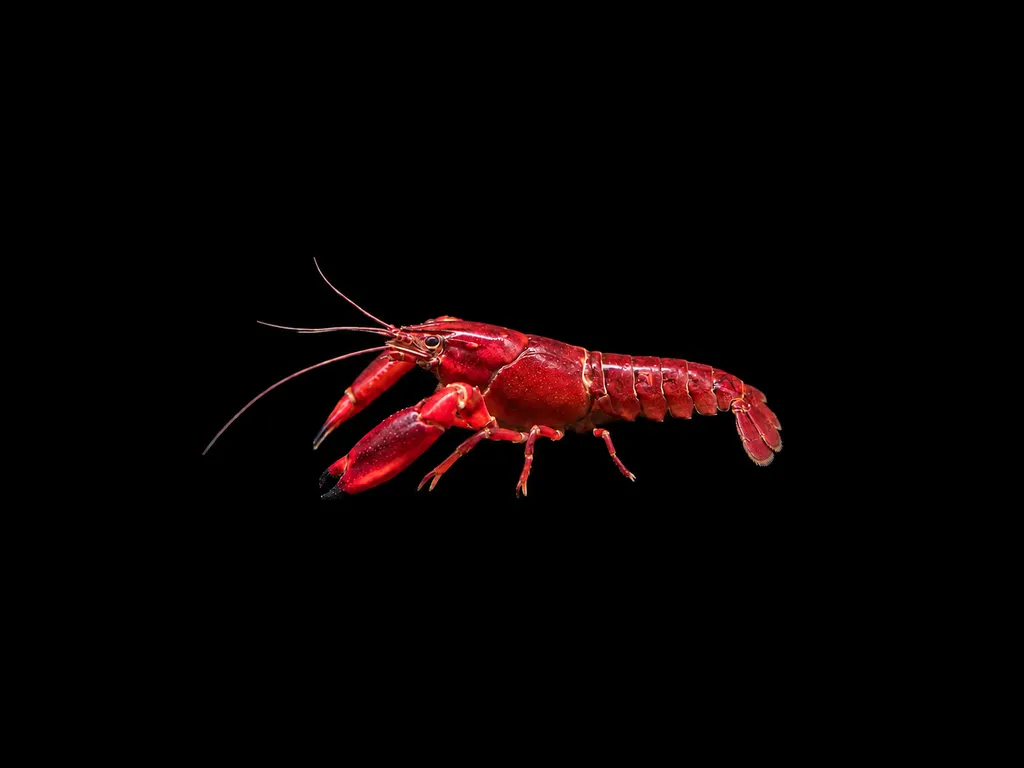 4.7 in (12 cm)20 gal (75 L)72–82°F (22–28°C)
Super red crayfish
Cherax boesemani
4.7 in (12 cm) · 20 gal (75 L)