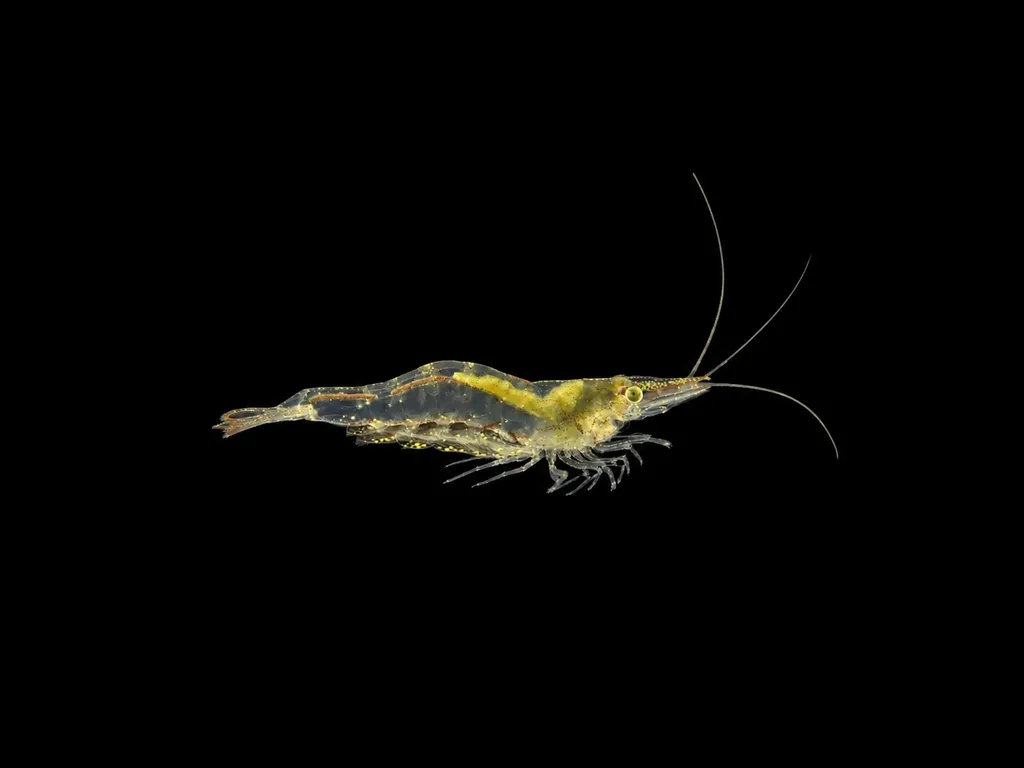
Sulawesi harlequin shrimp
Caridina woltereckae
Also known as Towuti beauty shrimp, Celebes beauty shrimp, Towoti beauty shrimp
FreshwaterShrimp
Care at a glance
- Temperature
- 79–88°F
- 26–31°C
- pH
- 7.5–8.5
- Adult size
- 1 in
- 2.5 cm
- Minimum tank
- 5 gal
- 20 L
- Temperament
- Peaceful
- Social behavior
- Social
- Swim level
- Bottom
- Difficulty
- Medium
- Breeding
- Medium
- Rarity
- Rare
- Family
- Atyidae
- Origin
- Lake Towuti, Sulawesi, Indonesia
Overview
The Sulawesi harlequin shrimp is the showpiece of the Sulawesi shrimp, a small, peaceful species for a warm, hard-water tank. It suits a keeper with a little experience.
Did you know
Every Sulawesi harlequin shrimp in the hobby traces back to a single lake. Pressure on that one body of water, from mining and introduced fish, puts the whole species at risk.
Caring for the Sulawesi harlequin shrimp
Keep Sulawesi harlequin shrimp as a colony of at least six, in a tank set up for them alone. A well-established tank of 5 gal (20 L) or larger is enough, with strong filtration and rock cover. In a stable, biofilm-rich tank they come out into the open.
Keep the water hard and hold it at 79 to 88°F (26 to 31°C) and a pH of 7.5 to 8.5. The heat and chemistry must hold rock steady, with no sudden changes. Acclimate them slowly and carefully, since this shrimp does not forgive swings.
Feed fine shrimp foods, and let a mature tank grow the biofilm they graze. Keep them only with their own kind or other Sulawesi shrimp, never with fish that eat shrimp or in a soft-water community.
Sulawesi harlequin shrimp are direct developers and breed in fresh water. Spawning is of medium difficulty, and keeping them in the exacting water they need is the real work.
Good to know
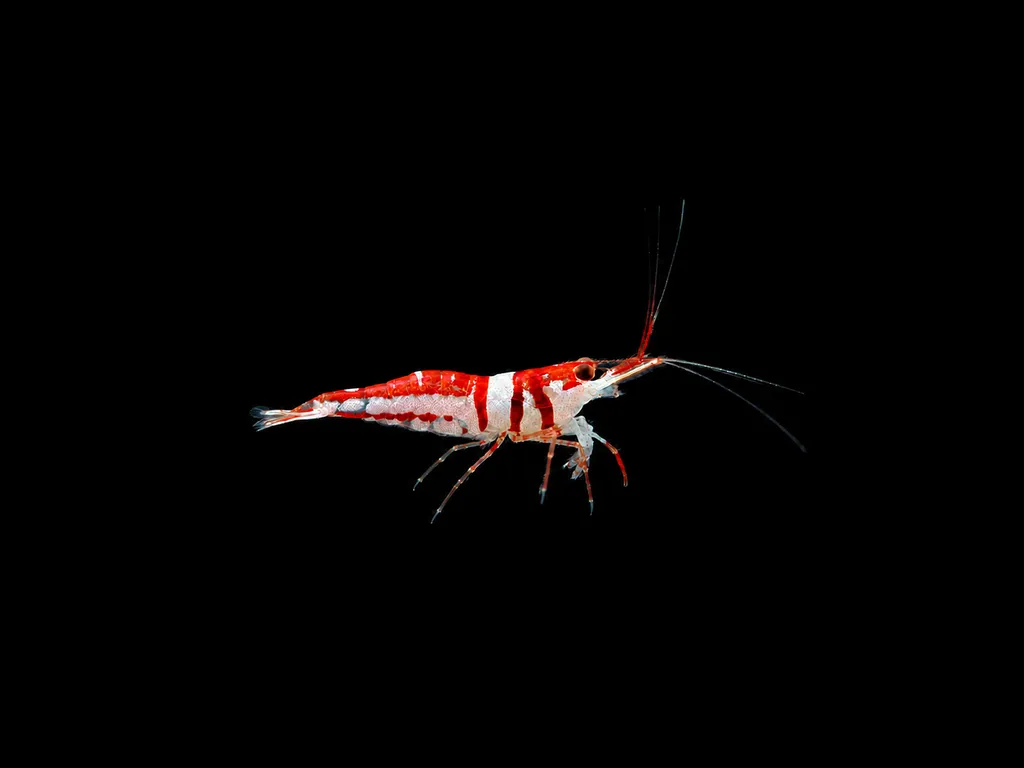
The Sulawesi harlequin shrimp is Caridina woltereckae, an atyid dwarf shrimp described in 2009. It is banded in white and deep oxblood red. Shops also sell it as the Towuti beauty or Celebes beauty shrimp. It is listed as Critically Endangered in the wild.
In the wild
The Sulawesi harlequin shrimp is found only in the clear, rocky shallows of Lake Towuti in Sulawesi. The water there is warm, alkaline and remarkably constant.
Weekly picks
Tank mates
The Sulawesi harlequin shrimp is a peaceful, social species that keeps to the bottom. These picks share a community profile with it, are safe together in both directions, and overlap on water type, temperature and pH.
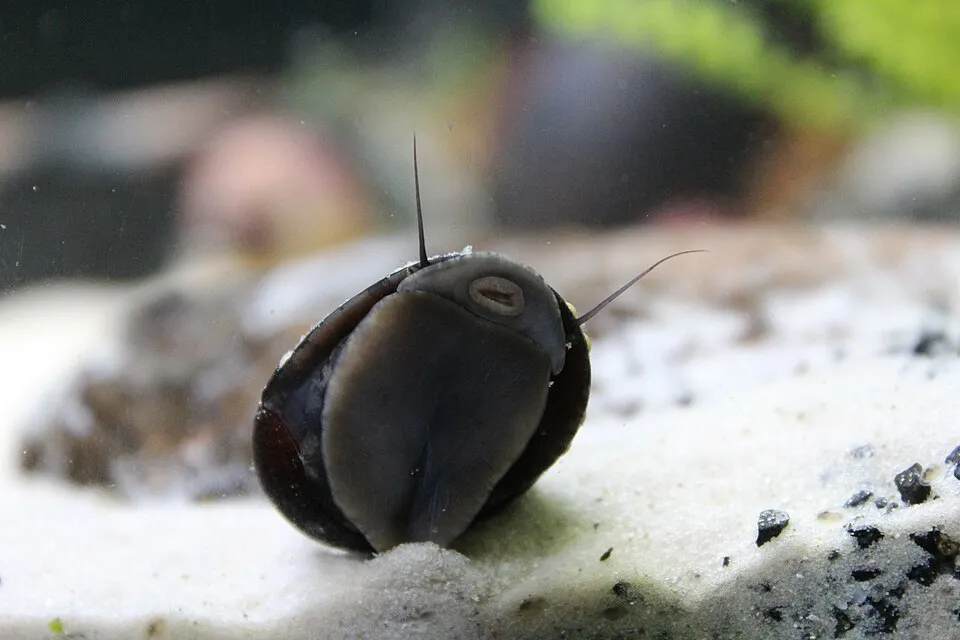
Dusky nerite snail
Neritina pulligera
FreshwaterBrackish1.6 in (4 cm) · 5 gal (20 L)72–82°F (22–28°C)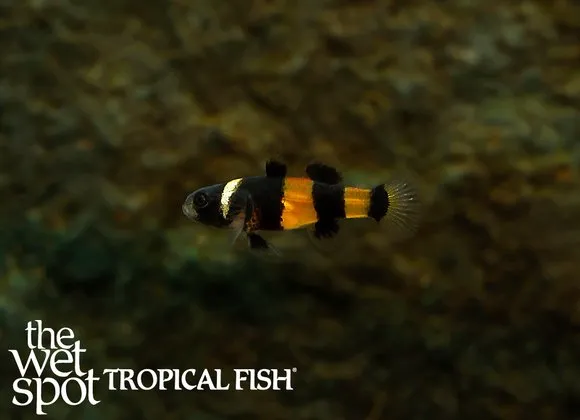
Sabanus bumblebee goby
Brachygobius sabanus
Freshwater1.2 in (3 cm) · 11 gal (40 L)75–82°F (24–28°C)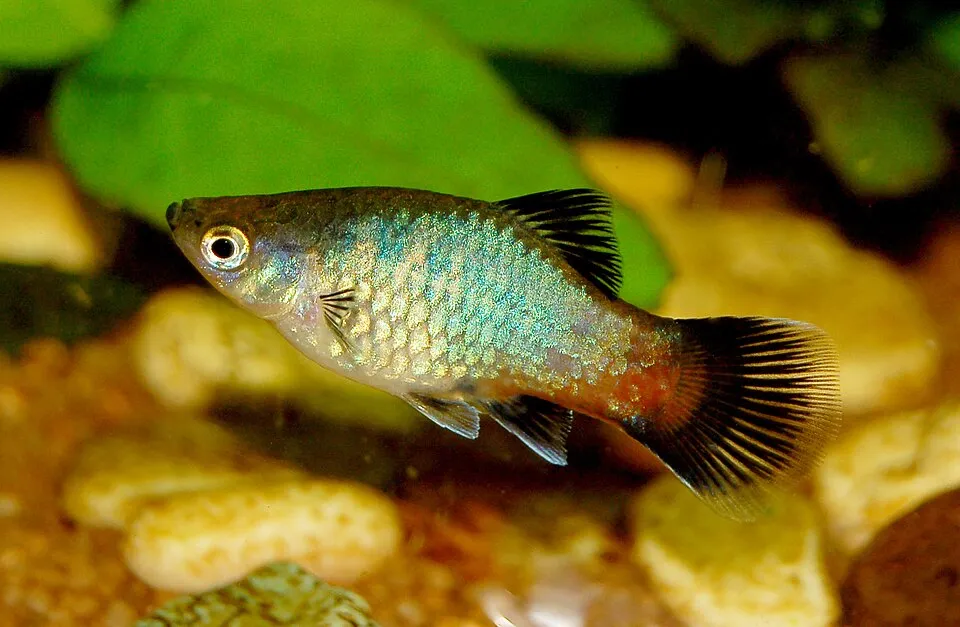
Southern platy
Xiphophorus maculatus
Freshwater2.8 in (7 cm) · 10 gal (38 L)68–79°F (20–26°C)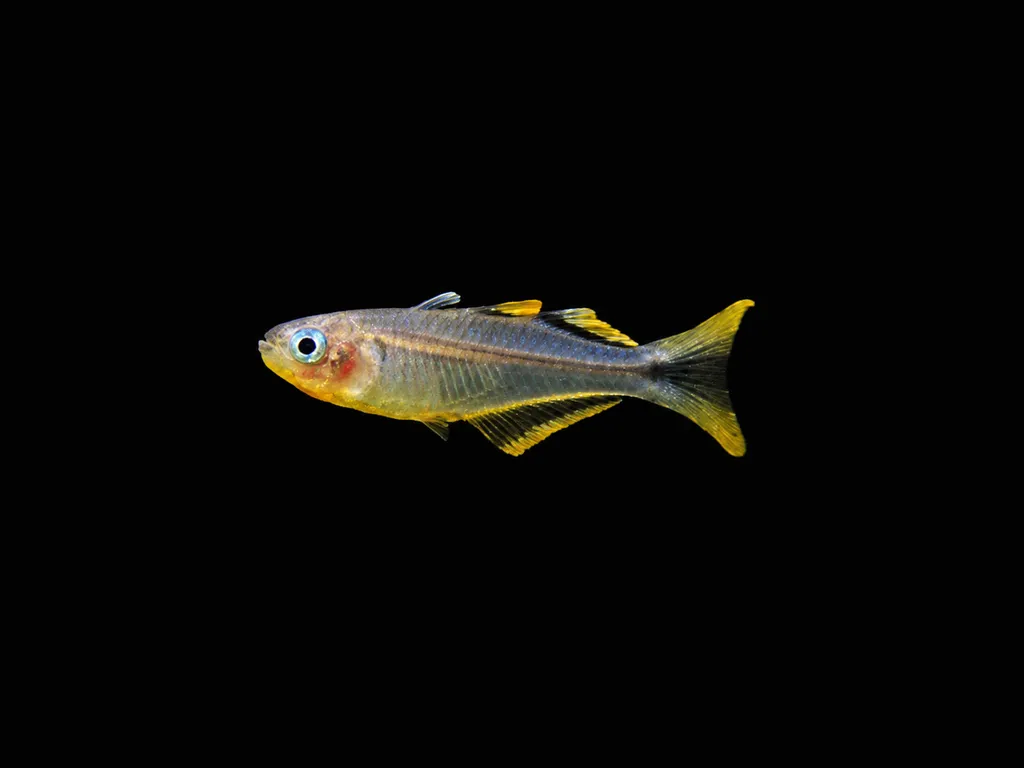
Popondetta blue-eye
Pseudomugil connieae
Freshwater2 in (5 cm) · 11 gal (40 L)75–82°F (24–28°C)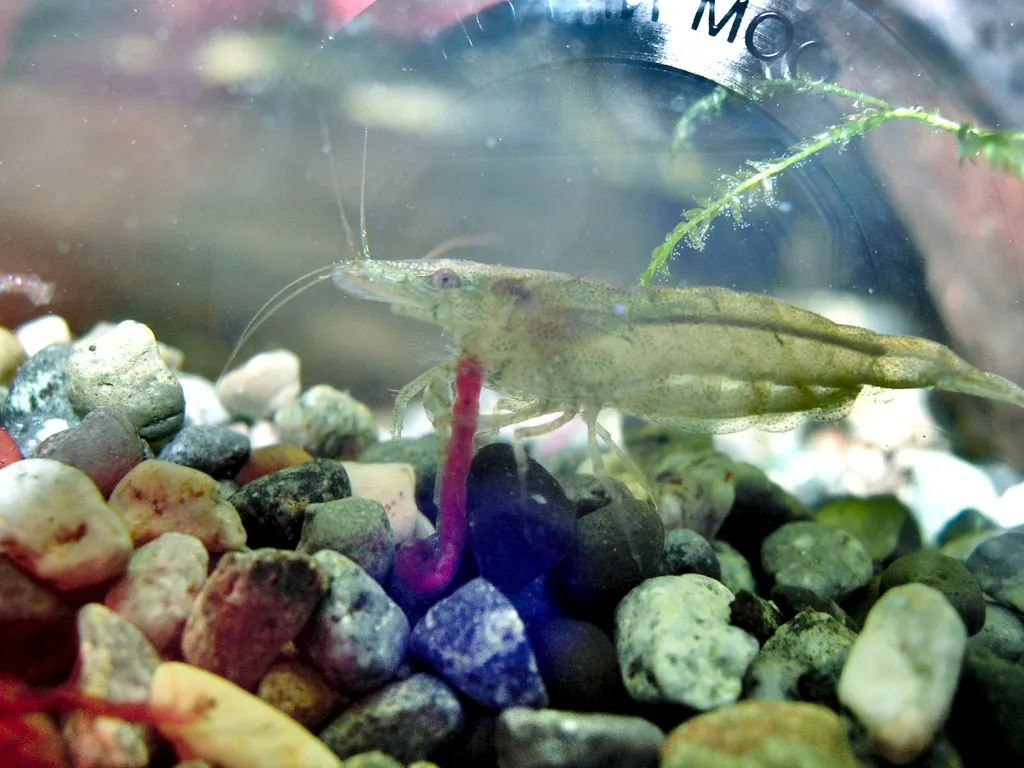
Okinawa cleaner shrimp
Neocaridina denticulata
Freshwater1.2 in (3 cm) · 5 gal (20 L)64–79°F (18–26°C)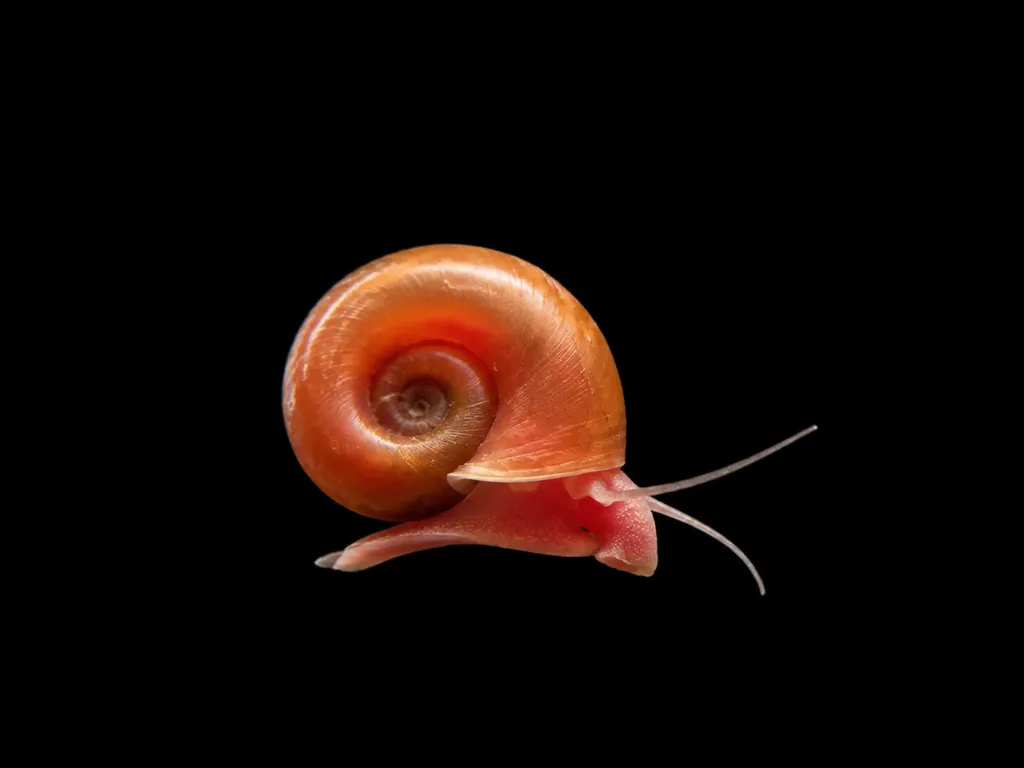
Red ramshorn snail
Indoplanorbis exustus
Freshwater0.8 in (2 cm) · 5 gal (20 L)68–86°F (20–30°C)
Common questions
What size tank does a Sulawesi harlequin shrimp need?
A Sulawesi harlequin shrimp needs at least 5 gal (20 L). It spends most of its time in the bottom.
What temperature and pH does a Sulawesi harlequin shrimp need?
A Sulawesi harlequin shrimp is comfortable at 79–88°F (26–31°C) with a pH of 7.5–8.5.
What does a Sulawesi harlequin shrimp eat?
A Sulawesi harlequin shrimp grazes the biofilm in a mature tank. Feed it fine shrimp foods as well.
How big does a Sulawesi harlequin shrimp get?
An adult Sulawesi harlequin shrimp reaches about 1 in (2.5 cm).
How does a Sulawesi harlequin shrimp breed?
Sulawesi harlequin shrimp are direct developers and breed in fresh water. Spawning is of medium difficulty, and the exacting water they need is the real work.
Related species
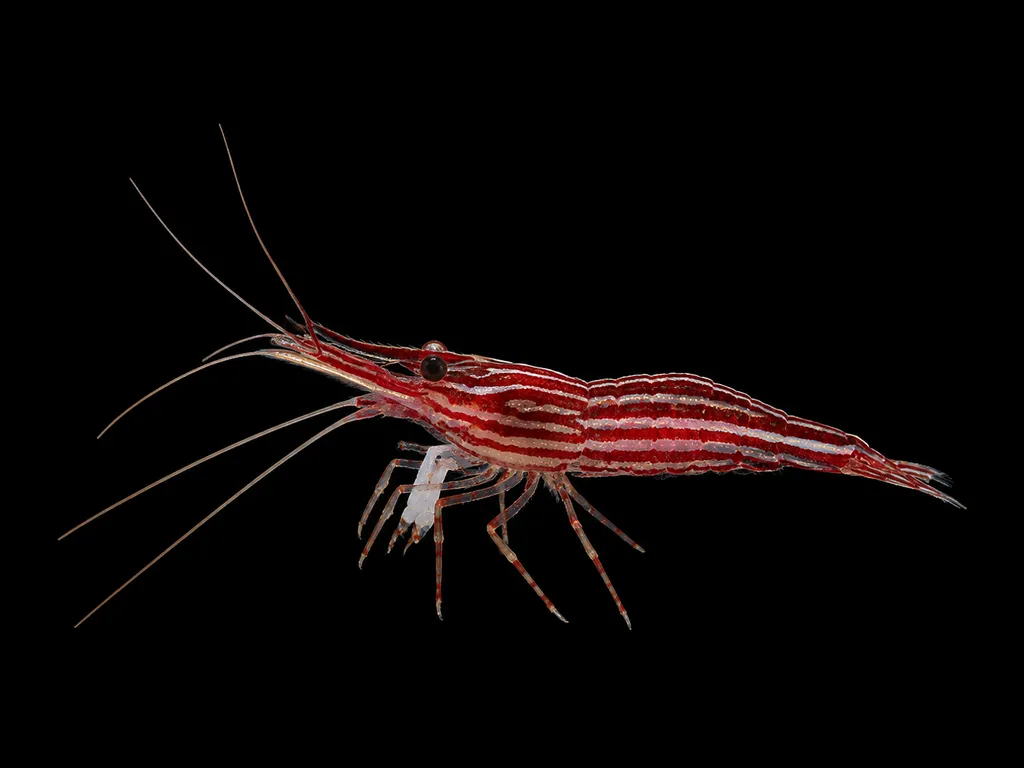 1 in (2.5 cm)5 gal (20 L)79–88°F (26–31°C)
Red line shrimp
Caridina striata
1 in (2.5 cm) · 5 gal (20 L)
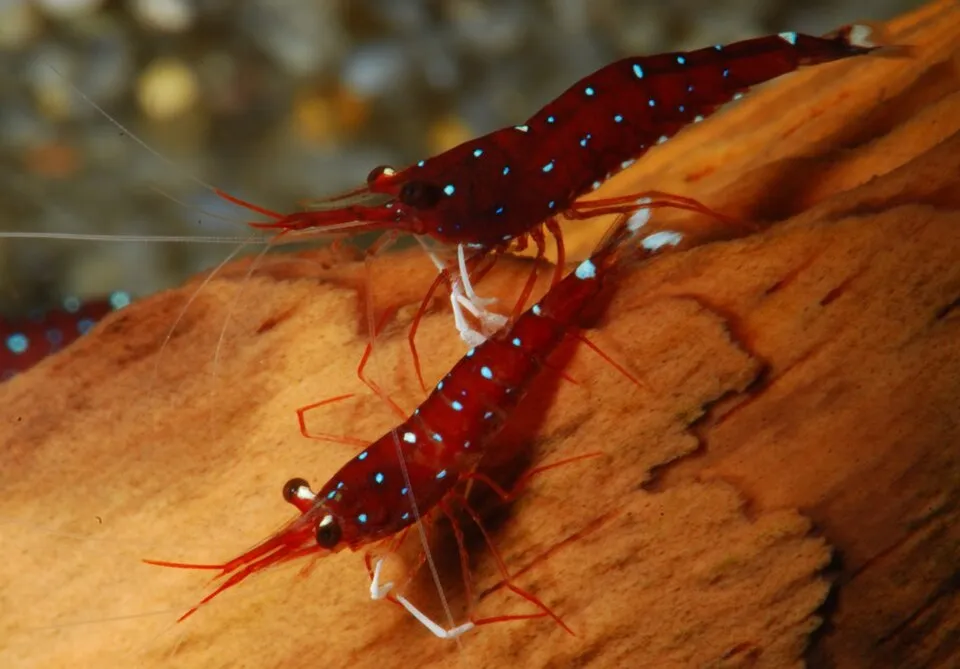 1 in (2.5 cm)5 gal (20 L)79–88°F (26–31°C)
Sulawesi shrimp
Caridina dennerli
1 in (2.5 cm) · 5 gal (20 L)
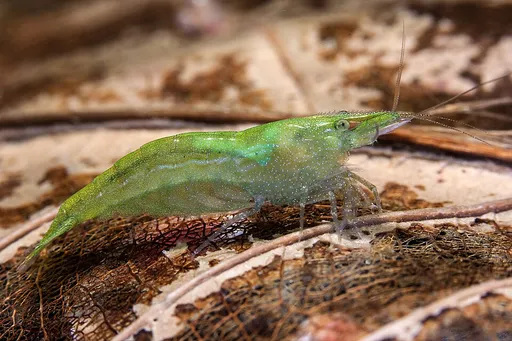 1.2 in (3 cm)10 gal (38 L)72–82°F (22–28°C)
Green babaulti shrimp
Caridina babaulti
1.2 in (3 cm) · 10 gal (38 L)
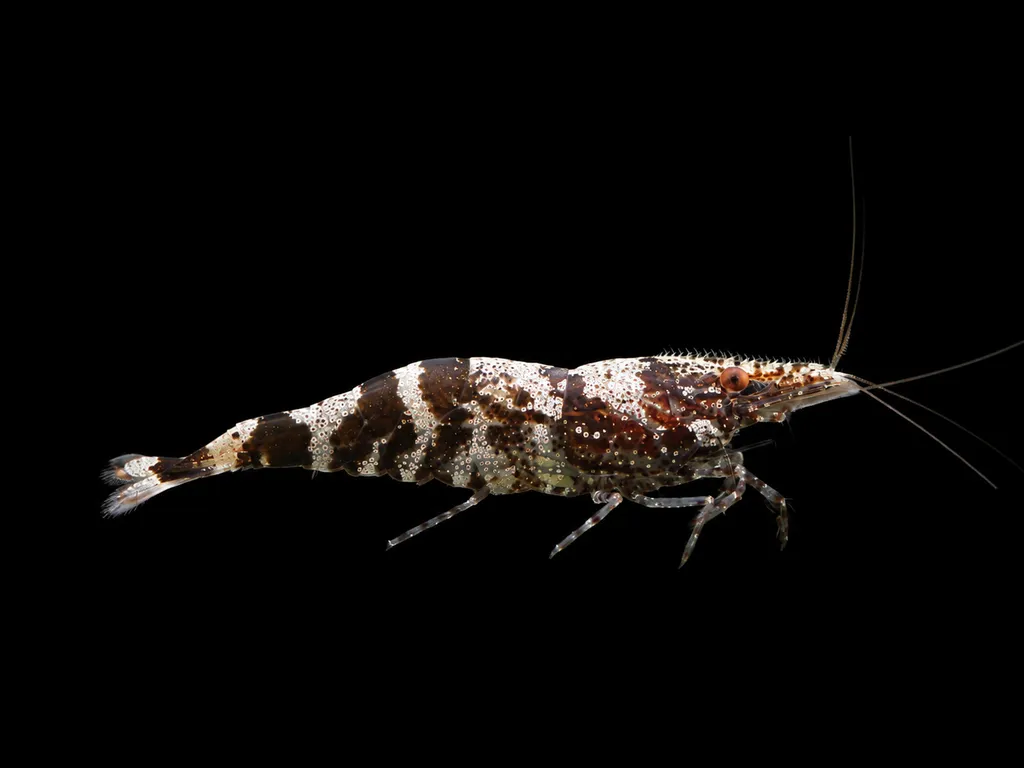 1.2 in (3 cm)5 gal (20 L)73–82°F (23–28°C)
Ninja shrimp
Caridina serratirostris
1.2 in (3 cm) · 5 gal (20 L)
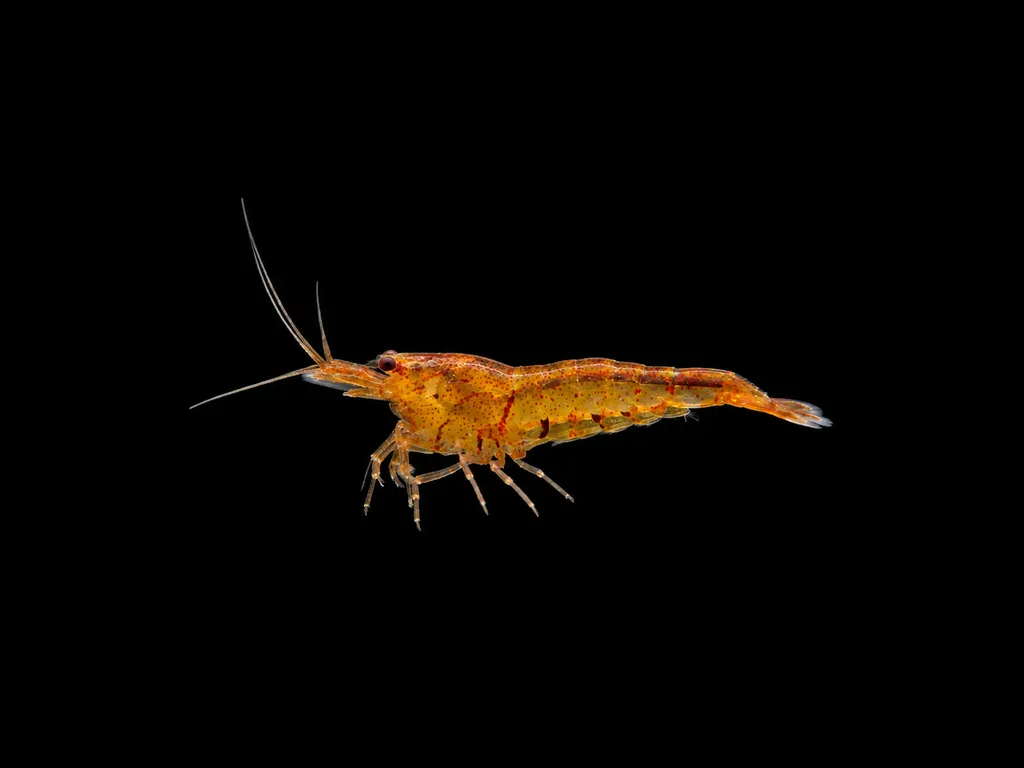 1.2 in (3 cm)5 gal (20 L)68–79°F (20–26°C)
Tangerine tiger shrimp
Caridina serrata
1.2 in (3 cm) · 5 gal (20 L)
 1.4 in (3.5 cm)5 gal (20 L)73–82°F (23–28°C)
Short-nose algae shrimp
Caridina longirostris
1.4 in (3.5 cm) · 5 gal (20 L)