Sulawesi shrimp
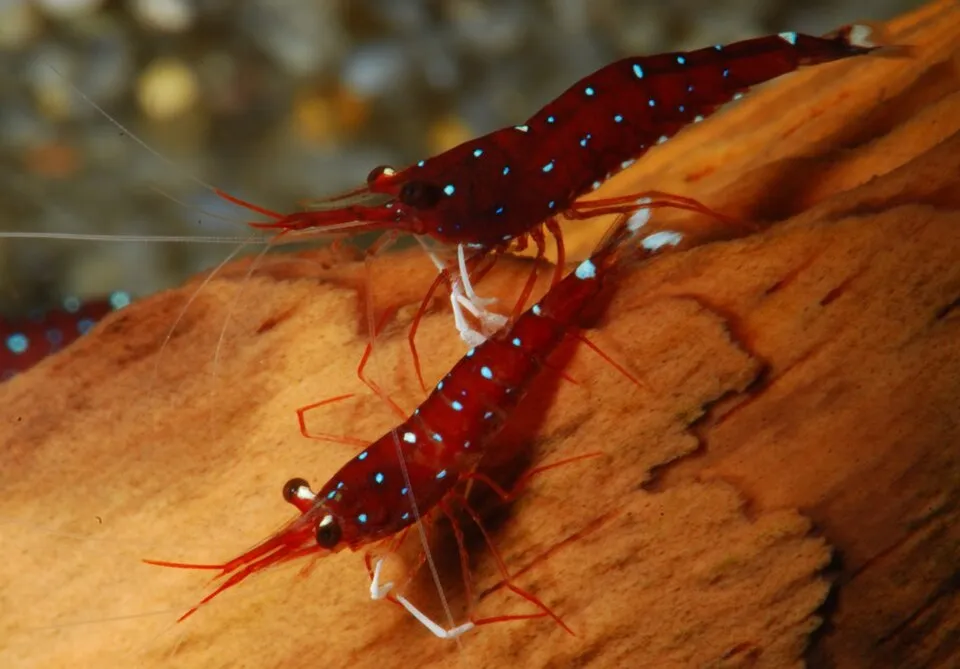
Caridina dennerli
Also known as cardinal shrimp, Matano Blue Dot Shrimp
FreshwaterShrimp
Care at a glance
- Temperature
- 79–88°F
- 26–31°C
- pH
- 7.5–8.5
- Adult size
- 1 in
- 2.5 cm
- Minimum tank
- 5 gal
- 20 L
- Temperament
- Peaceful
- Social behavior
- Social
- Swim level
- Bottom
- Difficulty
- Medium
- Breeding
- Easy
- Rarity
- Very rare
- Family
- Atyidae
- Origin
- Sulawesi
Overview
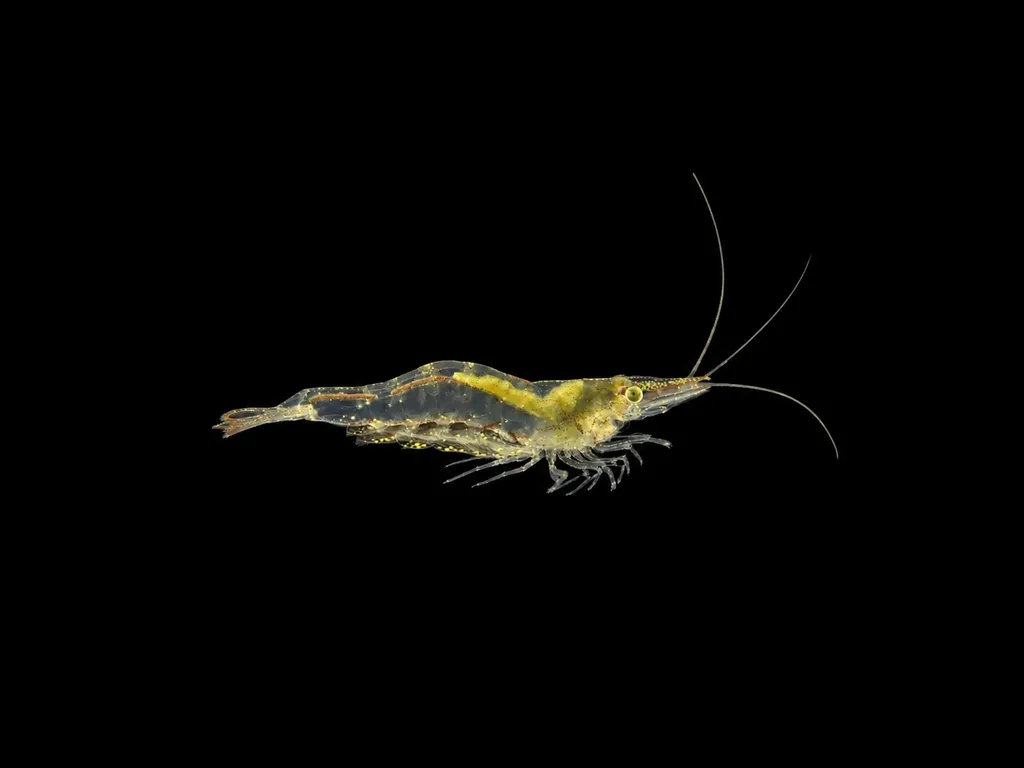
Cardinal shrimp are tiny deep-red dwarf shrimp dotted with white and tipped with white legs, and they do best in a colony grazing biofilm and algae from rock and wood. They are peaceful and delicate, so a dedicated species tank with no fish is safest. Their needs are exacting: warm, hard, alkaline, and above all steady water, since sudden changes stress them badly. Never let copper near them, as it is fatal to shrimp. Feed a fine shrimp food, biofilm, and a little algae. Once a group is settled in the right water it breeds on its own. A stable tank of 20 liters or more suits a colony.
In the wild
Cardinal shrimp are found only in Lake Matano on Sulawesi, an ancient lake whose water is warm, hard, mineral-rich, and alkaline all year. To keep them, a tank has to hold those conditions closely: a temperature from about 26 to 31 c and a pH from 7.5 to 8.5, usually built from remineralized water and a mineral-rich substrate or rock. Warm water holds little oxygen, so gentle surface movement helps. Rocks and wood covered in biofilm give the shrimp both cover and grazing.
Good to know
Caridina dennerli is a dwarf shrimp in the family Atyidae, endemic to a single Indonesian lake and listed as critically endangered in the wild. Adults are very small, only about 2 to 2.5 cm. Like other Caridina it breeds fully in fresh water with no larval stage: a berried female carries a small clutch of around fifteen eggs that hatch as miniature shrimp. In a stable tank at the right parameters a colony renews itself steadily, so breeding is easy once the shrimp are truly settled.
Did you know
Cardinal shrimp want the opposite of most dwarf shrimp: warm, hard, alkaline water rather than cool and soft. They live naturally in only one lake, Matano, which is why steady Sulawesi-style water is the whole secret to keeping them.
Weekly picks
Tank mates
Sulawesi shrimp is a peaceful, social species that keeps to the bottom. These picks share a community profile with it, are safe together in both directions, and overlap on water type, temperature and pH.
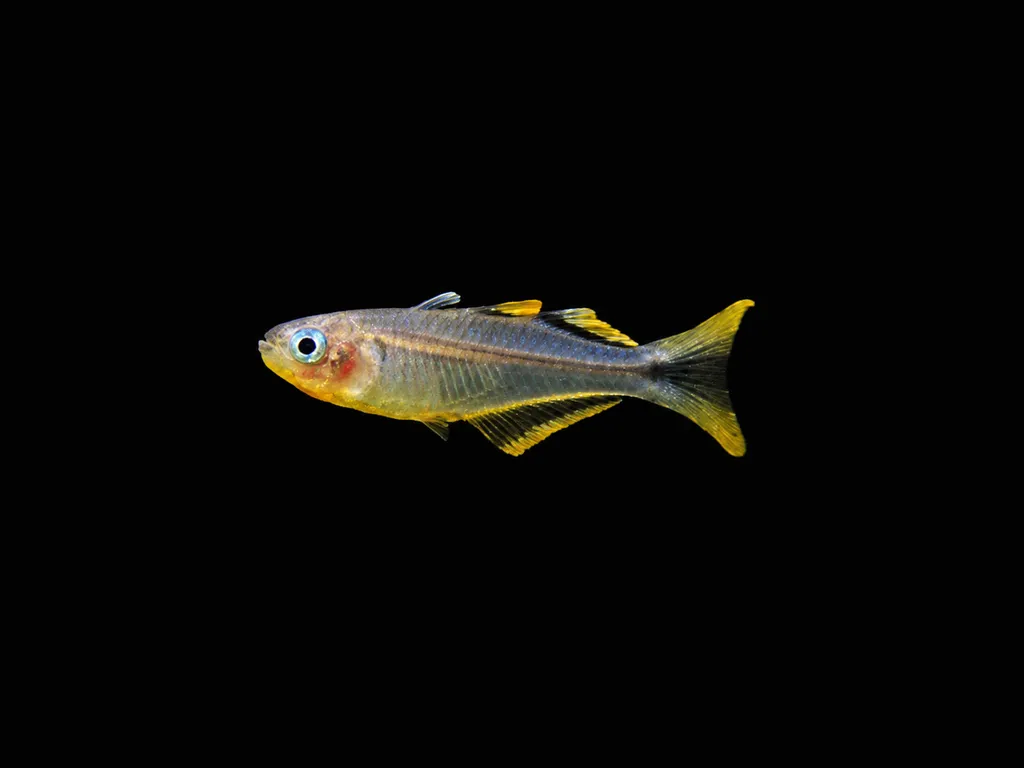
Popondetta blue-eye
Pseudomugil connieae
Freshwater2 in (5 cm) · 11 gal (40 L)75–82°F (24–28°C)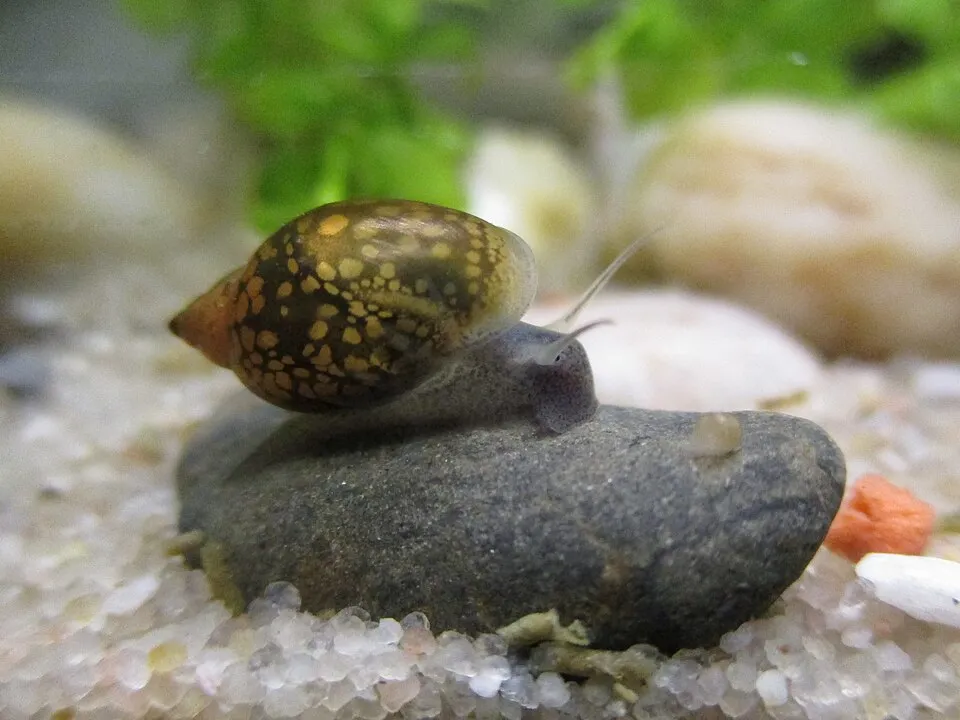
Bladder snail
Physella acuta
Freshwater0.6 in (1.5 cm) · 5 gal (20 L)57–86°F (14–30°C)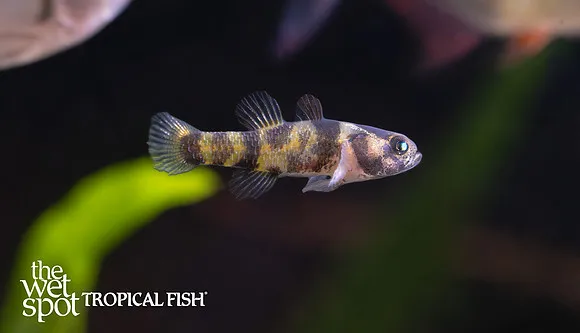
Micro bumblebee goby
Brachygobius nunus
FreshwaterBrackish1 in (2.5 cm) · 5 gal (20 L)73–82°F (23–28°C)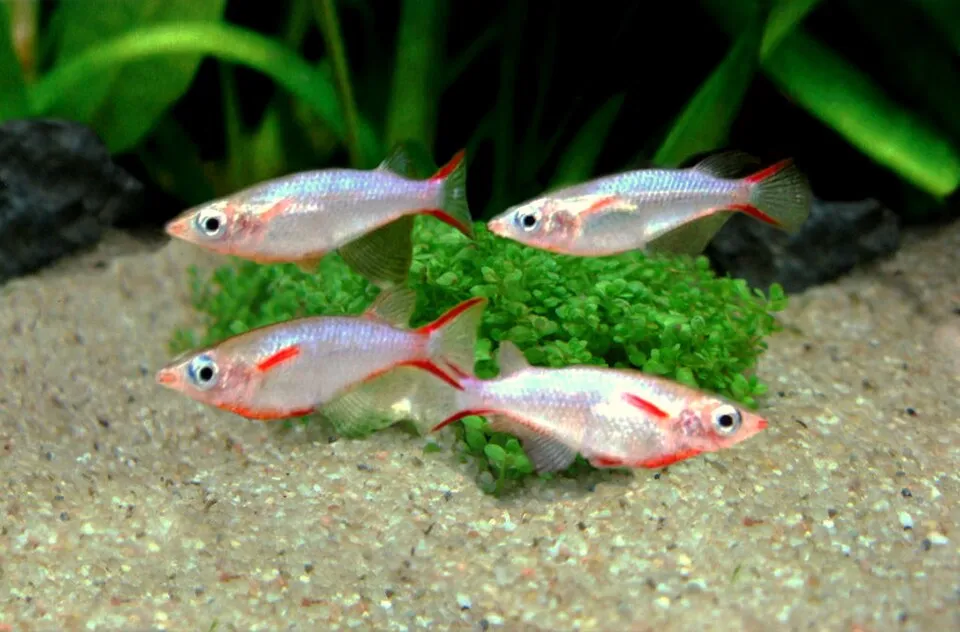
Daisy's ricefish
Oryzias woworae
Freshwater1.2 in (3 cm) · 9 gal (35 L)73–81°F (23–27°C)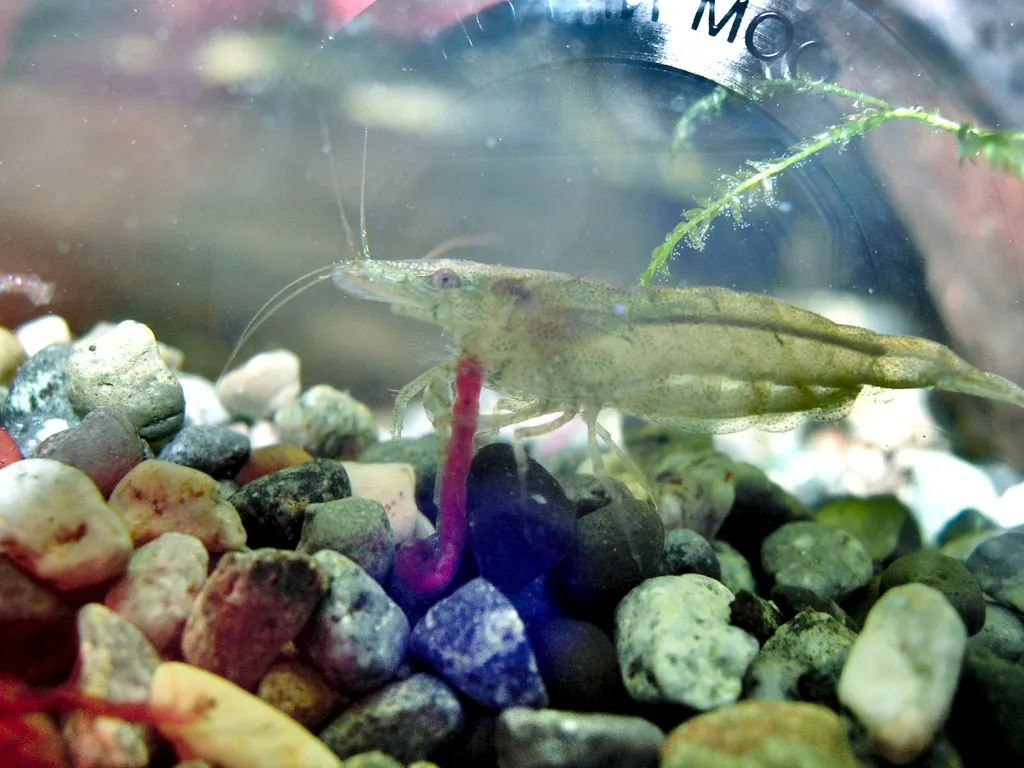
Okinawa cleaner shrimp
Neocaridina denticulata
Freshwater1.2 in (3 cm) · 5 gal (20 L)64–79°F (18–26°C)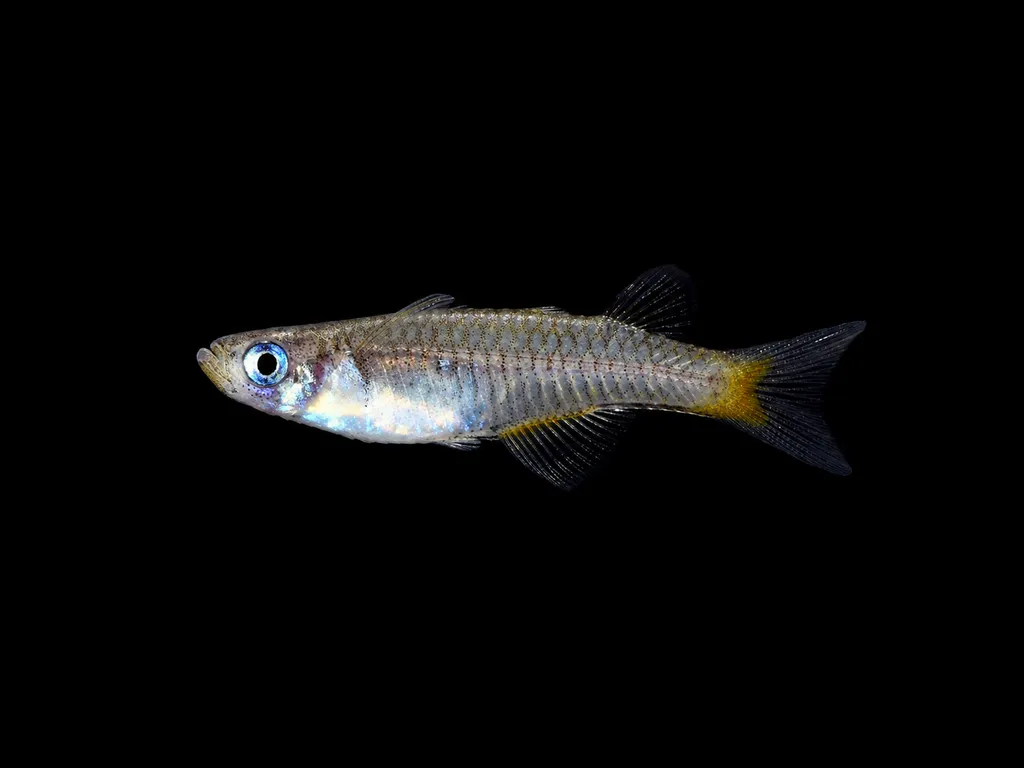
Swamp blue-eye
Pseudomugil paludicola
Freshwater1.4 in (3.5 cm) · 11 gal (40 L)79–86°F (26–30°C)
Common questions
What size tank does a Sulawesi shrimp need?
A Sulawesi shrimp needs at least 5 gal (20 L). It spends most of its time in the bottom.
What temperature and pH does a Sulawesi shrimp need?
A Sulawesi shrimp is comfortable at 79–88°F (26–31°C) with a pH of 7.5–8.5.
How big does a Sulawesi shrimp get?
An adult Sulawesi shrimp reaches about 1 in (2.5 cm).
Related species
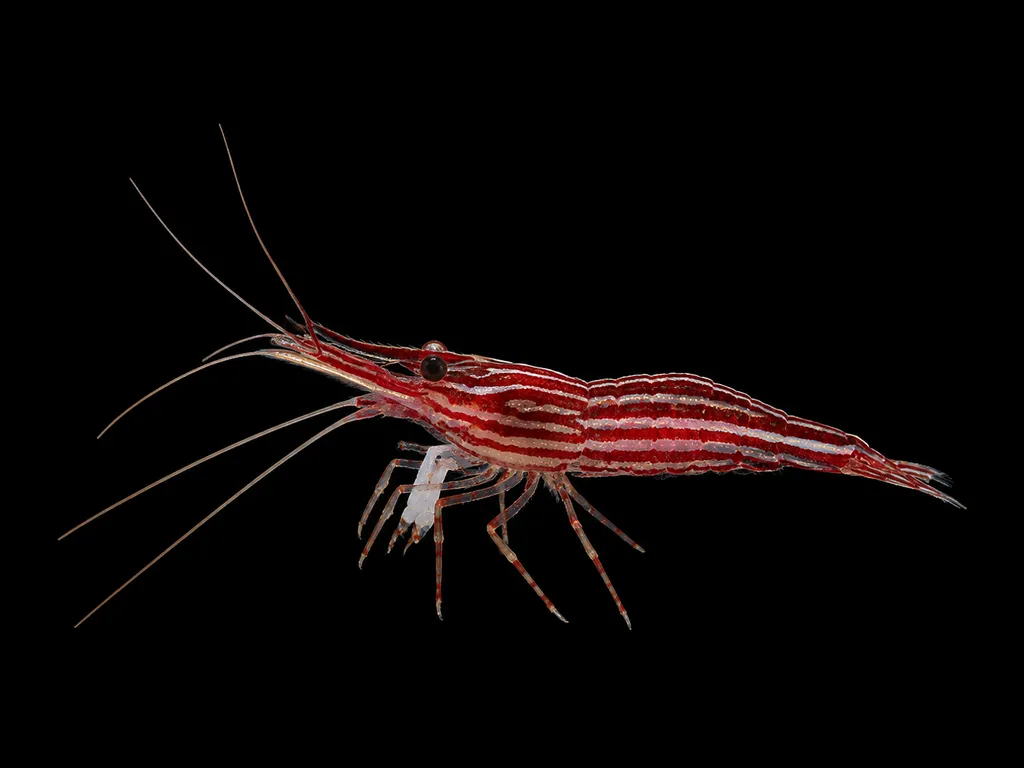 1 in (2.5 cm)5 gal (20 L)79–88°F (26–31°C)
Red line shrimp
Caridina striata
1 in (2.5 cm) · 5 gal (20 L)
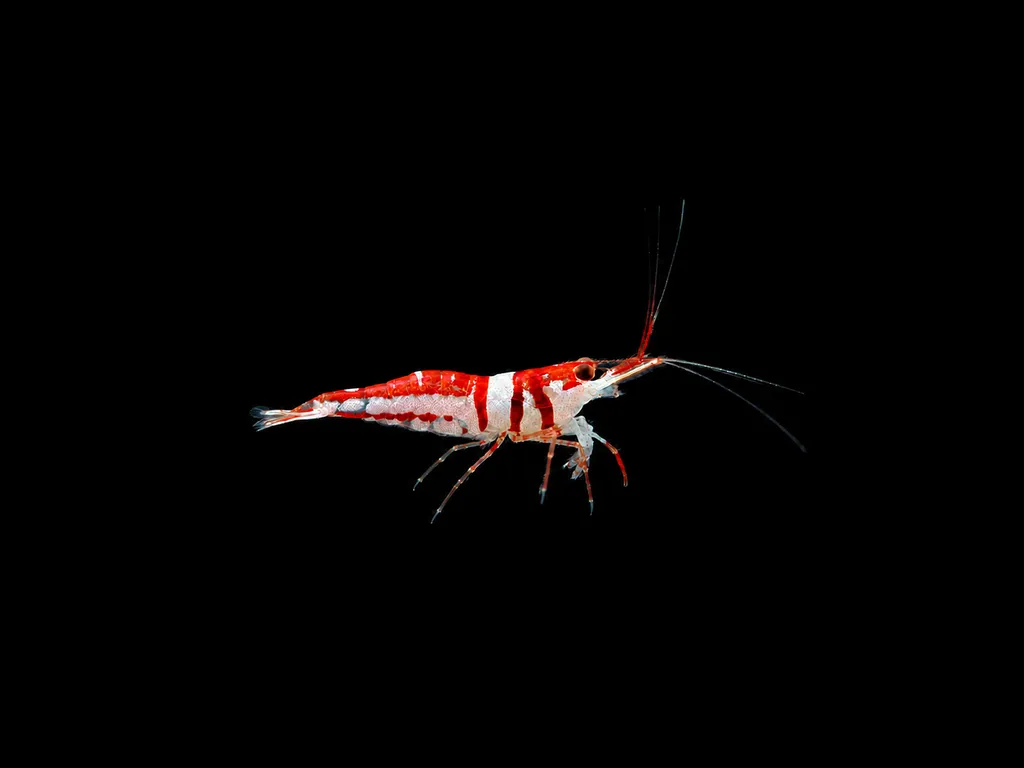 1 in (2.5 cm)5 gal (20 L)79–88°F (26–31°C)
Sulawesi harlequin shrimp
Caridina woltereckae
1 in (2.5 cm) · 5 gal (20 L)
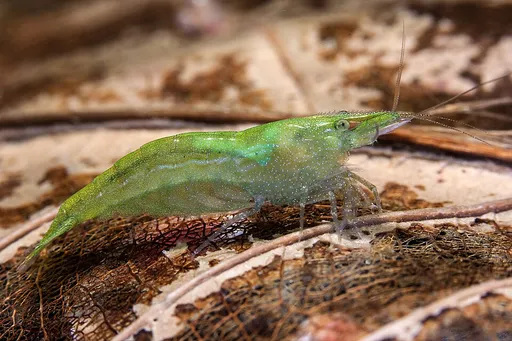 1.2 in (3 cm)10 gal (38 L)72–82°F (22–28°C)
Green babaulti shrimp
Caridina babaulti
1.2 in (3 cm) · 10 gal (38 L)
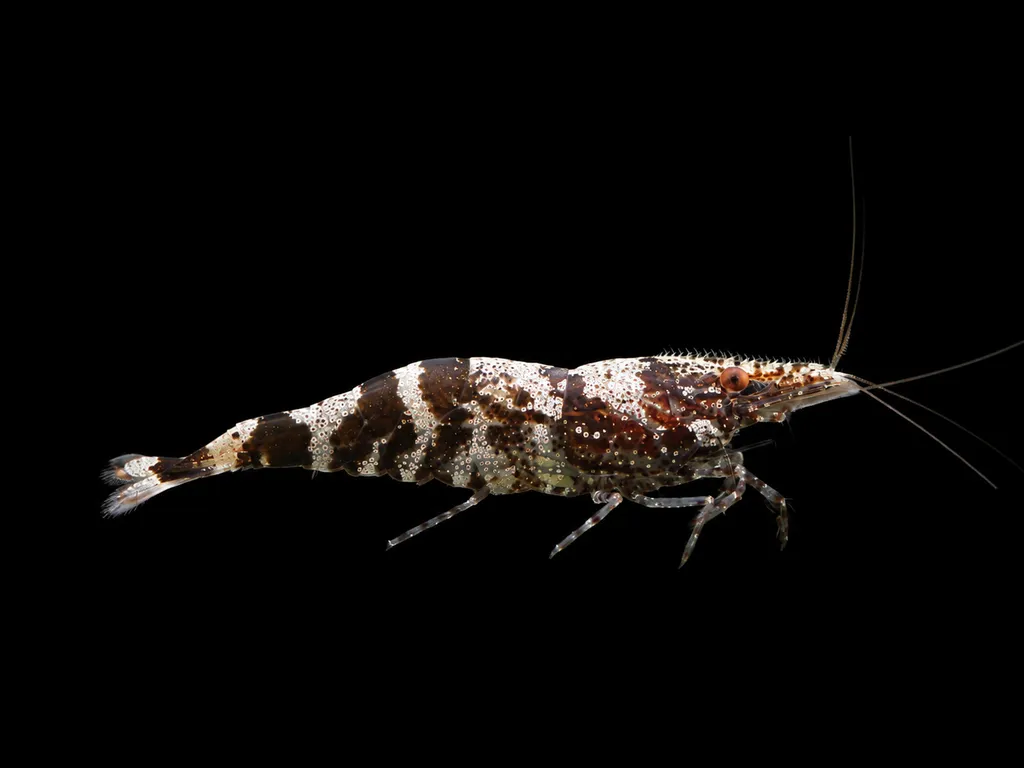 1.2 in (3 cm)5 gal (20 L)73–82°F (23–28°C)
Ninja shrimp
Caridina serratirostris
1.2 in (3 cm) · 5 gal (20 L)
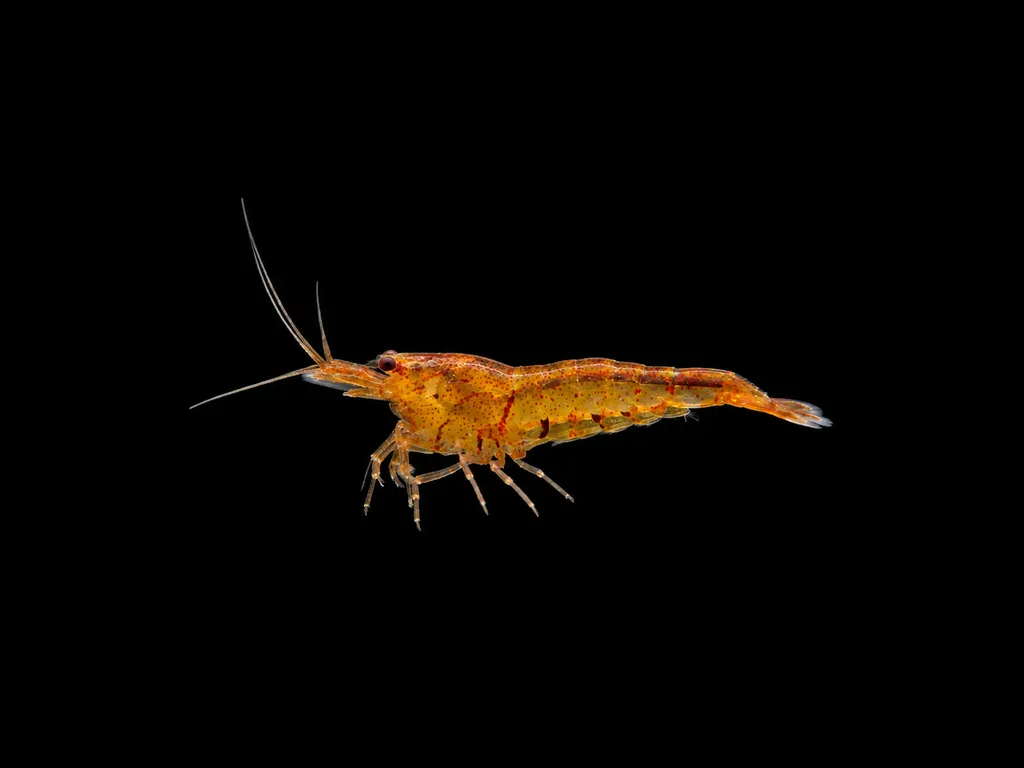 1.2 in (3 cm)5 gal (20 L)68–79°F (20–26°C)
Tangerine tiger shrimp
Caridina serrata
1.2 in (3 cm) · 5 gal (20 L)
 1.4 in (3.5 cm)5 gal (20 L)73–82°F (23–28°C)
Short-nose algae shrimp
Caridina longirostris
1.4 in (3.5 cm) · 5 gal (20 L)