Glass goby
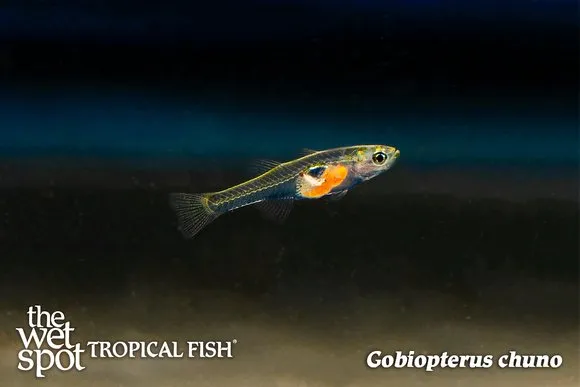
Gobiopterus chuno
Also known as Chuno goby
FreshwaterFish
Care at a glance
- Temperature
- 75–82°F
- 24–28°C
- pH
- 6.5–7.8
- Adult size
- 1 in
- 2.5 cm
- Minimum tank
- 11 gal
- 40 L
- Temperament
- Mostly peaceful
- Social behavior
- Schooling
- Swim level
- Middle
- Diet
- Carnivore
- Difficulty
- Medium
- Breeding
- No record
- Rarity
- Rare
- Family
- Oxudercidae
- Origin
- South and Southeast Asian lowlands
Overview
The glass goby is a tiny, transparent goby that hovers midwater in a loose school instead of sitting on the bottom. It is best with a little experience.
Did you know
The glass goby is so clear that its backbone and internal organs show through the flesh.
Caring for the glass goby
A gentle, mature tank of at least 11 gal (40 L) suits a school of glass gobies. Plant it well and keep it calm, with soft, diffuse light. Use gentle filtration that will not draw in such a small fish.
Keep the water very clean and warm, at 75 to 82°F (24 to 28°C) and a pH of 6.5 to 7.8. It feeds on very small live and frozen foods such as baby brine shrimp, cyclops and microworm, which it picks from open water.
Keep a good group of at least eight to ten, and more if you can, since lone fish and small groups fade and hide. It is mostly peaceful and far too small to bother anything. It is easily out-competed, though, so give it equally tiny, gentle tank mates or a tank of its own. There is no established record of it breeding in aquaria.
Good to know
Gobiopterus chuno is a member of the family Oxudercidae, described by Hamilton in 1822. It is one of the smallest fish kept, and it is also known as the chuno goby.
In the wild
The glass goby hangs midwater in the slow, lowland reaches of rivers, backwaters and swamps, from India across to Southeast Asia. It lives in fresh and sometimes lightly brackish water, feeding on drifting zooplankton.
Weekly picks
Tank mates
The glass goby is a mostly peaceful, schooling species that keeps to the middle. These picks share a community profile with it, are safe together in both directions, and overlap on water type, temperature and pH.
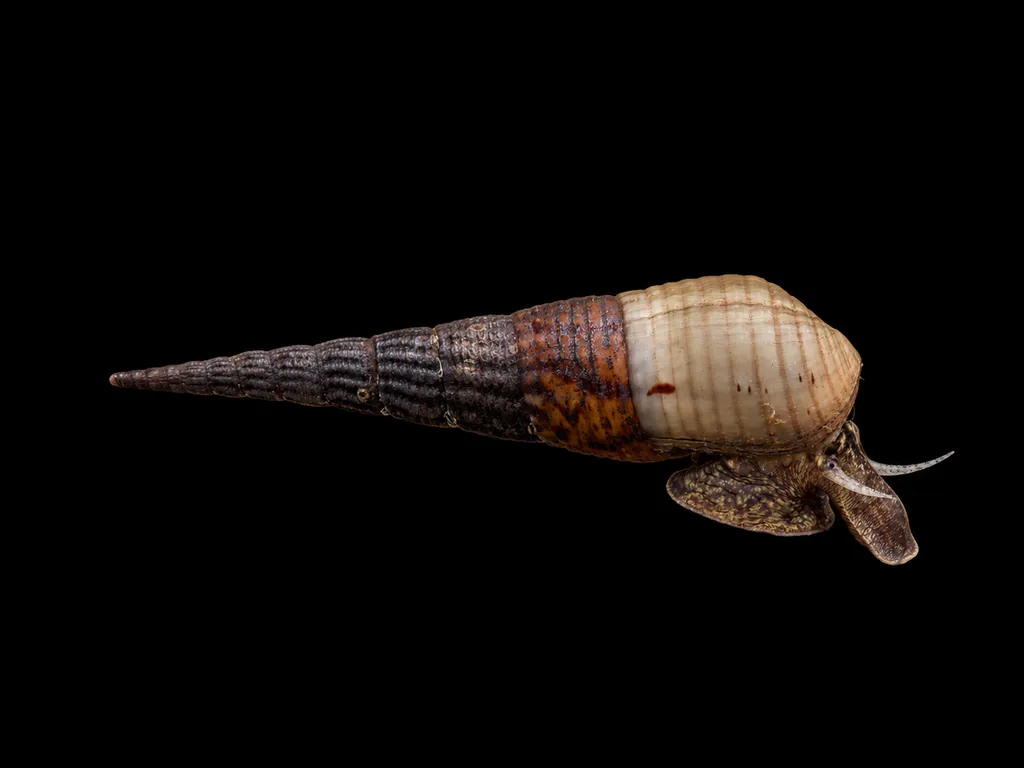
Chopstick snail
Stenomelania torulosa
Freshwater2 in (5 cm) · 11 gal (40 L)73–82°F (23–28°C)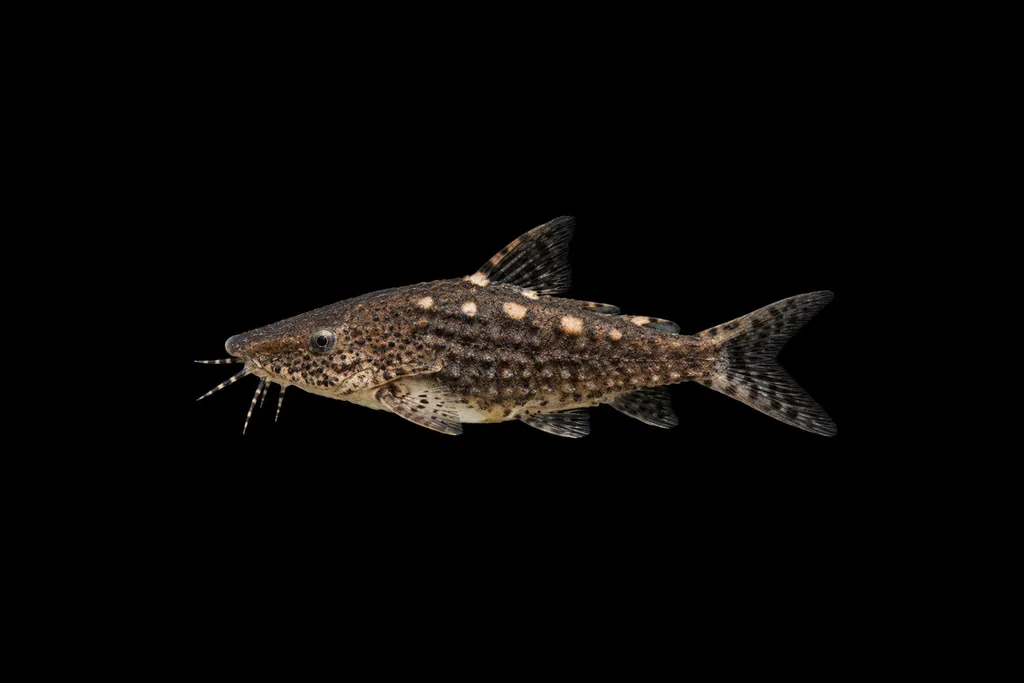
Dwarf warty catfish
Parakysis notialis
Freshwater1 in (2.5 cm) · 11 gal (40 L)73–82°F (23–28°C)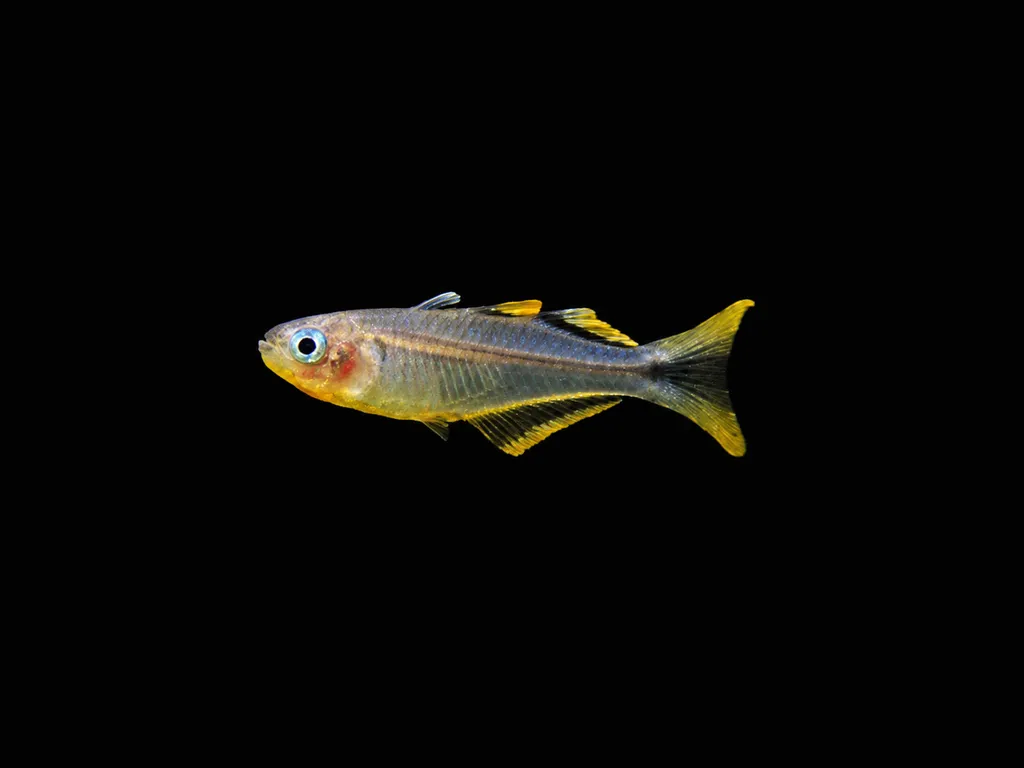
Popondetta blue-eye
Pseudomugil connieae
Freshwater2 in (5 cm) · 11 gal (40 L)75–82°F (24–28°C)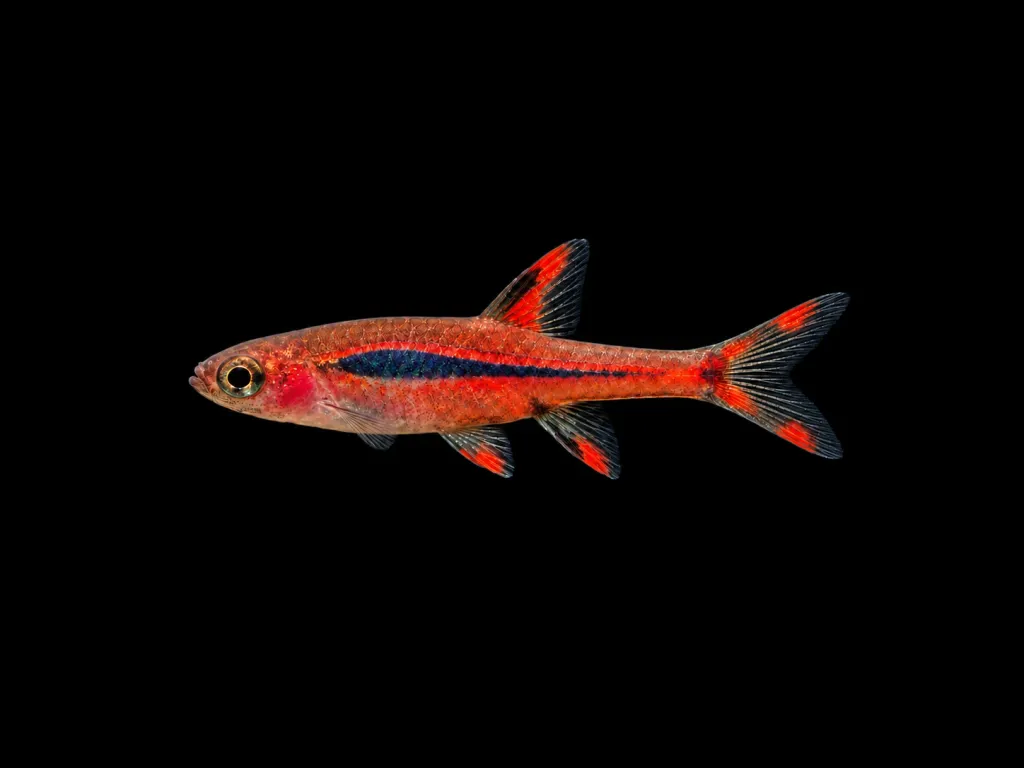
Chili rasbora
Boraras brigittae
Freshwater0.8 in (2 cm) · 11 gal (40 L)72–82°F (22–28°C)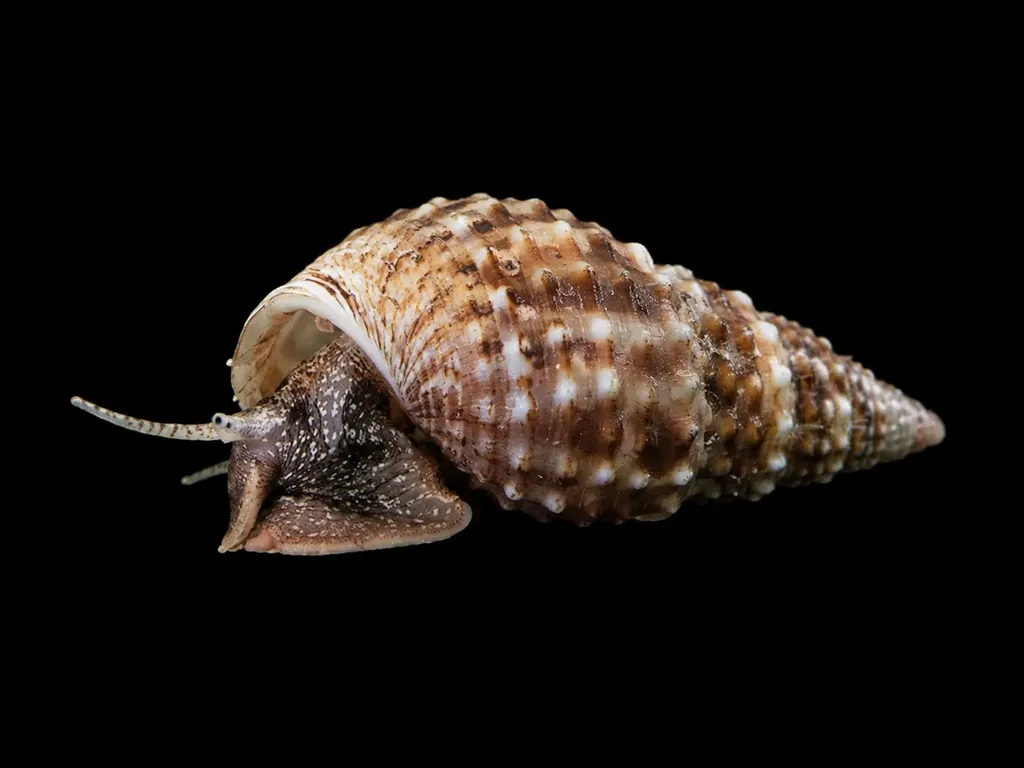
Prambanan snail
Thiara winteri
Freshwater1.6 in (4 cm) · 11 gal (40 L)73–82°F (23–28°C)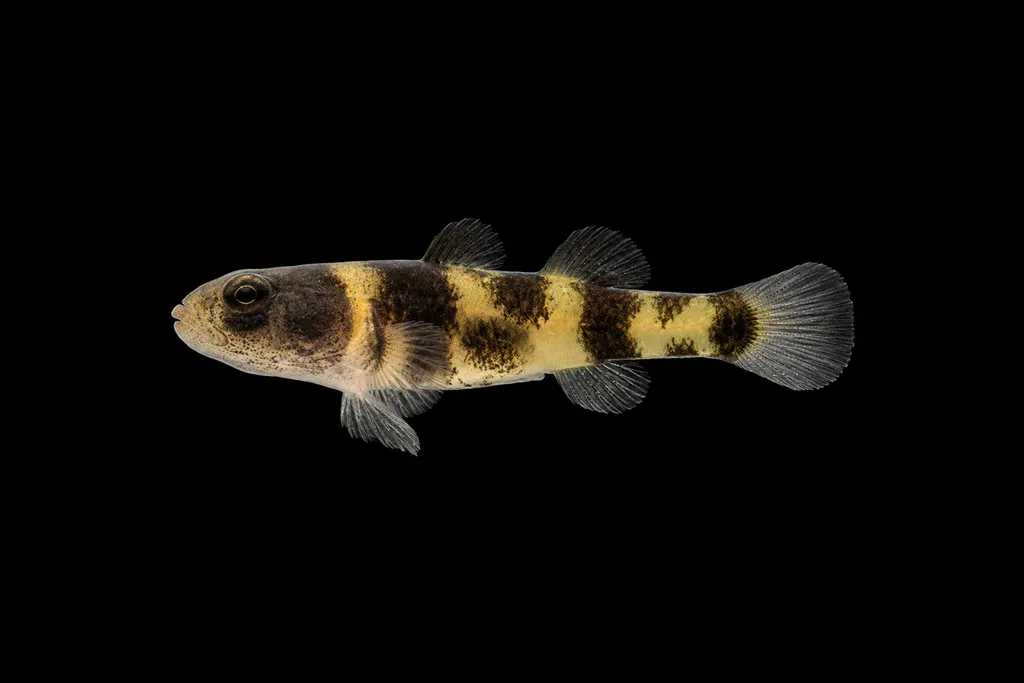
Freshwater bumblebee goby
Brachygobius aggregatus
Freshwater1.6 in (4 cm) · 11 gal (40 L)75–82°F (24–28°C)
Common questions
What size tank does a glass goby need?
A glass goby needs at least 11 gal (40 L). It spends most of its time in the middle.
What temperature and pH does a glass goby need?
A glass goby is comfortable at 75–82°F (24–28°C) with a pH of 6.5–7.8.
What does a glass goby eat?
A glass goby eats very small live and frozen foods such as baby brine shrimp, cyclops and microworm. It picks them from open water.
How big does a glass goby get?
An adult glass goby reaches about 1 in (2.5 cm).
Does a glass goby need a group?
Yes. A glass goby is a schooling species and should be kept in a group, not singly.
How does a glass goby breed?
The glass goby has no established record of breeding in aquariums.
Related species
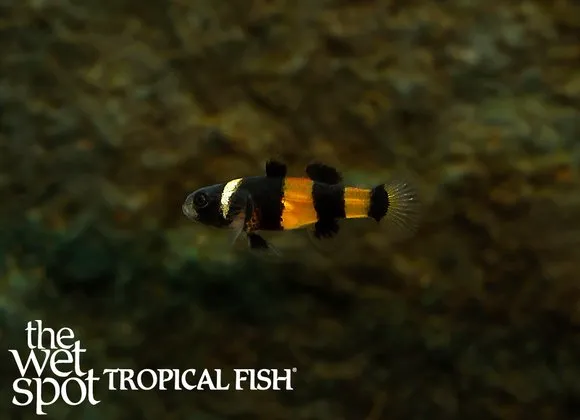 1.2 in (3 cm)11 gal (40 L)75–82°F (24–28°C)
Sabanus bumblebee goby
Brachygobius sabanus
1.2 in (3 cm) · 11 gal (40 L)
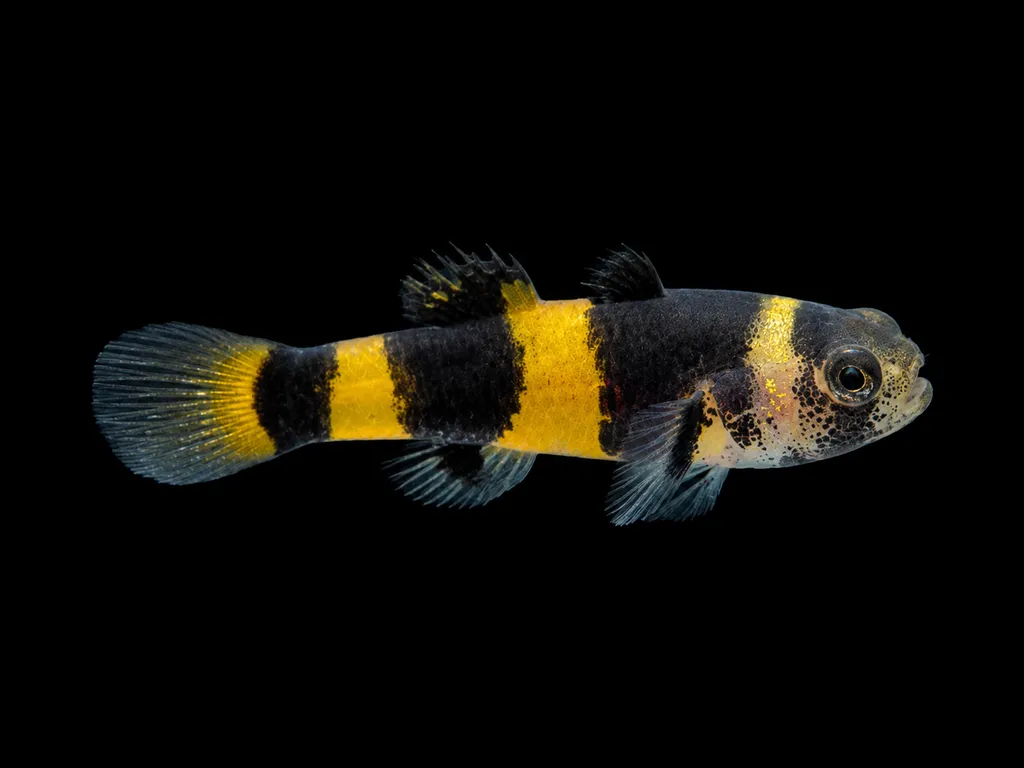 0.8 in (2 cm)5 gal (20 L)75–82°F (24–28°C)
Mini bumblebee goby
Brachygobius xanthomelas
0.8 in (2 cm) · 5 gal (20 L)
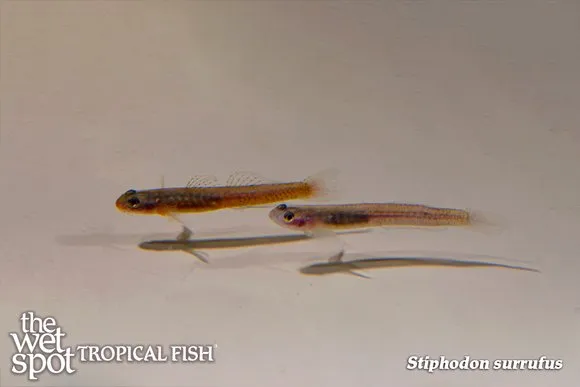 1 in (2.5 cm)11 gal (40 L)73–81°F (23–27°C)
Birdsong goby
Stiphodon surrufus
1 in (2.5 cm) · 11 gal (40 L)
- 1.6 in (4 cm)11 gal (40 L)75–82°F (24–28°C)
Freshwater bumblebee goby
Brachygobius aggregatus
1.6 in (4 cm) · 11 gal (40 L)
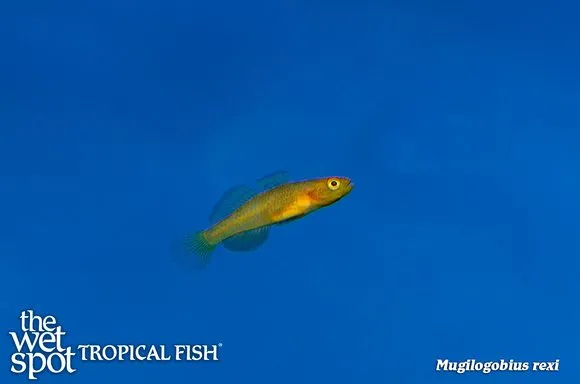 1.6 in (4 cm)14 gal (54 L)75–82°F (24–28°C)
Golden mugilogobius
Mugilogobius rexi
1.6 in (4 cm) · 14 gal (54 L)
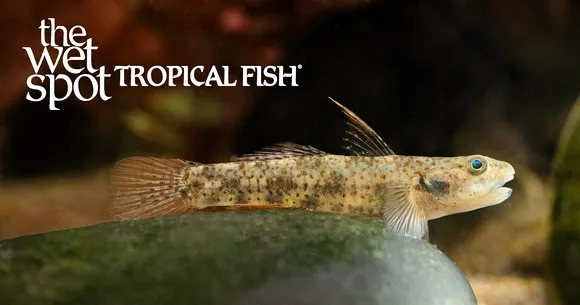 1.6 in (4 cm)11 gal (40 L)75–82°F (24–28°C)
Lumbantobing goby
Pseudogobiopsis lumbantobing
1.6 in (4 cm) · 11 gal (40 L)