Ghost shrimp
Palaemon paludosus
Also known as glass shrimp
FreshwaterShrimp
Care at a glance
- Temperature
- 64–84°F
- 18–29°C
- pH
- 7.0–8.0
- Adult size
- 1.6 in
- 4 cm
- Minimum tank
- 5 gal
- 20 L
- Temperament
- Mostly peaceful
- Social behavior
- Social
- Swim level
- Bottom
- Difficulty
- Easy
- Breeding
- Medium
- Rarity
- Very common
- Family
- Palaemonidae
- Origin
- North America
Overview
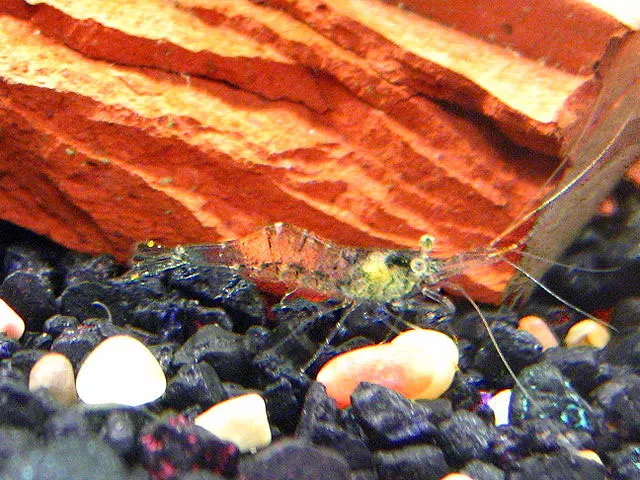
These are social, mostly peaceful bottom scavengers, fine to keep in groups. They clean up leftover food, algae, and detritus, which makes them useful in a planted tank. Keep them with small, calm fish, since larger or nippy fish will eat them, especially when they are soft after molting. They are not picky eaters and take sinking pellets, flake, algae, and bits of blanched vegetable. Avoid copper-based medications, which are toxic to shrimp.
In the wild
Ghost shrimp come from fresh and slightly brackish waters across the southeastern United States, including weedy ponds, ditches, and slow streams thick with plants. They forage along the bottom among vegetation. In a tank, they are easy to please: a small setup from about 20 liters, plants or moss for cover, and stable, clean water in the neutral to slightly alkaline range. Cover helps the most right after they molt.
Good to know
Palaemon paludosus is a freshwater shrimp in the family Palaemonidae, growing to roughly 4 cm. Its body is nearly clear, which is where the common name comes from. Breeding is moderately doable, though the larvae are small and need fine food and careful conditions to survive past their first days. It tolerates a wide temperature band, from about 18 to 29 C.
Did you know
Because their bodies are see-through, you can watch food move through the gut and even see a female's eggs developing under her tail. They are also often sold as feeder shrimp, so the ones in the cleanup crew and the ones in the feeder tank are frequently the same species, just put to different uses.
Common questions
What size tank does a Ghost shrimp need?
A Ghost shrimp needs at least 5 gal (20 L). It spends most of its time in the bottom.
What temperature and pH does a Ghost shrimp need?
A Ghost shrimp is comfortable at 64–84°F (18–29°C) with a pH of 7.0–8.0.
How big does a Ghost shrimp get?
An adult Ghost shrimp reaches about 1.6 in (4 cm).
Related species
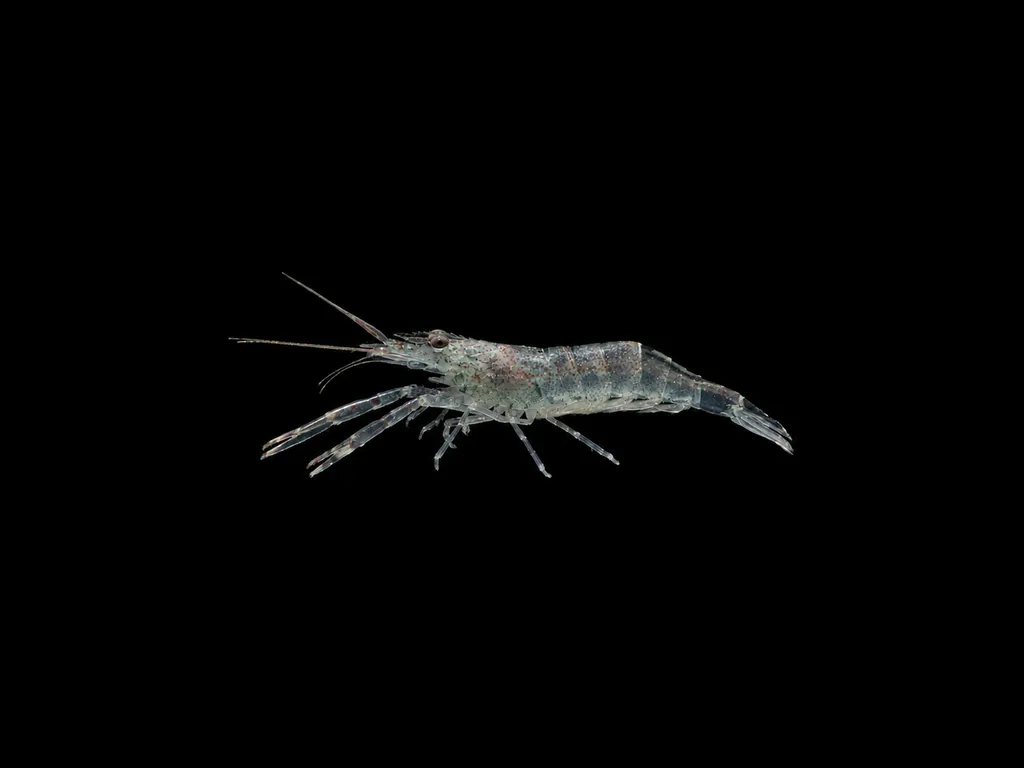 2.8 in (7 cm)11 gal (40 L)72–82°F (22–28°C)
Taiwanese long claw prawn
Macrobrachium placidulum
2.8 in (7 cm) · 11 gal (40 L)
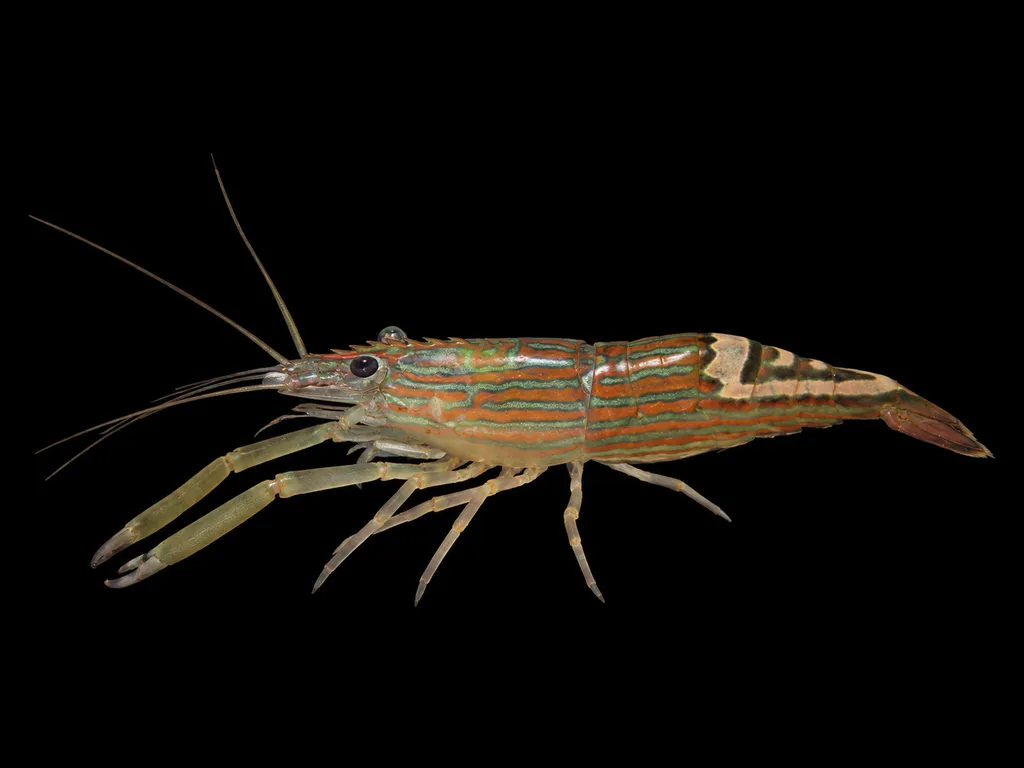 3.9 in (10 cm)20 gal (75 L)75–82°F (24–28°C)
Lollipop prawn
Macrobrachium gracilirostre
3.9 in (10 cm) · 20 gal (75 L)
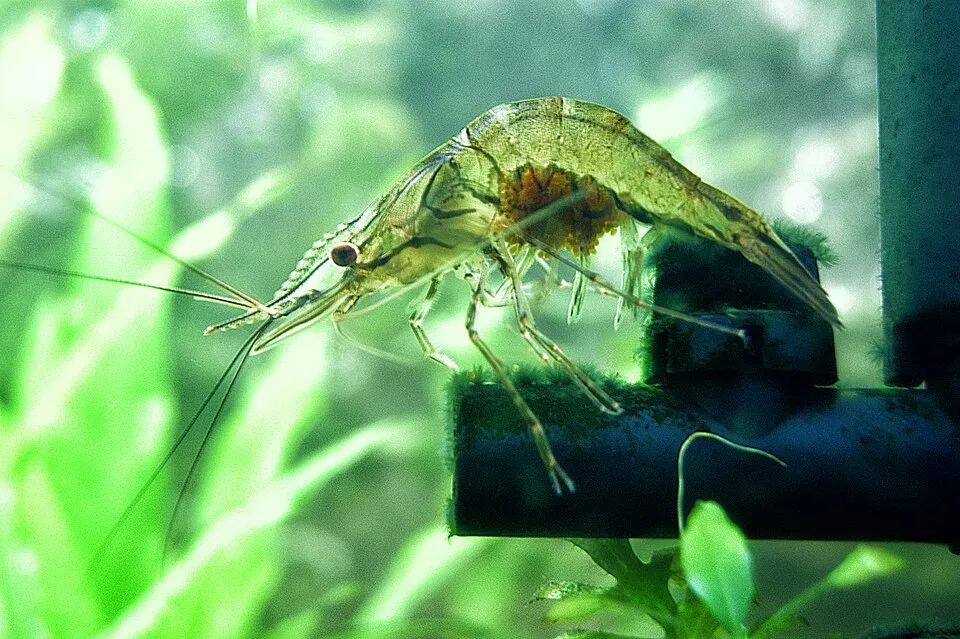 2.4 in (6 cm)16 gal (60 L)75–86°F (24–30°C)
Riceland prawn
Macrobrachium lanchesteri
2.4 in (6 cm) · 16 gal (60 L)
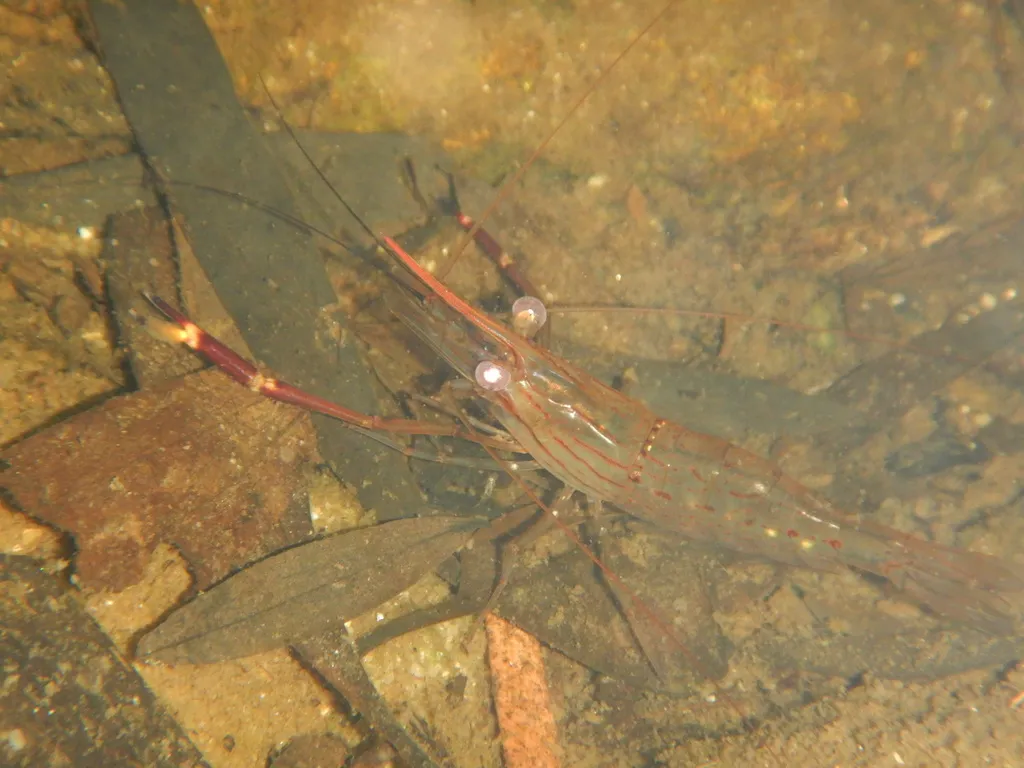 12.6 in (32 cm)53 gal (200 L)75–86°F (24–30°C)
Giant freshwater prawn
Macrobrachium spinipes
12.6 in (32 cm) · 53 gal (200 L)
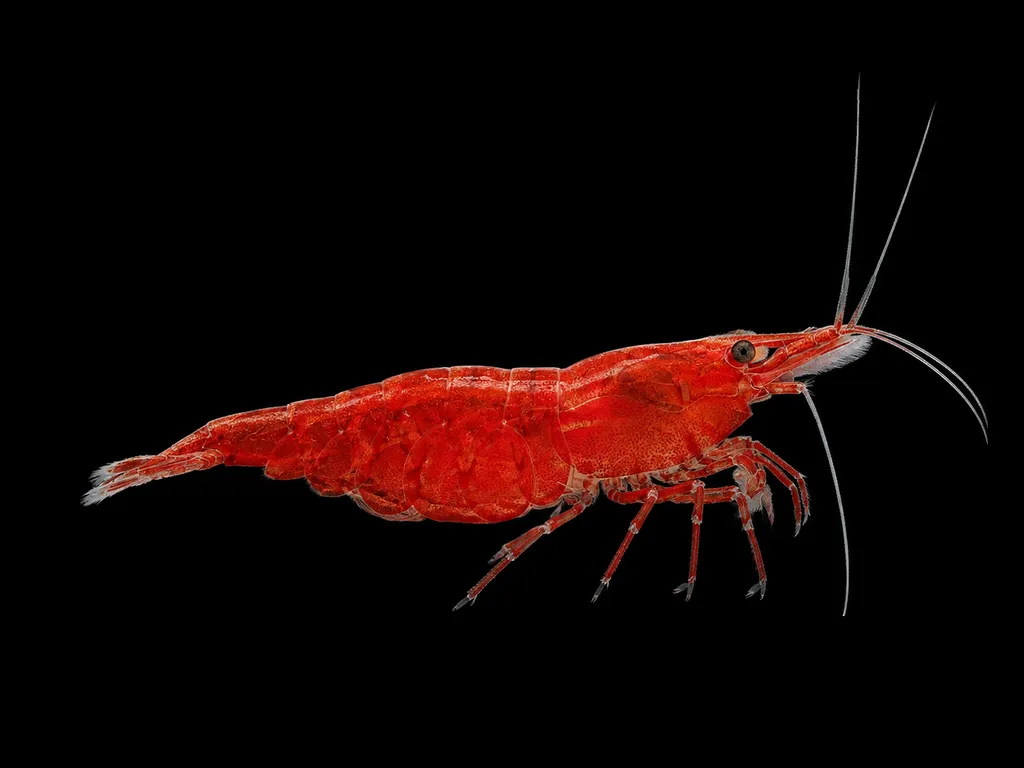 1.6 in (4 cm)5 gal (20 L)59–84°F (15–29°C)
Neocaridina shrimp
Neocaridina davidi
1.6 in (4 cm) · 5 gal (20 L)
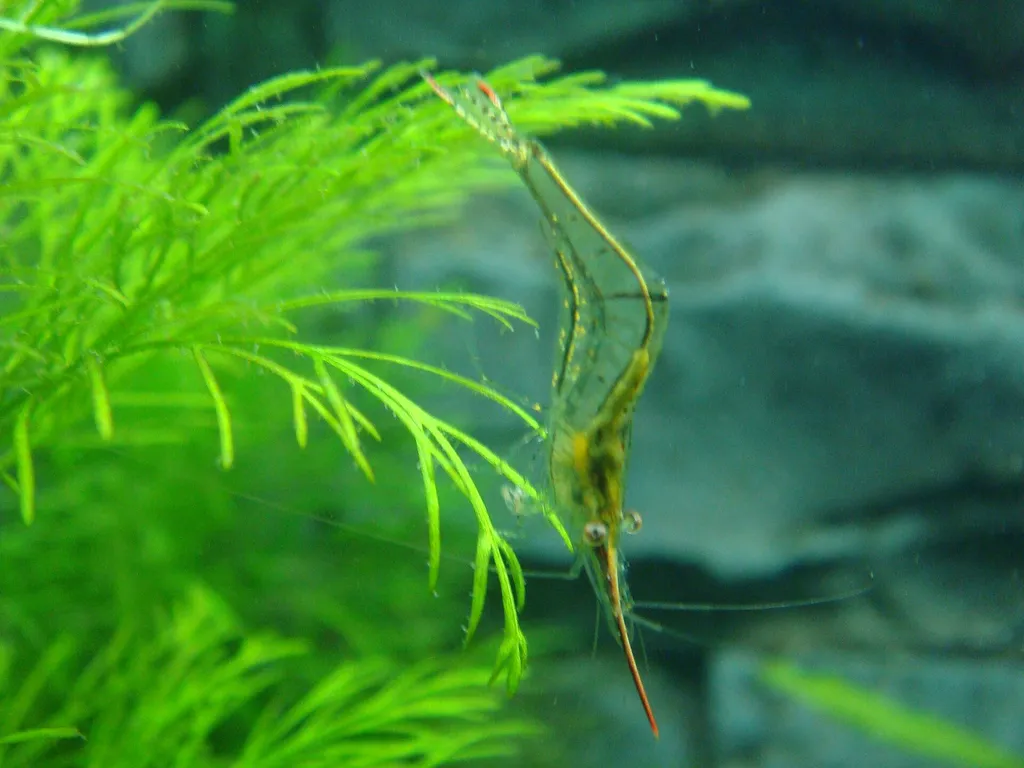 1.6 in (4 cm)5 gal (20 L)73–82°F (23–28°C)
Red skunk shrimp
Caridina gracilirostris
1.6 in (4 cm) · 5 gal (20 L)