Willow moss
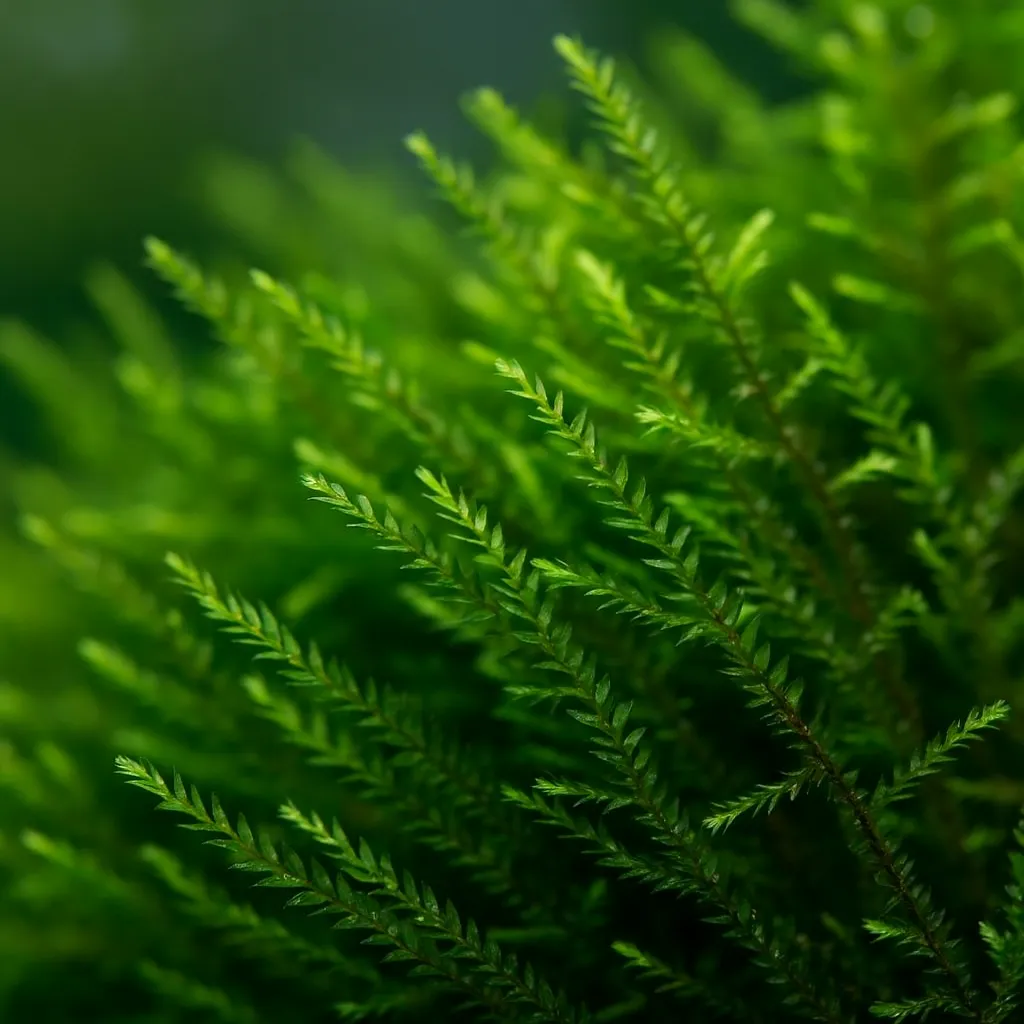
Fontinalis antipyretica
Also known as Fountain moss, Water moss, Common water moss, Greater water moss
FreshwaterMossDivisionCuttings
Care at a glance
- Light
- Low light
- CO2
- No CO₂ needed
- Temperature
- 50–79°F
- 10–26°C
- Max height
- 4.7 in
- 12 cm
- Growth rate
- Slow
- Placement
- Epiphyte
- Type
- Moss
- pH
- 6.0–8.0
- Hardness
- 2–20 dGH
- Spread
- 11.8 in (30 cm)
- Nutrient uptake
- Water column
- Growth region
- Submersed
- Difficulty
- Easy
- Family
- Fontinalaceae
- Origin
- Northern Hemisphere: Europe, temperate Asia, North America, Greenland, and parts of North Africa
Overview
Willow moss is an easy, undemanding moss for cool, low-tech tanks, where it grows on wood and rock.
Did you know
Willow moss is one of the few aquarium mosses that genuinely favors cold water. That makes it a natural choice for unheated coldwater and white cloud minnow tanks, where tropical mosses would struggle.
Caring for willow moss
Tie or glue willow moss to driftwood or rock. It needs no substrate, and it holds on by itself once it anchors.
Give it low light and no CO2. Strong light quickly lets algae smother the fine fronds. It feeds from the water, so a liquid fertilizer suits it better than root tabs.
Willow moss prefers cool water and handles 50 to 79°F (10 to 26°C). Favor the cooler end of that range, since it slows or melts if kept warm for long. Good water movement keeps it clean and healthy.
Growth is slow, so it stays tidy. Pull a clump apart and tie the pieces down to make more, or cut off a stem tip and attach it somewhere new.
Good to know
Willow moss, Fontinalis antipyretica, belongs to the family Fontinalaceae. Like all mosses it has no true roots, attaching to hard surfaces by rhizoids, and it also reproduces by spores. The species name antipyretica means 'against fire'. Linnaeus named it for its use in Sweden, where it was packed around chimneys and hearths to reduce fire risk. The genus name Fontinalis means 'of springs or fountains', the source of the common name fountain moss.
In the wild
Willow moss grows across the Northern Hemisphere, in cold, well-oxygenated streams, rivers and lakes throughout Europe, temperate Asia and North America. Its range also reaches Greenland and parts of North Africa. It anchors to rocks, submerged wood and other permanent objects in flowing water, forming long, dark green trailing strands that can reach 60 cm. Its look varies a lot, with different forms depending on flow and light.
Common questions
Does willow moss need to be planted in the substrate?
No. Willow moss grows on rock or wood rather than in the substrate. Tie it on with cotton thread or fishing line, or use gel superglue, until it anchors itself.
How much light does willow moss need?
Willow moss is a low-light plant, and the light that comes with a standard tank kit is enough for it.
How do you propagate willow moss?
Willow moss propagates by division and cuttings. Pull a clump apart into smaller pieces and tie each one down. Cut off the top of a stem and replant it, and the stump left behind grows new shoots.
How tall does willow moss grow?
Willow moss grows to about 4.7 in (12 cm) tall. It grows slowly.
Related plants
 Low lightEpiphyte3.9 in (10 cm)
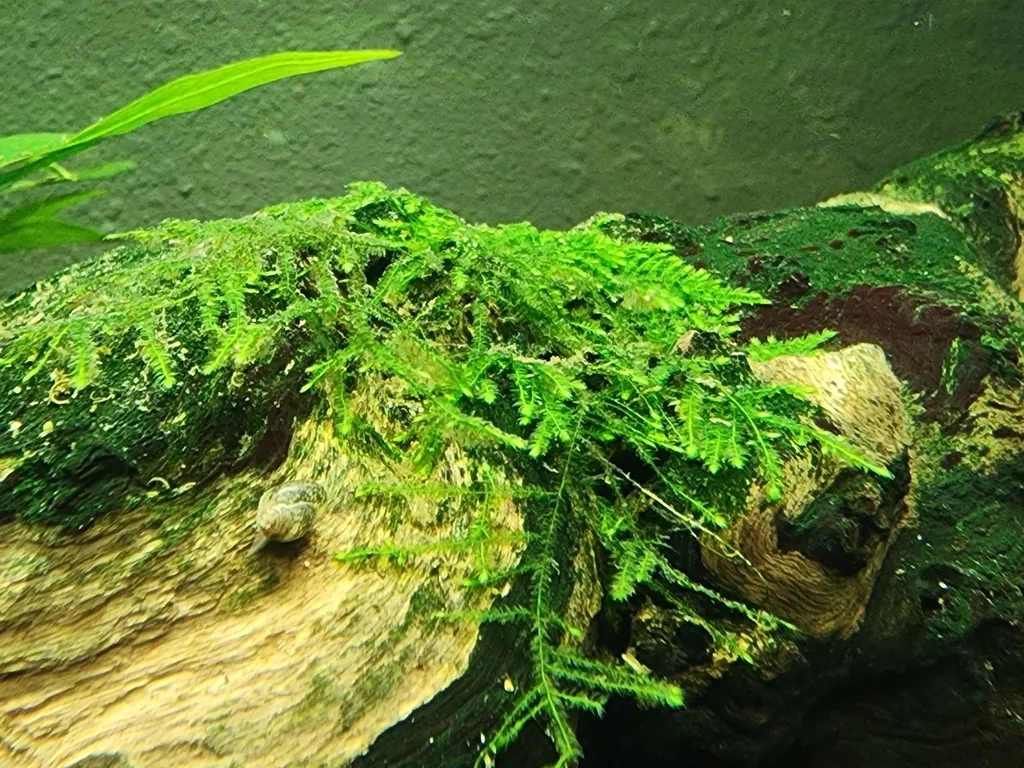
Java moss
Taxiphyllum barbieri
Low light · Epiphyte
 Medium lightEpiphyte3.9 in (10 cm)
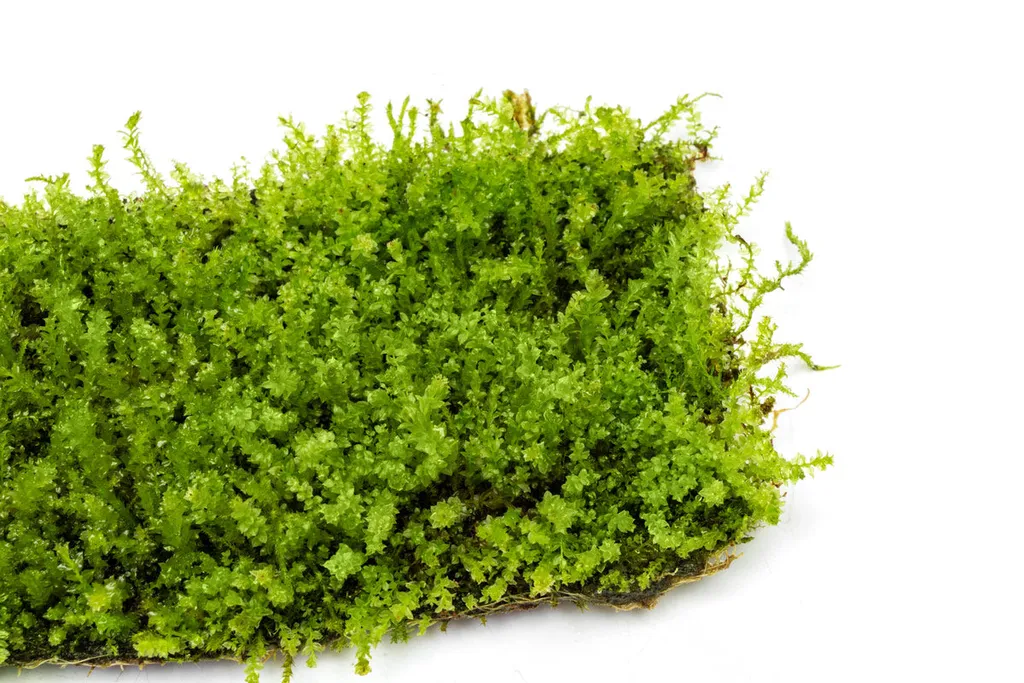
Pearl moss
Plagiomnium cf. affine
Medium light · Epiphyte
 Low lightEpiphyte3.9 in (10 cm)
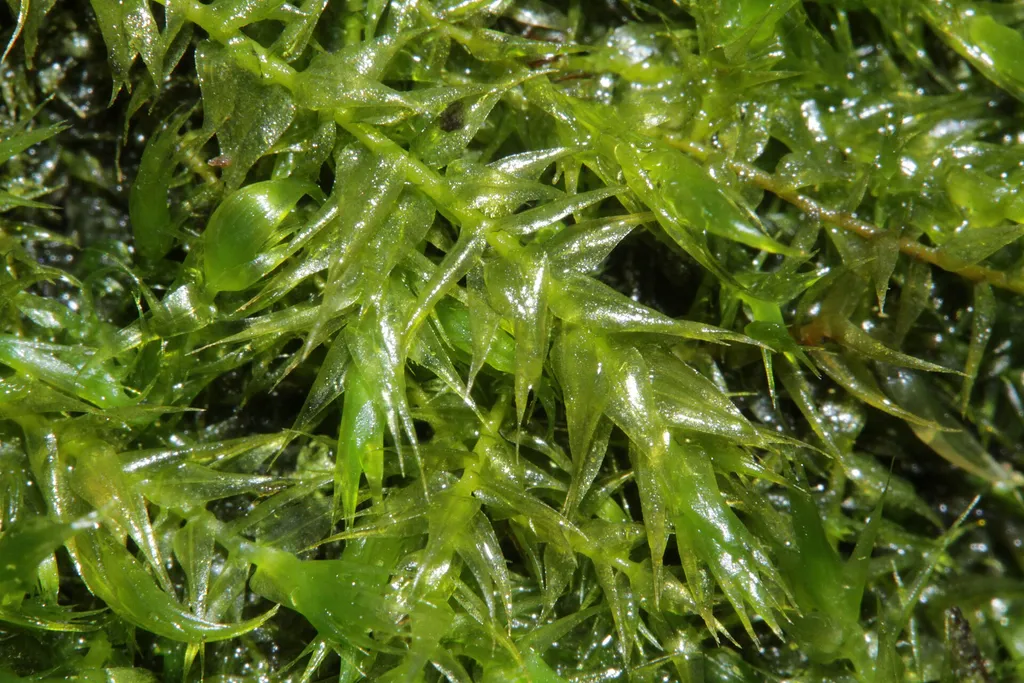
Stringy moss
Leptodictyum riparium
Low light · Epiphyte
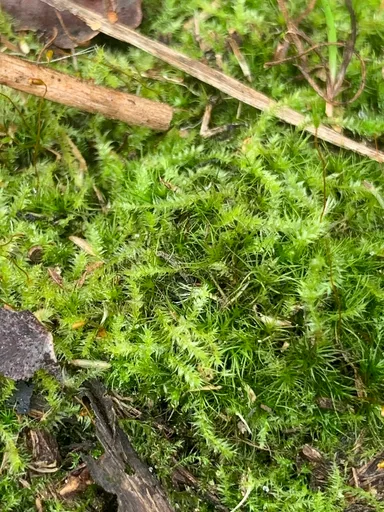 Low lightEpiphyte3.9 in (10 cm)
Taiwan moss
Taxiphyllum alternans
Low light · Epiphyte
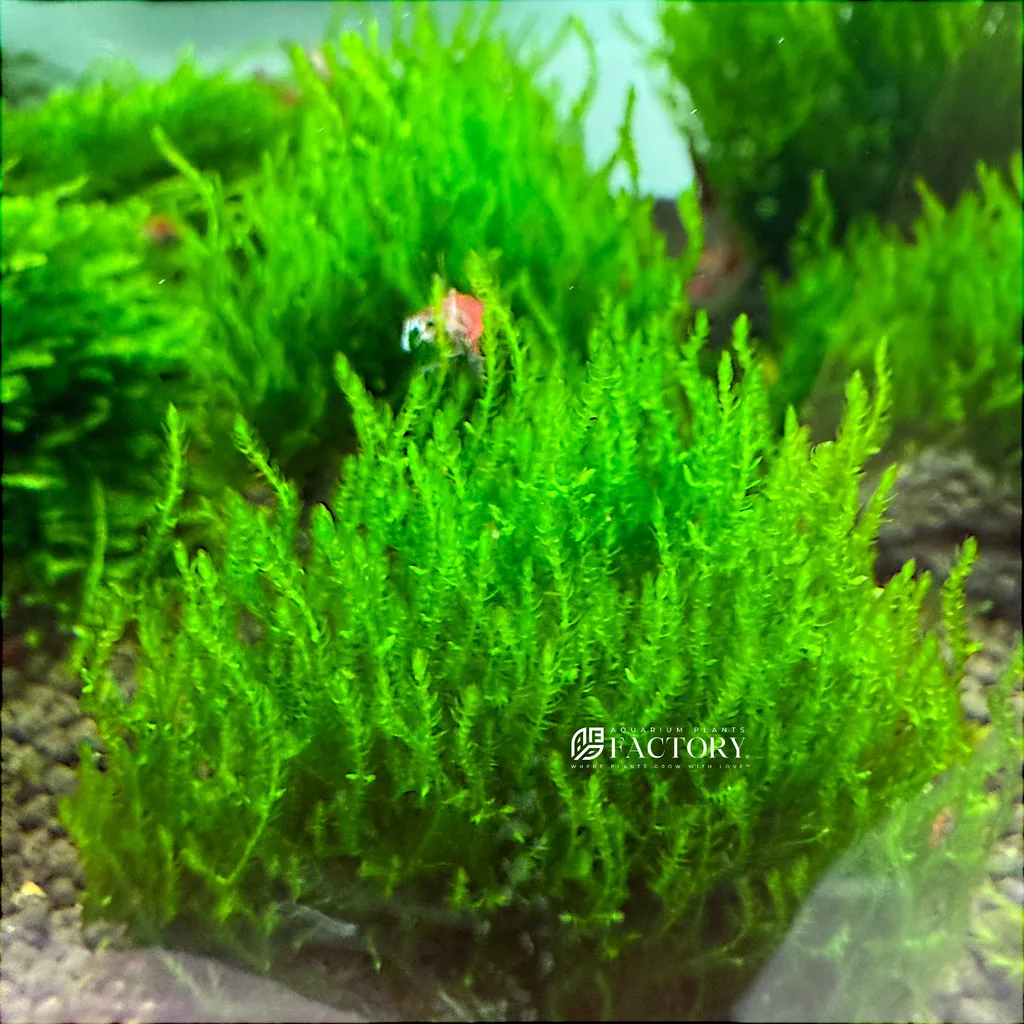 Low lightEpiphyte3.1 in (8 cm)
Flame moss
Taxiphyllum sp. 'Flame'
Low light · Epiphyte
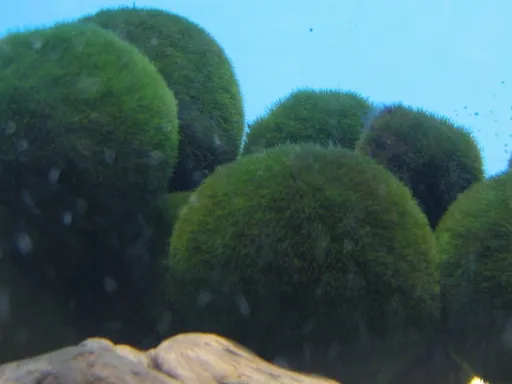 Low lightForeground3.9 in (10 cm)
Marimo moss ball
Aegagropila linnaei
Low light · Foreground