Stringy moss
Leptodictyum riparium
Also known as Amblystegium riparium, Hypnum riparium, Streamside leptodictyum moss
FreshwaterMossCuttings
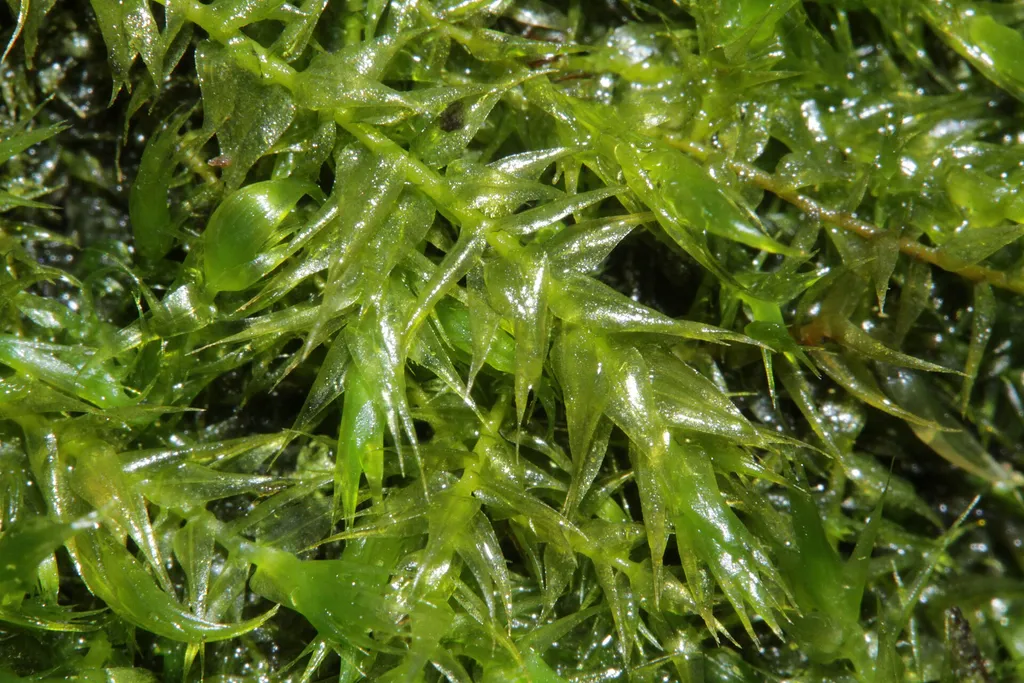
Care at a glance
- Light
- Low light
- CO2
- No CO₂ needed
- Temperature
- 39–79°F
- 4–26°C
- Max height
- 3.9 in
- 10 cm
- Growth rate
- Medium
- Placement
- Epiphyte
- Type
- Moss
- pH
- 5.0–8.0
- Hardness
- 2–21 dGH
- Spread
- 5.9 in (15 cm)
- Nutrient uptake
- Water column
- Growth region
- Submersed or emersed
- Difficulty
- Beginner
- Family
- Amblystegiaceae
- Origin
- Nearly worldwide; common across Europe and North America
Overview
Stringy moss is a loose, upright moss for wood or rock, and it is about as undemanding as aquarium plants get. It is a favorite for fry cover, shrimp tanks and breeding setups. It also takes emersed culture in a paludarium.
Did you know
Stringy moss can overwinter in an outdoor pond and then grow on in a tropical tank. Its usable range of 39 to 79°F (4 to 26°C) is among the widest of any plant in the catalog.
Caring for stringy moss
Tie or clip stringy moss loosely onto wood or rock, and it attaches by itself over time. Cotton thread, fishing line or gel superglue all hold it until then.
Low light is enough and CO2 is unnecessary. It takes its food from the water column, so feed it with a liquid fertilizer. It handles anything from a coldwater setup to a warm community tank.
The strands grow upward rather than hugging the hardscape, which gives a wilder, reedy look. Growth is brisk for a moss, so trim regularly before it gets stringy and shades itself. Replant the trimmings to start new clumps.
Good to know
Stringy moss is a true moss in the family Amblystegiaceae. Shop labels still use its older names, Amblystegium riparium and Hypnum riparium. Tropica trades it as Stringy moss for its loose, upright, slightly transparent green strands. That habit is very different from the flat pads of the common carpeting mosses. Flowgrow notes that some material sold as stringy moss may actually be Drepanocladus aduncus, a lookalike from the same wet habitats.
In the wild
Stringy moss grows nearly worldwide along waterway edges, ditches and lake margins. It lives submersed in shallow water or on permanently wet ground just above the waterline. It favors nutrient-rich water and shrugs off pollution, turning up anywhere from streams to water troughs. It is fully winter-hardy in temperate climates.
Common questions
Does stringy moss need to be planted in the substrate?
No. Stringy moss grows on rock or wood rather than in the substrate. Tie it on with cotton thread or fishing line, or use gel superglue, until it anchors itself.
How much light does stringy moss need?
Stringy moss is a low-light plant, and the light that comes with a standard tank kit is enough for it.
How do you propagate stringy moss?
Stringy moss propagates by cuttings. Cut off the top of a stem and replant it, and the stump left behind grows new shoots.
How tall does stringy moss grow?
Stringy moss grows to about 3.9 in (10 cm) tall. It grows at a moderate pace.
Related plants
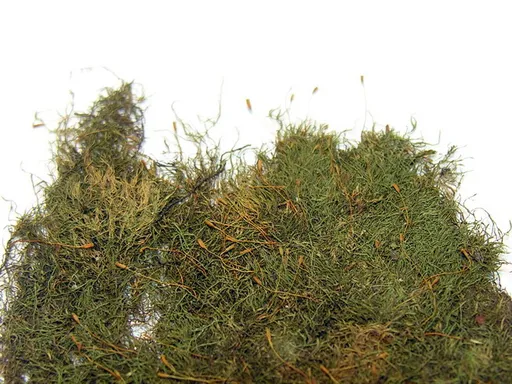 Low lightEpiphyte1.2 in (3 cm)
Nano moss
Amblystegium serpens
Low light · Epiphyte
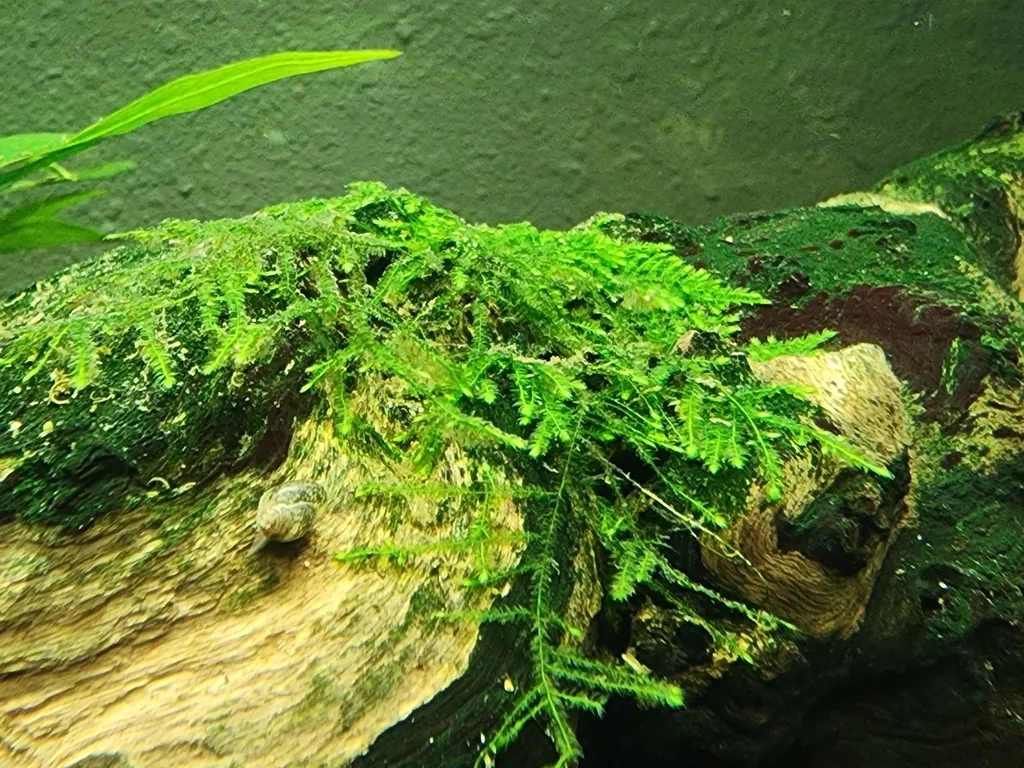 Low lightEpiphyte3.9 in (10 cm)
Java moss
Taxiphyllum barbieri
Low light · Epiphyte
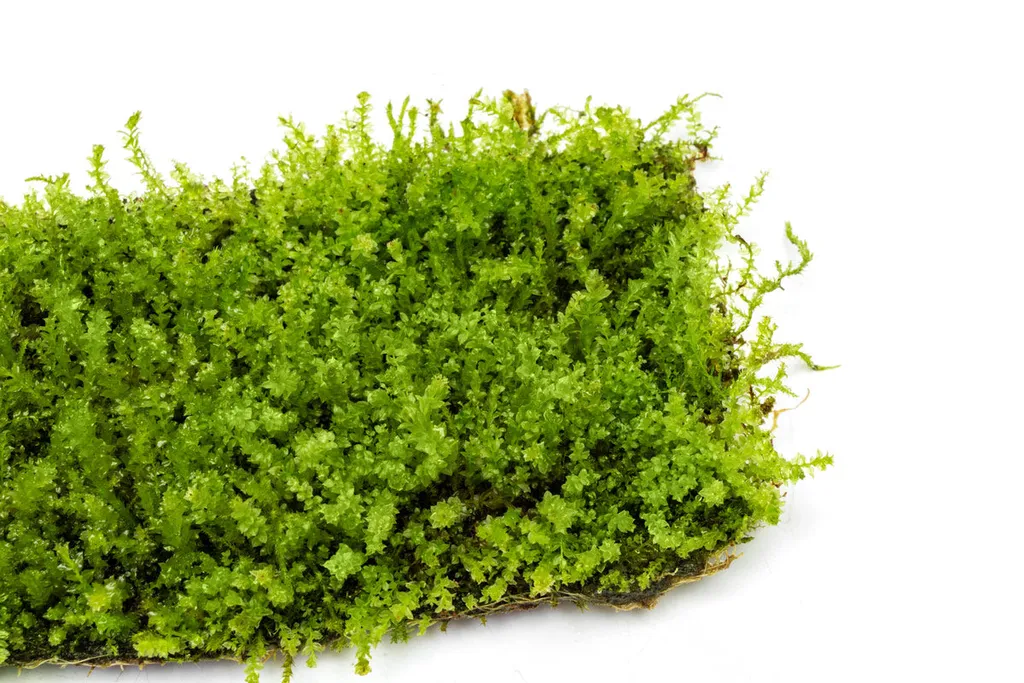 Medium lightEpiphyte3.9 in (10 cm)
Pearl moss
Plagiomnium cf. affine
Medium light · Epiphyte
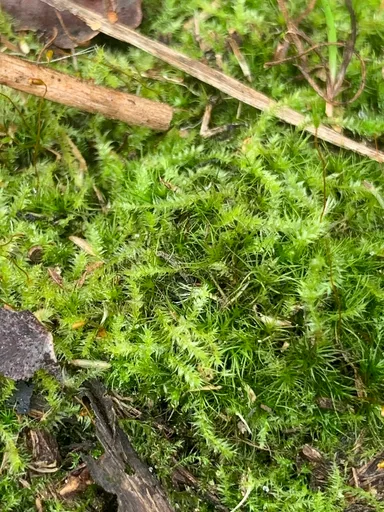 Low lightEpiphyte3.9 in (10 cm)
Taiwan moss
Taxiphyllum alternans
Low light · Epiphyte
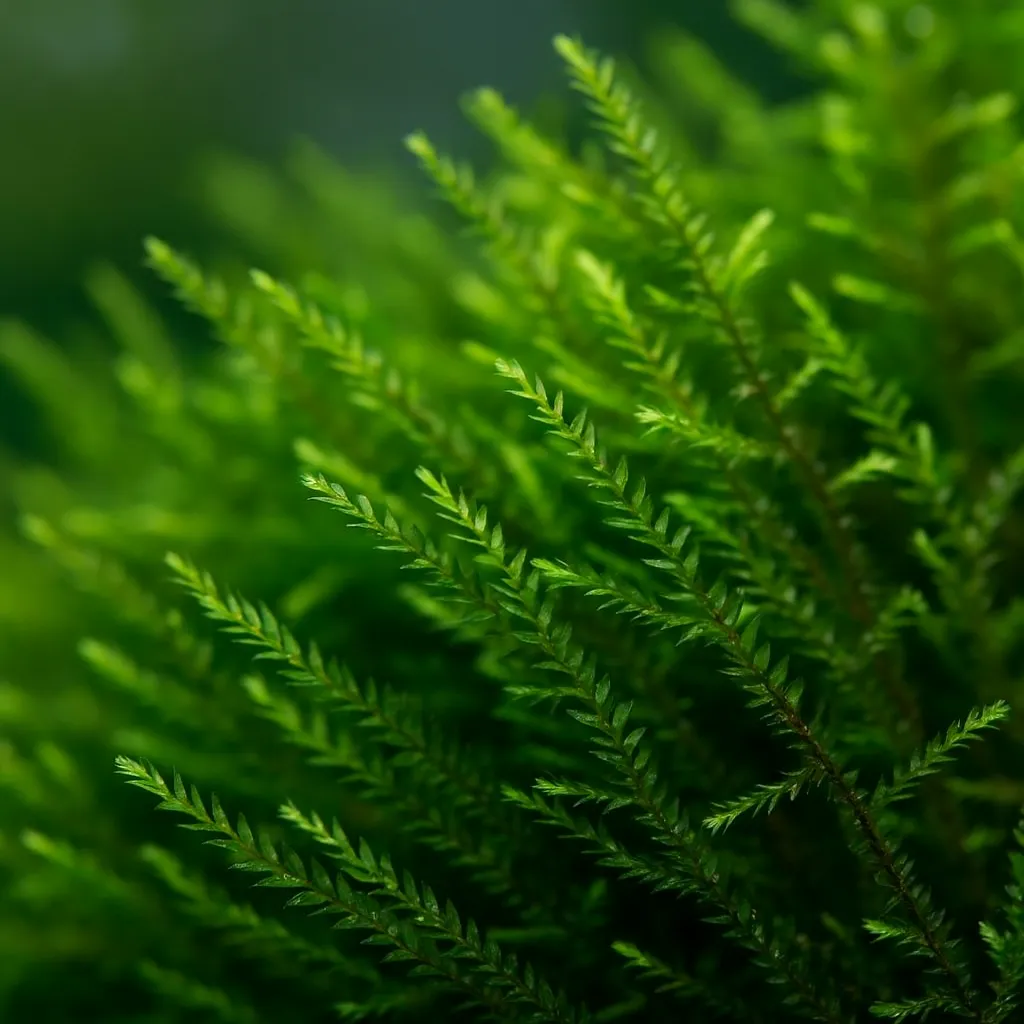 Low lightEpiphyte4.7 in (12 cm)
Willow moss
Fontinalis antipyretica
Low light · Epiphyte
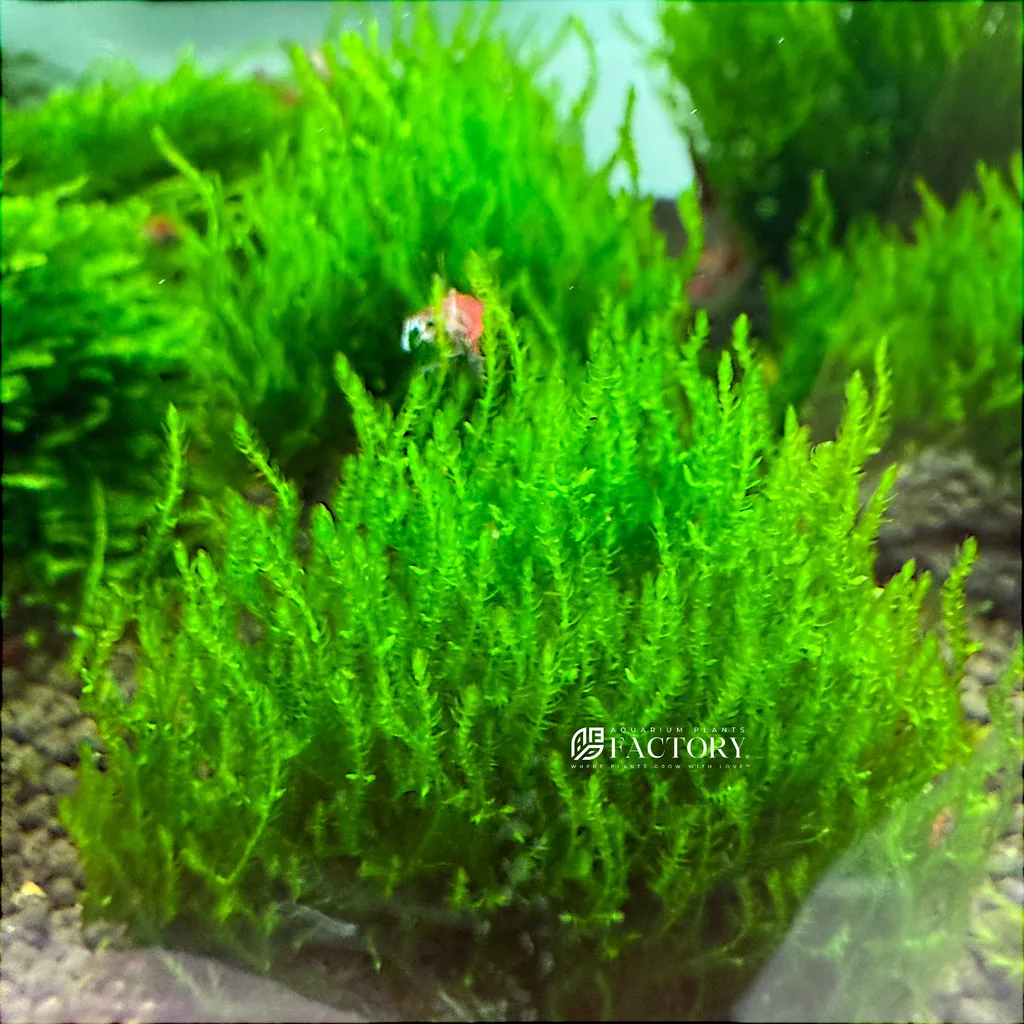 Low lightEpiphyte3.1 in (8 cm)
Flame moss
Taxiphyllum sp. 'Flame'
Low light · Epiphyte