Marimo moss ball
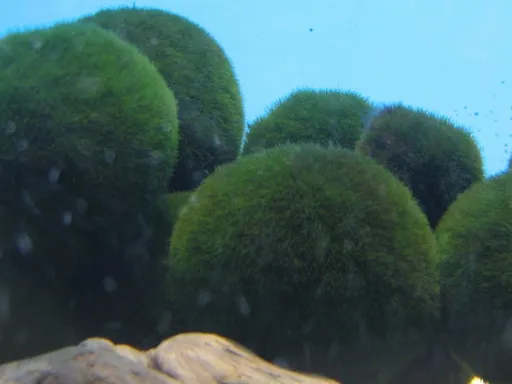
Aegagropila linnaei
Also known as Marimo, Moss ball, Lake ball, Cladophora ball, Cladophora aegagropila
FreshwaterBrackishMossRhizome division
Care at a glance
- Light
- Low light
- CO2
- No CO₂ needed
- Temperature
- 39–82°F
- 4–28°C
- Max height
- 3.9 in
- 10 cm
- Growth rate
- Slow
- Placement
- Foreground
- Type
- Moss
- pH
- 6.0–8.5
- Hardness
- 2–18 dGH
- Spread
- 3.9 in (10 cm)
- Nutrient uptake
- Water column
- Growth region
- Submersed
- Difficulty
- Beginner
- Family
- Pithophoraceae
- Origin
- Lakes and slow rivers of Northern Europe, Japan, and scattered cool temperate regions (notably Lake Akan, Japan and Lake Myvatn, Iceland)
Overview
About the easiest 'plant' you can keep. It sits on the substrate in the foreground or midground with no planting, attaching, or trimming needed, and takes any light level with no CO2 or dosing. Growth is glacially slow (a few mm per year), so it stays put. Roll it gently now and then to keep the round shape and to clear debris and detritus from the underside, and prefer cooler water since heat above the high 20s C can brown it.
In the wild
Native to cool, clear lakes and slow rivers across Northern Europe and Japan, with scattered populations elsewhere. The famous spherical 'lake ball' growth form develops in only a few lakes where gentle wave action rolls loose filaments into velvety green balls. It is strictly protected and considered endangered at its best-known sites, including Lake Akan in Japan and Lake Myvatn in Iceland.
Good to know
Despite the 'moss ball' name, Aegagropila linnaei is not a moss or a plant at all. It is a filamentous green alga in the order Cladophorales (family Pithophoraceae). The ball is a colony of branching filaments radiating from the center, and the same alga also grows as free filaments or flat mats on rocks in the wild.
Did you know
Did you know marimo balls float and sink on a daily rhythm? Photosynthesis traps tiny oxygen bubbles in the velvety surface during the day, lifting them toward the light, and they settle back down at night as the bubbles escape.
Related plants
 Low lightEpiphyte3.9 in (10 cm)
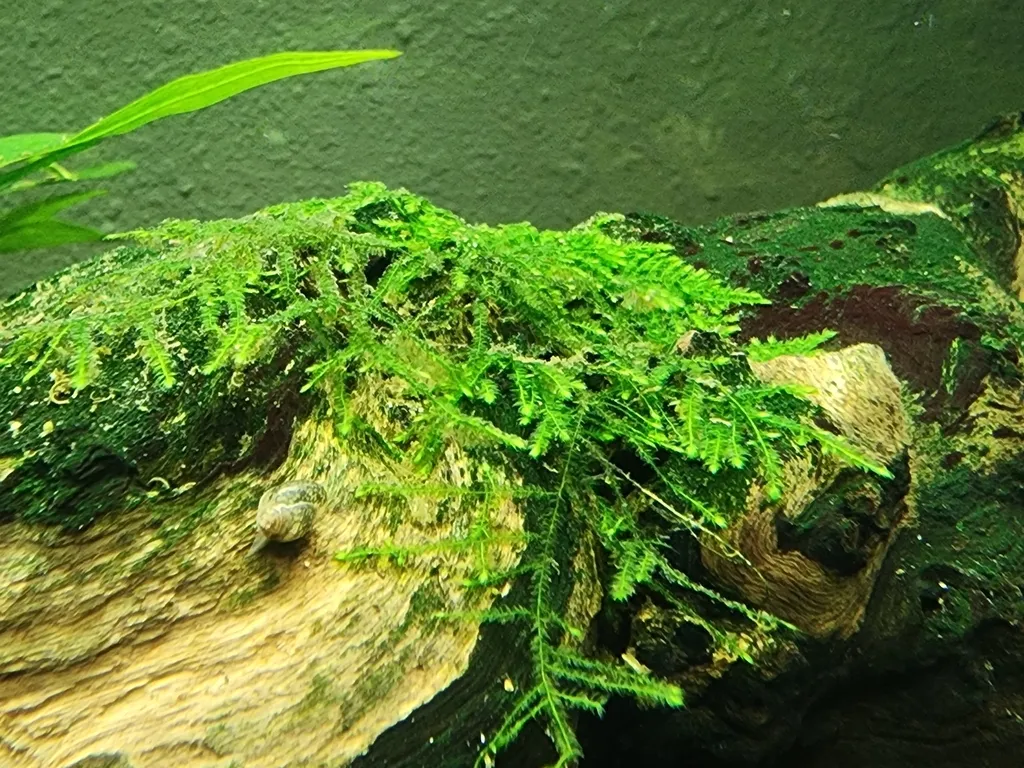
Java moss
Taxiphyllum barbieri
Low light · Epiphyte
 Low lightEpiphyte3.9 in (10 cm)
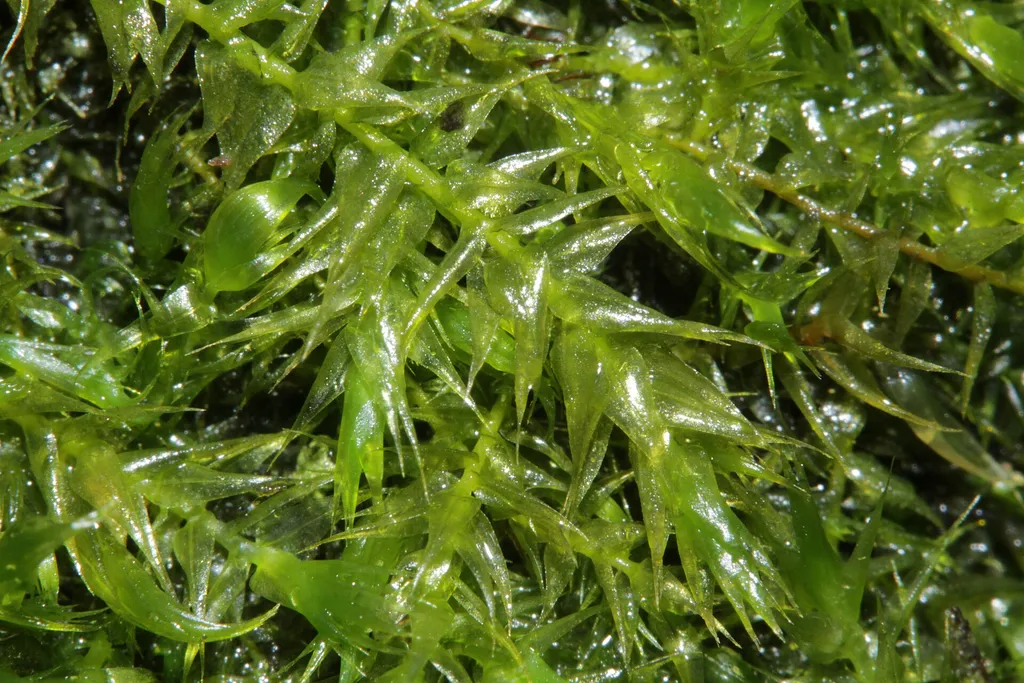
Stringy moss
Leptodictyum riparium
Low light · Epiphyte
 Low lightEpiphyte3.9 in (10 cm)
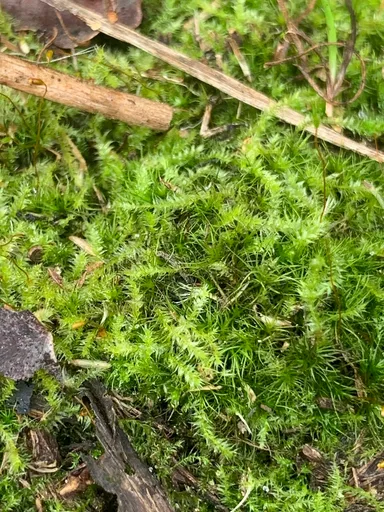
Taiwan moss
Taxiphyllum alternans
Low light · Epiphyte
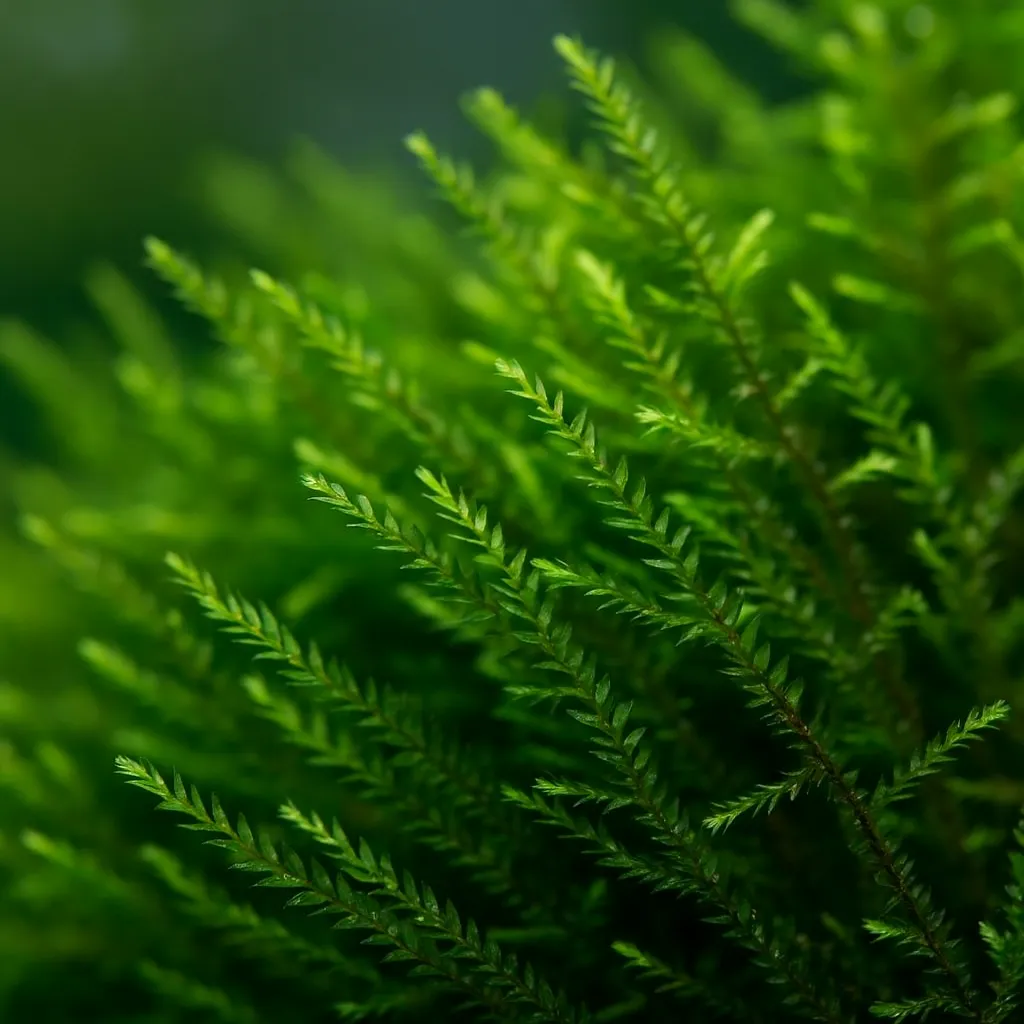 Low lightEpiphyte4.7 in (12 cm)
Willow moss
Fontinalis antipyretica
Low light · Epiphyte
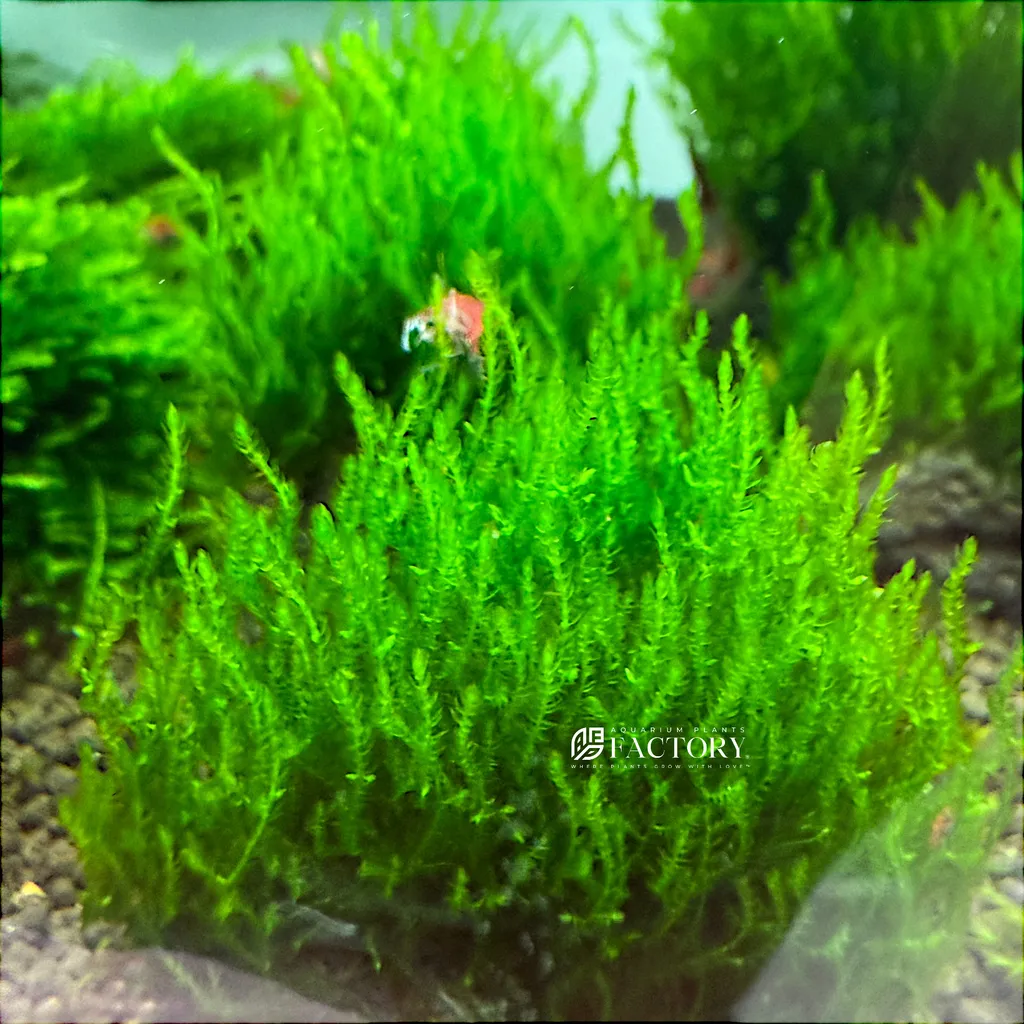 Low lightEpiphyte3.1 in (8 cm)
Flame moss
Taxiphyllum sp. 'Flame'
Low light · Epiphyte
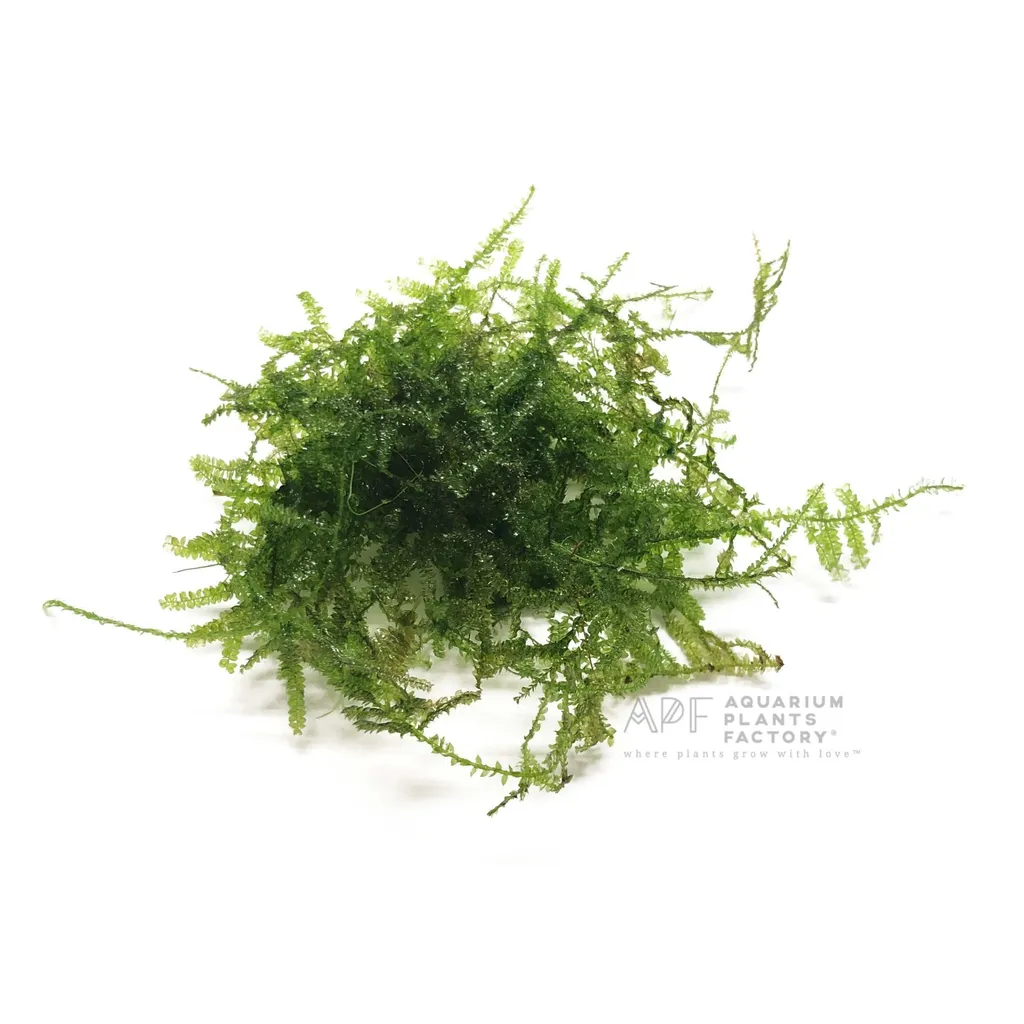 Low lightEpiphyte2 in (5 cm)
Christmas moss
Vesicularia montagnei
Low light · Epiphyte