Pellia
Monosolenium tenerum
Also known as Pelia, Monosolenium, Pellia endiviifolia
FreshwaterMossDivisionFragmentation
Care at a glance
- Light
- Low light
- CO2
- CO₂ beneficial
- Temperature
- 59–82°F
- 15–28°C
- Max height
- 2 in
- 5 cm
- Growth rate
- Medium
- Placement
- Epiphyte
- Type
- Moss
- pH
- 5.0–8.0
- Hardness
- 0–15 dGH
- Spread
- 3.9 in (10 cm)
- Nutrient uptake
- Water column
- Growth region
- Submersed
- Difficulty
- Easy
- Family
- Monosoleniaceae
- Origin
- East and Southeast Asia (China, Japan, India, and surrounding regions), on wet soil and rock near water
Overview
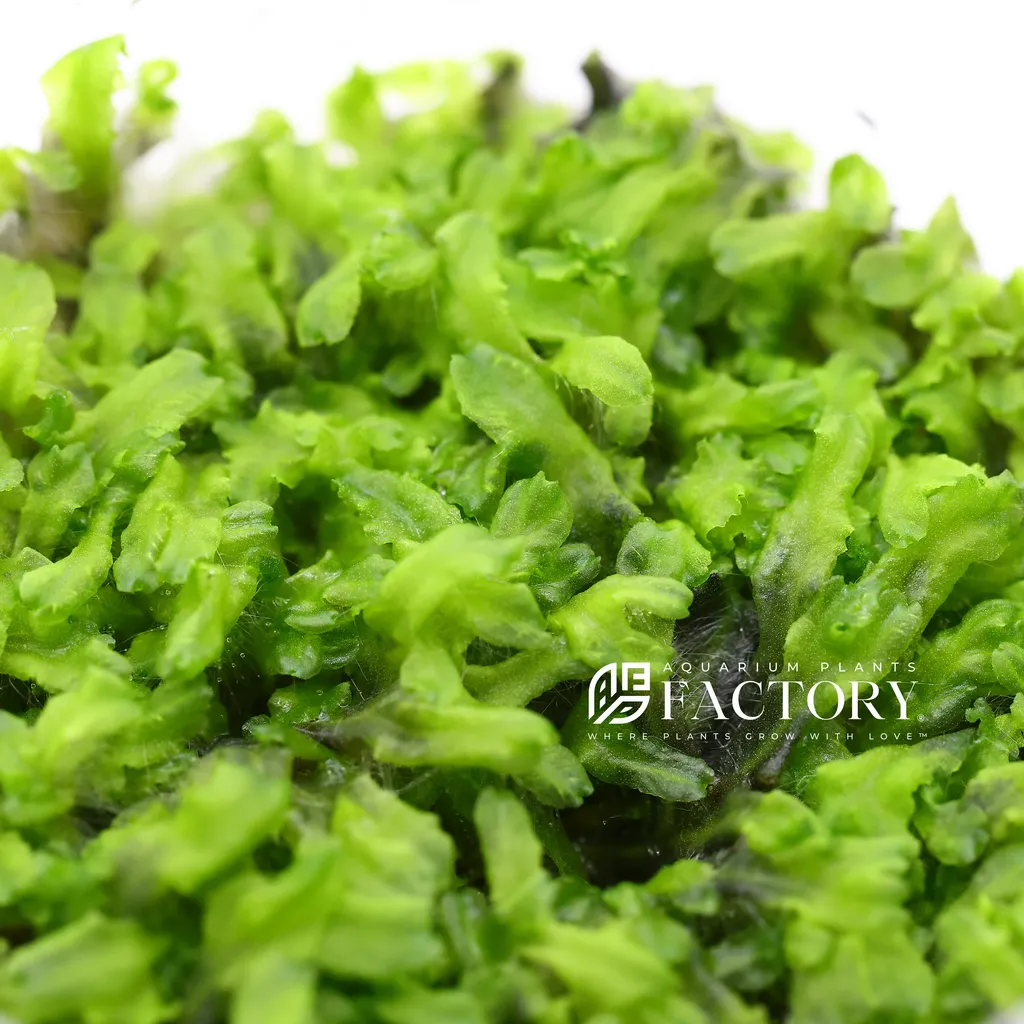
Pellia is a forgiving, undemanding liverwort that lives tied to wood or stone rather than in the substrate. It is easy to keep but physically fragile.
Did you know
Pellia was once feared extinct in the wild before being rediscovered. The plants in the hobby survive almost entirely as cultivated stock passed between aquarists.
Caring for pellia
Tie pellia to stone or wood with fishing line, net it down, or trap it under hardscape, because it will not attach by itself. Its branches snap easily. Strong flow breaks it apart and scatters the pieces, so keep it in calm water.
Pellia is a low-light plant and grows without added CO2. In those conditions it stays sparse and grows more slowly. Brighter light plus CO2 makes it fuller and a richer green. It feeds from the water, so a liquid fertilizer does more for it than root tabs.
It grows at a moderate pace in water from 59 to 82°F (15 to 28°C). Pull overgrown clumps apart into smaller pieces and tie each one down as a new patch. Thin the clumps before the centers smother and rot.
Good to know
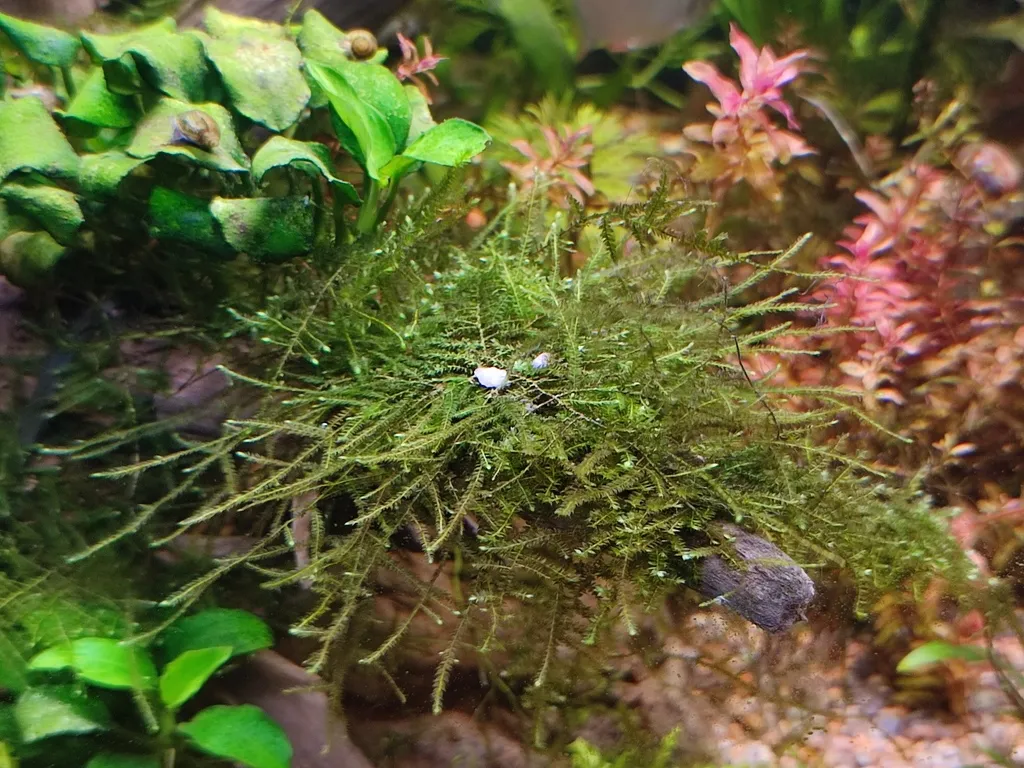
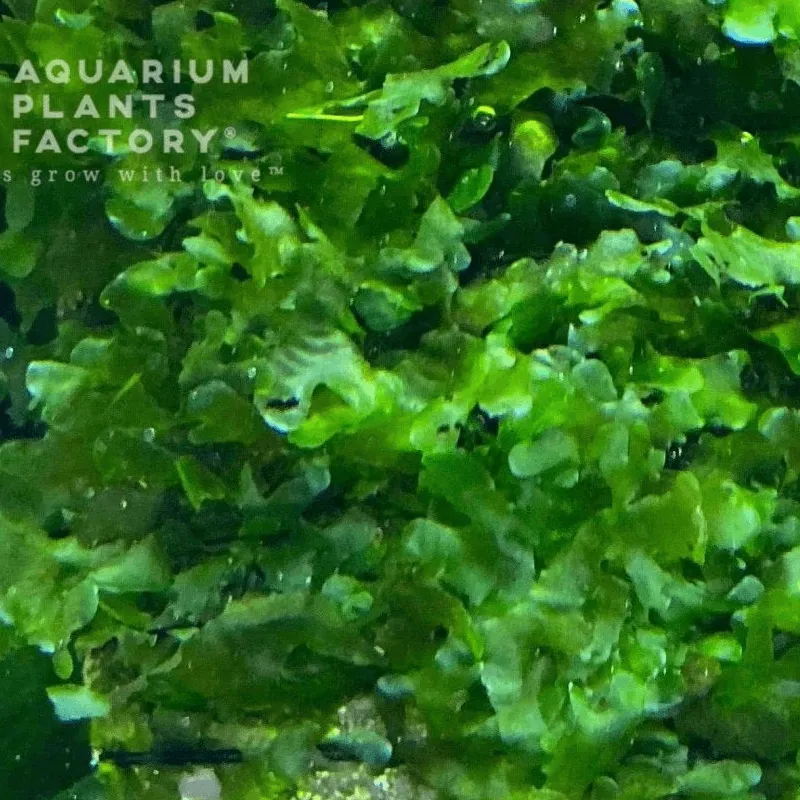
Pellia is a liverwort, Monosolenium tenerum, and was long sold under the wrong name Pellia endiviifolia before being correctly identified. It is the only species in its genus and sits in its own small family. The thallus lacks the tiny anchoring rhizoids that most mosses and liverworts use, which is why it never grips surfaces on its own. In the aquarium it forms loose, brittle, translucent dark-green clumps of forking thallus, like a larger, coarser mini pellia.
In the wild
Pellia is a thalloid liverwort native to East and Southeast Asia, including China, Japan and India. It grows on wet ground and rock near streams and seeps, and it is rare in the wild.
Common questions
Does pellia need to be planted in the substrate?
No. Pellia does not root or cling to surfaces on its own. Tie it to a stone with fishing line, or tuck small tufts between other plants.
Does pellia need CO2?
No, but it helps. Pellia can grow without injected CO2, and added CO2 makes it grow faster.
How much light does pellia need?
Pellia is a low-light plant, and the light that comes with a standard tank kit is enough for it.
How do you propagate pellia?
Pellia propagates by division and fragmentation. Pull a clump apart into smaller pieces and tie each one down. Pieces that break off keep growing, so pulling a clump apart spreads it.
How tall does pellia grow?
Pellia grows to about 2 in (5 cm) tall. It grows at a moderate pace.
Related plants
 Low lightEpiphyte2 in (5 cm)
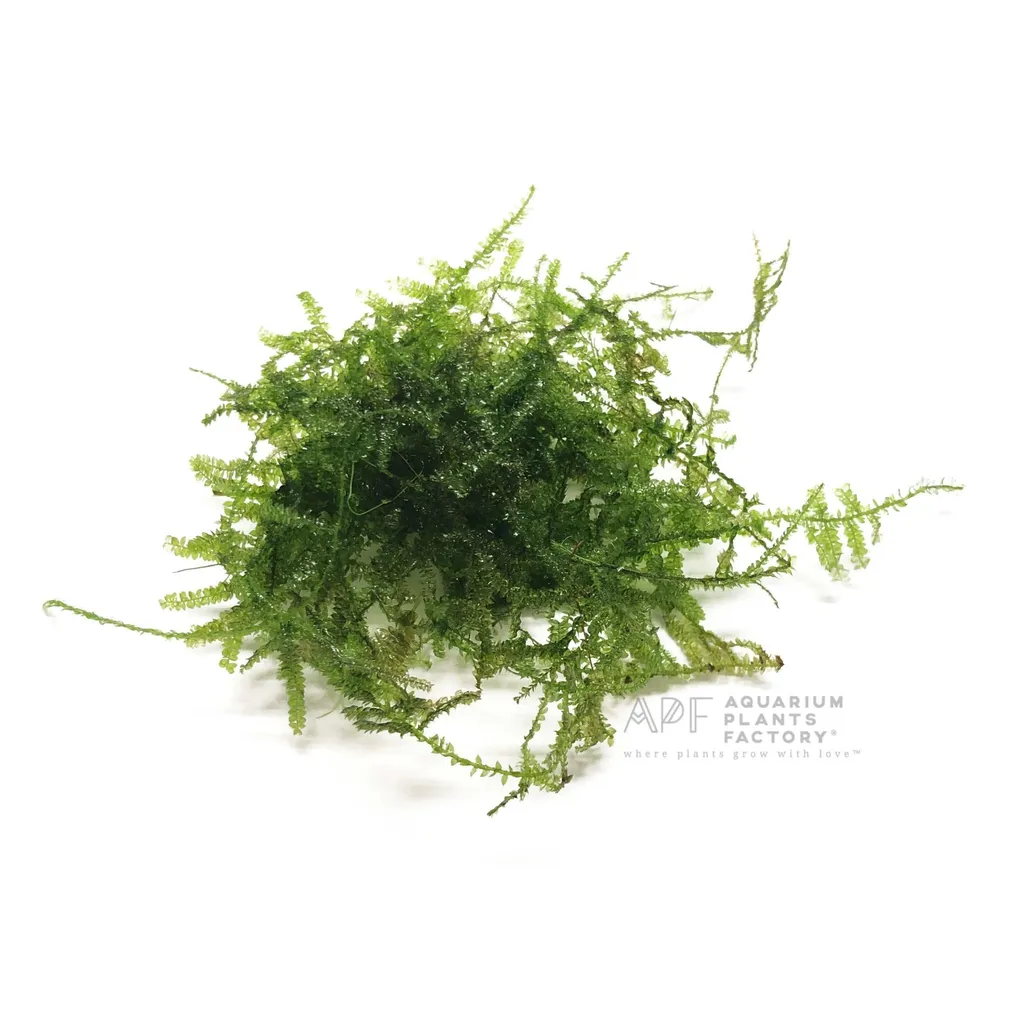
Christmas moss
Vesicularia montagnei
Low light · Epiphyte
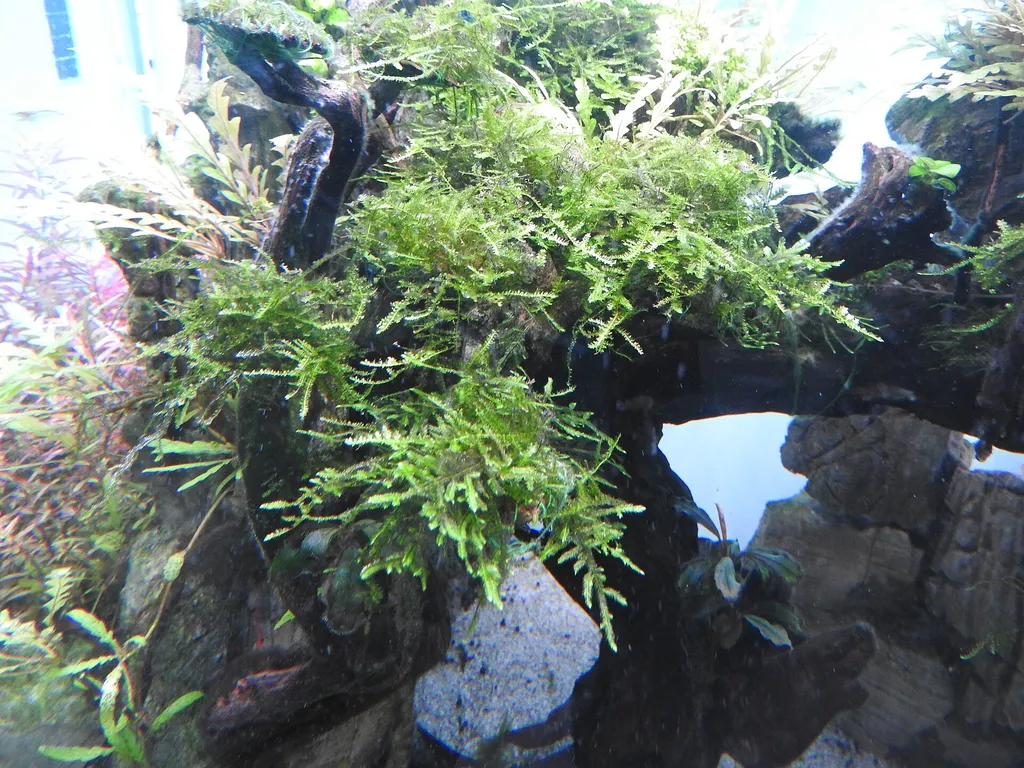 Low lightEpiphyte2 in (5 cm)
Peacock moss
Taxiphyllum sp. 'Peacock'
Low light · Epiphyte
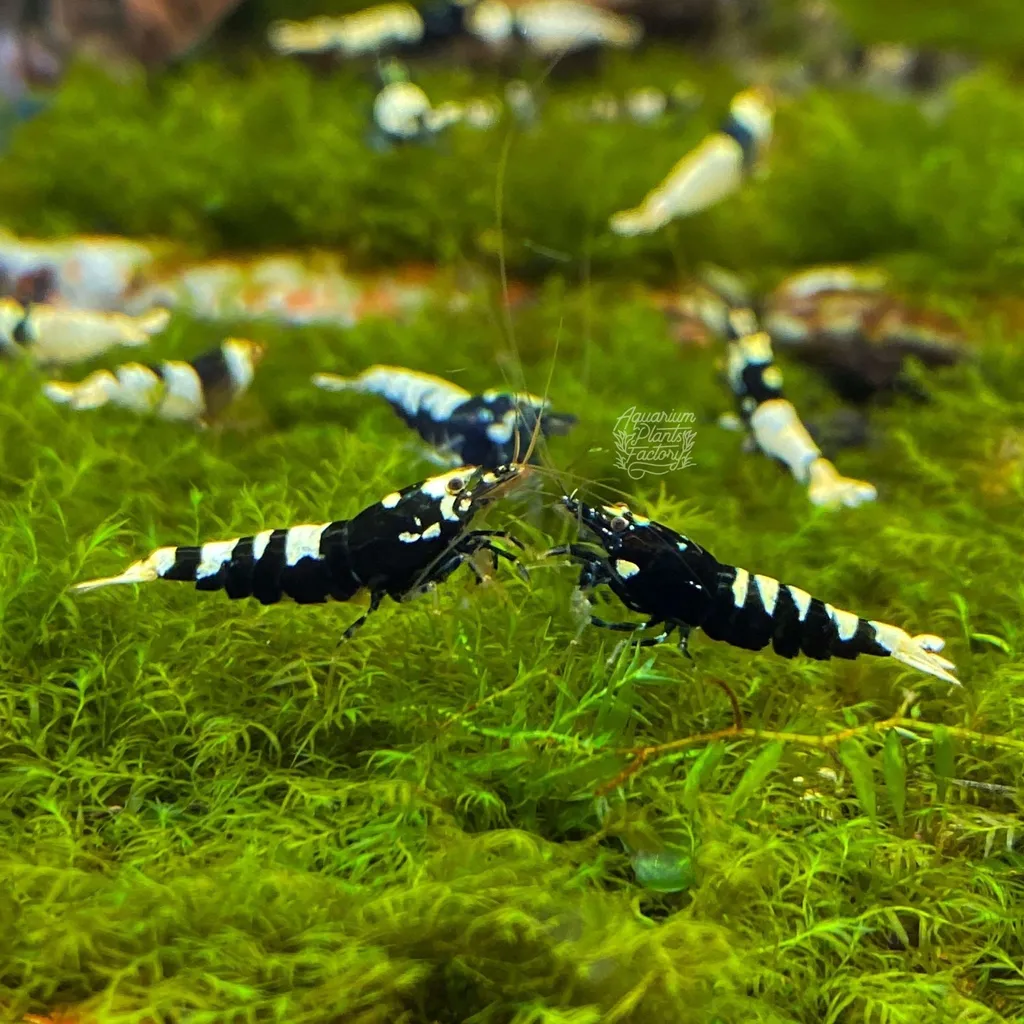 Medium lightEpiphyte2 in (5 cm)
Phoenix moss
Fissidens fontanus
Medium light · Epiphyte
 Low lightEpiphyte2 in (5 cm)
Singapore moss
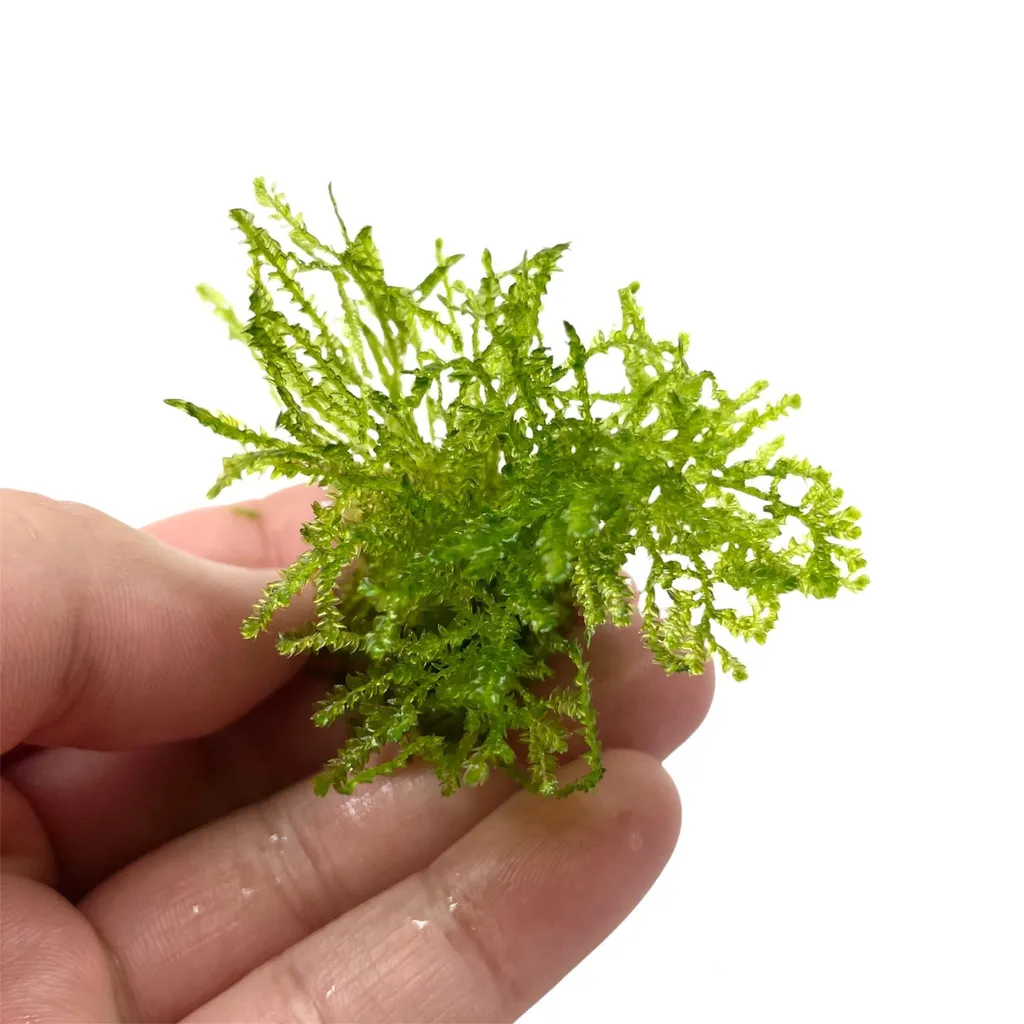
Vesicularia dubyana
Low light · Epiphyte
 Low lightEpiphyte2 in (5 cm)
Spiky moss
Taxiphyllum sp. 'Spiky'
Low light · Epiphyte
 Low lightEpiphyte2 in (5 cm)
Süsswassertang
Lomariopsis cf. lineata
Low light · Epiphyte